
SPS Pest Invasion SOS: Identifying and Eradicating Acropora Eating Flatworms (AEFW)

Welcome to Aquarium Mastery!
Is your dream SPS tank under attack? Don't panic! This guide dives deep into identifying and eradicating those pesky Acropora Eating Flatworms (AEFW) threatening your vibrant corals. Learn the secrets to saving your prized Acropora and restoring balance to your reef. Ready to reclaim your SPS paradise? Let's get started!
- Acropora Eating Flatworms (AEFW) Eradication: A Guide for SPS Reef Aquariums
- Understanding Acropora Eating Flatworms (AEFW)
- Diagnosing AEFW Infestation
- Treatment Strategies for AEFW
- Biological Control Options
- Post-Treatment Care and Prevention
- Long-Term SPS Health and Resilience
- Case Studies in AEFW Eradication
- Preventing Future Outbreaks
- Frequently Asked Questions
- Final Reflection: Safeguarding the Reef's Future
- Unveil Your Reef's Hidden Potential!
Acropora Eating Flatworms (AEFW) Eradication: A Guide for SPS Reef Aquariums
Understanding Acropora Eating Flatworms (AEFW)
AEFW: Identification and Biology
Amakusaplana acroporae, commonly known as Acropora Eating Flatworms (AEFW), are small, predatory marine flatworms that pose a severe threat to Acropora corals in reef aquariums. These delicate, oval-shaped organisms typically range from 0.5 millimeters to 2 centimeters in length, with their coloration often mimicking the brown or tan hues of the Acropora tissue they consume, providing excellent camouflage. They possess specialized mouthparts designed for rasping away coral polyps and tissue, leaving behind characteristic bite marks.
AEFW are hermaphroditic, meaning each individual possesses both male and female reproductive organs, allowing them to reproduce rapidly. They lay distinctive white or tan, spiral-shaped egg clutches, commonly found on the base or undersides of Acropora branches, often in shaded or less turbulent areas. A single adult AEFW can lay multiple clutches, each containing dozens of eggs, leading to an exponential population increase if left unchecked. The rapid life cycle, which can be as short as 10-14 days from egg to adult in optimal conditions, makes their eradication challenging once established.
The Threat of AEFW to SPS Coral
The presence of Acropora Eating Flatworms represents one of the most significant and devastating threats to Acropora corals within a reef aquarium. Unlike some other pests that cause localized damage, AEFW directly consume coral tissue, leading to widespread tissue recession, bleaching, and ultimately, the complete mortality of Acropora colonies. Their stealthy nature often means that infestations go unnoticed until significant damage has occurred, as the flatworms themselves are highly camouflaged and their initial tissue loss can be subtle.
Once established, AEFW can decimate even large, mature Acropora colonies within weeks to a few months, depending on the severity of the infestation and the size of the coral. This not only results in substantial financial loss for aquarists who have invested in these often-expensive corals but also leads to a significant aesthetic decline in the SPS tank. The difficulty of eradicating these pests from a main display tank, without resorting to drastic measures, underscores the severity of the threat they pose to the delicate balance of an SPS dominant reef.
Recognizing Early Signs of AEFW Damage
Early detection is paramount in the fight against Acropora Eating Flatworms. One of the most common initial signs of AEFW damage is localized tissue recession, often beginning from the base of the coral or in shaded, less accessible areas. Unlike typical tissue necrosis caused by water parameter issues, AEFW damage often appears as irregular, patchy areas of missing tissue, sometimes described as "bug bites." Affected polyps may appear consistently retracted, even during periods when the coral would normally exhibit full polyp extension.
Another crucial indicator is a noticeable discoloration or browning of the affected Acropora areas. This occurs as the coral loses its symbiotic zooxanthellae due to tissue damage. While these signs can sometimes be mistaken for other issues, the specific pattern of tissue loss, often with exposed white skeleton, combined with persistent polyp retraction, should immediately raise suspicion of an AEFW infestation. Daily, close inspection of Acropora colonies, especially new additions or those showing any signs of stress, is critical for catching these pests before they cause widespread devastation.
Diagnosing AEFW Infestation
Visual Identification Techniques
Effective diagnosis of Acropora Eating Flatworms begins with meticulous visual inspection. To perform a thorough check, carefully remove the suspicious Acropora coral from the display tank. Gently shaking or blowing a stream of tank water over the coral can help dislodge any detritus and may reveal the flatworms themselves. It is crucial to use a bright flashlight or a dedicated aquarium inspection light, as AEFW are masters of camouflage and often hide on the undersides of branches, in crevices, or where the coral attaches to the frag plug.
As you inspect the coral, pay close attention to any areas of tissue loss, discolored patches, or persistently retracted polyps. The flatworms, if present, will typically be seen crawling on the exposed skeleton or among the polyps, blending seamlessly with the coral's coloration. Even more definitive for diagnosis are the AEFW egg clutches. These are small, white, spiral-shaped masses, usually about 1-2 millimeters in diameter, often laid in protected areas such as the coral's base, frag plug, or within deeper crevices of the colony. Finding these egg masses confirms an active infestation.
Utilizing Magnification for Detection
Given the small size and excellent camouflage of AEFW, relying solely on the naked eye is often insufficient, especially for early or light infestations. Utilizing magnification significantly enhances the chances of detection. A jeweler's loupe with 10x to 30x magnification is an invaluable tool for closely examining coral surfaces. Alternatively, a macro lens attachment for a smartphone can provide excellent magnified views, allowing for detailed inspection and even photographic documentation.
When using magnification, systematically scan all surfaces of the Acropora coral. Focus particularly on areas of suspected damage, the base of the colony, and any shaded spots where the flatworms prefer to hide. Under magnification, the distinct shape and movement of the AEFW become more apparent. More importantly, the characteristic spiral pattern of their egg clutches, which can be nearly invisible without magnification, becomes clearly discernible. This detailed inspection under magnification is a cornerstone of effective SPS tank acropora flatworm treatment and prevention.
Differentiating AEFW from Other SPS Pests
Accurate identification of AEFW is crucial for appropriate SPS tank acropora flatworm treatment, as their symptoms can sometimes be confused with those caused by other common SPS pests. Red Bugs ( Tegastes species), for instance, are tiny, reddish-orange copepods that also feed on Acropora tissue, causing tissue recession and polyp retraction. However, Red Bugs are easily identifiable as distinct, mobile, tick-like creatures, whereas AEFW are flat and slug-like.
Similarly, Montipora Eating Nudibranchs ( Phestilla species) specifically target Montipora corals, not Acropora. While they are also small, camouflaged, and cause tissue loss, their morphology is distinctly slug-like with visible cerata (dorsal appendages), and their egg masses are typically white, coiled strings, unlike the spiral flatworm eggs. Furthermore, general tissue necrosis caused by poor water parameters or bacterial infections can sometimes resemble pest damage, but these issues typically lead to more uniform recession or slime, without the presence of visible pests or their eggs. Understanding these distinctions is vital for targeting the correct SPS tank acropora flatworm treatment.
Treatment Strategies for AEFW
Quarantine Tank Setup
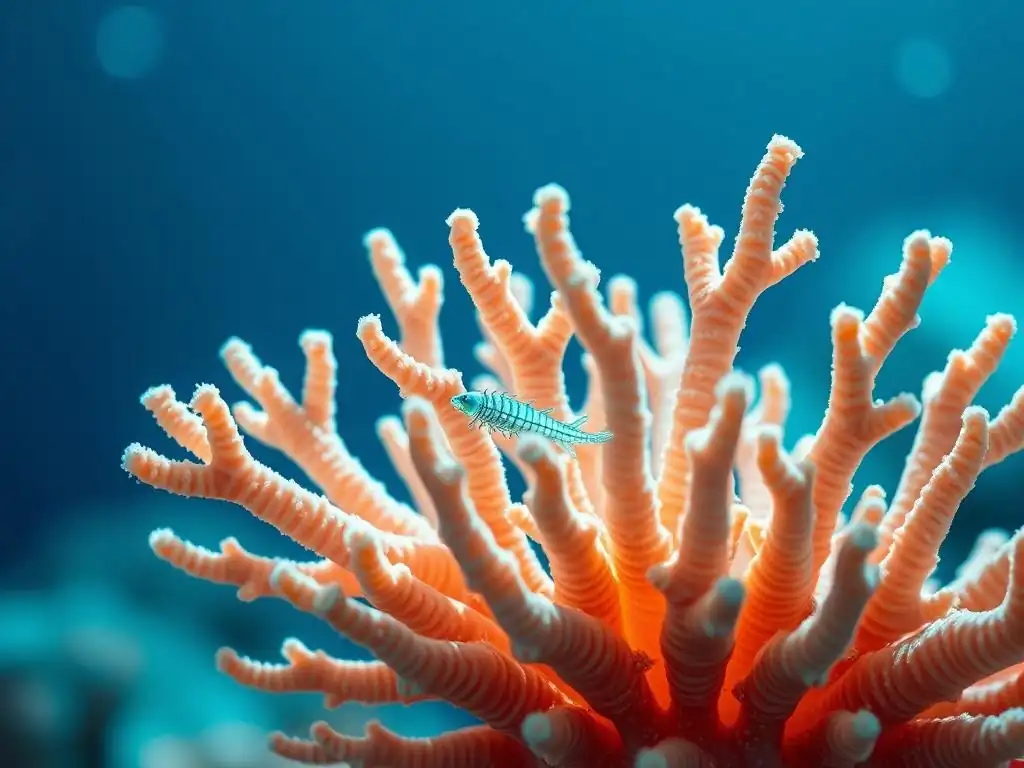
A dedicated quarantine (QT) tank is an indispensable tool for managing and preventing AEFW infestations, forming the backbone of any effective SPS tank acropora flatworm treatment protocol. A robust QT setup for corals should be bare-bottom for easy cleaning and include essential equipment such as a heater to maintain stable temperatures (e.g., 76-79°F), a small powerhead to provide adequate water circulation, and an air stone for oxygenation. Crucially, all equipment used in the QT should be separate from your main display tank to prevent any cross-contamination.
The protocol for new corals dictates a minimum quarantine period of 6-8 weeks. Upon arrival, new Acropora should undergo an initial chemical dip, followed by placement in the QT. Regular inspections and repeat dips should be performed every 5-7 days. This frequency is critical because it aims to interrupt the AEFW life cycle by targeting newly hatched larvae before they mature and lay their own eggs. By consistently removing adult worms and destroying emerging eggs, the cycle can be broken, significantly reducing the risk of introducing these pests into your established SPS tank.
Chemical Dip Options for AEFW Control
Chemical dips are a cornerstone of SPS tank acropora flatworm treatment, as they are highly effective at dislodging and killing adult flatworms. These dips are performed outside the main display tank in a separate container, typically with water from the aquarium. It's crucial to follow specific protocols for each type of dip to ensure efficacy while minimizing stress to the coral.
Iodine Dips: Protocol and Considerations
Iodine-based dips, such as those utilizing Lugol's Iodine Solution, are a common first line of defense against various coral pests, including AEFW. The typical protocol involves adding 10-20 drops of Lugol's Iodine per gallon of tank water in a separate container. The infested Acropora coral is then submerged in this solution for 5-10 minutes, with gentle agitation to help dislodge the flatworms. During the dip, observing the worms detaching and falling to the bottom of the container confirms the dip's effect.
While iodine dips are generally considered milder than some other chemical treatments, they may not kill all deeply embedded worms or penetrate the protective casing of AEFW egg masses. Therefore, they are often used as a preliminary step or for very light infestations. Overdosing or prolonged exposure can still cause stress to the coral, leading to tissue irritation or recession. Always monitor the coral closely during the dip and return it to clean, fresh aquarium water immediately if it shows signs of severe distress.
Freshwater Dips: Benefits and Risks
Freshwater dips leverage osmotic shock to dislodge and kill many common coral pests, including AEFW. To perform a freshwater dip, use reverse osmosis/deionized (RODI) water that has been meticulously matched to the temperature and pH of your display tank water. The Acropora coral is then dipped in this RODI water for a very short duration, typically 30-60 seconds. The sudden change in salinity causes the flatworms to rapidly detach and often perish due to the osmotic imbalance.
The primary benefit of freshwater dips is their immediate and dramatic effect on dislodging pests. However, they carry significant risks. Freshwater dips induce high stress on the coral, and prolonged exposure or inadequate matching of temperature and pH can lead to severe tissue necrosis or even coral death. They are generally not recommended for already stressed or delicate corals. While effective for removing adult worms, freshwater dips do not kill AEFW eggs, necessitating repeat treatments and thorough manual egg removal.
Acriflavine Dips: Application and Safety
Acriflavine-based solutions, such as Tropic Marin Pro-Coral Cure or Revive Coral Cleaner, are among the most potent and effective chemical dips for SPS tank acropora flatworm treatment. These products are specifically formulated to target various coral pests, including AEFW, often causing rapid detachment and death of adult worms. The application protocol typically involves adding a few drops per gallon of tank water in a separate dipping container, as per the manufacturer's instructions, and submerging the coral for 5-15 minutes.
When using Acriflavine dips, strict adherence to safety guidelines is paramount. Always use the solution in a well-ventilated area, and wear gloves to prevent skin contact, as Acriflavine can stain and is a potent chemical. Never introduce Acriflavine directly into the display tank, as it can harm beneficial bacteria and other invertebrates. Its high efficacy against adult worms, and sometimes even a degree of effectiveness against eggs, makes it a cornerstone of comprehensive AEFW eradication plans, particularly for established infestations.
Mechanical Removal Methods
Mechanical removal methods are crucial complements to chemical dips in any effective SPS tank acropora flatworm treatment strategy. During a dip, as the flatworms detach, using a soft brush (such as a new, clean toothbrush with soft bristles) or a powerful turkey baster/pipette to gently brush or blast the coral can help physically dislodge any remaining or stunned worms. This ensures that as many adult flatworms as possible are removed from the coral before it is returned to clean water.
Even more critical is the mechanical removal of AEFW egg masses. While chemical dips are effective against adult worms, they often have limited impact on the protected eggs. Therefore, after each dip and before returning the coral to the quarantine tank, meticulously inspect the coral for any visible egg clutches.
These spiral-shaped masses can be carefully scraped off using a sharp scalpel, a dental pick, or even a robust toothpick. Extreme caution must be exercised to avoid damaging the delicate coral tissue during this process. Removing all visible eggs is vital to breaking the flatworm's life cycle and preventing re-infestation.
Addressing AEFW Larvae in the Main Tank
One of the most challenging aspects of a widespread AEFW infestation is addressing the free-swimming larvae that may be present in the main display tank. While coral dips effectively remove adult flatworms from the corals themselves, there is no direct, universally effective SPS tank acropora flatworm treatment for larvae in the main water column without potentially harming other tank inhabitants. These larvae are microscopic and can survive in the water for a period before settling on new Acropora hosts.
Given this limitation, the primary strategy for managing larvae in the main tank is prevention and indirect control. If an infestation is discovered, removing all Acropora colonies from the main display for treatment in a quarantine tank is highly recommended. The main tank should then be left Acropora-free for at least 6-8 weeks.
This "fallow" period allows any remaining larvae to die off due to lack of a host. Maintaining excellent water quality and stable parameters in the main tank will support the overall health and resilience of the system, potentially making it less hospitable to pests in general, though this is not a direct larval solution.
Biological Control Options
Natural Predators of AEFW
The concept of biological control, utilizing natural predators to manage pests, is appealing to many aquarists. For AEFW, some wrasse species, such as the Six-Line Wrasse ( Pseudocheilinops hexataenia) or Melanurus Wrasse ( Halichoeres melanurus), are anecdotally reported to occasionally pick at and consume AEFW. Similarly, some aquarists have reported that Mandarin Dragonets ( Synchiropus splendidus) or Target Mandarins ( Synchiropus picturatus) might consume AEFW larvae or even small adults.
However, the effectiveness of these "natural predators" in controlling or eradicating an AEFW infestation is highly variable and generally considered insufficient. While a particular fish might occasionally consume a flatworm, they rarely consume enough to make a significant impact on an established population, especially given the rapid reproductive rate of AEFW. Relying solely on biological control for a severe SPS tank acropora flatworm treatment is therefore risky and almost always leads to continued coral loss.
Maintaining a Balanced Reef Ecosystem
While specific biological predators may not be the definitive solution for AEFW, maintaining a healthy, balanced reef ecosystem can contribute to the overall resilience of your corals. A robust and stable environment, characterized by consistent water parameters, appropriate lighting, and sufficient flow, promotes strong coral growth and health. Healthy corals are inherently more resilient and better equipped to withstand minor stressors, including initial pest incursions.
A diverse clean-up crew of snails, hermit crabs, and other microfauna helps manage general detritus and maintain tank cleanliness, which indirectly supports a healthier environment. However, it's important to understand that a "balanced ecosystem" will not prevent or cure a dedicated AEFW infestation. For aggressive and specific pests like Amakusaplana acroporae, direct and targeted SPS tank acropora flatworm treatment measures, such as quarantine and chemical dips, remain absolutely paramount.
Post-Treatment Care and Prevention
Regular Inspection for Re-infestation
The battle against AEFW does not end with the initial treatment; vigilance is crucial for preventing re-infestation. Even after successful dips and mechanical removal, a single missed egg or a deeply hidden flatworm can lead to a resurgence of the population. Therefore, a rigorous schedule of regular inspection is absolutely essential. All Acropora colonies in the tank should be visually checked daily for any signs of polyp retraction, tissue loss, or discoloration.
Beyond daily glances, conduct thorough, magnified inspections of all Acropora corals at least weekly for a minimum of 2-3 months post-treatment. During these inspections, pay particular attention to the undersides of branches, crevices, and the base of the corals, as these are common hiding spots for both adult flatworms and their egg clutches. Early detection of any new activity allows for immediate re-treatment, preventing the infestation from becoming widespread again and saving valuable corals.
Strict Quarantine Procedures for New Corals
The single most effective preventative measure against AEFW, and indeed most coral pests, is the implementation of strict quarantine procedures for all new Acropora corals entering your system. Never introduce a new coral directly into your display tank without a dedicated quarantine period. A minimum 6-8 week quarantine period is standard practice for SPS corals, allowing enough time for any hidden pests or their eggs to manifest and be treated.
The quarantine protocol should involve an immediate chemical dip (e.g., Acriflavine-based solution) upon arrival, followed by placement in the bare-bottom quarantine tank. Throughout the quarantine period, conduct repeat dips every 5-7 days for at least 4-6 weeks. This aggressive dipping schedule is designed to target any AEFW larvae that hatch from undetected eggs, ensuring that no mature flatworms are introduced into your main display. This proactive SPS tank acropora flatworm treatment approach is indispensable for maintaining a pest-free SPS tank.
Maintaining Optimal Water Parameters
Maintaining optimal and stable water parameters is crucial for the long-term health and resilience of Acropora corals, making them less susceptible to stress and better able to recover from pest damage. Key parameters include Alkalinity (7.5-8.5 dKH), Calcium (400-450 ppm), Magnesium (1300-1400 ppm), Salinity (1.025-1.026 specific gravity), and Temperature (76-79°F). Fluctuations in these parameters can severely stress Acropora, compromising their immune response and making them more vulnerable to pests like AEFW.
Beyond the major parameters, maintaining low but detectable levels of nitrates (1-5 ppm) and phosphates (0.02-0.05 ppm) is vital for vibrant Acropora growth and coloration. While high nutrients don't directly cause AEFW, they can contribute to poor coral health, making recovery more challenging. Consistent monitoring and supplementation, if necessary, ensure that your corals are in the best possible condition to resist and recover from any potential pest challenges.
Long-Term SPS Health and Resilience
Optimizing Lighting and Water Flow
Optimal lighting and water flow are fundamental to the long-term health and resilience of Acropora corals, directly impacting their ability to thrive and resist pests. Acropora are highly light-demanding corals, requiring high Photosynthetically Active Radiation (PAR) levels, typically ranging from 300 to 500 PAR at the coral tips, depending on the species and desired coloration. Providing the correct spectrum and intensity ensures robust photosynthesis, which fuels coral growth and energy reserves.
Equally critical is strong, turbulent, and chaotic water flow. Acropora naturally inhabit high-energy reef crests, accustomed to significant water movement. In an aquarium, this translates to flow rates equivalent to 40-60 times the tank volume per hour, achieved through multiple powerheads creating random, swirling patterns. Excellent flow helps deliver nutrients to the coral tissue, removes waste products, prevents detritus from settling, and can even physically dislodge some pests like AEFW, reducing their ability to settle and proliferate.
Nutrient Management Strategies
Effective nutrient management is a cornerstone of maintaining a healthy SPS tank and promoting the resilience of Acropora corals. While Acropora require some nutrients for growth, excessive nitrates and phosphates can lead to nuisance algae, bacterial films, and can sometimes stress corals or reduce their vibrant coloration. Key strategies include regular water changes, typically 10-20% bi-weekly, using a high-quality salt mix to replenish trace elements and dilute accumulated nutrients.
A robust protein skimmer is essential for removing organic waste before it breaks down into nitrates and phosphates. Judicious feeding practices, avoiding overfeeding fish and corals, also significantly contribute to lower nutrient levels. For tanks struggling with elevated nutrients, methods like carbon dosing (e.g., vinegar, vodka, biopellets) or the use of granular ferric oxide (GFO) can be employed to further reduce nitrates and phosphates to ideal levels (e.g., Nitrates 1-5 ppm, Phosphates 0.02-0.05 ppm). This clean water environment supports optimal Acropora growth, enhancing their natural defenses.
Trace Element Supplementation
Acropora corals, as calcifying organisms, not only consume calcium, alkalinity, and magnesium for skeletal growth but also require a variety of trace elements for their metabolic processes, coloration, and overall health. Elements such as Boron, Iodine, Potassium, Strontium, and various heavy metals are consumed by corals and can become depleted in a closed system. Insufficient levels of these vital trace elements can lead to stunted growth, dull coloration, and increased susceptibility to stress and disease, making corals more vulnerable to pests like AEFW.
Regular testing of key trace elements, if feasible, can guide supplementation. Otherwise, consistent water changes with a high-quality salt mix will replenish many of these elements. For heavily stocked SPS tanks, daily automatic dosing of specific trace element solutions, often part of a comprehensive dosing regimen (e.g., 2-part or 3-part systems), ensures that these vital components are continuously available to the corals. Ensuring a complete and balanced supply of all necessary elements contributes significantly to the long-term health and resilience of Acropora colonies.
Case Studies in AEFW Eradication
Successful Eradication in a Heavily Infested Tank
Consider a 100-gallon SPS reef tank with 15 Acropora colonies, 8 of which showed clear signs of AEFW damage, including localized tissue loss and persistent polyp retraction. The owner initiated a rigorous, multi-stage SPS tank acropora flatworm treatment protocol. All 15 Acropora colonies were carefully removed from the display tank and transferred to a dedicated 20-gallon quarantine tank. Each colony underwent an initial dip in an Acriflavine-based solution according to manufacturer guidelines, typically for 10 minutes. During the dip, numerous adult flatworms detached and were siphoned out.
Following the dip, each coral was meticulously inspected under magnification, and all visible spiral egg masses were carefully scraped off using a dental pick. This dipping and manual egg removal process was repeated every 5 days for a total of 6 weeks in the quarantine tank. The main display tank was left Acropora-free for 8 weeks to ensure any free-swimming larvae starved.
After the 6-week quarantine, with no further signs of AEFW or eggs, the corals were slowly reintroduced to the main tank. This comprehensive approach resulted in complete eradication, with the tank remaining AEFW-free for over a year, demonstrating the effectiveness of a diligent, multi-pronged strategy.
Preventing AEFW Through Rigorous Quarantine
A new 180-gallon SPS dominant reef tank owner, aware of the risks posed by AEFW, committed to a strict quarantine protocol for all new Acropora additions. Over a six-month period, a total of 20 Acropora frags were acquired. Each frag, upon arrival, received an immediate 15-minute dip in a commercially available Acriflavine-based coral dip solution, performed in a separate bucket with tank water. Following the dip, the frags were placed into a 30-gallon quarantine tank equipped with a heater, powerhead, and air stone.
Within the quarantine tank, each frag underwent weekly dips for the first four weeks, again using the Acriflavine solution. During these weekly dips, careful inspections for AEFW adults or egg masses were conducted. On two occasions, small adult flatworms were observed detaching during the initial dip, and on one frag, a small cluster of spiral eggs was found during a subsequent weekly inspection, which was promptly scraped off. Because of this rigorous SPS tank acropora flatworm treatment in quarantine, all 20 frags were introduced to the display tank completely free of AEFW, and the main system remained entirely free of any infestation, highlighting the critical role of proactive quarantine in prevention.
Preventing Future Outbreaks
Proactive Reef Keeping Practices
Preventing future AEFW outbreaks hinges on adopting proactive and disciplined reef keeping practices. The single most impactful measure is the rigorous quarantine of all new Acropora corals, as detailed previously. Beyond quarantine, maintaining a watchful eye on your existing colonies is paramount. Daily visual inspections of Acropora for any signs of polyp retraction, tissue loss, or discoloration can alert you to potential issues early, allowing for swift intervention before an infestation becomes widespread and difficult to manage.
Furthermore, ensuring optimal water parameters, providing appropriate lighting, and maintaining strong, turbulent water flow are crucial for fostering robust and resilient Acropora colonies. Healthy corals are inherently more resistant to stress and better equipped to withstand minor pest challenges. Regularly removing dead tissue and maintaining overall tank cleanliness also contributes to a healthier environment. By integrating these proactive measures into your routine, you significantly reduce the likelihood of a devastating AEFW outbreak.
Community Knowledge Sharing
The reef keeping hobby is built on a foundation of shared knowledge and collective experience, and this is particularly true in the ongoing fight against challenging pests like AEFW. Participating in online forums, local reef clubs, and community discussions allows aquarists to share their experiences, successful SPS tank acropora flatworm treatment protocols, and observed symptoms. This collective wisdom helps to refine best practices, identify emerging threats, and disseminate effective solutions more rapidly.
Staying updated on new research, products, and methodologies for pest control is also essential. The scientific understanding of Amakusaplana acroporae and effective eradication techniques continues to evolve. By actively engaging with the reefing community and committing to continuous learning, aquarists can leverage a vast pool of information to better protect their Acropora corals and contribute to the overall health and sustainability of the hobby.
Frequently Asked Questions
What are Acropora Eating Flatworms (AEFW) and why are they a problem?
AEFW are tiny parasitic flatworms that feed exclusively on Acropora corals. They are a problem because they can quickly decimate an SPS coral colony, leading to tissue loss and eventual death.
How can I identify an AEFW infestation in my SPS tank?
Look for tissue recession on your Acropora corals, especially at the base or in areas with low flow. You might also see small, white or brown flatworms crawling on the coral or near it. Observe the coral closely at night, as they are more active then.
What are some common treatments for AEFW in SPS corals?
Common treatments include coral dips using products like Bayer Advanced Complete Insect Killer or coral-specific dips. Manual removal with a turkey baster and careful inspection is also crucial. You may also need to remove the coral and treat it in a quarantine tank.
Can I prevent AEFW from entering my SPS aquarium?
Yes, quarantine all new corals before introducing them to your main tank. Thoroughly inspect new Acropora colonies for signs of flatworms or egg masses. A coral dip is highly recommended before introducing any new corals.
What are the risks if I don't treat AEFW in my SPS tank?
Ignoring an AEFW infestation can lead to complete loss of your Acropora corals. The flatworms can spread rapidly to other Acropora colonies in the tank. They can also be difficult to eradicate once the infestation becomes widespread.
Final Reflection: Safeguarding the Reef's Future
The relentless battle against Acropora Eating Flatworms (AEFW), as detailed in this guide, underscores the fragility of our reef ecosystems, even within the controlled environment of an SPS tank. The meticulous identification and eradication methods discussed are not merely technical procedures; they are acts of stewardship, reflecting our responsibility to protect the delicate balance of life we strive to cultivate. The fight against AEFW is a microcosm of the larger challenges facing coral reefs globally, demanding vigilance and proactive intervention.
This ongoing struggle highlights the profound impact of even seemingly small threats on complex systems. My own experiences with SPS corals have instilled a deep respect for their resilience and vulnerability, making the fight against AEFW a deeply personal one. The dedication and perseverance required to combat these pests serve as a reminder of the commitment needed to address broader environmental concerns. We are tied to the ocean. And when we go back to the sea, whether it is to sail or to watch - we are going back from whence we came.
- John F. Kennedy. This quote reminds us that our connection to the ocean, and its inhabitants, demands our protection.
As you navigate the challenges of maintaining a thriving SPS tank, remember that your efforts contribute to a larger understanding of coral health and resilience. Let the lessons learned in identifying and eradicating AEFW inspire you to become an even more informed and responsible aquarist. Consider how you can extend this proactive approach beyond your tank, supporting initiatives that promote coral reef conservation and sustainable practices. The future of these vital ecosystems depends on our collective commitment to understanding, protecting, and nurturing the delicate balance of life within them.
Thanks for diving deep into the world of SPS pest control! We hope you’ve gained valuable insights into identifying and eradicating those pesky Acropora Eating Flatworms (AEFW). Now it's time to take action and ensure the health of your reef!
- Immediately Inspect ALL Acropora: Give each colony a thorough examination for signs of AEFW, using a magnifying glass and strong light if needed.
- Share this article with fellow reef keepers to spread awareness and help others protect their SPS corals.
- Consider starting a quarantine tank specifically for new Acropora corals to prevent future infestations.
What's the first step you'll take today to safeguard your Acropora and ensure a thriving reef?