
Target Feeding vs. Broadcast Feeding LPS: Which is Best for Your Tank?

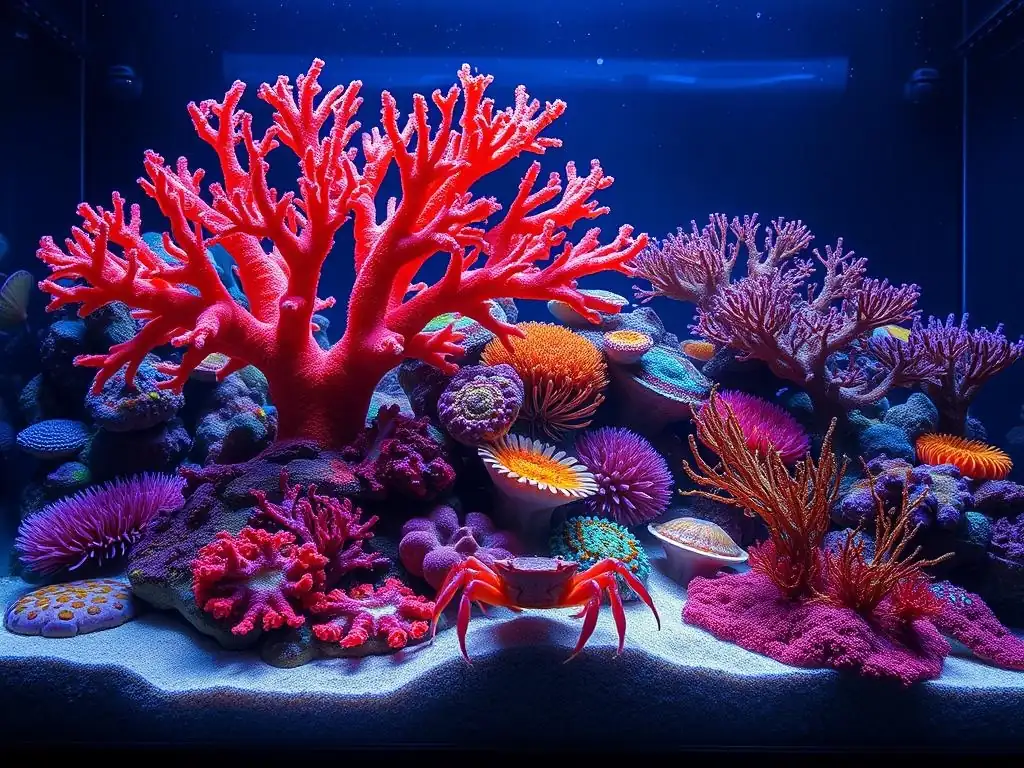
Welcome to Aquarium Mastery, where we dive deep into the fascinating world of aquariums!
Curious about giving your LPS corals the exact nourishment they need to thrive? Then you're in the right place! In this article, we're untangling the debate around Target Feeding LPS corals versus broadcast feeding. Discover which method truly unlocks the vibrant colors and robust health of your prized LPS specimens. Let's get started!
- Target Feeding vs. Broadcast Feeding LPS: Which is Best for Your Reef Tank?
- Understanding LPS Coral Feeding
- Target Feeding LPS Corals
- Broadcast Feeding LPS Corals
- Target Feeding vs. Broadcast Feeding: A Comparison
- Choosing the Right Feeding Method
- Advanced LPS Coral Feeding Techniques
- Conclusion: Optimizing LPS Coral Health Through Proper Feeding
-
Frequently Asked Questions
- What exactly is target feeding LPS corals, and how does it differ from broadcast feeding?
- Why is target feeding often recommended for LPS corals?
- How often should I target feed my LPS corals?
- What types of food are best suited for target feeding LPS corals?
- What are some potential downsides to target feeding, and how can I avoid them?
- Final Reflection: Cultivating Coral Harmony
- Ignite Your LPS Growth!
Target Feeding vs. Broadcast Feeding LPS: Which is Best for Your Reef Tank?
Understanding LPS Coral Feeding
LPS Corals and Their Nutritional Needs
Large Polyp Stony (LPS) corals, such as Euphyllia (Hammer, Torch, Frogspawn), Favia, Acanthastrea, and Scolymia, are renowned for their striking colors and robust polyps. While many aquarists assume their primary energy source comes from the symbiotic zooxanthellae algae living within their tissues, which provide up to 70-90% of their daily energy through photosynthesis, heterotrophic feeding is equally vital. This secondary feeding mechanism involves capturing and consuming food particles from the water column, supplying essential nutrients that photosynthesis alone cannot provide.
This heterotrophic feeding is crucial for optimal growth rates, vibrant coloration, and overall resilience against diseases or environmental stressors. LPS corals possess specialized stinging cells (nematocysts) on their tentacles and a central mouth, enabling them to capture a range of food items, from microscopic zooplankton (e.g., copepods, rotifers) to larger particles like mysis shrimp or small pieces of fish flesh. Providing a diverse diet that supplements their photosynthetic energy ensures these corals receive a complete spectrum of proteins, lipids, and trace elements necessary for calcification and tissue development.
Essential Nutrients for LPS Coral Health
For LPS corals to thrive, a balanced intake of specific nutrients is paramount. Proteins, broken down into amino acids, are fundamental building blocks for tissue repair and growth, supporting the expansion of polyps and the formation of new skeletal material. Lipids, particularly essential fatty acids like DHA and EPA, serve as critical energy reserves and are vital for cell membrane integrity and overall metabolic function. These can significantly enhance color vibrancy and overall coral vitality.
Beyond macro-nutrients, vitamins and trace elements play indispensable roles. Vitamins, such as C and B complexes, act as co-factors in numerous enzymatic reactions, supporting everything from immune response to pigment synthesis. Trace elements like strontium and iodine are directly incorporated into the coral's aragonite skeleton, facilitating calcification rates that can exceed 10% annual skeletal growth in well-fed specimens. A deficiency in any of these components can lead to stunted growth, tissue recession, or dull coloration, underscoring the importance of a comprehensive feeding strategy.
Target Feeding LPS Corals
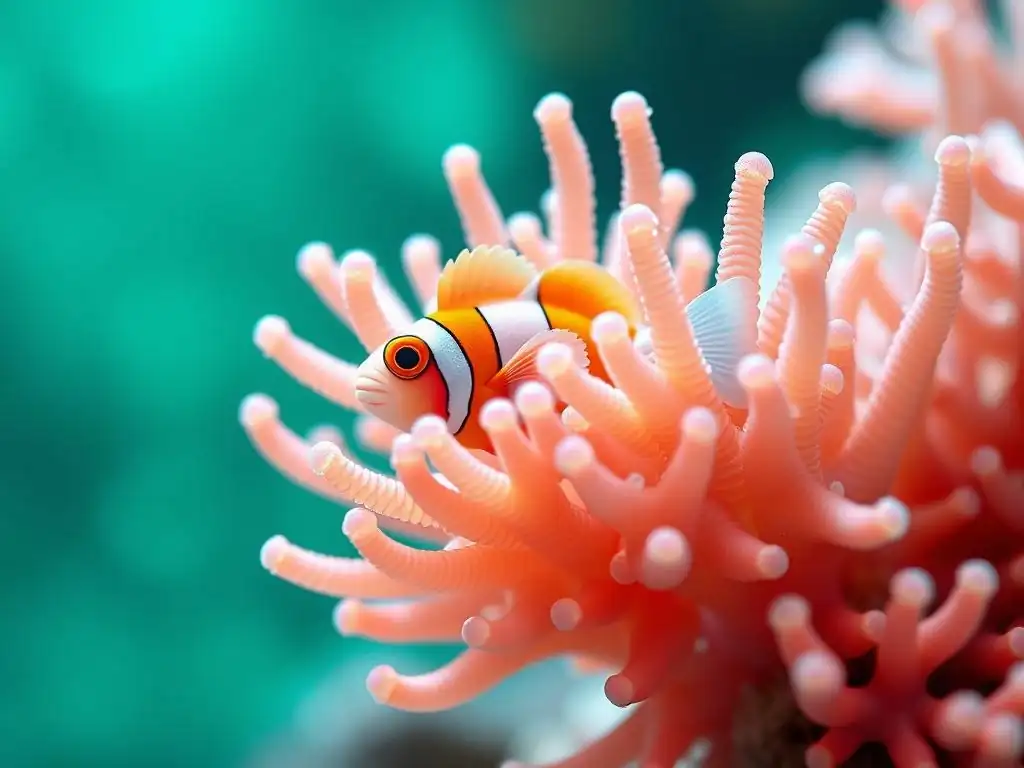
What is Target Feeding?
Target feeding is a precise method of delivering food directly to individual coral polyps. This technique typically involves using a pipette, turkey baster, or specialized coral feeder to dispense a concentrated amount of food onto or immediately adjacent to a coral's extended tentacles. The goal is to ensure that the intended coral receives the maximum amount of nutrition with minimal waste.
This controlled approach allows aquarists to cater to the specific dietary needs of individual LPS corals, which can vary significantly based on species, size, and health. It is often performed when corals are actively extending their polyps and feeding tentacles, typically after the main tank lights have dimmed or turned off, as many LPS corals are more receptive to feeding during their natural nocturnal hunting period.
Benefits of Target Feeding
Enhanced Growth and Coloration
One of the most significant advantages of target feeding LPS corals is the direct delivery of nutrients, leading to superior growth rates and more vibrant coloration. When a Euphyllia glabrescens (Torch coral) or a Scolymia vitiensis is directly fed protein-rich foods like mysis shrimp or specialized coral pellets, they can rapidly absorb these nutrients.
This direct intake translates into noticeable benefits such as faster skeletal growth, with some aquarists observing up to 20-30% quicker new polyp formation or skeletal extension compared to corals that rely solely on broadcast feeding or zooxanthellae. The abundance of specific amino acids and lipids directly contributes to the production of vibrant pigments, deepening the blues, greens, and reds often seen in healthy LPS corals.
Moreover, focused nutrition ensures that even the most demanding or slow-feeding LPS species receive adequate sustenance, preventing energy deficits that can lead to tissue recession or bleaching. For instance, a Favia coral, meticulously target-fed a diverse diet, often exhibits more pronounced and saturated colors, reflecting its optimized health and energy reserves for pigment expression and growth.
Reduced Waste and Improved Water Quality
Target feeding drastically minimizes the amount of uneaten food decomposing in the water column, which is a major contributor to elevated nutrient levels in reef tanks. By precisely delivering food to the coral, virtually all of it is consumed, leaving very little to break down into undesirable nitrates and phosphates. This controlled feeding method can reduce dissolved organic carbon (DOC) and phosphate accumulation by an estimated 50-70% compared to indiscriminately broadcast feeding large quantities.
The direct consequence of this reduced waste is improved water quality, leading to fewer nuisance algae outbreaks (e.g., hair algae, diatoms) and a decreased burden on the tank's filtration system, including protein skimmers and biological filters. This also translates into less frequent large-scale water changes specifically for nutrient export, making tank maintenance more efficient and contributing to a more stable and pristine reef environment.
How to Target Feed LPS Corals
Choosing the Right Food
Selecting appropriate food is crucial for effective target feeding LPS corals. Ideal foods should be appropriately sized for the coral's polyps and mouth, and rich in the nutrients LPS corals require. Popular choices include:
- Frozen Mysis Shrimp: A staple, providing excellent protein and fatty acids. Brands like Hikari or San Francisco Bay Brand are widely used. Their size (typically 1-2 cm) is perfect for larger LPS polyps.
- Frozen Brine Shrimp (enriched): While less nutritious than mysis, enriched brine shrimp can be a good option, especially for smaller-mouthed LPS.
- Specialized LPS Coral Pellets/Granules: Products like Reef Roids (Polyp Lab), Fauna Marin LPS Grow and Color, or Red Sea Reef Energy AB+ are formulated with balanced nutrient profiles, including proteins, lipids, and amino acids, and are designed for easy consumption by LPS corals.
- Liquid Coral Foods: Suspensions like Brightwell Aquatics CoralAmino or Polyp Lab Reef-Roids (liquid version) offer fine particles and dissolved nutrients, beneficial for a broader range of LPS, including those with smaller polyps.
- Chopped Fish/Shrimp Flesh: For very large-mouthed LPS like Scolymia or Acanthophyllia, finely chopped pieces of marine fish or shrimp can provide substantial nutrition.
Ensure the particle size is suitable; for most LPS, food particles ranging from 500 microns to 5 millimeters are readily accepted.
Best Practices for Effective Target Feeding
To maximize the efficacy of target feeding LPS corals, follow these best practices:
- Turn off Water Flow: Temporarily switch off powerheads and return pumps for 15-30 minutes during feeding. This prevents the food from being dispersed throughout the tank, ensuring it reaches the intended coral and reduces waste.
- Feed During Optimal Times: Many LPS corals extend their feeding polyps most prominently after the main tank lights have been off for a while, often an hour or two after dusk. This mimics their natural feeding behavior.
- Prepare Food: Thaw frozen foods in a small cup of tank water. If using pellets or powders, mix them with tank water to create a slurry. This allows for easier dispensing and better absorption.
- Gentle Delivery: Use a coral feeder, pipette, or baster to slowly and gently dispense the food directly onto the coral's polyps or just above them. Avoid blasting the coral with a strong stream of water, which can cause polyps to retract.
- Observe and Adjust: Watch how the coral responds. If it quickly consumes the food, it's likely hungry. If it rejects food or polyps remain retracted, reduce the amount or frequency. A single mysis shrimp per large polyp is often a sufficient starting point.
- Frequency: For optimal growth and coloration, target feed demanding LPS corals 2-3 times per week. Less demanding species may only require feeding once a week.
Following these practices ensures that your LPS corals receive tailored nutrition, promoting their health and vibrant appearance.
Addressing Common Challenges
Preventing Overfeeding
Overfeeding is a common pitfall in target feeding, despite its precision. While the goal is to provide ample nutrition, excessive food can still lead to problems. Signs of overfeeding include corals rejecting food, food particles remaining on the coral for an extended period without being consumed, or a noticeable cloudiness in the water shortly after feeding. If these signs occur, it indicates that the coral has received more food than it can process, or that the feeding frequency is too high.
To prevent overfeeding, adopt a "less is more" philosophy, especially when first introducing target feeding. Start with a very small amount—perhaps one or two mysis shrimp per large polyp—and observe the coral's consumption rate. If the coral consumes the food within 5-10 minutes, you can gradually increase the amount in subsequent feedings. It's better to underfeed slightly and increase later than to overfeed and risk nutrient spikes, which can trigger nuisance algae or even bacterial blooms in the aquarium.
Dealing with Aggressive Tank Mates
Aggressive tank mates, particularly certain fish species or mobile invertebrates, can pose a challenge during target feeding by attempting to steal food from corals. Wrasses, some damselfish, and even certain cleaner shrimp may dart in to snatch food intended for your LPS corals, reducing the efficiency of your efforts and potentially stressing the corals.
To mitigate this, consider feeding during off-hours when these opportunistic eaters are less active or when the main lights are off, making it harder for them to spot the food. Another effective strategy is to distract aggressive fish by broadcast feeding a small amount of flake or pellet food in another area of the tank just before you begin target feeding the corals. For persistent issues, a coral feeder with a longer, narrower tip or even a temporary barrier like a small, clear acrylic shield placed around the coral can help ensure the food reaches its intended recipient.
Broadcast Feeding LPS Corals
What is Broadcast Feeding?
Broadcast feeding involves dispersing food particles into the general water column of the aquarium, allowing the corals, fish, and other invertebrates to capture the drifting nutrients as they are carried by the tank's flow. Unlike target feeding, this method does not involve directing food to specific individuals. Instead, it simulates a natural "snowfall" of planktonic organisms and detritus that would be present in a wild reef environment.
This technique is often favored for its simplicity and convenience, as it requires minimal direct intervention. Aquarists typically pre-mix a quantity of fine particulate food, liquid suspensions, or finely chopped frozen foods with tank water, then pour or squirt the mixture into an area of high flow, allowing it to distribute throughout the tank. While less precise, broadcast feeding aims to provide a general nutritional boost to the entire reef ecosystem.
Advantages of Broadcast Feeding
Convenience and Ease
The primary advantage of broadcast feeding is its unparalleled convenience and ease of execution. For aquarists with busy schedules or those maintaining large reef systems with numerous LPS corals, individually target feeding each coral can be an incredibly time-consuming task, potentially taking 15-30 minutes for a moderately sized tank. Broadcast feeding, in contrast, can be accomplished in mere seconds.
This method allows for a quick and effortless way to introduce nutrients to the entire tank, making it a highly practical option for routine feeding. It eliminates the need for specialized tools like pipettes for each feeding session, simplifying the daily or weekly maintenance routine and making coral nutrition more accessible to a broader range of hobbyists.
Potential Benefits for Other Inhabitants
While the focus might be on LPS corals, broadcast feeding offers significant collateral benefits to the entire reef ecosystem. Beyond corals, many other tank inhabitants are opportunistic filter feeders or detritivores that thrive on suspended food particles. This includes a wide array of beneficial microfauna such as copepods and amphipods, which are crucial components of the reef's natural food web and serve as live food for many fish species.
Sessile invertebrates like feather dusters, clams, and various sponges, which cannot be target-fed, directly benefit from the distributed nutrients. Even small, shy fish or juvenile fish that might not compete well for target-fed food can opportunistically graze on the dispersed particles. By providing a general "food cloud," broadcast feeding helps sustain a more diverse and robust ecosystem, contributing to the overall health and stability of the aquarium.
Potential for Overfeeding and Water Quality Issues
The primary drawback of broadcast feeding is the inherent difficulty in controlling the amount of food consumed by individual corals, leading to a higher risk of overfeeding the entire system. When food is dispersed widely, a significant portion may go uneaten, settling into the substrate or becoming dissolved organic matter.
This uneaten food quickly breaks down, leading to a rapid and often substantial increase in dissolved nitrates and phosphates. For instance, a single heavy broadcast feeding session can cause nitrate levels to spike by 10-20 ppm and phosphates by 0.1-0.2 ppm in a moderately stocked 100-gallon tank if filtration is insufficient.
These elevated nutrient levels provide a fertile ground for nuisance algae (e.g., hair algae, diatoms, dinoflagellates) and cyanobacteria outbreaks, which can quickly overwhelm a reef tank, outcompeting corals for light and space. Furthermore, persistently high nutrient levels can stress corals, leading to browning out due to an overabundance of zooxanthellae or, conversely, tissue necrosis in sensitive species.
Less Control Over Nutrient Delivery
Broadcast feeding offers significantly less control over which specific corals receive nutrition. In a tank with strong water flow, food particles may be swept away before slower-feeding or less competitive corals can capture them. This means that while some corals might receive adequate nutrition, others, particularly those in lower flow areas or those with less efficient feeding mechanisms, may be underfed.
This lack of targeted delivery can lead to uneven growth rates among different LPS species or even among individual colonies of the same species. For example, a fast-reacting Duncanopsammia axifuga might quickly capture food, while a more passive Goniopora (flowerpot coral) in the same tank might miss out on essential particles. This can hinder the optimal health and vibrancy of specific prized corals, making it challenging to meet their precise dietary requirements.
Target Feeding vs. Broadcast Feeding: A Comparison
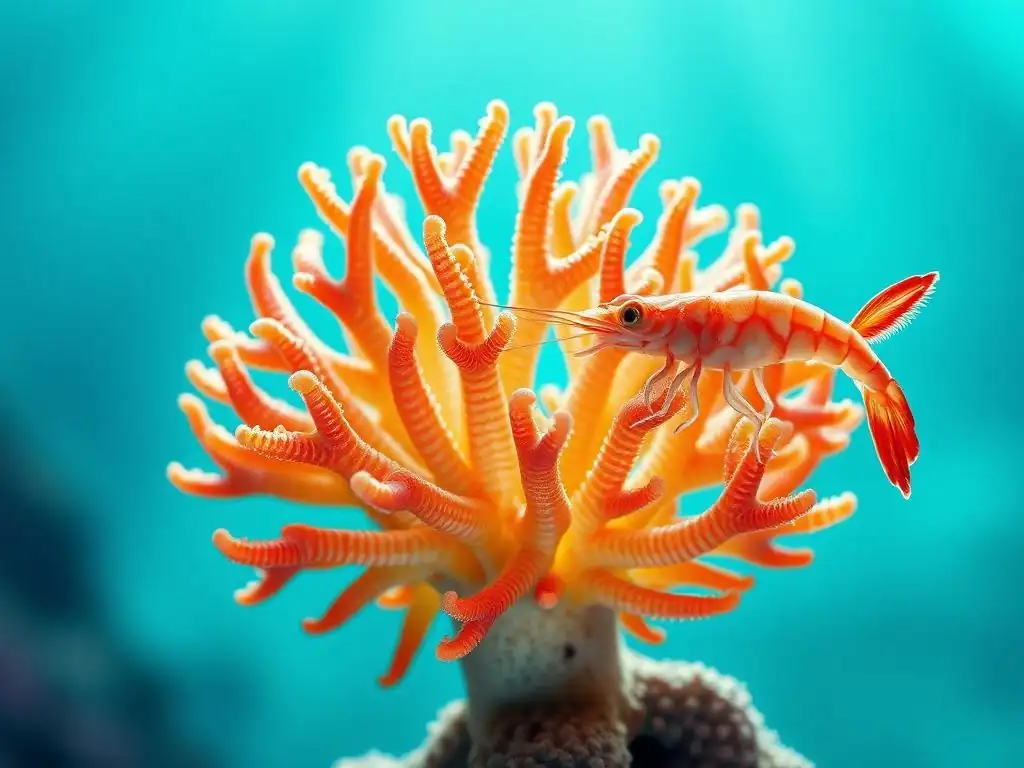
Nutrient Delivery Efficiency
The efficiency of nutrient delivery is a key differentiator between target feeding and broadcast feeding. With target feeding, nearly 100% of the food is delivered directly to the intended coral's polyps, ensuring maximum consumption and minimal waste. This direct approach means that the coral receives a concentrated dose of nutrients precisely where it is needed, leading to highly efficient absorption and utilization for growth and metabolic processes.
In contrast, broadcast feeding is inherently less efficient for individual corals. While it distributes food throughout the water column, a large percentage of this food—often estimated to be 80-90%—may be consumed by fish, other invertebrates, or simply break down into dissolved organic compounds before it can be captured by the corals. This results in a significantly lower proportion of the dispensed food actually reaching the intended coral polyps, making it a less direct and more wasteful method for specific coral nutrition.
Impact on Water Quality
The impact on water quality is another critical aspect where these two feeding methods diverge. Target feeding, by virtue of its precision and minimal waste, places a significantly lower burden on the aquarium's filtration system. Since nearly all food is consumed by the coral, there is very little residual organic matter to decompose, which helps maintain stable and low levels of nitrates and phosphates. This reduces the frequency of water changes needed specifically for nutrient export and minimizes the risk of nuisance algae blooms.
Broadcast feeding, however, carries a higher inherent risk of negatively impacting water quality. The widespread dispersion of food means that a substantial amount often goes uneaten, rapidly breaking down into nitrates and phosphates. This can lead to undesirable nutrient spikes, especially in tanks with less robust filtration or higher bioloads, potentially fostering the growth of unwanted algae and stressing sensitive corals. Regular and larger water changes, along with highly efficient protein skimming, are often necessary to mitigate the nutrient accumulation associated with consistent broadcast feeding.
Long-Term Coral Health
Considering long-term coral health, target feeding generally offers a more optimized path. Consistent, precise nutrition through target feeding provides corals with the specific building blocks they need for robust skeletal growth, vibrant coloration, and enhanced resilience. Corals that are consistently target-fed often exhibit faster growth rates, larger polyp extension, and a stronger ability to recover from minor stresses or fragging. This method allows aquarists to fine-tune the diet to meet the high demands of specific LPS species, leading to superior overall vitality and longevity.
While broadcast feeding can sustain LPS corals, it may not unlock their full growth and color potential, especially for species with higher metabolic demands. The less controlled nutrient delivery means that some corals might always be slightly undernourished compared to their target-fed counterparts, potentially leading to slower growth, less intense coloration, or reduced resilience over extended periods. For aquarists aiming for peak coral health and display quality, target feeding often yields more impressive long-term results.
Choosing the Right Feeding Method
Factors to Consider
Selecting the optimal feeding method for your LPS corals involves a careful assessment of several tank-specific and coral-specific factors. There isn't a single "best" approach for every reef tank; instead, the ideal strategy is often a dynamic balance.
Size and Type of LPS Corals
The morphology and natural feeding behavior of your LPS corals should heavily influence your choice. Large-polyped, overtly predatory LPS species with prominent mouths, such as Scolymia, Acanthophyllia, Lobophyllia, and larger Euphyllia species (e.g., Torch, Hammer, Frogspawn corals), are excellent candidates for target feeding. Their large oral discs and robust tentacles are highly efficient at capturing and consuming larger food particles like mysis shrimp or small pellets, making direct delivery very effective for their high energy demands. These corals can process substantial meals.
Conversely, smaller-polyped LPS corals or those with more passive feeding mechanisms, such as Goniopora (flowerpot corals) or Alveopora, may benefit more from broadcast feeding of very fine particulate foods (e.g., phytoplankton, finely ground zooplankton). Their smaller mouths and delicate polyps are better suited to capturing microscopic particles from the water column rather than large, direct meals. Attempting to target feed larger foods to these species can be ineffective and potentially stress the coral.
Tank Size and Water Flow
The size of your aquarium and its inherent water flow characteristics significantly impact the feasibility and consequences of each feeding method. In smaller tanks (e.g., under 50 gallons), broadcast feeding carries a higher risk of rapid nutrient accumulation and water quality degradation due to the smaller water volume. Even a modest amount of uneaten food can quickly lead to elevated nitrates and phosphates. Therefore, target feeding is often the preferred and safer method for nutrient-sensitive smaller systems, allowing for precise control.
Larger tanks (e.g., 100 gallons and up) with robust filtration systems (e.g., oversized protein skimmers, refugiums, biopellet reactors) can generally handle broadcast feeding with fewer adverse water quality effects. The larger water volume provides greater dilution, and the efficient filtration helps process excess nutrients more effectively. Similarly, tanks with very high water flow might make target feeding challenging as food is swept away quickly, while moderate flow is conducive to both methods.
Existing Nutrient Levels
Your aquarium's current nutrient levels, specifically nitrates and phosphates, should be a primary consideration. If your tank consistently runs with elevated nutrient levels (e.g., nitrates above 10-20 ppm, phosphates above 0.1 ppm), prioritizing target feeding is crucial. This method minimizes the introduction of additional organic waste, helping to prevent further nutrient spikes and allowing your existing filtration to catch up. Adding more widespread food through broadcast feeding in an already high-nutrient environment can exacerbate issues like nuisance algae blooms and coral browning.
Conversely, in ultra-low nutrient systems (ULNS) where nitrates and phosphates are near undetectable (e.g., nitrates below 1 ppm, phosphates below 0.01 ppm), a measured amount of broadcast feeding can actually be beneficial. While ULNS are often desired for SPS corals, some LPS corals can suffer from nutrient starvation in such sterile environments, as their zooxanthellae may not receive enough nitrogen and phosphorus. In these cases, a light broadcast feed can help maintain a healthy baseline of nutrients for both corals and their symbiotic algae, but careful monitoring is essential to avoid overshooting desired levels.
Combining Target and Broadcast Feeding
For many reef aquarists, the most effective and beneficial approach to feeding LPS corals is a hybrid strategy that intelligently combines both target feeding and broadcast feeding. This integrated method allows for the precise delivery of nutrition to demanding individual corals while also providing general sustenance to the wider reef ecosystem.
A common successful strategy involves target feeding specific, high-value, or more demanding LPS corals (e.g., Scolymia, Acanthastrea, large Euphyllia specimens, Favia, Lobophyllia species) 2-3 times per week with meaty foods like mysis shrimp or specialized pellets. This ensures these corals receive the focused nutrition they need for optimal growth, coloration, and health. In addition, a lighter broadcast feed of fine particulate food, liquid coral food, or enriched phytoplankton can be introduced once or twice a week to benefit filter feeders, smaller LPS polyps, and the tank's microfauna.
This provides a natural "snowfall" of nutrients that supports the overall biodiversity and health of the reef. This dual approach maximizes the benefits of both methods while mitigating their respective drawbacks, leading to a more robust and vibrant reef aquarium.
Advanced LPS Coral Feeding Techniques
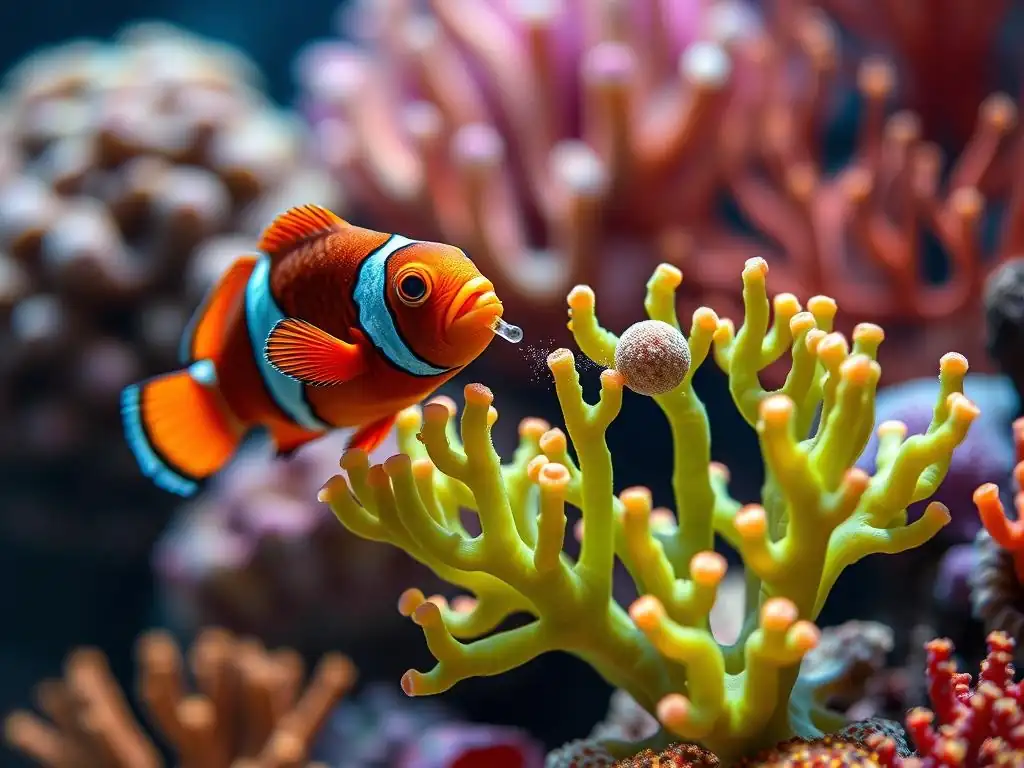
Using Coral Foods Formulated for LPS
The reef aquarium market offers a growing array of coral foods specifically formulated to meet the unique dietary requirements of LPS corals. These specialized products are often superior to generic fish foods or single-ingredient options because they provide a balanced nutritional profile, optimized particle sizes, and enhanced palatability. For instance, many high-quality LPS-specific pellets and liquid suspensions contain a precise blend of marine proteins, beneficial fatty acids (like DHA and EPA), amino acids, and essential vitamins and trace elements.
Brands like Red Sea's Reef Energy AB+, Fauna Marin's LPS Grow and Color, and Polyp Lab's Reef-Roids are examples of such products. These formulations are designed to support rapid skeletal growth and intensify coloration. For example, the inclusion of certain carotenoids or specific amino acid profiles in these foods can directly contribute to the vibrant blues, greens, and reds seen in species like Acanthastrea and Trachyphyllia. Using these purpose-designed foods ensures that your LPS corals receive a comprehensive and easily digestible diet, promoting their peak health and aesthetic appeal.
Maintaining Proper Alkalinity for LPS Health
While feeding provides the organic building blocks for LPS corals, maintaining stable and proper alkalinity levels is equally critical, as it directly impacts their ability to calcify and build their aragonite skeletons. Alkalinity, or carbonate hardness (dKH), represents the concentration of bicarbonate and carbonate ions in the water, which are the primary components corals use for skeletal growth. The optimal range for most LPS corals is typically between 8 and 12 dKH, with stability being more important than hitting an exact number.
When LPS corals are well-fed, their metabolic rates increase, leading to faster growth and, consequently, a higher demand for alkalinity. A large, actively growing Euphyllia colony, for example, can consume 0.5-1.0 dKH per day in a moderately sized tank.
If alkalinity levels fluctuate wildly or drop too low (e.g., below 7 dKH), corals can experience stunted growth, tissue recession, or even "burnt tips" on their polyps. Regular testing (e.g., 2-3 times per week) and consistent dosing of alkalinity supplements, such as two-part solutions or the use of a calcium reactor, are essential to meet this demand and support robust skeletal development.
Managing Nitrate Levels for LPS Health
Nitrate, often seen as a detrimental waste product, plays a more nuanced role in LPS coral health. While excessively high nitrate levels (e.g., above 20 ppm) can lead to tissue recession, browning out of corals due to zooxanthellae overpopulation, or increased susceptibility to disease, ultra-low nitrate levels (e.g., below 1 ppm) can also be problematic. LPS corals, particularly those with significant zooxanthellae populations, require a baseline level of nitrogen (from nitrates) and phosphorus (from phosphates) to sustain their symbiotic algae. Without these, the zooxanthellae can starve, leading to pale coloration or even bleaching.
The ideal nitrate range for most LPS corals is generally considered to be between 2 and 10 ppm. Both target feeding and broadcast feeding contribute to the nitrate load. Therefore, effective nitrate management is crucial. Strategies include:
- Regular Water Changes: Performing 10-20% water changes bi-weekly helps dilute accumulated nitrates.
- Efficient Protein Skimming: A well-sized and maintained protein skimmer effectively removes dissolved organic compounds before they break down into nitrates.
- Refugiums: A refugium with macroalgae (e.g., Chaetomorpha) actively consumes nitrates as a nutrient source.
- Beneficial Bacteria Dosing: Products containing nitrifying and denitrifying bacteria can enhance the tank's natural nitrogen cycle efficiency.
Balancing feeding with effective nutrient export ensures that LPS corals receive sufficient nutrition without succumbing to the negative effects of excessively high or low nitrate levels.
Conclusion: Optimizing LPS Coral Health Through Proper Feeding
Key Takeaways
Optimizing the health and vibrancy of LPS corals hinges significantly on a well-thought-out feeding strategy. While their symbiotic zooxanthellae provide a substantial portion of their energy, heterotrophic feeding is indispensable for supplying the specific proteins, lipids, and trace elements required for robust growth, intense coloration, and overall resilience. Target feeding LPS corals offers unparalleled precision, ensuring that individual specimens receive tailored nutrition with minimal waste, leading to enhanced growth rates and superior water quality. Conversely, broadcast feeding provides convenience and benefits the broader reef ecosystem, though it carries a higher risk of nutrient accumulation if not managed carefully.
Ultimately, the best approach for most aquarists is often a judicious combination of both methods: target feeding your most demanding or prized LPS corals several times a week, while occasionally broadcast feeding fine particulate foods to support the general health of your tank's diverse inhabitants. This hybrid strategy allows you to harness the benefits of each technique, fostering a thriving and visually stunning reef environment. Regardless of the chosen method, consistency, careful monitoring of water parameters, and an understanding of your corals' specific needs are paramount to their long-term success.
Resources for Further Learning
Explore more articles on AquariumMastery.com for in-depth guides on coral care, water chemistry, and troubleshooting common tank issues.
Frequently Asked Questions
What exactly is target feeding LPS corals, and how does it differ from broadcast feeding?
Target feeding involves directly delivering food to each individual coral polyp using a syringe or pipette. Broadcast feeding, conversely, disperses food throughout the tank, allowing corals to capture it from the water column. Target feeding is more precise, while broadcast feeding is less labor-intensive.
Why is target feeding often recommended for LPS corals?
LPS (Large Polyp Stony) corals have larger polyps that can easily grasp and consume food. Target feeding ensures they receive the nutrients they need, especially in tanks with strong currents or when competing with other tank inhabitants.
How often should I target feed my LPS corals?
The frequency depends on the specific coral species and tank conditions, but generally, target feeding 2-3 times per week is a good starting point. Observe your corals carefully for signs of overfeeding or underfeeding and adjust accordingly. Monitor growth and polyp extension.
What types of food are best suited for target feeding LPS corals?
LPS corals thrive on a variety of foods, including frozen mysis shrimp, brine shrimp, and coral-specific commercial foods. Ensure the food particles are small enough for the polyps to ingest easily.
What are some potential downsides to target feeding, and how can I avoid them?
Overfeeding is a common concern, leading to water quality issues. Also, uneaten food can decompose and increase nutrient levels. Use small portions and monitor your water parameters regularly to prevent these problems.
Final Reflection: Cultivating Coral Harmony
The debate between target feeding and broadcast feeding LPS corals, as we've explored, isn't just about technique; it's about understanding the nuanced needs of a thriving reef ecosystem. The enduring relevance of this discussion lies in its direct impact on coral health and the overall stability of our aquariums. Choosing the right approach, or a combination of both, is paramount for responsible reef keeping in a world increasingly focused on sustainable practices.
This journey into the intricacies of LPS feeding has underscored the delicate balance we strive to maintain within our glass boxes. The ongoing influence of this knowledge is profound, shaping not only our individual aquariums but also the broader reef keeping community's understanding of coral nutrition. In the end, our goal is to create an environment where our corals not only survive but truly thrive, displaying their vibrant colors and contributing to a healthy and balanced ecosystem.
This quote encapsulates the essence of responsible reef keeping, reminding us that our actions have far-reaching consequences.
Now, as you consider the information presented, I encourage you to reflect on your own reef keeping practices. How can you better tailor your feeding strategies to meet the specific needs of your LPS corals? What adjustments can you make to promote a healthier, more vibrant reef environment? Embrace the challenge of continuous learning and experimentation, and together, we can cultivate coral harmony, ensuring the beauty and resilience of our underwater worlds for generations to come.
Ignite Your LPS Growth!
Thank you for diving into the world of LPS feeding with us! We hope you've discovered valuable insights into optimizing your coral's health and vibrancy. Now, let's put that knowledge into action and witness the amazing results firsthand.
Here's how you can take your LPS care to the next level:
- Implement Target Feeding: Prioritize direct feeding for your corals, especially those with specific needs. Observe and adjust your technique based on their response.
- Experiment with Broadcast Feeding: Introduce broadcast feeding strategically to benefit other tank inhabitants while ensuring LPS corals still receive sufficient nutrients.
- Share Your Success: Post photos and videos of your thriving LPS corals on social media and tag us #AquariumMastery. Let's inspire others with your success!
What changes will you make to your feeding strategy this week to maximize the health and beauty of your LPS corals?