
Acropora Placement Strategies: Maximizing Light, Flow, and Growth Potential in Your Reef

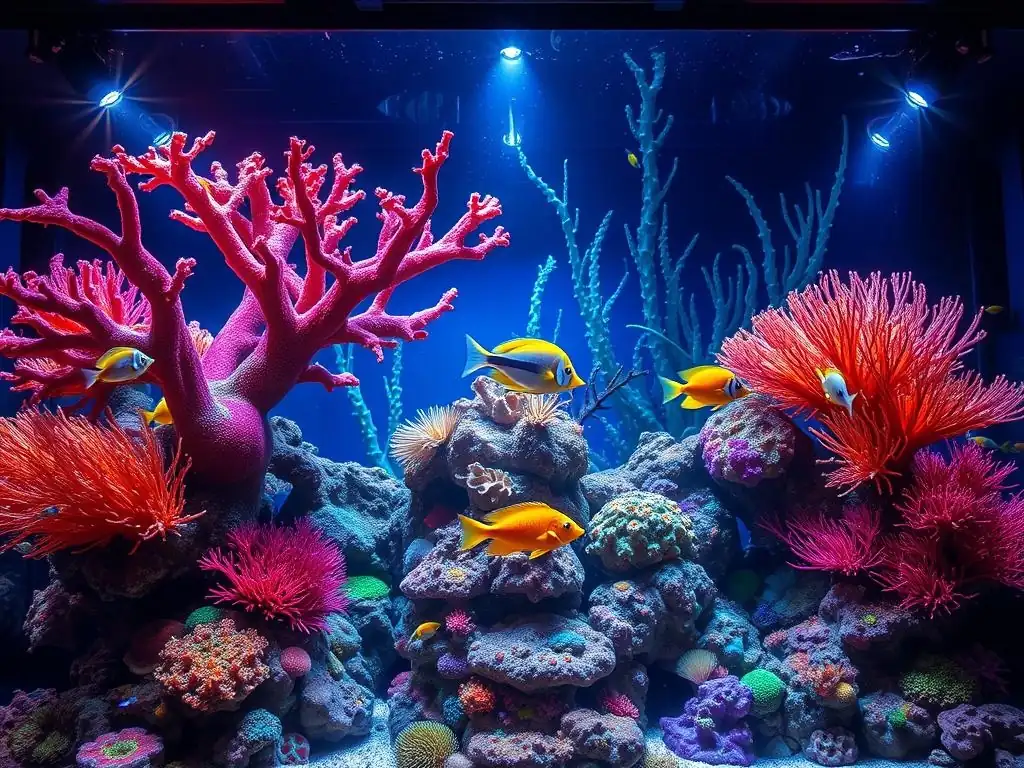
Welcome to Aquarium Mastery, where we dive deep into the fascinating world of aquatic life!
Ever wondered how to unlock the vibrant potential of your reef aquarium? Get ready to illuminate your understanding of Reef Acropora Light Placement. This isn't just about sticking corals where they look good; it's a science! Discover the secrets to maximizing light, flow, and growth, and watch your Acropora thrive. Ready to transform your reef into a stunning underwater masterpiece? Let's get started!
- Understanding Acropora Needs for Optimal Growth in Reef Tanks
-
Frequently Asked Questions
- How crucial is light intensity for Acropora coral placement?
- What role does water flow play in determining the best location for Acropora?
- Can I place different Acropora species together, or should I consider their specific light requirements?
- How do I acclimate Acropora to a new light environment in my reef tank?
- What are the signs that my Acropora is not receiving enough light?
- Final Reflection: Illuminating the Path to Reef Harmony
- Ignite Your Acropora's Growth Potential!
Understanding Acropora Needs for Optimal Growth in Reef Tanks
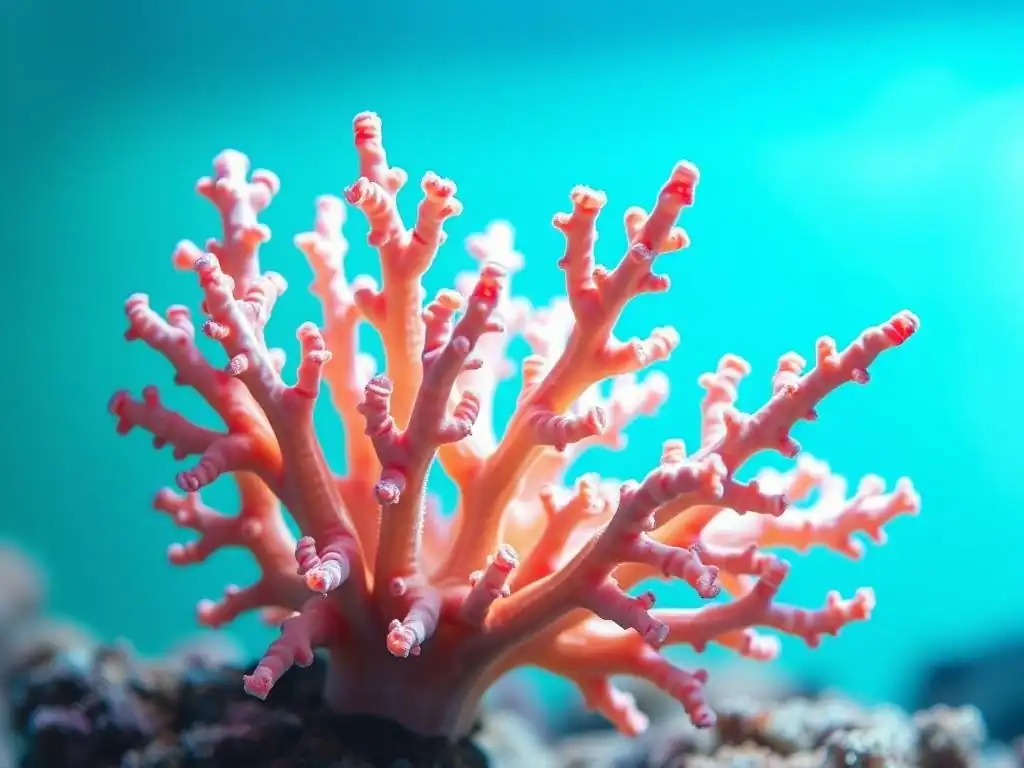
Key Factors Influencing Acropora Health: Light, Flow, and Water Chemistry
Acropora corals, renowned for their intricate structures and vibrant coloration, are among the most demanding inhabitants of a reef aquarium. Their health and impressive growth are fundamentally dependent on a delicate balance of three primary environmental factors: light, water flow, and stable water chemistry. Optimal reef acropora light placement is paramount, as these corals are highly photosynthetic and rely heavily on intense, full-spectrum lighting to fuel their metabolic processes. Insufficient light can lead to pale coloration and stunted growth, while excessive or sudden exposure can cause bleaching and tissue necrosis, underscoring the critical need for precise light management.
Beyond illumination, robust and varied water flow is equally vital for Acropora. Strong, turbulent flow ensures the delivery of essential nutrients and oxygen to the coral's polyps, while simultaneously sweeping away metabolic waste products and preventing the accumulation of detritus. Stagnant areas can lead to tissue recession and localized algae growth, directly impacting the coral's vitality.
Furthermore, maintaining stable water chemistry, including consistent levels of alkalinity (typically 7-9 dKH), calcium (400-450 ppm), and magnesium (1300-1400 ppm), is crucial for their calcification process and skeletal development. Deviations in these parameters, even slight ones, can significantly stress the coral and impede its ability to thrive, making continuous monitoring and adjustment indispensable for long-term success.
Identifying Your Acropora Species for Tailored Placement Strategies
Accurate identification of your Acropora species is a foundational step in developing effective placement strategies within your reef aquarium. While all Acropora share general requirements, specific species exhibit varying tolerances and preferences for light intensity, water flow, and even susceptibility to competition.
For instance, species like Acropora millepora or Acropora tenuis are often found in very high-light, high-flow environments in the wild and will typically demand similar conditions in captivity, necessitating a more prominent and exposed reef acropora light placement. Conversely, some Acropora valida or certain deeper-water morphs might tolerate, or even prefer, slightly less intense light and more indirect flow.
The growth form of the Acropora is also a significant indicator for placement. Branching Acropora, such as Acropora formosa or Acropora nobilis, tend to grow rapidly upwards and outwards, requiring ample vertical and horizontal space to prevent shading themselves or neighboring corals. Plating species, like Acropora hyacinthus, spread horizontally and can quickly dominate an area, making their initial placement critical to avoid overgrowing other inhabitants. Understanding these species-specific characteristics and growth patterns allows aquarists to anticipate future growth, prevent overcrowding, and optimize conditions from the outset, ensuring each colony receives the specific care it needs to flourish.
Frequently Asked Questions
How crucial is light intensity for Acropora coral placement?
Light intensity is extremely crucial. Acropora corals require high light levels to thrive and achieve optimal coloration and growth. Insufficient light will lead to bleaching and eventual death.
What role does water flow play in determining the best location for Acropora?
Adequate water flow is vital for delivering nutrients and removing waste from Acropora corals. Strong, turbulent flow prevents detritus buildup and ensures the coral receives sufficient oxygen and food.
Can I place different Acropora species together, or should I consider their specific light requirements?
It's crucial to consider the specific light demands of each Acropora species. Some species are more tolerant of lower light than others. Placing them together without considering this can lead to uneven growth and competition.
How do I acclimate Acropora to a new light environment in my reef tank?
Acclimation is essential to prevent light shock. Gradually increase the light exposure over several weeks, starting with a lower intensity and slowly raising it until the Acropora reaches its ideal light level.
What are the signs that my Acropora is not receiving enough light?
Signs of insufficient light include loss of color (bleaching), slow growth, and increased susceptibility to diseases. The coral may also appear pale or brownish instead of its vibrant natural colors.
Final Reflection: Illuminating the Path to Reef Harmony
The principles of Acropora placement, as we've explored, are not merely about arranging corals in a tank; they are about creating a thriving ecosystem within a confined space. Understanding the interplay of light, flow, and nutrient levels is paramount, and applying these strategies effectively translates directly into the health and vibrancy of our reef aquariums, mirroring the delicate balance found in natural coral reefs.
This journey into Acropora placement has underscored the profound impact of informed decisions on the well-being of these sensitive corals. It reminds us that responsible reef keeping is an ongoing learning process, a constant dance between observation, adaptation, and respect for the life we nurture. In the end, we will conserve only what we love; we will love only what we understand; and we will understand only what we are taught.
- Baba Dioum. This quote resonates deeply, highlighting the importance of education and understanding in preserving these delicate ecosystems, both in our tanks and in the wild.
Now, armed with this knowledge of "Reef Acropora Light Placement," I encourage you to reflect on your own reefing practices. Consider how you can optimize the environment for your Acropora, not just for their survival, but for their flourishing. Embrace the challenge of creating a miniature reef paradise, and in doing so, contribute to the preservation of these magnificent creatures for generations to come.
Ignite Your Acropora's Growth Potential!
Thanks for diving deep into Acropora placement! We hope you found valuable insights to nurture a thriving reef. Ready to see your Acropora corals flourish?
Here are a few steps you can take to maximize their growth:
- Strategically reposition one of your Acropora corals, experimenting with different light and flow zones based on what you've learned. Observe the coral closely for the next few weeks to monitor its response.
- Share your newfound placement knowledge! Post a picture of your Acropora setup on social media, tagging a fellow reefer who could benefit.
- Delve deeper: Research the specific flow and lighting requirements for the individual Acropora species you keep to fine-tune their environment.
What small adjustment will you make today to create a more optimal environment for your Acropora corals?