
Understanding Acan Polyp BailOut: Causes & Prevention

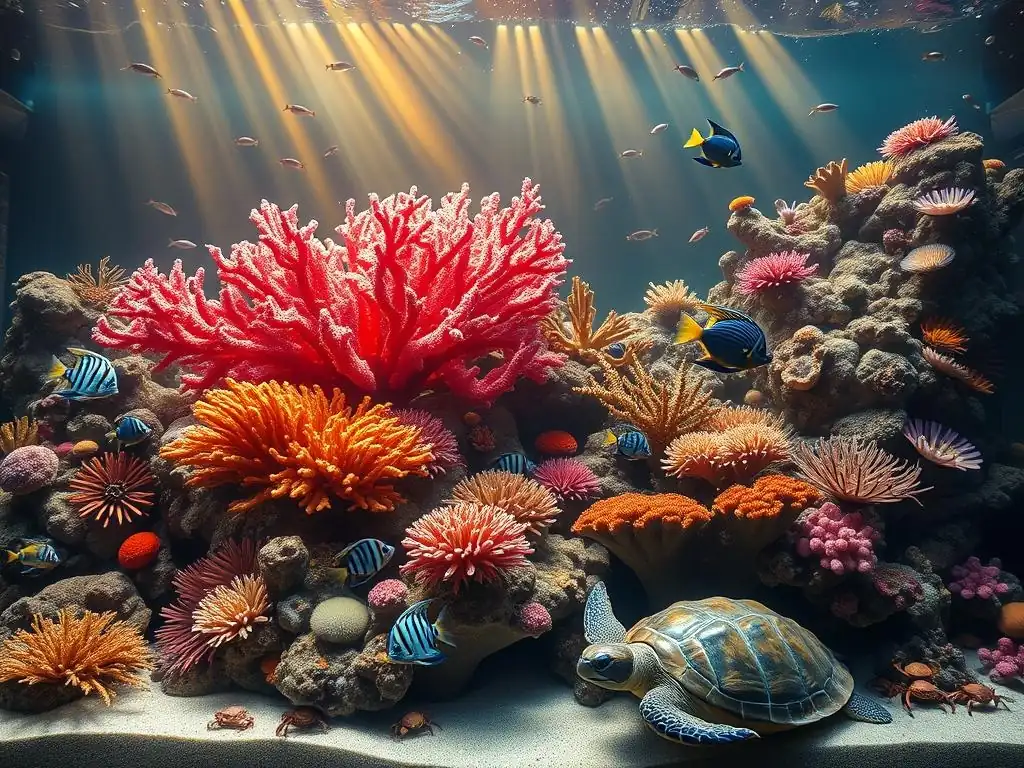
Welcome to Aquarium Mastery!
Ever witnessed the heartbreaking sight of your prized Acan polyps seemingly melting away? It's a phenomenon known as bailout, and understanding its causes is crucial for any serious reef keeper. This guide, " Understanding Acan Polyp BailOut: Causes & Prevention," dives deep into the science behind this frustrating issue, offering practical steps you can take to protect your LPS corals. Are you ready to unlock the secrets to a thriving Acan colony? Let's explore!
- Acan Lord Care: Causes & Prevention of Tissue Recession - An Aquarium Mastery Guide
- What is Acan Lord Tissue Recession? A Comprehensive Overview for Reef Tank Keepers
- Identifying the Primary Causes of Acan Lord Tissue Recession
- Acan Lord Tissue Recession Prevention Guide: Proactive Steps for a Healthy Reef
- Treating Acan Lord Tissue Recession: Intervention Strategies
- Long-Term Acan Coral Care: Sustaining a Healthy Reef Environment
- Conclusion: Ensuring a Thriving Acan Colony in Your Reef Aquarium.
-
Frequently Asked Questions
- What exactly is Acan polyp bailout and why should I be concerned?
- What are the most common causes of Acan polyp bailout in aquariums?
- How can I prevent Acan polyp bailout by monitoring water parameters?
- What role does proper lighting play in preventing Acan polyp bailout?
- What are some immediate steps I can take if I notice an Acan polyp starting to bail out?
- Final Reflection: Safeguarding the Reef's Resilience
- Safeguard Your Acans: Act Now to Prevent Polyp Bailout!
Acan Lord Care: Causes & Prevention of Tissue Recession - An Aquarium Mastery Guide
What is Acan Lord Tissue Recession? A Comprehensive Overview for Reef Tank Keepers
Defining Acan Lord Tissue Recession: Recognizing the Signs in Your LPS Coral
Acan Lord tissue recession, often colloquially referred to as Acan polyp bailout, is a severe and often irreversible condition where the coral's living tissue retracts or detaches from its skeleton. This process typically begins with the loss of coloration, followed by a gradual thinning or shrinking of the polyp's fleshy mantle. In advanced stages, the tissue may completely recede, exposing the underlying white or pale skeleton. Early identification is crucial for effective intervention, as advanced recession can lead to the complete demise of the coral colony.
Observing your Acan Lords regularly is key to detecting the initial signs. Look for areas where the tissue appears deflated, shriveled, or has pulled away from the septa (the skeletal structures within the polyp). Unlike normal retraction, which is usually temporary and reversible, recession is progressive. For instance, a healthy Micromussa lordhowensis (Acan Lord) polyp might expand to an inch or more in diameter, but one undergoing recession could shrink to a fraction of that size, with its skeletal structure becoming prominently visible.
Why Acan Lord Tissue Recession is a Concern for Reef Aquarium Health
Acan Lord tissue recession is a significant concern for reef aquarists because it signals severe stress within the coral, often indicating underlying environmental imbalances or disease. When an Acan polyp bails out, it means the coral is under such extreme duress that its very survival mechanism is triggered, attempting to abandon its current skeletal structure in a desperate bid to survive, often by releasing a small piece of tissue that might drift and reattach elsewhere, though success rates are typically low in home aquariums. This event signifies a critical failure in the coral's ability to cope with its environment.
Beyond the immediate threat to the affected coral, widespread tissue recession or Acan polyp bailout can indicate systemic issues within the entire reef aquarium. For example, if multiple LPS corals, including Acans, begin to show signs of recession, it strongly suggests a pervasive problem such as a major water parameter swing, a widespread pathogen, or a persistent environmental stressor affecting the entire biotope. Addressing the root cause of Acan tissue recession is therefore not just about saving a single coral but often about safeguarding the health and stability of the entire reef ecosystem.
Identifying the Primary Causes of Acan Lord Tissue Recession
Water Parameter Instability: A Leading Cause of Acan Stress
Alkalinity Swings: The Impact on Acan Health
Alkalinity (dKH) stability is paramount for the health of Acan Lords, as it directly influences their ability to calcify and grow. Rapid or significant fluctuations in alkalinity are a primary stressor that can trigger tissue recession. For example, a sudden drop from a stable 9 dKH to 6 dKH over a 24-hour period, perhaps due to a dosing pump failure or an unexpectedly large water change with poorly mixed salt, can shock Acans. Corals expend considerable energy adapting to these shifts, and prolonged or severe instability can lead to the immediate retraction of polyps and subsequent tissue loss.
Maintaining alkalinity within a narrow, consistent range, typically between 8.0 and 10.0 dKH, is crucial. Aquarists who perform daily or bi-daily testing often notice that fluctuations exceeding 0.5 dKH within a day can cause visible stress in sensitive LPS corals like Acans. For instance, if an Acan colony has been thriving at a consistent 8.5 dKH for months, a sudden, sustained increase to 11 dKH could also induce stress, leading to tissue recession as the coral struggles to regulate its internal chemistry.
Temperature Fluctuations: How They Trigger Acan Recession
Temperature stability is another critical factor for Acan Lord health. Acans, like most tropical corals, are sensitive to sudden and significant temperature changes. A stable range of 76°F to 78°F (approximately 24.5°C to 25.5°C) is generally ideal. Fluctuations outside this range, especially rapid drops or spikes, can induce severe stress and contribute to Acan tissue recession or even Acan polyp bailout. For example, a heater malfunction causing the tank temperature to drop from 78°F to 70°F overnight, or a summer heatwave pushing it to 85°F, can quickly lead to widespread tissue loss across an Acan colony.
Even smaller, but persistent, daily swings can be detrimental. If an aquarium experiences a daily temperature variance of 3-4°F (e.g., 75°F at night, 79°F during the day) due to inadequate heating/cooling or room temperature changes, Acans are constantly under physiological stress. This constant battle for thermal regulation depletes their energy reserves, making them more susceptible to disease and tissue recession. Maintaining temperature within a tight +/- 1°F window is often recommended for optimal LPS coral health.
Elevated Phosphate Levels: Maintaining Optimal Acan Water Chemistry
Elevated phosphate levels are a well-known stressor for all corals, including Acan Lords, contributing significantly to tissue recession. Phosphates inhibit calcification, directly impacting the coral's ability to build and maintain its skeleton. While some level of phosphate is unavoidable and even necessary for certain biological processes, levels exceeding 0.03 ppm (parts per million) are generally considered problematic for sensitive LPS corals. For instance, a tank consistently registering 0.1 ppm phosphates due to overfeeding or insufficient nutrient export will likely see slower growth and increased susceptibility to tissue recession in its Acans.
The presence of high phosphates also often correlates with increased algal growth, which can directly irritate and smother coral tissue, further exacerbating recession. If an Acan colony starts to show signs of recession and is simultaneously battling encroaching film algae, it's a strong indicator that elevated phosphates are playing a role. Implementing robust nutrient export methods, such as a well-tuned protein skimmer, regular water changes, and the use of phosphate-removing media, is crucial for maintaining optimal Acan water chemistry and preventing tissue loss.
Inadequate Lighting and Flow: Stress Factors for Acan Corals
Excessive Lighting Intensity: Affecting Acan Health
While Acans are photosynthetic corals and require light, excessive lighting intensity can be detrimental, leading to tissue recession. Acan Lords thrive in moderate to lower PAR (Photosynthetically Active Radiation) levels, typically ranging from 50 to 150 PAR. Placing an Acan colony directly under a high-intensity LED fixture designed for SPS corals, where PAR levels might exceed 300-400 PAR, can cause severe light shock. This often manifests as bleaching, where the coral expels its symbiotic zooxanthellae, followed by a gradual or rapid tissue recession as the coral starves without its primary energy source.
For example, a new Acan frag introduced to an established tank with powerful lighting might show signs of distress within days if not properly acclimated or placed in a shaded area. Its polyps may remain tightly closed, appear pale, or develop white patches before recession begins. Gradually acclimating new corals to higher light levels by placing them lower in the tank or in shaded areas, then slowly moving them up over several weeks, is a critical Acan polyp bailout prevention guide step.
Inadequate Water Circulation: Preventing Nutrient Uptake and Waste Removal
Proper water circulation is vital for Acan Lord health, serving multiple functions: delivering food and essential nutrients, removing waste products, and preventing detritus buildup on the coral's surface. Inadequate water flow can lead to tissue recession because it creates "dead spots" where detritus settles, irritating the coral tissue and fostering anaerobic conditions. For instance, if an Acan colony is placed in a corner of the tank with minimal flow, uneaten food particles or decaying matter can accumulate on its polyps, leading to localized tissue necrosis.
Furthermore, insufficient flow hampers the coral's ability to efficiently exchange gases and absorb dissolved nutrients from the water column. Acans are filter feeders that rely on water movement to bring them phytoplankton and other microscopic food sources. A lack of adequate flow, perhaps less than 10-20 times tank volume per hour of total flow, can literally starve the coral over time, weakening it and making it highly susceptible to tissue recession. Ensuring gentle, indirect, yet consistent flow around Acan colonies is essential for their long-term vitality.
Acan Lord Diseases and Infections: Contributing to Tissue Recession
Brown Jelly Disease: Identifying and Treating Acan Diseases
Brown Jelly Disease (BJD) is a highly aggressive and rapidly spreading infection that can devastate Acan Lord colonies, often leading to severe tissue recession and complete colony loss within days. It typically appears as a slimy, brownish, jelly-like mass that engulfs coral tissue, often originating from a wound or stressed area. This "jelly" is a consortium of ciliates and bacteria that rapidly consume living coral tissue. For example, an Acan colony that sustained a minor fragging injury might develop BJD at the wound site, quickly spreading to adjacent polyps.
Upon visual identification of BJD, immediate action is critical. The affected coral should be isolated from the main display tank to prevent further spread, as the disease can transfer to other corals. Treatment typically involves siphoning off the brown jelly, followed by a medicated dip, often with an iodine-based solution or a broad-spectrum antibiotic. For localized infections, some aquarists have had success with a direct freshwater dip of the affected area, but this is a high-stress procedure for the coral.
Rapid Tissue Necrosis (RTN): Recognizing and Managing RTN in Acans
Rapid Tissue Necrosis (RTN) is another severe condition where coral tissue rapidly peels away from the skeleton, often overnight, leaving behind a stark white skeleton. While more commonly associated with SPS corals, Acan Lords can also suffer from RTN, leading to widespread tissue recession. Unlike Brown Jelly Disease, RTN usually doesn't involve a visible "jelly" but rather a swift, clean separation of tissue. The exact cause of RTN is often multifactorial, linked to extreme stress events such as drastic water parameter swings, severe heat stress, or the introduction of highly virulent pathogens.
If an Acan colony shows signs of RTN, where a healthy polyp one day is a bare skeleton the next, immediate intervention is required to save remaining polyps or fragments. This often involves fragging off any healthy tissue that is not yet affected by the necrosis line, carefully separating it from the dying parts.
These healthy fragments can then be dipped in a prophylactic solution (like iodine) and placed in a quarantine tank with optimal, stable conditions. While there's no single cure for RTN, addressing the underlying stressor and isolating affected corals are crucial Acan polyp bailout prevention guide steps for limiting its devastating impact.
Predation and Pests: Threats to Acan Lord Health
Acan Eating Flatworms (AEFW): Common Acan Coral Pests
Acan Eating Flatworms (AEFW), Amakusaplana acroporae, are notorious pests that primarily target Acropora corals but can occasionally affect other LPS corals, including Acan Lords, especially if their primary food source is unavailable or the Acans are already stressed. These small, camouflaged flatworms feed on coral tissue, causing localized tissue recession. While not as common on Acans as on Acropora, their presence can lead to significant tissue loss if not addressed. Symptoms on Acans might include small, circular feeding marks or an overall "unhappy" appearance, with polyps failing to fully extend.
Detection often requires careful visual inspection, sometimes aided by a flashlight at night. If AEFW are suspected, a coral dip specifically formulated for flatworms can be used. For instance, a dip in a product containing levamisole hydrochloride can effectively paralyze and dislodge the worms. Multiple dips over several weeks are often necessary to break their life cycle, as eggs laid on the coral may hatch after the initial treatment. Quarantine of all new Acan corals is an essential Acan polyp bailout prevention guide step to prevent the introduction of these pests.
Fish Picking: Preventing Physical Damage to Acans
Certain fish species, particularly those known to be "nippers" or corallivores, can cause significant physical damage to Acan Lords, leading to tissue recession. Fish like some angelfish (e.g., Pomacanthus species), certain butterflyfish, and even some tangs or dwarf angels, may occasionally pick at the fleshy polyps of Acans, especially if underfed or if the coral's polyps are particularly enticing. This constant irritation and physical trauma prevent the coral from expanding and healing, often resulting in localized tissue loss that can spread.
For example, a tank with a Centropyge argi (Pygmy Angelfish) might initially seem fine, but over time, if the fish develops a taste for Acans, it can systematically damage the polyps. Observing your fish during feeding times and when the coral polyps are extended can help identify the culprit. The most effective prevention is careful species selection – researching the compatibility of any new fish with LPS corals before introduction. If a fish is identified as a coral nipper, the only reliable solution to prevent further Acan tissue recession is usually to remove the offending fish from the system.
Acan Lord Tissue Recession Prevention Guide: Proactive Steps for a Healthy Reef
Maintaining Stable Water Parameters: The Foundation of Acan Health
Regular Water Testing: Monitoring Key Parameters for Acan Health
Regular and consistent water testing is the cornerstone of any effective Acan polyp bailout prevention guide. Key parameters to monitor include alkalinity (dKH), calcium (Ca), magnesium (Mg), salinity (specific gravity), temperature, nitrates, and phosphates. For example, testing alkalinity every 1-2 days, calcium every 2-3 days, and magnesium weekly provides a clear picture of consumption rates and helps identify deviations before they become critical. Using reliable test kits, such as those from Hanna, Salifert, or Red Sea, ensures accuracy.
By meticulously tracking these parameters, aquarists can establish a baseline for their specific system and identify trends. If alkalinity starts to drop consistently, it indicates increased coral growth or insufficient dosing, prompting an adjustment before Acans show signs of stress. Conversely, a sudden spike in nitrates from 5 ppm to 20 ppm might signal overfeeding or a dying inhabitant, allowing for prompt corrective action before it impacts coral health and potentially triggers tissue recession.
Consistent Water Changes: Diluting Harmful Substances in the Reef Tank
Consistent and appropriately sized water changes are a fundamental practice for maintaining stable water parameters and diluting harmful substances, serving as a critical Acan polyp bailout prevention guide strategy. Regular water changes replenish essential trace elements, reduce accumulated nitrates and phosphates, and remove dissolved organic compounds that can build up over time. For instance, a weekly 10-15% water change in a 100-gallon display tank effectively removes a significant portion of pollutants and introduces fresh, optimally balanced saltwater.
The frequency and volume of water changes should be tailored to the tank's bioload and nutrient export capabilities. A heavily stocked tank with many feeding corals might benefit from two 10% water changes per week, whereas a lightly stocked tank might do well with a 20% change every two weeks. Using high-quality salt mix and ensuring the new water matches the tank's parameters (temperature, salinity, alkalinity) as closely as possible minimizes shock to Acans and other sensitive corals.
Utilizing a Reliable Filtration System: Keeping Water Clean for Acans
A robust and reliable filtration system is indispensable for keeping water clean and stable, thereby preventing Acan tissue recession. This typically includes mechanical, biological, and chemical filtration components. A well-maintained protein skimmer, for example, is highly effective at removing dissolved organic waste before it breaks down into nitrates and phosphates. For a 100-gallon reef tank, a skimmer rated for 150-200 gallons provides ample capacity to handle nutrient loads.
Beyond skimming, regular replacement of mechanical filter socks or pads (e.g., every 2-3 days) prevents detritus buildup. Chemical media like granular ferric oxide (GFO) or activated carbon, changed every 2-4 weeks, absorb phosphates and undesirable organic compounds, respectively. These filtration methods work synergistically to maintain the pristine water quality that Acan Lords require to thrive, significantly reducing the risk of stress-induced tissue recession.
Optimizing Lighting and Flow for Acan Coral Growth
Selecting Appropriate Lighting: Meeting the PAR Requirements of Acans
Selecting and properly configuring lighting is a crucial step in any Acan polyp bailout prevention guide. Acan Lords thrive under moderate lighting conditions, typically requiring Photosynthetically Active Radiation (PAR) levels between 50 and 150. Positioning the coral correctly within the tank's light gradient is key. For example, an Acan colony might be placed on the sand bed or mid-level in the aquarium, away from the most intense light directly under the fixture.
Using a PAR meter to measure light intensity at various depths and locations in your tank allows for precise placement. If a new fixture is installed, or existing lights are upgraded, a slow acclimation period by gradually increasing intensity or photoperiod over several weeks (e.g., 10% increase per week) prevents light shock. This ensures that the Acans receive sufficient light for photosynthesis without being stressed by excessive intensity, which can lead to bleaching and tissue recession.
Implementing Proper Water Circulation: Ensuring Adequate Flow Around Acans
Implementing proper water circulation is vital for Acan health and a core component of Acan polyp bailout prevention. Acans prefer gentle, indirect, yet consistent flow that prevents detritus accumulation without blasting their delicate polyps. A good strategy involves using multiple powerheads or wavemakers to create turbulent, random flow patterns rather than a single, strong laminar flow. For instance, in a 75-gallon tank, two smaller powerheads (e.g., 700-1000 GPH each) placed on opposite sides, pointed at the glass or rockwork, can create beneficial indirect flow.
The goal is to ensure that all surfaces of the Acan polyps receive adequate water movement to facilitate nutrient uptake and waste removal. If detritus settles on the coral, or if its polyps appear deflated due to lack of flow, adjusting powerhead positions or adding more gentle flow devices can resolve the issue. Consistent flow also helps to prevent the formation of "dead spots" where harmful bacteria or algae can proliferate and irritate the coral tissue.
Quarantine New Corals: Preventing the Introduction of Diseases and Pests
Visual Inspection: Checking for Signs of Disease or Pests
Quarantining all new corals, including Acan Lords, is perhaps one of the most effective Acan polyp bailout prevention guide strategies against introducing diseases and pests into your main display tank. The first step in quarantine is a thorough visual inspection of the new coral. Examine the coral's tissue for any signs of recession, discoloration, or unusual growths. Look closely at the base and crevices for small, camouflaged pests like flatworms (e.g., Convolutriloba retrogemma or Amakusaplana acroporae), nudibranchs, or parasitic snails (e.g., Heliacus snails).
For example, when acquiring a new Acan frag, use a magnifying glass to scrutinize its surface for tiny white specks (nudibranch eggs) or small, flattened worms that match the coral's color. If any suspicious signs are observed, the coral should be immediately isolated and treated before consideration for the main tank. This initial inspection can save your entire established reef from a devastating outbreak.
Coral Dips: Eliminating Potential Threats Before Introduction
Following visual inspection, a prophylactic coral dip is a standard and highly recommended procedure for all new Acans before they enter the quarantine tank. Various coral dips are available, formulated to target common pests and pathogens. For instance, an iodine-based dip (e.g., Lugol's solution) can help with bacterial infections, while a dip containing a specific antiparasitic agent (e.g., for flatworms or nudibranchs) can dislodge external parasites.
Always follow the manufacturer's instructions precisely regarding concentration and dip duration, as over-dipping can harm the coral. Typically, a 5-10 minute dip in a separate container with tank water is sufficient. Observe the coral closely during the dip for any pests falling off. After the dip, gently rinse the coral in clean tank water before placing it in the quarantine tank, where it should be monitored for at least 3-4 weeks to ensure no hidden pests or diseases emerge. This rigorous quarantine protocol is a cornerstone of any effective Acan polyp bailout prevention guide.
Providing Proper Nutrition: Supporting Acan Coral Health and Resilience
Target Feeding Acans: Delivering Essential Nutrients Directly
While Acans are photosynthetic, they also benefit significantly from direct target feeding, which supports their overall health, resilience, and vibrant coloration. Acans are voracious eaters, and providing them with appropriate food sources can bolster their immune system and help prevent tissue recession. Suitable foods include finely chopped meaty foods like mysis shrimp, brine shrimp, copepods, and specialized LPS pellet foods. For example, feeding a small portion of thawed mysis shrimp directly to each Acan polyp once or twice a week, ideally when lights are dim or off and polyps are extended, ensures direct nutrient uptake.
This targeted approach minimizes nutrient pollution in the main water column while maximizing the coral's intake. Observing the coral's feeding response – how quickly it grasps and consumes the food – can also be an indicator of its health. A well-fed Acan will appear plump, colorful, and extend its feeding tentacles readily, making it more resistant to environmental stressors and less prone to tissue recession.
Supplementing with Amino Acids: Enhancing Acan Coloration and Growth
Supplementing the reef tank with amino acids can significantly enhance Acan Lord coloration, growth, and overall vitality, contributing to their resilience against tissue recession. Amino acids are the building blocks of proteins, essential for coral tissue repair and growth. While corals obtain some amino acids from their zooxanthellae and consumed foods, direct supplementation can provide a boost, especially in ultra-low nutrient systems where natural planktonic food sources might be limited.
Products containing a balanced blend of essential amino acids are available from various reputable aquarium brands. Dosing typically occurs a few times a week, following manufacturer guidelines. For instance, adding a small dose of a high-quality amino acid supplement to a 100-gallon tank every other day can lead to noticeably plumper polyps and more vibrant colors in Acans within a few weeks. This enhanced physiological state makes the corals more robust and less susceptible to stress-induced tissue recession.
Treating Acan Lord Tissue Recession: Intervention Strategies
Identifying the Root Cause: Diagnosing the Underlying Issue
The first and most critical step in treating Acan Lord tissue recession is to accurately identify the underlying cause. Without knowing why the tissue is receding, any treatment will likely be ineffective or temporary. This requires a systematic approach to diagnosis. Begin by meticulously reviewing your water parameters (salinity, temperature, alkalinity, calcium, magnesium, nitrates, phosphates) over the past few days or weeks, looking for any significant deviations or trends. For example, if your alkalinity test results show a sudden drop from 9 dKH to 7 dKH in 24 hours, this is a strong indicator of the problem.
Next, visually inspect the affected Acan colony and surrounding areas for signs of pests (flatworms, snails), diseases (brown jelly, RTN), or physical damage (fish picking, falling rock). Observe fish behavior and other tank inhabitants. Consider recent changes to your system, such as new equipment, new livestock, or changes in feeding/dosing routines. A thorough diagnostic process is paramount for implementing an effective Acan polyp bailout prevention guide and recovery plan.
Implementing Corrective Measures: Addressing the Identified Problem
Water Parameter Adjustments: Stabilizing the Reef Environment
Once water parameter instability is identified as a root cause for Acan tissue recession, immediate and gradual adjustments are necessary to stabilize the reef environment. If alkalinity is low, for example, slowly dose a buffer solution over several hours or days to bring it back into the optimal range of 8-10 dKH, avoiding rapid increases that could further shock the coral. For instance, raising dKH by no more than 0.5-1.0 dKH per day is a safe practice.
Similarly, if temperature fluctuations are the issue, ensure your heater is functioning correctly, consider adding a second heater for redundancy, or implement a chiller if overheating is a concern. If elevated phosphates are detected (e.g., above 0.05 ppm), increase water changes, reduce feeding, or deploy phosphate-removing media like GFO. The key is to make changes slowly and methodically, constantly monitoring the Acans for signs of improvement or further stress.
Pest Removal: Eliminating Predatory Organisms
If predatory pests are identified as the cause of Acan tissue recession, their swift and complete removal is essential for coral recovery. For visible pests like Acan Eating Flatworms or nudibranchs, manual removal with tweezers or siphoning can be effective for small infestations. However, for more widespread issues or to target eggs, a targeted coral dip is often necessary. Products specifically designed to eliminate flatworms or nudibranchs should be used according to their instructions.
For example, if AEFW are found, the affected Acan should be removed from the display tank, dipped in an appropriate solution (e.g., a commercial flatworm dip), and then placed in a separate quarantine tank for observation and potential re-treatment. If fish picking is the culprit, the offending fish must be removed from the tank, as direct treatment of the coral will not prevent future damage.
Iodine Dip: Addressing Bacterial Infections
For suspected bacterial infections, particularly early stages of Brown Jelly Disease or other localized tissue infections, an iodine dip can be an effective intervention to halt Acan tissue recession. Iodine acts as an antiseptic and can help to kill off harmful bacteria or ciliates that are consuming the coral tissue. To perform an iodine dip, prepare a separate container with tank water and add a few drops of a reef-safe iodine solution (e.g., Lugol's solution) according to the product's instructions, typically resulting in a light tea color.
Carefully place the affected Acan colony into the iodine solution for 5-10 minutes, observing it closely for any adverse reactions. During the dip, gently swirl the coral or use a turkey baster to dislodge any brown jelly or loose tissue. After the dip, rinse the coral in clean tank water before returning it to the display tank or a dedicated recovery tank. This method is a common component of an Acan polyp bailout prevention guide when dealing with active infections.
Supporting Recovery: Promoting Acan Coral Healing
Reducing Stress: Minimizing Environmental Fluctuations
Once the root cause of Acan tissue recession has been addressed, the next crucial step is to minimize all possible stressors to support the coral's recovery. This means maintaining absolute stability in water parameters, temperature, and light/flow. Avoid any further significant changes to the tank environment during the recovery period. For example, if you just corrected an alkalinity issue, resist the urge to immediately adjust another parameter that might be slightly off.
Consider dimming the lights slightly for a few days (e.g., reducing intensity by 10-20%) or moving the coral to a slightly shadier spot if it was previously exposed to high light. Ensure water flow is gentle and consistent around the recovering Acan, preventing detritus buildup but avoiding direct, strong blasts. A stable, low-stress environment allows the coral to allocate its energy towards healing and regeneration rather than fighting environmental challenges.
Providing Supplemental Feeding: Aiding Acan Regeneration
During recovery from tissue recession, providing supplemental, targeted feeding can significantly aid Acan regeneration and help it regain lost tissue. While the coral is stressed, its photosynthetic efficiency might be reduced, and direct feeding provides essential energy and building blocks for repair. Offer small, frequent feedings of highly nutritious, easily digestible foods like cyclop-eeze, finely chopped mysis shrimp, or specialized LPS pellet foods.
For instance, target feeding a recovering Acan every 1-2 days with a small amount of food delivered directly to its polyps can provide the necessary caloric intake. Observe if the coral is actively consuming the food; if not, reduce feeding frequency to avoid water quality issues. This extra nutritional support, combined with a stable environment, is vital for promoting new tissue growth and helping the Acan return to its former health and vibrancy.
Long-Term Acan Coral Care: Sustaining a Healthy Reef Environment
Regular Observation: Monitoring Acan Health for Early Signs of Stress
Regular, diligent observation is perhaps the most fundamental long-term Acan polyp bailout prevention guide practice. Daily visual inspection of your Acan Lords allows you to detect subtle changes in their appearance, polyp extension, or coloration before they escalate into full-blown tissue recession. For example, if an Acan colony that typically extends its polyps fully during the day suddenly appears slightly deflated for two consecutive days, it's an early warning sign that warrants closer investigation into water parameters or potential irritants.
Look for any minor changes in tissue texture, localized paling, or unusual spots. Early detection of issues like a small patch of algae encroaching on the coral, a tiny snail on its base, or a slight reduction in polyp expansion can allow for quick intervention, preventing minor stress from becoming a major problem. This proactive approach saves corals and maintains the overall health of your reef.
Consistent Maintenance: Ensuring Long-Term Reef Stability
Consistent and routine aquarium maintenance is the bedrock of long-term Acan Lord health and the most effective Acan polyp bailout prevention guide. This includes adhering to a strict schedule for water changes, filter media replacement, and equipment cleaning. For instance, performing a 10-15% water change weekly or bi-weekly, cleaning protein skimmer cups every 2-3 days, and replacing activated carbon or GFO every 2-4 weeks ensures that water quality remains consistently high.
Beyond these routine tasks, it's important to regularly inspect equipment like heaters, pumps, and dosing lines for proper function. A simple heater check for proper calibration or a quick visual inspection of a dosing line for clogs can prevent catastrophic parameter swings. Consistent maintenance minimizes environmental fluctuations and the buildup of harmful substances, creating a stable and thriving environment where Acans can flourish for years.
Acan Lord Placement: Ensuring Proper Environment
Proper placement within the aquarium is critical for the long-term health of Acan Lords and a key element of any Acan polyp bailout prevention guide. Acans prefer moderate lighting and gentle, indirect water flow. They should be placed in areas where they receive sufficient light (typically 50-150 PAR) without being blasted by intense direct light. For example, placing them on the sand bed or on lower rockwork shelves in a tank with strong LED lighting is often ideal.
Additionally, ensure they are not in a high-flow area where their polyps are constantly buffeted, nor in a stagnant area where detritus can accumulate. Allow ample space around the Acan colony, as they can be aggressive with sweeper tentacles, especially at night. For instance, keep them at least 3-4 inches away from other sessile invertebrates. Correct placement minimizes stress from inappropriate lighting, flow, or aggression, significantly reducing the likelihood of tissue recession.
Conclusion: Ensuring a Thriving Acan Colony in Your Reef Aquarium.
Frequently Asked Questions
What exactly is Acan polyp bailout and why should I be concerned?
Acan polyp bailout refers to the phenomenon where Acan coral polyps detach from their skeleton. It's concerning because it often indicates stressful environmental conditions and can lead to the death of the coral colony.
What are the most common causes of Acan polyp bailout in aquariums?
The most frequent causes include poor water quality (e.g., fluctuating salinity, high nitrates), unstable temperature, and inadequate lighting. Sudden changes in any of these factors can trigger bailout.
How can I prevent Acan polyp bailout by monitoring water parameters?
Regularly test your aquarium water for ammonia, nitrite, nitrate, pH, alkalinity, calcium, and magnesium. Maintain stable and optimal levels for these parameters based on Acan coral requirements. Correct any imbalances promptly.
What role does proper lighting play in preventing Acan polyp bailout?
Acan corals require appropriate lighting intensity and spectrum. Too much or too little light can stress them. Research the specific lighting needs of your Acan species and ensure your lighting system meets those requirements.
What are some immediate steps I can take if I notice an Acan polyp starting to bail out?
Perform a partial water change to improve water quality. Carefully inspect the coral for signs of pests or disease. Also, check and adjust your water parameters to ensure they are within the ideal range.
Final Reflection: Safeguarding the Reef's Resilience
The preceding exploration of Acan polyp bailout, its causes, and preventative measures underscores a vital truth: the health of our coral reefs is inextricably linked to our understanding and actions. What might seem like a localized issue within a single aquarium is, in reality, a microcosm of the larger challenges facing coral ecosystems worldwide. The fragility of these vibrant underwater cities demands our unwavering attention and proactive engagement.
The phenomenon of polyp bailout serves as a stark reminder of the delicate balance within marine environments. Witnessing this firsthand, whether in a personal reef tank or through documented research, instills a profound sense of responsibility. It pushes us to move beyond passive observation and embrace active stewardship. We are tied to the ocean. And when we go back to the sea, whether it is to sail or to watch it, we are going back from whence we came.
- John F. Kennedy. This quote resonates deeply, reminding us of our inherent connection to the ocean and the urgent need to protect its treasures.
Now, armed with knowledge and a deeper understanding of Acan polyp bailout, I urge you to reflect on your own role in preserving these precious ecosystems. Consider the choices you make, both within the aquarium hobby and in your daily life, and strive to minimize your impact. Let this "Acan polyp bailout prevention guide" not just be a resource, but a catalyst for positive change. Let's work together to ensure the vibrant tapestry of our coral reefs continues to thrive for generations to come.
Safeguard Your Acans: Act Now to Prevent Polyp Bailout!
Thank you for diving deep into the world of Acan polyp bailout with us! We hope this guide has equipped you with the knowledge to understand and address this concerning issue in your reef tank. Now, it's time to take action to protect your prized corals.
Here's what you can do right now:
- Immediately test your water parameters, focusing on alkalinity, calcium, and magnesium levels. Stabilizing these is crucial for preventing further stress.
- Explore the possibility of light stress by slowly adjusting the intensity or duration of your lighting over several days.
- Share this article with fellow reef keepers to help spread awareness and foster a community dedicated to healthy corals!
What specific water parameter will you prioritize testing first to ensure your Acans thrive?