
Shrimp & Snail Health Check: Spotting Sickness in Your Invertebrate Crew

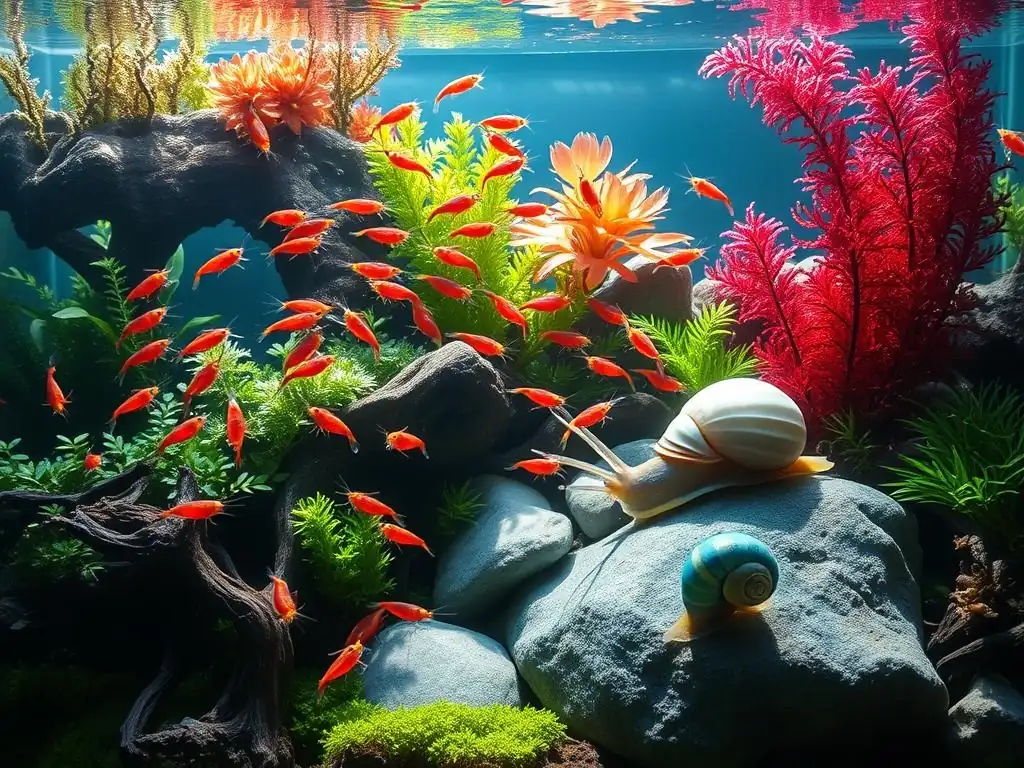
Welcome to Aquarium Mastery, your ultimate guide to thriving aquatic ecosystems!
Ever wondered if your shrimp or snails are truly happy and healthy? Dive in to our comprehensive guide on " Healthy shrimp snail symptoms" and unlock the secrets to spotting early warning signs of illness. Don't let your invertebrate crew suffer in silence – learn how to keep them flourishing and create a vibrant, balanced aquarium! Ready to become a true Aquarium Master? Let's get started!
- Common Shrimp Diseases and Their Symptoms
-
Frequently Asked Questions
- What are some common symptoms of illness in aquarium shrimp?
- How can I recognize signs of disease in aquarium snails?
- What are some environmental factors that can negatively impact shrimp and snail health?
- What steps should I take if I suspect my shrimp or snails are experiencing health problems?
- How can I prevent disease in my shrimp and snail aquarium?
- Final Reflection: Cultivating a Thriving Aquatic Ecosystem
- Dive Deeper: Secure Your Invertebrates' Thriving Future!
Common Shrimp Diseases and Their Symptoms
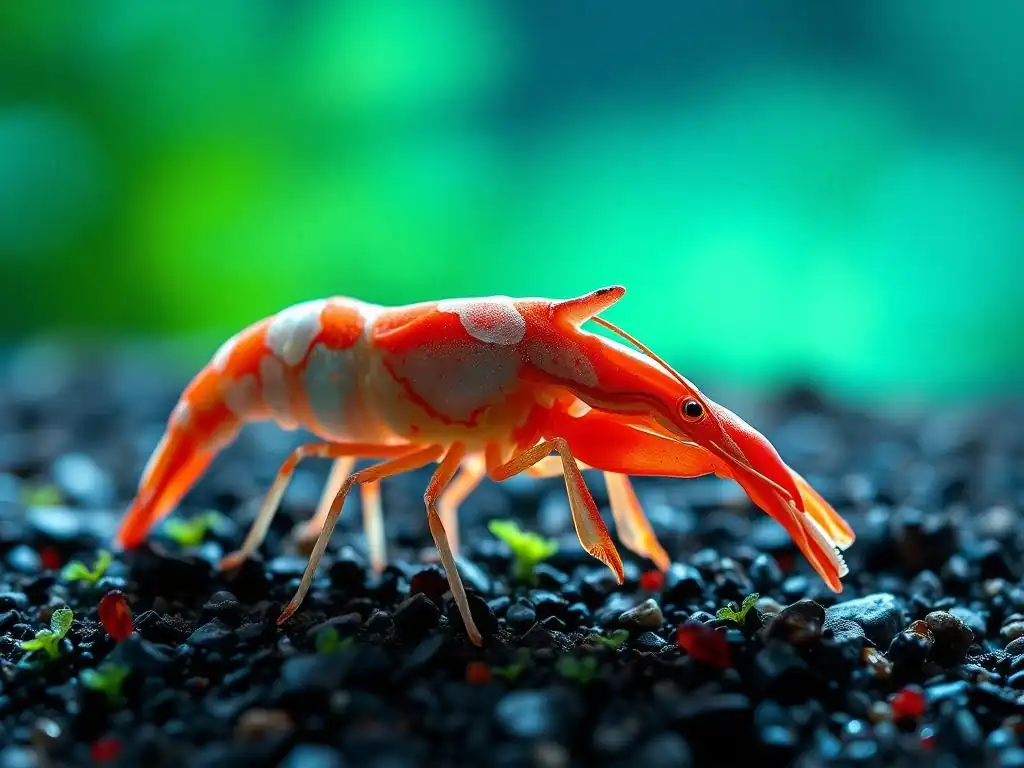
Bacterial Infections in Shrimp: Identifying Early Warning Signs
Bacterial infections are among the most common ailments affecting freshwater shrimp, often stemming from poor water quality, overcrowding, or stress. These opportunistic pathogens can rapidly take hold when a shrimp's immune system is compromised. Early detection is crucial, as bacterial diseases can spread quickly through a colony, leading to significant losses if not addressed promptly. Symptoms often include lethargy, loss of appetite, and changes in coloration or opacity of the exoskeleton, deviating significantly from the healthy shrimp snail symptoms one would typically observe.
Identifying these subtle shifts in behavior and appearance is key to providing timely intervention. A shrimp that isolates itself, shows erratic swimming patterns, or exhibits a dull, faded coloration when it was previously vibrant, could be battling a bacterial infection. Regular observation of your shrimp's activity and physical state allows for the earliest possible identification, giving you the best chance to prevent widespread illness and maintain a thriving, healthy invertebrate population.
Vibriosis Symptoms in Shrimp
Vibriosis, caused by Vibrio bacteria, is a particularly virulent bacterial infection in shrimp, often manifesting as a red discoloration, particularly around the tail and appendages, leading to what is sometimes called "red leg disease." Affected shrimp typically exhibit severe lethargy, a marked decrease in appetite, and an overall weakening that makes them susceptible to further stress. The muscles may also appear opaque or milky white, indicating internal damage.
This condition is frequently linked to elevated organic waste and high ammonia or nitrite levels in the aquarium, stressing the shrimp and allowing the bacteria to proliferate. If left untreated, the infection progresses rapidly, leading to high mortality rates. Recognizing these distress signals – a stark contrast to the active, clear-bodied healthy shrimp snail symptoms – is vital for immediate action.
Vibriosis Treatment Options for Shrimp
Treating Vibriosis primarily involves a two-pronged approach: improving environmental conditions and, in severe cases, administering appropriate medication. The first step is always to perform a significant water change, often 50% or more, to reduce bacterial load and improve water parameters. Ensuring excellent filtration and reducing feeding to prevent further waste accumulation are also critical.
For medicated treatment, broad-spectrum antibiotics like oxytetracycline or erythromycin, if available and safe for invertebrates, are often used in a quarantine tank. It is essential to research the specific medication's safety profile for shrimp, as many common fish medications can be lethal to invertebrates. Always remove carbon filtration during treatment, and monitor water parameters diligently to support recovery.
Fungal Infections in Shrimp: Recognizing the Symptoms
Fungal infections in shrimp typically appear as external growths on the body or gills, often resembling a fuzzy or cotton-like texture. Unlike bacterial infections that might cause internal opacity, fungal pathogens usually establish themselves on the outer surface, especially if there's an existing injury or compromised exoskeleton. These infections are often opportunistic, taking advantage of weakened or stressed individuals.
A shrimp showing signs of fungal infection might appear sluggish and struggle with movement or molting. The fuzzy patches can range from small, localized spots to extensive growths that significantly impede the shrimp's ability to move or breathe. While not always as rapidly fatal as severe bacterial infections, untreated fungal diseases can lead to secondary infections or hinder the shrimp's essential life processes, such as molting.
Cotton Wool Disease Symptoms in Shrimp
Cotton Wool Disease, primarily caused by Saprolegnia species, presents as distinct white, cotton-like growths on the shrimp's body, fins, or gills. These growths are typically fluffy and three-dimensional, easily differentiating them from flat bacterial patches. Infected shrimp may also display lethargy, reduced feeding, and difficulty in moving, with the fungal growth impeding their swimming or walking.
The infection often starts at sites of injury or stress, such as wounds from aggression or damage from poor water quality. If the gills are affected, the shrimp might gasp or show signs of respiratory distress. Observing these conspicuous white patches, which are a clear deviation from healthy shrimp snail symptoms, should prompt immediate isolation and treatment.
Cotton Wool Disease Treatment Options for Shrimp
Treatment for Cotton Wool Disease usually involves improving water quality and applying antifungal medications. A large water change is recommended to reduce the concentration of fungal spores in the water. For medication, methylene blue or malachite green dips are commonly used, but extreme caution is advised as these can be harsh on sensitive invertebrates.
Some aquarists also use commercial antifungal treatments specifically formulated for aquarium use, ensuring they are shrimp-safe. It's crucial to treat affected shrimp in a separate quarantine tank to avoid harming other tank inhabitants and to monitor their progress closely. Maintaining stable, pristine water conditions post-treatment is essential to prevent recurrence.
Parasitic Infections in Shrimp: What to Look For
Parasitic infections in shrimp involve external or internal organisms that feed on the shrimp, causing irritation, stress, and nutrient depletion. These parasites can range from microscopic protozoa to visible worms, each with distinct symptoms. Unlike bacterial or fungal infections, parasites often have a life cycle that may involve intermediate hosts, making eradication challenging if not fully understood.
Symptoms of parasitic infections can vary widely but often include visible foreign bodies on the shrimp, erratic scratching or twitching, reduced activity, and unexplained weight loss despite adequate feeding. Observing any unusual attachments or behaviors that deviate from typical healthy shrimp snail symptoms is critical for early identification and successful treatment.
Scutariella Japonica Symptoms in Shrimp
Scutariella japonica is a common external parasite of freshwater shrimp, appearing as small, white, worm-like organisms, typically 1-3mm long. They are most frequently found attached to the shrimp's rostrum (nose), antennae, or around the gills and eyes. While they do not directly feed on the shrimp's tissues, they cause significant irritation and stress, especially during molting.
Heavily infested shrimp may struggle to molt successfully, leading to molting failures and subsequent death. They might also exhibit increased grooming behavior or lethargy due to the constant irritation. These tiny white worms are often mistaken for fungal growth, but their distinct segmented, worm-like appearance differentiates them from the fuzzy texture of fungi.
Scutariella Japonica Treatment Options for Shrimp
Treating Scutariella japonica can be achieved through various methods, with salt dips being a popular and effective option. A brief dip (e.g., 5-10 minutes) in a separate container with aquarium salt solution (e.g., 1 tablespoon per gallon) can cause the parasites to detach. However, this method can be stressful for the shrimp, so careful monitoring is required.
Another effective treatment involves using medications containing Fenbendazole (e.g., certain dog dewormers like Panacur), administered at very low doses in a quarantine tank. This chemical is generally well-tolerated by shrimp and effectively eliminates Scutariella japonica. Always research and follow precise dosing instructions, as invertebrates are highly sensitive to medications.
Muscular Necrosis in Shrimp: Causes and Symptoms
Muscular necrosis is a serious condition in shrimp characterized by the opaque, milky white discoloration of the muscle tissue, typically starting from the tail and progressively spreading towards the head. This condition signifies the death of muscle cells and is often a symptom of severe underlying stress or infection. It is frequently observed in shrimp exposed to sudden and drastic changes in water parameters, high ammonia or nitrite levels, or extreme temperature fluctuations.
While sometimes linked to specific viral infections, muscular necrosis can also be a non-specific response to any form of severe physiological stress. Shrimp suffering from muscular necrosis become lethargic, lose their appetite, and may exhibit erratic swimming before becoming completely immobile. Unfortunately, once the condition is advanced, it is usually fatal, and affected shrimp often do not recover. Prevention through stable, pristine water conditions and minimal stress is therefore paramount.
Frequently Asked Questions
What are some common symptoms of illness in aquarium shrimp?
Common symptoms include lethargy, loss of appetite, and changes in color or the appearance of unusual spots. Erratic swimming can also be a sign.
How can I recognize signs of disease in aquarium snails?
Look for snails that are inactive or detached from surfaces, have damaged shells, or exhibit abnormal growths. Unusual slime production is also a red flag.
What are some environmental factors that can negatively impact shrimp and snail health?
Poor water quality, including high ammonia or nitrite levels, and inadequate oxygen are major stressors. Extreme temperature fluctuations can also be harmful.
What steps should I take if I suspect my shrimp or snails are experiencing health problems?
First, test your water parameters to identify any imbalances. Then, isolate the affected individuals in a quarantine tank and consider medication options after proper diagnosis.
How can I prevent disease in my shrimp and snail aquarium?
Maintain excellent water quality through regular water changes, provide a balanced diet, and quarantine new additions before introducing them to the main tank. Avoid overstocking.
Final Reflection: Cultivating a Thriving Aquatic Ecosystem
The insights shared in this article, focusing on healthy shrimp snail symptoms, are more crucial than ever in a world increasingly drawn to the captivating beauty of aquascaping. Understanding the subtle signs of illness in these delicate creatures isn't just about maintaining a visually appealing tank; it's about fostering a responsible and sustainable approach to aquatic life, ensuring the well-being of these often-overlooked members of our homes.
This journey into the world of invertebrate health has profoundly influenced the way we perceive our aquariums, transforming them from mere decorations into miniature ecosystems requiring attentive care. The responsibility we bear as keepers extends beyond simply providing food and water; it demands a deep understanding of their needs and a proactive approach to their health. The greatness of a nation and its moral progress can be judged by the way its animals are treated.
- Mahatma Gandhi. This quote, though often applied to larger animals, rings equally true for the smallest inhabitants of our aquatic worlds.
Now, armed with the knowledge to identify early warning signs and implement preventative measures, I encourage you to reflect on your own role in your aquarium's ecosystem. Are you truly observing your shrimp and snails, noticing the subtle shifts in their behavior and appearance? Let this article serve as a catalyst for deeper engagement, inspiring you to create a thriving and healthy environment where these fascinating creatures can flourish, enriching your life and reminding us of the interconnectedness of all living things.
Dive Deeper: Secure Your Invertebrates' Thriving Future!
Thank you for exploring the secrets to keeping your shrimp and snails healthy and happy! Now that you’re armed with the knowledge to spot potential issues, it's time to take action.
- Immediately implement weekly health checks using the observation techniques you’ve learned to catch problems early.
- Share this guide with fellow aquarium enthusiasts to help them safeguard their invertebrate communities.
- Experiment with creating a 'hospital tank' setup as detailed for quicker quarantine and treatment of sick invertebrates.
What specific change will you make in your aquarium routine this week to ensure a healthier environment for your shrimp and snails?