
The Carnivorous Side of Catfish: Protein Needs for Plecos, Ancistrus & Otos

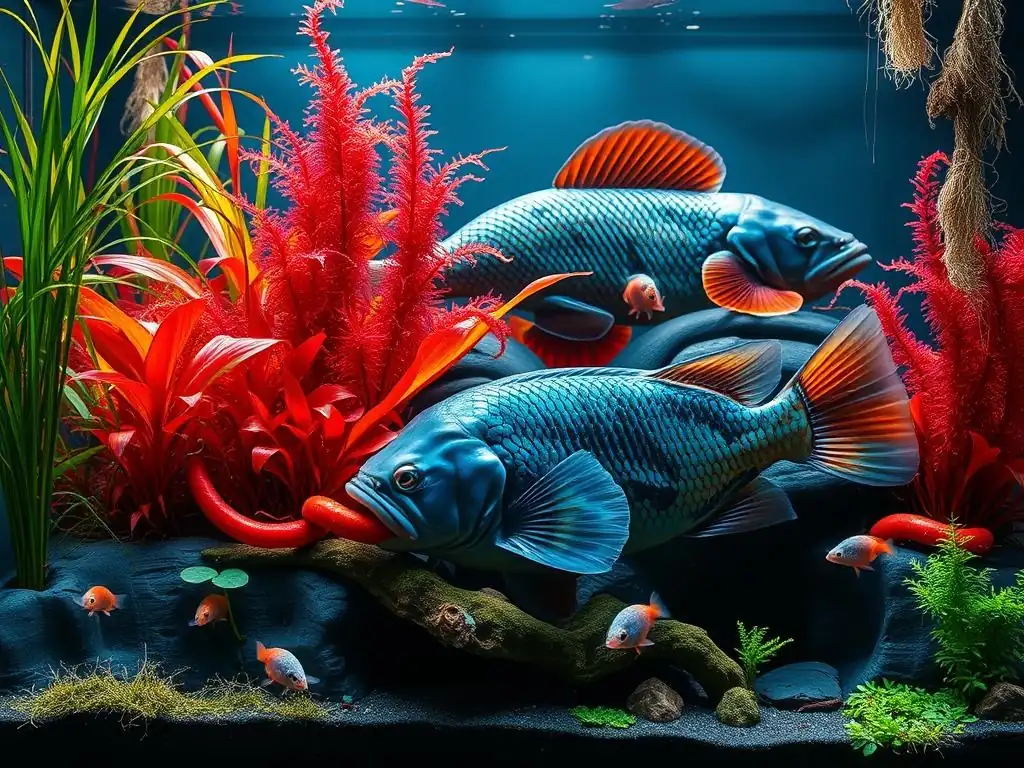
Welcome to Aquarium Mastery!
Ever wondered if your seemingly peaceful Pleco or Oto is secretly craving something a little more… carnivorous? Dive into the fascinating world of freshwater fish and unlock the secrets to optimal nutrition, starting with a deep dive into carnivorous catfish protein needs. Are you feeding your finned friends the right way? Let's find out!
- The Protein Needs of Herbivorous-Leaning Catfish: Plecos, Ancistrus & Otos
- Understanding the Dietary Needs of Plecos, Ancistrus & Otocinclus
- Debunking the Myth: Are Plecos, Ancistrus & Otos Strictly Algae Eaters?
- Protein Needs: A Detailed Breakdown
- Identifying High-Quality Protein Sources for Your Catfish
- Recognizing the Signs of Protein Deficiency in Catfish
- Optimizing Your Catfish Feeding Schedule for Adequate Protein Intake
- Supplementing Your Catfish Diet with Protein-Rich Treats
- Maintaining Optimal Water Quality for Healthy Catfish Digestion
- Conclusion: Ensuring Your Catfish Thrive with Proper Protein Supplementation
-
Frequently Asked Questions
- How much protein do Carnivorous catfish, like Plecos, actually need?
- What are some good high-protein food sources for a Pleco in a freshwater aquarium?
- Are Ancistrus species considered Carnivorous, and do they have similar protein requirements?
- How do Oto cats' protein needs compare to those of Plecos or Ancistrus?
- What happens if a Carnivorous catfish doesn't get enough protein in its diet?
- Final Reflection: Unveiling the Hidden Hunger
- Unleash Your Pleco's Potential!
The Protein Needs of Herbivorous-Leaning Catfish: Plecos, Ancistrus & Otos
Understanding the Dietary Needs of Plecos, Ancistrus & Otocinclus
Beyond Algae: Rethinking Catfish Nutrition in the Aquarium
Many aquarists commonly believe that Plecos, Ancistrus, and Otocinclus catfish subsist solely on algae. While algae forms a significant part of their natural diet and is crucial for their digestive health, this perception often leads to an incomplete understanding of their full nutritional requirements. A diet composed exclusively of algae wafers or tank algae can lead to significant nutritional deficiencies, impacting their growth, immune system, and overall vitality. These species, though often classified as herbivorous or algivorous, possess a more complex dietary profile that extends beyond simple plant matter.
To truly thrive, these catfish require a balanced diet that incorporates various nutrients, including essential proteins, fats, and carbohydrates, in addition to plant-based materials. Ignoring their broader catfish protein requirements can result in stunted development, faded coloration, and increased susceptibility to common aquarium diseases. For instance, a common Bristlenose Ancistrus (Ancistrus cirrhosus) that typically reaches 4-5 inches in length might only grow to 2-3 inches if protein is consistently lacking in its diet. Understanding this nuanced dietary need is fundamental to providing optimal care for these popular bottom-dwellers.
Why Protein Matters for Healthy Catfish Growth and Development
Protein is an indispensable macronutrient for all living organisms, and freshwater catfish are no exception. It serves as the primary building block for muscle tissue, enzymes, hormones, and antibodies, all of which are vital for healthy growth, development, and disease resistance. For young, growing fish, protein is critical for rapid tissue synthesis, allowing them to reach their full genetic potential in terms of size and structure. Without sufficient dietary protein for catfish, their ability to repair cells, develop strong bone structures, and maintain a robust immune system is severely compromised.
Inadequate protein intake can manifest in several detrimental ways, including stunted growth where fish fail to reach their species' typical adult size, poor fin development, and a general lack of vigor. For example, a young Otocinclus catfish, which has a naturally fast metabolism due to its active grazing, relies heavily on consistent protein intake to fuel its energy demands and maintain its delicate body structure.
Protein also plays a crucial role in reproduction, as fish require higher protein levels to develop healthy gonads and produce viable eggs and sperm. Ensuring appropriate protein levels is not merely about growth; it's about supporting every biological process that contributes to a long, healthy life for your catfish.
Debunking the Myth: Are Plecos, Ancistrus & Otos Strictly Algae Eaters?
The Natural Diet of Catfish: A Look at Their Wild Feeding Habits
The natural habitats of Plecos, Ancistrus, and Otocinclus catfish, typically fast-flowing rivers and streams in South America, offer a far more diverse menu than just pure algae. In the wild, these fish are primarily grazers, scraping biofilm, periphyton, and detritus from submerged rocks, driftwood, and plant surfaces. While algae is a major component of this biofilm, it is rarely the sole ingredient. This complex layer also contains a rich assortment of microscopic organisms, including bacteria, fungi, diatoms, protozoa, and various small invertebrates such as insect larvae, copepods, and ostracods.
For instance, studies of wild Ancistrus species often reveal gut contents that include not only plant matter and detritus but also chitinous remains of small crustaceans and insect larvae, indicating a natural ingestion of animal protein. Similarly, Otocinclus species, while meticulous grazers of periphyton, inevitably consume the tiny animal life embedded within that matrix. This natural intake of micro-invertebrates inherently addresses their carnivorous catfish protein needs, even if they are not actively hunting larger prey. Their digestive systems are adapted to process this mixed diet, extracting nutrients from both plant and animal sources.
Evidence of Omnivorous Tendencies in Popular Catfish Species
Observations in both controlled aquarium environments and scientific studies strongly support the omnivorous tendencies of many popular catfish species. It is a common occurrence for aquarists to witness their "algae-eating" Plecos or Ancistrus readily consuming protein-rich foods offered to other tank inhabitants, such as bloodworms, brine shrimp, or even high-protein flake foods. This opportunistic feeding behavior is a clear indicator that their diet in captivity should not be limited to plant-based fare.
Many species, like the common Pleco ( Pterygoplichthys pardalis), are known to consume decaying organic matter, which often includes the remains of insects or other small aquatic life, providing a natural protein boost. Even the more strictly herbivorous Panaque species, famous for rasping on wood, derive some nutritional benefit from the microorganisms and fungi living within the wood, which can contribute to their carnivorous catfish protein needs.
For Otocinclus, which are often seen as delicate and purely herbivorous, offering a small amount of finely crushed protein-rich flake or a tiny piece of frozen bloodworm can significantly improve their health and longevity, demonstrating their capacity and need for supplemental protein beyond just algae.
Protein Needs: A Detailed Breakdown
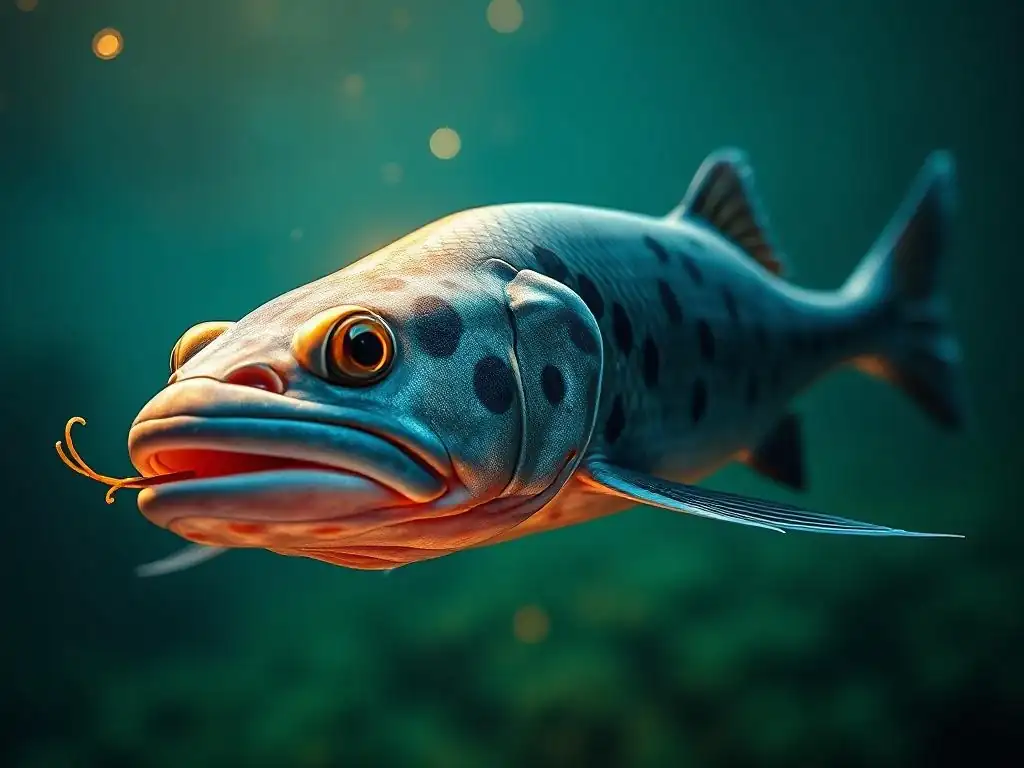
Optimal Protein Levels for Plecos: 20-30%
For most common Pleco species, particularly those in the Pterygoplichthys and Hypostomus genera, an optimal protein level in their overall diet falls within the range of 20-30%. This percentage supports healthy growth, maintains muscle mass, and aids in various metabolic functions. Younger, rapidly growing Plecos tend to require protein at the higher end of this spectrum, around 25-30%, to fuel their development. As they mature, their protein needs may slightly decrease, but a consistent supply remains essential.
It's important to note that this range can vary slightly depending on the specific Pleco species. For instance, wood-eating Plecos like Panaque species, while still benefiting from some protein, may have a slightly lower overall protein requirement compared to more omnivorous types, as they derive significant nutrition from wood and its associated microorganisms. However, even for these specialized feeders, occasional supplemental protein is beneficial. Providing a high-quality sinking pellet or wafer with a guaranteed analysis showing at least 20% protein, supplemented with occasional protein-rich treats, is an effective way to meet these catfish protein requirements.
Ancistrus Catfish Protein Requirements: 25-35%
Ancistrus catfish, commonly known as Bristlenose Plecos, generally have slightly higher protein requirements than many other Loricariids, with an optimal dietary protein range of 25-35%. This elevated need is particularly evident in their rapid growth rate during their juvenile stages and their prolific breeding habits in captivity. Protein is crucial for the development of their distinctive bristles, robust body structure, and for supporting the energy demands of their active, bottom-dwelling lifestyle.
Many high-quality Ancistrus-specific foods reflect this need, often formulated with protein levels at the higher end of this range. For example, a premium Ancistrus wafer might list a minimum protein content of 30-35%. Breeding pairs, in particular, benefit from diets closer to the 35% mark, as protein is vital for egg development and conditioning. Supplementing their staple algae wafers with occasional protein-rich foods such as bloodworms or brine shrimp ensures these protein for Ancistrus needs are adequately met, leading to healthier, more vibrant fish and successful breeding.
Otocinclus Catfish Protein Needs: 15-25%
Otocinclus catfish, often lauded for their diligent algae-eating habits, have a somewhat lower, yet still significant, protein requirement compared to their larger Loricariid cousins. Their optimal dietary protein level typically ranges from 15-25%. While they are primarily micro-algae grazers, the microscopic organisms found within the biofilm they consume naturally contribute to their protein intake in the wild. In the aquarium, relying solely on tank algae might not provide enough of this crucial nutrient.
Due to their small size and delicate nature, Otocinclus are highly susceptible to nutritional deficiencies. A lack of adequate protein can lead to emaciation, lethargy, and a shortened lifespan. While their diet should remain predominantly plant-based, offering very small, infrequent portions of high-quality, protein-rich foods, such as finely crushed spirulina flakes with added protein or tiny bits of frozen bloodworms, can make a substantial difference. Ensuring these Otocinclus catfish protein needs are met helps them maintain their active grazing behavior and contributes significantly to their overall resilience and longevity in the aquarium.
Identifying High-Quality Protein Sources for Your Catfish
Live Foods: A Supplemental Boost
Live foods offer an excellent supplemental source of protein for catfish, providing not only essential nutrients but also natural enrichment and stimulating their foraging instincts. Their high palatability often makes them readily accepted, even by finicky eaters. However, it's crucial to source live foods from reputable suppliers to minimize the risk of introducing parasites or diseases into your aquarium. Offering live foods once or twice a week as a treat can significantly boost their protein intake.
The Benefits of Blackworms, Bloodworms, and Daphnia for Catfish
Blackworms are an exceptionally nutritious live food, boasting a protein content of approximately 60% on a dry weight basis. They are readily consumed by most Plecos, Ancistrus, and even larger Otocinclus species, making them ideal for conditioning breeding fish or aiding in the recovery of emaciated specimens. A small portion, perhaps a quarter teaspoon for a medium-sized tank, offered once or twice a week, can provide a substantial protein boost. Bloodworms, either live or frozen, are another popular choice, with a protein content ranging from 50-60%.
While very palatable, they can be somewhat messy. Daphnia, though lower in protein (around 40-50% dry weight), are excellent for smaller species like Otocinclus and provide beneficial chitin, which aids digestion. These live options are highly effective in meeting carnivorous catfish protein needs.
Frozen Foods: A Convenient Option
Frozen foods provide a convenient and safe alternative to live foods, offering similar nutritional benefits without the associated risks of parasites. They are easy to store and portion, making them a staple for many aquarists looking to supplement their catfish's diet. Always thaw frozen foods in a small amount of tank water before feeding to avoid chilling your fish or introducing large chunks of ice.
Choosing the Right Frozen Foods to Supplement Protein Needs
Frozen bloodworms, brine shrimp, and Mysis shrimp are excellent choices for supplementing the protein requirements of your catfish. Frozen bloodworms typically contain 50-60% protein (dry weight) and are eagerly accepted by most Plecos and Ancistrus, and even by Otocinclus in very small, finely chopped pieces. Frozen brine shrimp (approx. 50% protein) are also highly palatable and provide a good source of protein, along with other essential nutrients.
Mysis shrimp offer a richer profile, often with higher protein and fat content, making them a good option for conditioning. For a balanced approach, consider frozen spirulina-enriched brine shrimp, which provide both animal protein and beneficial plant matter. Varying the types of frozen foods offered ensures a broad spectrum of nutrients are provided, effectively addressing catfish protein requirements.
Prepared Foods: Selecting the Best Catfish Pellets and Wafers
While live and frozen foods are excellent supplements, high-quality prepared foods should form the cornerstone of your catfish's diet. These commercially produced pellets and wafers are formulated to provide a balanced array of nutrients, including essential proteins, vitamins, and minerals, in a convenient, sinking form that reaches bottom-dwellers.
Understanding Ingredient Lists and Protein Content in Commercial Catfish Foods
When selecting prepared foods for your catfish, always scrutinize the ingredient list and the guaranteed analysis on the packaging. Look for foods where protein sources are listed among the first few ingredients, indicating a higher concentration. Common high-quality protein sources include fish meal, krill, shrimp meal, spirulina, and soy meal.
Avoid foods that list excessive fillers like corn or wheat as primary ingredients. For example, a premium pleco wafer specifically designed to meet dietary protein for catfish might have a guaranteed analysis showing a minimum protein content of 30-35%, with fish meal and spirulina as the top ingredients. Always choose sinking formulas to ensure the food reaches your bottom-dwelling catfish before being consumed by mid-water or surface feeders.
Recognizing the Signs of Protein Deficiency in Catfish
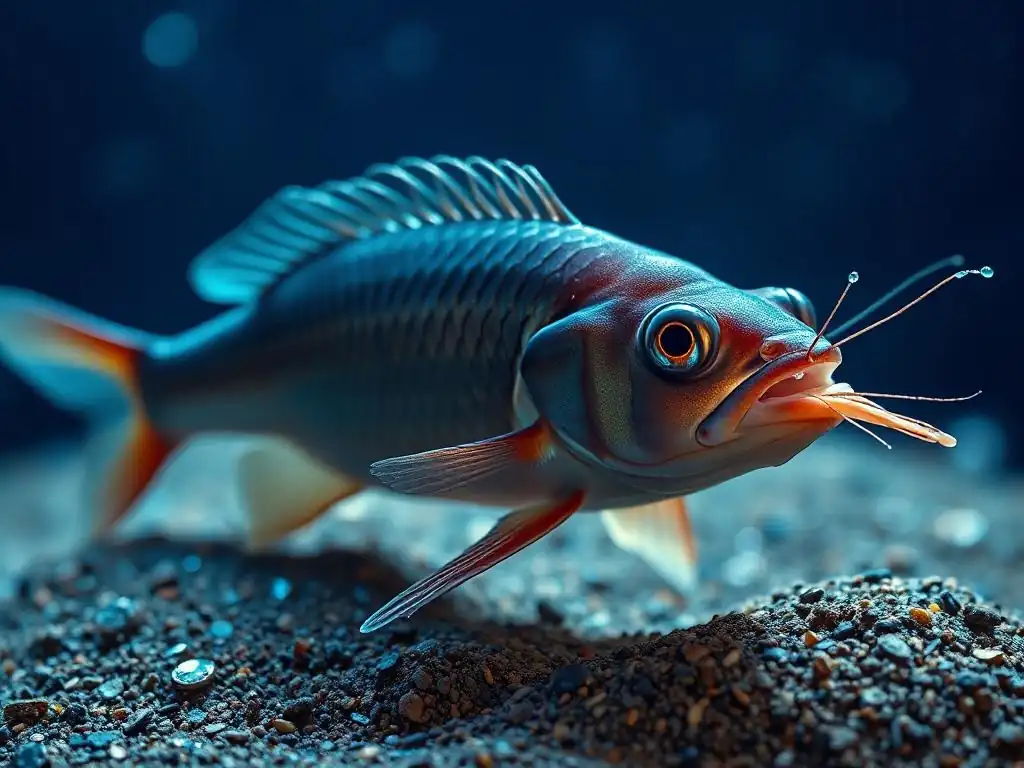
Stunted Growth and Development: A Key Indicator
One of the most noticeable and concerning signs of protein deficiency in catfish is stunted growth and development. Fish, particularly juveniles, require high levels of protein to build muscle mass and grow to their species-specific adult size. If a Bristlenose Ancistrus, which typically grows to 4-5 inches, only reaches 2-3 inches after a year, it’s a strong indicator of prolonged nutritional inadequacy, often stemming from insufficient catfish protein requirements.
This stunting can be irreversible if the deficiency persists for too long, as growth plates may fuse prematurely. Affected fish often appear disproportionately small for their age, with a noticeable lack of robust body mass.
Changes in Behavior: Lethargy and Reduced Activity
Protein deficiency can significantly impact a catfish's energy levels and overall behavior. Fish suffering from inadequate protein intake often exhibit noticeable lethargy and a marked reduction in their usual activity. Instead of actively foraging, scraping algae, or exploring their environment, they may become listless, spending more time hiding or remaining motionless in one spot.
Their movements might appear sluggish, and they may show little interest in food, even when offered. This behavioral change is a direct consequence of their body lacking the essential building blocks and energy reserves that protein provides, indicating that their dietary protein for catfish needs are not being met.
Physical Symptoms: Faded Coloration and Fin Erosion
Beyond growth and behavior, protein deficiency can manifest in several visible physical symptoms. A common sign is faded or dull coloration; the vibrant hues characteristic of healthy catfish may become muted or washed out. This is often due to the body's inability to produce sufficient pigments without adequate protein.
Additionally, you might observe signs of fin erosion or ragged fins, not necessarily due to fin rot disease, but rather from the body's impaired ability to repair and regenerate tissue. The slime coat, which provides a crucial protective barrier against pathogens, may also be compromised, leading to a weakened immune system. These physical indicators are critical clues that your fish are not receiving sufficient carnivorous catfish protein needs.
Optimizing Your Catfish Feeding Schedule for Adequate Protein Intake
How Often to Feed Your Plecos, Ancistrus & Otos
Establishing a consistent and appropriate feeding schedule is crucial for ensuring your catfish receive adequate protein without overfeeding. For juvenile Plecos, Ancistrus, and Otocinclus, which are in active growth phases, daily feeding is generally recommended. Adult catfish, especially larger Plecos, can often thrive on a feeding schedule of 3-4 times per week.
When incorporating protein-rich foods, these should be offered as supplements rather than daily staples. For example, a high-quality algae wafer or sinking pellet can be offered daily, while a small portion of frozen bloodworms or brine shrimp can be provided 1-3 times per week, depending on the species and overall diet.
Determining the Right Portion Sizes to Avoid Overfeeding
Overfeeding is a common mistake that can lead to significant water quality issues, such as elevated ammonia and nitrates, and can also cause health problems for your fish. The general rule of thumb is to feed only what your catfish can consume within a few hours for wafers and pellets, or within a few minutes for live or frozen foods. For example, a single sinking wafer for an adult Ancistrus might be sufficient.
Observe your fish's stomach; it should appear slightly rounded after feeding, not bloated. If you notice uneaten food decaying in the tank, reduce the portion size immediately. Proper portion control is vital for providing the right catfish protein requirements without compromising water quality.
Combining Different Food Types for a Balanced Diet
The most effective strategy for ensuring your catfish receive all necessary nutrients, including protein, is to offer a varied diet. Relying on a single type of food, even a high-quality one, can lead to deficiencies over time. A balanced diet for Plecos, Ancistrus, and Otocinclus should ideally combine high-quality sinking algae wafers or pellets as a staple, supplemented with fresh blanched vegetables (like zucchini or spinach), and occasional protein-rich treats.
For instance, a varied diet for an adult Ancistrus might include a spirulina-based wafer daily, blanched zucchini every other day, and a small cube of frozen bloodworms twice a week. This comprehensive approach ensures that all carnivorous catfish protein needs are met, alongside their other dietary requirements.
Supplementing Your Catfish Diet with Protein-Rich Treats
Blanched Vegetables: A Source of Fiber and Some Protein
While primarily known for providing essential fiber and vitamins, certain blanched vegetables can also offer a small amount of plant-based protein, contributing to a well-rounded diet for your catfish. Vegetables like blanched zucchini, cucumber, spinach, and shelled peas are excellent additions. Though their protein content is modest compared to animal-based sources, they are crucial for digestive health and offer a different spectrum of nutrients.
For example, shelled peas, when blanched and mashed, contain about 5-6% protein and are particularly beneficial for aiding digestion. Offering these vegetables a few times a week provides variety and helps meet the broader nutritional profile of your catfish.
DIY Catfish Food Recipes: Spirulina and Pea Mash
For aquarists keen on customizing their fish's diet, preparing homemade catfish food offers excellent control over ingredients and nutrient content, allowing you to specifically target dietary protein for catfish. A simple yet effective recipe is a Spirulina and Pea Mash. This can be made by blanching and mashing a cup of shelled peas, then mixing them with 2-3 tablespoons of high-quality spirulina powder.
For an extra protein boost, you can incorporate a small amount (e.g., 1 tablespoon) of finely ground high-protein fish flakes or freeze-dried shrimp meal. The mixture can then be pressed into a thin layer, frozen, and broken into small, appropriate-sized pieces for feeding. This homemade option ensures freshness and allows for precise protein supplementation tailored to your specific catfish species.
Maintaining Optimal Water Quality for Healthy Catfish Digestion
The Importance of Regular Water Changes
Maintaining pristine water quality is paramount for the overall health of your catfish, directly impacting their ability to digest food and absorb nutrients, including protein. Poor water quality, characterized by accumulating waste products and fluctuating parameters, places immense stress on fish. This chronic stress can suppress their appetite, impair their digestive system, and reduce their efficiency in metabolizing the carnivorous catfish protein needs you provide.
Regular water changes are the most effective way to remove harmful nitrates, replenish essential minerals, and maintain stable conditions. A general guideline is to perform weekly water changes of 25-30% of the tank volume, adjusting frequency based on bioload and filtration efficiency.
Monitoring Ammonia, Nitrite, and Nitrate Levels
Beyond regular water changes, consistent monitoring of key water parameters—ammonia, nitrite, and nitrate—is critical for ensuring a healthy environment where your catfish can thrive and properly utilize their diet. Ammonia and nitrite are highly toxic compounds that directly inhibit a fish's ability to absorb oxygen and nutrients, including protein. Even low levels can cause severe stress and organ damage.
Nitrates, while less acutely toxic, can lead to chronic stress, weakened immune systems, and overall poor health if allowed to accumulate above 20 ppm. Maintaining ammonia and nitrite at 0 ppm and nitrates below 20 ppm (ideally below 10 ppm for sensitive species like Otocinclus) ensures that the fish's metabolic processes, including protein digestion and absorption, function optimally. This pristine water environment is as crucial as the food itself in ensuring your catfish effectively benefit from their dietary protein for catfish.
Conclusion: Ensuring Your Catfish Thrive with Proper Protein Supplementation
Frequently Asked Questions
How much protein do Carnivorous catfish, like Plecos, actually need?
While Plecos are often thought of as algae eaters, many species require a diet higher in protein. Aim for a food source with at least 30-40% protein for optimal health and growth.
What are some good high-protein food sources for a Pleco in a freshwater aquarium?
Excellent options include sinking carnivore pellets, frozen bloodworms, and high-quality meaty flake foods. Supplement with vegetable matter for a balanced diet.
Are Ancistrus species considered Carnivorous, and do they have similar protein requirements?
Ancistrus are primarily algae eaters, but they still benefit from supplemental protein. A diet of around 20-30% protein from algae wafers and occasional meaty treats is sufficient.
How do Oto cats' protein needs compare to those of Plecos or Ancistrus?
Oto cats are primarily algae eaters and require very little supplemental protein. Focus on providing plenty of algae growth and occasional blanched vegetables.
What happens if a Carnivorous catfish doesn't get enough protein in its diet?
Protein deficiency can lead to stunted growth, weakened immune system, and increased susceptibility to diseases. Ensure a balanced diet with adequate protein to avoid these issues.
The exploration of carnivorous tendencies in seemingly herbivorous catfish like Plecos, Ancistrus, and Otos reveals a crucial understanding of their dietary needs, and this knowledge is now more vital than ever. As aquarium keeping becomes increasingly popular, ensuring the well-being of these fascinating creatures hinges on providing them with the appropriate protein sources. Neglecting this aspect can lead to malnutrition, disease, and ultimately, a shortened lifespan for these often-overlooked members of our aquatic ecosystems.
This journey into the protein requirements of these catfish has profoundly influenced my understanding of responsible fishkeeping, highlighting that appearances can be deceiving. It's a reminder that even seemingly simple creatures possess complex needs that demand careful consideration. The long-held assumption that these catfish are purely algae eaters needs to be challenged, and a more nuanced approach adopted. The greatest enemy of knowledge is not ignorance, it is the illusion of knowledge.
- Daniel J. Boorstin. This quote perfectly encapsulates the danger of relying on outdated or incomplete information when caring for our aquatic companions.
Now, I invite you to reflect on your own approach to fishkeeping. Are you truly meeting the needs of your aquatic inhabitants, or are you relying on assumptions? Take the time to research, observe, and adapt your feeding strategies to ensure that even the most unassuming catfish receive the protein they require to thrive. By embracing a more informed and compassionate approach, we can collectively contribute to the health and longevity of these captivating creatures and foster a deeper appreciation for the intricate balance of the aquatic world.
Unleash Your Pleco's Potential!
Thanks for diving into the fascinating world of catfish nutrition! We hope you've gained valuable insights into meeting the protein needs of your Plecos, Ancistrus, and Otos. Now, let's put that knowledge into action.
- Immediately review the ingredients in your current catfish food. Aim for options with a higher protein percentage from sources like blackworm or insects.
- Explore the surprising addition of blanched vegetables to your catfish's diet to complement their protein intake.
- Share this article with fellow aquarium enthusiasts and spark a conversation about the importance of balanced nutrition!
What's the first high-protein food you'll introduce to your catfish this week?