
Can Blind Cave Tetras Cohabitate? Tank Mate Considerations for These Special Fish

Welcome to Aquarium Mastery!
Intrigued by the mysterious world of the blind cave tetra? You've come to the right place! Dive in and discover the crucial considerations for choosing blind cave tetra tank mates. Are you setting up a new aquarium or wondering if your current community is a good fit? Let's explore the fascinating dynamics of this unique species and unlock the secrets to a thriving aquatic environment for all your finned friends. Keep reading to find out which species will create a harmonious ecosystem.
- Understanding Blind Cave Tetras: A Unique Aquarium Addition
- Choosing the Right Tank Mates for Blind Cave Tetras
- Ideal Blind Cave Tetra Tank Mates: Species Recommendations
- Setting Up a Compatible Aquarium Environment
- Monitoring Tank Mate Interactions: Preventing Problems
- Addressing Potential Issues: Common Problems and Solutions
- Invertebrate Tank Mates for Blind Cave Tetras
- The Importance of Research: Ensuring a Harmonious Aquarium Community
- Conclusion: Creating a Thriving Blind Cave Tetra Community Tank
- Frequently Asked Questions
- Final Reflection: Embracing the Unique in Our Aquariums
- Dive Deeper: Cultivate Your Cave Tetra Sanctuary!
Understanding Blind Cave Tetras: A Unique Aquarium Addition
What are Blind Cave Tetras? Origin and Characteristics
Blind Cave Tetras, scientifically known as Astyanax jordani, are fascinating freshwater fish native to the dark cave systems of Mexico, particularly in areas like the Sierra de El Abra. Their most striking characteristic is the complete absence of eyes, a genetic adaptation to their perpetually dark environment. Instead of sight, these unique fish possess a highly developed lateral line system, which allows them to detect subtle changes in water pressure and vibrations, enabling them to navigate, find food, and avoid obstacles in absolute darkness.
Beyond their lack of eyes, Blind Cave Tetras are also notable for their lack of pigmentation, giving them a distinctive pinkish-white, translucent appearance. They typically grow to an adult size of about 4 to 5 inches (10-13 cm), making them a moderately sized addition to a community aquarium. Their unique evolutionary history and specialized sensory adaptations make them a compelling subject for aquarists interested in unusual and resilient species.
The Unique Needs of Anophthalmus: Considerations for Optimal Care
The Anophthalmus designation, referring to their eyeless condition, dictates several unique care requirements for Blind Cave Tetras. Their reliance on their highly sensitive lateral line system means they are particularly susceptible to strong currents or sudden movements in the tank, which can disorient and stress them. Therefore, a calm and stable aquatic environment is paramount for their well-being.
When it comes to feeding, these fish locate food primarily through smell and the vibrations it creates upon hitting the water. This necessitates offering slow-sinking foods, such as high-quality flakes, pellets, or frozen foods like bloodworms and brine shrimp, to ensure they have ample time to find and consume their meals without being outcompeted by faster-sighted tank mates. Maintaining consistent water parameters—a temperature range of 72-78°F (22-26°C), a pH between 6.5 and 7.5, and soft to medium hard water (5-15 dGH)—is also crucial to their health, as they are sensitive to drastic environmental shifts.
Choosing the Right Tank Mates for Blind Cave Tetras
Compatibility Concerns: Factors Affecting Tetra Cohabitation
Selecting appropriate blind cave tetra tank mates requires careful consideration of several factors to ensure a harmonious environment. The primary concern is the Blind Cave Tetra's lack of vision, which renders them vulnerable to aggression, fin nipping, or even being outcompeted for food by more boisterous or faster-moving species. Therefore, highly active, aggressive, or territorial fish are generally unsuitable companions.
Beyond temperament, shared water parameter requirements are vital for successful cohabitation. All blind cave tetra tank mates should thrive in similar temperature, pH, and hardness conditions to minimize stress and prevent health issues. Size compatibility is also important; while Blind Cave Tetras are not predatory, very small fish or invertebrates could potentially be perceived as food, and conversely, much larger fish could intimidate or prey upon the tetras.
Blind Cave Tetras are schooling fish by nature, and thrive when kept in groups of at least six to eight individuals. This schooling behavior provides them with a sense of security, reduces stress, and encourages their natural behaviors. Within their school, they are generally peaceful, though they may exhibit minor squabbles over food, which are typically harmless.
Their calm and somewhat reclusive nature means they can be easily intimidated or stressed by overly energetic or aggressive tank mates. While they lack eyes, their other senses are highly acute, making them sensitive to sudden movements or vibrations from boisterous fish. Therefore, the ideal blind cave tetra tank mates are those that share a similarly peaceful disposition and do not pose a threat through excessive activity or aggression, ensuring the blind tetras can navigate and feed without constant anxiety.
Ideal Blind Cave Tetra Tank Mates: Species Recommendations
Peaceful Community Fish: Suitable Companions for Cave Tetras
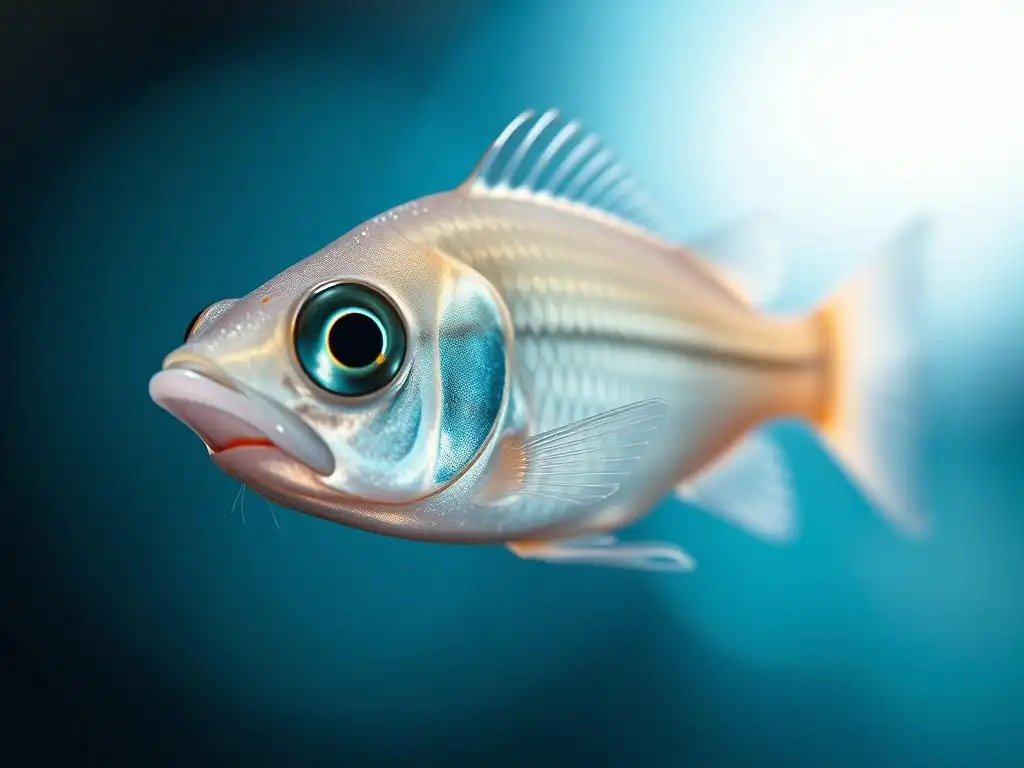
When considering blind cave tetra tank mates, the priority should always be peaceful, non-aggressive species that won't startle or outcompete them. Excellent choices include other small, placid schooling tetras, such as Neon Tetras, Cardinal Tetras, or Ember Tetras. These species share similar water parameter requirements and a generally calm demeanor, allowing the blind cave tetras to move freely without excessive competition for space or food.
Additionally, various species of Rasboras, such as Harlequin Rasboras or Chili Rasboras, can make suitable companions. They are typically peaceful, occupy similar mid-water strata, and do not exhibit aggressive tendencies. Ensuring these tank mates are also kept in appropriate school sizes (e.g., 6+ individuals) further promotes their own well-being and reduces the likelihood of them becoming stressed or displaying unwanted behaviors.
Bottom Dwellers: Corydoras Catfish and Other Compatible Options
For the lower levels of the aquarium, Corydoras catfish are among the best blind cave tetra tank mates. Species like Panda Corydoras, Bronze Corydoras, or Peppered Corydoras are highly peaceful, spend most of their time sifting through the substrate, and pose no threat to the mid-dwelling Blind Cave Tetras. They also benefit from similar water parameters and appreciate a soft substrate, making them an ideal match.
Another excellent bottom-dwelling option is the Otocinclus catfish. These small, peaceful algae eaters are highly compatible with blind cave tetras. They are non-aggressive, maintain a low profile, and contribute to the tank's cleanliness by consuming biofilm and soft algae. When selecting any bottom dweller, ensure they are not territorial or overly competitive for food, as Blind Cave Tetras can be slow eaters.
Avoiding Aggressive Tank Mates: Species to Exclude from a Blind Cave Tetra Tank
To maintain a stress-free environment for your Blind Cave Tetras, it is crucial to avoid any species known for aggression, territoriality, or fin-nipping. Large, predatory fish such as most Cichlid species (e.g., Convict Cichlids, Jack Dempseys) are entirely unsuitable, as they would view the smaller, defenseless Blind Cave Tetras as prey. Even moderately aggressive or highly boisterous fish, like some Gourami species or larger Barbs (e.g., Tiger Barbs), should be excluded.
Furthermore, fish that are known fin-nippers, even if otherwise peaceful, can cause significant stress and injury to Blind Cave Tetras, whose lack of vision makes them unable to react quickly to such threats. Any fish that requires very different water parameters or exhibits highly active, erratic swimming patterns that could startle the tetras should also be avoided. The goal is a calm, stable environment where the blind tetras feel secure.
Setting Up a Compatible Aquarium Environment
Tank Size and Aquascaping: Creating a Stress-Free Habitat
A suitable tank size is crucial for the well-being of Blind Cave Tetras and their compatible tank mates. For a small school of 6-8 Blind Cave Tetras, a minimum of a 20-gallon long aquarium is recommended, providing adequate swimming space and room for their lateral line system to function without constantly bumping into obstacles. For a more diverse community with other blind cave tetra tank mates, a 30- to 40-gallon tank or larger is highly advisable to prevent overcrowding and reduce stress.
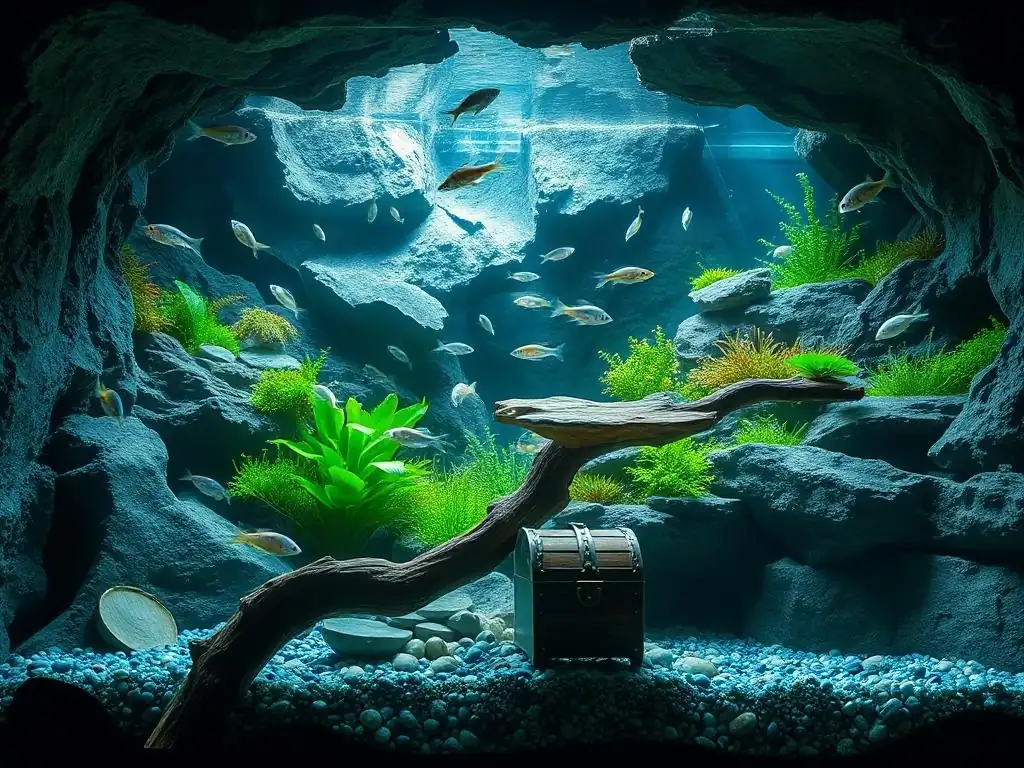
Aquascaping should prioritize functionality for a blind species. Dense planting, particularly with live plants like Java Fern, Anubias, or Amazon Swords, provides ample hiding spots and visual breaks, contributing to a sense of security. A soft, fine substrate like sand or smooth, small gravel is essential to protect their delicate sensory organs if they brush against the bottom. Decorations should be smooth, with no sharp edges, and arranged consistently to allow the blind tetras to learn their environment. Dim lighting is also beneficial, mimicking their natural cave habitat and reducing stress.
Water Parameters: Maintaining Optimal Conditions for All Tank Inhabitants
Maintaining stable and appropriate water parameters is paramount for the health of Blind Cave Tetras and their chosen tank mates. These fish thrive in temperatures ranging from 72-78°F (22-26°C), which is a common range for many peaceful community fish. The pH level should be kept between 6.5 and 7.5, leaning towards slightly acidic to neutral, reflecting their natural habitat. Water hardness should ideally be soft to medium, typically 5-15 dGH.
Consistency in these parameters is far more important than hitting exact numbers. Sudden fluctuations in temperature, pH, or hardness can cause significant stress to fish, particularly those as sensitive as Blind Cave Tetras. Regular testing with a reliable aquarium test kit is essential to monitor these parameters, ensuring they remain within the optimal range for all inhabitants of your blind cave tetra tank.
Filtration and Water Changes: Ensuring a Healthy Environment
Effective filtration is critical for maintaining pristine water quality in a Blind Cave Tetra tank, but it must be implemented carefully. Strong currents can disorient and stress Blind Cave Tetras due to their reliance on their lateral line system. Therefore, gentle filtration systems are preferred, such as sponge filters, or hang-on-back filters with a baffled outflow to reduce water flow. Canister filters can also be used, provided their outflow is directed to minimize turbulence.
In addition to appropriate filtration, regular partial water changes are essential to remove nitrates, phosphates, and other accumulated toxins, ensuring a healthy environment for all blind cave tetra tank mates. A routine of 25-30% partial water changes weekly is generally recommended for a well-stocked community tank. Always use a dechlorinator or water conditioner when adding tap water to neutralize chlorine, chloramines, and heavy metals, which are harmful to fish.
Monitoring Tank Mate Interactions: Preventing Problems
Observing Behavior: Recognizing Signs of Stress or Aggression
Consistent and diligent observation of your aquarium inhabitants is crucial, especially when introducing new blind cave tetra tank mates. Spend time daily watching the fish for any signs of stress, such as clamped fins, lethargy, hiding excessively, rapid breathing, or a loss of appetite. These can indicate poor water quality, disease, or incompatibility with tank mates.
Equally important is identifying signs of aggression. Look for chasing, fin nipping, or territorial displays among any of the fish. While Blind Cave Tetras are generally peaceful, they can be victims of bullying due to their impaired vision. If aggression is observed, it's vital to identify the aggressor and take immediate steps to address the issue, which might include rearranging decor, adding more hiding spots, or, in severe cases, rehoming the aggressive fish.
Quarantine Procedures: Introducing New Fish Safely
Implementing a strict quarantine procedure for all new fish, including potential blind cave tetra tank mates, is perhaps one of the most critical steps in preventing disease and ensuring a harmonious community. A separate quarantine tank, ideally 10-20 gallons, should be set up with a filter, heater, and basic hiding spots. New fish should be housed in this tank for a minimum of two to four weeks.
During the quarantine period, observe the new fish for any signs of illness (e.g., Ich spots, fin rot, unusual growths) or behavioral issues. This isolation prevents the introduction of pathogens into your main blind cave tetra tank, protecting your existing fish from potentially devastating diseases. Once the quarantine period is complete and the fish appear healthy and well-adjusted, they can be slowly acclimated to the main tank's water parameters before being introduced.
Addressing Potential Issues: Common Problems and Solutions
Fin Nipping and Bullying: Identifying and Resolving Conflicts
Fin nipping and bullying can be significant issues in a community tank, particularly for the vulnerable Blind Cave Tetras. If you observe frayed fins or constant chasing, it’s imperative to identify the culprit. Often, fin nipping is a sign that a schooling species is not kept in sufficient numbers, leading to internal aggression, or that an incompatible, semi-aggressive fish has been introduced.
To resolve conflicts, first verify that all fish are kept in appropriate school sizes. If a specific aggressor is identified, consider removing it and rehoming it to a more suitable environment. Adding more hiding spots or rearranging the tank decor can sometimes break up established territories and reduce aggression. Increasing the overall tank size can also provide more space, diluting territorial disputes among blind cave tetra tank mates.
Disease Prevention: Maintaining a Healthy Aquarium Ecosystem
Preventing disease is far more effective than treating it, and a healthy aquarium ecosystem is the best defense. Maintaining consistently high water quality through regular partial water changes (e.g., 25% weekly) and appropriate filtration is the cornerstone of disease prevention. Overfeeding should be avoided, as it leads to excess waste and deteriorating water conditions.
A varied and nutritious diet strengthens the immune systems of Blind Cave Tetras and their tank mates. Avoiding overcrowding reduces stress and the spread of pathogens. Furthermore, strict adherence to quarantine procedures for all new fish, as discussed previously, is crucial in preventing the introduction of external diseases. By minimizing stress and providing optimal conditions, you significantly reduce the likelihood of common ailments like Ich or fin rot affecting your blind cave tetra community.
Invertebrate Tank Mates for Blind Cave Tetras
Shrimp: A Potential Cleaning Crew
Certain species of shrimp can be considered as blind cave tetra tank mates, serving as excellent additions to the cleaning crew. Amano Shrimp are particularly robust and effective algae eaters, and their adult size (up to 2 inches) generally makes them too large to be considered prey by Blind Cave Tetras. Smaller, more delicate shrimp like Cherry Shrimp can also cohabitate successfully, provided the Blind Cave Tetras are well-fed and the tank offers ample hiding spots for the shrimp, especially their vulnerable fry.
While Blind Cave Tetras lack eyes, their other senses are acute, and they can perceive movement and vibrations. Therefore, very small or juvenile shrimp might still be at risk, particularly if the tetras are underfed. Careful observation is key when introducing any shrimp to ensure they are not being harassed or preyed upon.
Snails: Algae Control and Considerations
Snails are generally excellent and safe blind cave tetra tank mates. Species such as Nerite Snails and Mystery Snails are highly beneficial for algae control and pose absolutely no threat to the fish. Nerite Snails are particularly favored for their efficiency in consuming various types of algae and their inability to rapidly reproduce in freshwater, preventing overpopulation.
Mystery Snails, while larger, are also peaceful and contribute to tank cleanliness. Their slow movement and hard shells make them impervious to any potential curiosity from the blind tetras. The main consideration with snails is their potential to reproduce quickly, depending on the species (e.g., Malaysian Trumpet Snails), which might lead to an overabundance if not managed. However, for a peaceful, low-maintenance cleaning crew, snails are a top choice.
The Importance of Research: Ensuring a Harmonious Aquarium Community
Gathering Information: Consulting Experts and Online Resources
Thorough research is the cornerstone of creating a thriving and harmonious aquarium community, especially when dealing with unique species like Blind Cave Tetras. Before purchasing any fish or invertebrate, it is imperative to gather comprehensive information about their specific care requirements, temperament, adult size, and compatibility with other species. Reliable sources include reputable aquarium websites, such as AquariumMastery.com, specialized forums, and experienced aquarists at local fish stores.
Consulting multiple sources helps to build a complete picture of a species' needs and potential interactions with blind cave tetra tank mates. Understanding their natural behaviors, dietary needs, and preferred environmental parameters ensures that you can provide an optimal habitat, thereby minimizing stress and promoting long-term health for all inhabitants.
Avoiding Impulse Decisions: Making Informed Choices for Your Fish
One of the most common pitfalls in the aquarium hobby is making impulse purchases without adequate research. An attractive fish at the store might seem like a good idea, but without prior knowledge, it could prove to be incompatible with your existing Blind Cave Tetras or unsuitable for your tank's conditions. Such decisions often lead to stress, aggression, disease, and ultimately, the premature loss of fish.
Instead, take the time to plan your aquarium community carefully. Create a list of potential blind cave tetra tank mates, research each species thoroughly, and ensure they meet all compatibility criteria: temperament, size, water parameters, and feeding habits. A well-thought-out stocking plan leads to a more stable, healthier, and enjoyable aquarium, ensuring that your Blind Cave Tetras and their companions can truly thrive together.
Conclusion: Creating a Thriving Blind Cave Tetra Community Tank
Creating a thriving community tank with Blind Cave Tetras is a rewarding endeavor that highlights their unique adaptations and peaceful nature. The key to success lies in understanding their specific needs, particularly their reliance on senses other than sight, and selecting blind cave tetra tank mates that complement their calm demeanor. By prioritizing peaceful, similarly sized species that share compatible water parameters, aquarists can build a harmonious environment where these fascinating fish can flourish.
Beyond careful stocking, meticulous attention to tank setup, including appropriate size, dim lighting, gentle filtration, and soft substrate, is crucial. Consistent monitoring of fish behavior and water quality, coupled with strict quarantine protocols for new additions, will proactively address potential issues and maintain a healthy ecosystem. With thoughtful planning and ongoing care, a vibrant and stress-free community tank featuring Blind Cave Tetras is not only achievable but will provide endless fascination for any dedicated aquarist.
Frequently Asked Questions
Can Blind Cave Tetras live with other fish?
Yes, Blind Cave Tetras can live with other fish, but careful consideration is needed. Their unique needs and peaceful temperament require specific tank mate selection to ensure a harmonious environment.
What are the best tank mates for Blind Cave Tetras?
Ideal tank mates are peaceful, similarly sized fish that won't outcompete them for food or nip at their fins. Examples include small tetras, rasboras, and Corydoras catfish.
What type of fish should be avoided as tank mates?
Avoid aggressive or fin-nipping fish, such as tiger barbs or some types of cichlids. Also, avoid very large fish that may see the Blind Cave Tetra as a snack.
How does the Blind Cave Tetra's blindness affect tank mate selection?
Their blindness means they rely on smell and lateral line to navigate and find food. Tank mates should not be overly competitive feeders or create excessively murky water, which hinders their ability to find food.
What are some general considerations when choosing tank mates?
Consider the tank size, water parameters, and temperament of all potential tank mates. Thorough research is essential to ensure compatibility and the well-being of all fish in the aquarium.
Final Reflection: Embracing the Unique in Our Aquariums
The exploration of suitable tank mates for Blind Cave Tetras, as we've discussed, isn't just about compatibility; it's about understanding and respecting the unique needs of a creature shaped by its environment. The challenges and considerations we've uncovered highlight the responsibility we bear when bringing these fascinating fish into our aquariums, a responsibility that extends to all aquatic life we choose to keep.
This journey into the world of Blind Cave Tetras and their potential companions has underscored the importance of thoughtful aquarium keeping. It's a reminder that success in this hobby isn't just about aesthetics, but about creating a thriving ecosystem that caters to the specific requirements of each inhabitant. The greatness of a nation and its moral progress can be judged by the way its animals are treated.
- Mahatma Gandhi. This quote, while broad, resonates deeply when we consider the care we provide to the animals in our aquariums.
Now, consider the lessons learned. How can you apply this mindful approach to your own aquariums, or even to your interactions with the natural world in general? Take a moment to reflect on the delicate balance of life and the impact of your choices. Let the pursuit of harmonious cohabitation in your tanks inspire a deeper appreciation for the diversity and interconnectedness of all living things.
Dive Deeper: Cultivate Your Cave Tetra Sanctuary!
Thanks for exploring the fascinating world of Blind Cave Tetras with us! We hope this article has shed light on the unique needs and considerations for keeping these remarkable fish. Now, let's turn knowledge into action and create the best possible environment for your own (or future) Blind Cave Tetras.
Here are some steps you can take to further enrich your understanding and engagement:
- Prioritize the Well-being: Begin by carefully researching and selecting suitable tank mates, prioritizing peaceful species with similar environmental needs, ensuring a stress-free life for your Blind Cave Tetras.
- Expand your knowledge by exploring other fascinating species and how to create species-specific environments.
- Share your insights! Join online aquarium communities to share your experiences and learn from other aquarists who have experience with Blind Cave Tetras or similar species.
What creative solutions have you considered for creating a perfectly balanced environment for your Blind Cave Tetras and their tank mates?