
Aggression Levels Compared: Tiger Barbs, Cherry Barbs, and Denison Barbs

Welcome to Aquarium Mastery!
Ever wondered how to keep the peace in your freshwater aquarium? Dive in and discover crucial insights into managing Tiger Barbs aggression comparison in our latest article. We're comparing their behavior to Cherry Barbs and Denison Barbs, revealing the secrets to harmonious tank mates. Ready to unlock the key to a thriving, stress-free community aquarium? Let's explore!
- Barb Aggression Comparison: Tiger, Cherry, and Denison Barbs
- Understanding Barb Behavior in Aquariums
- Tiger Barb Aggression
- Cherry Barb Temperament
- Denison Barb Behavior
- Aggression Comparison: Tiger, Cherry, and Denison Barbs
- Creating a Harmonious Barb Aquarium
- Addressing Aggression Issues
- Conclusion: Choosing the Right Barb
- Frequently Asked Questions
- Final Reflection: Navigating the Waters of Aggression
- Unlock a Peaceful Aquarium: Your Next Steps!
Barb Aggression Comparison: Tiger, Cherry, and Denison Barbs
Understanding Barb Behavior in Aquariums
Introduction to Popular Barb Species
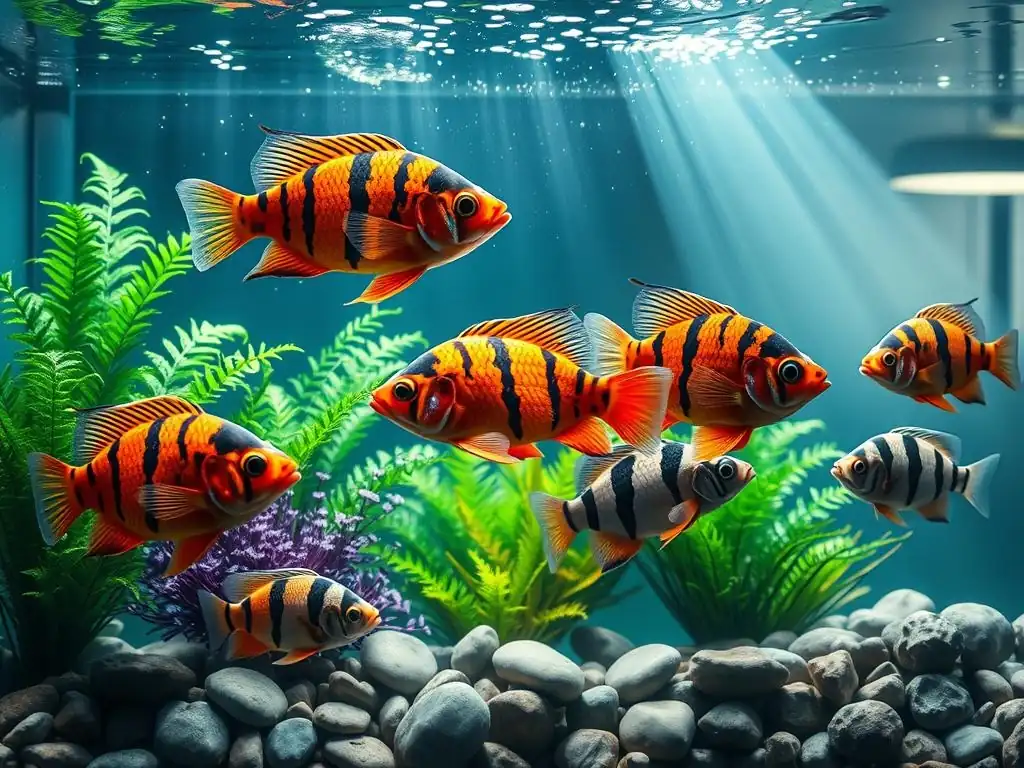
Barbs are a diverse and popular group of freshwater fish in the aquarium hobby, known for their active swimming and often vibrant coloration. Among the most commonly kept species are the Tiger Barb ( Puntigrus tetrazona), the Cherry Barb ( Puntius titteya), and the Denison Barb ( Sahyadria denisonii), also widely known as the Roseline Shark. These three species, while all belonging to the Cyprinidae family, exhibit distinct behavioral patterns and aggression levels, making it crucial for aquarists to understand their specific needs before introducing them into a community tank.
Tiger Barbs are recognized by their striking black vertical stripes and can grow up to 3 inches (7.5 cm), often displaying a boisterous personality. Cherry Barbs are smaller, reaching about 2 inches (5 cm), and are celebrated for the males' deep red coloration and their generally peaceful demeanor. Denison Barbs are the largest of the trio, potentially growing up to 6 inches (15 cm) in captivity, characterized by their sleek silver bodies, red and black stripes, and extremely active swimming habits.
Maintaining a Peaceful Community Tank
Successfully maintaining a peaceful community tank, especially when incorporating active fish like barbs, hinges on careful planning and a deep understanding of fish behavior. Key considerations include adequate tank size, appropriate aquascaping, and the selection of compatible tank mates. Researching species-specific temperaments and social structures is paramount to preventing stress and aggression, which can lead to poor health and even fatalities among tank inhabitants.
The goal is to create an environment where all fish can thrive without undue competition for space, food, or social dominance. This involves providing sufficient swimming areas, numerous hiding spots to reduce stress, and ensuring that water parameters are consistently stable and within the preferred range for all species. A well-planned setup minimizes potential triggers for aggression and fosters a balanced, harmonious aquatic ecosystem.
Tiger Barb Aggression
Defining Tiger Barb Aggression
Tiger Barbs are famously known for their semi-aggressive and often "nippy" behavior, earning them a reputation as fin-nippers. This aggression is typically directed towards slower-moving fish with long, flowing fins, such as Angelfish, Bettas, or Guppies. Their nipping is a manifestation of their inherent territoriality and a tendency to establish a pecking order within their own school. If kept in insufficient numbers or in an undersized tank, this behavior can escalate significantly, leading to stress and injury for targeted tank mates.
Their aggressive tendencies are often a result of their natural schooling dynamics. In the wild, Tiger Barbs form large groups, and their internal squabbles are distributed among many individuals, diluting the impact on any single fish. In an aquarium setting, if the school is too small (fewer than 6-8 individuals), the aggression becomes concentrated, leading to more intense bullying within the group and towards other species. This characteristic makes understanding tiger barbs aggression comparison crucial for aquarists.
Factors Influencing Tiger Barb Aggression
Several key factors can influence the level of aggression displayed by Tiger Barbs. Foremost among these is school size; a group of fewer than six Tiger Barbs almost invariably results in increased aggression, as the fish cannot properly establish their social hierarchy or distribute their boisterous energy. A school of 8 to 12 individuals is often recommended to promote internal focus and reduce outward aggression, with studies suggesting that larger schools (e.g., 10-15 fish) significantly reduce fin-nipping incidents on other species by up to 70%.
Tank size also plays a critical role. For a school of 6-8 Tiger Barbs, a minimum of 20 gallons (approximately 75 liters) is suggested, but a 30-55 gallon (113-208 liters) tank is far more beneficial, providing ample swimming space and reducing stress-induced aggression. Furthermore, a monotonous environment, inadequate diet, or the presence of highly stressed tank mates can exacerbate aggressive behaviors.
Managing Tiger Barb Aggression
Effective management of Tiger Barb aggression primarily involves creating an optimal environment that caters to their natural behaviors. The most critical strategy is maintaining a sufficiently large school, ideally 8-10 individuals or more. This allows their natural pecking order to form within the group, distributing their nipping and chasing among themselves rather than redirecting it towards other species, thereby significantly reducing tiger barbs aggression towards tank mates.
Secondly, providing an appropriately sized tank with ample open swimming space and numerous hiding spots (such as dense planting or driftwood) can greatly reduce stress. A 30-gallon tank for a medium-sized school offers sufficient room to establish territories without constant conflict. Lastly, carefully selecting tank mates that are either equally robust and fast-moving (like certain loaches or other active barbs) or large enough to not be intimidated by the Tiger Barbs' antics is vital. Avoid slow-moving, long-finned species entirely.
Cherry Barb Temperament
Cherry Barb Behavior
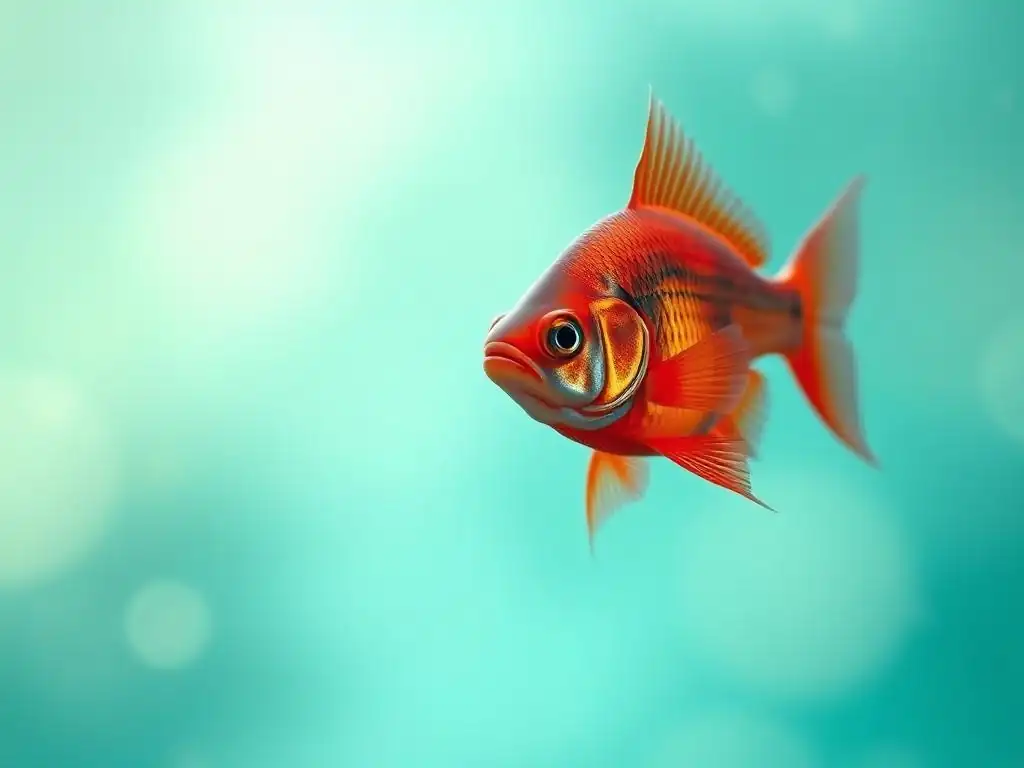
Cherry Barbs are renowned for their peaceful and relatively shy temperament, making them one of the most popular choices for community aquariums. Unlike their boisterous Tiger Barb cousins, Cherry Barbs exhibit a calm demeanor and are rarely involved in fin-nipping or aggressive disputes. They are active swimmers, but their movements are more graceful and less erratic, preferring to cruise through planted areas or open water.
These barbs are schooling fish and thrive when kept in groups of at least 6-8 individuals. In smaller numbers, they can become withdrawn, stressed, and may spend more time hiding, which can impact their vibrant coloration. While generally docile, male Cherry Barbs may engage in mild chasing during breeding periods, displaying their intensified red coloration to attract females, but this rarely results in harm to other fish.
Cherry Barb Compatibility
Cherry Barbs are highly compatible with a vast array of peaceful community fish, making them an excellent choice for diverse setups. They coexist well with other small, peaceful species such as Neon Tetras, Harlequin Rasboras, Corydoras catfish, Otocinclus, and even other docile barb species like Rosy Barbs. Their small size, typically 1.5-2 inches (3.8-5 cm), means they are not a threat to smaller fish or inverts like dwarf shrimp, provided the shrimp are not too tiny to be mistaken for food.
However, despite their peaceful nature, care must be taken to avoid housing them with large, predatory, or overly aggressive fish that might view them as prey or bully them. Species like larger cichlids (unless dwarf species), highly aggressive barbs (like some types of Tiger Barbs if the school is small), or very boisterous fish could stress Cherry Barbs, leading to health issues or even predation.
Minimizing Stress in Cherry Barbs
To ensure Cherry Barbs remain healthy, vibrant, and stress-free, it is essential to provide an environment that caters to their specific needs. A well-planted aquarium with plenty of natural hiding spots (such as dense vegetation, driftwood, or small caves) is crucial. While they enjoy open swimming areas, access to cover helps them feel secure and reduces timidity. A tank size of at least 10 gallons (38 liters) is suitable for a small school, but 20 gallons (75 liters) or more is recommended for optimal well-being.
Maintaining stable water parameters is also vital; Cherry Barbs prefer slightly acidic to neutral water (pH 6.0-7.0) and temperatures between 72-79°F (22-26°C). Regular partial water changes (e.g., 25% weekly) and a varied diet of high-quality flakes, pellets, and occasional live or frozen foods will contribute significantly to their overall health and reduce stress, thereby minimizing any rare instances of behavioral issues.
Denison Barb Behavior
Denison Barb Temperament
Denison Barbs, also known as Roseline Sharks, are highly active, schooling fish renowned for their striking appearance and rapid swimming. While generally peaceful, their temperament can be described as boisterous due to their energetic movements. They are not typically aggressive in the fin-nipping sense like Tiger Barbs, but their sheer speed and size (up to 6 inches or 15 cm) can sometimes intimidate or overwhelm slower, more timid tank mates, especially during feeding times.
They spend most of their time in the mid to upper levels of the aquarium, constantly on the move. Their active nature means they require significant swimming space. Despite their size, they are not predatory towards smaller fish unless those fish are extremely tiny (e.g., fry). Their interactions with other species are usually limited to swift passes, which can be unsettling for less active fish.
Denison Barb Schooling Behavior
Denison Barbs possess a very strong schooling instinct, and their well-being is heavily dependent on being kept in appropriate group sizes. They thrive in schools of at least 6-8 individuals, but larger schools of 10 or more are ideal for observing their natural schooling patterns and promoting their overall health. A robust school helps distribute their inherent energy and reduces individual stress, leading to more cohesive and less erratic behavior.
When kept in insufficient numbers (e.g., fewer than 4-5 individuals), Denison Barbs can become shy, reclusive, or even more prone to erratic darting, which may be perceived as aggression by other fish. The security provided by a large group allows them to display their natural schooling formations and reduces anxiety, making them more peaceful and confident inhabitants of the aquarium.
Potential Aggression Issues with Denison Barbs
True aggression, such as targeted fin-nipping or territorial disputes, is rare with Denison Barbs, particularly when they are housed in large, well-established schools (8+ fish) and an adequately sized tank. However, their high activity level and considerable adult size can lead to what might be perceived as indirect aggression or stress for certain tank mates. For instance, during feeding, their rapid movements can overwhelm slower eaters, potentially leading to some fish being outcompeted for food.
The primary "aggression" concern with Denison Barbs stems from their need for expansive swimming space. In tanks smaller than 55 gallons (approximately 208 liters), their constant, fast-paced swimming can create a turbulent environment that stresses smaller, sedentary, or shy species. While they don't actively attack, their sheer presence and energy can make a tank feel crowded and uncomfortable for less robust fish. Therefore, tank size is a crucial factor in mitigating any potential issues related to their boisterous nature.
Aggression Comparison: Tiger, Cherry, and Denison Barbs
Aggression Levels: A Quantitative Assessment
When comparing the aggression levels of these three popular barb species, a clear hierarchy emerges. Tiger Barbs exhibit the highest level of aggression, primarily characterized by consistent fin-nipping and boisterous chasing within their school and towards other species. Their aggression is particularly pronounced if they are not kept in large groups (ideally 8-10+ individuals) or if housed in an undersized tank. This is the most significant aspect of tiger barbs aggression comparison.
Cherry Barbs are at the opposite end of the spectrum, demonstrating exceptionally low aggression. They are considered one of the most peaceful barb species, rarely engaging in fin-nipping or territorial disputes. Denison Barbs fall in the middle; while not truly aggressive in the physical sense, their high activity levels and considerable size can be a source of stress for timid tank mates due to their boisterous nature, especially in smaller aquariums.
Tank Mate Compatibility
The distinct aggression profiles of these barbs dictate their suitable tank mates. Tiger Barbs are best housed with robust, fast-moving fish that can tolerate their nippy behavior. Examples include certain loaches (e.g., Clown Loaches), larger Danios, and other equally boisterous barb species. Long-finned or slow-moving fish like Angelfish, Bettas, or Guppies are generally incompatible, as their fins will likely be a target.
Cherry Barbs, due to their peaceful nature, are ideal for a wide range of community setups. They are highly compatible with small, peaceful fish such as Neon Tetras, Harlequin Rasboras, Corydoras catfish, and Otocinclus. They pose little threat to invertebrates like dwarf shrimp. Denison Barbs, while peaceful, require tank mates that are equally active and robust, or large enough not to be intimidated by their rapid movements. Good choices include Rainbowfish, larger Tetras (e.g., Congo Tetras), and some peaceful, larger barbs. They are generally not suited for tanks with very small or extremely timid species.
Activity Levels and Tank Requirements
Activity levels also vary significantly among the three, directly influencing their tank requirements. Tiger Barbs are moderately active, requiring at least a 20-gallon (75-liter) tank for a small school, though 30-55 gallons (113-208 liters) is preferable for a thriving group of 8-10. This space helps to dilute their aggression and provides ample room for their energetic swimming.
Cherry Barbs are less active than Tiger Barbs and can be comfortably housed in smaller tanks. A 10-gallon (38-liter) tank can suffice for a small group of 5-6, but a 20-gallon (75-liter) tank allows for a larger, more natural school and better long-term health.
Denison Barbs are by far the most active of the three, requiring substantial swimming space. A minimum of 55 gallons (208 liters) is recommended for a school of 6-8, with 75 gallons (284 liters) or more being ideal to fully accommodate their rapid movements and adult size, which is a key consideration in any tiger barbs aggression comparison.
Creating a Harmonious Barb Aquarium
Tank Size and Aquascaping
The cornerstone of a harmonious barb aquarium is selecting an appropriate tank size and designing effective aquascaping. For a school of 8-10 Tiger Barbs, a 30-gallon (113-liter) tank is a good starting point, providing enough space to distribute their energy and reduce tiger barbs aggression. Cherry Barbs, being less active, can thrive in a 20-gallon (75-liter) tank for a school of 6-8. Denison Barbs, due to their high activity and adult size, demand a minimum of 55 gallons (208 liters) for a school, with 75 gallons (284 liters) or larger being highly recommended.
Aquascaping should balance open swimming areas with ample hiding spots. Dense planting, particularly along the back and sides of the tank, provides security and visual barriers, which can help break up lines of sight and reduce territorial disputes, especially for Tiger Barbs. Driftwood, rocks, and caves offer additional retreats and enrichment, contributing to a less stressful environment for all inhabitants.
Choosing Compatible Tank Mates
Careful selection of tank mates is paramount to preventing aggression and stress in a barb aquarium. For Tiger Barbs, opt for robust, fast-swimming fish that can withstand their nippy behavior, such as Clown Loaches, larger Danios, or other active barb species. Avoid slow-moving, long-finned fish like Angelfish, Bettas, or fancy Guppies, as they are prime targets for fin-nipping.
Cherry Barbs are highly versatile and can be housed with almost any peaceful community fish, including small tetras, rasboras, corydoras, and peaceful livebearers. Denison Barbs, while peaceful, require tank mates that are equally active and can handle their boisterous nature. Good companions include Rainbowfish, larger Tetras, and other fast-swimming, robust species. Always research the specific temperament and needs of any potential tank mate before introducing them to ensure compatibility.
Maintaining Water Quality
Consistent and excellent water quality is a non-negotiable factor in reducing stress and preventing aggression in any aquarium, including those housing barbs. Poor water conditions can weaken fish immune systems, making them more susceptible to disease and more prone to exhibiting abnormal behaviors, including increased aggression. Regular partial water changes, typically 25% weekly, are crucial for removing accumulated nitrates and replenishing essential minerals.
Maintaining stable water parameters within the preferred range for your specific barb species (e.g., pH 6.0-7.5, temperature 72-79°F or 22-26°C) is also vital. A robust filtration system (mechanical, biological, and chemical) is necessary to keep the water clean and clear, minimizing ammonia and nitrite levels. A healthy, well-maintained environment promotes natural behaviors, vibrant coloration, and reduces the likelihood of stress-induced aggression, such as tiger barbs aggression.
Addressing Aggression Issues
Identifying Signs of Aggression
Recognizing the early signs of aggression is crucial for timely intervention and preventing further harm in an aquarium. Common indicators include persistent fin nipping, where one fish repeatedly targets the fins of another, often resulting in torn or frayed fins. Chasing and bullying behavior, where a dominant fish relentlessly pursues or corners a weaker tank mate, is another clear sign. You might observe the bullied fish constantly hiding, refusing to eat, or displaying stress stripes or faded coloration.
Other subtle signs include a fish becoming unusually reclusive or, conversely, overly dominant and territorial, actively defending specific areas of the tank. During feeding times, aggressive fish might hog food, preventing others from getting enough to eat. Regularly observing your fish for these behaviors, particularly during the first few weeks after introducing new inhabitants, can help identify problems before they escalate. This applies especially to tiger barbs aggression.
Strategies for Reducing Aggression
If aggression becomes a problem, several strategies can be employed to mitigate the issue. The first step is to re-evaluate the tank setup: ensure the tank size is adequate for all inhabitants, and that there are enough hiding spots and visual barriers (e.g., dense plants, driftwood) to break up lines of sight and provide refuge. For schooling fish like barbs, ensure the school size is appropriate (e.g., at least 8-10 Tiger Barbs) to dilute aggression within the group.
If a specific fish is overly aggressive, temporarily removing it to a separate tank for a few days can sometimes "reset" the social hierarchy. When reintroduced, it may be less dominant. Alternatively, rearranging the tank decor can create new territories and disrupt established pecking orders. Increasing feeding frequency or distributing food in multiple spots can also reduce competition and stress during meal times.
Quarantine and Treatment
When aggression leads to physical injuries, such as severe fin nipping or body wounds, the affected fish should be immediately moved to a dedicated quarantine tank. This separation serves multiple purposes: it allows the injured fish to recover without further stress or attack, and it prevents the potential spread of infections to the main tank if the injury becomes infected.
In the quarantine tank, ensure pristine water quality and stability. Treat any open wounds or fin rot with appropriate aquarium medications, such as antibacterial or antifungal treatments, as directed. Closely monitor the fish's recovery and ensure it is eating well before considering reintroduction to the main tank. This proactive approach is essential for the health of individual fish and the overall well-being of the entire aquatic community.
Conclusion: Choosing the Right Barb
Summarizing Aggression Levels
The three popular barb species—Tiger, Cherry, and Denison Barbs—exhibit distinct aggression levels crucial for aquarists to understand. Tiger Barbs are the most aggressive, known for their persistent fin-nipping, which necessitates large schools (8-10+ individuals) and compatible, robust tank mates to mitigate their boisterous nature. This is the primary characteristic of tiger barbs aggression.
Cherry Barbs stand out as exceptionally peaceful, making them ideal for almost any community aquarium due to their low aggression and calm demeanor. Denison Barbs, while not aggressive in the fin-nipping sense, are highly active and boisterous, requiring significant tank space and equally energetic tank mates to prevent their rapid movements from stressing other fish.
Final Recommendations
Choosing the right barb species depends heavily on your existing aquarium setup, the temperament of your current fish, and the space you can provide. For beginners or those seeking a truly peaceful and colorful addition to a general community tank, Cherry Barbs are an excellent, low-risk choice. Their docile nature and beautiful coloration make them a joy to keep.
For aquarists who appreciate energetic fish and can accommodate their specific needs, Tiger Barbs or Denison Barbs offer vibrant and dynamic additions. However, their selection requires careful planning: Tiger Barbs demand large schools and specific tank mates to manage their aggression, while Denison Barbs require substantial swimming space due to their high activity levels. By understanding these nuances, you can ensure a harmonious and thriving environment for your chosen barb species.
Frequently Asked Questions
How aggressive are Tiger Barbs compared to other barb species?
Tiger Barbs are known for their semi-aggressive nature, often exhibiting nipping behavior. Compared to Cherry Barbs, which are generally peaceful, Tiger Barbs are significantly more aggressive. Denison Barbs are usually more peaceful than Tiger Barbs when kept in proper school sizes.
What factors contribute to aggression in Tiger Barbs?
Several factors influence Tiger Barb aggression, including insufficient school size, tank size, and lack of hiding places. Smaller groups can lead to increased aggression as they establish a pecking order. Stressful conditions can amplify aggressive tendencies.
How can I minimize aggression when keeping Tiger Barbs?
Keeping Tiger Barbs in a school of at least 6-8 individuals is crucial to diffuse aggression. Providing ample swimming space and plenty of hiding spots with plants and decorations will also help. Avoid keeping them with slow-moving, long-finned fish.
Are Cherry Barbs a good tank mate for Tiger Barbs?
Generally, no. Cherry Barbs are peaceful fish and are easily bullied by Tiger Barbs. The size and temperament differences make them incompatible tank mates. Cherry Barbs may get stressed and not thrive in the presence of Tiger Barbs.
Are Denison Barbs compatible with Tiger Barbs?
Denison Barbs can be kept with Tiger Barbs, but it requires careful consideration. Ensure the Denison Barbs are kept in a large enough school (at least 5-6) and the tank is spacious. Monitor the tank closely for bullying, as Tiger Barbs can still nip at Denison Barbs.
The exploration of aggression levels in Tiger Barbs, Cherry Barbs, and Denison Barbs, as we've seen, isn't merely an academic exercise in fishkeeping; it's a crucial consideration for creating thriving aquatic ecosystems. The delicate balance of a community aquarium hinges on understanding these nuances, and ignoring the potential for aggression can lead to stress, injury, and even death within your tank. This understanding is more vital than ever as the popularity of home aquariums continues to grow, placing a greater responsibility on hobbyists to prioritize the well-being of their aquatic companions.
This journey into the behavioral patterns of these barbs has highlighted the profound impact of environmental factors and species compatibility. Understanding the subtle cues of fish behavior, and proactively addressing potential conflicts, is not just about maintaining a visually appealing tank; it's about fostering a healthy and enriching environment for these fascinating creatures. As the saying goes, The greatness of a nation and its moral progress can be judged by the way its animals are treated.
This sentiment extends to our aquariums, urging us to be mindful stewards of the lives entrusted to our care.
Now, as you consider your own aquariums, or perhaps contemplate starting one, remember the lessons learned here. Don't just see these fish as decorative elements; recognize them as individuals with complex social needs. Take the time to research, observe, and adapt your approach to ensure their well-being. Let the knowledge gained from this comparison empower you to create a harmonious underwater world, where beauty and balance coexist. The future of responsible fishkeeping rests in your hands.
Unlock a Peaceful Aquarium: Your Next Steps!
Thanks for diving into the world of barb fish with us! We hope you've gained valuable insights into understanding their temperament and creating a harmonious aquarium environment. Now, let's put that knowledge into action!
Here are a few things you can do right now:
- Re-evaluate your tank: Carefully observe your current barb community to identify any signs of aggression or incompatibility. Adjust your stocking levels or consider rehoming fish as needed.
- Share your discoveries: Contribute to our community by sharing you own experiences! Do you have any unusual tankmate combinations?
- Explore related species: Research other barb varieties or similar-temperament fish to expand your aquascaping horizons.
What specific action will you take today to improve the well-being of your barb fish?