
Apistogramma Hongsloi: Igniting Your Tank with Fiery Red Hues

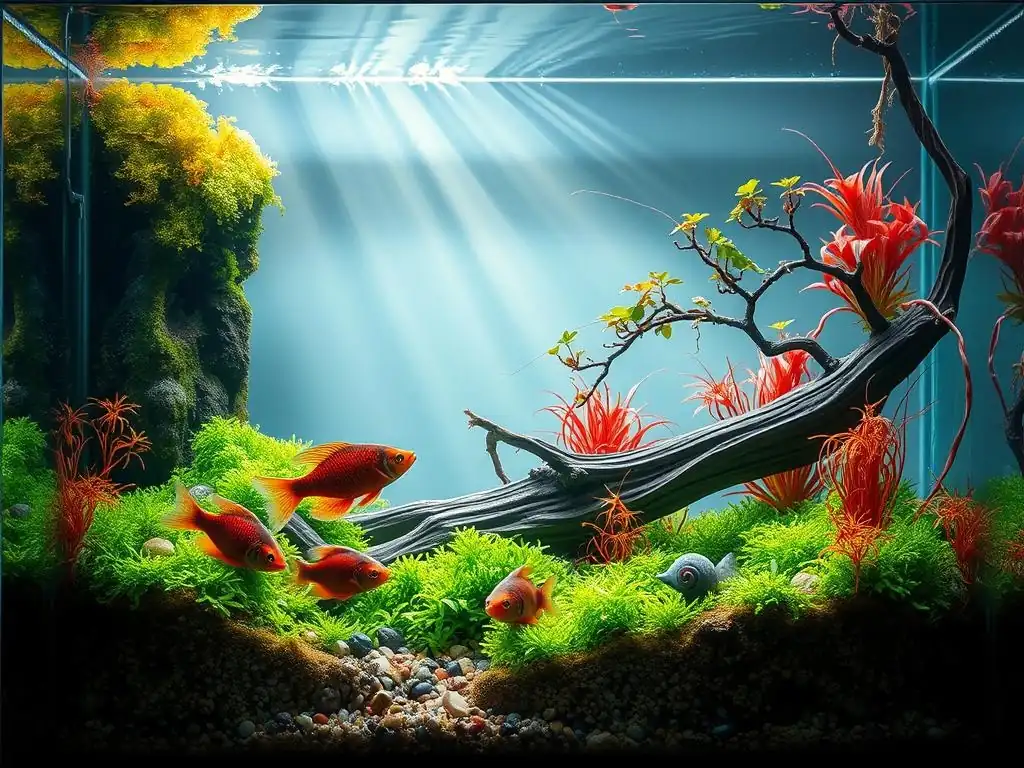
Welcome to Aquarium Mastery, where your aquatic dreams come to life!
Ever wondered how to transform your freshwater tank into a vibrant underwater paradise? Dive into our comprehensive Apistogramma Hongsloi care guide and unlock the secrets to keeping these stunning, fiery red cichlids thriving. Discover everything from ideal tank conditions to breeding tips, and prepare to be amazed by the beauty you can create. Ready to ignite your aquarium? Let's explore!
- Introduction to Apistogramma Hongsloi: A Stunning Dwarf Cichlid
- Apistogramma Hongsloi Care Guide: Creating the Ideal Habitat
- Feeding Your Apistogramma Hongsloi: Diet and Nutrition
- Apistogramma Hongsloi Tank Mates: Compatibility and Community
- Apistogramma Hongsloi Breeding: Encouraging Reproduction
- Common Health Issues in Apistogramma Hongsloi and Prevention
- Maintaining Vibrant Color in Apistogramma Hongsloi
- Where to Buy Apistogramma Hongsloi: Selecting Healthy Specimens
- Conclusion: Mastering Apistogramma Hongsloi Care
-
Frequently Asked Questions
- What are the ideal water parameters for keeping Apistogramma Hongsloi?
- What size tank is recommended for a pair of Apistogramma Hongsloi?
- What type of food should I feed my Apistogramma Hongsloi?
- How can I encourage breeding in my Apistogramma Hongsloi?
- What are some common health issues to watch out for with Apistogramma Hongsloi?
- Final Reflection: Embracing the Vibrant Legacy of the Apistogramma Hongsloi
- Unleash the Hongsloi Magic in Your Aquarium!
Introduction to Apistogramma Hongsloi: A Stunning Dwarf Cichlid
Why Choose the Hongsloi Apisto for Your Aquarium?
The Apistogramma Hongsloi, often affectionately known as the "Red Fire Dwarf Cichlid," is a captivating choice for any freshwater aquarium enthusiast due to its extraordinary coloration and engaging personality. Males, in particular, boast a dazzling display of fiery reds, deep oranges, and iridescent blues across their faces, bodies, and fins, making them a true centerpiece. With a modest adult size typically ranging from 2 to 3 inches (5 to 7.5 cm) for males and slightly smaller for females, they are perfectly suited for moderately sized tanks, offering the vibrant appeal of larger cichlids without the extensive space requirements.
Beyond their stunning aesthetics, Hongsloi Apistos exhibit fascinating behaviors, including intricate courtship rituals and dedicated parental care, which add a dynamic layer to your aquatic display. Their relatively peaceful disposition, especially when housed in appropriate conditions, allows them to coexist well with suitable tank mates, making them an excellent addition to a thoughtfully planned community aquarium. Their presence can transform a standard tank into a vibrant, active ecosystem, providing endless hours of observation and enjoyment for the aquarist.
Understanding the Appeal: Red Fire Dwarf Cichlid Characteristics
The primary allure of the Red Fire Dwarf Cichlid lies in its spectacular chromatic range. Male Apistogramma hongsloi display a striking intensity, with their operculum (gill cover) and part of their head often ablaze with red and orange, contrasting beautifully with a body that can shimmer with metallic blue, green, or even gold.
Their dorsal and anal fins are frequently edged with vibrant red or orange, often tipped with iridescent blue. Females, while more subdued with a base yellow-brown coloration, develop a brilliant yellow hue with distinct black markings, especially when breeding or caring for fry, signaling their readiness or protective instincts.
These dwarf cichlids are primarily bottom-dwellers, often seen meticulously sifting through substrate in search of food or exploring the intricate nooks of driftwood and plant roots. They are curious and intelligent fish, capable of recognizing their owner and even interacting during feeding times. While generally peaceful, males can establish small territories, especially in the presence of females, which adds a natural, active element to the tank without typically escalating into aggression if ample space and hiding spots are provided. Understanding these characteristics is fundamental to providing optimal Apistogramma Hongsloi care.
Apistogramma Hongsloi Care Guide: Creating the Ideal Habitat
Tank Size Requirements for Apistogramma Hongsloi
For a single pair of Apistogramma Hongsloi, a minimum tank size of 15 gallons (approximately 57 liters) is generally recommended. A "long" style tank is preferable to a "tall" one, as it provides more horizontal swimming space and allows the fish to establish distinct territories, crucial for their well-being and reducing potential aggression, particularly during breeding periods. If planning to house a trio (one male and two females) or a small group, a 20-gallon (approximately 75 liters) long tank or larger becomes necessary to provide adequate room and minimize stress.
Larger tanks, such as 30 gallons (113 liters) or more, are highly beneficial for maintaining multiple pairs or for creating a more stable and diverse community setup. The increased water volume in larger tanks contributes to greater water parameter stability, which is paramount for the sensitive Apistogramma Hongsloi. Furthermore, ample space allows for more intricate aquascaping with numerous hiding spots and visual barriers, promoting natural behaviors and reducing territorial disputes among these fascinating dwarf cichlids.
Water Parameters: Achieving Optimal Conditions for Hongsloi Apistos
Achieving and maintaining precise water parameters is the cornerstone of successful Apistogramma Hongsloi care. These fish thrive in soft, acidic water, mimicking their natural blackwater habitats in South America. The ideal pH range falls between 5.5 and 6.8, with many experienced aquarists aiming for a slightly more acidic 6.0-6.5. General Hardness (GH) should be very low, ideally between 1-5 dGH (18-90 ppm), and Carbonate Hardness (KH) should be equally low, ranging from 0-3 dKH (0-54 ppm). The water temperature should be consistently maintained between 75-82°F (24-28°C), with temperatures on the higher end of this range often encouraging breeding activity.
Deviation from these parameters, especially sudden fluctuations, can lead to significant stress and susceptibility to disease in Hongsloi Apistos. It is imperative to use a reliable testing kit to monitor pH, GH, KH, and temperature regularly. Utilizing reverse osmosis (RO) or deionized (DI) water, re-mineralized to the specific target parameters, is often the most effective way to achieve and maintain the soft, acidic conditions these fish require, providing the best foundation for Apistogramma Hongsloi care.
Maintaining Stable Water Chemistry for Apistogramma Hongsloi
Maintaining stable water chemistry for Apistogramma Hongsloi requires diligent effort and consistent practices. Weekly water changes of 20-30% are crucial for diluting nitrates and replenishing essential trace elements. When performing water changes, always ensure the new water is dechlorinated and temperature-matched to prevent shock. For those aiming for specific soft, acidic parameters, using RO/DI water re-mineralized with a product designed for dwarf cichlids or soft water fish can provide unparalleled consistency, far surpassing what tap water alone can offer in many regions.
Beyond water changes, natural methods can help maintain the desired conditions. The inclusion of peat granules in a filter media bag or the addition of Indian almond leaves (catappa leaves) and various types of driftwood will naturally release tannins into the water. These tannins not only create a natural blackwater aesthetic but also gently lower pH and provide beneficial humic substances, contributing to the overall health and well-being of your Apistogramma hongsloi. Regular testing, at least once a week, allows for proactive adjustments before parameters drift too far, ensuring optimal Apistogramma Hongsloi care.
Substrate and Decor: Replicating the Hongsloi's Natural Environment
Replicating the Apistogramma Hongsloi's natural environment through appropriate substrate and decor is vital for their comfort, health, and display of natural behaviors. In their native Amazonian habitats, these dwarf cichlids inhabit slow-moving tributaries and floodplains characterized by soft substrates, abundant leaf litter, and dense root systems or submerged vegetation. Providing a similar setup in the aquarium encourages natural foraging, hiding, and breeding behaviors, significantly reducing stress and enhancing their vibrant coloration.
The careful selection of decor also serves a practical purpose: creating visual barriers and numerous hiding spots. This is particularly important for Apistogramma Hongsloi, as males can be territorial, and females require secure places to lay eggs and raise fry. A well-designed aquascape with multiple territories helps to disperse aggression and ensures that all inhabitants feel secure, which is a cornerstone of effective Apistogramma Hongsloi care.
Recommended Substrates for Apistogramma Hongsloi Tanks
For Apistogramma Hongsloi tanks, a fine, soft substrate is paramount. These fish are natural sifters, constantly sifting through the bottom for food particles and often digging small depressions for spawning. Therefore, inert sand, such as play sand, pool filter sand, or specialized aquarium sand with a grain size of 0.5-1.5 mm, is ideal. This type of substrate allows them to engage in their natural sifting behavior without damaging their delicate barbels or fins.
Coarse gravel should be avoided as it can be abrasive and injure the fish, and it also traps detritus more readily, potentially leading to poor water quality. A dark-colored substrate can also help enhance the vibrant colors of your Hongsloi Apistos, as they tend to display more intensely against a darker background. Providing a suitable substrate is a fundamental aspect of creating a comfortable and natural environment for optimal Apistogramma Hongsloi care.
Essential Decorations: Caves, Plants, and Driftwood
Caves are an indispensable element for Apistogramma Hongsloi, serving as crucial hiding spots, territorial markers, and most importantly, spawning sites. Ideal caves include small terracotta pots laid on their side, coconut shells with an entrance hole, or carefully arranged smooth rocks that form crevices. It's advisable to provide more caves than there are fish to ensure ample choices and reduce competition.
Dense planting, especially with broad-leafed plants like Anubias, Java Fern, and various Cryptocoryne species, creates visual barriers and additional cover. These plants also help to absorb nitrates and contribute to overall water quality. Finally, driftwood branches and roots are highly recommended. Not only do they provide additional hiding spots and a natural aesthetic, but they also release beneficial tannins that help lower pH and create a natural blackwater effect, further mimicking their native habitat and supporting excellent Apistogramma Hongsloi care.
Feeding Your Apistogramma Hongsloi: Diet and Nutrition
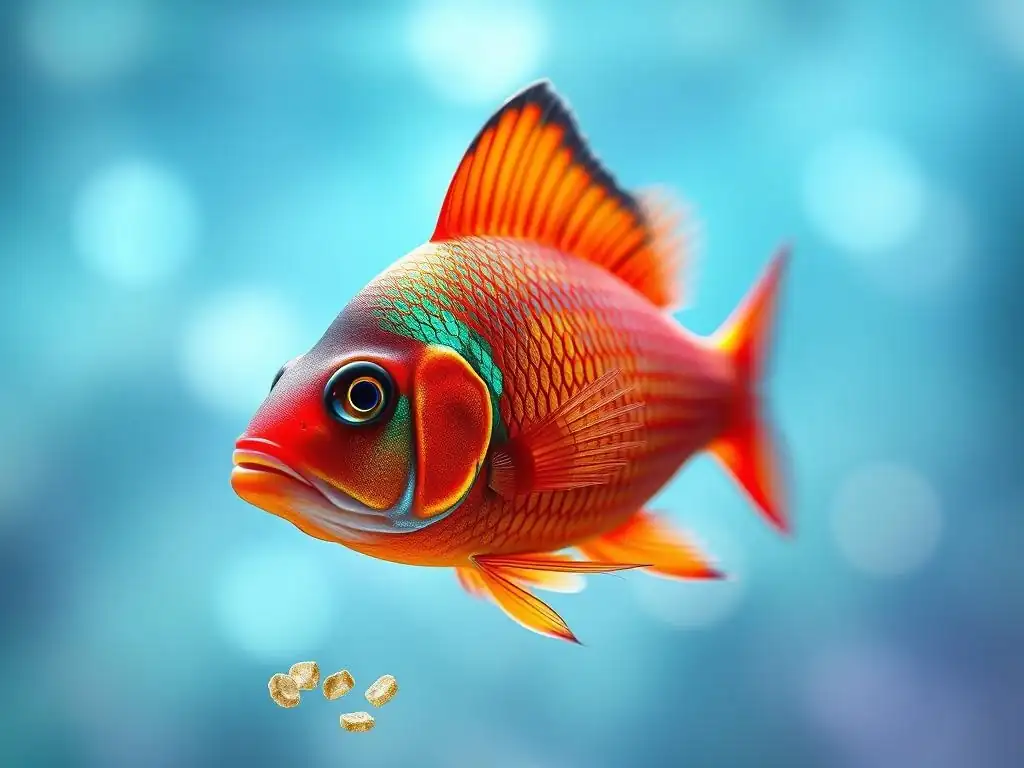
What to Feed Apistogramma Hongsloi: A Balanced Diet
Apistogramma Hongsloi are primarily micro-predators in their natural habitat, foraging for small invertebrates and insect larvae. In the aquarium, a varied and high-quality diet is crucial for their health, vibrant coloration, and breeding success. While they will accept dry foods, their primary diet should consist of a diverse range of live and frozen options, which better replicate their natural feeding habits and provide essential nutrients.
A balanced diet for your Hongsloi Apistos should include high-quality, small-granule or flake foods formulated for dwarf cichlids, but these should only serve as a base. The bulk of their diet should come from more nutritious and palatable live or frozen options. This varied approach ensures they receive all necessary vitamins, minerals, and proteins, which is a key component of comprehensive Apistogramma Hongsloi care.
Recommended Foods for Vibrant Colors and Health
To truly bring out the fiery red hues and ensure optimal health in your Apistogramma Hongsloi, incorporate a variety of protein-rich live and frozen foods. Live foods such as newly hatched brine shrimp, daphnia, grindal worms, and blackworms are excellent choices as they stimulate natural hunting instincts and provide superior nutrition. These options are particularly beneficial for conditioning breeding pairs and raising fry.
Frozen foods like bloodworms, mysis shrimp, and frozen brine shrimp are convenient and highly accepted alternatives, offering similar nutritional benefits. It's advisable to rotate these foods to provide a broad spectrum of nutrients. Some aquarists also offer very finely chopped earthworms or specialized frozen preparations for cichlids. A diet rich in carotenoids, often found in foods like spirulina-enriched brine shrimp, will significantly enhance their red and orange pigmentation, making them even more spectacular.
Feeding Schedule and Portion Control for Apistogramma Hongsloi
A consistent feeding schedule and strict portion control are vital for maintaining excellent water quality and preventing health issues in your Apistogramma Hongsloi. It is best to feed them small amounts 2-3 times per day rather than one large meal. Each feeding should consist of only what they can consume within 2-3 minutes. This approach prevents overfeeding, which can lead to uneaten food decaying and polluting the water, causing spikes in ammonia and nitrite.
Observe your fish closely during feeding to ensure all individuals, especially the shyer ones, are getting enough food. If you notice any food settling on the bottom after a few minutes, you are likely overfeeding. Promptly remove any uneaten food using a small net or siphon. This meticulous attention to feeding schedule and portion control is a simple yet effective aspect of superior Apistogramma Hongsloi care, directly contributing to their longevity and vibrancy.
Apistogramma Hongsloi Tank Mates: Compatibility and Community
Suitable Tank Mates for Apistogramma Hongsloi: Building a Peaceful Community
When selecting tank mates for Apistogramma Hongsloi, the key is to choose small, peaceful, and non-aggressive fish that occupy the mid-to-upper water column, leaving the bottom territory primarily to the Apistos. Ideal companions are species that thrive in similar soft, acidic water conditions and are not prone to fin-nipping or excessive boisterousness. Excellent choices include small schooling tetras such as Neon Tetras ( Paracheirodon innesi), Cardinal Tetras ( Paracheirodon axelrodi), Ember Tetras ( Hyphessobrycon amandae), or Rummy-nose Tetras ( Hemigrammus rhodostomus).
Other suitable options include peaceful rasboras like Harlequin Rasboras ( Trigonostigma heteromorpha) or Chili Rasboras ( Boraras brigittae). Small, peaceful catfish species like Pygmy Corydoras ( Corydoras pygmaeus) or Dwarf Corydoras ( Corydoras hastatus) can also coexist well, as they are not overly competitive for bottom space. Otocinclus catfish are another great choice for algae control without posing any threat. Carefully chosen tank mates are crucial for a thriving community and effective Apistogramma Hongsloi care.
Fish to Avoid: Incompatible Tank Mates for Hongsloi Apistos
To ensure the well-being of your Apistogramma Hongsloi, it's equally important to know which fish to avoid. Any large or aggressive cichlids should be excluded, as they will undoubtedly intimidate, outcompete, or even harm these smaller dwarf cichlids. Examples include larger Ram Cichlids (unless the tank is very spacious and offers many territories), or any of the more boisterous Central/South American cichlid species.
Fin-nipping species, such as many types of Barbs (e.g., Tiger Barbs), should also be avoided, as they can stress and injure the delicate fins of Apistos. Large, active bottom-dwellers that will directly compete for food and territory, like larger Plecos or some loach species, can also be problematic. Furthermore, any fish requiring significantly different water parameters (e.g., very hard, alkaline water) or temperature ranges should not be housed with Hongsloi Apistos, as this compromises optimal Apistogramma Hongsloi care.
Understanding Apistogramma Hongsloi Temperament
Apistogramma Hongsloi are generally considered peaceful for dwarf cichlids, but their temperament is nuanced and influenced by tank conditions. Males can be territorial, especially towards other males or during breeding. In a tank that is too small or lacks sufficient hiding spots and visual barriers, male-on-male aggression can become a significant issue, leading to stress, injury, or even death. It is often recommended to keep a single male with multiple females (e.g., a trio of one male and two females) to disperse any aggression.
Females, while typically less aggressive than males, become fiercely protective mothers once eggs are laid and fry are present. They will actively defend their spawning cave and surrounding territory from any perceived threats, including the male or other tank mates. Providing ample space, numerous caves, and dense planting helps to mitigate potential aggression and allows these fascinating fish to display their natural behaviors without excessive stress, which is integral to successful Apistogramma Hongsloi care.
Apistogramma Hongsloi Breeding: Encouraging Reproduction
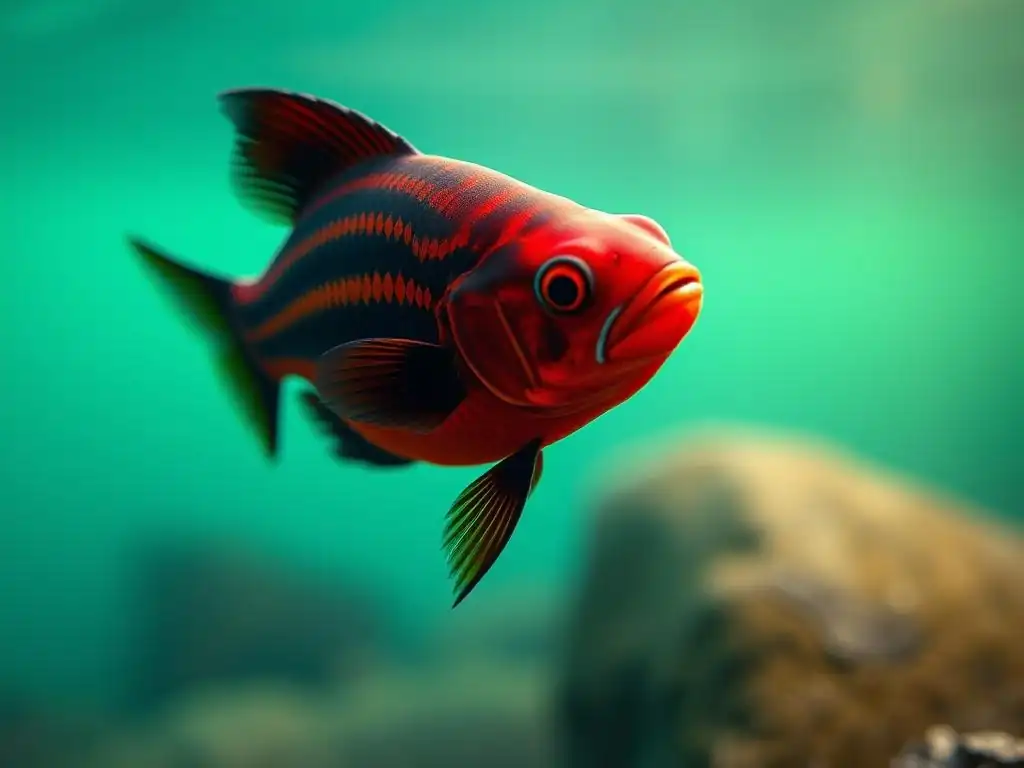
Setting Up a Breeding Tank for Apistogramma Hongsloi
For successful Apistogramma Hongsloi breeding, a dedicated breeding tank is highly recommended. A 10-20 gallon (38-75 liter) tank is typically sufficient for a single pair or a trio. The water parameters are even more critical for breeding: aim for very soft water (GH 1-3 dGH) and a pH between 5.0-6.0. The temperature should be slightly elevated to 78-82°F (25-28°C) to encourage spawning.
The breeding tank should be sparsely decorated but include several potential spawning sites, such as small terracotta pots, coconut shells, or smooth, dark caves. A fine sand substrate is ideal. Dim lighting and the addition of Indian almond leaves can further condition the water and create a more natural, comfortable environment, promoting the likelihood of spawning. A gentle sponge filter is preferred to prevent strong currents and protect delicate fry, making this a crucial step in advanced Apistogramma Hongsloi care.
Identifying Male and Female Apistogramma Hongsloi
Distinguishing between male and female Apistogramma Hongsloi is relatively straightforward, especially once they approach maturity. Males are significantly larger, typically reaching 2.5-3 inches (6-7.5 cm), and display much more vibrant and extensive coloration, particularly the fiery reds and oranges on their faces and fins, along with iridescent blue or green bodies. Their dorsal and anal fins are also noticeably more elongated and pointed.
Females, in contrast, remain smaller, generally growing to 1.5-2 inches (4-5 cm). Their base coloration is a more subdued yellow-brown, though they can develop a brilliant, intense yellow with prominent black markings (such as a lateral stripe or spot) when they are ready to breed or are actively guarding fry. Their fins are shorter and more rounded. Observing these distinct differences is key to successful breeding and understanding the nuances of Apistogramma Hongsloi care.
Breeding Behavior and Fry Care for Red Fire Dwarf Cichlids
Once a pair of Apistogramma Hongsloi is conditioned and in optimal water parameters, spawning usually occurs within a chosen cave. The female will typically lay a clutch of 50-150 amber-colored eggs on the ceiling or inner surface of the cave, which the male then fertilizes. The female takes on the primary role of guarding the eggs and subsequent fry, becoming highly territorial and aggressively defending her brood from any perceived threats, including the male himself if he gets too close after fertilization.
The eggs usually hatch within 3-5 days, depending on temperature. The newly hatched fry, initially non-swimming, will feed off their yolk sacs for another 5-7 days. Once they become free-swimming, the female will herd them around the tank, guiding them to foraging areas and continuing her vigilant protection. This dedicated parental care is a remarkable aspect of Red Fire Dwarf Cichlid breeding and a highlight of Apistogramma Hongsloi care.
Raising Apistogramma Hongsloi Fry: A Detailed Guide
Raising Apistogramma Hongsloi fry requires meticulous attention to diet and water quality. For the first few days after becoming free-swimming, the fry are tiny and require microscopic food sources. Infusoria, a culture of microscopic organisms, or high-quality liquid fry food designed for egg-layers, are excellent initial options. As they grow, typically within a few days, they can transition to newly hatched brine shrimp or microworms, which are highly nutritious and readily accepted.
Maintaining pristine water quality is paramount for fry survival. Perform small, daily water changes of 10-15% using temperature-matched, aged, and dechlorinated water. Ensure the filter intake is covered with a sponge or fine mesh to prevent the delicate fry from being sucked in. As the fry grow, gradually introduce finely crushed flakes or small pellets, ensuring they are still small enough for the fry to consume. Consistent feeding and water maintenance are crucial for the successful development of your young Hongsloi Apistos.
Common Health Issues in Apistogramma Hongsloi and Prevention
Identifying Signs of Illness in Apistogramma Hongsloi
Early detection of illness in Apistogramma Hongsloi is crucial for successful treatment. Aquarists should regularly observe their fish for any changes in behavior or appearance. Signs of illness can include lethargy, hiding excessively when normally active, rapid or labored breathing, and rubbing or "flashing" against tank decor. Physical symptoms may manifest as clamped fins, faded or dull coloration, white spots (Ich), fuzzy growths (fungus), bloating, emaciation (wasting disease), or open sores and ragged fins (bacterial infections like fin rot).
A sudden loss of appetite or refusal to eat, changes in swimming patterns (e.g., erratic swimming, difficulty maintaining buoyancy), or unusual fecal matter (e.g., stringy white feces indicating internal parasites) are also strong indicators of distress or disease. Recognizing these subtle cues requires diligent daily observation and a keen eye for detail, forming the first line of defense in effective Apistogramma Hongsloi care.
Common Diseases Affecting Hongsloi Apistos and Treatments
Apistogramma Hongsloi, like many freshwater fish, are susceptible to common aquarium diseases, often triggered by stress or poor water quality. Ich, or white spot disease, is characterized by small, salt-like white spots on the body and fins, and is typically treated with elevated temperatures (to 86°F/30°C for short periods) and commercial Ich medications. Bacterial infections, such as fin rot or columnaris (cotton mouth disease), can cause deterioration of fins or white, fuzzy patches on the body; these usually require broad-spectrum antibiotics.
Internal parasites can lead to wasting, loss of appetite, and stringy white feces, necessitating deworming medications. Fungal infections appear as white, cotton-like growths and are often secondary to bacterial infections or injuries, requiring antifungal treatments. Always accurately diagnose the specific disease before administering any medication and follow the product instructions meticulously. A well-stocked fish-specific first-aid kit is an invaluable tool for any serious aquarist practicing comprehensive Apistogramma Hongsloi care.
Preventing Illness: Maintaining a Healthy Tank Environment
The most effective strategy for preventing illness in Apistogramma Hongsloi is to maintain a consistently healthy and stable tank environment. This encompasses several key practices: performing regular weekly water changes (25-30%) to keep nitrate levels low and replenish minerals, providing a high-quality, varied diet to boost their immune system, and ensuring stable water parameters (pH, GH, KH, temperature) within their ideal range. Sudden fluctuations are a major stressor.
Quarantining all new fish for at least 2-4 weeks in a separate tank before introducing them to the main display tank is a critical preventative measure, preventing the introduction of diseases. Avoid overcrowding, as this increases stress and the bioload on the system. Lastly, ensure that all tank mates are compatible and do not cause undue stress or aggression. A proactive approach to environmental management is the cornerstone of robust Apistogramma Hongsloi care, minimizing the risk of disease and promoting a thriving aquatic ecosystem.
Maintaining Vibrant Color in Apistogramma Hongsloi
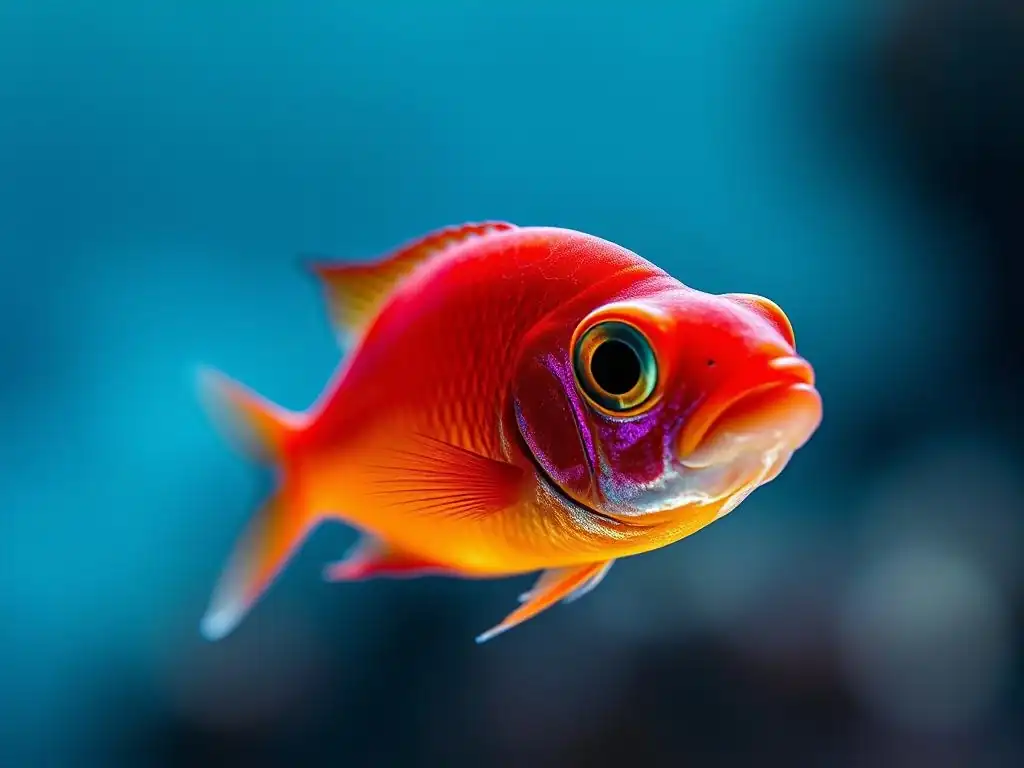
Factors Influencing Apistogramma Hongsloi Coloration
The breathtaking coloration of Apistogramma Hongsloi, particularly the males' fiery reds and iridescent blues, is a key reason for their popularity. While genetics play a foundational role in their potential color vibrancy, several environmental and dietary factors significantly influence how vividly these colors are displayed. Stress is perhaps the most significant suppressor of color; stressed fish will often appear dull, pale, or "washed out." Factors contributing to stress include poor water quality, unsuitable tank mates, insufficient hiding spots, and fluctuating water parameters.
Conversely, a comfortable, low-stress environment allows the fish to feel secure and express their full color potential. A diet rich in specific pigments, appropriate lighting, and a dark substrate can also enhance their natural hues. Understanding these influences is essential for any aquarist committed to optimal Apistogramma Hongsloi care and showcasing their true beauty.
Optimizing Diet and Water Parameters for Enhanced Color
To truly optimize the vibrant coloration of your Apistogramma Hongsloi, focus on two critical areas: diet and water parameters. Feed a high-quality diet that is rich in carotenoids and astaxanthin. Many premium commercial fish foods for cichlids or color-enhancing formulas contain these pigments, which are directly responsible for the red and orange hues. Supplement this with live and frozen foods such such as bloodworms, mysis shrimp, and spirulina-enriched brine shrimp, all of which are excellent sources of color-boosting nutrients. A varied diet ensures they receive a full spectrum of necessary vitamins and minerals.
Simultaneously, consistently maintain the ideal soft, acidic water parameters (pH 6.0-6.5, GH 1-5 dGH) that reduce stress and allow their natural pigmentation to flourish. Regular water changes are crucial for keeping nitrate levels low, as high nitrates can dull colors. Providing a naturalistic blackwater environment with driftwood and Indian almond leaves can also contribute to a darker, more natural backdrop against which their vibrant colors truly pop. This holistic approach to Apistogramma Hongsloi care unlocks their full chromatic potential.
Where to Buy Apistogramma Hongsloi: Selecting Healthy Specimens
Choosing a Reputable Source for Apistogramma Hongsloi
When it comes to acquiring Apistogramma Hongsloi, selecting a reputable source is paramount to ensuring you bring home healthy, high-quality specimens. Avoid impulse purchases from stores with visibly unhealthy tanks or fish. Instead, seek out specialized local fish stores known for their knowledge of dwarf cichlids, dedicated online breeders, or well-regarded online retailers with strong customer reviews and clear guarantees. A reputable source will prioritize the health of their fish, maintaining clean tanks and proper water parameters.
Don't hesitate to ask questions about their fish's origin, their quarantine procedures, and their acclimatization recommendations. A knowledgeable seller will be able to provide detailed information about Apistogramma Hongsloi care and offer advice tailored to your setup. Purchasing from a trusted source minimizes the risk of introducing diseases or bringing home stressed fish that may struggle to thrive in your aquarium.
What to Look for When Buying Hongsloi Apistos
Once you've identified a reputable source, carefully inspect the individual Apistogramma Hongsloi before making a purchase. Look for active, alert fish that are swimming confidently, not hiding excessively or displaying erratic movements. Their colors should be vibrant and well-defined; avoid fish that appear pale, washed out, or have clamped fins, as these are common signs of stress or illness.
Examine their body for any physical abnormalities such as visible spots (like Ich), fuzzy growths (fungus), open sores, or signs of bloating or emaciation. Their fins should be intact and erect, not torn or ragged. Observe their breathing; it should be calm and regular, not rapid or labored. Finally, check the overall cleanliness and health of the tank they are housed in. A clean, well-maintained tank with healthy-looking tank mates is a strong indicator of good husbandry practices, setting the stage for successful Apistogramma Hongsloi care in your home.
Conclusion: Mastering Apistogramma Hongsloi Care
Enjoying the Beauty of Your Red Fire Dwarf Cichlids
Mastering Apistogramma Hongsloi care is a rewarding endeavor that culminates in the privilege of observing these magnificent Red Fire Dwarf Cichlids thrive in your home aquarium. By diligently adhering to their specific needs—namely, maintaining stable, soft, and acidic water parameters, providing a varied and nutrient-rich diet with a focus on live and frozen foods, and furnishing their habitat with ample caves, plants, and driftwood—you create an environment where these fish can truly flourish. Their vibrant, fiery hues and engaging behaviors will undoubtedly become a captivating focal point, bringing a piece of the Amazon's hidden beauty into your living space.
The journey of providing optimal Apistogramma Hongsloi care is one of continuous learning and observation. The dedication you invest in replicating their natural environment and meeting their precise requirements will be repaid tenfold by their stunning coloration, fascinating interactions, and potential breeding successes. With proper attention and a commitment to their well-being, your Red Fire Dwarf Cichlids will not only survive but truly ignite your tank with their unparalleled beauty, providing immense satisfaction and a dynamic display for years to come.
Frequently Asked Questions
What are the ideal water parameters for keeping Apistogramma Hongsloi?
Apistogramma Hongsloi thrive in soft, acidic water. Aim for a pH between 6.0 and 7.0 and a GH (general hardness) below 5 dGH. Maintain a temperature between 72°F and 82°F.
What size tank is recommended for a pair of Apistogramma Hongsloi?
A minimum of a 20-gallon long tank is recommended for a single pair. This allows for adequate space for them to establish territories and reduces aggression.
What type of food should I feed my Apistogramma Hongsloi?
Apistogramma Hongsloi are carnivorous and will accept a variety of foods. Offer a balanced diet of high-quality flake food, frozen foods (like bloodworms and brine shrimp), and live foods for optimal health and coloration.
How can I encourage breeding in my Apistogramma Hongsloi?
Provide plenty of hiding places like caves and dense plants. Maintain stable water parameters and offer a varied diet rich in protein. Gradually lower the pH and temperature slightly to mimic natural breeding conditions.
What are some common health issues to watch out for with Apistogramma Hongsloi?
Apistogramma Hongsloi are susceptible to common freshwater diseases like ich and fin rot, often caused by poor water quality or stress. Regular water changes and preventative measures are crucial for maintaining their health.
Final Reflection: Embracing the Vibrant Legacy of the Apistogramma Hongsloi
The journey into the world of Apistogramma Hongsloi care, as explored in this guide, is more than just a technical exercise; it's an invitation to cultivate a miniature ecosystem brimming with life and color. The enduring popularity of these fiery dwarf cichlids speaks volumes about our innate desire to connect with the beauty and complexity of the natural world, even within the confines of our own homes.
The influence of the Apistogramma Hongsloi extends beyond the aquarium hobby. Their vibrant hues and intricate behaviors serve as a constant reminder of the delicate balance within ecosystems and the importance of responsible stewardship. The dedication required to properly care for these fish fosters a deeper appreciation for the interconnectedness of life. In nature, nothing exists alone.
- Rachel Carson. This quote perfectly encapsulates the responsibility we undertake when bringing a piece of nature into our lives.
Now, as you embark on your own Apistogramma Hongsloi adventure, remember that the knowledge shared here is merely a starting point. Let the vibrant colors and captivating behaviors of these fish inspire you to delve deeper into the wonders of aquatic life, to become a responsible and informed aquarist, and to contribute to the preservation of the delicate ecosystems that make such beauty possible. Let the fiery red hues of the Apistogramma Hongsloi ignite not just your tank, but also your passion for the natural world.
Unleash the Hongsloi Magic in Your Aquarium!
Thank you for diving into the vibrant world of Apistogramma Hongsloi. Now that you’re armed with the knowledge to care for these dazzling fish, it's time to transform your aquarium into a South American paradise.
Here's how to bring the fiery beauty of the Hongsloi into your home:
- Begin planning your tank transformation: Carefully select plants, substrate, and hiding places that mimic the Hongsloi's natural habitat, creating the perfect environment for them to thrive and display their brilliant colors.
- Seek out other Apistogramma enthusiasts in your local fishkeeping community to exchange advice and experiences on keeping these fascinating fish.
- Share your newfound Hongsloi knowledge! Educate other hobbyists about the beauty and unique care requirements of these incredible fish.
What creative aquascaping ideas do you have to showcase the stunning red hues of your Hongsloi?