
BeginnerFriendly Mbuna: Which Species to Start Your Rift Lake Journey?

Welcome to Aquarium Mastery!
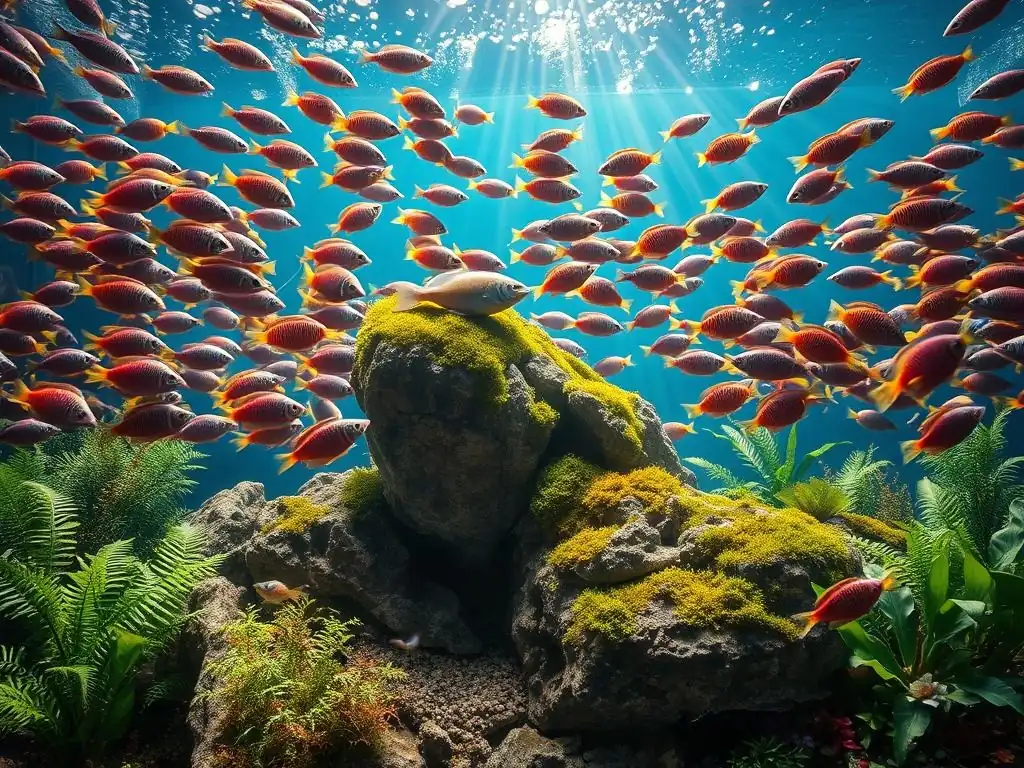
Dive into the vibrant world of African cichlids! Are you ready to embark on your Rift Lake adventure, but feeling overwhelmed by the sheer variety of Mbuna fish? This beginner-friendly guide cuts through the confusion, revealing the perfect species to kickstart your journey. Discover which Mbuna are hardy, beautiful, and relatively peaceful, and learn the secrets to creating a thriving community tank. Intrigued? Let's get started and transform your aquarium dreams into a stunning reality!
- Introduction: Diving into the World of Mbuna Cichlids
- Understanding Mbuna Temperament and Tank Requirements for Success
-
Top 5 Beginner-Friendly Mbuna Species for Your Aquarium
- 1. Yellow Lab Cichlid (Labidochromis caeruleus): A Peaceful and Popular Choice
- 2. Acei Cichlid (Pseudotropheus acei): A Plant-Friendly Mbuna Option
- 3. Rusties Cichlid (Iodotropheus sprengerae): A Hardy and Colorful Mbuna
- 4. Zebra Obliquidens (Metriaclima estherae "Red Zebra"): Vibrant Color, Moderate Temperament
- 5. Demasoni Cichlid (Pseudotropheus demasoni): Stunning but Requires Careful Planning
- Setting Up Your Mbuna Tank: A Step-by-Step Guide for Beginners
- Mbuna Diet and Feeding: Ensuring Optimal Health and Color
- Common Mbuna Diseases and Prevention: A Beginner's Guide
- Compatible Tank Mates for Your Beginner Mbuna Aquarium
- Conclusion: Embarking on Your Mbuna Cichlid Adventure
-
Frequently Asked Questions
- How difficult are Mbuna fish to keep for a beginner?
- What are the most important water parameters to maintain for Mbuna fish?
- What size tank is recommended for a beginner starting with Mbuna fish?
- What type of rockwork and aquascaping do Mbuna fish prefer?
- What is the best diet for Mbuna fish, and how often should I feed them?
- Final Reflection: Embracing the Vibrant World of Mbuna
- Ignite Your Mbuna Adventure!
Introduction: Diving into the World of Mbuna Cichlids
What are Mbuna Cichlids? A Brief Overview for Beginners
Mbuna cichlids are a fascinating group of freshwater fish native to the rocky shores of Lake Malawi in East Africa. The name "Mbuna" translates to "rock-dweller" in the local Tonga language, perfectly describing their natural habitat.
These vibrant and active fish are known for their striking colors, complex social behaviors, and unique dietary needs, primarily grazing on the algae and small invertebrates found on rocks. Lake Malawi itself is an immense body of water, approximately 23,300 square kilometers (9,000 square miles) in surface area and reaching depths of up to 700 meters (2,300 feet), providing a vast and diverse ecosystem for over 850 described cichlid species, many of which are Mbuna.
Their distinctive characteristics, such as their specialized teeth for scraping algae and their strong territorial instincts, make them a captivating subject for any aquarist. Understanding these fundamental aspects of Mbuna is crucial for any "Mbuna fish beginner guide," as it directly influences tank setup, species selection, and long-term care, ensuring a healthy and thriving environment that mimics their natural rift lake home.
Why Choose Mbuna for Your First African Cichlid Tank?
Choosing Mbuna for your inaugural African cichlid tank offers a uniquely rewarding experience for the dedicated beginner. Unlike many other freshwater fish, Mbuna possess a vibrant personality and engaging behaviors, from intricate social hierarchies to their fascinating mouthbrooding reproductive strategy where females hold eggs and fry in their mouths for protection. Their dazzling array of colors—ranging from electric blues and yellows to fiery oranges and deep purples—can transform an aquarium into a living masterpiece, far surpassing the visual appeal of many other beginner fish species.
Furthermore, many popular Mbuna species are remarkably hardy, capable of adapting to a range of water conditions as long as specific parameters are consistently maintained. This resilience makes them more forgiving than some other cichlid varieties, provided the aquarist adheres to fundamental care principles.
A well-maintained Mbuna tank, with proper filtration and a balanced diet, can thrive for 5 to 8 years or even longer, offering a long-term, captivating spectacle. This longevity and the readily available nature of popular species at most local fish stores make them an excellent choice for those embarking on their first "Mbuna fish beginner guide" journey.
Understanding Mbuna Temperament and Tank Requirements for Success
Mbuna Aggression: Managing Behavior in a Community Tank
Mbuna cichlids are inherently aggressive and highly territorial, a trait stemming from their natural competition for limited rock territory and food sources in Lake Malawi. This aggression is primarily directed at conspecifics (fish of the same species) and similarly colored or shaped fish, as they perceive them as rivals. Successfully managing this behavior in a community tank requires strategic planning, often involving a technique known as "overstocking" or "dilution of aggression."
In this method, a higher number of Mbuna than typically recommended for other fish is introduced, which spreads out the aggression among many individuals rather than allowing it to concentrate on one or two weaker fish. For instance, a 75-gallon tank, which might house a dozen or so peaceful community fish, could comfortably support 15-20 adult Mbuna when properly overstocked and provided with ample hiding spots.
Beyond density, providing an abundance of rockwork and caves is paramount. Each Mbuna should ideally have multiple territories to claim and retreat to, breaking up lines of sight and reducing direct confrontations. Maintaining a proper male-to-female ratio, typically at least 1 male to 3 or more females for each species, is also critical. This significantly reduces the stress on females from constant male breeding attempts and disperses male aggression. Ignoring these principles can lead to severe stress, injury, or even death for bullied fish, making diligent management a cornerstone of any "Mbuna fish beginner guide."
Essential Tank Parameters for Mbuna: Water Chemistry and Temperature
The success of a Mbuna aquarium hinges on maintaining specific and stable water parameters that closely mimic their natural Lake Malawi environment. Mbuna thrive in hard, alkaline water with a pH range of 7.8 to 8.6. The general hardness (GH) should ideally be between 15 and 25 dGH, and carbonate hardness (KH) between 10 and 15 dKH to provide adequate buffering capacity against pH swings.
These conditions are crucial not only for their overall health but also for the vibrancy of their colors and their ability to reproduce. Fluctuations outside these ranges can lead to severe stress, weakened immune systems, and increased susceptibility to diseases like Malawi bloat.
Temperature is another critical factor, with an ideal range of 76 to 82°F (24 to 28°C). Consistent temperature within this range promotes healthy metabolism and activity. To achieve and maintain these parameters, aquarists often use substrates like crushed coral or aragonite sand, which naturally buffer the water to a higher pH and hardness.
Regular water testing with a reliable liquid test kit—checking pH, ammonia, nitrite, and nitrate levels—is indispensable. Ammonia and nitrite should always be at 0 ppm, while nitrates should be kept below 20 ppm through diligent maintenance. Adhering to these precise parameters is a non-negotiable aspect of any comprehensive "Mbuna fish beginner guide."
Tank Size Matters: Choosing the Right Aquarium for Your Mbuna
Selecting the appropriate tank size is arguably one of the most critical decisions for a successful Mbuna aquarium, directly impacting fish health, aggression levels, and overall stability. While some smaller Mbuna species might temporarily tolerate a 40-gallon breeder tank, a 55-gallon aquarium (typically 48 inches long, 13 inches wide, and 21 inches high) is generally considered the absolute minimum for a small, carefully selected group of beginner-friendly Mbuna.
However, a 75-gallon tank (48 inches long, 18 inches wide, and 21 inches high) is vastly superior and highly recommended for most "Mbuna fish beginner guide" setups. The increased width and length of a 75-gallon tank provide significantly more swimming space and, more importantly, more floor area for establishing territories and breaking lines of sight.
Larger tanks are inherently more stable regarding water parameters, as a greater volume of water dilutes pollutants more effectively and resists temperature and pH fluctuations. For instance, a 75-gallon tank can comfortably house a diverse group of 15-20 adult Mbuna when properly overstocked, offering a much more dynamic and visually appealing display than a smaller tank. The additional space also allows for more elaborate rockwork, which is crucial for creating the necessary hiding spots and territorial boundaries to mitigate aggression among these active cichlids. Prioritizing tank size is a foundational principle for any aspiring Mbuna keeper.
Top 5 Beginner-Friendly Mbuna Species for Your Aquarium
1. Yellow Lab Cichlid (Labidochromis caeruleus): A Peaceful and Popular Choice
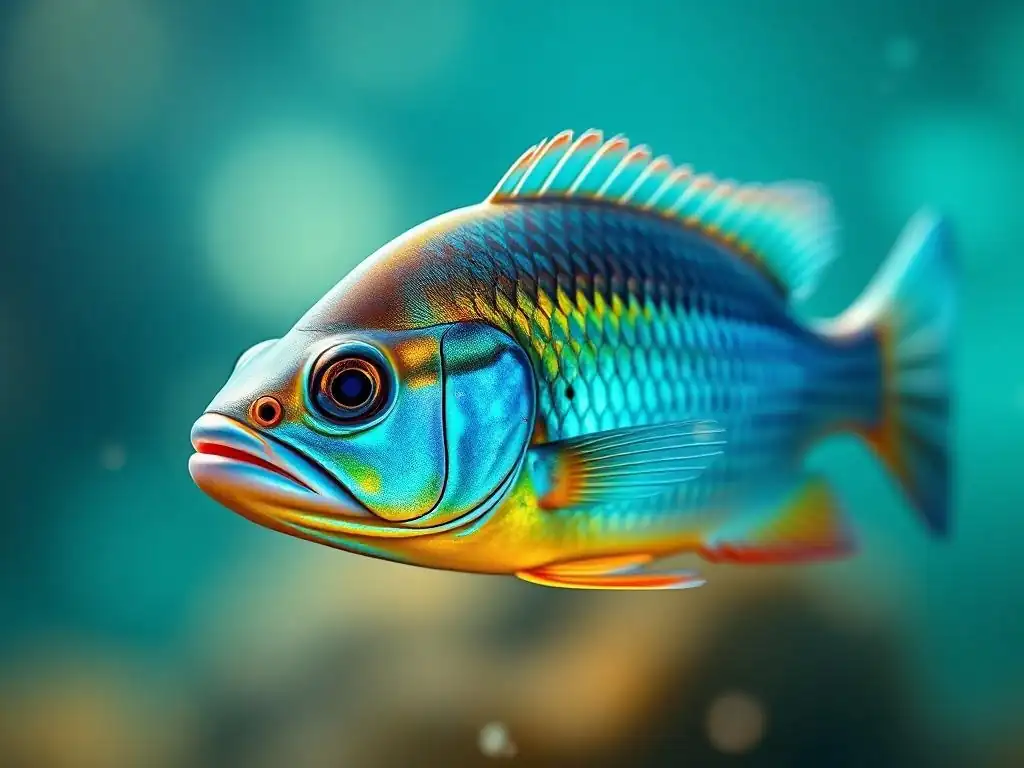
The Yellow Lab Cichlid, or Labidochromis caeruleus, stands out as perhaps the most recommended Mbuna for beginners due to its striking bright yellow coloration and notably peaceful temperament compared to other Mbuna species. Growing to an adult size of about 4 to 5 inches (10-12 cm), these fish are active swimmers and display charming behaviors, making them a captivating centerpiece in any Mbuna tank. Their relatively low aggression makes them excellent candidates for a mixed Mbuna community, allowing for a more diverse and colorful setup without extreme territorial disputes.
Often referred to as the "golden standard" for a "Mbuna fish beginner guide," Yellow Labs are hardy and adaptable to typical Mbuna water parameters. Their vibrant hue makes them highly visible against rocky backdrops, and their distinct coloration also helps prevent mistaken identity aggression from other species.
While they can be kept in a 40-gallon breeder for a small group (e.g., 1 male and 3 females), they truly thrive and display their best colors in larger tanks of 55 gallons or more, offering ample space for their active swimming and exploration. With proper care, Yellow Labs can live a healthy lifespan of 8 to 10 years, providing long-term enjoyment.
Yellow Lab Cichlid Care Tips for Beginners
Caring for Yellow Lab Cichlids is relatively straightforward, making them ideal for the beginner aquarist. Their diet should be primarily herbivorous, consisting of high-quality spirulina-based flakes or pellets. Feeding small amounts two to three times a day, ensuring consumption within 1-2 minutes, helps prevent overfeeding and maintain water quality. While they are not strict grazers like some other Mbuna, a diet rich in vegetable matter (at least 60-70%) is crucial to prevent common digestive issues such as Malawi bloat. Occasional treats of blanched zucchini or spinach can supplement their diet.
When it comes to tank mates, Yellow Labs are quite compatible with other peaceful to moderately aggressive Mbuna species, such as Acei cichlids, Rusties, or certain Synodontis catfish that occupy the bottom levels of the tank. Avoid highly aggressive or significantly larger Mbuna that might intimidate or bully them. Providing plenty of rock caves and hiding spots is essential for their security and to mitigate any minor territorial squabbles.
Their mouthbrooding behavior makes them relatively easy to breed in a home aquarium, with females typically holding eggs for about three weeks. Consistent water changes of 25-30% weekly are vital to maintain pristine water conditions and prevent nitrate buildup.
2. Acei Cichlid (Pseudotropheus acei): A Plant-Friendly Mbuna Option
The Acei Cichlid, Pseudotropheus acei, is another excellent choice for a "Mbuna fish beginner guide," particularly notable for its unique behavior and striking appearance. Available in two main variants—the Yellow Tail Acei (from Ngara) and the White Tail Acei (from Msuli)—both feature a sleek, elongated blue body contrasted by bright yellow or white fins. Unlike many Mbuna, Acei cichlids are known for their preference for swimming in the open water column rather than strictly clinging to rocks. This makes them a dynamic addition to the aquarium, providing constant movement and visual interest.
Growing larger than Yellow Labs, with adults reaching 6 to 7 inches (15-18 cm), Acei cichlids are more tolerant of live plants than most Mbuna species. While no Mbuna is truly "plant-safe," Acei are less prone to uprooting or consuming vegetation, making it possible to incorporate hardy plants like Anubias or Java Fern securely attached to rockwork or driftwood. They are also relatively peaceful for a Mbuna, showing less conspecific aggression when kept in a larger group. A 75-gallon tank is highly recommended for a group of 6-8 Acei, providing ample space for their active swimming and schooling behavior.
Acei Cichlid Diet and Tank Mate Recommendations
Acei Cichlids are omnivores, but their diet should still lean heavily towards vegetable matter, similar to most Mbuna. High-quality cichlid pellets or flakes with a significant spirulina content (at least 40% vegetable matter) should form the staple of their diet. Supplementing with occasional protein sources like frozen brine shrimp or mysis shrimp is acceptable, but high-protein foods should be given sparingly to prevent digestive issues. Feeding small portions 2-3 times a day is ideal, ensuring that all food is consumed quickly.
For tank mates, Acei Cichlids are highly compatible with other moderately peaceful Mbuna species. They do exceptionally well with Yellow Labs, Rusties, and certain peaceful Peacock cichlids (though mixing peacocks and Mbuna requires careful consideration). Their social nature means they thrive in groups of 6 or more, which helps to dilute any potential aggression and encourages their natural schooling behavior. Avoid housing them with overly aggressive Mbuna or much smaller, timid species that could be intimidated. Their open-water swimming habit also means they rarely compete directly for rock territory with more rock-dwelling Mbuna, contributing to a more harmonious community.
3. Rusties Cichlid (Iodotropheus sprengerae): A Hardy and Colorful Mbuna
The Rusties Cichlid, Iodotropheus sprengerae, is a hidden gem for the "Mbuna fish beginner guide," often overlooked but highly deserving of consideration. These small, hardy Mbuna typically reach an adult size of only 3.5 to 4 inches (9-10 cm), making them one of the more compact options for a Mbuna tank.
Their coloration is a beautiful blend of rusty orange, often with hints of purple or blue, particularly in males, which intensifies with good water quality and diet. What truly sets Rusties apart is their remarkably peaceful temperament for a Mbuna, making them an excellent choice for a less aggressive community setup.
Rusties are generally shy and prefer to have plenty of hiding spots among rockwork, where they can retreat when feeling insecure. Their small size and placid nature mean they are less likely to initiate aggression, though they can certainly hold their own against similarly sized, non-aggressive tank mates. While a 55-gallon tank is still ideal for a diverse Mbuna community, a well-scaped 40-gallon breeder tank (36"L x 18"W x 17"H) can potentially house a small group of Rusties, making them accessible to those with slightly less space. Their hardiness and ease of care contribute significantly to their beginner-friendly status.
Maintaining Water Quality for Rusties Cichlids
Maintaining pristine and stable water quality is paramount for the health and vibrant coloration of Rusties Cichlids. Like all Mbuna, they require hard, alkaline water with a pH between 7.8 and 8.6 and a temperature range of 76-82°F (24-28°C). Due to their slightly smaller size and more timid nature, they can be somewhat more sensitive to fluctuating parameters or accumulating nitrates than some of their larger, bolder Mbuna cousins. Therefore, diligent and consistent water changes are absolutely essential.
A weekly water change of 25-30% of the tank volume is highly recommended to keep nitrate levels below 20 ppm, which is crucial for preventing stress and promoting long-term health. Regular water testing for ammonia, nitrite, and nitrate should be a routine part of their care. Providing ample filtration, such as a robust canister filter or multiple hang-on-back filters, helps maintain water clarity and biological stability.
A diet rich in spirulina-based foods, fed sparingly, also contributes to cleaner water by reducing waste. A slight increase in temperature to the upper end of their preferred range (e.g., 78-80°F or 25.5-26.5°C) can sometimes enhance their activity levels and deepen their rich coloration.
4. Zebra Obliquidens (Metriaclima estherae "Red Zebra"): Vibrant Color, Moderate Temperament
The Zebra Obliquidens, most commonly encountered as the "Red Zebra" cichlid ( Metriaclima estherae), is one of the most recognizable and popular Mbuna species, celebrated for its incredibly vibrant colors. While the "Red Zebra" variant displays a striking orange-red hue, other color morphs exist, including blue and even "OB" (Orange Blotch) patterns. Males typically exhibit more intense coloration and can reach up to 5 inches (12-13 cm) in length, with females being slightly smaller and often duller in color. Their active nature and stunning appearance make them a focal point in any Mbuna aquarium.
Despite their popularity, Red Zebras possess a moderately aggressive temperament, making them a step up in terms of management compared to Yellow Labs or Rusties. They are highly territorial, especially males, and will vigorously defend their chosen rock formations.
For a "Mbuna fish beginner guide," it's crucial to understand that a 75-gallon tank is highly recommended for a group of Red Zebras, as their aggression necessitates ample space and careful stocking strategies. They thrive when kept in a proper male-to-female ratio, ideally 1 male to 3 or 4 females, to disperse male aggression and prevent a single female from being overly stressed by constant breeding attempts.
Managing Aggression in Red Zebra Cichlid Tanks
Successfully managing the aggression of Red Zebra Cichlids is key to a harmonious Mbuna community. Due to their territorial nature, providing an abundance of secure rockwork that creates numerous caves, tunnels, and visual barriers is paramount. Aim for at least one established territory or hiding spot per fish.
This design strategy breaks up lines of sight and allows subdominant individuals to escape the notice of more aggressive tank mates. Overstocking is also a highly effective method for diluting aggression among Red Zebras; in a 75-gallon tank, aiming for 15-20 Mbuna (including the Red Zebras) can help spread out territorial disputes and prevent any single fish from becoming a constant target.
Careful selection of tank mates is equally important. Red Zebras should be housed with other robust, similarly sized Mbuna that can hold their own, avoiding overly timid or significantly smaller species. Mixing multiple male Red Zebras in a tank smaller than 75 gallons is generally not recommended, as it can lead to intense and often fatal aggression.
When introducing new fish, rearrange the rockwork to disrupt established territories, which can help reduce initial aggression. Like all Mbuna, their diet should be primarily herbivorous to prevent Malawi bloat, which can be exacerbated by stress from aggression. Consistent monitoring of their behavior is essential for early intervention if aggression becomes problematic.
5. Demasoni Cichlid (Pseudotropheus demasoni): Stunning but Requires Careful Planning
The Demasoni Cichlid, Pseudotropheus demasoni, is undeniably one of the most visually striking Mbuna, with its bold pattern of alternating electric blue and black vertical stripes. Despite their small size, typically reaching only 3 inches (7-8 cm) in adulthood, Demasoni are notorious for their intense conspecific aggression, particularly among males. This makes them a more challenging, yet incredibly rewarding, species for a "Mbuna fish beginner guide" if proper precautions and stocking methods are followed. Their vibrant appearance and active nature make them a captivating addition to any cichlid tank that meets their specific requirements.
Due to their extreme aggression towards their own kind, Demasoni cannot be kept in small numbers (e.g., a pair or trio) without dire consequences; typically, only one dominant fish will survive in such a setup. Instead, they must be kept in large groups of 10-12 or more individuals in a "harem" style, even in a 55-gallon tank (which is the absolute minimum size for such a group).
This extreme overstocking dilutes the aggression, as no single fish can be singled out for prolonged bullying. When successfully housed, a large group of Demasoni creates an incredibly dynamic and visually stunning display, with their contrasting colors popping against the rockwork.
Demasoni Cichlid: A More Challenging but Rewarding Beginner Mbuna
While their striking beauty is undeniable, Demasoni Cichlids demand specific care and stocking strategies that make them a "more challenging but rewarding" choice for a "Mbuna fish beginner guide." The primary challenge lies in their high level of conspecific aggression. To mitigate this, they must be kept in large groups of 10-12 or more, often referred to as a "colony."
In this scenario, aggression is spread out among many individuals, preventing any single fish from becoming the sole target. Attempting to keep fewer than 6-8 Demasoni almost invariably results in one dominant fish killing off the others. Even in a large group, a 55-gallon tank is the minimum, with larger tanks (e.g., 75 gallons or more) being preferable for stability and long-term success.
Their diet is also strictly herbivorous; even small amounts of protein can quickly lead to Malawi bloat, a common and often fatal disease in Mbuna. High-quality spirulina flakes or pellets should form the entirety of their diet, fed in small, frequent portions. Tank mates should be carefully chosen; other extremely robust and active Mbuna that can handle their intensity, or a species-only tank, are often recommended for beginners.
Due to these specific requirements, extensive research is crucial before acquiring Demasoni. However, a thriving colony of Demasoni is a spectacular sight, offering immense satisfaction to the dedicated aquarist who masters their unique needs.
Setting Up Your Mbuna Tank: A Step-by-Step Guide for Beginners
Choosing the Right Substrate and Rockwork for Mbuna
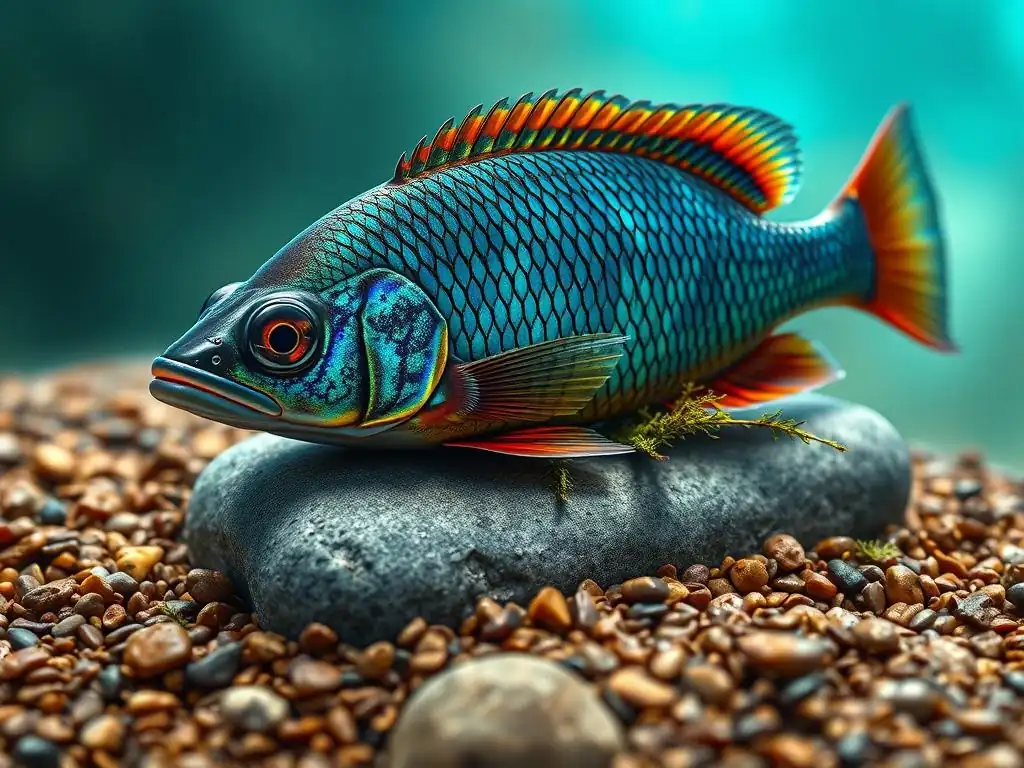
The foundation of a successful Mbuna aquarium lies in selecting the appropriate substrate and creating an elaborate rockscape that mimics their natural rocky habitat in Lake Malawi. For substrate, fine aragonite sand or crushed coral is highly recommended. These materials not only provide a natural aesthetic but also play a crucial role in buffering the water, helping to maintain the high pH (7.8-8.6) and hardness (15-25 dGH) that Mbuna require.
A layer of 1-2 inches of sand is sufficient, allowing for easy cleaning and preventing the buildup of detritus. Aragonite sand, for example, can naturally raise and stabilize pH levels to around 8.2-8.4, creating an ideal environment.
Rockwork is perhaps the most critical element of a Mbuna tank. It serves multiple purposes: creating numerous caves and hiding spots, establishing territorial boundaries, and breaking lines of sight to reduce aggression. Use aquarium-safe rocks such as lava rock, Texas holey rock, slate, or limestone. Aim for a significant amount of rock, generally 20-30 pounds per 10 gallons of tank volume, to provide ample structure.
Ensure all rocks are securely stacked and stable to prevent collapse, which can injure fish or damage the tank. Placing rocks directly on the tank bottom (before adding sand) is a common technique to prevent fish from undermining the structure through their digging behavior. A well-designed rockscape is fundamental to a thriving "Mbuna fish beginner guide" setup.
Filtration and Water Changes: Maintaining a Healthy Mbuna Environment
Effective filtration and diligent water changes are non-negotiable for maintaining a healthy Mbuna environment, particularly given their high bioload and specific water parameter requirements. Mbuna tanks demand robust filtration, often exceeding the manufacturer's recommended capacity for the tank size. Canister filters are highly favored for their large media capacity, efficient mechanical and biological filtration, and quiet operation.
Alternatively, multiple hang-on-back (HOB) filters can provide ample flow and filtration. For a 55-gallon Mbuna tank, a filter rated for 75-100 gallons, with a flow rate of 300-400 gallons per hour (GPH), is an appropriate starting point to ensure excellent water circulation and waste removal.
Beyond filtration, regular and substantial water changes are the cornerstone of Mbuna care. Weekly water changes of 30-50% of the tank volume are essential to dilute nitrates, replenish vital minerals, and maintain stable water chemistry. High nitrate levels (above 20 ppm) can stress Mbuna, making them susceptible to diseases.
During water changes, use a gravel vacuum to remove detritus from the substrate, which further improves water quality. Always use a dechlorinator when adding new water. This consistent maintenance routine is crucial for the long-term health and vibrancy of your Mbuna, making it a key component of any "Mbuna fish beginner guide."
Lighting for Mbuna Aquariums: Enhancing Color and Reducing Algae
Lighting in a Mbuna aquarium serves a dual purpose: enhancing the vibrant colors of the fish and supporting overall tank aesthetics, while also playing a role in algae management. Mbuna do not have specific lighting intensity requirements for their health, as their natural habitat in Lake Malawi is often dimly lit by strong overhead sunlight filtered by deep water. However, moderate lighting is generally preferred in the aquarium to bring out their stunning blues, yellows, and reds without encouraging excessive algae growth on the rocks or glass.
A standard LED aquarium light with a color temperature around 6500K (daylight white) is typically sufficient. This spectrum provides a natural look and makes the fish colors pop. The duration of the lighting period is more critical than intensity. An average photoperiod of 8-10 hours per day is recommended.
Running lights for longer periods, such as 12-14 hours, can significantly contribute to nuisance algae blooms, which can be unsightly and indicate an imbalance in nutrients. A timer is highly beneficial for maintaining a consistent lighting schedule, reducing stress on the fish and simplifying tank maintenance. While not as complex as planted tank lighting, understanding these basic principles is part of a thorough "Mbuna fish beginner guide."
Mbuna Diet and Feeding: Ensuring Optimal Health and Color
What to Feed Your Mbuna: A Guide to Herbivorous Diets
The diet of Mbuna cichlids is a critical aspect of their care, directly impacting their health, coloration, and susceptibility to common diseases like Malawi bloat. In their natural habitat, Mbuna are primarily herbivorous, grazing on the aufwuchs (algae and the small invertebrates living within it) found on rocks. Therefore, their aquarium diet must predominantly consist of high-quality vegetable-based foods.
The staple of a Mbuna's diet should be spirulina-based flakes or pellets, which should contain at least 40% protein and a significant percentage of spirulina or other plant matter. Many reputable brands offer specialized cichlid foods formulated for African cichlids, which are excellent choices.
While their diet is primarily herbivorous, some Mbuna species are technically omnivorous, meaning they will consume small amounts of protein found within the aufwuchs. However, caution is paramount. Avoid feeding high-protein foods such as bloodworms, tubifex worms, or beef heart, as these can severely disrupt their sensitive digestive systems and lead to fatal digestive issues like Malawi bloat.
Occasional treats of blanched zucchini, spinach, or shelled peas can provide beneficial fiber and variety. Always feed small amounts, only what they can consume in 1-2 minutes, 2-3 times a day, to prevent overfeeding and maintain water quality, a key lesson in any "Mbuna fish beginner guide."
Avoiding Overfeeding: Maintaining Water Quality and Preventing Bloat
Overfeeding is one of the most common pitfalls for new Mbuna aquarists and can lead to a cascade of problems, including poor water quality and the dreaded Malawi bloat. When fish are fed too much, uneaten food decomposes, leading to spikes in ammonia and nitrite, and an overall increase in nitrate levels. This degrades water quality, stresses the fish, and compromises their immune systems, making them more vulnerable to disease.
Beyond water quality, overfeeding, especially with inappropriate high-protein foods, directly contributes to Malawi bloat. This severe gastrointestinal condition, often characterized by a swollen abdomen, loss of appetite, and white stringy feces, can have a mortality rate of 70-100% if not addressed promptly.
To prevent these issues, adhere strictly to the principle of "feed sparingly." Offer small portions that your Mbuna can consume entirely within 1-2 minutes, 2-3 times per day. It is far better to slightly underfeed than to overfeed.
Observing your fish during feeding will help you gauge the appropriate amount. If food is left floating or sinking to the bottom after a couple of minutes, you are feeding too much. This practice, combined with a proper herbivorous diet and regular water changes, forms a robust defense against common Mbuna health problems and is a cornerstone of a successful "Mbuna fish beginner guide."
Common Mbuna Diseases and Prevention: A Beginner's Guide
Identifying and Treating Malawi Bloat in Mbuna Cichlids
Malawi bloat is a prevalent and often fatal disease in Mbuna cichlids, primarily caused by an improper diet (too much protein, too little fiber) or poor water quality. It manifests as a severe digestive upset leading to internal organ failure. Identifying the symptoms early is crucial for successful treatment. Common signs include a swollen abdomen (the "bloat"), loss of appetite, lethargy, rapid breathing, and the presence of white, stringy feces. In advanced stages, fish may lose balance, become clamped-finned, or exhibit erratic swimming.
Upon suspecting Malawi bloat, immediate action is required. The affected fish should be moved to a quarantine tank to prevent the spread of potential pathogens and allow for targeted treatment without affecting the main display tank. Treatment typically involves administering an antibiotic like Metronidazole, often combined with Epsom salt (magnesium sulfate) to help alleviate internal blockage. A common dosage for Metronidazole is 250 mg per 10 gallons of water daily for 3-5 days.
Epsom salt can be added at a rate of 1 tablespoon per 10 gallons. During treatment, cease feeding the affected fish entirely. Prevention through a proper herbivorous diet and pristine water conditions is far more effective than treatment, a critical lesson for any "Mbuna fish beginner guide."
Preventing Common Diseases Through Proper Water Management
Preventing common diseases in Mbuna cichlids is largely a matter of maintaining impeccable water quality and stable environmental conditions. It is widely recognized that up to 80% of fish diseases are directly linked to poor water quality, which stresses fish and compromises their immune systems. For Mbuna, this means consistently upholding their specific pH (7.8-8.6), hardness (15-25 dGH), and temperature (76-82°F) parameters. Fluctuations, especially rapid ones, can be highly detrimental. Regular weekly water changes of 30-50% are the most effective way to keep nitrate levels below 20 ppm and replenish essential minerals, significantly reducing stress on your fish.
Beyond water parameters, implementing a strict quarantine protocol for all new fish is a vital preventative measure. New arrivals should be housed in a separate quarantine tank for 2-4 weeks before being introduced to the main display. This allows you to observe them for signs of disease, such as Ich (white spots), bacterial infections, or parasites, and treat them without risking the health of your established community.
Overcrowding should also be avoided, as it increases bioload and stress. By prioritizing clean, stable water and preventative measures, you can create a robust and disease-resistant environment for your Mbuna, a fundamental aspect of any comprehensive "Mbuna fish beginner guide."
Compatible Tank Mates for Your Beginner Mbuna Aquarium
Fish to Avoid: Incompatible Species for a Mbuna Community
When planning a Mbuna community tank, understanding which fish to avoid is as crucial as knowing which ones are suitable. Mbuna are highly active, territorial, and prefer hard, alkaline water, making many common freshwater aquarium fish completely incompatible. Avoid peaceful community fish such as tetras (e.g., Neon Tetras, Cardinal Tetras), guppies, mollies, or angelfish.
These species prefer softer, more acidic water, and their docile nature makes them easy targets for aggressive Mbuna, often leading to stress, fin nipping, or even being preyed upon. For example, a 1.5-inch Neon Tetra, which thrives in pH 6.0-7.0, would be severely stressed and likely attacked by a 5-inch Mbuna requiring pH 8.0.
Similarly, slow-moving or long-finned fish like Gouramis, Bettas, or certain fancy goldfish varieties are poor choices. Their flowing fins are irresistible targets for nipping, and their slower movements make them unable to escape Mbuna aggression.
While some larger, aggressive cichlids might seem like a match, mixing Mbuna with non-African cichlids (e.g., Oscar cichlids, Jack Dempseys) or even other African cichlid groups like Peacocks and Haps requires extensive experience, as their aggression levels, dietary needs, or tank requirements often differ significantly. Sticking to a Mbuna-only or Mbuna-dominant setup, especially for a "Mbuna fish beginner guide," is the safest and most successful approach.
Suitable Tank Mates: Creating a Balanced Ecosystem
Creating a balanced Mbuna ecosystem primarily involves selecting other Mbuna species that share similar temperament, size, and dietary needs, alongside a few select non-cichlid tank mates. The best companions for your beginner-friendly Mbuna are often other beginner-friendly Mbuna. For example, Yellow Labs ( Labidochromis caeruleus), Acei cichlids ( Pseudotropheus acei), and Rusties ( Iodotropheus sprengerae) can often be successfully housed together in a sufficiently large tank (75 gallons or more) due to their relatively lower aggression compared to other Mbuna.
Careful consideration of color and pattern is also important; avoid housing two species with very similar coloration to reduce conspecific aggression. Aim for a maximum of 3-4 different Mbuna species in a 75-gallon tank to minimize inter-species aggression and provide adequate space.
Beyond other Mbuna, the most common and successful non-cichlid tank mates are certain species of Synodontis catfish from Lake Tanganyika or Lake Malawi. Species like Synodontis lucipinnis (Dwarf Petricola Catfish) or Synodontis multipunctatus are excellent choices. These catfish are hardy, prefer similar hard, alkaline water conditions, and occupy the bottom levels of the tank, thereby not directly competing for territory with the mid-water dwelling Mbuna.
Growing to about 4-6 inches, they are robust enough to handle the active environment. They are also omnivores but benefit from a diet that includes sinking pellets. Introducing these bottom-dwellers can add a new dimension to your "Mbuna fish beginner guide" tank without compromising the harmony of the cichlid community.
Conclusion: Embarking on Your Mbuna Cichlid Adventure
Embarking on your Mbuna cichlid adventure is a journey filled with vibrant colors, engaging behaviors, and the rewarding challenge of creating a thriving biotope. As this "Mbuna fish beginner guide" has highlighted, success hinges on meticulous planning, starting with understanding their inherent aggression and specific environmental needs. Choosing beginner-friendly species like the Yellow Lab, Acei, or Rusties can provide a smoother entry into this fascinating world, while recognizing the unique requirements of species like the Red Zebra or Demasoni is crucial for long-term success.
Remember, the foundation of a healthy Mbuna aquarium lies in providing a spacious tank (ideally 75 gallons or more), an abundance of secure rockwork for territories, and robust filtration. Diligent water changes and maintaining stable, hard, alkaline water parameters are non-negotiable for their well-being. Furthermore, adhering to a strict herbivorous diet prevents common ailments like Malawi bloat. By integrating these key principles, you'll not only establish a stunning and dynamic display but also cultivate a deep appreciation for these captivating rock-dwelling cichlids. Your Mbuna cichlid adventure promises to be a truly enriching experience for any dedicated aquarist.
Frequently Asked Questions
How difficult are Mbuna fish to keep for a beginner?
Mbuna fish can be challenging for beginners due to their aggressive nature and specific water parameter requirements. However, with careful planning and research, some species are more beginner-friendly than others.
What are the most important water parameters to maintain for Mbuna fish?
Maintaining stable water parameters is crucial. This includes a pH between 7.8 and 8.6, a temperature of 76-82°F (24-28°C), and consistently low levels of ammonia and nitrite. Regular water changes are essential.
What size tank is recommended for a beginner starting with Mbuna fish?
A larger tank is generally better for Mbuna to minimize aggression. We recommend a minimum of 75 gallons for a small group of less aggressive species.
What type of rockwork and aquascaping do Mbuna fish prefer?
Mbuna fish thrive in environments with plenty of rockwork to create caves and territories. This helps reduce aggression and provides hiding places.
What is the best diet for Mbuna fish, and how often should I feed them?
Mbuna are primarily herbivores, so their diet should consist mainly of vegetable-based flakes or pellets. Feed them small amounts 2-3 times a day to avoid overfeeding and maintain water quality.
Okay, here's a final reflection you can use for your article, "BeginnerFriendly Mbuna: Which Species to Start Your Rift Lake Journey? ":
Final Reflection: Embracing the Vibrant World of Mbuna
The journey into the captivating world of Mbuna cichlids, as we've explored, is one filled with vibrant colors, intriguing behaviors, and the potential for a truly rewarding aquascaping experience. Understanding the nuances of these fish, especially for beginners, is crucial for their well-being and the long-term success of your aquarium. This guide serves as a stepping stone, empowering enthusiasts to make informed decisions and embark on their Rift Lake adventure with confidence.
The allure of Mbuna extends beyond their aesthetic appeal; they offer a glimpse into a complex ecosystem and a chance to appreciate the delicate balance of nature. My own fascination with these fish stems from their resilience and the unique challenges they present, pushing me to constantly learn and adapt as an aquarist. In the end, we will conserve only what we love; we will love only what we understand; and we will understand only what we are taught.
– Baba Dioum. This quote resonates deeply, highlighting the importance of education and responsible care in preserving these magnificent creatures for future generations.
Now, as you stand at the threshold of your Mbuna journey, I encourage you to reflect on the knowledge you've gained. Don't be afraid to start small, to ask questions, and to learn from your experiences. The vibrant world of Mbuna awaits, offering a unique opportunity to connect with nature and create a stunning underwater landscape. Embrace the challenge, be patient, and remember that the most rewarding experiences are often those that require dedication and a genuine love for the creatures in our care.
Ignite Your Mbuna Adventure!
Thank you for exploring the vibrant world of Mbuna cichlids with us! We hope this guide has inspired you to embark on your own Rift Lake aquarium journey. Now, let's turn that inspiration into action!
- Select your first Mbuna species: Carefully consider the "Yellow Lab" or "Acei" as your ideal beginner-friendly choices.
- Explore local aquarium clubs or online forums to connect with experienced Mbuna keepers for support and guidance.
- Share this article with a fellow aquarium enthusiast and inspire them to discover the captivating world of Mbuna!
Which captivating Mbuna species will you welcome into your aquarium first?