
Substrate Wars: Sand vs. Gravel for Your African Cichlid Aquarium

Welcome to Aquarium Mastery!
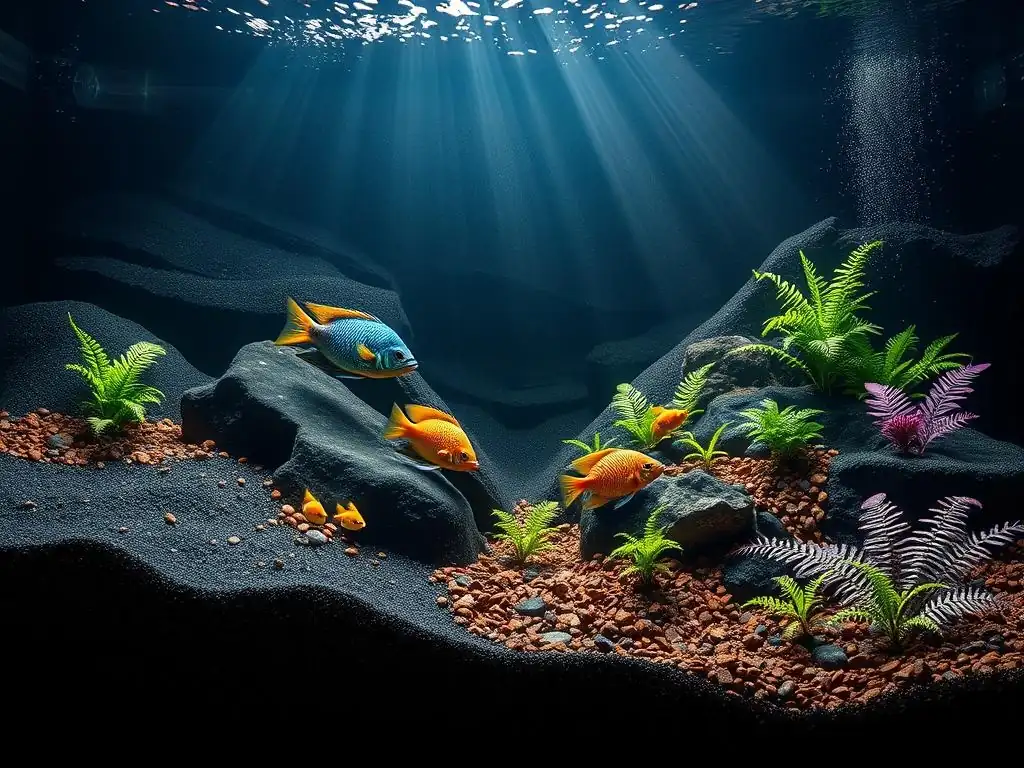
Ever wondered if sand or gravel reigns supreme in the vibrant world of African Cichlids? Dive in as we tackle the age-old question in our in-depth guide to African cichlid sand gravel, uncovering the secrets to creating the perfect substrate for your thriving freshwater aquarium. Get ready to settle the "Substrate Wars" and unlock the key to happy, healthy Cichlids!
- Introduction: Choosing the Right Substrate for African Cichlids
- African Cichlid Aquarium Sand Substrate: A Deep Dive
- African Cichlid Aquarium Gravel Substrate: A Comprehensive Look
- Sand vs. Gravel for African Cichlids: A Detailed Comparison
- Setting Up Your African Cichlid Tank with Sand or Gravel: A Step-by-Step Guide
- Maintaining Your African Cichlid Substrate: Best Practices
- Troubleshooting Common Substrate Issues in African Cichlid Tanks
- Conclusion: Making the Right Choice for Your African Cichlids - Sand or Gravel?
-
Frequently Asked Questions
- What are the main differences between using sand and gravel as a substrate for an African cichlid tank?
- Why is substrate choice so important for African cichlids?
- Which type of African cichlids benefit most from a sandy substrate?
- How does gravel impact the water chemistry in an African cichlid aquarium?
- What are the best methods for cleaning sand and gravel substrates in an African cichlid tank?
- Final Reflection: The Shifting Sands of Choice
- Ignite Your Cichlid Haven!
Introduction: Choosing the Right Substrate for African Cichlids
Why Substrate Matters for African Cichlid Health and Behavior
The choice of substrate is a foundational decision for any African cichlid aquarium, profoundly influencing the health, behavior, and overall well-being of its inhabitants. Unlike purely decorative elements, the substrate acts as a crucial component of the tank's ecosystem, impacting water chemistry, filtration, and the natural instincts of these fascinating fish. For instance, many African cichlid species, particularly Mbuna from Lake Malawi, are natural diggers and sifters, constantly rearranging their environment and searching for food particles within the substrate. Providing the correct substrate allows them to express these innate behaviors, reducing stress and promoting a more natural, thriving habitat.
Beyond behavior, the substrate plays a significant role in water quality management. It provides a vast surface area for beneficial nitrifying bacteria to colonize, contributing to the biological filtration process that breaks down harmful ammonia and nitrite. The wrong substrate can lead to issues such as trapped waste, anaerobic pockets, or even injuries, all of which can severely compromise the health of your African cichlids. Therefore, a thoughtful approach to selecting between African cichlid sand gravel options is essential for long-term success in cichlid keeping.
Overview: Sand and Gravel - The Two Main Contenders
When setting up an African cichlid aquarium, aquarists typically face a primary decision between sand and gravel as the bottom substrate. Both options present distinct advantages and disadvantages, making the "best" choice highly dependent on the specific cichlid species being kept, the aquarist's maintenance preferences, and desired aesthetic. Sand, often preferred for its natural appearance and suitability for digging species, closely mimics the sandy lakebeds of the African Rift Lakes. It allows cichlids to engage in natural behaviors like sifting through the substrate for detritus and constructing intricate nests during spawning.
Conversely, gravel has been a traditional aquarium substrate due to its ease of cleaning and variety of textures and colors. While it might not cater to the natural digging instincts of all African cichlids as effectively as sand, larger gravel sizes can still offer surface area for beneficial bacteria and prevent the compaction issues sometimes associated with fine sand. Understanding the unique characteristics of African cichlid sand gravel is paramount to creating a stable and enriching environment for these vibrant fish.
African Cichlid Aquarium Sand Substrate: A Deep Dive
Benefits of Using Sand for African Cichlid Tanks
Natural Digging Behavior and Sand Substrate
One of the most compelling reasons to choose sand for an African cichlid aquarium is its ability to facilitate natural digging and sifting behaviors. Many African cichlid species, especially Mbuna (rock-dwelling cichlids) and certain Peacock cichlids from Lake Malawi, are instinctively driven to sift through substrate for food particles and to excavate caves or establish territories.
Providing a soft, fine African cichlid sand allows them to engage in these vital activities, which are crucial for their mental stimulation and physical well-being. Observing a group of Mbuna meticulously sifting sand through their gills is a clear indicator of a healthy and stress-free environment, mimicking their natural habitat where they constantly reconfigure their surroundings.
Without a suitable sand substrate, these cichlids may become stressed, exhibit unnatural behaviors, or even attempt to dig into harder, potentially injurious gravel. Research and anecdotal evidence from long-term cichlid keepers consistently show that species like Maylandia zebra or Pseudotropheus demasoni thrive when provided with several inches of fine sand, allowing them to express their innate instincts. This natural interaction with the substrate also contributes to a more dynamic and engaging display for the aquarist, showcasing the true essence of African cichlid behavior.
Improved Water Quality with Sand Filtration
While often overlooked, sand can contribute significantly to improved water quality in an African cichlid tank. Unlike coarser gravel, fine sand particles effectively trap detritus and uneaten food on the surface, preventing these organic materials from falling deep into the substrate where they can decompose and create harmful anaerobic pockets.
This surface accumulation makes waste easier to spot and remove during routine maintenance, typically through gentle vacuuming. The compact nature of African cichlid sand also promotes the growth of beneficial bacteria, which colonize the vast surface area of the sand grains and contribute to the nitrogen cycle, converting toxic ammonia and nitrite into less harmful nitrates.
Furthermore, certain types of sand, such as aragonite sand, possess buffering capabilities that can help maintain the high pH levels (typically 7.8 to 8.6) and hardness (150-350 ppm) essential for African cichlids. This natural buffering action can reduce the need for chemical additives to stabilize water parameters, leading to a more stable and healthier environment. The fine grain size also reduces the likelihood of large food particles or fish waste getting irretrievably lost within the substrate, which can be a common issue with larger gravel, leading to improved overall water clarity and reduced biological load.
Reduced Risk of Injury with Sand Substrate
The smooth, fine texture of African cichlid sand significantly reduces the risk of injury to fish, a crucial advantage over rougher gravel substrates. African cichlids, particularly species with delicate mouths or those that engage in vigorous digging and sifting, can easily abrade their mouths, fins, or bodies on sharp-edged gravel. Such injuries can lead to secondary bacterial or fungal infections, posing a serious threat to the fish's health and even leading to fatalities. Sand, by contrast, presents no such sharp edges, allowing cichlids to sift, dig, and rub against the substrate without harm.
This reduced risk is particularly important during spawning, when male cichlids often aggressively dig pits to attract females. In a sand-bottomed tank, this behavior is entirely safe, whereas in a gravel tank, it could result in significant injury. The natural softness of African cichlid sand gravel provides a forgiving environment that protects the fish from physical trauma, contributing to their overall longevity and well-being. It allows them to express their natural behaviors without fear of injury, fostering a more robust and healthy population.
Drawbacks of Using Sand in a Cichlid Tank
Sand Compaction and Anaerobic Pockets
Despite its numerous benefits, African cichlid sand can present challenges, notably the risk of compaction and the formation of anaerobic pockets. Fine sand, if not regularly disturbed or if laid too deep, can settle into a dense layer that restricts water flow within the substrate. This lack of oxygen circulation creates anaerobic (oxygen-deprived) zones where harmful bacteria can thrive, producing toxic gases like hydrogen sulfide. These gases are highly dangerous to fish and can be released into the water column if the sand bed is disturbed, potentially causing sudden fish deaths.
While African cichlids' natural digging behavior helps to mitigate compaction by constantly shifting the sand, it may not be sufficient in very deep sand beds (e.g., exceeding 3-4 inches) or in tanks with less active digging species. Aquarists must be vigilant about this potential issue, often requiring occasional manual stirring of the sand in less active areas or ensuring adequate water flow across the substrate surface to prevent stagnant zones. The balance between allowing natural digging and preventing dangerous anaerobic conditions is a key consideration when opting for African cichlid sand gravel.
Cleaning and Maintenance Challenges with Sand
Cleaning an African cichlid sand substrate can be more challenging than cleaning gravel, primarily due to the fine particle size. When siphoning, it's easy to inadvertently remove a significant amount of sand along with the detritus, leading to substrate loss over time. Traditional gravel vacuums can be too powerful for sand, sucking up the sand itself rather than just the waste sitting on top. This necessitates a more delicate siphoning technique, often involving hovering the vacuum just above the sand surface to pull up only the lighter waste particles.
Furthermore, while sand traps waste on the surface, some very fine detritus can still settle within the top layers, requiring careful and thorough cleaning to prevent accumulation. This can make routine maintenance slightly more time-consuming or require specialized tools like smaller, less powerful gravel vacuums designed for fine substrates. Aquarists considering African cichlid sand gravel must be prepared for these nuanced cleaning requirements to ensure effective waste removal without excessive substrate disturbance or loss.
Potential for Clogging Filters with Fine Sand
Another significant drawback of using fine African cichlid sand is its potential to clog aquarium filters, particularly power filters and canister filters with exposed intakes. During initial setup, or if the sand is excessively disturbed by digging cichlids or vigorous cleaning, fine sand particles can become suspended in the water column. These suspended particles can then be drawn into filter intakes, potentially damaging impellers, clogging filter media, and reducing the overall efficiency of the filtration system. This can lead to decreased water flow, increased noise from the filter, and ultimately, compromised water quality.
To mitigate this risk, aquarists often employ pre-filters over filter intakes, such as sponge pre-filters, which physically block sand particles from entering the main filter unit. While effective, these pre-filters require regular cleaning themselves to prevent becoming clogged. The persistent issue of sand entering filtration systems highlights the importance of careful substrate preparation—thorough rinsing—and thoughtful placement of filter intakes to minimize turbulence near the substrate when choosing African cichlid sand gravel.
Types of Sand Suitable for African Cichlid Aquariums
Aragonite Sand for Buffering pH
Aragonite sand is a highly popular choice for African cichlid aquariums, particularly for species originating from the Rift Valley lakes like Malawi and Tanganyika, which naturally inhabit hard, alkaline water. This type of African cichlid sand is primarily composed of calcium carbonate, a natural buffer that slowly dissolves over time, releasing calcium and carbonate ions into the water.
This process helps to maintain the high pH levels (typically 7.8-8.6) and high water hardness (GH and KH) that are crucial for the health and well-being of these fish. For example, a tank with aragonite sand might consistently hold a pH of 8.0-8.2 without external buffering agents, providing a stable environment.
Beyond its chemical benefits, aragonite sand also offers a natural, often light-colored aesthetic that closely mimics the sandy shores and lakebeds of the Rift Lakes. This enhances the visual appeal of the aquarium and contributes to a more authentic habitat for the cichlids. While generally more expensive than inert sands, the long-term benefits of stable water chemistry and reduced need for pH-adjusting chemicals often justify the initial investment for dedicated African cichlid keepers.
Silica Sand: A Cost-Effective Option
Silica sand, often sold as play sand or blasting sand, is a widely available and cost-effective option for African cichlid aquariums. Composed primarily of silicon dioxide, silica sand is largely inert, meaning it will not significantly impact water chemistry parameters such as pH or hardness. This can be an advantage for aquarists who prefer to control water parameters precisely through other means, such as water conditioners or buffering salts. Its neutral nature makes it versatile, adaptable to various cichlid setups, provided the aquarist is prepared to manage pH and hardness externally to meet the specific requirements of African cichlids.
However, the inert nature of silica sand means it offers no buffering capacity, requiring more diligent monitoring and adjustment of water parameters to ensure the high pH and hardness levels African cichlids require are consistently met. It typically comes in various grain sizes, from very fine to coarser, and its color can range from white to tan, offering aesthetic flexibility. When opting for silica African cichlid sand gravel, it's crucial to select products specifically labeled as "washed" or "graded" to minimize dust and impurities, and always rinse it thoroughly before adding it to the tank.
Pool Filter Sand: Considerations and Precautions
Pool filter sand (PFS) is another popular and cost-effective inert African cichlid sand option frequently used by aquarists. It is specifically designed to be uniform in grain size (typically 0.45 to 0.55 mm), clean, and relatively dust-free, making it an excellent choice for aquarium use.
Its consistent particle size helps prevent compaction and makes it easier to clean compared to very fine play sand, as it settles quickly after disturbance and is less likely to be siphoned out accidentally. Like silica sand, PFS is inert and will not alter water chemistry, meaning aquarists must manage pH and hardness externally to suit African cichlids.
While generally safe, it's important to ensure that the chosen pool filter sand is indeed 100% pure silica and does not contain any chemical coatings or additives that could be harmful to fish. Brands vary, so checking the product specifications is crucial. The natural light tan or off-white color of most PFS provides a bright, clean look to the aquarium, resembling natural sandy lakebeds. Its balance of cost-effectiveness, ease of use, and suitability for African cichlid digging behaviors makes it a strong contender among African cichlid sand gravel choices, provided water parameters are managed appropriately.
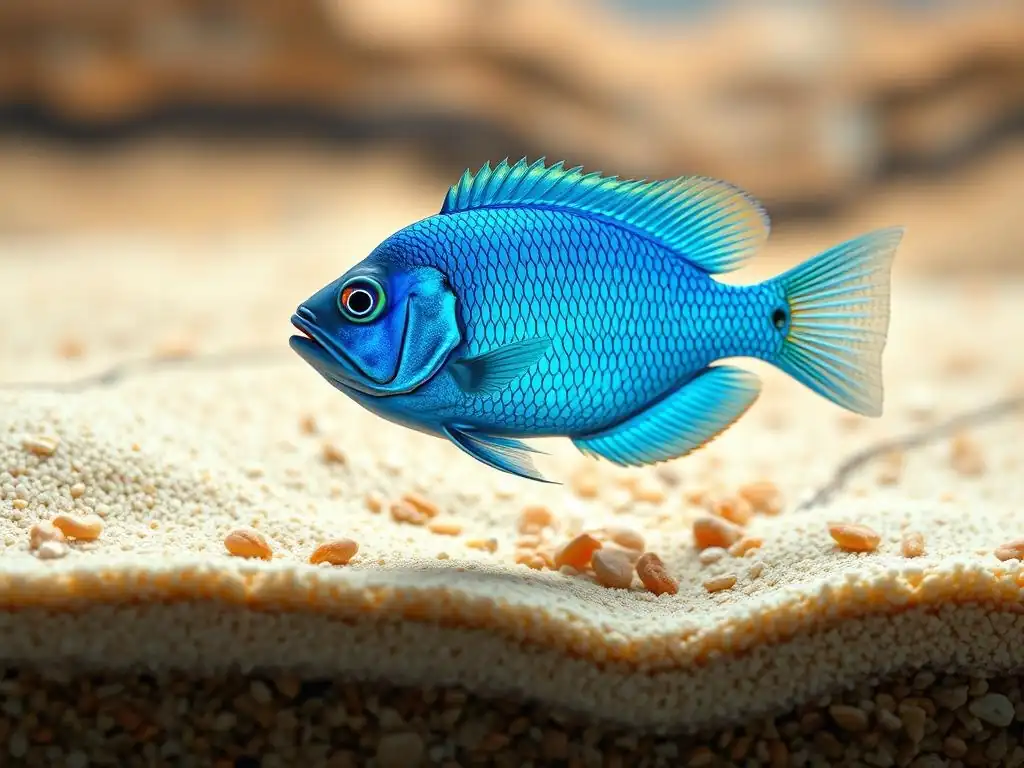
African Cichlid Aquarium Gravel Substrate: A Comprehensive Look
Advantages of Using Gravel for African Cichlid Tanks
Enhanced Water Circulation with Gravel
One notable advantage of using gravel as a substrate in an African cichlid tank is the enhanced water circulation it permits within the substrate bed. Unlike fine sand, gravel particles are larger and create significant gaps between them. These larger interstitial spaces allow water to flow more freely through the substrate, which helps to deliver oxygen to the beneficial bacteria colonizing the gravel surfaces. This improved oxygenation can prevent the formation of anaerobic pockets, which are a common concern with compacted sand beds.
The increased water flow through a gravel substrate also helps to distribute heat more evenly throughout the tank, contributing to stable water temperatures. While African cichlids prefer stable temperatures (typically 76-82°F or 24-28°C), good circulation prevents localized cold or hot spots within the substrate. This dynamic environment can support a healthier bacterial colony and reduce the risk of harmful gas buildup, offering a robust alternative to African cichlid sand gravel for certain setups.
Easier Cleaning and Waste Removal with Gravel
For many aquarists, the primary appeal of gravel is its perceived ease of cleaning and waste removal. Due to the larger particle size, detritus, uneaten food, and fish waste tend to settle on top of and between the gravel pieces rather than sinking deep into the substrate. This makes it relatively straightforward to remove accumulated waste using a standard aquarium gravel vacuum. The vacuum can effectively siphon out debris without pulling up significant amounts of the substrate itself, leading to more efficient and less messy cleaning sessions.
This characteristic is particularly beneficial for high-bioload tanks, which African cichlid aquariums often are. The ability to quickly and thoroughly remove organic waste helps to maintain lower nitrate levels and overall better water quality, reducing the burden on the filtration system. While African cichlid sand gravel options each have their cleaning nuances, gravel often offers a quicker and more visually satisfying cleaning process for many aquarists.
Variety of Colors and Textures with Gravel
Gravel offers an unparalleled variety of colors, shapes, and textures, providing aquarists with extensive aesthetic flexibility for their African cichlid tanks. From natural earth tones to vibrant blues, reds, or even multi-colored mixes, gravel can be chosen to complement the coloration of the fish, rockwork, or overall tank theme. This wide selection allows for a high degree of personalization, enabling aquarists to create visually stunning and unique aquascapes that might not be as easily achieved with the more limited color palette of natural sands.
Beyond color, the varying textures of gravel can also add visual interest and depth to the aquarium. Smooth, rounded river pebbles offer a different feel than jagged, crushed rock. While some African cichlids prefer the softer touch of sand, the aesthetic versatility of gravel can be a significant draw for aquarists prioritizing the visual impact of their setup. This wide range of options makes African cichlid gravel a strong contender for those looking to customize their tank's appearance.
Disadvantages of Using Gravel in a Cichlid Tank
Trapped Food and Waste Accumulation
Despite its apparent ease of cleaning, a significant disadvantage of gravel in an African cichlid tank is its propensity to trap food and waste deep within the substrate. While larger debris may sit on the surface, smaller particles and fine detritus can easily fall between the individual gravel pieces, accumulating out of sight and reach of routine surface vacuuming. This hidden accumulation of organic matter can decompose over time, releasing ammonia, nitrite, and nitrate into the water column, contributing to poor water quality and potentially fueling algae growth.
If not thoroughly vacuumed on a regular basis, these trapped pockets of waste can become anaerobic, leading to the same issues of harmful gas production as compacted sand. The larger gaps in gravel, while allowing water flow, also act as perfect crevices for waste to settle and decompose. This necessitates very deep and thorough gravel vacuuming during water changes, which can be disruptive to the tank's inhabitants and beneficial bacterial colonies. The challenge of preventing hidden waste buildup is a key consideration when evaluating African cichlid sand gravel options.
Potential for Injury to Cichlids
A considerable concern with using gravel, especially rough or sharp-edged varieties, in an African cichlid aquarium is the potential for injury to the fish. Many African cichlid species are natural diggers, sifting through the substrate with their mouths or rubbing against it to establish territories and construct spawning pits. When faced with coarse or jagged gravel, these natural behaviors can lead to abrasions, cuts, or damage to their delicate mouths, fins, and scales. Such injuries are not only painful for the fish but also create open wounds that are highly susceptible to secondary bacterial, fungal, or parasitic infections.
Even species that are not primarily diggers can accidentally injure themselves by darting into rockwork or during aggressive encounters with tank mates, if the bottom is covered with sharp gravel. The smooth, forgiving nature of African cichlid sand gravel is a stark contrast to the potential hazards posed by rougher gravel, making injury prevention a critical factor in substrate choice for the long-term health and safety of these active fish.
Difficulty in Maintaining Stable Water Parameters
While not universally true for all types of gravel, many common aquarium gravels are inert, meaning they do not contain minerals that can buffer pH or contribute to water hardness. For African cichlids, which require consistently high pH levels (e.g., 7.8-8.6) and high hardness (e.g., GH 10-20 dGH), an inert gravel substrate offers no assistance in maintaining these specific water parameters. This places the entire responsibility of pH and hardness stability on the aquarist through water changes, chemical buffers, or the addition of buffering rockwork like Texas holey rock or limestone.
Fluctuations in pH and hardness can stress African cichlids, weakening their immune systems and making them more susceptible to disease. Unlike aragonite African cichlid sand, which actively helps buffer the water, inert gravel requires more diligent monitoring and proactive management of water chemistry. This can be a significant drawback for new aquarists or those who prefer a more hands-off approach to water parameter maintenance, highlighting a key difference between African cichlid sand gravel options.
Types of Gravel Suitable for African Cichlid Aquariums
Natural Gravel: Sourcing and Preparation
Natural gravel, often sourced from rivers or quarries, encompasses a wide range of sizes, shapes, and colors, from smooth, rounded pebbles to more angular stones. When considering natural African cichlid gravel, the primary advantage is its authentic appearance, mimicking various natural aquatic environments. However, careful sourcing and preparation are paramount.
River gravel tends to be smoother and less likely to cause injury than crushed quarry gravel. Before introduction, all natural gravel must be thoroughly rinsed to remove dust, dirt, and any potential contaminants. This rinsing process often needs to be extensive, continuing until the water runs clear, to prevent cloudy water issues in the aquarium.
Furthermore, it's crucial to ensure that natural gravel does not contain any minerals that could adversely affect water chemistry, such as those that might leach heavy metals or drastically alter pH in undesirable ways. A simple vinegar test can indicate the presence of calcium carbonate (which will fizz if present), which can be beneficial for African cichlids by buffering pH. However, if the gravel is inert, aquarists must be prepared to manage water parameters through other means.
Epoxy-Coated Gravel: Considerations for Water Chemistry
Epoxy-coated gravel is a popular choice due to its vibrant, consistent colors and smooth, non-porous surface. This type of African cichlid gravel consists of natural gravel pieces that have been coated with a non-toxic, fish-safe epoxy resin. The coating seals the underlying material, preventing it from leaching any substances into the water, making it effectively inert. This inertness means epoxy-coated gravel will not impact water chemistry (pH, GH, KH), which can be an advantage for aquarists who prefer to control these parameters precisely using other methods.
The smooth surface of epoxy-coated gravel also makes it relatively easy to clean, as detritus tends to sit on top rather than embedding deep within the substrate. However, the smooth, often slick surface might not provide as much surface area for beneficial bacteria colonization compared to more porous natural gravel or sand. While aesthetically versatile, aquarists must still ensure proper pH and hardness for their African cichlids when selecting this African cichlid sand gravel alternative.
Crushed Coral Gravel: Buffering Capacity
Crushed coral gravel is a highly beneficial substrate option for African cichlid aquariums, particularly for species that thrive in hard, alkaline water, such as those from Lake Malawi and Tanganyika. Similar to aragonite sand, crushed coral is composed primarily of calcium carbonate.
As it slowly dissolves over time, it releases calcium and carbonate ions into the water, effectively buffering the pH and increasing both general hardness (GH) and carbonate hardness (KH). This natural buffering action helps to maintain the stable high pH levels (e.g., 7.8-8.6) and high alkalinity that are essential for African cichlid health, reducing the need for constant chemical adjustments.
Crushed coral typically comes in various grain sizes, from fine sand-like particles to coarser gravel. While coarser varieties might not cater to the digging instincts of all cichlids as effectively as fine sand, its chemical benefits are undeniable. It provides a natural, light-colored aesthetic that complements the rockwork often found in African cichlid setups. For aquarists seeking a substrate that actively contributes to maintaining optimal water parameters, crushed coral gravel is a top contender among African cichlid sand gravel options, sometimes used in conjunction with inert substrates for a mixed bed.
Sand vs. Gravel for African Cichlids: A Detailed Comparison
Water Chemistry: Sand vs. Gravel and pH Buffering
The impact of African cichlid sand gravel on water chemistry, particularly pH and hardness, is a critical differentiating factor. Certain types of sand, like aragonite sand or crushed coral sand (which is essentially very fine crushed coral), are naturally calcareous. This means they are composed of calcium carbonate, which slowly dissolves in water, releasing calcium and carbonate ions.
This process acts as a natural buffer, helping to maintain the high pH levels (typically 7.8 to 8.6) and high carbonate hardness (KH) that African cichlids require. For instance, a tank with a significant layer of aragonite sand might exhibit a stable pH of 8.0-8.2 without external chemical intervention, reducing the need for frequent adjustments.
Conversely, most common aquarium gravels, including natural river gravel and epoxy-coated varieties, are inert. They do not contain buffering minerals and therefore have no impact on pH or water hardness.
While this offers flexibility for aquarists who prefer to control water parameters precisely with chemical additives or RO/DI water, it means the substrate provides no inherent stability for the demanding water chemistry of African cichlids. If an inert gravel is chosen, the aquarist must be diligent in using buffering salts or other methods to consistently maintain the desired high pH and hardness levels, making the choice between African cichlid sand gravel a direct determinant of water chemistry management.
Maintenance: Cleaning and Waste Removal Comparison
Maintenance routines for African cichlid sand gravel differ significantly, primarily concerning how waste is handled and removed. With sand, detritus and uneaten food tend to sit on the surface or just within the very top layer. This makes waste highly visible and relatively easy to remove with a gentle hover-siphon technique, where the vacuum is held just above the sand to suck up the lighter waste without disturbing too much sand.
While this method prevents waste from sinking deep, it can be slower and requires more finesse to avoid sucking up the sand itself. Regular, gentle surface siphoning is crucial to prevent anaerobic spots and maintain water clarity.
In contrast, gravel's larger particle size allows waste to fall between the pieces and accumulate deeper within the substrate. While surface waste is less apparent, the hidden accumulation necessitates thorough, deep gravel vacuuming during water changes. This involves plunging the vacuum deep into the gravel to dislodge and remove trapped detritus. While seemingly efficient, this method can be more disruptive to the beneficial bacterial colonies residing in the gravel and may not always remove all deeply embedded waste. Therefore, the choice between African cichlid sand gravel directly impacts the frequency and technique of substrate cleaning.
Cichlid Behavior: Digging, Sifting, and Spawning
The choice between African cichlid sand gravel profoundly influences the natural behaviors of the fish, particularly their digging, sifting, and spawning activities. Many African cichlids, especially Mbuna and certain Peacocks from Lake Malawi, are natural diggers and sifters. They instinctively sift through fine substrate particles to search for food, rearrange their environment, and excavate territorial pits or spawning nests.
A fine sand substrate, such as silica or aragonite African cichlid sand, allows these behaviors to be fully expressed, promoting natural stimulation and reducing stress. Observing a Metriaclima estherae sifting sand through its gills is a clear sign of a healthy, engaging environment.
Gravel, particularly coarser varieties, significantly inhibits these natural behaviors. While some cichlids might attempt to dig, they are often met with resistance from the larger, heavier stones. This can lead to frustration, potential injury from sharp edges, and a lack of natural enrichment. For species like Tropheus from Lake Tanganyika, which are less prone to digging, gravel might be less problematic, but for most Malawi and Victoria cichlids, sand is highly recommended to support their innate instincts. The ability to express these fundamental behaviors is a key determinant when selecting African cichlid sand gravel.
Aesthetic Appeal: Creating a Natural-Looking Habitat
The aesthetic appeal of African cichlid sand gravel plays a significant role in creating a natural and visually pleasing habitat. Sand, particularly light-colored varieties like aragonite or pool filter sand, closely mimics the vast sandy lakebeds and shorelines of the African Rift Lakes. This provides a highly authentic backdrop for African cichlids, making their vibrant colors pop against the natural substrate. The smooth, uniform texture of sand creates a serene and expansive feel, allowing rockwork and fish to be the primary focal points. It evokes the feeling of a natural underwater landscape, enhancing the overall viewing experience.
Gravel, while offering a wider range of colors and textures, often presents a less natural appearance for a typical African cichlid setup. While some gravels can mimic riverbeds, the uniform, often brightly colored gravels available in pet stores can detract from the natural feel of a Rift Lake biotope. However, for aquarists prioritizing specific color schemes or unique textures, gravel offers unparalleled customization. Ultimately, the choice between African cichlid sand gravel for aesthetics comes down to whether the aquarist prefers a pristine, natural biotope simulation or a more stylized, decorative display.
Setting Up Your African Cichlid Tank with Sand or Gravel: A Step-by-Step Guide
Preparing Your Chosen Substrate for Use
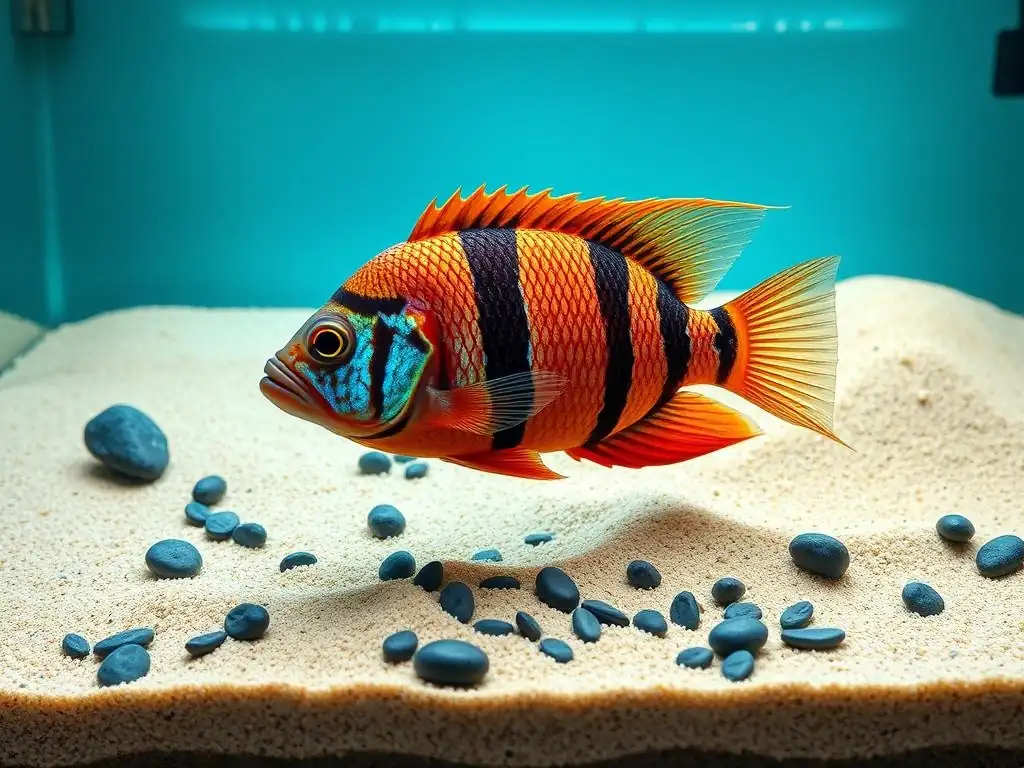
Proper preparation of your African cichlid sand gravel is a critical first step to ensure a healthy and clear aquarium. Regardless of whether you choose sand or gravel, thorough rinsing is essential to remove fine dust, dirt, and any impurities that could cloud your tank water for days or weeks. For sand, especially play sand or pool filter sand, this process can be extensive.
Place small batches of sand (e.g., 5-10 pounds) into a clean bucket. Fill the bucket with water, agitate the sand vigorously with your hands, and then carefully pour out the cloudy water, being careful not to lose the sand. Repeat this process multiple times until the water runs completely clear, which might take 10-20 rinses for a 50-pound bag of sand.
For gravel, the rinsing process is similar but often less arduous due to larger particle size. Rinse in small batches until the water is clear. For either African cichlid sand gravel type, avoid using soap or detergents, as these can be toxic to fish. Some aquarists also opt to sterilize their substrate by baking it (for inert types) or soaking it in a dilute bleach solution followed by thorough rinsing and dechlorinating, though this is less common for commercially prepared aquarium substrates.
Layering the Substrate: Depth and Considerations
Once your African cichlid sand gravel is thoroughly rinsed, the next step is to carefully layer it into your aquarium. The depth of the substrate layer is an important consideration. For African cichlid tanks, a substrate depth of 1 to 2 inches is generally sufficient for sand, allowing for natural digging behaviors without creating excessively deep anaerobic pockets. For gravel, a depth of 2 to 3 inches is often recommended to provide adequate surface area for beneficial bacteria and to allow for proper waste trapping and removal during vacuuming.
When placing the substrate, spread it evenly across the bottom of the tank. Many aquarists opt for a slightly deeper layer at the back of the tank, sloping gently towards the front, to create a sense of depth and allow detritus to naturally settle towards the front for easier cleaning. If you are adding large rocks or rockwork, it is crucial to place these directly on the glass bottom before adding the substrate.
This prevents the cichlids from undermining the rocks through digging, which could lead to collapses and potential injury to the fish or damage to the tank. Carefully pouring the African cichlid sand gravel around the pre-placed rockwork helps stabilize the aquascape.
Cycling Your Tank with Sand or Gravel
After adding your African cichlid sand gravel and setting up other tank elements, the crucial next step is to properly cycle your aquarium. Tank cycling is the process of establishing a robust colony of beneficial nitrifying bacteria that convert toxic ammonia and nitrite into less harmful nitrate. This bacterial colony will primarily reside on the surfaces of your substrate and filter media. Whether you use sand or gravel, the substrate provides a vast surface area for these bacteria to colonize.
The cycling process typically takes 4-8 weeks and involves introducing an ammonia source (e.g., pure ammonia, fish food, or a few hardy "starter" fish) and monitoring water parameters (ammonia, nitrite, nitrate) until ammonia and nitrite levels consistently read zero. During this period, the beneficial bacteria colonize the African cichlid sand gravel and other surfaces. Skipping or rushing the cycling process can lead to "new tank syndrome," where high levels of ammonia and nitrite harm or kill fish. Patience during this stage is vital for the long-term health and stability of your African cichlid aquarium, regardless of the substrate chosen.
Maintaining Your African Cichlid Substrate: Best Practices
Regular Vacuuming and Cleaning Techniques
Regular vacuuming is essential for maintaining a clean and healthy African cichlid sand gravel substrate, but the technique varies depending on your substrate choice. For sand, a gentle hover-siphon method is recommended. Instead of plunging the gravel vacuum deep into the sand, hold it just above the surface.
This allows the lighter detritus and uneaten food to be sucked up without siphoning out excessive amounts of sand. Work systematically across the entire substrate surface during weekly water changes to remove visible waste and prevent deep accumulation. If you notice any darker patches, gently stir that area with a stirring stick or your fingers to release trapped gases and detritus.
For gravel, a deeper vacuuming technique is more appropriate. Plunge the gravel vacuum directly into the substrate, allowing the water flow to agitate the gravel and pull up trapped waste. Work in sections, ensuring you clean a significant portion of the gravel bed during each water change. Aim to vacuum about 25-50% of the substrate thoroughly each week, rotating areas to avoid disturbing too much of the beneficial bacterial colony at once. Consistent and thorough cleaning of your African cichlid sand gravel is paramount for preventing the buildup of harmful organic matter and maintaining pristine water quality.
Preventing Anaerobic Pockets in Sand Substrate
Preventing anaerobic pockets is a critical aspect of maintaining an African cichlid sand substrate. Anaerobic pockets, characterized by dark discoloration and the release of foul-smelling hydrogen sulfide gas upon disturbance, form when fine sand compacts too much, cutting off oxygen flow. While African cichlids' natural digging behavior helps to stir the sand, additional measures are often beneficial. One effective method is to keep the sand bed relatively shallow, typically 1 to 2 inches (2.5 to 5 cm), to allow for better oxygen penetration.
Beyond depth, regular, gentle stirring of the sand in less active areas of the tank (e.g., corners or under large rocks where fish may not dig as much) can help prevent compaction. A simple stirring stick or even a finger can be used to lightly agitate the top inch or two of sand during weekly maintenance. Some aquarists also employ Malaysian Trumpet Snails (MTS), which are small, burrowing snails that constantly move through the sand, aerating it naturally.
These snails are generally safe with African cichlids as long as they are not overly aggressive or large enough to be seen as food. By proactively managing the African cichlid sand gravel, you can significantly reduce the risk of harmful anaerobic conditions.
Monitoring Water Parameters and Adjusting as Needed
Consistent monitoring of water parameters is crucial for any African cichlid tank, regardless of the African cichlid sand gravel chosen. Key parameters to regularly test include pH, ammonia, nitrite, and nitrate. For African cichlids, maintaining a high and stable pH (typically 7.8-8.6) and high hardness (GH and KH) is paramount.
If you're using an inert substrate like silica sand or most gravels, you'll need to rely on buffering agents (e.g., Rift Lake salts) or water changes with appropriately hard water to maintain these levels. Test pH weekly and adjust as needed, being cautious to make changes gradually to avoid stressing the fish.
Ammonia and nitrite should always read zero after the tank is cycled. Any detectable levels indicate a problem with the biological filtration or overfeeding, and immediate action (e.g., water change, reduced feeding) is required. Nitrate levels should be kept below 20 ppm through regular weekly water changes of 25-50%.
If you're using a buffering substrate like aragonite African cichlid sand or crushed coral gravel, monitor pH and hardness to ensure they remain within the desired range, as the substrate will contribute to their stability. Consistent testing allows for timely adjustments, ensuring the water chemistry remains optimal for your African cichlids.
Troubleshooting Common Substrate Issues in African Cichlid Tanks
Dealing with Algae Growth on Substrate
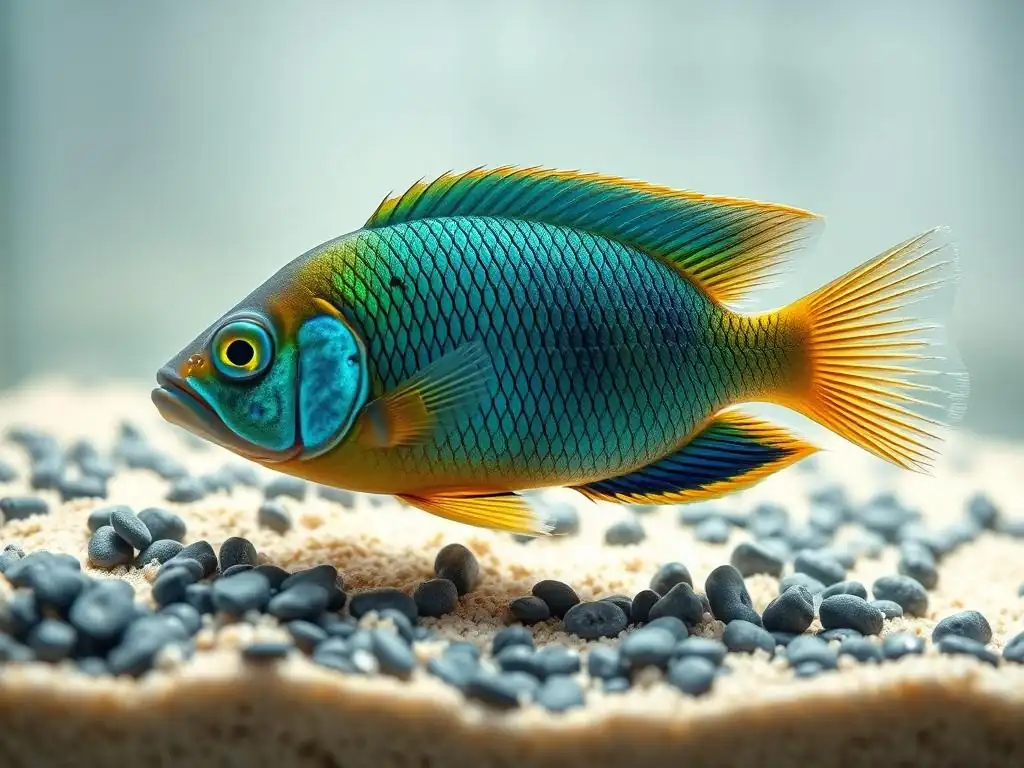
Algae growth on African cichlid sand gravel is a common issue, often appearing as green, brown, or black films covering the substrate. While some algae is natural, excessive growth can be unsightly and indicate an imbalance in the tank. The primary causes are usually excess light, excess nutrients (nitrates and phosphates), or both. To combat algae, first, assess your lighting schedule; 8-10 hours per day is usually sufficient, and exceeding this can fuel algae. Consider reducing the light intensity or duration.
Next, focus on nutrient control. Ensure you are not overfeeding your African cichlids, as uneaten food breaks down into algae-feeding nutrients. Perform regular and thorough water changes (e.g., 25-50% weekly) to dilute nitrates and phosphates.
Thoroughly vacuum your African cichlid sand gravel during these changes to remove trapped organic waste. In severe cases, a "blackout" period (covering the tank completely for 2-3 days) can temporarily halt algae growth, but the underlying causes must be addressed for long-term prevention. Introducing algae-eating snails (if compatible with cichlids) or certain bristlenose plecos can also help, though many cichlids will harass or consume them.
Cloudy water in an African cichlid tank can often be attributed to substrate issues, particularly when using fine African cichlid sand. Immediately after setup, cloudy water is usually due to residual dust from insufficiently rinsed sand. This typically settles within a few days, aided by good mechanical filtration. To prevent this, always rinse your sand thoroughly until the water runs completely clear before adding it to the tank.
If cloudiness develops later, it could be a bacterial bloom, often triggered by a sudden increase in organic waste (e.g., overfeeding, decaying fish/plants) or a disruption to the nitrogen cycle. In this case, the water appears milky or hazy. Address this by performing a 25-50% water change, reducing feeding, and ensuring your filtration is working efficiently. Avoid over-cleaning filters, as this can remove beneficial bacteria.
Very fine sand can also become suspended if the water flow is too strong directly over the substrate, or if the cichlids are extremely vigorous diggers. Adjusting filter output direction or using a pre-filter can help mitigate this. Consistent maintenance of your African cichlid sand gravel helps prevent these common cloudiness issues.
Resolving pH Imbalances Linked to Substrate
pH imbalances in an African cichlid tank, particularly a drop in pH below the ideal 7.8-8.6 range, can sometimes be linked to the chosen African cichlid sand gravel. If you are using an inert substrate (like silica sand or most gravels) and your source water is soft or acidic, the substrate will offer no buffering capacity, making it challenging to maintain the high pH required by cichlids. Over time, organic waste decomposition and the natural cycling process can also contribute to a gradual pH decline.
To resolve this, first, test your source water's pH and hardness. If it's naturally soft, you'll need to regularly add buffering agents like Rift Lake salts (e.g., Seachem Cichlid Lake Salt) or use a substrate that actively buffers pH, such as aragonite African cichlid sand or crushed coral gravel. These calcareous substrates continuously release minerals that help stabilize pH and hardness.
Performing regular, appropriately sized water changes (e.g., 25-50% weekly) with properly buffered water is crucial. Adding buffering rockwork like Texas Holey Rock or limestone can also help. Conversely, if your pH is too high due to an overly buffering substrate, larger, more frequent water changes with less hard water might be necessary, though this is less common for African cichlid setups.
Conclusion: Making the Right Choice for Your African Cichlids - Sand or Gravel?
Key Considerations for Selecting the Best Substrate
Choosing between African cichlid sand gravel ultimately boils down to a careful consideration of several key factors that impact both the well-being of your fish and the ease of tank maintenance. Foremost among these is the natural behavior of your specific African cichlid species.
If your cichlids are known for their digging and sifting instincts, such as many Mbuna, a fine sand substrate will allow them to express these crucial behaviors, reducing stress and promoting a more natural environment. Secondly, water chemistry is paramount; if your source water is soft, a buffering substrate like aragonite African cichlid sand or crushed coral gravel can significantly aid in maintaining the high pH and hardness levels required by these fish.
Maintenance preferences also play a role. While sand requires a more delicate siphoning technique to avoid removal, gravel demands thorough, deep vacuuming to prevent hidden waste accumulation. Aesthetics and cost are also considerations, with gravel offering more color variety and often a lower initial price point, while sand provides a more natural, authentic Rift Lake appearance. Ultimately, the best African cichlid sand gravel choice is one that balances these practicalities with the specific biological and behavioral needs of your tank's inhabitants.
Mbuna vs. Malawi Haps: Specific Substrate Recommendations.
The specific species of African cichlids you intend to keep should heavily influence your African cichlid sand gravel decision. For Mbuna cichlids (e.g., Pseudotropheus, Maylandia, Labidochromis), which are predominantly rock-dwelling and herbivorous grazers from Lake Malawi, sand is highly recommended. These species are prolific diggers and sifters, constantly rearranging the substrate to create territories and search for micro-organisms.
A 1-2 inch layer of fine African cichlid sand, preferably aragonite or pool filter sand, allows them to engage in these natural behaviors without injury, contributing significantly to their health and reducing aggression by providing outlets for their instincts. The sand also promotes natural foraging.
In contrast, Malawi Haps (Haplochromines, e.g., Nimbochromis, Copadichromis, Protomelas) and Peacock cichlids ( Aulonocara) are typically open-water or sandy-bottom dwellers that are less inclined to vigorous digging compared to Mbuna. While they still appreciate a natural environment, their reliance on substrate for behavioral expression is somewhat less intense. Therefore, for Haps and Peacocks, both sand and fine, smooth African cichlid gravel can be suitable.
However, sand still often provides the most natural aesthetic and allows for occasional sifting behavior. If gravel is chosen, ensure it is smooth and inert unless you specifically need its buffering capacity, like crushed coral gravel for maintaining high pH.
Frequently Asked Questions
What are the main differences between using sand and gravel as a substrate for an African cichlid tank?
Sand offers a more natural digging environment for cichlids and is less likely to trap debris. Gravel, on the other hand, provides better water circulation and can be easier to clean initially. Ultimately, choice depends on the specific cichlid species you intend to keep.
Why is substrate choice so important for African cichlids?
African cichlids often dig, sift through, and rearrange the substrate. The wrong substrate can lead to digestive issues if ingested or create poor water quality by trapping waste. Choosing the right substrate promotes a healthy and natural environment.
Which type of African cichlids benefit most from a sandy substrate?
Cichlids that naturally sift through the substrate for food, like Geophagus or certain Aulonocara species, benefit greatly from sand. This allows them to exhibit their natural foraging behaviors without risking injury or digestive problems.
How does gravel impact the water chemistry in an African cichlid aquarium?
Gravel can trap uneaten food and waste, leading to a buildup of nitrates. This can require more frequent water changes to maintain proper water parameters. Proper gravel vacuuming is crucial to mitigate this issue.
What are the best methods for cleaning sand and gravel substrates in an African cichlid tank?
For sand, gently wave a gravel vacuum just above the surface to remove debris without disturbing the sand bed too much. For gravel, insert the vacuum deeper to remove trapped waste. Regular maintenance prevents anaerobic pockets and maintains water quality.
Final Reflection: The Shifting Sands of Choice
The debate between sand and gravel for African cichlid aquariums, as we've explored, is far more than just an aesthetic preference; it's a decision deeply intertwined with the health and well-being of these vibrant fish. Understanding the nuances of each substrate, from its impact on water chemistry to its influence on natural behaviors, is crucial for any aquarist striving to create a thriving ecosystem.
This seemingly small choice of substrate ripples outwards, affecting the entire aquarium's dynamic. It's a reminder that even in our carefully constructed microcosms, nature's principles hold sway, and our role as caretakers demands thoughtful consideration. The best aquarium is one that mimics the natural environment as closely as possible.
This quote, often attributed to experienced aquarists, underscores the importance of understanding the ecological needs of our fish and striving to meet them through informed choices.
Now, consider the lessons learned. Reflect on how your own choices, not just in aquariums but in all aspects of life, impact the delicate balance around you. Are you choosing what is easiest, or what is truly best for the long-term health and vitality of the system? Let the "Substrate Wars" inspire you to delve deeper, research thoroughly, and make informed decisions that cultivate thriving environments, both within your aquarium and beyond.
Ignite Your Cichlid Haven!
Thanks for diving into the substrate debate! We hope you now have a clearer picture of which option is best for your African Cichlid aquarium and how to maintain a thriving environment for your finned friends. Ready to take the next step?
Here's how to bring your knowledge to life:
- Immediately evaluate your current substrate. Is it supporting the health of your Cichlids or hindering it?
- Consider experimenting with a small "substrate zone" in your aquarium to test the impact of the alternative before a full switch.
- Share your substrate journey and ask the community for their insights to foster a thriving culture of shared experiences!
What unique substrate solution have you discovered that has kept your African Cichlids flourishing?