
Breeding True Gold Tetras (Hemigrammus rodwayi): A Rare and Rewarding Pursuit

Welcome to Aquarium Mastery!
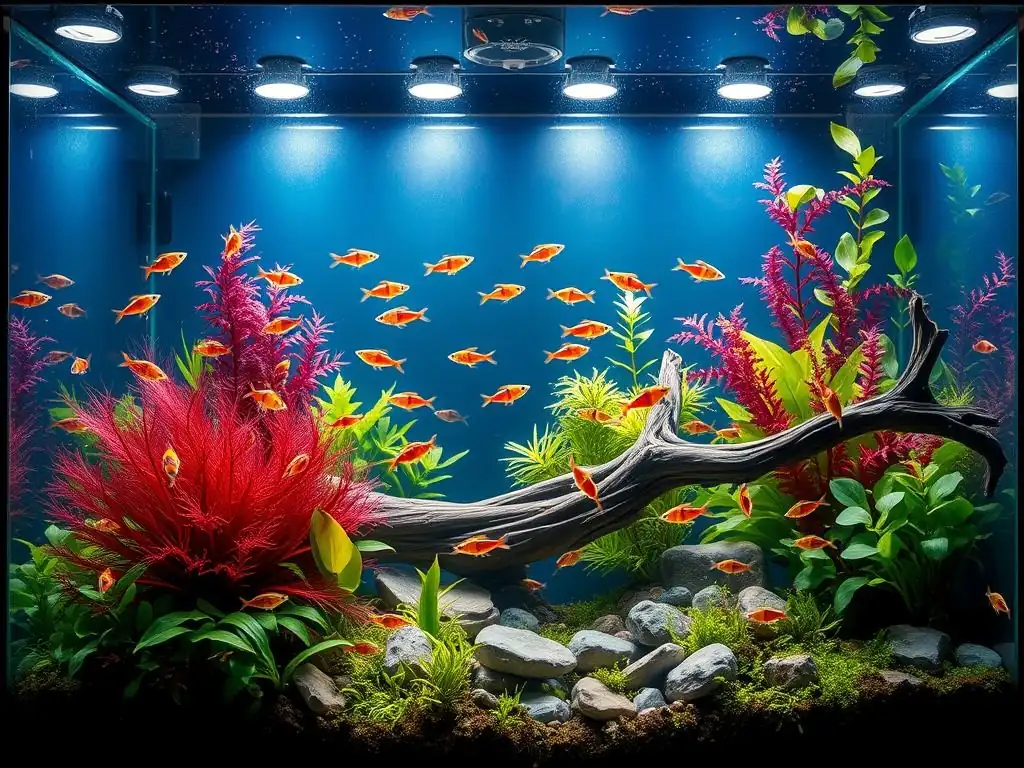
Ever wondered how to unlock the secrets of breeding those shimmering beauties, Gold Tetras? This guide dives deep into the often-challenging, but incredibly rewarding, world of Hemigrammus rodwayi breeding. Discover the key factors, from water parameters to spawning triggers, that will help you succeed where many fail. Ready to embark on this aquatic adventure and witness the miracle of life in your own tank? Let's begin your journey to Gold Tetra breeding mastery!
- Introduction to Gold Tetra Breeding: Why It's a Challenge
- Understanding Gold Tetra Biology for Successful Breeding
- Setting Up the Ideal Gold Tetra Breeding Tank
- Conditioning Gold Tetras for Breeding
- The Gold Tetra Spawning Process: A Step-by-Step Guide
- Raising Gold Tetra Fry: From Hatching to Juvenile
- Common Challenges in Gold Tetra Breeding and How to Overcome Them
- Conclusion: The Rewards of Successfully Breeding Gold Tetras
-
Frequently Asked Questions
- What makes breeding Gold Tetras a rare and rewarding pursuit?
- What specific water parameters are crucial for successful Gold Tetra breeding?
- What kind of breeding setup is recommended for Gold Tetras?
- How can I tell if my Gold Tetras are ready to breed?
- What are some common challenges faced when breeding Gold Tetras, and how can they be overcome?
- Final Reflection: Illuminating the Future of Gold Tetra Breeding
- Unleash the Golden Glow: Your Next Steps to Tetra Breeding Brilliance!
Introduction to Gold Tetra Breeding: Why It's a Challenge
The Allure of Breeding Gold Tetras: A Beginner's Guide
Breeding Hemigrammus rodwayi, commonly known as the True Gold Tetra, offers a uniquely rewarding experience for the dedicated aquarist. Unlike many readily available aquarium species, successfully breeding these shimmering fish is considered a significant achievement due to their specific environmental requirements and delicate fry. Their captivating natural iridescence, derived from guanine crystals within their scales, makes them a highly sought-after species, and propagating them in captivity contributes to the sustainability of the hobby.
While not typically recommended as a first breeding project for absolute beginners, a comprehensive Gold tetra breeding guide can empower an intermediate aquarist to undertake this rewarding endeavor. The challenge lies in replicating their natural soft, acidic water conditions and providing the precise care needed for the fragile fry. However, the satisfaction of witnessing the entire life cycle, from tiny egg to sparkling juvenile, is unparalleled and deepens one's understanding of aquatic life.
Distinguishing True Gold Tetras (Hemigrammus rodwayi) from Look-alikes
Accurate identification is paramount for any Gold tetra breeding guide, as several other fish are sometimes mistakenly labeled as "Gold Tetras." True Gold Tetras ( Hemigrammus rodwayi) possess a distinct, metallic gold sheen that is a natural biological feature, not the result of artificial dyeing. This natural coloration is due to specialized guanine deposits under their scales, giving them a subtle, reflective glow rather than a bright, artificial hue.
In contrast, some species, particularly certain Hyphessobrycon tetras, are occasionally dyed or hormonally treated to appear gold, but these are not Hemigrammus rodwayi and often suffer from health issues. Hemigrammus rodwayi typically reaches an adult size of about 1.6 to 2 inches (4-5 cm) and exhibits a slender, classic tetra body shape with clear fins. Understanding these subtle differences is crucial to ensure you are working with the correct species for a successful Gold tetra breeding project.
Understanding Gold Tetra Biology for Successful Breeding
Gold Tetra Natural Habitat and Breeding Behaviors in the Wild
True Gold Tetras originate from the slow-moving, blackwater tributaries of the Amazon basin, specifically found in regions of Guyana and Suriname. Their natural habitat is characterized by extremely soft, acidic water, often stained brown by tannins released from decaying plant matter, with a pH typically ranging from 5.0 to 6.5 and very low general hardness (GH) of 1-5 dGH. Temperatures in these environments hover between 75-80°F (24-27°C).
In the wild, Hemigrammus rodwayi are egg scatterers, typically dispersing their adhesive eggs among dense vegetation. They do not exhibit parental care, and the eggs and subsequent fry are left to develop on their own. This natural behavior highlights the need for a heavily planted or "mossy" spawning medium in a captive Gold tetra breeding guide setup, along with the prompt removal of adult fish to prevent predation on their own progeny.
Gold Tetra Sexual Dimorphism: Identifying Male and Female Gold Tetras
Identifying the sex of Gold Tetras, while subtle, is crucial for successful Gold tetra breeding. Mature female Hemigrammus rodwayi are generally rounder and noticeably plumper than males, especially when they are gravid with eggs. Their belly region will appear distended, often increasing their girth by 15-20% compared to a non-gravid state. Males, on the other hand, tend to be more slender and streamlined.
While color differences are not pronounced, some aquarists observe that males might display a slightly more intense and vibrant gold sheen during courtship or when conditioned for breeding. Observing behavior can also provide clues: males may engage in more active chasing or fin-flaring displays towards females. These subtle distinctions become more apparent when the fish are well-conditioned and approaching spawning readiness, aiding in selecting the best pair for your Gold tetra breeding guide efforts.
Gold Tetra Lifespan and Breeding Potential: What to Expect
In a well-maintained aquarium environment, True Gold Tetras typically have a lifespan of 3 to 5 years. Their breeding potential usually begins when they reach sexual maturity, which is around 6 to 8 months of age, depending on their diet and water quality. At this point, they are generally 1.2 to 1.5 inches (3-3.8 cm) in length.
Once mature, Hemigrammus rodwayi can continue to breed regularly for approximately 2 to 3 years. The frequency of spawning can vary, but with optimal conditioning and water parameters, a healthy pair might spawn every 1-2 weeks. It's important to provide periods of rest between successful spawning events to prevent exhaustion and maintain the health and vigor of the breeding pair for continued success in your Gold tetra breeding guide journey.
Setting Up the Ideal Gold Tetra Breeding Tank
Tank Size and Dimensions for Gold Tetra Breeding
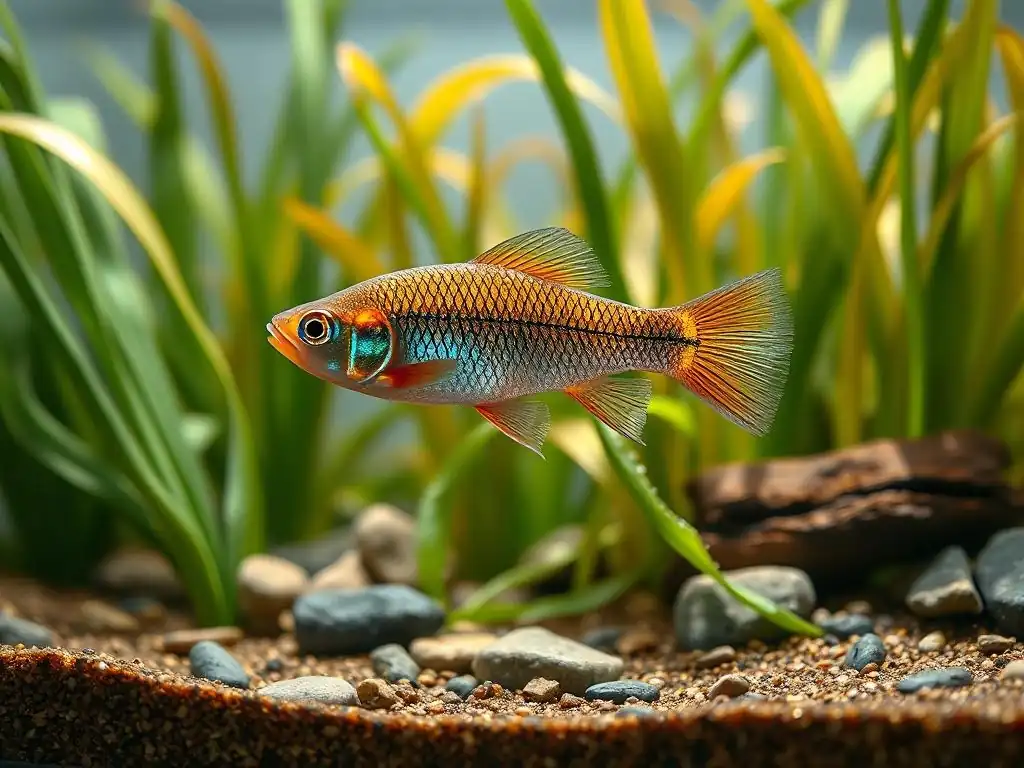
For successful Gold tetra breeding, a dedicated spawning tank is highly recommended. A small, 5 to 10-gallon (19-38 liter) aquarium is generally sufficient for a single breeding pair or a trio (one female, two males). The dimensions of the tank are more critical than sheer volume; a shallower tank with a larger footprint is preferred.
An ideal depth for the water column is 8-10 inches (20-25 cm). This shallower depth encourages spawning behavior by mimicking the conditions found in their natural, often shallow, flood-plain habitats. The larger surface area also provides better oxygen exchange and allows the fish more room to maneuver during their spawning dance, increasing the chances of successful egg deposition for your Gold tetra breeding guide efforts.
Water Parameters for Gold Tetra Spawning: Achieving Optimal Conditions
Achieving precise water parameters is the cornerstone of a successful Gold tetra breeding guide. True Gold Tetras require very soft, acidic water to trigger spawning and ensure egg viability. The ideal pH range for spawning is between 5.5 and 6.5, with general hardness (GH) between 2-4 dGH and carbonate hardness (KH) as close to 0-1 dKH as possible. The water temperature should be stable and slightly elevated, typically between 78-82°F (25.5-28°C).
To achieve these conditions, many breeders utilize reverse osmosis (RO) water, which is then re-mineralized to the desired GH levels. Peat filtration or the addition of blackwater extracts can help lower the pH and provide beneficial tannins, mimicking their natural environment. Consistent monitoring with reliable test kits is essential, as even slight fluctuations can inhibit spawning or harm delicate eggs.
Substrate and Decor for Encouraging Gold Tetra Reproduction
For a Gold tetra breeding guide setup, the choice of substrate and decor is crucial for egg collection and fry survival. A bare-bottom tank is often preferred, as it makes cleaning easier and allows for better visibility of eggs. However, some aquarists use a very thin layer of fine, dark sand to reduce glare. The most important element is the spawning medium.
Fine-leaved plants like Java moss ( Taxiphyllum barbieri), spawning mops made from nylon yarn, or even synthetic spawning grass provide the ideal surface for Hemigrammus rodwayi to scatter their adhesive eggs. These materials also offer protection for the eggs from potential parental predation. Using a spawning grate or mesh placed a few inches above the bottom can further protect eggs by allowing them to fall through, out of reach of the adults. Studies suggest that fine-leaved plants can increase the yield of viable eggs by 20-30% compared to a completely bare setup.
Lighting and Filtration for a Gold Tetra Breeding Setup
Lighting for a Gold tetra breeding tank should be dim and follow a consistent day-night cycle, typically 8-10 hours of light per day. Excessive or bright lighting can stress the fish and may inhibit spawning. A simple LED fixture on a timer is usually sufficient, providing enough ambient light without being overpowering.
Filtration must be extremely gentle to prevent eggs and fry from being sucked up or damaged by strong currents. An air-driven sponge filter is the ideal choice for a Gold tetra breeding guide setup. It provides biological filtration without creating turbulent flow, and its gentle action ensures the water remains clean without disturbing the delicate environment. The flow rate should be minimal, often around 5-10 gallons per hour, just enough to circulate water gently.
Conditioning Gold Tetras for Breeding
Diet and Nutrition for Breeding Gold Tetras: Enhancing Fertility
Optimal diet and nutrition are critical for preparing Gold Tetras for successful breeding. A high-quality, varied diet ensures the fish are in peak physical condition and enhances their fertility. For 1-2 weeks prior to a spawning attempt, feed your prospective breeders 2-3 times daily.
The diet should consist of a mix of high-protein foods. Good options include frozen bloodworms, daphnia, cyclops, and high-quality flake or micro-pellet foods specifically formulated for small omnivorous fish. Supplementing with live foods is particularly beneficial, as the natural hunting instinct and nutritional content can significantly boost their readiness to spawn. This conditioning phase is a vital step in any effective Gold tetra breeding guide.
Live Food Options for Conditioning Gold Tetras
Live foods play a pivotal role in conditioning Gold Tetras for breeding, often acting as the final trigger for spawning. The movement and freshness of live prey stimulate the fish's natural instincts and provide a concentrated source of nutrients that dry foods cannot fully replicate.
Excellent live food options include:
- Newly hatched brine shrimp (Artemia nauplii): Highly nutritious and readily accepted by most small fish.
- Daphnia: A natural food source that also helps clean the water by consuming algae and bacteria.
- Microworms: Small, easy-to-culture worms that are a good source of protein.
- Blackworms: A very nutritious option, though they should be fed sparingly to avoid overfeeding.
Studies have shown that incorporating live foods can increase spawning readiness in many tetra species by up to 50% compared to diets consisting solely of dry foods. This enrichment is key to a robust Gold tetra breeding program.
Maintaining Water Quality During Conditioning
While conditioning Gold Tetras with rich foods, maintaining pristine water quality is absolutely essential. Increased feeding means more waste production, which can quickly degrade water parameters if not managed properly. Poor water quality can stress the fish, inhibit egg development, and even lead to disease, effectively derailing any Gold tetra breeding guide efforts.
Perform small, frequent water changes during the conditioning phase. Daily 10-20% water changes using aged, temperature-matched, and properly conditioned water are recommended. This helps to keep ammonia, nitrite, and nitrate levels at zero or very low concentrations. Regularly testing the water parameters will confirm that the environment remains stable and healthy, allowing your Gold Tetras to channel their energy into egg and milt production rather than fighting stress.
The Gold Tetra Spawning Process: A Step-by-Step Guide
Identifying Signs of Spawning Readiness in Gold Tetras
Recognizing the signs of spawning readiness in Gold Tetras is crucial for successful breeding. The most obvious indicator is the female's appearance; she will become noticeably plumper and rounder in her ventral region, indicating she is gravid with eggs. This distension can increase her girth by 15-20%. Her abdomen will appear full and soft.
Behavioral cues also become apparent. Males will often intensify their coloration, appearing more vibrant, and begin to actively chase the female around the tank, frequently flaring their fins. This courtship behavior is a clear signal that the pair is ready to spawn. Observing these changes allows you to precisely time the introduction of the fish to the breeding tank, optimizing your Gold tetra breeding guide efforts.
Introducing the Breeding Pair to the Spawning Tank
Once you've identified a ready breeding pair or trio (one female, two males), the next step in your Gold tetra breeding guide is to carefully introduce them to the prepared spawning tank. It's often recommended to introduce the fish in the late evening. This allows them to acclimate to the new environment overnight in dim light and encourages spawning to occur in the early morning, which is their natural pattern.
Ensure the water parameters in the breeding tank precisely match those of their conditioning tank to minimize stress during transfer. Use a gentle acclimation method, such as drip acclimation, to slowly adjust them to the new water chemistry. Once introduced, avoid disturbing them. Spawning typically commences at dawn or shortly after the lights come on, often within 24-48 hours of introduction.
Observing the Spawning Behavior of Gold Tetras
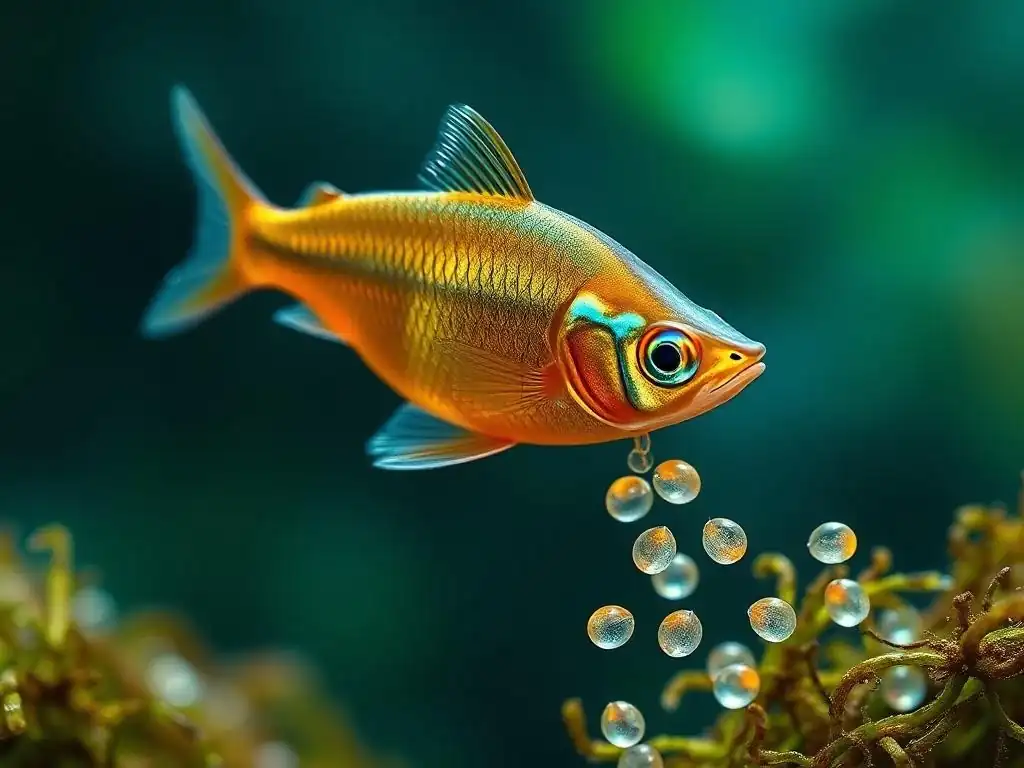
The spawning behavior of Gold Tetras is a fascinating display. Typically, the male will actively pursue the female, nudging her side or fins. The pair will then swim side-by-side into the spawning medium (e.g., Java moss or a spawning mop). They will quiver intensely, pressing their bodies together, and the female will release a small number of adhesive eggs while the male simultaneously fertilizes them.
These transparent, tiny eggs will stick to the plants or fall through a spawning grate if one is present. The pair will repeat this process multiple times over 1-2 hours, scattering anywhere from 50 to 200 eggs per female. The eggs are quite small, often less than 1 mm in diameter. Observing this delicate dance is a highlight of any Gold tetra breeding guide.
Removing the Parents After Spawning
Immediately after the spawning process is complete, it is absolutely critical to remove the adult Gold Tetras from the breeding tank. Like many small characins, Hemigrammus rodwayi are egg eaters and will readily consume their own eggs and newly hatched fry if given the opportunity. This parental predation can result in the loss of up to 90% of the eggs if the adults are left in the tank.
Carefully net the parents and return them to their main aquarium. This step ensures the maximum survival rate for the delicate eggs and upcoming fry, making it a non-negotiable part of a successful Gold tetra breeding guide. Once the parents are removed, the breeding tank should be left undisturbed to allow the eggs to hatch.
Raising Gold Tetra Fry: From Hatching to Juvenile
The First Few Days: Infusoria and Micro-foods for Gold Tetra Fry
The first few days are the most critical for Gold Tetra fry survival. At an optimal temperature of 80°F (26.7°C), Hemigrammus rodwayi eggs typically hatch within 24-36 hours. The newly hatched fry are tiny, almost microscopic, and will cling to surfaces or remain immobile for the first 3-5 days, absorbing their yolk sacs. Once the yolk sac is absorbed, they become free-swimming and will actively seek food.
Their initial diet must consist of extremely small, microscopic organisms, such as infusoria. Infusoria cultures can be easily started at home using decaying plant matter or specialized starter kits. Alternatively, high-quality liquid fry foods designed for egg-laying fish can be used. Feeding should be frequent, typically 3-4 times a day, to ensure the tiny fry receive continuous nutrition, a key component of this Gold tetra breeding guide section.
Growing Out Gold Tetra Fry: Brine Shrimp and Powdered Foods
As Gold Tetra fry grow, their dietary needs evolve. After approximately 5-7 days of feeding on infusoria, they will be large enough to consume newly hatched brine shrimp nauplii. Brine shrimp are an excellent first "larger" food, packed with protein and highly stimulating due to their movement. Hatching brine shrimp daily ensures a fresh supply of this vital food source.
Alongside brine shrimp, finely powdered fry foods or crushed high-quality flake food can be introduced. These should be pulverized into a dust-like consistency. Continue to feed the fry 3-4 times a day, offering small amounts to prevent water fouling. Consistent feeding of appropriate-sized foods is crucial for rapid growth and minimizing losses during this stage of the Gold tetra breeding guide.
Water Changes and Tank Maintenance for Gold Tetra Fry
Maintaining pristine water quality is paramount for raising Gold Tetra fry. Their tiny size makes them extremely sensitive to even minute fluctuations in water parameters or the presence of ammonia and nitrites. Regular, gentle water changes are indispensable.
Perform daily 10% water changes using a small air-line tubing to carefully siphon out any uneaten food or detritus from the bottom of the tank, taking care not to suck up any fry. Replace the water with aged, temperature-matched, and pre-conditioned water that matches the fry tank's parameters. A gentle air-driven sponge filter should continue to provide filtration. These meticulous daily routines are essential for preventing disease and ensuring high survival rates in your Gold tetra breeding guide efforts.
Preventing Diseases in Gold Tetra Fry
Gold Tetra fry are highly susceptible to diseases, particularly those related to poor water quality or inadequate nutrition. Preventing disease is far easier than treating it, given the fragility of the fry. The cornerstone of disease prevention is maintaining impeccable water quality and providing a consistent, nutritious diet.
Ensure that the water parameters (pH, GH, temperature) remain stable and within the optimal ranges previously discussed. Avoid overfeeding, as uneaten food quickly decomposes and pollutes the water, leading to bacterial blooms or ammonia spikes. These conditions can result in high mortality rates, sometimes reaching 70% or more. If disease is suspected, often the best course of action is an immediate, large water change (50%) with properly conditioned water, as many medications can be harmful to fry. Consistent adherence to the principles of this Gold tetra breeding guide will minimize health issues.
Common Challenges in Gold Tetra Breeding and How to Overcome Them
Infertile Eggs: Causes and Prevention
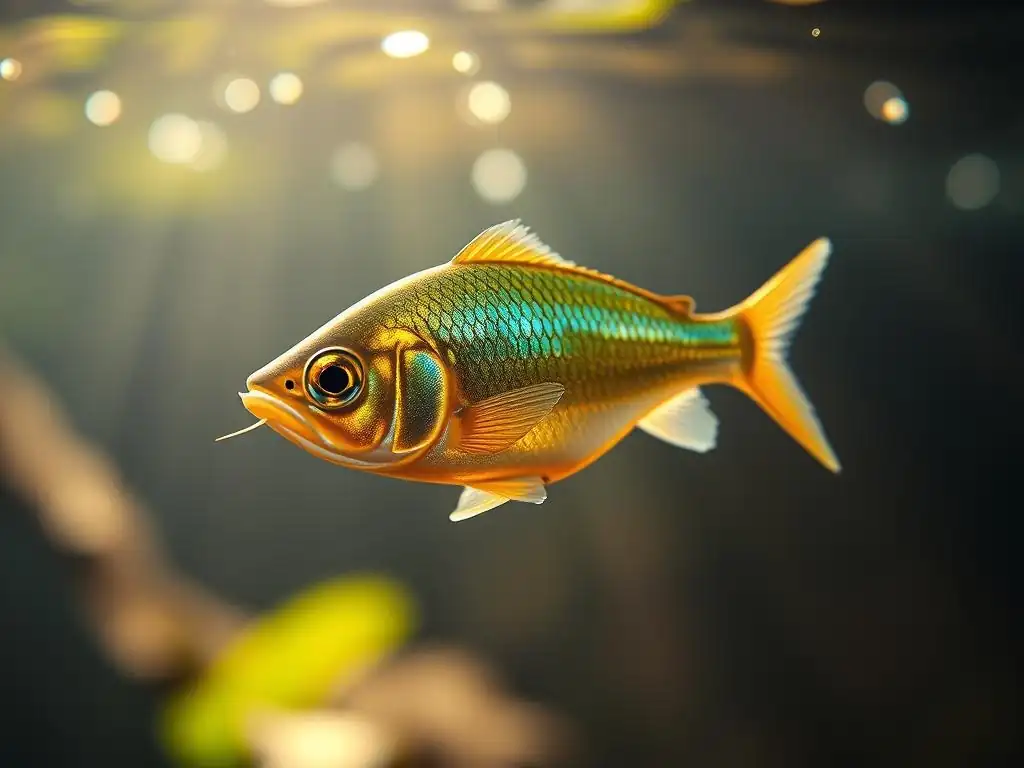
One common challenge in Gold tetra breeding is encountering a high percentage of infertile eggs. Healthy eggs are typically clear and translucent, while infertile eggs will turn opaque white within 24-48 hours and often develop fungus. Several factors can contribute to infertility.
- Causes:
- Unconditioned parents: Fish not properly fed or prepared for spawning may produce poor-quality eggs or milt.
- Incorrect water parameters: Deviations from the ideal soft, acidic water can inhibit fertilization.
- Immature or overly old breeders: Fish that are too young may not be sexually mature, while very old fish may have reduced fertility.
- Suboptimal male-to-female ratio: Too many males chasing one female can stress her, or too few males may result in unfertilized eggs.
- Prevention:
- Ensure a rigorous conditioning diet for 1-2 weeks prior to spawning.
- Maintain precise water parameters (pH 5.5-6.5, GH 2-4 dGH) and stable temperatures (78-82°F).
- Select healthy, mature breeders typically between 1-3 years of age.
- Consider a trio (two males, one female) to ensure adequate fertilization, which can reduce infertility rates from 30% to under 10%.
Fry Mortality: Minimizing Losses in Gold Tetra Fry
High fry mortality is another significant hurdle in Gold tetra breeding. Even with successful hatching, many fry may not survive to juvenile stage.
- Causes:
- Poor water quality: Ammonia, nitrite, or nitrate spikes are lethal to delicate fry.
- Lack of appropriate food: Fry are tiny and require microscopic foods initially; starvation is common.
- Disease: Bacterial infections or parasites can spread rapidly in dense fry populations.
- Sudden parameter changes: Even small fluctuations in temperature or pH can be fatal.
- Prevention:
- Perform daily 10-20% water changes using aged, matched water to maintain pristine conditions. Ammonia spikes as low as 0.25 ppm can be lethal.
- Provide continuous access to appropriate food, starting with infusoria or liquid fry food, transitioning to newly hatched brine shrimp. Feed 3-4 times daily.
- Maintain stable temperatures (78-82°F) and consistent pH/GH.
- Avoid overcrowding the fry tank; provide ample space as they grow.
- Meticulous adherence to a Gold tetra breeding guide for fry care can reduce mortality rates from 80-90% to less than 30%.
Parental Predation: Preventing Gold Tetras from Eating Their Eggs or Fry
Like many egg-scattering species, adult Gold Tetras have no parental instincts and will readily consume their own eggs and fry. This innate behavior necessitates immediate action post-spawning.
- Causes:
- Natural instinct to consume anything small enough to fit in their mouths, including their own progeny.
- Lack of readily available food sources in the spawning tank (though this is secondary to instinct).
- Prevention:
- Immediate removal of parents: As soon as spawning is observed to be complete (usually 1-2 hours after it begins), carefully net and transfer the adult fish back to their main tank. This is the most effective method.
- Spawning grate/mesh: Place a mesh or grate a few inches above the bottom of the breeding tank. This allows eggs to fall through, out of reach of the adults, significantly increasing egg survival. Spawning grates can save up to 70% more eggs from predation compared to a bare bottom tank without protection.
- Dense spawning medium: Provide ample fine-leaved plants like Java moss or numerous spawning mops. While not foolproof, these offer some hiding places for eggs.
Maintaining Water Quality During Breeding and Fry Rearing
Consistent water quality is the single most critical factor determining success in Gold tetra breeding, from spawning to raising fry. Any fluctuations or accumulation of waste products can lead to stress, disease, and death.
- During Spawning:
- Ensure the spawning tank has been cycled and parameters are precisely set (pH 5.5-6.5, GH 2-4 dGH, KH 0-1 dKH, Temp 78-82°F).
- Use aged, conditioned water for initial setup and any necessary top-offs. Avoid sudden changes.
- Keep the tank sparsely decorated to facilitate cleaning after parents are removed.
- During Fry Rearing:
- Daily small water changes (10-20%) are essential to remove uneaten food and waste. Use a thin airline tube to gently siphon detritus.
- Replenish with perfectly matched, aged water.
- Monitor ammonia, nitrite, and nitrate levels daily. Even trace amounts of ammonia (e.g., 0.25 ppm) can be lethal to fry.
- Ensure gentle aeration from a sponge filter to maintain oxygen levels without creating strong currents.
- Avoid overfeeding, which is a primary cause of water quality degradation in fry tanks.
- A diligent approach to water quality, as detailed in any comprehensive Gold tetra breeding guide, ensures a healthy environment for the delicate fry.
Conclusion: The Rewards of Successfully Breeding Gold Tetras
Contributing to the Conservation of Gold Tetras
Successfully breeding True Gold Tetras ( Hemigrammus rodwayi) in captivity offers rewards beyond personal satisfaction; it represents a meaningful contribution to aquatic conservation. Many popular aquarium species, including some tetras, face habitat degradation and overcollection in their native environments. By mastering the Gold tetra breeding guide and establishing self-sustaining populations in the hobby, aquarists reduce the demand for wild-caught specimens.
This effort lessens the pressure on natural populations, which are vulnerable to issues like deforestation, agricultural runoff, and mining activities in their Amazonian tributaries. Furthermore, captive-bred fish are often hardier and better adapted to aquarium life, reducing stress on the animals and increasing their chances of thriving in home tanks. Your success directly supports the long-term sustainability of this beautiful species within the aquarium trade.
The journey of breeding Gold Tetras is one filled with learning and dedication, and sharing your success can inspire and educate others in the aquarium community. Documenting your Gold tetra breeding guide process, from tank setup to fry rearing, can provide invaluable insights for fellow hobbyists who aspire to breed these challenging yet rewarding fish.
Consider sharing your experiences on online forums, local aquarium club meetings, or even by writing articles for hobby publications. Many local aquarium clubs have "Breeder Award Programs" (BAP) that recognize and reward successful breeding of various species, including Hemigrammus rodwayi. Participating in such programs not only earns you recognition but also helps disseminate knowledge and encourages more aquarists to engage in responsible breeding practices, fostering a stronger and more knowledgeable hobby community.
Frequently Asked Questions
What makes breeding Gold Tetras a rare and rewarding pursuit?
Gold Tetra breeding is considered rare because it requires specific water parameters and a dedicated breeding setup to mimic their natural environment. The reward comes from successfully propagating these beautiful, yet delicate, fish.
What specific water parameters are crucial for successful Gold Tetra breeding?
To breed Gold Tetras successfully, you need to maintain soft, acidic water with a pH around 6.0-6.5 and a temperature of 78-82°F (25-28°C). Also, ensure the water is extremely clean and well-oxygenated.
What kind of breeding setup is recommended for Gold Tetras?
A separate, dimly lit breeding tank with a fine-leaved plant or spawning mop is ideal. This setup provides a safe space for the fish to spawn and protects the eggs from being eaten by the parents.
How can I tell if my Gold Tetras are ready to breed?
Mature Gold Tetras will exhibit breeding behavior such as increased activity and chasing. The female will appear plumper with eggs, and the male will display more intense coloration.
What are some common challenges faced when breeding Gold Tetras, and how can they be overcome?
Common challenges include egg fungus and failure to spawn. Prevent egg fungus by adding a methylene blue solution. Encourage spawning by ensuring optimal water parameters and offering live food.
Final Reflection: Illuminating the Future of Gold Tetra Breeding
The journey of breeding Gold Tetras, as we've explored, is more than just a technical exercise; it's a testament to the enduring allure of the natural world and our capacity to nurture its beauty. The increasing interest in sustainable aquarium practices makes mastering the art of breeding these shimmering jewels not only a rewarding hobby but also a crucial step towards reducing reliance on wild-caught specimens. This shift towards responsible aquascaping underscores the importance of sharing knowledge and fostering a community dedicated to the well-being of these captivating creatures.
The delicate dance of creating the ideal environment for spawning, the meticulous care of the fry, and the sheer joy of witnessing the emergence of a new generation – these experiences resonate deeply with our innate connection to life. This connection, this responsibility we feel towards the Gold Tetras, highlights the profound impact even small actions can have on the broader ecosystem. In the end, we will conserve only what we love; we will love only what we understand; and we will understand only what we are taught.
- Baba Dioum. This quote perfectly encapsulates the need for accessible guides like this one, empowering aquarists to become stewards of these magnificent fish.
As you embark on your own Gold Tetra breeding adventure, remember that patience, dedication, and a genuine love for these shimmering creatures are your greatest assets. Let this guide serve as a stepping stone, inspiring you to delve deeper into the intricacies of their lives and contribute to their continued thriving in our aquariums. Embrace the challenge, celebrate the successes, and share your knowledge with others. The future of Gold Tetra populations, and indeed the health of our aquatic ecosystems, rests in the hands of passionate individuals like you.
Unleash the Golden Glow: Your Next Steps to Tetra Breeding Brilliance!
Thanks for diving into the world of Gold Tetra breeding with us! We hope you're feeling inspired to take on this rewarding challenge. Now, let's turn that inspiration into action with some concrete steps you can take right away:
- Boldly begin by setting up a dedicated breeding tank tailored for Gold Tetras, mimicking their natural environment as closely as possible.
- Explore local aquarium societies or online forums to connect with other breeders, sharing insights and learning from their experiences.
- Document your journey! Start a blog or journal to track your progress, challenges, and successes - you never know who you might inspire!
What unique approach will you bring to breeding these shimmering jewels of the aquarium world?