
Conditioning African Cichlids for Breeding: Diet & Tank Setup Tips

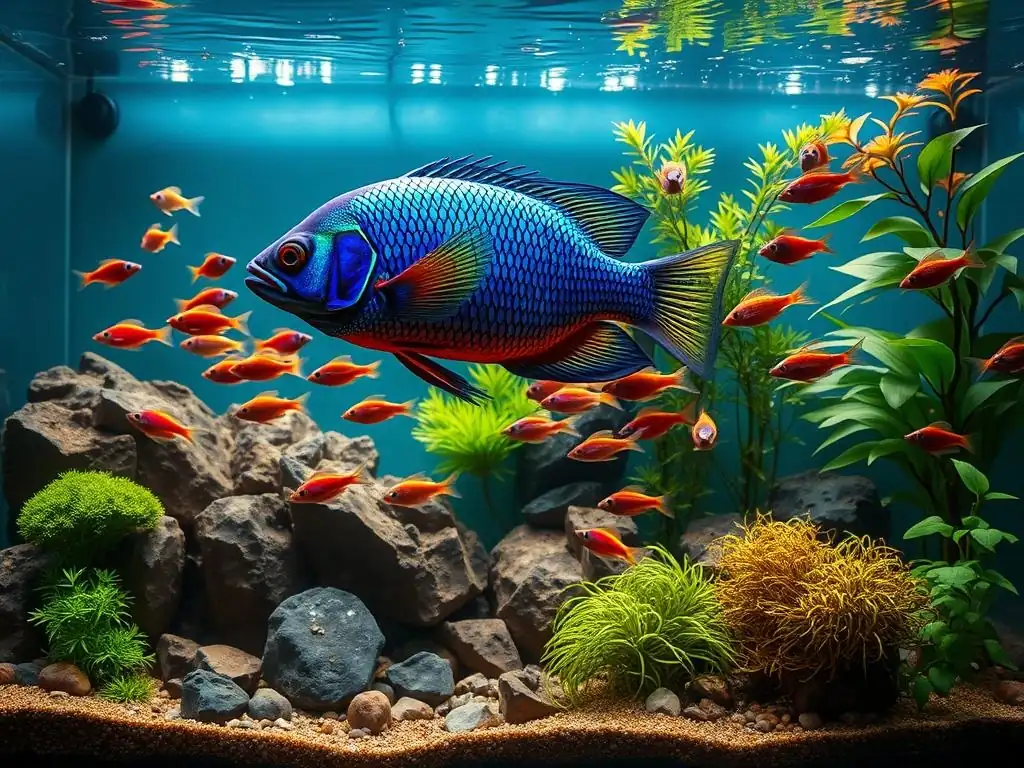
Welcome to Aquarium Mastery!
Ever wondered how to unlock the secrets to vibrant African cichlid breeding? From specialized diets that trigger spawning to optimal tank setups, we've got the expert guidance you need to transform your aquarium into a thriving breeding ground. Intrigued? Let's dive in and discover how to properly condition your cichlids for successful breeding!
- Understanding African Cichlid Breeding Requirements
- Optimizing Diet for African Cichlid Breeding
- Setting Up the Ideal Tank Environment for Breeding African Cichlids
- Stimulating Spawning Behavior in African Cichlids
- Post-Spawning Care: Protecting Fry and Ensuring Survival
- Troubleshooting Common Breeding Problems in African Cichlids
-
Frequently Asked Questions
- How does diet affect African Cichlid breeding success?
- What are the key components of an African Cichlid breeding diet?
- What role does tank setup play in African Cichlid breeding?
- How often should I feed my African Cichlids when preparing them for breeding?
- What are some common mistakes to avoid when conditioning African Cichlids for breeding?
- Final Reflection: Nurturing Life in the Aquarium
- Unlock Cichlid Breeding Secrets!
Understanding African Cichlid Breeding Requirements
Why Proper Conditioning is Crucial for Successful Breeding
Proper conditioning is paramount for ensuring successful breeding outcomes in African cichlids. It directly impacts the health and vitality of the parent fish, which in turn influences egg quality, fertilization rates, and the overall survival rate of the fry. A well-conditioned female will produce more viable eggs, typically ranging from 30 to 60 eggs for species like Pseudotropheus demasoni or Labidochromis caeruleus, compared to a poorly conditioned female who might lay fewer, often infertile eggs. This preparation ensures the female has sufficient energy reserves to undergo the demanding process of egg production and subsequent mouthbrooding, reducing stress-related complications.
Furthermore, conditioning strengthens the immune system of both male and female cichlids, making them more resilient to the stresses of spawning. Healthy, robust parents are less prone to disease outbreaks, which can be particularly devastating in a breeding setup. The enhanced vitality from proper conditioning also contributes to the male's fertility, ensuring higher sperm quality and thus a greater chance of successful fertilization. Without adequate preparation, breeders often face issues like low egg counts, high rates of infertile eggs, or even females reabsorbing or consuming their eggs due to stress or nutritional deficiencies.
Key Factors Influencing African Cichlid Spawning
Several key factors collectively influence the successful spawning of African cichlids, creating a synergistic environment where breeding is encouraged. The primary elements include a specialized African cichlid breeding diet, stable and appropriate water parameters, a meticulously designed tank setup, and compatible social dynamics within the aquarium. Each of these components plays a vital role, and neglecting any one can significantly hinder breeding efforts.
For instance, water parameters like temperature, pH, and hardness must fall within specific ranges that mimic their natural Rift Lake habitats. Many Mbuna species, for example, thrive and breed best in temperatures between 78-82°F (25.5-27.8°C), with a pH of 7.8-8.5, and hard water (150-300 ppm CaCO3). Deviations from these optimal conditions, even slight ones, can induce stress, suppress reproductive hormones, and ultimately inhibit spawning. Similarly, the availability of appropriate breeding sites, reduced aggression from tank mates, and a consistent light cycle are all critical environmental cues that signal to the fish that conditions are favorable for reproduction.
Optimizing Diet for African Cichlid Breeding
The Importance of a Nutritious African Cichlid Breeding Diet
A highly nutritious African cichlid breeding diet is fundamental for reproductive success. The quality of food directly impacts the development of healthy gonads in both sexes, ensuring the production of high-quality eggs and viable sperm. For females, a rich diet provides the essential building blocks and energy reserves necessary for vitellogenesis—the process of yolk formation within the eggs—which is crucial for the subsequent development and survival of fry. Without adequate nutrition, females may produce smaller egg clutches, eggs with insufficient yolk, or may even become egg-bound or reabsorb their eggs.
Moreover, a specialized African cichlid breeding diet bolsters the overall health and vigor of the parent fish, preparing them for the physically demanding process of spawning and, for females, the subsequent mouthbrooding period. A well-fed fish is less susceptible to stress-related diseases and can recover more quickly after breeding. Studies have indicated that a diet optimized for breeding can increase the number of viable eggs by as much as 10-15% compared to a general maintenance diet, leading to a higher yield of healthy fry and a more sustainable breeding program.
Essential Nutrients for Breeding Cichlids: Protein, Vitamins, and Minerals
For conditioning African cichlids for breeding, specific nutrients are paramount. High-quality protein is indispensable, serving as the primary building block for muscle tissue and, critically, for the development of reproductive organs and the production of eggs and milt. For many African cichlid species, particularly the omnivorous and herbivorous Mbuna, a protein content between 40-50% in their breeding diet is often recommended to support optimal gonad development without causing digestive issues like Malawi bloat. Sources like spirulina, krill, and high-quality fish meal are excellent choices.
Vitamins, particularly A, C, and E, play crucial roles in reproductive health and overall immunity. Vitamin A supports epithelial tissue health and vision, vital for courtship. Vitamin C is a powerful antioxidant that boosts the immune system and aids in collagen synthesis.
Vitamin E, often found in wheat germ, is widely recognized for its direct impact on fertility and reproductive performance, acting as an antioxidant that protects gametes from oxidative damage. Minerals such as calcium and phosphorus are essential for bone development and, in females, for egg shell formation and overall skeletal integrity, which can be depleted during repeated breeding cycles. Ensuring a balanced intake of these micronutrients through a varied African cichlid breeding diet is key to maximizing reproductive output and the health of future generations.
Best Food Choices for Conditioning Breeding African Cichlids
Live Foods: Brine Shrimp, Bloodworms, and Daphnia
Live foods are highly beneficial for conditioning African cichlids for breeding due to their high palatability and nutritional value, which can stimulate natural hunting instincts and improve overall vitality. Newly hatched brine shrimp (Artemia nauplii) are excellent, offering a rich source of protein and essential fatty acids. For adult fish, live adult brine shrimp or enriched brine shrimp can provide a significant boost to their African cichlid breeding diet.
Bloodworms (chironomid larvae) and Daphnia (water fleas) are also highly nutritious options. Bloodworms are rich in protein and iron, contributing to vibrant coloration and energy levels. Daphnia, being filter feeders, are good for gut loading with spirulina or other beneficial supplements before feeding, and their natural laxative effect can aid digestion. When using live foods, it is crucial to source them from reputable suppliers to minimize the risk of introducing diseases or parasites into the breeding tank. Feeding live foods 2-3 times per week, in addition to staple dry foods, can significantly enhance conditioning.
High-Quality Flake and Pellet Foods
High-quality flake and pellet foods should form the cornerstone of any African cichlid breeding diet. These prepared foods are formulated to provide a balanced array of essential nutrients, including proteins, fats, carbohydrates, vitamins, and minerals. Look for cichlid-specific formulas that list spirulina, krill, and various fish meals as primary ingredients, indicating a high protein content suitable for breeding. Brands like Hikari Cichlid Excel, New Life Spectrum Cichlid Formula, or Ocean Nutrition Cichlid Omni Flakes are often recommended by experienced breeders.
When selecting pellets, consider the size appropriate for your specific cichlid species to ensure easy consumption and proper digestion. For example, smaller Mbuna might prefer a 1mm pellet, while larger Peacock cichlids can handle 2-3mm pellets. Many premium flakes and pellets contain 35-45% crude protein, which is ideal for supporting reproductive health. These foods offer convenience and consistency, ensuring that your breeding pair receives a stable nutritional base without the risks associated with live food contamination.
Supplementing with Vegetables: Spirulina and Algae Wafers
Supplementing the African cichlid breeding diet with vegetable matter is absolutely crucial, especially for herbivorous and omnivorous African cichlids like many Mbuna species. A diet lacking sufficient vegetable matter can lead to serious digestive issues, most notably Malawi Bloat, which is often fatal. Spirulina, a blue-green algae, is an excellent source of plant-based protein (often over 50%), vitamins, and carotenoids, which enhance coloration and boost the immune system. Spirulina flakes or pellets should constitute a significant portion, ideally 60-70%, of the daily diet for Mbuna.
Algae wafers are another convenient way to provide essential plant matter. These sinking wafers are readily consumed by bottom-dwelling cichlids or those that graze on surfaces. They typically contain a high percentage of spirulina, kelp, and other plant-based ingredients. Incorporating these vegetable supplements ensures a balanced diet, aids digestion, and prevents the health problems associated with an overly protein-rich diet, thus promoting overall health and reproductive success.
Creating a Feeding Schedule to Promote Spawning
Establishing a consistent and varied feeding schedule is a key component of optimizing the African cichlid breeding diet and stimulating spawning. Rather than providing one large meal per day, it is more beneficial to offer 2-3 smaller feedings throughout the day.
This approach mimics their natural grazing behavior and allows for better nutrient absorption while minimizing the amount of uneaten food that can foul the water. For instance, a typical schedule might involve spirulina flakes in the morning, a high-quality protein pellet in the afternoon, and a small portion of live or frozen food (e.g., brine shrimp or bloodworms) in the evening, 3-4 times a week.
Varying the types of food offered daily helps ensure a comprehensive nutrient intake and keeps the fish engaged in feeding. For example, one day might feature a mix of spirulina flakes and pellets, while the next could include frozen mysis shrimp alongside their staple dry food. This varied schedule not only provides a complete African cichlid breeding diet but also helps to condition the fish by providing a consistent, high-energy food source, signaling that conditions are favorable for reproduction.
Avoiding Overfeeding: Maintaining Water Quality
While a robust African cichlid breeding diet is essential, avoiding overfeeding is equally critical for maintaining optimal water quality, which directly impacts breeding success. Overfeeding leads to uneaten food decaying in the tank, rapidly increasing ammonia and nitrite levels. Even low concentrations of these toxins, such as 0.25 ppm ammonia, can cause significant stress to fish, suppress their immune systems, and inhibit spawning. Furthermore, decaying food contributes to a rise in nitrates, which, while less toxic than ammonia or nitrite, can still be detrimental at levels above 20 ppm, particularly to sensitive breeding pairs and fry.
To prevent overfeeding, offer only what your cichlids can consume within 2-3 minutes. If food remains after this time, reduce the portion size for subsequent feedings. Regular removal of any uneaten food, along with consistent partial water changes, will help maintain pristine water conditions. This balance of providing a rich African cichlid breeding diet without compromising water quality is vital for creating a healthy environment conducive to successful reproduction.
Setting Up the Ideal Tank Environment for Breeding African Cichlids
Tank Size and Dimensions for Breeding African Cichlids: Mbuna and Malawi Cichlids
The choice of tank size and dimensions is a critical foundational step for successful African cichlid breeding, directly impacting aggression levels, territory establishment, and overall fish health. For a small breeding group of Mbuna (e.g., one male and three to four females), a 55-gallon (approximately 208 liters) tank is often considered a minimum. This size provides adequate swimming space and allows for the creation of multiple territories and hiding spots, which are crucial for dispersing aggression among these typically assertive fish.
For larger species like some Peacock cichlids ( Aulonocara spp.) or larger Haps ( Haplochromis spp. ), or for breeding larger groups, a 75-gallon (284 liters) or even 125-gallon (473 liters) tank is highly recommended.
When considering dimensions, the footprint (length and width) of the tank is generally more important than its height for African cichlids, as they tend to swim horizontally and establish territories along the substrate and rockwork. A longer tank, such as a 75-gallon (48" L x 18" W x 21" H), provides more linear space for distinct territories compared to a taller, narrower tank of the same volume, significantly reducing stress and promoting breeding behavior.
Water Parameters: Achieving Optimal Conditions for Spawning
Temperature, pH, and Water Hardness
Achieving and maintaining precise water parameters is paramount for stimulating and sustaining African cichlid breeding. Most African Rift Lake cichlids, including Mbuna and Peacock cichlids, originate from environments characterized by specific conditions. The ideal temperature range for breeding is typically 78-82°F (25.5-27.8°C), as this range encourages metabolic activity and reproductive cycles. Temperatures outside this range can stress the fish and inhibit spawning.
Furthermore, these cichlids require hard, alkaline water. A pH level between 7.8 and 8.5 is generally optimal, with some species tolerating slightly higher or lower values. The water hardness should be high, typically ranging from 150-300 ppm CaCO3 (equivalent to 8-16 dGH, or German degrees of hardness). Consistent parameters are more important than hitting exact numbers, as sudden fluctuations can be highly stressful. Regular testing with reliable kits (e.g., API Freshwater Master Test Kit) is essential to monitor and maintain these conditions, ensuring a stable environment conducive to successful African cichlid breeding.
Maintaining Water Quality: Regular Water Changes and Filtration
Beyond specific parameters, the overall purity and stability of the water are fundamental for successful African cichlid breeding. High water quality, characterized by low levels of nitrates, phosphates, and other dissolved organic compounds, directly correlates with fish health and reproductive vigor.
Regular partial water changes are the most effective method for achieving this; weekly water changes of 25-30% are commonly recommended to keep nitrate levels below 20 ppm, which is crucial for preventing stress and promoting spawning. For heavily stocked breeding tanks, or those with a rich African cichlid breeding diet, more frequent or larger water changes may be necessary.
Effective filtration is equally vital. A robust filtration system, typically consisting of biological, mechanical, and chemical filtration, is necessary to process the significant bioload produced by cichlids. Using an external canister filter or multiple hang-on-back filters rated for at least twice the tank's actual volume can provide superior water clarity and stability.
Biological filtration, provided by beneficial bacteria in the filter media, converts toxic ammonia and nitrite into less harmful nitrates. Mechanical filtration removes particulate matter, while chemical filtration (e.g., activated carbon) removes dissolved organic pollutants and odors. A well-maintained filtration system, combined with diligent water changes, creates the pristine environment essential for African cichlid breeding success.
Substrate and Decor: Creating a Natural Breeding Environment
Choosing the Right Substrate
The choice of substrate is an important consideration when setting up a tank for African cichlid breeding, particularly for mouthbrooding species. A fine sand substrate, such as aragonite sand or fine silica sand, is generally recommended. A depth of 2-3 inches (5-7.5 cm) is ideal, allowing males to dig and create spawning pits, which is a natural behavior for many species like Metriaclima estherae or Aulonocara spp. Sand also provides a natural environment for sifting, a behavior many cichlids exhibit while foraging for food particles.
Aragonite sand has the added benefit of naturally buffering the water, helping to maintain the high pH and hardness levels preferred by African cichlids. While gravel can be used, fine sand is superior as it is less likely to trap detritus and is easier for the fish to manipulate during courtship and spawning. Avoiding coarse, sharp gravel is important, as it can injure delicate mouthbrooding females during their egg collection process.
Providing Caves and Rockwork
Providing ample caves and rockwork is absolutely essential for successful African cichlid breeding, as it mimics their natural rocky Rift Lake habitats and plays a crucial role in territory establishment and stress reduction. These structures offer vital hiding spots for subordinate fish and, most importantly, provide secure spawning sites for dominant males and safe havens for mouthbrooding females. For species like Mbuna, which are highly territorial, creating numerous caves and crevices using Texas Holey Rock, lava rock, or slate allows dominant males to establish distinct territories and display courtship behaviors without excessive aggression towards other tank inhabitants.
It is advisable to create at least one cave or hiding spot per fish, plus additional sites specifically for spawning. Stacking rocks securely, either by interlocking them or using aquarium-safe silicone, is paramount to prevent collapses that could harm fish or damage the tank. A common practice is to dedicate 30-40% of the tank volume to rock structures, ensuring a complex environment that reduces stress and encourages natural breeding behaviors. This intricate decor not only enhances the aesthetic appeal but fundamentally supports the social dynamics and reproductive success of your African cichlids.
Lighting Considerations
Lighting, while often overlooked, plays a subtle yet important role in stimulating African cichlid breeding. A consistent photoperiod that mimics natural daylight cycles is crucial for maintaining the fish's circadian rhythms and overall health. Generally, 10-12 hours of moderate lighting per day is sufficient. This consistent light cycle signals to the fish the stability of their environment, which is a contributing factor to their readiness to breed.
Avoid excessively bright lighting, which can stress some species, particularly those that prefer dimmer conditions or originate from deeper waters. Conversely, insufficient light can suppress natural behaviors. While specialized lighting (e.g., for plant growth) is not necessary for a cichlid-only tank, a standard full-spectrum LED or fluorescent light fixture that provides adequate illumination for viewing and supports a healthy tank environment is ideal. A timer can be used to ensure precise and consistent light cycles, further promoting a stable environment conducive to African cichlid breeding.
Minimizing Stress: Tank Mates and Environmental Factors
Minimizing stress is paramount for successful African cichlid breeding, as stressed fish are less likely to spawn and more susceptible to disease. The choice of tank mates is a primary consideration. Ideally, African cichlids intended for breeding should be kept in a species-only tank or with highly compatible species that do not compete for resources or territory.
For polygamous species like Mbuna, maintaining a high female-to-male ratio (e.g., 3-5 females per male) is crucial. This strategy helps to disperse male aggression, preventing any single female from being overly harassed and allowing her to recover and re-condition between spawns, thereby increasing overall African cichlid breeding output.
Beyond tank mates, other environmental factors contribute to stress. Sudden changes in water parameters, fluctuating temperatures, excessive noise or vibrations near the tank, and even too much human activity can disrupt breeding behavior. Ensuring a stable environment with consistent water quality, a reliable African cichlid breeding diet, and minimal external disturbances will create a calm atmosphere where cichlids feel secure enough to reproduce. Providing ample hiding spots and visual breaks within the tank also helps subordinate fish escape aggression, further reducing overall stress levels in the breeding population.
Stimulating Spawning Behavior in African Cichlids
Identifying Breeding Pairs and Signs of Readiness
Identifying breeding pairs and recognizing their signs of readiness is a crucial step in successful African cichlid breeding. Males typically display intensified coloration, becoming more vibrant and showcasing their breeding dress to attract females. Their egg spots on the anal fin may become more pronounced and defined. Males will also exhibit territorial behavior, vigorously defending a chosen spawning site—often a flat rock, a cave, or a depression dug in the sand. They may engage in elaborate courtship dances, flaring fins and circling the female to entice her.
Females, when ready to spawn, will appear noticeably fuller in the abdomen due to the presence of ripe eggs. They may also display a willingness to enter the male's territory and participate in the courtship ritual, often nudging or mouthing the male's anal fin. Observing these behavioral cues, such as the female's acceptance of the male's advances and her increased interest in the spawning site, indicates that the pair is prepared to breed.
Simulating Natural Breeding Triggers: Water Changes and Temperature Fluctuations
Simulating natural environmental triggers can significantly stimulate spawning behavior in African cichlids. In their natural Rift Lake habitats, fish often breed during periods of increased rainfall, which can lead to slight changes in water chemistry and temperature. Replicating this in the aquarium can induce a breeding response. A common technique involves performing a large water change, typically 50% or more, using water that is slightly cooler (2-3°F or 1-1.5°C lower) than the tank's current temperature.
This sudden influx of cooler, fresh water can mimic the onset of a rainy season, signaling to the fish that conditions are optimal for reproduction. Following the water change, the tank temperature will gradually return to its set point, which can further act as a trigger. This method, combined with a high-quality African cichlid breeding diet, often encourages even reluctant pairs to spawn within a few days of the water change.
Observing and Monitoring Breeding Behavior
Careful observation and monitoring of breeding behavior are essential for successful African cichlid breeding, allowing the aquarist to understand the progression of spawning and intervene if necessary. Once a pair has been conditioned and environmental triggers applied, courtship typically intensifies. The male will lead the female to his chosen spawning site, where they will engage in a circular dance. The female will lay a small batch of eggs, usually 5-10 at a time, and then immediately pick them up into her mouth.
As she picks up the eggs, the male will display his egg spots on his anal fin. The female, mistaking these for more eggs, will attempt to pick them up, at which point the male releases milt, fertilizing the eggs in her mouth. This process repeats until all eggs are laid and collected.
The entire spawning ritual can last anywhere from 30 minutes to over an hour. After spawning, the female will typically retreat to a quiet, secluded hiding spot to begin her mouthbrooding period, which for many species like Melanochromis cyaneorhabdos (Maingano) lasts approximately 18-21 days. Continuous monitoring ensures the female is not overly stressed and allows for timely intervention if aggression arises or if the female needs to be moved for fry protection.
Post-Spawning Care: Protecting Fry and Ensuring Survival
Moving Fry to a Separate Grow-Out Tank
After the female African cichlid has successfully spawned and is mouthbrooding, the critical next step for ensuring fry survival is often to move her, or the fry, to a separate grow-out tank. For many breeders, the preferred method is to "strip" the female of her fry after about 18-21 days of holding, just before they are free-swimming.
This process involves gently extracting the fry from the female's mouth, which protects them from being eaten by other tank inhabitants and allows the female to recover quickly. A dedicated grow-out tank, typically a 10-gallon (38 liters) or 20-gallon (76 liters) aquarium, is ideal for raising a batch of 20-50 fry.
The grow-out tank should be set up with stable water parameters mirroring the main tank, a gentle sponge filter to prevent the tiny fry from being sucked in, and perhaps a small heater to maintain optimal temperature. This isolation provides a safe, controlled environment where the fry can grow without competition for food or the threat of predation, significantly increasing their survival rate compared to leaving them in the main breeding tank.
Feeding Fry: First Foods and Growth Stages
Feeding African cichlid fry correctly is crucial for their rapid growth and healthy development. Their first foods should be highly nutritious and appropriately sized. Newly hatched brine shrimp (Artemia nauplii) are widely considered the best initial food due to their high protein and essential fatty acid content, which are vital for rapid growth. Fry should be fed small amounts of newly hatched brine shrimp 3-5 times a day for the first few weeks to ensure they receive a constant supply of nutrients.
As the fry grow, typically after 2-3 weeks, their African cichlid breeding diet can gradually be diversified. Finely crushed high-quality flake food, specifically formulated for cichlids and rich in spirulina, can be introduced. Micro-pellets designed for fry are also excellent options. The goal is to gradually transition them to larger foods as they mature, ensuring they receive a balanced diet that supports their continued development into healthy juvenile cichlids.
Maintaining Water Quality in the Fry Tank
Maintaining pristine water quality in the fry tank is even more critical than in the adult tank, as fry are exceptionally sensitive to pollutants. Due to frequent feedings with highly nutritious, sometimes messy, foods, waste can accumulate quickly. Therefore, daily 10-20% water changes are often necessary to prevent the buildup of ammonia, nitrite, and nitrates. Even low levels of these toxins, which adult fish might tolerate, can be fatal to delicate fry or severely stunt their growth.
A gentle sponge filter is usually the preferred method for filtration in a fry tank. Sponge filters provide excellent biological filtration without creating strong currents that could stress or injure the tiny fry. They also prevent fry from being sucked into the filter intake. Regular cleaning of the sponge filter and siphoning of any uneaten food or detritus from the tank bottom are essential practices to ensure a clean, stable environment that promotes healthy fry development.
Preventing Disease and Ensuring Healthy Fry Development
Preventing disease is paramount for ensuring healthy African cichlid fry development and survival. The primary strategy is to maintain consistently high water quality and provide a nutritious African cichlid breeding diet from the moment they are free-swimming. Stable water parameters, including temperature (e.g., within a 1°F range) and pH, reduce stress, which is a major factor in disease susceptibility. Regular, small water changes are key to diluting pollutants and preventing the proliferation of harmful bacteria.
Furthermore, overfeeding should be strictly avoided, as excess food quickly fouls the water and can lead to bacterial infections. Any new fish or live food cultures introduced to the system should be quarantined to prevent the introduction of pathogens. Observing the fry daily for any signs of illness, such as lethargy, clamped fins, or abnormal swimming, allows for early intervention. A proactive approach to husbandry, rather than reactive treatment, is the most effective way to ensure a high survival rate and the robust development of your African cichlid fry.
Troubleshooting Common Breeding Problems in African Cichlids
Egg Eating: Causes and Prevention Strategies
Egg eating by mouthbrooding African cichlid females is a frustrating but common problem, often indicative of underlying issues. One primary cause is stress, which can stem from an overly aggressive male, insufficient hiding spots in the tank, or poor water quality. If a female feels constantly harassed or exposed, she may reabsorb or consume her eggs to conserve energy or avoid further stress. Nutritional deficiencies in her African cichlid breeding diet can also lead to egg eating, as she might reabsorb the eggs for their nutrients if her body is depleted.
Prevention strategies focus on mitigating these stressors. Ensuring ample rockwork and caves (e.g., providing at least one safe retreat per fish) allows the female to escape aggression. Maintaining pristine water parameters and a stable environment also reduces stress.
If the female is consistently eating eggs, gently stripping her of the eggs after 18-21 days of holding and raising the fry in a separate tank is often the most reliable solution. For newly acquired females, allowing them to acclimate fully to the tank and conditioning them with a rich African cichlid breeding diet for several weeks before attempting to breed can also reduce the likelihood of egg eating.
Infertile Eggs: Identifying and Addressing the Issue
Infertile eggs are a common problem in African cichlid breeding, characterized by eggs that fail to develop and often appear opaque or white, sometimes with a fungal growth, within 24-48 hours of being laid. Viable eggs, in contrast, remain clear or amber. The primary cause of infertile eggs is often the male's inability to fertilize them, which can be due to poor sperm quality, male immaturity, or a lack of proper conditioning. A male's African cichlid breeding diet that is deficient in essential amino acids or vitamins, particularly Vitamin E, can significantly impact sperm viability.
Addressing infertile eggs involves improving the male's condition through a highly nutritious and varied African cichlid breeding diet. Ensure he is receiving adequate protein and essential fatty acids. If the male is young, he may simply need more time to mature sexually.
Additionally, suboptimal water parameters, such as pH levels outside the ideal range (e.g., below 7.5 for most Rift Lake cichlids) or fluctuating temperatures, can also contribute to infertility in both sexes. Performing larger, slightly cooler water changes can sometimes stimulate male fertility and overall breeding vigor. If the issue persists with a well-conditioned male, considering a different male or introducing new bloodlines may be necessary.
Aggression Issues During Breeding: Solutions and Management
Aggression is a natural component of African cichlid behavior, especially during breeding, but excessive aggression can lead to stress, injury, or even death among tank inhabitants. Male African cichlids, particularly Mbuna, become highly territorial when attempting to spawn, often relentlessly harassing females or other males. A common solution to disperse aggression is to maintain a high female-to-male ratio, typically 3-5 females per male for polygamous species. This spreads the male's attention across multiple females, reducing the burden on any single individual.
Another effective strategy is "overstocking" the tank, where a slightly higher density of fish (e.g., 1 fish per 2-3 gallons) can actually reduce individual aggression by preventing any one fish from establishing a dominant territory. However, this strategy requires excellent filtration and diligent water changes to maintain water quality. Providing an abundance of visual breaks, caves, and rockwork also allows subordinate fish to escape and hide. If a specific male is excessively aggressive, he may need to be temporarily removed, or even permanently separated, to maintain peace and promote successful African cichlid breeding.
Maintaining a Healthy Breeding Population
Maintaining a healthy African cichlid breeding population over time requires ongoing attention to genetics, health, and environmental stability. One crucial aspect is avoiding excessive inbreeding, which can lead to inbreeding depression—a reduction in genetic diversity that manifests as smaller fry, reduced fertility, increased susceptibility to disease, and deformities after a few generations (typically 3-4). To combat this, it is advisable to periodically introduce new, unrelated breeding stock (new bloodlines) into your population every 1-2 years.
Continuous optimal care, including a consistent African cichlid breeding diet, pristine water quality, and appropriate tank conditions, is fundamental. Regular observation for any signs of disease or stress allows for prompt intervention, preventing localized outbreaks from impacting the entire breeding colony. Culling individuals with poor health, deformities, or undesirable traits helps to maintain the overall quality and vigor of the breeding line. By actively managing these factors, aquarists can ensure a robust, productive, and genetically diverse African cichlid breeding population for years to come.
Frequently Asked Questions
How does diet affect African Cichlid breeding success?
A proper diet is essential for successful African cichlid breeding. It ensures that the fish have the necessary nutrients to produce healthy eggs and sperm. A varied and nutritious diet can also improve overall health and vitality, making them more likely to breed.
What are the key components of an African Cichlid breeding diet?
The ideal diet should include a mix of high-quality protein, vitamins, and minerals. Look for foods specifically formulated for African cichlids, containing ingredients like spirulina, krill, and insect-based protein. Avoid overfeeding and ensure a balanced diet.
What role does tank setup play in African Cichlid breeding?
A suitable tank setup is crucial for triggering breeding behavior. This includes appropriate water parameters, ample hiding places, and the right substrate. The tank should also be free of aggressive tank mates to reduce stress.
How often should I feed my African Cichlids when preparing them for breeding?
Increase feeding frequency to 2-3 times per day with smaller portions. This ensures they receive enough nutrients without overfeeding. Offer a variety of foods to stimulate their appetites and provide a balanced diet.
What are some common mistakes to avoid when conditioning African Cichlids for breeding?
Avoid overcrowding the tank, as this can cause stress and inhibit breeding. Also, don't neglect water changes, as clean water is vital for healthy fish and successful breeding. Finally, avoid incompatible tank mates that might harass or injure the breeding pair.
Final Reflection: Nurturing Life in the Aquarium
The insights shared in this article, focusing on the crucial role of diet and tank setup in conditioning African Cichlids for breeding, are more than just tips for aquarists; they represent a commitment to responsible fishkeeping and the preservation of biodiversity. In a world increasingly disconnected from nature, the ability to successfully breed these vibrant creatures offers a tangible connection to the wonders of the aquatic world and a small but significant contribution to their continued existence.
This journey into the world of African Cichlid breeding has underscored the profound impact of informed care on the lives of these fascinating fish. Understanding their dietary needs and replicating their natural habitat is not merely a technical exercise, but a testament to our respect for life and our willingness to learn from the natural world. In the end, we will conserve only what we love; we will love only what we understand; and we will understand only what we are taught.
- Baba Dioum. This quote perfectly encapsulates the importance of education and understanding in fostering a deeper appreciation for the delicate balance of aquatic ecosystems.
As you embark on your own journey to breed African Cichlids, remember that patience, observation, and a genuine commitment to their well-being are paramount. Let the knowledge shared here empower you to create thriving aquatic environments, contributing to the health and vitality of these remarkable fish. Take the time to truly understand their needs, and you will be rewarded with the breathtaking spectacle of new life flourishing in your own aquarium.
Unlock Cichlid Breeding Secrets!
Thank you for diving into the world of African Cichlids! We hope you found these diet and tank setup tips valuable for preparing your fish for breeding. Now, let's put that knowledge into action.
Here’s how you can take the next steps:
- Start today by adjusting your cichlids' diet. Gradually introduce more protein-rich foods to mimic their natural breeding season diet and observe their response.
- Share this article with a fellow cichlid enthusiast! Spreading knowledge helps build a thriving community of passionate aquarists.
- Document your cichlid breeding journey! Start a journal (or a dedicated folder on your computer) to track diet changes, water parameters, and observed behaviors. Analyzing these notes later can be incredibly insightful.
What specific diet changes are you most excited to implement in your cichlid tank?