
Designing a Dream Tank for Your Pearl Gourami: Lush Plants & Serene Waters

Welcome to Aquarium Mastery!
Ever dreamed of creating a slice of aquatic paradise specifically tailored for your Pearl Gourami? Dive in and discover the secrets to a breathtaking and thriving tank. We'll unlock the design principles that will transform your aquarium into a haven of lush plants and serene waters, perfectly suited for these elegant fish. Curious to learn more? Let's get started!
- Understanding the Pearl Gourami for Optimal Tank Design
-
Key Elements of a Pearl Gourami Tank Design
- Tank Size Considerations for Pearl Gouramis: Ensuring Adequate Space
- Substrate Selection: Choosing the Right Bottom Layer for Your Pearl Gourami Tank
- Filtration and Water Circulation: Maintaining Pristine Water Quality
- Lighting for a Pearl Gourami Aquarium: Balancing Aesthetics and Plant Growth
- Heating and Temperature Control: Keeping Your Gourami Comfortable
- Lush Plant Selection for Your Pearl Gourami Aquarium
- Decor and Hardscape Ideas for a Serene Gourami Environment
- Tank Mates for Pearl Gouramis: Choosing Compatible Species
- Setting Up Your Pearl Gourami Tank: A Step-by-Step Guide
- Maintaining a Healthy and Thriving Pearl Gourami Tank
- Frequently Asked Questions
- Final Reflection: Cultivating Aquatic Harmony
- Unlock Your Gourami's Paradise!
Understanding the Pearl Gourami for Optimal Tank Design
Pearl Gourami Natural Habitat and Its Influence on Tank Setup
The Pearl Gourami ( Trichopodus leerii) originates from the slow-moving, heavily vegetated waters of Southeast Asia, specifically found in countries like Thailand, Malaysia, Borneo, and Sumatra. These environments are typically characterized by dense aquatic plant growth, submerged roots, and sometimes a dark, tannin-stained "blackwater" appearance due to decaying leaf litter. The water flow in these natural habitats is generally gentle, providing a calm and secure environment for these peaceful fish.
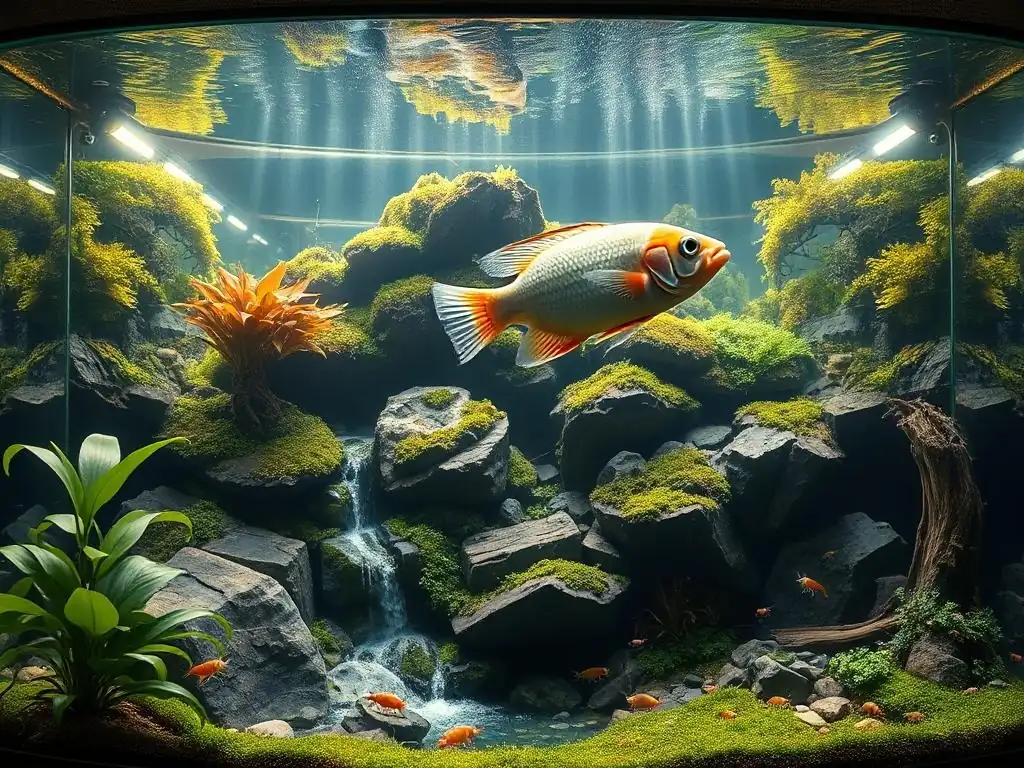
Understanding this natural environment is crucial for successful Pearl Gourami tank design. To replicate their native conditions, a well-designed Pearl Gourami tank should feature dense planting, offering ample hiding spots and visual barriers. Dim lighting, perhaps achieved through floating plants or lower wattage LEDs, can further mimic the subdued light penetration of their natural habitat, making the fish feel more secure and encouraging their vibrant coloration.
Ideal Water Parameters for Pearl Gourami Health and Well-being
Maintaining stable and appropriate water parameters is paramount for the health and longevity of your Pearl Gourami. These fish thrive in warm, slightly acidic to neutral water. Ideal temperatures range from 75-82°F (24-28°C). The pH level should be kept between 6.0 and 7.5, with a general hardness (dGH) of 5-15 dGH. These parameters support their metabolic functions and osmoregulation, preventing stress and susceptibility to disease.
Consistency in these parameters is even more important than hitting exact numbers, as fluctuations can be highly stressful for fish. Regular testing, ideally weekly or bi-weekly, using a reliable liquid test kit is recommended to monitor ammonia, nitrite, nitrate, pH, and temperature. Any significant deviations should be addressed promptly through controlled water changes or other appropriate adjustments to maintain a healthy Pearl Gourami tank environment.
Pearl Gourami Behavior: Creating a Stress-Free Environment
Pearl Gouramis are generally peaceful and shy fish, known for their calm demeanor. While they are not schooling fish, they can be kept in pairs or small groups, though male gouramis may display territorial behavior towards each other, especially in smaller tanks. They possess a labyrinth organ, allowing them to breathe atmospheric air, which means they frequently visit the water surface.
To create a stress-free environment within your Pearl Gourami tank design, it's essential to provide numerous hiding spots and areas where they can retreat if feeling threatened or during territorial disputes. Dense planting, driftwood, and rock formations that break up lines of sight are excellent for this purpose. Ensuring easy access to the water surface for air breathing is also vital. A calm and unhurried tank environment, free from aggressive or overly boisterous tank mates, will allow your Pearl Gouramis to display their natural, serene behavior.
Key Elements of a Pearl Gourami Tank Design
Tank Size Considerations for Pearl Gouramis: Ensuring Adequate Space
When planning your Pearl Gourami tank design, providing adequate space is fundamental for their health and happiness. For a single Pearl Gourami, a minimum tank size of 20 gallons (approximately 75 liters) is recommended. This allows sufficient swimming room and helps maintain stable water parameters. However, for a pair or a small group (e.g., one male and two females), a larger tank of 30 gallons (113 liters) or ideally 40+ gallons (150+ liters) is much preferred.
Pearl Gouramis can grow to a size of 4-5 inches (10-12 cm) in length, making a larger footprint more beneficial than just height. A wider tank provides more horizontal swimming space and a larger surface area for gas exchange, which is important for their labyrinth breathing. Overcrowding can lead to stress, aggression, and poor water quality, undermining the success of your Pearl Gourami tank.
Substrate Selection: Choosing the Right Bottom Layer for Your Pearl Gourami Tank
The choice of substrate plays a significant role in the overall aesthetic and functionality of your Pearl Gourami tank design. Fine gravel or sand is the preferred substrate for these fish. Their delicate ventral fins, which act as sensory organs, can be easily damaged by sharp or coarse substrates. A fine substrate also allows for easier planting of live aquatic plants, which are crucial for a thriving gourami environment.
A substrate depth of 2-3 inches (5-7.5 cm) is generally sufficient for anchoring most aquatic plants. If you plan for a heavily planted Pearl Gourami aquarium, a nutrient-rich plant substrate can be used beneath a cap of inert sand or gravel to provide essential nutrients for root-feeding plants. Always rinse any new substrate thoroughly before adding it to the tank to remove dust and debris.
Filtration and Water Circulation: Maintaining Pristine Water Quality
Pristine water quality is non-negotiable for a healthy Pearl Gourami tank. A robust filtration system is essential to manage biological waste, mechanical debris, and chemical impurities. Hang-On-Back (HOB) filters, canister filters, or even sponge filters can be effective, with canister filters often providing superior biological and chemical filtration for larger tanks. Aim for a filter that can process the tank's volume 4-6 times per hour to ensure efficient water turnover.
While strong filtration is important, Pearl Gouramis prefer gentle water movement. High-flow environments can stress them, making it difficult for them to navigate and rest. If your filter creates a strong current, consider diffusing the outflow with a spray bar, baffled output, or by positioning decor to break the flow. Regular filter maintenance, such as rinsing mechanical media in old tank water, is crucial to maintain optimal performance without crashing the beneficial bacterial colony.
Lighting for a Pearl Gourami Aquarium: Balancing Aesthetics and Plant Growth
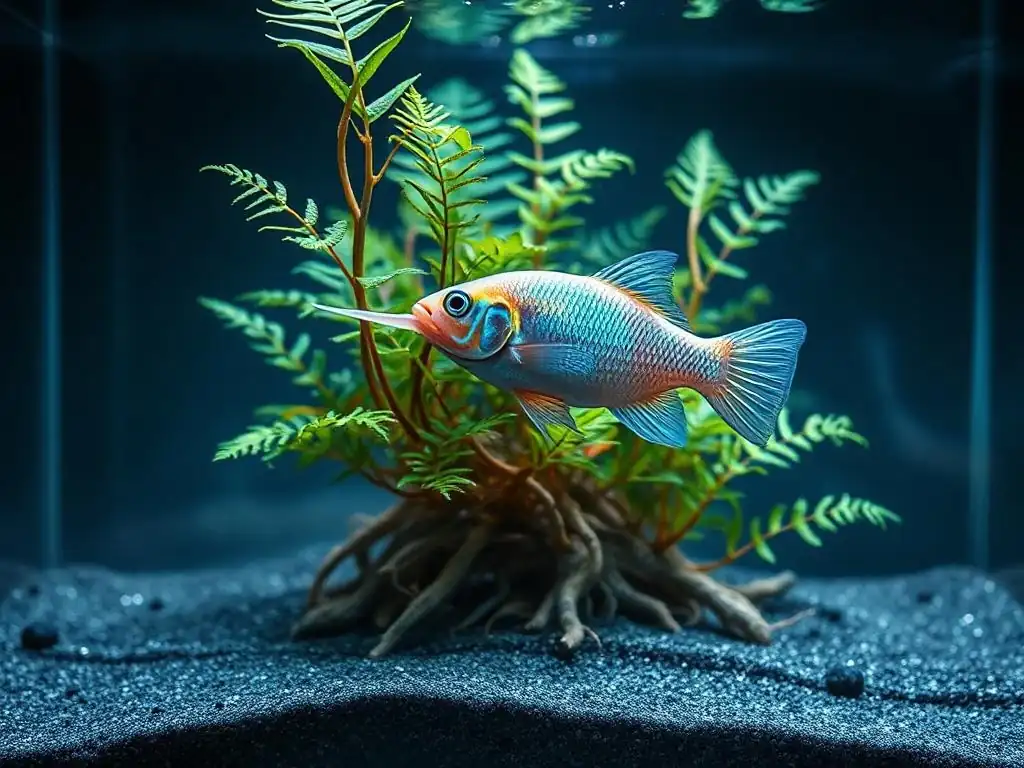
The lighting in a Pearl Gourami aquarium should be carefully selected to benefit both the fish and any live plants. Pearl Gouramis prefer subdued lighting conditions, which mimic their naturally shaded habitats. Bright, intense lighting can stress them, causing them to hide more frequently and potentially dulling their vibrant colors.
For planted Pearl Gourami tank designs, moderate lighting is usually sufficient for a wide range of popular aquarium plants, such as Anubias, Java Fern, and Cryptocorynes. If using higher-intensity lights for more demanding plants, consider incorporating floating plants like Amazon Frogbit or Dwarf Water Lettuce to diffuse the light and create shaded areas below. A photoperiod of 8-10 hours per day is ideal for plant growth and to prevent excessive algae growth.
Heating and Temperature Control: Keeping Your Gourami Comfortable
Maintaining a stable and appropriate temperature is critical for the well-being of Pearl Gouramis, as they are tropical fish. An aquarium heater is indispensable for keeping the water temperature consistently within their preferred range of 75-82°F (24-28°C). A general guideline for heater wattage is 5 watts per gallon (approximately 1.25 watts per liter) of tank volume, though this can vary based on ambient room temperature. For instance, a 100-watt heater is often suitable for a 20-gallon tank in a typical home environment.
Position the heater near the filter outflow or in an area with good water circulation to ensure even heat distribution throughout the Pearl Gourami tank. Always use an accurate aquarium thermometer to monitor the water temperature daily. Stable temperatures prevent stress and bolster the fish's immune system, making them less susceptible to common diseases.
Lush Plant Selection for Your Pearl Gourami Aquarium
Plants That Provide Shelter and Security for Pearl Gouramis
Creating a sense of security is paramount for Pearl Gouramis, and live plants are the best way to achieve this. Plants like Java Fern ( Microsorum pteropus), Anubias species ( Anubias barteri), and various Cryptocoryne species ( Cryptocoryne wendtii, Cryptocoryne undulata) are excellent choices. These plants offer broad leaves and dense foliage that provide ample hiding spots and break up lines of sight, reducing stress for these shy fish.
Additionally, background plants such as Amazon Swords ( Echinodorus amazonicus) or Vallisneria species ( Vallisneria spiralis) can create a lush, natural backdrop, further enhancing the feeling of security. Dense planting, especially in the mid-ground and background, mimics their natural habitat and encourages the gouramis to explore their environment confidently, showcasing their beautiful patterns.
Plants That Help Maintain Water Quality and Balance
Beyond aesthetics and shelter, live plants play a crucial role in maintaining optimal water quality in your Pearl Gourami tank. Fast-growing plants like Hornwort ( Ceratophyllum demersum), Water Wisteria ( Hygrophila difformis), and various stem plants (e.g., Rotala, Ludwigia) are highly effective at absorbing nitrates, phosphates, and other waste compounds produced by fish and decaying matter. This natural filtration helps keep nitrate levels low and reduces the frequency of large water changes.
Furthermore, aquatic plants oxygenate the water through photosynthesis, contributing to a healthier environment for your Pearl Gouramis. A well-planted tank creates a stable, balanced ecosystem where beneficial bacteria can thrive, further aiding in the nitrogen cycle. This symbiotic relationship between plants and fish is a cornerstone of a successful Pearl Gourami tank design.
Low-Maintenance Plant Options for a Thriving Pearl Gourami Tank
For aquarists seeking a lush Pearl Gourami tank design without extensive maintenance, several low-maintenance plant options are available. Plants like Java Moss ( Taxiphyllum barbieri), Anubias, and Java Fern are incredibly hardy and require minimal light and fertilization. They can be attached to driftwood or rocks, eliminating the need for substrate planting. Marimo Moss Balls ( Aegagropila linnaei) are another excellent, easy-care choice that adds a unique texture.
These low-maintenance plants are forgiving of beginner mistakes and do not require CO2 injection or specialized high-intensity lighting. Despite their ease of care, they still provide essential cover, contribute to water quality, and create a natural aesthetic, making them perfect for ensuring a thriving environment for your Pearl Gouramis.
Creating a Natural and Aesthetically Pleasing Planted Tank
Designing a planted Pearl Gourami tank that is both natural and aesthetically pleasing involves thoughtful aquascaping. Utilize the "rule of thirds" to create focal points and balance within the tank. Varying plant heights, textures, and leaf shapes adds visual interest. For instance, place tall, background plants at the rear, mid-ground plants like Cryptocorynes in the middle, and low-growing foreground plants or open substrate areas at the front.
Consider creating open swimming spaces alongside densely planted zones. This allows the Pearl Gouramis ample room to explore and display their natural behaviors while still having immediate access to cover. A natural Pearl Gourami tank design that mimics their wild habitat not only looks beautiful but also significantly contributes to the fish's well-being and reduces stress levels.
Decor and Hardscape Ideas for a Serene Gourami Environment
Driftwood and Rock Formations: Adding Natural Elements
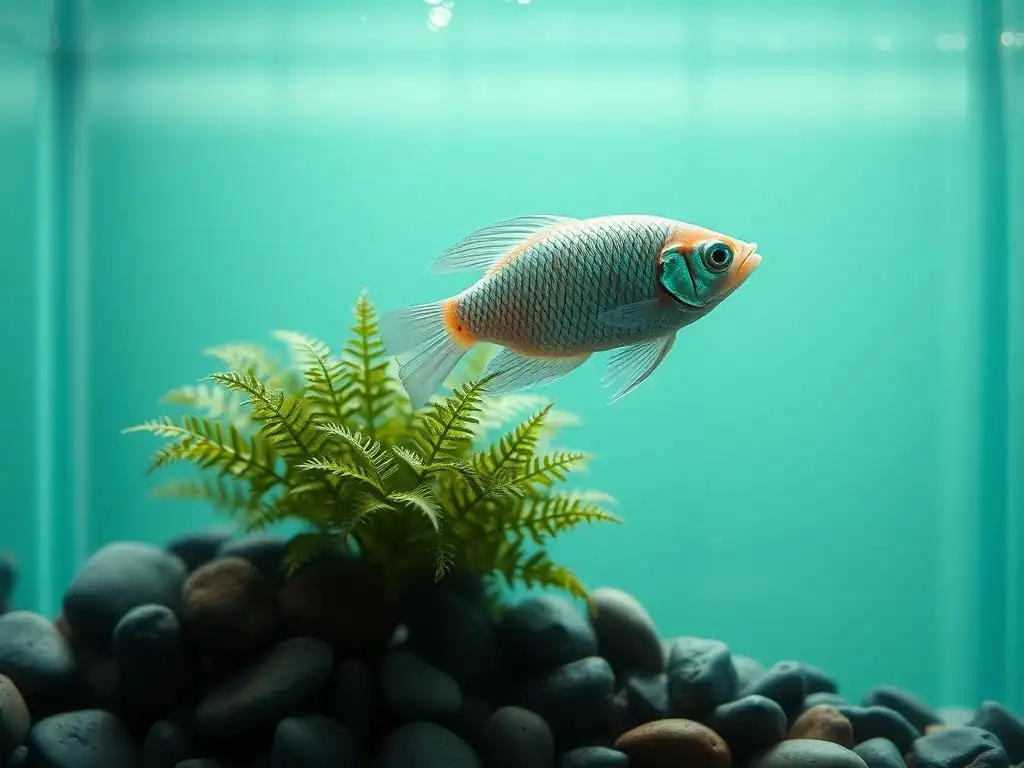
Driftwood and smooth rock formations are excellent hardscape elements for a serene Pearl Gourami tank design. Driftwood, such as Malaysian, Manzanita, or Cholla wood, can release beneficial tannins into the water, subtly lowering pH and mimicking the blackwater conditions found in some of their natural habitats. It also provides surfaces for beneficial biofilm growth and offers numerous nooks and crannies for hiding.
When selecting rocks, opt for smooth, inert types like river stones or lava rock that won't leach harmful minerals or significantly alter water chemistry. Arrange them to create natural-looking caves, ledges, and visual barriers. Ensure any stacked rocks are stable and won't topple over. These natural elements enhance the aesthetic appeal and provide essential structural complexity for your Pearl Gourami tank.
Creating Caves and Hiding Places for Pearl Gouramis
Providing ample caves and hiding places is crucial for the shy and sometimes timid Pearl Gourami. These fish feel more secure when they have places to retreat, especially during rest periods or if feeling threatened by tank mates. Driftwood with natural crevices, ceramic caves, or even carefully arranged smooth rocks can serve this purpose.
Aim for multiple hiding spots throughout the Pearl Gourami tank, particularly if keeping more than one gourami or if they share the tank with other species. This helps diffuse potential territoriality and ensures every fish has a safe haven. Ensure that any hiding places are easily accessible, have no sharp edges, and are not dead ends where a fish could become trapped.
Avoiding Sharp or Abrasive Decorations
When selecting decorations for your Pearl Gourami tank, it is imperative to avoid anything with sharp edges or abrasive surfaces. Pearl Gouramis have delicate, thread-like ventral fins that are highly susceptible to damage from rough decor. Injuries to these fins can lead to bacterial infections and overall stress.
Carefully inspect all artificial decorations and hardscape elements before adding them to the aquarium. Opt for smooth plastic plants, silk plants, or natural materials like well-sanded driftwood and smooth river stones. If a decoration feels rough to the touch, it's best to avoid it. Prioritizing smooth, aquarium-safe materials will protect your Pearl Gouramis and contribute to a healthier, injury-free environment.
Tank Mates for Pearl Gouramis: Choosing Compatible Species
Peaceful Fish That Coexist Well with Pearl Gouramis
Choosing appropriate tank mates is vital for a harmonious Pearl Gourami tank design. Pearl Gouramis are generally peaceful, making them suitable for community aquariums with other non-aggressive species. Excellent companions include peaceful schooling fish such as Neon Tetras, Cardinal Tetras, Rummy Nose Tetras, Harlequin Rasboras, and Lambchop Rasboras. These fish are typically too small to bother gouramis and do not nip fins.
Bottom-dwellers like Corydoras catfish (e.g., Peppered Corydoras, Panda Corydoras) and Otocinclus catfish also make great additions, as they occupy different levels of the tank and are not competitive for food or space. These compatible species thrive in similar water parameters and contribute to a vibrant and balanced Pearl Gourami aquarium.
Invertebrates to Add Biodiversity and Clean-Up Crew
Invertebrates can add interesting biodiversity and serve as a natural clean-up crew in your Pearl Gourami tank. Amano Shrimp ( Caridina multidentata) are excellent algae eaters and are generally too large for adult gouramis to view as prey. Nerite Snails and Mystery Snails are also fantastic for controlling algae on glass and decor, and they pose no threat to the gouramis.
While Cherry Shrimp ( Neocaridina davidi) can be kept, be aware that very small or juvenile shrimp might occasionally be seen as a snack by a hungry Pearl Gourami, though this is less common than with more aggressive fish. Always monitor initial interactions when introducing any new species to ensure compatibility and the safety of all inhabitants.
Fish to Avoid: Aggressive or Fin-Nipping Species
To maintain a stress-free environment, certain fish species should be avoided as tank mates for Pearl Gouramis. Aggressive or fin-nipping fish, such as Tiger Barbs, most larger Cichlids (with the exception of some peaceful dwarf cichlids like German Blue Rams, which still require caution), and certain other Gourami species (e.g., Kissing Gouramis in smaller tanks, or more territorial male gouramis), can cause significant stress or injury to the Pearl Gourami's delicate fins.
Very boisterous or fast-moving fish can also overwhelm and intimidate the calm Pearl Gourami, leading to them hiding excessively or becoming ill from chronic stress. Always research the temperament and adult size of any potential tank mate before adding them to your Pearl Gourami tank design to ensure a peaceful coexistence.
Setting Up Your Pearl Gourami Tank: A Step-by-Step Guide
Preparing the Tank and Equipment
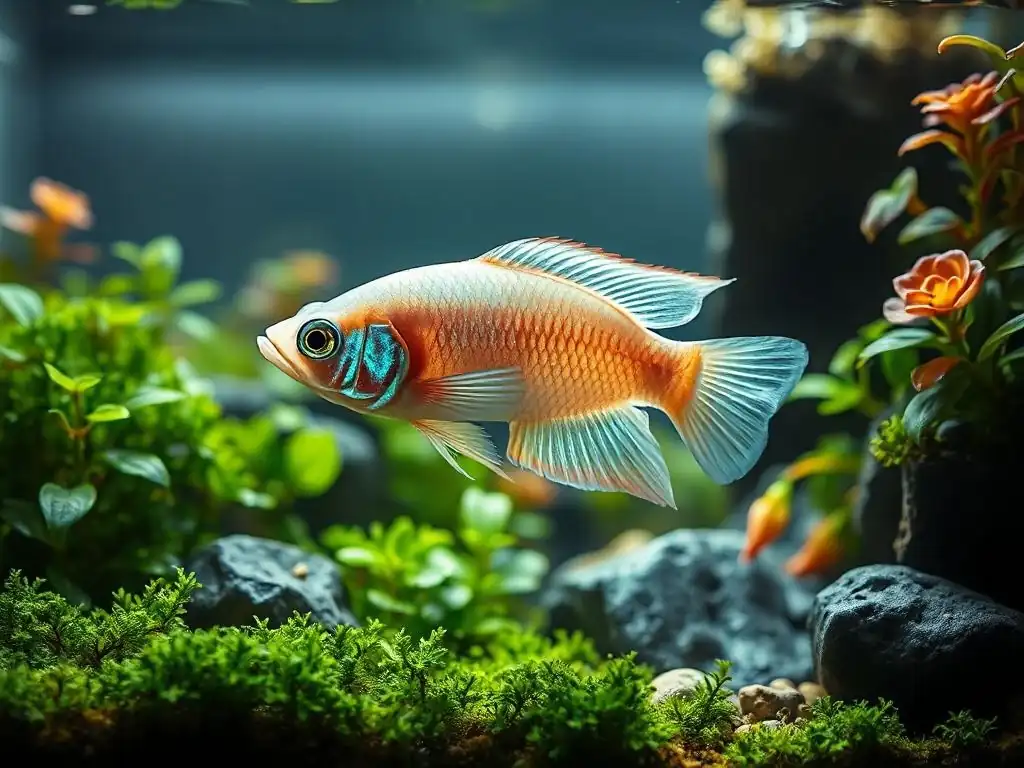
The first step in setting up your Pearl Gourami tank is to thoroughly clean the aquarium. Rinse the tank with plain water only; avoid using any soaps or detergents, as residues can be toxic to fish. Inspect the tank for any cracks or leaks. Next, gather and test all your equipment: the filter, heater, lighting unit, and air pump (if using). Ensure they are all in good working order before proceeding.
Choose a sturdy, level surface for your aquarium, capable of supporting its full weight when filled with water, substrate, and decor. Position the tank away from direct sunlight, which can cause excessive algae growth, and away from drafts or heating/cooling vents, which can lead to temperature fluctuations. Easy access for future maintenance is also a crucial consideration for your Pearl Gourami tank design.
Adding Substrate, Hardscape, and Plants
Once the tank is clean and positioned, begin by adding your chosen substrate. If using gravel or sand, rinse it thoroughly until the water runs clear to remove any dust or debris. You can create a slight slope from back to front for added visual depth. Next, place your hardscape elements, such as driftwood and rocks, arranging them to create a natural aesthetic and provide hiding spots.
After the hardscape is in place, it's time to add your live plants. It's often easier to plant when the tank is only partially filled with water (e.g., 2-3 inches deep). Start with background plants, then mid-ground, and finally foreground plants. Gently bury root tabs if using them for heavy root feeders. This methodical approach ensures a well-structured and visually appealing Pearl Gourami tank design.
Filling the Tank and Cycling the Water
With the substrate, hardscape, and plants in place, you can now begin to fill the tank with water. To avoid disturbing the substrate and plants, place a clean plate or plastic bag on top of the substrate and pour water onto it, allowing it to gently cascade into the tank. Add a high-quality dechlorinator to neutralize chlorine and chloramines present in tap water.
The most critical step before introducing fish is cycling the water. This process establishes the beneficial bacteria colonies that convert toxic ammonia and nitrite into less harmful nitrates. A fishless cycle, using a pure ammonia source or fish food, is highly recommended. Monitor ammonia, nitrite, and nitrate levels daily using a test kit. The cycle is complete when ammonia and nitrite consistently read zero, and nitrates are present (typically 4-6 weeks). This foundational step ensures a safe and stable environment for your Pearl Gourami.
Introducing Your Pearl Gourami to Its New Home
Once your Pearl Gourami tank is fully cycled and parameters are stable, you can introduce your fish. Begin by dimming the aquarium lights. Float the sealed bag containing your Pearl Gourami in the tank for 15-20 minutes to equalize the water temperature. Then, open the bag and begin a slow drip acclimation process, adding small amounts of tank water to the bag over 30-60 minutes to gradually adjust the fish to the tank's pH and hardness.
After acclimation, gently net the Pearl Gourami from the bag and release it into the tank, discarding the bag water (never add it to your tank). Observe the fish for signs of stress or difficulty adapting. Introduce only a few fish at a time to avoid overwhelming the newly established biological filter. A calm and careful introduction minimizes stress for your new inhabitants and contributes to a successful Pearl Gourami tank.
Maintaining a Healthy and Thriving Pearl Gourami Tank
Regular Water Changes and Tank Cleaning
Regular water changes are paramount for maintaining a healthy and thriving Pearl Gourami tank. A weekly water change of 25-30% of the tank volume is generally recommended. This practice removes accumulated nitrates, replenishes essential minerals, and helps keep the water pristine. Use a gravel vacuum to siphon out debris from the substrate during water changes.
Beyond water changes, routine tank cleaning involves wiping down the inside glass to remove algae buildup and ensuring the filter intake is clear. When cleaning filter media, always rinse sponges or mechanical filters in old tank water removed during a water change, rather than tap water, to preserve the beneficial bacterial colonies. Avoid over-cleaning, as this can disrupt the delicate balance of your Pearl Gourami tank design.
Monitoring Water Parameters and Adjusting as Needed
Consistent monitoring of water parameters is essential for the long-term health of your Pearl Gourami. Continue to test ammonia, nitrite, nitrate, pH, and temperature regularly, ideally weekly or bi-weekly, even after the tank is established. This proactive approach allows you to detect issues before they become critical problems.
If water parameters drift outside the ideal range for Pearl Gouramis (e.g., ammonia or nitrite spike, pH shift), identify the cause. Common culprits include overfeeding, insufficient filtration, or an overcrowded tank. Corrective actions might include increased water changes, reducing feeding, or adjusting filter maintenance schedules. For pH adjustments, use caution and make changes gradually to avoid shocking the fish.
Feeding Your Pearl Gourami a Balanced Diet
Pearl Gouramis are omnivores and require a varied, balanced diet to thrive. A high-quality flake or small pellet food should form the staple of their diet. Supplement this with live or frozen foods 2-3 times per week. Excellent options include bloodworms, brine shrimp, daphnia, and spirulina flakes. This varied diet ensures they receive all necessary nutrients, enhancing their coloration and vitality.
Feed your Pearl Gourami small amounts 1-2 times per day, only what they can consume within 2-3 minutes. Overfeeding is a common mistake that leads to excess waste, poor water quality, and potential health issues for the fish. Observe their feeding behavior to ensure all fish are getting enough to eat without leaving excess food to decay in the Pearl Gourami tank.
Recognizing and Treating Common Pearl Gourami Diseases
Despite best efforts, Pearl Gouramis can occasionally fall prey to common freshwater fish diseases. Familiarize yourself with the symptoms of ailments like Ich (white spots resembling salt grains), Fin Rot (frayed or decaying fins), Velvet (fine, dusty, golden coating), and Dropsy (swollen body with scales protruding). Early detection is key to successful treatment.
If a fish shows signs of illness, it's often best to quarantine it in a separate hospital tank if possible, to prevent the spread of disease and to administer medication without affecting the main Pearl Gourami tank ecosystem. Research the appropriate medication for the specific disease (e.g., malachite green for Ich, antibiotics for bacterial infections). Most importantly, maintaining excellent water quality, providing a balanced diet, and ensuring a stress-free Pearl Gourami tank design are the best preventative measures against disease.
Frequently Asked Questions
How much space do Pearl Gouramis need in a tank?
Pearl Gouramis thrive in spacious environments. A minimum tank size of 20 gallons is recommended for a single Pearl Gourami, with larger tanks being preferable for multiple individuals. This provides ample room for swimming and establishing territories.
What are the best plants for a Pearl Gourami tank?
Pearl Gouramis prefer tanks with dense plant cover, mimicking their natural habitat. Good choices include Java Fern, Amazon Sword, and floating plants like Water Lettuce to diffuse light and create a sense of security.
What water parameters are ideal for Pearl Gouramis?
Pearl Gouramis need stable water conditions to thrive. Maintain a temperature of 77-82°F (25-28°C), a pH of 6.0-7.5, and soft to moderately hard water. Regular water changes are crucial for maintaining water quality.
How do I create a serene environment for my Pearl Gourami?
To create a serene environment, avoid aggressive tank mates and provide plenty of hiding places. Dim lighting, gentle water flow, and a dark substrate can also help reduce stress and promote natural behaviors.
What should I feed my Pearl Gourami?
Pearl Gouramis are omnivores and enjoy a varied diet. Offer them a mix of high-quality flake food, live or frozen foods such as bloodworms and brine shrimp, and vegetable matter to ensure they receive all the necessary nutrients.
Final Reflection: Cultivating Aquatic Harmony
The principles of thoughtful aquarium design, as explored in creating the ideal habitat for Pearl Gouramis, extend far beyond the glass walls of a fish tank. The pursuit of balance, beauty, and functionality is not just about providing a suitable environment for these captivating fish; it's a reflection of our own desire for tranquility and connection with nature, a desire that resonates deeply in today's fast-paced world.
The influence of a well-designed aquarium, and the lessons learned in its creation, ripple outwards, impacting our appreciation for the natural world and our understanding of interconnected ecosystems. The act of carefully selecting plants, considering water parameters, and observing the subtle interactions within the tank fosters a sense of responsibility and a deeper understanding of the delicate balance of life. In nature, nothing is perfect and everything is perfect. Trees can be contorted, bent in weird ways, and they're still beautiful.
- Alice Walker. This quote reminds us that even within the controlled environment of an aquarium, embracing the natural imperfections and allowing the ecosystem to flourish organically is key to creating true beauty.
Now, consider how you can apply these principles of thoughtful design and mindful observation to other areas of your life. Just as you meticulously crafted a serene underwater world for your Pearl Gouramis, what spaces – both physical and mental – can you cultivate to foster greater harmony and well-being? Let the lessons learned in designing a dream tank inspire you to create a more balanced, beautiful, and fulfilling existence, one where you too can thrive in serene waters.
Unlock Your Gourami's Paradise!
Thank you for exploring the art of creating the perfect aquarium for your Pearl Gourami. We hope this guide has inspired you to transform your tank into a serene underwater haven. Ready to take the next step?
Here are a few ways to bring your vision to life:
- Plan a new aquascape with lush, broad-leaved plants to mimic their natural habitat, and get it approved by an expert.
- Delve deeper: Research rare or unusual plant species that thrive in similar conditions for a unique touch.
- Share your design ideas and tank progress with fellow hobbyists on aquatic forums to gain feedback and inspire others.
What are the first plants you are considering for your Pearl Gourami's tranquil sanctuary?