
Ember Tetra Enchantment: Tiny Flames for Your Nano or Planted Tank – Full Profile

Welcome to Aquarium Mastery!
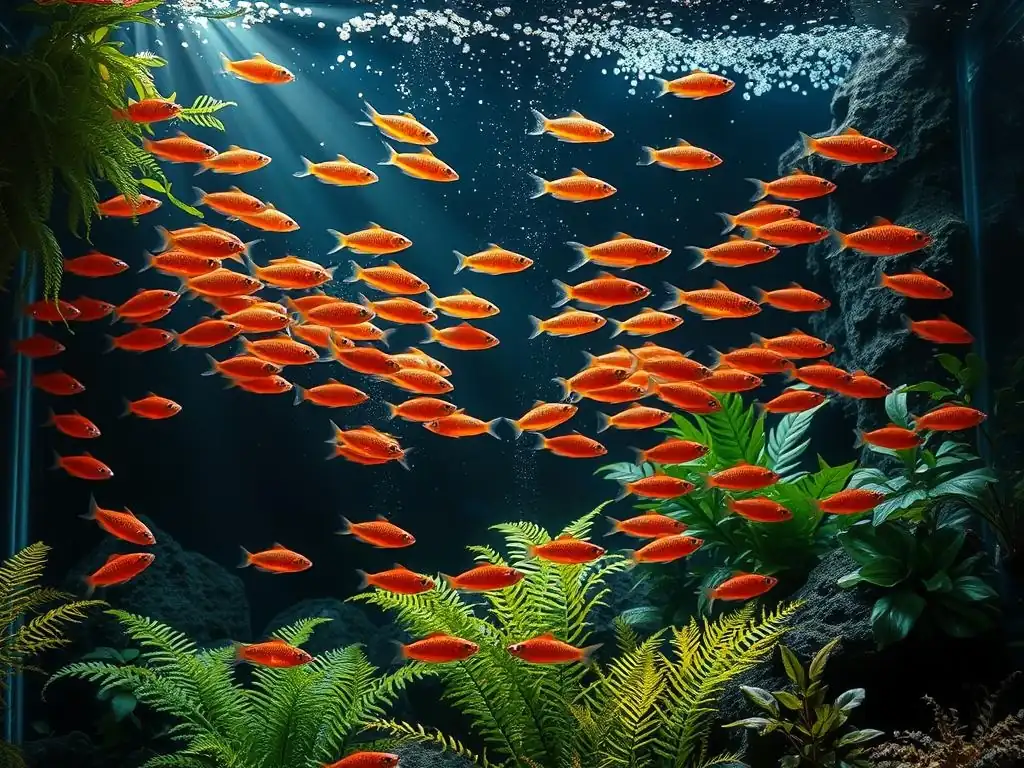
Ever been mesmerized by the tiny, flickering flames of the Ember Tetra? These vibrant little fish can transform any nano or planted aquarium into a breathtaking underwater landscape. Dive into our Ember Tetra Care Guide and unlock the secrets to keeping these enchanting creatures happy and healthy. What will you discover about their unique needs and how to create the perfect habitat for them? Let's explore!
- Understanding the Allure of Ember Tetras: A Comprehensive Care Guide
- Ember Tetra Appearance: Identifying Hyphessobrycon amandae
- Ember Tetra Care: Creating the Ideal Habitat
- Ember Tetra Tank Mates: Choosing Compatible Companions
- Feeding Ember Tetras: A Balanced Diet for Vibrant Color
- Ember Tetra Behavior and Schooling: Observing Their Social Dynamics
- Ember Tetra Breeding: A Challenging but Rewarding Endeavor
- Common Ember Tetra Diseases and Prevention
- Maintaining a Healthy Ember Tetra Tank: Essential Practices
- Where to Buy Ember Tetras: Selecting Healthy Specimens
- Ember Tetra: A Summary of Their Captivating Charm
-
Frequently Asked Questions
- How difficult are Ember Tetras to care for, especially for beginner aquarists?
- What are the ideal tank conditions and water parameters for Ember Tetras to thrive?
- What is the recommended diet for Ember Tetras to ensure their vibrant coloration and overall health?
- How many Ember Tetras should be kept together in a tank, and what size tank is recommended?
- What are some common health issues that Ember Tetras might encounter, and how can they be prevented or treated?
- Final Reflection: Igniting the Spark of Aquatic Wonder
- Ignite Your Aquarium: Embrace the Ember Tetra Glow!
Understanding the Allure of Ember Tetras: A Comprehensive Care Guide
Why Choose Ember Tetras for Your Aquarium?
Ember Tetras, scientifically known as Hyphessobrycon amandae, are miniature marvels that bring a vibrant splash of orange-red to any aquarium. Their diminutive size, typically reaching just under an inch, makes them an exceptional choice for nano tanks (under 20 gallons) and heavily planted aquascapes where larger fish might overwhelm the scale. Their peaceful demeanor ensures they won't harass other tank inhabitants, and their striking color provides a dynamic contrast against lush green foliage, creating a visually stunning focal point.
Beyond their aesthetic appeal, Ember Tetras boast a relatively low bioload, meaning they produce less waste compared to many other popular aquarium fish. This characteristic is particularly beneficial in smaller setups or densely planted tanks where maintaining pristine water quality is paramount for the health of both fish and plants. Their adaptability to a well-cycled and stable environment, coupled with their active schooling behavior, solidifies their reputation as a highly desirable and manageable species for both novice and experienced aquarists seeking a comprehensive ember tetra care guide.
Ember Tetra: Quick Stats & Overview
Ember Tetras originate from the Araguaia River basin in Brazil, thriving in soft, acidic blackwater environments rich with leaf litter and dense vegetation. These small characins typically grow to an adult size of about 2.5 cm (1 inch) and have an average lifespan of 2 to 3 years, though some individuals may live up to 4 years under optimal conditions. Their most defining feature is their uniform, glowing orange-red coloration, which intensifies with good health and diet, making them truly live up to their "ember" name.
As peaceful, schooling fish, Ember Tetras require a minimum group of 6-8 individuals to feel secure and display their natural behaviors. They are omnivores, readily accepting a varied diet of small dry foods, frozen fare, and occasional live treats. Maintaining consistent water parameters, specifically a temperature range of 23-28°C (73-82°F) and a pH between 5.5-7.0, is crucial for their well-being, forming the bedrock of any successful ember tetra care guide.
Ember Tetra Appearance: Identifying Hyphessobrycon amandae
Distinguishing Ember Tetras from Other Small Tetra Species
The Ember Tetra stands out with its unique, uniform orange-red body, which glows with an almost translucent quality. Unlike many other small tetra species, such as the Neon Tetra with its distinct blue and red lateral stripe, or the Cardinal Tetra with its full-length red stripe, the Ember Tetra lacks any prominent contrasting bands or markings. Its body is slender and streamlined, contributing to its graceful movement within a school. This consistent, fiery hue from head to tail is a key identifier, setting it apart from species like the Glowlight Tetra, which has a single iridescent orange stripe.
Furthermore, their size also aids in identification; Ember Tetras are among the smallest of the popular tetra species, rarely exceeding 2.5 cm (1 inch). While some other micro-fish like Chili Rasboras share a similar reddish tint and small stature, the Ember Tetra's specific body shape and the intensity of its singular orange-red coloration are quite distinctive. When observing a school, the collective visual impact of these tiny, glowing fish is unmistakable, making them a unique addition to any tank following an ember tetra care guide.
Ember Tetra Size and Lifespan: What to Expect
Ember Tetras are genuinely tiny fish, typically reaching an adult length of 2.0 to 2.5 cm (approximately 0.8 to 1 inch). This makes them an ideal candidate for nano aquariums, allowing a significant school to be kept without overcrowding. Their small size also means they have a minimal impact on the bioload, contributing to more stable water parameters in smaller tanks, a crucial consideration for any comprehensive ember tetra care guide.
In a well-maintained aquarium with stable water conditions, a balanced diet, and appropriate tank mates, Ember Tetras generally live for 2 to 3 years. Some aquarists have reported individuals living up to 4 years, especially when kept in optimal conditions that closely mimic their natural habitat and provide a stress-free environment. Providing consistent care, including regular water changes and high-quality food, significantly contributes to maximizing their lifespan and vibrant coloration.
Ember Tetra Care: Creating the Ideal Habitat
Ember Tetra Tank Size: How Much Space Do They Need?
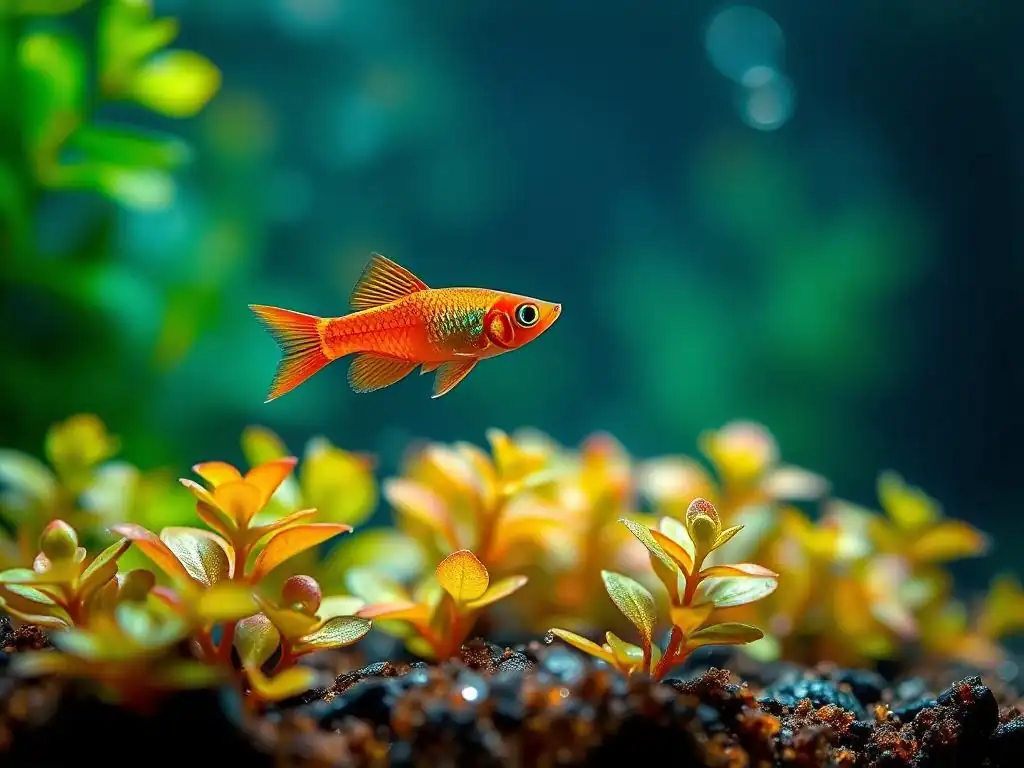
While Ember Tetras are small, they are active schooling fish that require adequate swimming space to thrive and display natural behaviors. For a small school of 6 to 8 Ember Tetras, a 10-gallon (approximately 38-liter) aquarium is generally considered the minimum tank size. This provides enough horizontal space for them to school comfortably and helps maintain stable water parameters. A 5-gallon tank might technically house a few, but it would offer limited schooling room and be prone to rapid water quality fluctuations.
For a larger, more impactful school of 10-15 Ember Tetras, a 15-gallon to 20-gallon (57-76 liter) tank is highly recommended. This increased volume allows for more stable water chemistry and provides ample room for them to exhibit their tight schooling formations, which is a key part of their charm. A larger tank also offers more flexibility for aquascaping with dense plants and driftwood, mimicking their natural environment and contributing to a successful ember tetra care guide.
Water Parameters for Ember Tetras: Achieving Optimal Conditions (pH, Temperature, Hardness)
Establishing and maintaining precise water parameters is fundamental to a successful ember tetra care guide. These fish thrive in warm, slightly acidic to neutral water. The ideal temperature range is 23°C to 28°C (73°F to 82°F), with consistency being more important than hitting an exact number. Sudden temperature fluctuations can cause significant stress and weaken their immune system.
For pH, aim for a range of 5.5 to 7.0, leaning towards the acidic side to best mimic their native blackwater habitats. Water hardness (GH) should be soft to moderately soft, ideally between 5 to 15 dGH (degrees of General Hardness). It is crucial to test your water regularly for ammonia, nitrite (both should be 0 ppm), and nitrate (below 20 ppm) to ensure a healthy environment. Regular partial water changes are essential for maintaining these optimal conditions.
Substrate, Décor, and Lighting for Ember Tetras: Mimicking Their Natural Environment
To create an ideal habitat for Ember Tetras, focus on mimicking their natural Amazonian environment. A dark substrate, such as fine sand or dark gravel, is highly recommended as it helps to bring out their vibrant orange coloration and reduces stress by preventing light reflection from below. Incorporate plenty of dense live plants, such as Java Moss, Hornwort, Anubias, or Cryptocoryne species, to provide ample hiding spots and visual barriers. These plants also contribute to water quality by absorbing nitrates.
Driftwood and leaf litter (e.g., Indian almond leaves or catappa leaves) are excellent additions, releasing beneficial tannins that slightly lower pH and create the "blackwater" effect they prefer. Lighting should be moderate to dim; intense light can make them shy and washed out. Floating plants like Frogbit or Dwarf Water Lettuce are perfect for diffusing light and providing overhead cover, enhancing their sense of security and contributing to a thriving ember tetra care guide.
Ember Tetra Tank Mates: Choosing Compatible Companions
Ideal Tank Mates for Ember Tetras: Community Tank Harmony
Selecting appropriate tank mates is crucial for the peaceful coexistence of Ember Tetras in a community aquarium. Given their small size and shy nature, ideal companions are other small, peaceful, and non-aggressive species that thrive in similar water parameters. Excellent choices include other small schooling tetras like Green Neon Tetras or Chili Rasboras, which won't outcompete them for food or space.
Peaceful bottom dwellers such as Pygmy Corydoras or Otocinclus catfish are also great additions, as they occupy different levels of the tank and pose no threat. Small, peaceful invertebrates like Cherry Shrimp or Amano Shrimp can also coexist successfully, though it's important to note that very small or newly hatched shrimp may occasionally become a snack. The key is to choose species that are not known for fin-nipping or predatory behavior, ensuring a harmonious environment for your Ember Tetras and upholding the principles of a comprehensive ember tetra care guide.
Fish to Avoid Housing with Ember Tetras
To ensure the safety and well-being of your Ember Tetras, it is vital to avoid housing them with any fish that are large, aggressive, or known fin-nippers. Species such as most Cichlids (even some dwarf varieties can be too boisterous), larger Barbs (like Tiger Barbs), and many Gourami species are generally unsuitable, as they can easily intimidate, harass, or even prey upon the tiny Ember Tetras. Their small size makes them vulnerable to becoming a meal for anything much larger than themselves.
Furthermore, avoid fish that require significantly different water parameters or temperatures, as this can cause stress and health issues for one or both species. For instance, fish that prefer very hard, alkaline water would not thrive in the soft, acidic conditions favored by Ember Tetras. Careful consideration of temperament and environmental needs is paramount when planning your community tank, a critical aspect of any responsible ember tetra care guide.
Feeding Ember Tetras: A Balanced Diet for Vibrant Color
What Do Ember Tetras Eat in the Wild?
In their natural habitats within the slow-moving rivers and tributaries of the Araguaia River basin in Brazil, Ember Tetras are opportunistic omnivores. Their wild diet primarily consists of small invertebrates, such as insect larvae, micro-crustaceans, and other tiny organisms found among the dense vegetation and leaf litter of their environment. They also supplement their diet with algae and detritus, making them efficient scavengers in their ecosystem.
This varied natural diet provides them with essential nutrients, including carotenoids, which are vital for developing and maintaining their characteristic vibrant orange coloration. Understanding their wild feeding habits helps aquarists formulate a comprehensive and balanced ember tetra care guide for captive environments, aiming to replicate this nutritional diversity for optimal health and color.
Best Foods for Ember Tetras in the Aquarium: Dry, Frozen, and Live Options
For aquarium Ember Tetras, a staple diet of high-quality micro-pellets or finely crushed flakes designed for small omnivorous fish should be provided. Look for foods that are rich in protein and include color-enhancing ingredients like spirulina to boost their natural vibrancy. Due to their small mouths, the food particles must be tiny enough for them to consume easily.
Supplementing their dry food with frozen options 2-3 times a week is highly beneficial. Excellent choices include frozen daphnia, cyclops, or finely chopped bloodworms, which provide essential proteins and fats. Live foods, such as newly hatched brine shrimp or micro-worms, offered occasionally, can stimulate their natural hunting instincts and provide a significant nutritional boost, contributing to a robust ember tetra care guide.
Feeding Frequency and Portion Control for Ember Tetras
Due to their small size and active metabolism, Ember Tetras benefit from being fed multiple times a day. It is recommended to feed them 2 to 3 times daily, rather than one large meal. Each feeding should consist of an amount they can completely consume within 2 to 3 minutes. This approach ensures they receive consistent nutrition without overfeeding, which can lead to poor water quality.
Overfeeding is a common mistake that can quickly foul the water, leading to elevated ammonia and nitrite levels that are detrimental to their health. Observe your fish during feeding; if food remains after a few minutes, reduce the portion size for the next feeding. A slightly rounded belly after eating indicates sufficient intake. Consistent portion control is a cornerstone of an effective ember tetra care guide.
Ember Tetra Schooling Behavior: How Many to Keep Together?
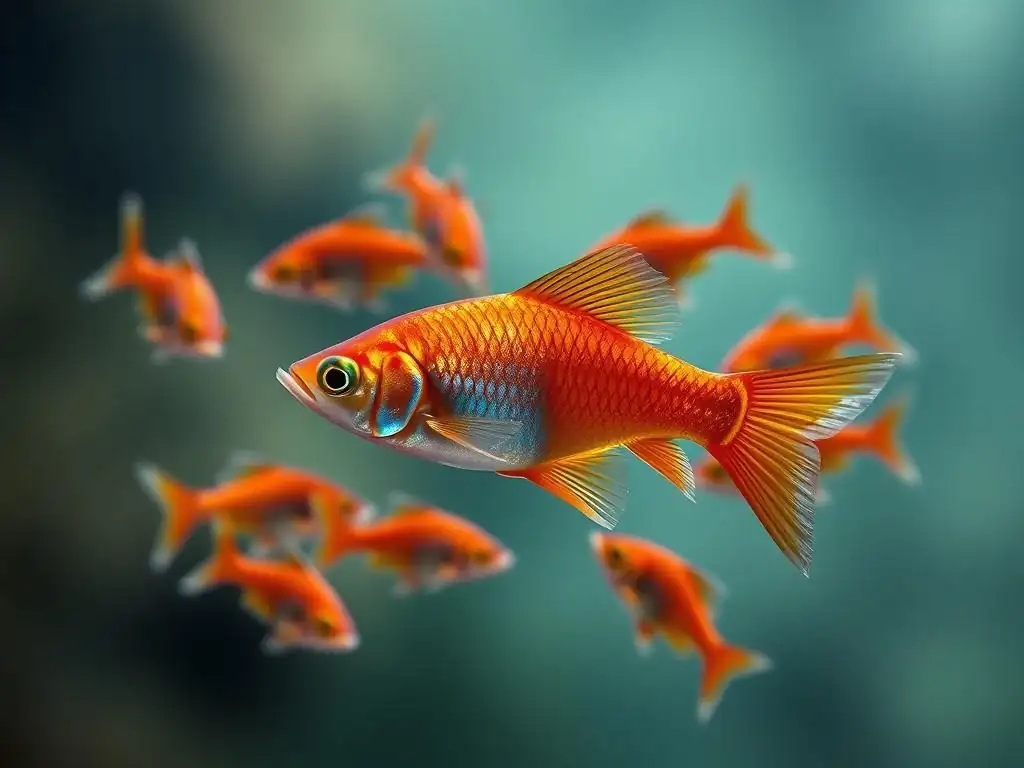
Ember Tetras are classic schooling fish, exhibiting a strong natural instinct to group together for safety and social interaction. To truly observe their captivating schooling behavior and ensure their well-being, it is crucial to keep them in a sufficiently large group. A minimum school size of 6 to 8 Ember Tetras is recommended. Keeping fewer can lead to increased stress, shyness, and a reluctance to venture into open spaces, potentially impacting their overall health and coloration.
For the most impressive display and to allow them to exhibit their tight, coordinated movements, a group of 10 to 15 or more Ember Tetras is ideal, especially in a tank of 15 gallons or larger. In larger schools, they become more confident, active, and their collective orange glow becomes a mesmerizing focal point in the aquarium. This social structure is a fundamental aspect of a successful ember tetra care guide.
Understanding Ember Tetra Temperament and Activity Levels
Ember Tetras are renowned for their peaceful and non-aggressive temperament. They are not known to nip fins or bother other fish, making them excellent candidates for tranquil community tanks. Their activity level is moderate; they are constantly on the move, gracefully navigating through plants and open spaces, but they are not excessively darting or hyperactive. They tend to stick together in their school, especially when feeling secure.
When stressed, such as in tanks that are too small, overcrowded, or lack sufficient hiding spots, they may become reclusive, hide frequently, and their colors might appear dull. Providing a well-planted environment with plenty of cover, along with a proper school size, mitigates this stress. Their calm and curious nature makes them a joy to observe, embodying the serene beauty that a proper ember tetra care guide aims to achieve.
Ember Tetra Breeding: A Challenging but Rewarding Endeavor
Setting Up a Breeding Tank for Ember Tetras
Breeding Ember Tetras can be a challenging but highly rewarding experience. A dedicated breeding tank, typically 5 to 10 gallons (19-38 liters), is recommended. This tank should be dimly lit and contain plenty of fine-leaved plants like Java Moss, spawning mops made of synthetic yarn, or even a layer of marbles on the bottom. These elements provide surfaces for the tiny eggs to adhere to and offer some protection from the parents, who are known egg-eaters.
A gentle air-driven sponge filter is ideal for filtration, as it provides adequate biological filtration without creating strong currents that could harm delicate fry or suck them up. Condition the breeding pair or a small group (e.g., two males and three females) in separate tanks with high-quality live and frozen foods for several days before introducing them to the breeding tank. This preparation is a crucial step in an effective ember tetra care guide for breeding.
Water Parameters for Breeding Ember Tetras
To induce spawning in Ember Tetras, specific water parameters are essential. The water should be very soft and acidic, mimicking the conditions of their natural spawning grounds during the rainy season. Aim for a pH between 5.5 and 6.5, and a very low general hardness (GH) of 1-5 dGH. Using reverse osmosis (RO) water remineralized to these specifications, or a mix with very soft tap water, is often necessary to achieve these precise conditions.
The temperature in the breeding tank should be slightly elevated to 26-28°C (79-82°F). Maintaining these stable, soft, and acidic conditions signals to the fish that it's time to spawn and significantly increases the viability of the eggs. Consistent monitoring with reliable test kits is paramount throughout the breeding process, highlighting the precision required in an ember tetra care guide for reproduction.
Spawning and Raising Ember Tetra Fry
Ember Tetras are egg scatterers, and spawning typically occurs in the early morning hours. The female will scatter tiny, clear adhesive eggs among the plants or spawning mops, which the male then fertilizes. The process can last for several hours, with a single female laying anywhere from 50 to 150 eggs. Once spawning is complete, it is crucial to remove the adult fish promptly, as they will readily consume their own eggs.
The eggs are very small and usually hatch within 24-48 hours, depending on the temperature. The fry are even tinier and will remain attached to surfaces for the first 3-5 days, absorbing their yolk sacs. Once they become free-swimming, they require extremely fine food such as infusoria, liquid fry food, or powdered spirulina for the first few days. After about a week, they can graduate to newly hatched brine shrimp or micro-worms. Frequent, small water changes (5-10% daily) are vital to maintain pristine water quality for the delicate fry, a truly meticulous part of the ember tetra care guide.
Common Ember Tetra Diseases and Prevention
Identifying Common Ember Tetra Ailments
Ember Tetras, like all aquarium fish, are susceptible to common freshwater diseases, particularly if their environment is not maintained properly. Watch for signs such as Ich (Ichthyophthirius multifiliis), which appears as small white spots resembling salt grains on the body and fins. Fin Rot, characterized by frayed, ragged, or discolored fins, is another frequent bacterial infection. Columnaris, or "cotton mouth," presents as white, cotton-like growths around the mouth or on the body.
Other indicators of illness include lethargy, clamped fins, loss of appetite, abnormal swimming patterns (e.g., darting, rubbing against decor), or visible swelling/discoloration. Stress due to poor water quality, overcrowding, or incompatible tank mates significantly weakens their immune system, making them more vulnerable to these ailments. Vigilant observation is a key component of an effective ember tetra care guide.
Preventing and Treating Ember Tetra Diseases: A Proactive Approach
Prevention is always the best treatment for Ember Tetra diseases. The cornerstone of disease prevention is maintaining pristine water quality through regular, consistent water changes (25-30% weekly) and effective filtration. Ensure stable water parameters within their preferred ranges and provide a high-quality, varied diet to boost their immune system. Quarantining all new fish for 2-4 weeks in a separate tank before introducing them to the main aquarium is also a critical preventative measure.
If disease is suspected, act quickly. Isolate affected fish if possible to prevent spread. For Ich, a gradual increase in water temperature (if compatible with other tank inhabitants) combined with an appropriate Ich medication is often effective. Bacterial infections like Fin Rot typically require specific antibacterial treatments. Always follow medication instructions precisely and, most importantly, identify and address the underlying cause of the disease to prevent recurrence. This proactive stance is essential for any comprehensive ember tetra care guide.
Maintaining a Healthy Ember Tetra Tank: Essential Practices
Water Changes and Filtration for Ember Tetras
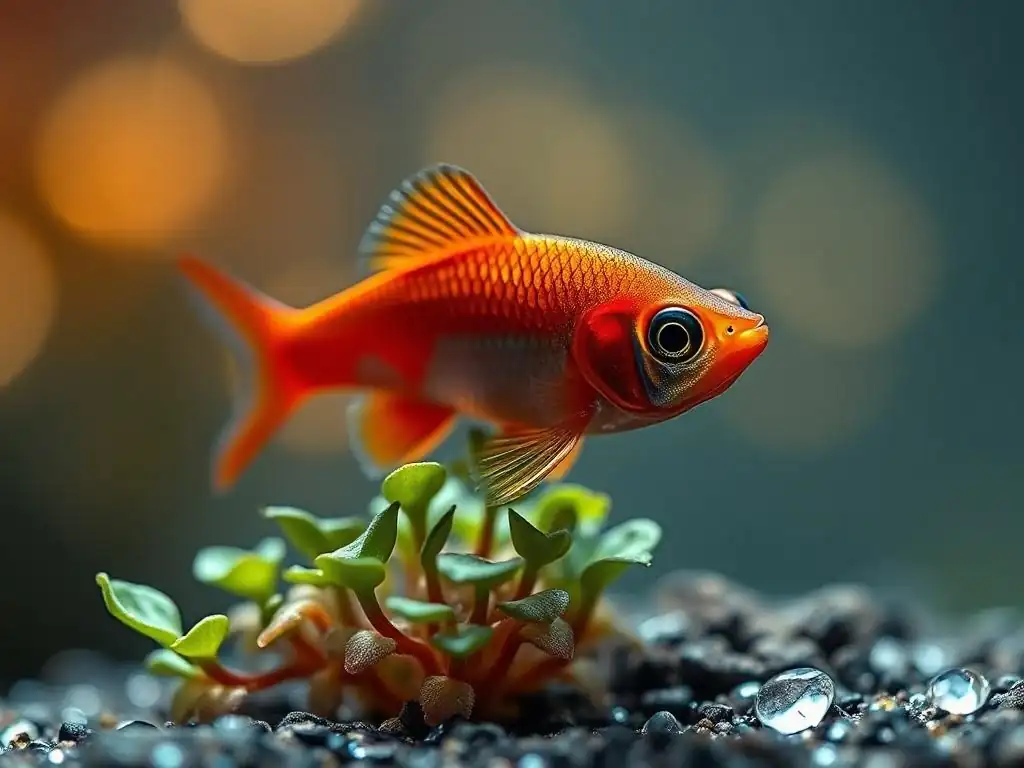
Regular water changes are the single most important practice for maintaining a healthy Ember Tetra tank. For a stable, well-established aquarium, a weekly water change of 25-30% is generally recommended. In smaller nano tanks (e.g., 5-10 gallons), slightly more frequent, smaller changes, such as 15-20% twice a week, might be beneficial to keep nitrate levels low and water parameters pristine. Always use dechlorinated water that matches the tank's temperature as closely as possible.
For filtration, Ember Tetras prefer gentle water flow. An air-driven sponge filter or a small hang-on-back (HOB) filter with an adjustable flow rate are excellent choices, providing both mechanical and biological filtration without creating strong currents that can stress these tiny fish. Ensure filter media is cleaned regularly to prevent clogs and maintain efficiency, but avoid cleaning all media at once to preserve beneficial bacteria. This careful approach to water management is central to a successful ember tetra care guide.
Monitoring Water Quality and Addressing Imbalances
Consistent monitoring of water quality is crucial for the long-term health of your Ember Tetras. At a minimum, test your aquarium water weekly for ammonia, nitrite, and nitrate. Ammonia and nitrite should always read 0 ppm, as even small amounts can be toxic. Nitrate levels should be kept below 20 ppm; higher readings indicate a need for larger or more frequent water changes. Regularly check pH and temperature to ensure they remain within the ideal ranges for Ember Tetras.
If water parameters deviate significantly (e.g., a sudden spike in ammonia or nitrite), immediate action is required. Perform a large partial water change (50% or more) and investigate the cause, which could include overfeeding, overcrowding, or an issue with your filtration. Promptly addressing imbalances is vital for preventing stress and disease, making regular testing an indispensable part of a thorough ember tetra care guide.
Where to Buy Ember Tetras: Selecting Healthy Specimens
Choosing Reputable Sources for Ember Tetras
When adding Ember Tetras to your aquarium, selecting healthy specimens from reputable sources is paramount for their long-term well-being. Look for established local fish stores with clean tanks, knowledgeable staff, and a good reputation for animal care. Dedicated online aquatic retailers that specialize in live fish can also be excellent sources, often offering a wider selection and direct shipping. Avoid buying from sources with visibly unhealthy fish, dirty tanks, or poor customer service, as these are red flags indicating potential issues with their husbandry practices.
A reputable source will be able to answer your questions about the fish's origin, diet, and specific ember tetra care guide requirements. They should also offer a health guarantee for their livestock, demonstrating confidence in the quality of their fish and providing peace of mind for the buyer. Investing a little more in healthy fish from a trusted dealer can save you significant time, money, and heartache in the long run.
What to Look for When Purchasing Ember Tetras
When you are at the store or inspecting fish upon arrival from an online retailer, carefully observe the Ember Tetras before making a purchase. Healthy specimens will exhibit vibrant, consistent orange coloration throughout their bodies, not faded or patchy. They should be actively schooling and swimming confidently, not hiding excessively or appearing lethargic. Their fins should be fully spread, intact, and free from any tears, nattering, or signs of fin rot.
Avoid fish that have clamped fins, visible white spots (Ich), cotton-like growths, or any other signs of disease. Also, check the tank they are housed in for any dead or dying fish, which could indicate a widespread health issue within that batch. Selecting robust, active, and disease-free Ember Tetras is the crucial first step toward successfully integrating them into your aquarium and implementing a comprehensive ember tetra care guide.
Ember Tetra: A Summary of Their Captivating Charm
The Enduring Appeal of Ember Tetras in the Aquarium Hobby
Ember Tetras have cemented their place as one of the most beloved freshwater fish in the aquarium hobby, particularly cherished by enthusiasts of nano and planted tanks. Their striking, fiery orange coloration, combined with their peaceful demeanor and captivating schooling behavior, makes them a visually stunning and dynamic addition to any well-designed aquascape. They offer a vibrant contrast against lush green plants and dark substrates, creating a miniature ecosystem that truly enchants the observer.
Their relatively easy care requirements, low bioload, and compatibility with a wide array of other small, peaceful fish and invertebrates further contribute to their enduring appeal. With diligent adherence to a detailed ember tetra care guide – focusing on stable water parameters, a high-quality and varied diet, and appropriate tank mates – these "tiny flames" can thrive for years, bringing continuous joy and a splash of radiant color to your freshwater aquarium.
Frequently Asked Questions
How difficult are Ember Tetras to care for, especially for beginner aquarists?
Ember Tetras are generally considered easy to care for, making them a great choice for beginners. They are hardy and adaptable to a range of water parameters, requiring minimal specialized care. However, maintaining stable water quality is still crucial.
What are the ideal tank conditions and water parameters for Ember Tetras to thrive?
Ember Tetras prefer a well-planted tank with plenty of hiding places and dimmed lighting. Ideal water parameters include a temperature of 72-79°F (22-26°C), a pH of 6.0-7.5, and soft to moderately hard water.
What is the recommended diet for Ember Tetras to ensure their vibrant coloration and overall health?
Ember Tetras are omnivores and thrive on a varied diet. Offer them high-quality flake food supplemented with small live or frozen foods like daphnia and brine shrimp. This diverse diet helps maintain their bright orange coloration.
How many Ember Tetras should be kept together in a tank, and what size tank is recommended?
Ember Tetras are schooling fish and should be kept in groups of at least six. A 10-gallon tank is suitable for a small school, but a larger tank (20 gallons or more) is preferable to provide ample swimming space.
What are some common health issues that Ember Tetras might encounter, and how can they be prevented or treated?
Common issues include Ich (white spot disease) and fin rot, often caused by poor water quality. Prevention involves maintaining pristine water conditions through regular water changes and filtration. Treatment typically involves medication and improved water parameters.
Final Reflection: Igniting the Spark of Aquatic Wonder
The journey into the world of Ember Tetras, as detailed in this guide, highlights more than just their care requirements; it reveals the profound joy and tranquility that even the smallest creatures can bring to our lives. In a world often dominated by the grand and the complex, these tiny flames remind us of the beauty and intricacy that exists in the miniature, offering a captivating escape within the confines of our own homes.
The enduring appeal of Ember Tetras underscores their significance in the planted tank and nano aquarium communities. Their vibrant color and peaceful nature not only enhance the aesthetic appeal of these aquatic ecosystems but also serve as a constant reminder of the delicate balance within them. As we strive to create harmonious environments for these creatures, we are, in essence, learning to cultivate patience, observation, and a deeper appreciation for the natural world. In nature, nothing is perfect and everything is perfect. Trees can be contorted, bent in weird ways, and they're still beautiful.
- Alice Walker. This quote perfectly encapsulates the beauty found in the natural imperfections of our aquariums and the vibrant life within.
Now, as you embark on your own Ember Tetra adventure, take a moment to reflect on the lessons learned. Consider how you can apply the principles of responsible aquarium keeping – patience, observation, and a commitment to creating a balanced ecosystem – to other aspects of your life. Let the gentle glow of these tiny flames inspire you to cultivate beauty, harmony, and a deeper connection with the natural world, both within your aquarium and beyond.
Ignite Your Aquarium: Embrace the Ember Tetra Glow!
Thanks for exploring the captivating world of Ember Tetras with us! We hope you've gained valuable insights into these tiny, fiery gems and how to care for them. Now, let's bring that knowledge to life.
- Begin your Ember Tetra journey! Visit your local aquarium store or a reputable online retailer to carefully select your first school of these dazzling fish. Observe them closely to ensure they appear healthy and vibrant.
- Share the Ember love! Post a picture of your Ember Tetras on social media using #AquariumMastery and #EmberTetra, inspiring others to discover these amazing fish.
- Research compatible tank mates. Delve into available resources to ensure community tank harmony.
What are your first steps to create the perfect Ember Tetra haven?