
Flame Tetra Schooling: A Dazzling Display of Warm Colors in Nano Tanks

Welcome to Aquarium Mastery!
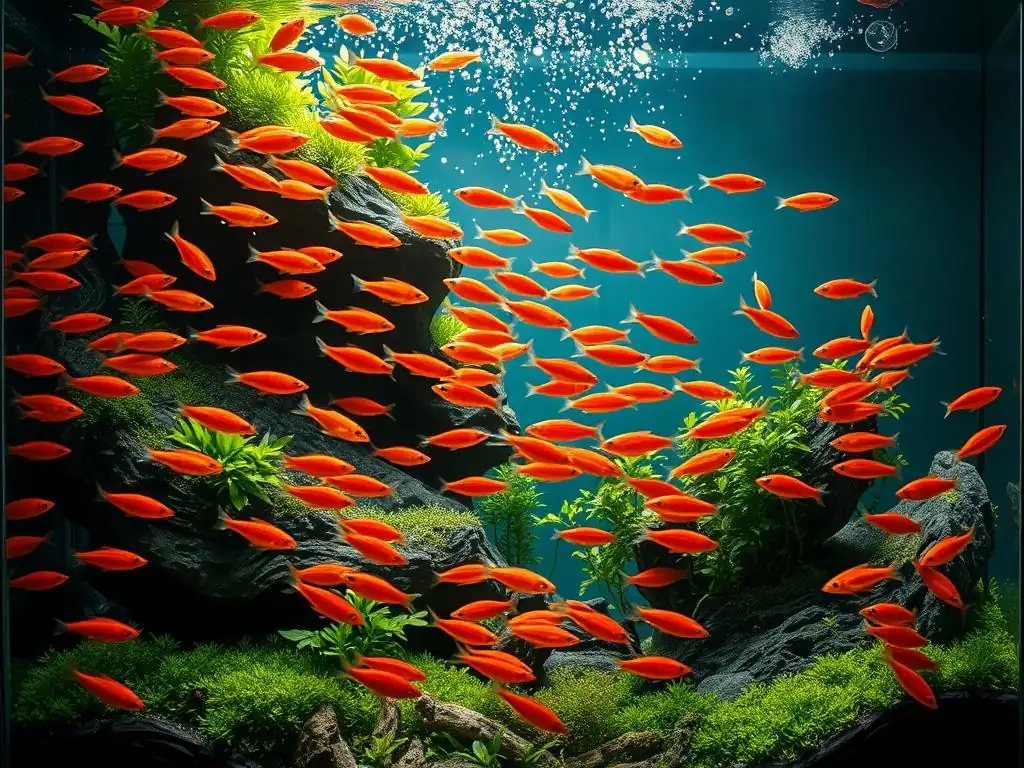
Ever been captivated by the vibrant shimmer of a school of fish? Dive into the fiery world of Flame Tetras and discover how to create a breathtaking display in your own nano tank. Uncover the secrets to optimal Flame Tetra schooling care and unlock the full potential of these dazzling gems. Ready to bring the warmth of the Amazon to your aquarium? Let's explore!
- Cardinal Tetra Schooling Care: A Vibrant Display in Planted Tanks
- Introduction to Cardinal Tetras: A Jewel for Your Aquarium
- Optimal Tank Conditions for Cardinal Tetra Schooling
- Cardinal Tetra Schooling Behavior: Creating a Thriving Community
- Cardinal Tetra Care: Diet, Health, and Lifespan
- Compatible Tank Mates for Cardinal Tetras
- Enhancing Cardinal Tetra Coloration: Tips and Tricks
- Breeding Cardinal Tetras: A Step-by-Step Guide
- Troubleshooting Common Cardinal Tetra Schooling Problems
- Conclusion: Mastering Cardinal Tetra Schooling Care for a Stunning Aquarium
-
Frequently Asked Questions
- How many Flame Tetras should I keep in a school to see optimal schooling behavior?
- What size tank is recommended for a school of Flame Tetras?
- What are the ideal water parameters for Flame Tetras to ensure their health and vibrant coloration?
- What kind of tank mates are suitable for Flame Tetras in a community aquarium?
- What type of food should I feed Flame Tetras to maintain their bright red coloration?
- Final Reflection: Embracing the Dance of Life
- Ignite Your Aquarium: Start Your Flame Tetra School Today!
Cardinal Tetra Schooling Care: A Vibrant Display in Planted Tanks
Introduction to Cardinal Tetras: A Jewel for Your Aquarium
Understanding the Allure of Cardinal Tetras for Planted Aquariums
Cardinal tetras ( Paracheirodon axelrodi) are among the most celebrated freshwater fish in the aquarium hobby, particularly revered for their striking coloration and graceful schooling behavior in planted setups. Their signature iridescent blue stripe runs horizontally above a vivid red stripe, creating a dazzling contrast that truly pops against the lush green backdrop of aquatic plants. This natural beauty, combined with their peaceful demeanor, makes them a focal point for aquascapers and general enthusiasts alike.
The synchronized movements of a healthy cardinal tetra school add a dynamic, living element to an aquascape, enhancing the sense of depth and natural flow. When provided with optimal Cardinal tetra schooling care, these fish not only display their most vibrant hues but also exhibit their natural shoaling instincts more prominently, creating a mesmerizing spectacle. Their presence can transform a well-planted tank into a living piece of art, reflecting the intricate beauty of an underwater ecosystem.
A Brief Overview of Cardinal Tetra Origins and Natural Habitat
Cardinal tetras originate from the warm, soft, and acidic blackwater rivers and streams of the Amazon Basin, specifically the Rio Negro and Orinoco River basins in South America. Their natural habitat is characterized by dense submerged vegetation, roots, and leaf litter, which release tannins, staining the water a tea-like brown. This environment provides dim lighting and abundant hiding spots.
Understanding their native conditions is paramount for successful Cardinal tetra schooling care in a home aquarium. Replicating the soft, acidic water parameters and providing ample plant cover helps to reduce stress, promote vibrant coloration, and encourage natural schooling behavior. These environmental cues are essential for their long-term health and well-being, ensuring they thrive rather than merely survive.
Optimal Tank Conditions for Cardinal Tetra Schooling
Ideal Tank Size for a School of Cardinal Tetras: Planted Tank Considerations
For a healthy and active school of cardinal tetras, a minimum tank size of 20 gallons (approximately 75 liters) is highly recommended, though a 10-gallon (38-liter) tank can temporarily house a very small group of 6-8 individuals. However, to truly witness their impressive schooling behavior and provide ample swimming space, a 29-gallon or larger tank is ideal. The additional volume helps maintain stable water parameters and allows for a larger school, which in turn enhances their natural shoaling instincts.
When considering planted tanks, it is crucial to account for the space occupied by plants and hardscape. A 20-gallon long tank, for instance, offers more horizontal swimming space than a standard 20-gallon high, which is beneficial for schooling fish like cardinal tetras. Providing open swimming lanes alongside densely planted areas for retreat is a key aspect of optimal Cardinal tetra schooling care, ensuring both security and room to roam.
Maintaining Proper Water Parameters for Cardinal Tetra Health and Coloration
Cardinal tetras thrive in stable water conditions that mimic their natural blackwater origins. Consistency in parameters is often more critical than hitting exact numbers. Regular testing with a reliable aquarium test kit is essential to monitor these conditions.
Temperature, pH, and Hardness Requirements for Cardinal Tetras
The ideal temperature range for cardinal tetras is between 73-81°F (23-27°C). A stable temperature within this range helps maintain their metabolism and immune system. In terms of pH, they prefer acidic to neutral water, with a range of 5.0 to 7.0 being optimal, though they can adapt to slightly higher pH levels up to 7.5 if the water is consistent. Hardness should be very soft, ideally between 1-5 dGH (18-90 ppm). Fluctuations in these parameters can cause significant stress, leading to faded colors and susceptibility to disease, highlighting the importance of diligent Cardinal tetra schooling care.
Essential Aquarium Equipment for Cardinal Tetra Schooling Success
Proper equipment is foundational to creating a thriving environment for cardinal tetras. Each component plays a vital role in maintaining the water quality and physical habitat necessary for their well-being and vibrant display.
Filtration, Lighting, and Substrate Recommendations
For filtration, a gentle yet effective system is crucial. Sponge filters, small hang-on-back filters with reduced flow, or canister filters equipped with spray bars to diffuse current are excellent choices. Strong water currents can stress cardinal tetras, making them less likely to school and more prone to illness. Adequate biological filtration is paramount to process ammonia and nitrites, ensuring pristine water conditions.
Lighting should be moderate to dim, reflecting their naturally shaded habitats. Overly bright lighting can cause stress and make their colors appear washed out. Full-spectrum LED lights that allow for intensity adjustment are ideal, supporting plant growth while providing appropriate light levels for the fish. For substrate, a dark, fine-grained material like sand or fine gravel is recommended. Darker substrates can help reduce glare and make the fish's colors appear more vibrant. Incorporating driftwood and Indian almond leaves can further enhance the blackwater effect by releasing beneficial tannins, which contribute to the overall success of Cardinal tetra schooling care.
Cardinal Tetra Schooling Behavior: Creating a Thriving Community
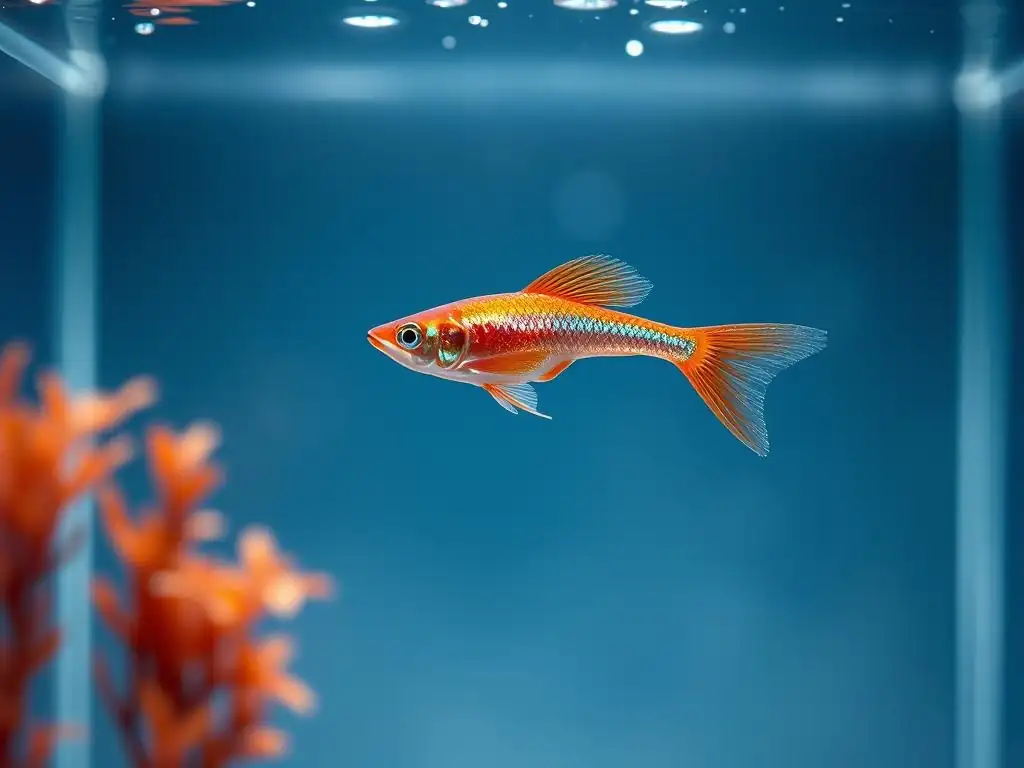
Cardinal tetras are quintessential schooling fish, meaning they exhibit a strong natural instinct to group together for safety and social interaction. This behavior is not merely aesthetic; it is a fundamental survival mechanism in the wild, protecting them from predators. In the aquarium, this translates into a need for companionship; a single cardinal tetra or a pair will be stressed, reclusive, and unlikely to display their full potential.
A minimum group size of six individuals is generally recommended for cardinal tetras to feel secure enough to school. However, for truly impressive schooling displays and reduced individual stress, a group of 10 to 15 or more is highly advisable. When kept in sufficient numbers and a suitable environment, their schooling becomes more pronounced and cohesive, a clear indicator of successful Cardinal tetra schooling care and a well-adjusted community.
How to Encourage Natural Schooling Behavior in Your Aquarium
Encouraging natural schooling behavior involves creating an environment where cardinal tetras feel safe and unthreatened. This includes providing ample open swimming space within the tank, allowing them room to maneuver as a group. Simultaneously, dense plant cover, driftwood, and other hiding spots are essential, offering them places to retreat to if they feel startled or stressed.
The presence of a mild, non-aggressive "dither fish" that swims calmly in the upper water column can sometimes encourage cardinal tetras to be more active and school openly. However, the most critical factors are stable water parameters, a balanced diet, and the absence of aggressive tank mates. A calm, well-structured habitat significantly contributes to fostering the vibrant schooling patterns that are the hallmark of excellent Cardinal tetra schooling care.
Choosing the Right Number of Cardinal Tetras for a Balanced School
While the minimum recommended school size is six, the "right" number of cardinal tetras largely depends on your tank size and the overall stocking plan. For a 20-gallon long tank, a school of 10-12 cardinal tetras can create a beautiful display without overstocking. In larger tanks, such as 50 gallons (approx. 190 liters) or more, a school of 20-30 individuals can be truly breathtaking, showcasing their tight formation and synchronized movements across a broader canvas.
Overstocking, even with peaceful fish like cardinal tetras, can lead to increased stress, poor water quality, and diminished schooling behavior as individuals become more focused on personal space. It is always better to have a slightly smaller, thriving school in pristine conditions than an overcrowded one. Careful consideration of stocking density is a crucial element of effective Cardinal tetra schooling care and ensures the long-term health of your aquatic community.
Cardinal Tetra Care: Diet, Health, and Lifespan
Providing a Balanced Diet for Optimal Cardinal Tetra Color and Health
A varied and nutritious diet is fundamental for maintaining the vibrant colors and overall health of cardinal tetras. In their natural habitat, these omnivorous fish primarily feed on small invertebrates and zooplankton. Replicating this diversity in the home aquarium is key to their well-being.
Recommended Foods and Feeding Schedule
High-quality commercial foods, such as fine flake foods or micro-pellets specifically formulated for small tropical fish, should form the staple of their diet. To enhance their coloration and provide essential nutrients, supplement these with frozen or live foods like daphnia, brine shrimp, and finely chopped bloodworms or tubifex worms. Spirulina-enriched foods are also excellent for boosting their red and blue pigments. Feed small amounts two to three times a day, only what they can consume within 2-3 minutes to prevent overfeeding and maintain water quality. This varied feeding regimen is a cornerstone of comprehensive Cardinal tetra schooling care.
Recognizing and Preventing Common Cardinal Tetra Diseases
Cardinal tetras, like all fish, are susceptible to various diseases, though a well-maintained tank significantly reduces the risk. Common ailments include Ich (white spot disease), Fin Rot, and less frequently, Neon Tetra Disease. Being able to recognize symptoms early is crucial for effective intervention.
Identifying Symptoms and Treatment Options
Symptoms of illness often include lethargy, clamped fins, loss of appetite, erratic swimming, labored breathing, or visible spots/lesions. For instance, Ich appears as small white spots resembling salt grains on the body and fins. Fin Rot causes fins to appear ragged or frayed.
Prevention is always the best cure: maintain stable, pristine water conditions, avoid sudden temperature fluctuations, quarantine all new fish for at least 2-4 weeks, and provide a balanced diet. If disease is identified, promptly diagnose it using reliable resources and apply appropriate aquarium-safe treatments, often involving specific medications and increased partial water changes. Proactive Cardinal tetra schooling care minimizes the incidence and severity of diseases.
Maximizing the Lifespan of Your Cardinal Tetras: Pro Tips
With optimal Cardinal tetra schooling care, these beautiful fish can live for 3 to 5 years, with some individuals potentially reaching up to 6 years or more. Their longevity is directly tied to the quality of their environment and the consistency of their care.
Regular partial water changes (e.g., 20-30% weekly) are paramount for removing accumulated nitrates and replenishing essential trace elements, preventing the buildup of toxins that can stress their delicate systems. Avoid overstocking the aquarium, as this can lead to poor water quality and increased stress levels. Furthermore, providing a stable, low-stress environment with plenty of hiding spots and a healthy school contributes significantly to their overall well-being and extends their lifespan.
Compatible Tank Mates for Cardinal Tetras
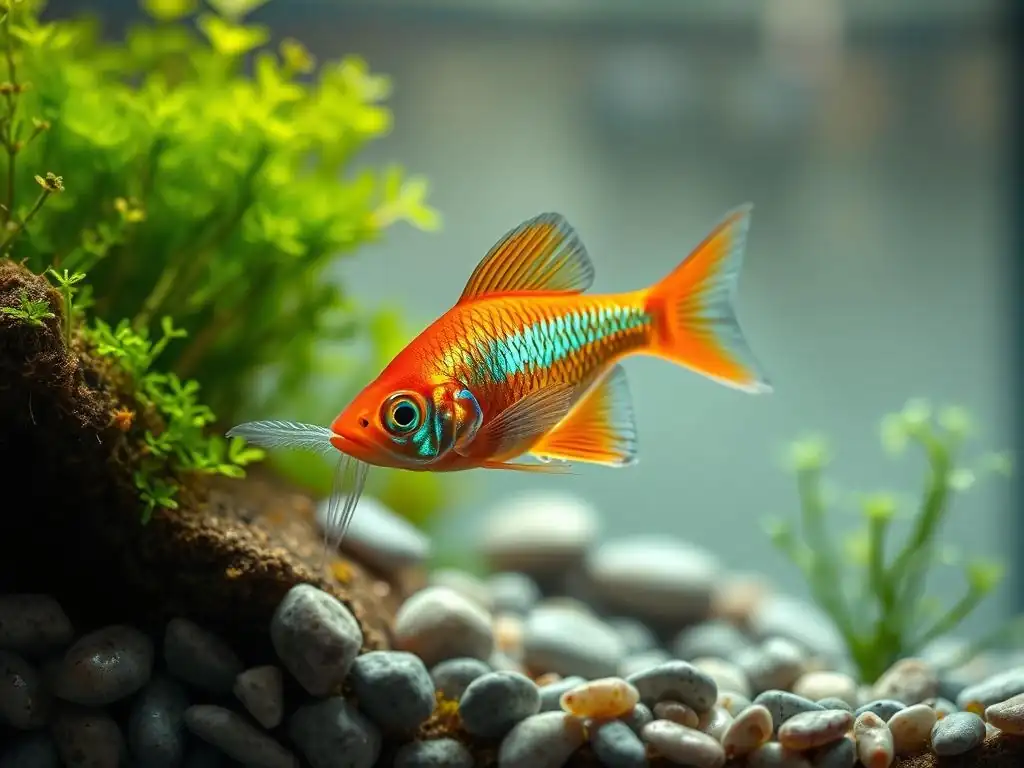
Selecting Peaceful Tank Mates for a Harmonious Community Aquarium
Cardinal tetras are inherently peaceful and shy fish, making them excellent candidates for community aquariums. The key to successful tank mates is choosing species that are similarly peaceful, non-aggressive, and ideally, of a comparable size or smaller. Avoid any fish known to be fin-nippers or overly boisterous, as these can stress the cardinals and disrupt their schooling behavior.
Good companions include other small, peaceful tetras such as Rummy-nose tetras, Ember tetras, or Neon tetras. Other suitable choices are peaceful rasboras like Harlequin rasboras, small gouramis (e.g., Dwarf Gouramis), and various species of peaceful bottom dwellers. Ensuring that tank mates share similar water parameter requirements simplifies overall Cardinal tetra schooling care.
Fish and Invertebrates That Complement Cardinal Tetra Schooling
Beyond other small schooling fish, there are several species and invertebrates that beautifully complement cardinal tetras without causing stress. Small, peaceful bottom-dwelling catfish like Corydoras species (e.g., Panda Cory, Pygmy Cory, or Julii Cory) are excellent additions, as they occupy a different water column and do not interfere with the tetras. Otocinclus catfish are also highly recommended for their peaceful nature and algae-eating habits.
Certain invertebrates can also coexist harmoniously. Amano shrimp are known for their algae-eating prowess and are too large to be considered prey by cardinals. Various species of peaceful snails, such as Nerite snails, also make good tank mates, contributing to tank cleanliness without posing any threat. These additions can enhance the biodiversity and visual interest of the aquarium, provided they align with the principles of effective Cardinal tetra schooling care.
Avoiding Aggressive Species That May Stress Cardinal Tetras
To ensure the well-being and natural schooling behavior of your cardinal tetras, it is crucial to avoid housing them with any fish that are aggressive, predatory, or overly territorial. This includes most cichlid species, even many dwarf cichlids like Apistogramma, which can become territorial during breeding. Larger barbs, such as Tiger Barbs, are notorious fin-nippers and will harass and injure cardinal tetras, leading to stress, disease, and a breakdown of their schooling instincts.
Similarly, larger gouramis or certain species of livebearers that are known to be boisterous can intimidate cardinal tetras. Even seemingly peaceful larger fish, like Angelfish, can view smaller tetras as potential prey once they grow. A careful selection of tank mates is paramount to prevent stress and ensure the long-term success of your Cardinal tetra schooling care.
Enhancing Cardinal Tetra Coloration: Tips and Tricks
The Role of Diet in Cardinal Tetra Color Intensity
The vibrancy of a cardinal tetra's coloration is heavily influenced by its diet. The red and blue pigments that make these fish so striking are largely derived from carotenoids, which are organic pigments found in certain foods. A diet rich in these compounds is essential for maximizing their color intensity.
High-quality commercial foods formulated for color enhancement often contain astaxanthin or other carotenoid sources. Supplementing their diet with natural foods like spirulina flakes, freeze-dried krill, or even small amounts of certain vegetables (e.g., blanched spinach or peas, though sparingly) can provide additional pigments. Consistent feeding of a varied, color-enhancing diet is a fundamental aspect of comprehensive Cardinal tetra schooling care that directly impacts their visual appeal.
Optimizing Lighting to Showcase Cardinal Tetra's Vibrant Hues
While cardinal tetras prefer dimly lit environments, the type and quality of aquarium lighting can significantly impact how their colors are perceived. Full-spectrum LED lights with a strong emphasis on red and blue wavelengths can make their natural iridescence truly pop, enhancing the contrast between their red and blue stripes. Lights that mimic the soft, filtered light of their natural blackwater habitat, perhaps with a slight amber or reddish tint, can also deepen their perceived colors.
Avoid excessively bright or harsh lighting, as this can not only stress the fish but also wash out their vibrant hues. Strategic placement of floating plants, tall background plants, and driftwood can create shaded areas within the tank. These shaded zones provide a sense of security for the tetras, allowing them to display their most intense colors, as they feel more comfortable and less exposed. Proper lighting is an often-underestimated component of effective Cardinal tetra schooling care.
Maintaining Water Quality for Peak Color Expression
Pristine and stable water quality is arguably the most critical factor for ensuring peak color expression in cardinal tetras. High levels of nitrates, ammonia, or nitrites, along with fluctuating water parameters, will inevitably stress the fish. Stressed fish divert energy away from color production towards immune response, leading to noticeably faded colors and a dull appearance.
Regular partial water changes (e.g., 25% weekly) are essential for removing accumulated pollutants and maintaining stable conditions. Furthermore, mimicking their natural blackwater environment by adding Indian almond leaves or quality driftwood can release tannins into the water, slightly lowering the pH and adding a natural tint. This not only creates a more comfortable environment for the fish but also helps their colors appear deeper and more saturated against the darker water, underscoring the importance of water quality in superior Cardinal tetra schooling care.
Breeding Cardinal Tetras: A Step-by-Step Guide
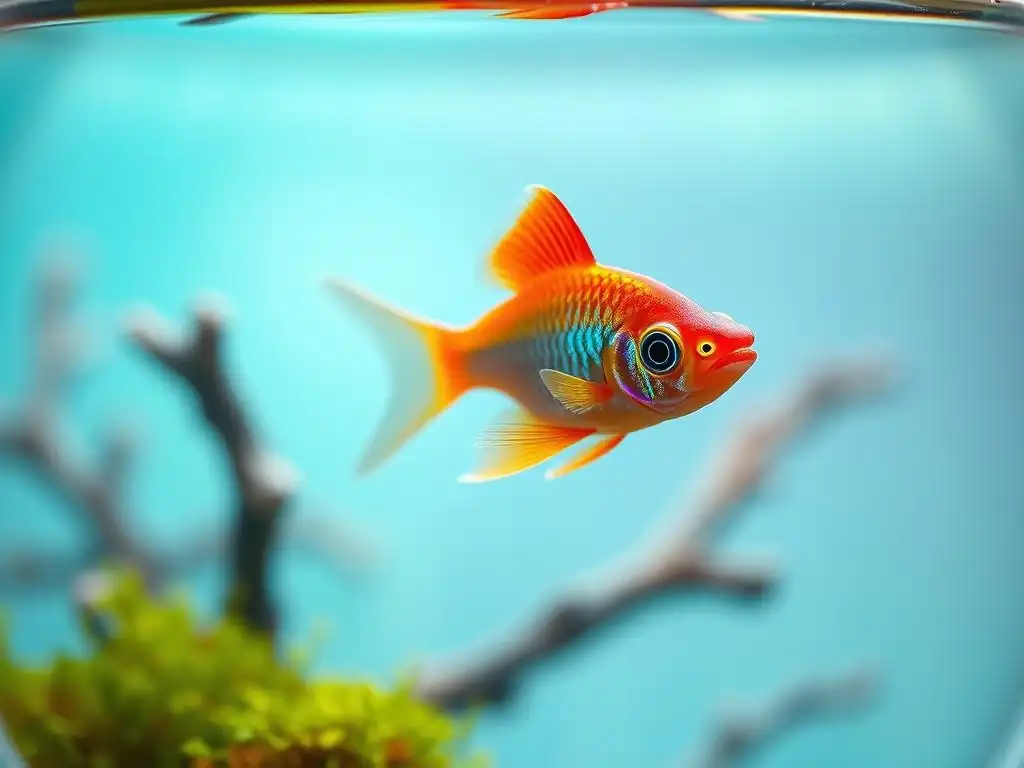
Setting Up a Breeding Tank for Cardinal Tetras
Breeding cardinal tetras can be a rewarding challenge, as they are notoriously difficult to breed in captivity. A dedicated breeding tank of 5-10 gallons (19-38 liters) is recommended. The water parameters must be extremely soft (0-2 dGH) and highly acidic (pH 5.0-5.5), ideally achieved using reverse osmosis (RO) water remineralized slightly. The tank should be dimly lit and contain fine-leaved plants like Java moss or spawning mops for the fish to lay their eggs on.
A small, air-driven sponge filter is suitable for gentle filtration. The temperature should be slightly elevated to 78-82°F (25.5-27.8°C). A bare bottom or a very thin layer of fine dark gravel is often preferred to make egg collection or visibility easier. Ensuring the tank is meticulously clean and fully cycled is crucial for providing the optimal environment for successful breeding and the subsequent delicate Cardinal tetra schooling care of the fry.
Identifying Male and Female Cardinal Tetras
Distinguishing between male and female cardinal tetras can be challenging due to their subtle differences. Generally, females tend to be slightly plumper and rounder in the belly, especially when gravid (carrying eggs). Males are typically more slender and streamlined. These differences become more apparent when the fish are in breeding condition.
To maximize breeding success, it's often recommended to condition a group of healthy adult cardinal tetras (e.g., 3-4 males to 2-3 females) in the main tank with a rich, varied diet of live and frozen foods for several weeks. Then, select the plumpest female and a couple of slender males to transfer to the prepared breeding tank, usually in the evening.
Caring for Cardinal Tetra Eggs and Fry
Cardinal tetras are egg scatterers and will readily consume their own eggs and fry. Once eggs are laid (typically at dawn, appearing tiny and clear, often adhering to plants or mops), the parents should be immediately removed from the breeding tank. The eggs are light-sensitive, so the tank should remain dimly lit or even covered. Eggs usually hatch within 24-36 hours.
The fry are incredibly small and will become free-swimming after approximately 3-5 days. For their initial feeding, they require infusoria or specialized liquid fry food, as they are too small for newly hatched brine shrimp. After about a week, they can gradually transition to newly hatched brine shrimp. Maintaining impeccable water quality with very small, frequent water changes (e.g., 10% daily) is paramount for fry survival, representing a highly specialized aspect of Cardinal tetra schooling care.
Troubleshooting Common Cardinal Tetra Schooling Problems
Addressing Lack of Schooling Behavior in Cardinal Tetras
If your cardinal tetras are not schooling actively or appear dispersed and reclusive, it's often a clear sign of stress. Common culprits include insufficient numbers in the school (fewer than six individuals), the presence of aggressive or overly boisterous tank mates, overly bright lighting, or a lack of adequate hiding spots and plant cover. Inconsistent or poor water parameters can also contribute to their reluctance to school.
To encourage natural schooling, first ensure you have a minimum of 10-15 cardinal tetras. Re-evaluate your tank mates and remove any potentially threatening species. Adjust lighting to be more subdued and add more dense planting, driftwood, or rock caves to provide ample security. Consistent and meticulous Cardinal tetra schooling care through stable conditions and a secure environment typically resolves this issue, allowing their natural instincts to flourish.
Resolving Aggression or Bullying Within the School
True aggression within a cardinal tetra school is extremely rare, as they are inherently peaceful fish. If you observe mild chasing or nipping, it's usually a symptom of underlying stress rather than inherent aggression. This could be due to an imbalance in the male-to-female ratio, particularly if males are competing for limited breeding opportunities, or simply insufficient space within the tank, leading to territoriality.
Ensure your tank is adequately sized for the number of fish you keep, providing enough open swimming space and defined territories. Increasing the school size further can help dilute any minor aggression, as individual fish become less of a target within a larger group. Double-check for any external stressors, such as aggressive tank mates or unstable water parameters, which might be making the cardinals irritable. A harmonious environment is key to effective Cardinal tetra schooling care.
Diagnosing and Treating Sick or Injured Cardinal Tetras
Vigilant daily observation is crucial for early detection of illness or injury in cardinal tetras. Symptoms of a sick fish can include faded colors, clamped fins, erratic or listless swimming, labored breathing, visible white spots (Ich), fuzzy patches (fungus), or red streaks (bacterial infection). Injuries typically result from darting into decor or from aggression by other tank inhabitants.
If a fish appears sick or injured, it's advisable to isolate it in a hospital tank to prevent the spread of disease and to administer targeted treatment without affecting the main display tank. For minor injuries, clean water and a stress-free environment often suffice for recovery. For diseases, accurate diagnosis through observation and research is critical, followed by the appropriate aquarium-safe medication. Prompt action and consistent attention are vital components of effective Cardinal tetra schooling care.
Conclusion: Mastering Cardinal Tetra Schooling Care for a Stunning Aquarium
Recap of Key Considerations for Successful Cardinal Tetra Keeping
Mastering Cardinal tetra schooling care hinges on several key environmental and husbandry practices. Paramount among these is providing stable water parameters that closely mimic their natural soft, acidic, and warm blackwater habitat (pH 5.0-7.0, dGH 1-5, temperature 73-81°F). A spacious aquarium, ideally 20 gallons or larger for a school, with dense planting and open swimming lanes, is essential for their well-being and to encourage their natural schooling behavior.
Furthermore, a varied and nutritious diet, rich in color-enhancing foods, is vital for their health and vibrant coloration. Always maintain a minimum school size of six, though 10-15 individuals will display more impressive schooling. Selecting only peaceful tank mates and vigilantly monitoring water quality and fish health are non-negotiable aspects of long-term success. Consistent attention to these details forms the bedrock of excellent cardinal tetra keeping.
Enjoying the Beauty and Benefits of a Well-Maintained Cardinal Tetra School
The reward for meticulous Cardinal tetra schooling care is a truly stunning aquarium display. The synchronized movements of a healthy, vibrant cardinal tetra school, with their iridescent blue and red stripes flashing against a lush green backdrop, add an unparalleled sense of dynamic beauty and natural tranquility to any planted tank. Their collective presence creates a captivating focal point that draws the eye and calms the mind.
Beyond the aesthetic appeal, a thriving school of cardinal tetras is also an indicator of a well-balanced and healthy aquatic ecosystem. Successfully maintaining these delicate yet rewarding fish not only provides endless visual enjoyment but also deepens the aquarist's understanding of aquatic life and water chemistry, fostering a more profound and rewarding engagement with the aquarium hobby.
Frequently Asked Questions
How many Flame Tetras should I keep in a school to see optimal schooling behavior?
Flame Tetras are social fish and thrive in groups. Aim for a minimum of six individuals, but a group of eight or more will result in a more natural and captivating display of schooling.
What size tank is recommended for a school of Flame Tetras?
While Flame Tetras are small, they need space to swim and school. A 10-gallon tank is the absolute minimum for a small school, but a 20-gallon long tank or larger is preferable to allow for better swimming space and water stability.
What are the ideal water parameters for Flame Tetras to ensure their health and vibrant coloration?
Flame Tetras prefer slightly acidic to neutral water with a pH of 6.0-7.0. The temperature should be maintained between 72-78°F (22-26°C). Stable water chemistry is crucial for their well-being and color intensity.
What kind of tank mates are suitable for Flame Tetras in a community aquarium?
Flame Tetras are peaceful fish and do well with other peaceful and similarly sized species. Good tank mates include small rasboras, Corydoras catfish, and other calm tetras. Avoid larger or aggressive fish.
What type of food should I feed Flame Tetras to maintain their bright red coloration?
Flame Tetras are omnivores and require a varied diet. Feed them a high-quality flake food as a staple, supplemented with small live or frozen foods like daphnia, brine shrimp, and bloodworms to enhance their color and overall health.
Final Reflection: Embracing the Dance of Life
The vibrant dance of Flame Tetras in a nano tank, as explored throughout this article, is more than just an aesthetic pleasure; it's a microcosm of the natural world, reflecting the delicate balance and captivating beauty that exists even in the smallest of ecosystems. Understanding and respecting the nuances of Flame tetra schooling care allows us to not only create thriving aquatic environments but also to appreciate the interconnectedness of life itself. This knowledge empowers us to become responsible stewards of these miniature worlds, fostering a deeper connection with nature.
The mesmerizing sight of a school of Flame Tetras, their fiery hues flashing in unison, has profoundly influenced the way many aquarists approach nano tank design. It reminds us that even in confined spaces, life can flourish with proper care and attention. The dedication required to maintain a healthy and happy school of these fish extends beyond mere tank maintenance; it's a commitment to understanding their needs and providing an environment where they can thrive. In nature, nothing exists alone.
- Rachel Carson. This quote perfectly encapsulates the responsibility we undertake when bringing these creatures into our homes, highlighting the importance of creating a balanced and harmonious ecosystem within the confines of our tanks.
As you consider the information presented in this article, I invite you to reflect on your own role in the natural world. How can you apply the principles of responsible care and observation, learned through the lens of Flame tetra schooling care, to other aspects of your life? Let the vibrant energy and delicate balance of the Flame Tetra's world inspire you to cultivate a deeper appreciation for the beauty and interconnectedness of all living things, and to act as a responsible guardian of the planet we share.
Ignite Your Aquarium: Start Your Flame Tetra School Today!
Thanks for diving into the captivating world of Flame Tetras! We hope you've found inspiration in their vibrant beauty and peaceful nature, and now it’s time to take the next step.
Here are a few ways to bring that dazzling display into your own aquarium:
- Begin Planning Your Nano Tank: Research tank dimensions, essential equipment, and create a list with everything you need for your new Flame Tetra school.
- Spread the Flame: Share this article with a fellow aquarium enthusiast to inspire them to discover the beauty of Flame Tetras.
- Explore compatible tank mates. Conduct research on some of the most popular fish to live alongside the Flame Tetra and introduce more color into your aquarium.
Ready to watch your own school of Flame Tetras light up your nano tank?