
HoleintheHead Disease in Oscars: Causes and Cures Demystified


Welcome to Aquarium Mastery! Ever wondered about those mysterious pits appearing on your Oscar's head? Hole-in-the-head disease can be alarming, but understanding its causes and effective treatments is key to keeping your beloved Oscar healthy and thriving. Dive in as we demystify this common ailment and provide you with the knowledge you need to restore your fish to its former glory. Ready to unravel the secrets behind "Oscar hole in head" and learn how to combat it?
- Understanding Hole-in-the-Head Disease (HITH) in Oscars
- Common Causes of HITH in Oscars
- Diagnosing HITH in Oscars
- Treating HITH in Oscars: Effective Strategies
- Preventing HITH in Oscars: Proactive Care
- Long-Term Care for Oscars Recovered from HITH
-
Frequently Asked Questions
- What is "Hole in the Head" disease in Oscars and what are the common symptoms?
- What are the primary causes of Hole in the Head disease in Oscars?
- How can I prevent Hole in the Head disease in my Oscar aquarium?
- What are the recommended treatments for Hole in the Head disease in Oscars?
- How often should I perform water changes to prevent Hole in the Head in my Oscar tank?
- Final Reflection: Understanding and Addressing "Oscar Hole in Head"
- Unleash Your Oscar's Potential!
Understanding Hole-in-the-Head Disease (HITH) in Oscars
Identifying HITH in Oscars: Symptoms and Early Detection
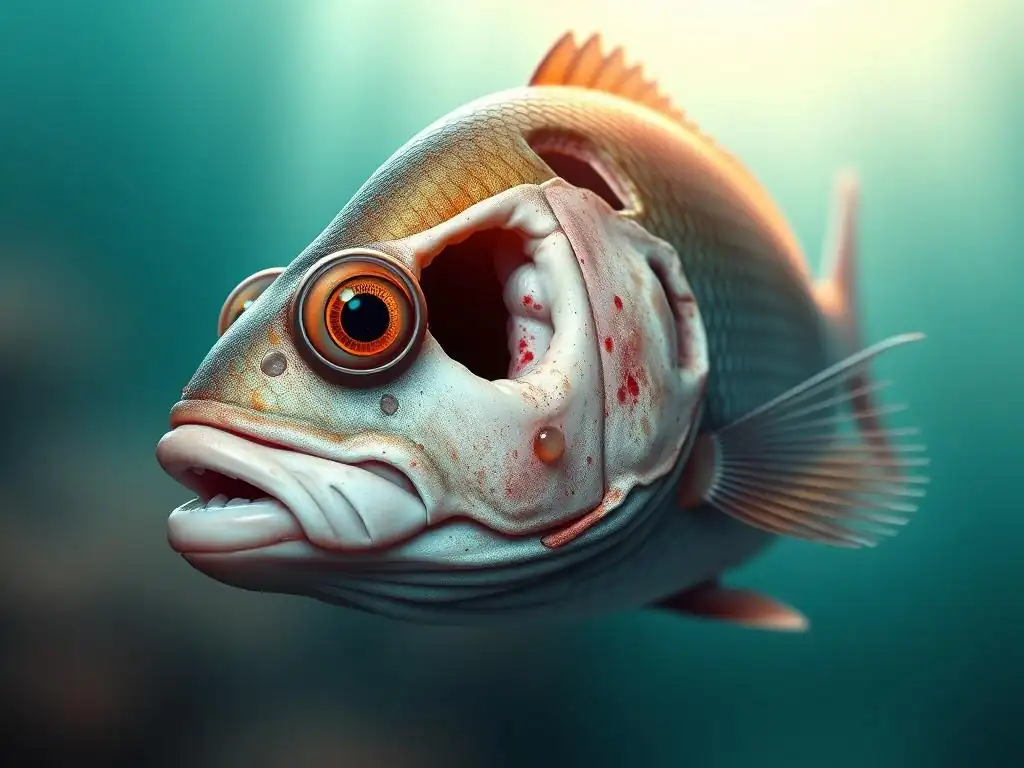
Hole-in-the-Head Disease (HITH), often referred to as Hexamita, manifests as distinct lesions or pits on the head and face of Oscar fish. These lesions typically begin as small, pinprick-sized indentations, frequently appearing around the eyes, along the forehead, and sometimes extending down the lateral line system of the fish. As the disease progresses, these initial pits can deepen and enlarge, sometimes exuding a white, stringy discharge, which is often a sign of secondary bacterial or fungal infections.
Early detection is paramount for successful treatment and preventing severe damage to your Oscar. Aquarists should routinely inspect their fish for any subtle changes in skin texture, color, or behavior. Beyond the visible pits, early signs can include a general dullness in coloration, reduced appetite, increased lethargy, or unusual hiding behavior. Catching these initial symptoms of Oscar hole in head allows for prompt intervention before the condition becomes debilitating.
Distinguishing HITH from Lateral Line Erosion (LLE)
While both Hole-in-the-Head Disease (HITH) and Lateral Line Erosion (LLE) involve damage to the sensory lateral line system, they are distinct conditions, though HITH in Oscars often presents with LLE-like symptoms. LLE typically appears as a gradual erosion or pitting along the lateral line, primarily caused by environmental stressors such as poor water quality, exposure to activated carbon dust, or stray electrical currents. The erosion in LLE is often more superficial and widespread along the lateral line itself, lacking the deep, distinct pits commonly seen around the head in HITH.
HITH, on the other hand, is more specifically characterized by the deep, crater-like lesions on the head and face, often linked to internal parasitic infections (like Hexamita or Spironucleus), combined with nutritional deficiencies and compromised water quality. While LLE can look similar, the presence of these particular deep pits on the Oscar's head is a strong indicator of HITH. Correctly distinguishing between these conditions is critical, as treatment protocols for HITH often involve antiparasitic medications in addition to environmental improvements, whereas LLE primarily focuses on correcting water parameters and removing irritants.
Common Causes of HITH in Oscars
Water Quality's Impact on Oscar Health and HITH
Poor water quality is a leading contributor to Oscar hole in head disease, significantly weakening a fish's immune system and making it susceptible to various pathogens. High levels of ammonia, nitrite, and nitrate, often resulting from insufficient filtration, overfeeding, or infrequent water changes, create a toxic environment. For instance, nitrate levels consistently above 20-40 parts per million (ppm) can chronic stress, depleting an Oscar's energy reserves and making it vulnerable to infections, including the parasitic agents often associated with HITH.
Beyond nitrogenous waste, other water quality issues can trigger HITH. Fluctuating pH levels, for example, can cause severe osmotic stress. The presence of chloramines, heavy metals from tap water, or excessive dissolved organic compounds can also irritate the fish's delicate skin and gill membranes, leading to chronic stress and weakening the fish's natural defenses. A compromised immune system, due to these persistent environmental stressors, creates an ideal opportunity for the development of Oscar hole in head.
Nutritional Deficiencies and HITH Development in Oscars
A diet lacking essential vitamins and minerals is a critical factor in the development of Oscar hole in head disease. Specifically, deficiencies in Vitamin C, Vitamin D, and certain B vitamins, along with a lack of crucial minerals like calcium and phosphorus, can severely impair an Oscar's immune function and its ability to repair tissues. These nutrients are vital for maintaining healthy skin, strong bones, and a robust immune response, and their absence leaves the fish vulnerable.
Feeding Oscars a monotonous diet, such as relying solely on a single type of dry pellet or flake food, often leads to long-term nutritional imbalances. Even high-quality staple foods may not provide the full spectrum of nutrients an Oscar needs without supplementation. For example, a diet devoid of fresh, varied components like spirulina-enriched foods, live or frozen protein sources, and occasional vitamin-soaked treats can predispose an Oscar to HITH by depriving it of the necessary building blocks for health and immunity.
Stress as a Trigger for HITH in Oscars
Chronic stress plays a significant role in weakening an Oscar's immune system, making it highly susceptible to diseases like HITH. Common stressors in an aquarium environment include overcrowding, incompatible or aggressive tank mates, sudden and drastic changes in water temperature or parameters, and inadequate tank size for such a large cichlid. For instance, an Oscar kept in a tank smaller than the recommended 55-75 gallons for an adult single specimen will experience constant stress due to confinement and limited territory.
When an Oscar is under persistent stress, its body diverts energy away from immune function and growth towards coping mechanisms. This prolonged state of physiological strain suppresses the immune system, reducing the fish's ability to fight off opportunistic pathogens, including the internal flagellates often linked to Oscar hole in head. Providing a stable, spacious, and appropriate environment with plenty of hiding spots and minimal disturbances is crucial for minimizing stress and fostering a strong immune system.
Parasitic Involvement: Heximita and Spironucleus in Oscar HITH
The internal flagellate parasites, primarily Hexamita (often referred to as Spironucleus vortens in current taxonomy), are strongly implicated in the development of Oscar hole in head disease. These microscopic organisms typically reside in the intestines of freshwater fish, including Oscars, and are often present in low numbers even in healthy fish. However, when an Oscar's immune system is compromised by poor water quality, nutritional deficiencies, or chronic stress, these parasites can proliferate rapidly.
Once Hexamita parasites multiply, they can disrupt the Oscar's digestive process, leading to severe malabsorption of essential nutrients, even if the fish is being fed a seemingly adequate diet. This internal nutrient depletion further weakens the fish, and in severe cases, the parasites are believed to migrate from the gut to other tissues, potentially causing the characteristic lesions on the head and lateral line. Addressing the parasitic load with appropriate medication, alongside environmental and dietary improvements, is therefore a critical step in treating Oscar hole in head.
Diagnosing HITH in Oscars
Early Signs of HITH in Oscars: Observation and Assessment
Diagnosing Oscar hole in head effectively begins with diligent observation of your fish. The earliest signs are often subtle and can be easily missed if not specifically looked for. These initial indicators include a slight dulling of the Oscar's vibrant coloration, a noticeable decrease in its usual energetic activity, or a subtle reduction in its feeding enthusiasm. More specifically, inspect the areas around the eyes, nostrils, and along the sensory lateral line for the very first appearance of small, pinprick-sized indentations or faint erosions.
Maintaining a daily routine of visually inspecting your Oscar and its behavior is crucial for early detection. Note any changes in its swimming patterns, interactions with tank mates, or overall demeanor. Comparing its current state to its typical healthy behavior can highlight these early, often non-specific, symptoms before the characteristic deep pits of Oscar hole in head become overtly visible, allowing for a more timely and effective intervention.
Recognizing Advanced HITH Symptoms in Oscars
As Hole-in-the-Head Disease progresses in Oscars, the symptoms become far more pronounced and indicative of a severe condition. The initial small pits will deepen and enlarge, forming distinct, crater-like lesions on the head and face, and potentially extending along the lateral line. These advanced lesions may exude a white, pus-like or stringy substance, which is often a sign of secondary bacterial or fungal infections that have taken hold in the compromised tissue.
In addition to the worsening physical lesions, Oscars with advanced HITH will typically exhibit severe behavioral changes. These include extreme lethargy, complete loss of appetite leading to rapid weight loss, prolonged periods of hiding, or unusual swimming patterns like gasping at the surface. The fish's overall condition will visibly deteriorate, indicating significant pain and distress. Recognizing these advanced symptoms of Oscar hole in head necessitates immediate and aggressive multi-faceted treatment to give the fish the best chance of recovery.
Microscopic Analysis for Parasitic Confirmation [If applicable]
For a definitive diagnosis of parasitic involvement in Oscar hole in head, particularly Hexamita or Spironucleus, a microscopic analysis may be conducted by an experienced aquarist or, ideally, an aquatic veterinarian. This typically involves taking a fresh fecal sample from the infected Oscar. The sample is then examined under a microscope at high magnification (e.g., 400x) to identify the characteristic pear-shaped, motile flagellates.
In some severe cases, or if fecal samples are unobtainable, a gentle scrape from the edge of a lesion might be taken, though this is less common for Hexamita. Confirming the presence of these internal parasites through microscopic analysis is invaluable because it allows for targeted treatment with specific antiparasitic medications, such as metronidazole. While environmental factors and nutrition are always crucial, a confirmed parasitic presence means that medication is a vital component of a comprehensive treatment plan for Oscar hole in head.
Treating HITH in Oscars: Effective Strategies
Water Quality Improvement: Essential for Oscar Recovery
The cornerstone of treating Oscar hole in head is a rapid and sustained improvement in water quality. Begin by performing large, daily water changes of 25-50% for the first few days, followed by consistent 25-30% changes every other day or every third day. This aggressive approach drastically reduces the concentration of nitrates, ammonia, and nitrites, which are primary stressors that exacerbate HITH. Ensure the replacement water is declorinated and temperature-matched to prevent further stress.
Beyond immediate changes, maintain optimal water parameters over the long term: ammonia and nitrite at 0 parts per million (ppm), and nitrates consistently below 20 ppm. This requires robust filtration, including mechanical, biological, and chemical media (e.g., activated carbon or Purigen to remove dissolved organics). Regularly clean filter media by rinsing it in old tank water to preserve beneficial bacteria, and vacuum the substrate thoroughly to remove decaying organic matter, all contributing to an environment conducive to healing from Oscar hole in head.
Dietary Adjustments: Vitamin-Enriched Foods for Oscars with HITH
Addressing nutritional deficiencies is critical for an Oscar's recovery from HITH. Immediately transition to a high-quality, varied diet rich in essential vitamins, particularly Vitamin C and D, and vital minerals. Offer premium pellets or flakes that are specifically formulated for cichlids and contain ingredients like spirulina, krill, and stabilized Vitamin C. Avoid low-quality foods that rely heavily on fillers.
Supplement the staple diet with fresh or frozen foods that have been soaked in liquid vitamin supplements, such as Selcon or garlic guard, for at least 15-30 minutes before feeding. Examples of beneficial supplemental foods include blanched peas, earthworms, high-quality frozen bloodworms, or brine shrimp. Feeding small, frequent meals can aid digestion and nutrient absorption. This comprehensive dietary overhaul directly combats the underlying deficiencies contributing to Oscar hole in head and supports immune system repair.
Medication for HITH: Metronidazole and Alternative Treatments for Oscars
When parasitic involvement, specifically Hexamita or Spironucleus, is suspected or confirmed in Oscar hole in head, the primary medication of choice is Metronidazole (Flagyl). This antiparasitic drug is highly effective against these internal flagellates. It can be administered in two main ways: either by soaking food in a Metronidazole solution (e.g., 250mg per tablespoon of food, fed daily for 7-10 days) or by adding it directly to the aquarium water (e.g., 250-500mg per 10 gallons, daily for 3-5 days, with partial water changes between doses). Food-soaking is often preferred for better internal delivery.
In cases where secondary bacterial infections have developed (e.g., cloudy eyes, fin rot, or generalized bacterial lesions), broad-spectrum antibiotics might be necessary in conjunction with metronidazole. Similarly, if fungal infections are present, antifungal medications could be used. It is crucial to remember that medication alone is rarely sufficient; it must always be combined with significant improvements in water quality and dietary nutrition to achieve a complete recovery from Oscar hole in head and prevent recurrence.
Quarantine Protocols: Isolating Infected Oscars
Establishing a proper quarantine protocol is highly beneficial when treating an Oscar afflicted with HITH. Moving the infected fish to a dedicated hospital tank offers several key advantages. Firstly, it prevents the potential spread of the disease to other tank inhabitants, particularly if the underlying cause is parasitic. Secondly, a hospital tank allows for precise dosing of medications, as the water volume is smaller and more controllable, ensuring the Oscar receives the full therapeutic concentration.
A hospital tank should be set up with minimal decor, ideally a bare bottom, to facilitate easy cleaning and prevent medication absorption by substrate. Ensure it has a reliable heater to maintain a stable temperature (e.g., 78-82°F or 25-28°C) and adequate aeration. This controlled, stress-free environment enables focused treatment and close monitoring of the Oscar's response to therapy, significantly improving the chances of recovery from Oscar hole in head without impacting the main display tank.
Preventing HITH in Oscars: Proactive Care
Optimal Water Parameters for Healthy Oscars: Prevention is Key
Maintaining optimal and stable water parameters is the single most critical factor in preventing Oscar hole in head disease. For Oscars, this means consistently keeping ammonia and nitrite levels at zero parts per million (ppm) and nitrates below 20 ppm, ideally closer to 10 ppm. The pH should be stable within a range of 6.5 to 7.5, reflecting their natural habitat. Regular testing with reliable liquid test kits is essential to monitor these parameters weekly.
Achieving and sustaining these ideal conditions requires a robust filtration system, including oversized biological filtration, and consistent, routine water changes. For a single adult Oscar, a minimum 25-30% weekly water change is recommended in a tank no smaller than 55-75 gallons. This proactive approach prevents the chronic stress and immune suppression caused by poor water quality, which are primary precursors to Oscar hole in head.
Balanced Diet for Oscars: Preventing Nutritional Deficiencies and HITH
A diverse and nutritionally complete diet is fundamental to preventing Oscar hole in head. Rather than relying on a single food source, offer a varied menu comprising high-quality pellets or sticks specifically formulated for large cichlids, which should be the staple. Supplement this with a range of frozen foods like bloodworms, brine shrimp, krill, and spirulina-enriched preparations. Occasional offerings of blanched vegetables, such as peas, can also provide beneficial fiber and vitamins.
It is crucial to ensure that the chosen foods are rich in essential vitamins, particularly Vitamin C and D, and vital minerals. Avoid feeder fish, as they often carry diseases and lack nutritional value. By providing a broad spectrum of nutrients, you strengthen your Oscar's immune system, enhance its tissue repair capabilities, and proactively prevent the nutritional deficiencies that often underpin the development of Oscar hole in head.
Minimizing Stress in the Oscar's Environment: Key to Prevention
Creating a low-stress environment is paramount for preventing Oscar hole in head, as chronic stress significantly compromises a fish's immune system. Ensure the Oscar's aquarium is adequately sized; a single adult Oscar requires at least 55-75 gallons, with larger tanks (e.g., 125 gallons or more) needed for multiple Oscars or community setups. Overcrowding is a major stressor. Provide appropriate hiding spots, such as caves, driftwood, or sturdy plant decorations, to allow the Oscar to retreat when it feels threatened or needs rest.
Maintain a stable temperature (e.g., 76-80°F or 24-27°C) and avoid sudden fluctuations. Choose tank mates carefully, opting for peaceful, similarly sized fish that won't bully or be bullied by the Oscar. Minimizing sudden loud noises, excessive vibrations, or abrupt changes in lighting around the tank also contributes to a calm environment. A relaxed Oscar with a robust immune system is far less likely to succumb to diseases like Oscar hole in head.
Regular Aquarium Maintenance: Preventing Disease Outbreaks in Oscars
Consistent and thorough aquarium maintenance is a non-negotiable aspect of preventing Oscar hole in head and other common fish diseases. This includes performing weekly partial water changes (e.g., 25-30% for an Oscar tank) to dilute accumulated nitrates and replenish essential minerals. Concurrently, gravel vacuuming should be performed to remove uneaten food, fish waste, and other detritus that can break down into harmful toxins.
Filter maintenance is equally important; mechanical filter media should be rinsed weekly in old tank water (never tap water, to protect beneficial bacteria), and chemical media replaced as recommended by the manufacturer. Regularly wiping down the inside of the tank glass prevents algae buildup and allows for better observation of your fish. This systematic approach to cleanliness and parameter stability directly reduces the presence of stressors and pathogens in the water, serving as the most effective defense against the development of Oscar hole in head.
Long-Term Care for Oscars Recovered from HITH
Monitoring for Relapse: Post-Treatment Vigilance
Even after an Oscar appears to have fully recovered from HITH, continued vigilance is crucial to prevent a relapse. The underlying causes, such as subtle water quality issues or minor nutritional deficiencies, may not have been entirely eradicated, making the fish susceptible again. For several months post-treatment, observe your Oscar daily for any early signs of recurrence, such as new, small pits forming on the head or lateral line, a return of lethargy, or a decrease in appetite.
Maintaining detailed records of water parameters, feeding habits, and any behavioral changes can help identify potential triggers for relapse. If even minor symptoms of Oscar hole in head reappear, immediate re-evaluation of tank conditions and diet, along with consideration for further treatment, is necessary. Proactive monitoring ensures any potential relapse is caught early, making re-treatment more effective.
Maintaining a Healthy Aquarium Environment After HITH Treatment
The improved water quality and dietary regimen implemented during the treatment phase for Oscar hole in head must become the new standard for the aquarium's long-term care. This is not a temporary fix but a permanent lifestyle adjustment for both the fish and the aquarist. Consistently perform regular, sufficient water changes (e.g., 25-30% weekly) to keep nitrates low and replenish essential minerals. Ensure that ammonia and nitrite levels remain at zero.
Regularly test your water parameters to confirm stability and make proactive adjustments as needed. Over-filtration for an Oscar tank is always beneficial, providing robust biological and mechanical filtration capacity. Avoid overfeeding, which can quickly degrade water quality. A stable, pristine, and well-maintained environment is the single most important factor in preventing the recurrence of Oscar hole in head.
Probiotics and Immune Support for Oscars: Long-Term Health
For Oscars recovering from HITH, particularly if antibiotics were used, supporting their long-term gut health and immune system is highly beneficial. Probiotic-enriched fish foods or supplements can help replenish beneficial gut bacteria that may have been depleted during treatment, improving digestion and nutrient absorption. These beneficial bacteria contribute to overall gut health, which is intrinsically linked to a strong immune response.
Additionally, consider incorporating immune-boosting supplements into the Oscar's diet. Vitamin C, a powerful antioxidant, can be added to food via liquid supplements, aiding in tissue repair and strengthening the immune system. Garlic extracts, also available as food soaks, are known for their appetite-stimulating and immune-supportive properties. These long-term supportive measures can help fortify your Oscar's natural defenses, making it more resilient against future health challenges and preventing the return of Oscar hole in head.
Frequently Asked Questions
What is "Hole in the Head" disease in Oscars and what are the common symptoms?
Hole in the Head (HITH) in Oscars is a disease characterized by lesions and pits appearing on the head and lateral line. Common symptoms include small holes, weight loss, and decreased appetite.
What are the primary causes of Hole in the Head disease in Oscars?
The exact cause is debated, but it's often linked to poor water quality, nutritional deficiencies, and potential Hexamita parasite infections. Stress also plays a significant role in weakening the immune system.
How can I prevent Hole in the Head disease in my Oscar aquarium?
Prevention focuses on maintaining pristine water conditions through regular water changes and proper filtration. Feeding a high-quality, varied diet rich in vitamins and minerals is also crucial.
What are the recommended treatments for Hole in the Head disease in Oscars?
Treatment often involves improving water quality, adding salt to the aquarium (if tolerated), and medicating with anti-parasitic drugs like metronidazole if Hexamita is suspected. Always consult a veterinarian or experienced aquarist before medicating.
How often should I perform water changes to prevent Hole in the Head in my Oscar tank?
Frequent water changes are vital. Aim for 25-50% water changes weekly, depending on your tank size and bioload, to keep nitrate levels low and maintain optimal water parameters.
Okay, here's a final reflection crafted to fit your article "HoleintheHead Disease in Oscars: Causes and Cures Demystified," targeting the keyword "Oscar hole in head," and adhering to the structure you provided.
Final Reflection: Understanding and Addressing "Oscar Hole in Head"
The information presented throughout this article underscores the critical importance of proactive aquarium management and early intervention when dealing with "Oscar hole in head," or Hexamita. While the term itself might sound alarming, understanding the underlying causes and implementing appropriate treatment strategies can significantly improve the health and well-being of these magnificent fish. The prevalence of this condition, even today, highlights the need for continued education and responsible fishkeeping practices.
This condition, often misunderstood, serves as a stark reminder of the delicate balance within our aquariums and the responsibility we bear as caretakers. The fight against "Oscar hole in head" is not just about treating a disease; it's about fostering a deeper understanding of fish health and preventative care. As Jacques Cousteau wisely stated, The sea, once it casts its spell, holds one in its net of wonder forever.
This sentiment applies equally to the freshwater world; our commitment to understanding and protecting these creatures is paramount.
Now, as you reflect on the information shared, consider how you can apply these principles to your own aquarium practices. Are you providing optimal water conditions? Are you observing your fish closely for early signs of illness? Let this knowledge empower you to create a thriving environment for your Oscars and other aquatic companions, ensuring their health and happiness for years to come.
Unleash Your Oscar's Potential!
Thanks for diving deep into understanding Hole-in-the-Head disease in Oscars! We hope this article empowered you with the knowledge to ensure your finned friend thrives. Ready to take the next step in your Oscar's care?
Here are a few actions you can take right now:
- Act decisively and examine your Oscar closely for early signs of Hole-in-the-Head disease. Early detection is key to successful treatment.
- Explore alternative natural treatments for Hole-in-the-Head disease, like improving water quality and diet, to complement traditional medication.
- Share this vital information with fellow Oscar enthusiasts on social media or in your local aquarium club – let's spread awareness!
What immediate changes will you implement in your Oscar's environment to promote healing and prevent future outbreaks?