
Risky Business: Fish to Avoid Housing with Your Denison Barbs

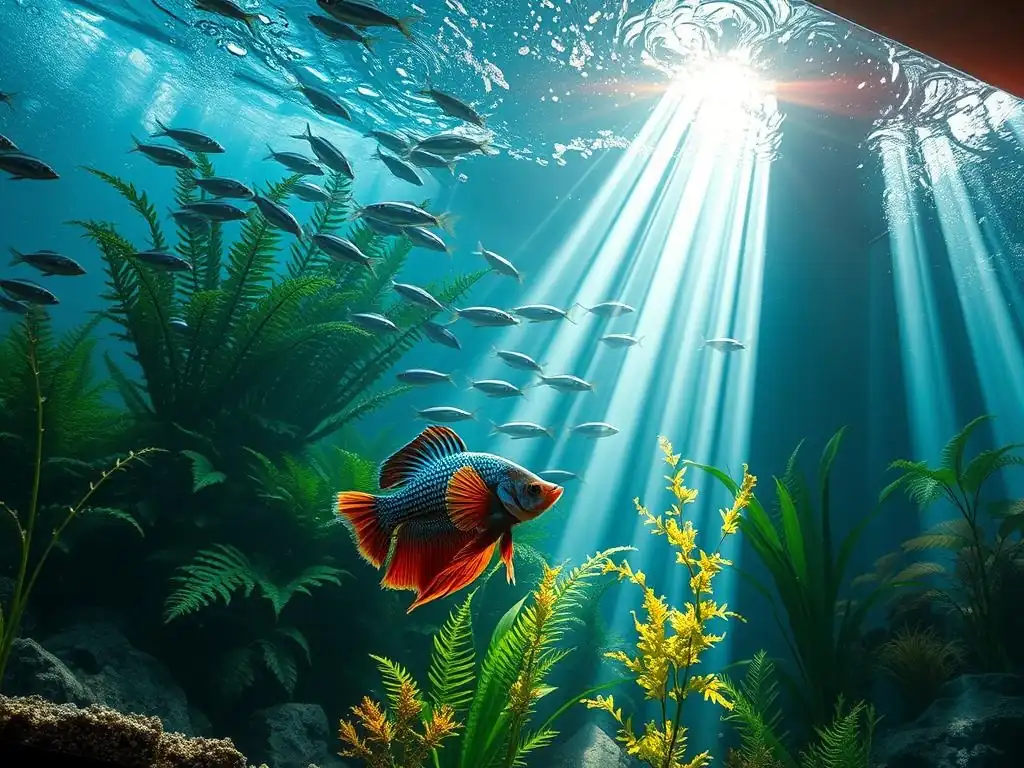
Welcome to Aquarium Mastery!
Ever wondered if your vibrant Denison barbs are truly thriving in their community tank? Before adding any new finned friends, discover the potential Risky Business of choosing the wrong tank mates. Dive in to our guide and uncover which fish to avoid housing with your Denison barbs, ensuring a harmonious and healthy aquatic environment for these stunning creatures. Let's unlock the secrets to a perfectly balanced freshwater aquarium!
- Understanding Denison Barb Temperament and Tank Needs
- The "No-Go" List: Fish Incompatible with Denison Barbs
- Specific Fish Species to Avoid with Denison Barbs
- Identifying Potential Compatibility Issues Before Introducing New Fish
- Creating a Peaceful Aquarium: Choosing Appropriate Tank Mates for Denison Barbs
- What Happens When You Choose the Wrong Tank Mates?
- Alternative Tank Mates: Safe and Suitable Options for Your Denison Barbs
- Troubleshooting: What to Do if You Already Have Incompatible Fish
- Frequently Asked Questions
- Final Reflection: Navigating the Waters of Compatibility
- Unlock a Thriving Tank: Take the Next Step!
Understanding Denison Barb Temperament and Tank Needs
Denison Barb Behavior: What to Expect in a Community Tank
Denison barbs (Sahyadria denisonii), also known as Roseline Sharks, are highly active, schooling fish native to the fast-flowing rivers and streams of the Western Ghats in India. In a home aquarium, they typically grow to an impressive 4-6 inches (10-15 cm), though wild specimens can sometimes exceed 8 inches (20 cm).
While generally considered peaceful, their energetic nature and schooling behavior are crucial factors in their compatibility. They are known for their constant motion, darting quickly through the mid-to-upper water columns, and can exhibit mild fin-nipping tendencies if not kept in sufficiently large schools (a minimum of 6-8 individuals) or in tanks that are too small.
Their natural schooling instinct is vital for their well-being and for mitigating any potential aggression. When kept in small numbers, Denison barbs can become stressed and more prone to harassing other tank mates. Their vibrant red and black stripes make them a visually stunning addition to a freshwater aquarium, but their specific behavioral needs necessitate careful consideration of tank mates to avoid "Denison barbs incompatible fish" scenarios. Their speed and occasional playful nips can inadvertently stress or harm slower, more delicate species.
Key Environmental Requirements for Healthy Denison Barbs
Maintaining optimal environmental conditions is paramount for the health and temperament of Denison barbs. These fish thrive in well-oxygenated water with a strong current, closely mimicking their natural riverine habitats. Ideal water parameters include a temperature range of 68-77°F (20-25°C), a slightly acidic to neutral pH between 6.5 and 7.8, and soft to moderately hard water (dH 5-15). A minimum tank size of 55 gallons (approximately 208 liters) is recommended for a school of 6-8 juvenile individuals, with larger tanks (75+ gallons, or 280+ liters) being significantly better for adult groups to accommodate their active swimming habits.
Excellent filtration is non-negotiable due to their active metabolism and the resulting bioload. Canister filters or powerful hang-on-back filters with a high flow rate are highly recommended to ensure pristine water quality and adequate oxygenation. Aquascaping should include plenty of open swimming space in the foreground, combined with some dense planting or driftwood at the back and sides to provide secure hiding spots. This balance allows them to feel safe and reduces stress, which in turn minimizes any potential for aggression towards other fish and helps prevent issues related to "Denison barbs incompatible fish."
The "No-Go" List: Fish Incompatible with Denison Barbs
Aggressive Tank Mates: Why Bullies and Denison Barbs Don't Mix
Introducing aggressive or overtly territorial fish into a Denison barb tank is a recipe for disaster. While Denison barbs are generally peaceful, they are easily stressed by constant harassment, which can lead to severe health issues. Species notorious for their belligerence, such as many types of cichlids (e.g., Jack Dempsey, Convict Cichlid) or larger, dominant barbs, will relentlessly chase and nip at Denison barbs. For instance, a single adult Oscar (Astronotus ocellatus) in a tank with Denison barbs would likely view them as competitors for space or even as potential prey, leading to chronic stress for the barbs.
This continuous stress can manifest as faded coloration, clamped fins, erratic swimming, and a significantly weakened immune system. A stressed Denison barb is far more susceptible to common aquarium diseases like Ich (white spot disease) or bacterial infections. Aggressive tank mates disrupt the Denison barbs' natural schooling behavior, making them more vulnerable and prone to injury. The presence of such bullies can transform a peaceful community tank into a constant battleground, making these aggressive species definitive "Denison barbs incompatible fish."
Avoiding Fin-Nipping Fish with Denison Barbs
Denison barbs, despite their generally peaceful nature, can occasionally engage in mild fin-nipping, especially if their schooling needs are not met or if they are stressed. The problem escalates when they are housed with other species known for their fin-nipping tendencies, such as the infamous Tiger Barb (Puntigrus tetrazona) or certain larger, more boisterous tetras. For example, a mixed school of Denison barbs and Tiger Barbs in a 55-gallon tank might lead to a constant cycle of reciprocal fin-nipping among both species, particularly if the tank is even slightly overcrowded or lacks sufficient open swimming space.
This mutual fin-nipping results in constant stress and physical injury for all involved. The elegant fins of Denison barbs, while robust, can suffer significant damage, making them highly susceptible to secondary bacterial and fungal infections. Therefore, it is highly advisable to avoid pairing Denison barbs with fish that have a strong reputation for fin-nipping. This compounding of risks leads to an unhealthy and stressful environment for all inhabitants, solidifying these species as "Denison barbs incompatible fish."
Slow-Moving or Long-Finned Fish: A Recipe for Disaster
The swift and darting movements characteristic of Denison barbs make them unsuitable tank mates for slow-moving or sedentary fish. Species like Angelfish (Pterophyllum scalare) or many types of Gouramis (e.g., Pearl Gourami, Trichopodus leerii) are particularly vulnerable to harassment. A common observation is Denison barbs repeatedly darting past a slow-moving Angelfish, causing significant stress and potentially nipping at its long, flowing fins. This constant harassment prevents the slower fish from feeding properly or resting, often leading to a rapid decline in their health.
Even if there is no outright aggression, the sheer energy and speed of Denison barbs can overwhelm more placid species. Imagine a Betta fish (Betta splendens) attempting to navigate calmly in a tank where Denison barbs are constantly in motion; the Betta's stress levels would likely skyrocket due to the incessant activity around it, leading to a compromised immune system and increased susceptibility to disease. This fundamental mismatch in activity levels firmly places slow-moving and delicate species on the list of "Denison barbs incompatible fish."
Why Long-Finned Fish are Vulnerable to Denison Barbs
Long-finned fish are especially susceptible to the playful, yet damaging, nipping behavior of Denison barbs. Species such as male Guppies (Poecilia reticulata) with their elaborate caudal fins, or various types of fancy Goldfish (Carassius auratus) like Fantails or Orandas (though Goldfish also have different temperature requirements), present an irresistible target. Aquarists frequently report instances of a Guppy's tail being noticeably shredded after only a few hours in a tank shared with a newly introduced school of Denison barbs.
The damage inflicted is not merely cosmetic; shredded fins are open wounds that are highly prone to bacterial and fungal infections, which can quickly become fatal if left untreated. Moreover, the persistent nipping causes immense stress to the long-finned fish, severely impacting their ability to swim, feed, and even reproduce effectively. This inherent vulnerability makes long-finned varieties clear examples of "Denison barbs incompatible fish" and should be avoided in a community tank setting with Denison barbs.
Tiny Tank Mates: Potential Snack Foods for Your Barbs
Given that adult Denison barbs can reach a size of 4-6 inches (10-15 cm), any fish significantly smaller than them, particularly those under 1 inch (2.5 cm), can be perceived as potential prey. While Denison barbs are not predatory by nature, larger fish will opportunistically consume anything that fits into their mouths. This risk is especially pertinent for newly hatched fry of any species, or extremely small adult fish like Dwarf Rasboras (Boraras maculatus) or even very small Endler's Livebearers (Poecilia wingei), which might be at risk of being eaten.
The risk of predation is heightened during feeding times, when Denison barbs are most active and competitive. Even if not immediately consumed, the stark size disparity can be a constant source of stress for the smaller fish, causing them to hide perpetually and fail to thrive. The "snack food" scenario is a serious consideration, particularly when striving to maintain a peaceful and safe community tank, making tiny species a poor choice and often "Denison barbs incompatible fish."
The Importance of Size Compatibility in a Barb Community Tank
Size compatibility is a cornerstone of successful community aquarium keeping, and it is critically important when housing active fish like Denison barbs. A widely accepted guideline is to avoid pairing adult fish where one species is less than half the size of the other, especially if the larger species possesses a wide mouth. For example, pairing adult Denison barbs (10-15 cm) with adult Chili Rasboras (1.5-2 cm) represents an extreme size mismatch, placing the smaller fish under constant threat.
Beyond direct predation, significant size differences can lead to intense feeding competition, where smaller, more timid fish are consistently outcompeted for food, resulting in malnutrition. It also fosters a perpetual state of anxiety for the smaller fish, which can lead to chronic stress and related diseases. Ensuring that all tank inhabitants are roughly of similar adult size or that the larger fish are not predatory is paramount to prevent conflict and ensure a thriving environment, thereby avoiding the pitfalls of "Denison barbs incompatible fish" situations.
Specific Fish Species to Avoid with Denison Barbs
Aggressive Cichlids: A General No-No for Denison Barb Tanks
Many cichlid species, particularly those originating from Central and South America or certain African cichlids, are highly territorial and aggressive, rendering them entirely unsuitable for a Denison barb tank. Prime examples include the Jack Dempsey (Rocio octofasciata), which can grow to 8-10 inches and is renowned for its pugnacious behavior, or even smaller, more feisty cichlids like the Convict Cichlid (Amatitlania nigrofasciata). These cichlids will not only chase and nip at Denison barbs but are capable of inflicting severe physical damage, often leading to death.
The constant territorial disputes initiated by aggressive cichlids will cause immense, chronic stress for the active Denison barbs, disrupting their natural schooling and feeding patterns. For instance, a single adult Convict Cichlid, even in a 75-gallon tank, can effectively terrorize a school of Denison barbs, preventing them from utilizing the entire tank space and forcing them into perpetual hiding. This level of aggression makes these cichlids unequivocally "Denison barbs incompatible fish."
Small, Fragile Fish: Neon Tetras and Other Delicate Species
While seemingly peaceful, small and delicate fish like Neon Tetras (Paracheirodon innesi) or Cardinal Tetras (Paracheirodon axelrodi) are often too fragile and diminutive to coexist safely with active Denison barbs. Although Denison barbs typically won't actively hunt adult Neon Tetras, their rapid movements and occasional playful nips can cause significant stress. A school of 6-8 Denison barbs can easily outcompete a school of 10-15 Neon Tetras for food, especially during vigorous feeding sessions, leading to malnutrition for the smaller tetras.
Furthermore, the sheer size disparity can intimidate the smaller species, causing them to hide constantly and become chronically stressed. Neon Tetras, which typically reach only 1.5 inches (4 cm), are dwarfed by adult Denison barbs at 4-6 inches. This disparity frequently results in a situation where the smaller fish are perpetually on edge, leading to a weakened immune system and increased susceptibility to diseases like Neon Tetra Disease. These factors make them highly "Denison barbs incompatible fish."
Very Territorial Fish: Preventing Constant Conflict
Beyond outright aggressive cichlids, other fish species that establish strong territories, even if not overtly violent, can still cause significant issues in a Denison barb tank. Examples include certain species of Gouramis (like the Dwarf Gourami, Trichogaster lalius – while some are peaceful, others can be quite territorial), or some larger, more dominant species of Rainbowfish. A male Dwarf Gourami, for instance, might claim a specific corner of the tank and relentlessly chase away any Denison barb that ventures too close, severely disrupting their natural swimming patterns.
This constant low-level harassment, even in the absence of physical injury, leads to chronic stress for the Denison barbs. They may cease schooling effectively, become reclusive, or develop stress-related health issues. The continuous need for the barbs to avoid specific areas of the tank significantly reduces their available swimming space and overall quality of life. This inherent territoriality makes these species problematic and often "Denison barbs incompatible fish."
Identifying Potential Compatibility Issues Before Introducing New Fish
Researching Fish Temperaments and Compatibility
Thorough research is the single most critical step an aquarist can take before introducing any new fish to an existing aquarium, especially when considering "Denison barbs incompatible fish" scenarios. Rely on reputable sources such as established aquarium forums, scientific journals, and well-known fish-keeping guides. Before adding a new species, cross-reference its adult size, activity level, specific dietary needs, and known temperament against those of your existing Denison barbs. A quick search for "[new fish species] tank mates" or "Denison barb compatibility" can reveal critical insights from the collective experiences of other aquarists.
Pay meticulous attention to specific behavioral traits mentioned, such as "fin-nipping," "territorial," "prefers quiet environments," or "fast swimmer." Understanding these nuances can prevent costly and heartbreaking mistakes. For example, if a species is consistently described as "semi-aggressive" or "best kept in species-only tanks," it's a strong indicator that it might not be suitable for the active, generally peaceful Denison barb community. This proactive research significantly minimizes the risk of introducing "Denison barbs incompatible fish."
Observing Fish Behavior in the Store Tank
Before making a purchase, dedicate at least 10-15 minutes to observing the behavior of the prospective fish in the store tank. Look for any signs of aggression towards their current tank mates, such as chasing, nipping, or flared gills.
Additionally, observe how the fish interacts with its own kind – are they schooling peacefully, or are there constant skirmishes and signs of dominance? For instance, if you notice a particular fish consistently harassing others or displaying stressed behaviors like clamped fins or rapid breathing, it's a strong indication that it might not be a suitable addition to your peaceful community.
Furthermore, meticulously check for general health indicators: clear, bright eyes; intact, unfrayed fins; absence of visible parasites (like white spots or velvet); and active, purposeful swimming. A healthy fish is less likely to be stressed and exhibit abnormal behaviors. If the store tank itself appears overcrowded or unkempt, it could indicate stressed fish, making it harder to accurately assess their true temperament. Making careful, informed observations can significantly help you avoid bringing home "Denison barbs incompatible fish."
Creating a Peaceful Aquarium: Choosing Appropriate Tank Mates for Denison Barbs
Ideal Tank Mates for Denison Barbs: Peaceful and Active Species
The best tank mates for Denison barbs are peaceful, active, and similarly sized fish that thrive in comparable water parameters. Excellent examples include other non-aggressive, mid-to-large sized schooling fish like many species of Rainbowfish (e.g., Boeseman's Rainbowfish, Melanotaenia boesemani, or Turquoise Rainbowfish, Melanotaenia praecox), which typically grow to 3-5 inches and are known for their active, schooling behavior. Another superb choice can be certain larger, peaceful Tetras, such as Congo Tetras (Phenacogrammus interruptus), which reach 3-4 inches and appreciate similar conditions and water flow.
These species share the Denison barbs' need for ample open swimming space and are robust enough to handle the barbs' energy without becoming stressed or targeted. They also contribute to a dynamic and visually appealing tank without creating the "Denison barbs incompatible fish" scenario. Always introduce new schooling fish in appropriate group sizes (typically 6-8 or more) to help diffuse any potential aggression and encourage natural behavior.
Maintaining a Balanced Ecosystem to Minimize Aggression
A well-maintained and appropriately sized aquarium is fundamental for minimizing aggression and stress among all inhabitants. For Denison barbs, this means a tank of at least 55 gallons for a school of 6-8, with 75 gallons or more being ideal for a full-grown school. Overcrowding is a primary trigger for aggression in many fish species, including Denison barbs, as it leads to heightened competition for space, food, and resources. Adequate filtration, regular water changes (e.g., 25-30% weekly), and stable water parameters (temperature, pH, and nitrates below 20 ppm) are also vital for overall fish health and reduced stress.
Providing ample hiding spots and visual barriers using live plants (such as Anubias, Java Fern, or tall Vallisneria), driftwood, and rock formations can help break up lines of sight and create perceived territories, thereby reducing direct conflict. For instance, a densely planted background with open swimming space in the foreground allows active fish to dart around while providing security and refuge. This thoughtful aquascaping, combined with proper stocking levels, fosters a harmonious environment where the risk of "Denison barbs incompatible fish" issues is significantly reduced.
What Happens When You Choose the Wrong Tank Mates?
Stress and Disease in Denison Barbs
When Denison barbs are housed with incompatible fish, chronic stress is an almost inevitable and detrimental outcome. This stress manifests in various observable ways: faded coloration (losing their vibrant red and black stripes), clamped fins, a noticeable loss of appetite, and erratic swimming patterns (e.g., constantly hiding, darting frantically against tank walls). A chronically stressed immune system is severely compromised, rendering the Denison barbs highly susceptible to common freshwater diseases. For example, a tank with aggressive cichlids might see Denison barbs developing persistent Ich infections or fin rot due to constant harassment and weakened defenses.
Scientific studies have consistently shown that chronic stress can reduce a fish's lifespan by as much as 30-50% and significantly increase disease susceptibility. For instance, a Denison barb that might normally live 5-8 years could succumb to illness within 1-2 years if constantly stressed by inappropriate tank mates.
This vicious cycle of stress and disease is not only detrimental to the individual fish but can also rapidly spread pathogens throughout the entire aquarium, transforming a once vibrant tank into a struggle for survival. The unfortunate outcome of "Denison barbs incompatible fish" choices is often a tank filled with sick, unhappy fish.
Injured or Killed Fish
Direct physical harm is a severe and often tragic consequence of housing Denison barbs with aggressive or predatory species. Fin nipping, body bites, and even outright consumption can occur within hours or days.
For example, if a school of Denison barbs is placed with a large, aggressive Oscar cichlid, it is highly probable that some barbs will suffer severe fin damage, extensive scale loss, or even be completely eaten within a short period. Similarly, if a slow-moving Angelfish is paired with a boisterous group of Denison barbs, its long, delicate fins are likely to be constantly nipped, leading to bacterial infections and eventual death.
This often results in a gruesome sight for the aquarist and significant financial loss from deceased fish. Beyond the immediate fatalities, injuries make surviving fish highly vulnerable to secondary bacterial or fungal infections, often requiring extensive medication and isolation in a quarantine tank. The constant threat of injury also causes immense psychological stress to the remaining fish, further exacerbating their overall health issues. This highlights the critical importance of carefully avoiding "Denison barbs incompatible fish" pairings.
Constant Tank Reorganization and Intervention
An improperly stocked aquarium with "Denison barbs incompatible fish" often leads to a continuous cycle of intervention, frustration, and disappointment for the aquarist. This might involve frequent rehoming of problematic fish, setting up multiple quarantine tanks for injured individuals, or even repeatedly redesigning the tank layout in a desperate attempt to alleviate aggression. For instance, an aquarist might try adding more plants or decor to break up lines of sight, only to find that the aggression persists due to fundamental species incompatibility.
This constant need for intervention consumes significant time, effort, and financial resources. It can also be highly stressful for the fish, as they are repeatedly moved, or their environment is drastically altered. What was intended to be a relaxing and enjoyable hobby can quickly devolve into a source of stress and disappointment. The most effective approach is to prevent these issues from arising in the first place by thoroughly researching and selecting compatible species from the outset, thus avoiding the "Denison barbs incompatible fish" dilemma entirely.
Alternative Tank Mates: Safe and Suitable Options for Your Denison Barbs
Peaceful Community Fish That Thrive with Denison Barbs
Many peaceful, active, and similarly sized species can make excellent companions for Denison barbs, contributing to a vibrant and harmonious community tank. Besides the Rainbowfish (e.g., Boeseman's Rainbowfish, Turquoise Rainbowfish) and Congo Tetras (Phenacogrammus interruptus) mentioned previously, other suitable options include some larger, more robust types of Rasboras, such as Harlequin Rasboras (Trigonostigma heteromorpha), provided the tank is sufficiently large to accommodate their schooling needs.
For the bottom level, active and generally peaceful species like Dwarf Chain Loaches (Ambastaia sidthimunki) or Clown Loaches (Chromobotia macracanthus – requiring very large tanks) can be excellent choices, as they typically ignore other fish.
Another excellent choice for a mid-water companion is the Rosy Barb (Pethia conchonius), which shares a similar active temperament and size profile with Denison barbs, provided they are kept in sufficiently large schools of 8 or more individuals to diffuse any potential nipping tendencies. When selecting tank mates, prioritize species known for their peaceful temperament, ability to handle moderate to strong water flow, and preference for similar water parameters (temperature 68-77°F, pH 6.5-7.8).
Observing them in the store to confirm their activity levels and social behavior is also key to ensuring a truly harmonious environment, free from "Denison barbs incompatible fish" issues.
Considering Invertebrates as Tank Mates
Certain invertebrates can also be compatible tank mates for Denison barbs, adding diversity and utility to the aquarium ecosystem. Amano Shrimp (Caridina multidentata) are a particularly popular and effective choice due to their larger adult size (up to 2 inches) and their highly efficient algae-eating habits.
They are generally too large for adult Denison barbs to consume, and their active scavenging behavior complements the barbs' mid-water activity without conflict. Similarly, various species of Nerite Snails (e.g., Neritina natalensis) are excellent algae eaters and are completely safe, as their hard shells provide robust protection from any curious or playful nipping from the barbs.
However, it is crucial to exercise caution with smaller, more delicate shrimp species like Cherry Shrimp (Neocaridina davidi). These are highly likely to be viewed as a food source by adult Denison barbs, especially if the barbs are not consistently well-fed or if the shrimp are young and small. Therefore, careful consideration of size and temperament is still paramount, even for invertebrates, to avoid the "Denison barbs incompatible fish" scenario where the invertebrate inadvertently becomes a meal. Stick to larger, more robust invertebrate species to ensure their safety.
Troubleshooting: What to Do if You Already Have Incompatible Fish
Separating Incompatible Species
If you discover that you have inadvertently introduced "Denison barbs incompatible fish" into your aquarium, the most immediate and effective solution is to separate the conflicting species. This can be achieved by transferring one of the incompatible parties to a dedicated quarantine tank or a separate, appropriately sized aquarium. For instance, if an aggressive cichlid is consistently terrorizing your Denison barbs, moving the cichlid to its own tank, even temporarily, can immediately alleviate stress for the barbs and prevent further injury.
Alternatively, if a permanent separate tank isn't immediately feasible, consider using an in-tank divider. While not an ideal long-term solution, especially for highly active fish like Denison barbs, a divider can provide immediate relief and prevent further injury for fish that are only mildly incompatible but need a temporary break from each other while you determine a more permanent solution for the "Denison barbs incompatible fish" situation.
Rehoming Problematic Fish
For long-term and sustainable solutions to "Denison barbs incompatible fish" problems, rehoming the problematic fish is often the most humane and practical option. This involves finding a new, suitable home for the incompatible species, either by returning it to the pet store (some stores have return policies for incompatible fish), donating it to a local aquarium club, or finding another aquarist with a tank setup that is appropriate for that specific fish's needs.
For example, if you have a large predatory fish that is constantly harassing your Denison barbs, finding it a home in a larger, more appropriate tank designed for such species is crucial for its well-being and the peace of your existing tank.
Before rehoming, ensure the new environment genuinely meets the specific needs of the fish being moved. This prevents simply transferring the problem to another tank. Rehoming is often the best choice when the incompatibility is severe and persistent, as it ensures the well-being and long-term health of all fish involved and ultimately restores peace and stability to your main display tank.
Redesigning the Tank to Reduce Aggression
In some cases of mild incompatibility or general tank tension, strategically redesigning the tank layout can help mitigate aggression. This involves adding more visual barriers, such as tall, dense live plants (e.g., Vallisneria, Amazon Swords), intricate driftwood arrangements, or rock formations, to break up lines of sight and create more defined territories. For instance, if two fish are constantly squabbling over a specific rock or area, adding more rocks or plants can dilute the perceived territory and reduce direct confrontation by providing more options for claiming space.
Increasing the number of hiding spots can also provide crucial refuge for more timid or harassed fish, allowing them to escape perceived threats and reduce their stress levels. While aquascaping changes are generally not a cure-all for severe "Denison barbs incompatible fish" pairings, thoughtful and strategic aquascaping can significantly reduce stress and aggression in tanks where the species are mostly compatible but simply need more personal space and cover. Always ensure that any changes do not compromise the essential open swimming space required by active species like Denison barbs.
Frequently Asked Questions
What types of fish are considered incompatible with Denison Barbs?
Denison Barbs are generally peaceful but can be easily stressed. Slow-moving, long-finned fish, and aggressive or fin-nipping species are typically incompatible.
Why are slow-moving fish a bad match for Denison Barbs?
Denison Barbs are very active and can outcompete slower fish for food. This can lead to stress and malnutrition in the slower species, making them vulnerable to disease.
How does fin-nipping affect Denison Barbs?
Denison Barbs have long, flowing fins that are attractive to fin-nippers. Constant nipping causes chronic stress, making them susceptible to illness and potentially affecting their lifespan.
Are aggressive fish a problem for Denison Barbs?
Yes, aggressive fish can bully Denison Barbs, leading to stress, injury, and a suppressed immune system. Denison Barbs thrive in peaceful environments.
Can I keep Denison Barbs with small, peaceful schooling fish?
Generally, yes, but it depends on the specific species. Ensure the schooling fish are robust enough to handle the Denison Barb's activity level and that the tank is large enough to accommodate both groups comfortably.
The insights shared throughout this article regarding Denison barb compatibility are more crucial now than ever, as the popularity of these vibrant fish continues to rise. Understanding the delicate balance within an aquarium ecosystem is paramount, not only for the well-being of the Denison barbs themselves, but also for the overall health and harmony of the entire aquatic community. Ignoring these potential incompatibilities can lead to stress, disease, and ultimately, the premature demise of these magnificent creatures.
This exploration into suitable tank mates underscores the profound responsibility we undertake when choosing to keep aquatic life. The careful consideration of each species' temperament, needs, and potential impact on others is not merely a suggestion, but an ethical imperative. The greatness of a nation and its moral progress can be judged by the way its animals are treated.
- Mahatma Gandhi. This quote, while often applied to land animals, resonates deeply within the context of aquarium keeping, reminding us that compassion and informed decision-making are essential.
Now, as you embark on, or continue, your journey in the world of aquascaping, I urge you to reflect on the lessons learned here. Consider not only the aesthetic appeal of your tank, but also the intricate web of relationships you are fostering. Let the knowledge of "Denison barbs incompatible fish" guide your choices, ensuring a thriving and peaceful environment for all your aquatic inhabitants. By prioritizing compatibility and responsible care, you contribute to a world where these beautiful creatures can flourish, both in our homes and, hopefully, in their dwindling natural habitats.
Unlock a Thriving Tank: Take the Next Step!
Thanks for diving into the world of Denison Barbs and their ideal tank mates! We hope this guide has equipped you with the knowledge to create a harmonious and vibrant aquarium. Now, let's put that knowledge into action:
- Start by re-evaluating your current or planned tank setup. Are there any fish on your list that might pose a threat to your Denison Barbs?
- Share this article with fellow aquarium enthusiasts! Help them avoid common mistakes and create thriving communities.
- Consider documenting your tank setup and journey in an online forum. You might even inspire someone new to the hobby!
What other fish pairings have you found successful or challenging when keeping Denison Barbs?