
Red Oscar Majesty: How to Keep Your Fiery Cichlid Vibrant

Welcome to Aquarium Mastery!
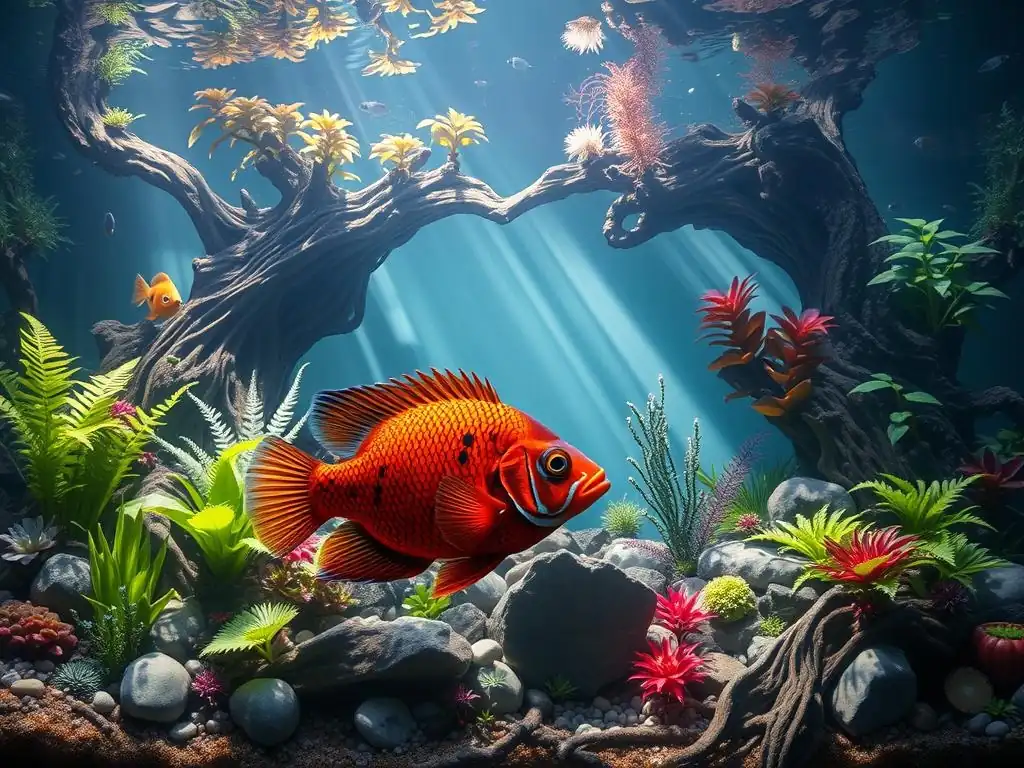
Ever wondered how to unlock the vibrant beauty of a Red Oscar and ensure it thrives in your home aquarium? Dive in! We're excited to share our comprehensive guide to Red Oscar care tips, revealing the secrets to keeping your fiery cichlid healthy, happy, and absolutely magnificent. Curious about the ideal tank setup, diet, or even potential tank mates? Let's explore the captivating world of Red Oscars together and transform your aquarium into a thriving ecosystem.
- Oscar Care: A Comprehensive Guide to Keeping Your Astronotus Thriving
- Understanding the Oscar: A Beginner's Guide
- Oscar Care Tips: Creating the Ideal Environment
- Oscar Diet and Nutrition: Fueling Growth and Color
- Oscar Health and Disease Prevention: Keeping Your Cichlid Thriving
- Enhancing Oscar Color: Secrets to a Vibrant Fish
- Oscar Breeding: A Challenging but Rewarding Endeavor
- Troubleshooting Common Oscar Problems
- Advanced Oscar Care: Taking Your Expertise to the Next Level
- Conclusion: Mastering Oscar Care for a Thriving Aquarium
- Frequently Asked Questions
- Final Reflection: Embracing the Fiery Heart of Red Oscar Care
- Unleash Your Oscar's True Colors!
Oscar Care: A Comprehensive Guide to Keeping Your Astronotus Thriving
Understanding the Oscar: A Beginner's Guide
What Makes Oscars Popular Aquarium Fish?
Oscars (Astronotus ocellatus) are among the most popular cichlids in the aquarium hobby, largely due to their engaging personalities, intelligence, and striking appearance. Unlike many smaller, schooling fish, Oscars exhibit individual quirks, often recognizing their owners, "begging" for food, and even allowing gentle interaction. Their vibrant coloration, particularly in varieties like the Red Oscar with its fiery orange and black patterns, adds significant aesthetic appeal to any large home aquarium.
Beyond their looks, these fish display complex behaviors, such as rearranging tank decor and showing a remarkable level of curiosity. This interactive nature makes them highly rewarding pets for dedicated aquarists, leading many to seek comprehensive Red Oscar care tips to ensure their beloved cichlid thrives and displays its full potential.
Oscar Temperament and Compatibility: Choosing the Right Tank Mates
Oscars are known for their semi-aggressive, predatory nature, especially as they mature. They are territorial and possess a strong feeding drive, meaning any fish small enough to fit into their mouth is likely to become a meal. Therefore, careful consideration of tank mates is a crucial aspect of Red Oscar care tips.
Suitable companions typically include other large, robust, and similarly tempered cichlids that can hold their own, such as Severums, Green Terrors, or even other Oscars in sufficiently large aquariums (150 gallons or more). Large plecostomus species (like Common Plecos, if tank size permits their massive growth) and certain large catfish can also coexist. It's vital to avoid small, delicate, or fin-nipping species, as they will either be eaten or constantly stressed, leading to health issues.
Oscar Care Tips: Creating the Ideal Environment
Tank Size Requirements for Oscars: Providing Ample Space
Providing ample space is paramount for the health and well-being of Oscars, which can grow quite large, typically reaching 12 to 14 inches (30-35 cm) in captivity. A single juvenile Oscar requires a minimum of a 55-gallon tank to start, but this should be considered a temporary home. For a single adult Oscar, a 75-gallon to 100-gallon aquarium is the recommended minimum to ensure it has enough room to swim, establish territory, and reduce stress.
If you plan to keep a pair of Oscars or a community of large cichlids, a tank of 125 gallons or more is essential. Insufficient tank size can lead to stunted growth, increased aggression, poor water quality, and a dulling of the vibrant colors that make Red Oscars so appealing. Prioritizing tank size is one of the most fundamental Red Oscar care tips for a thriving fish.
Water Parameters for Oscars: Maintaining Pristine Water Quality
Maintaining stable and pristine water quality is perhaps the most critical factor in successful Oscar care. Oscars are notoriously messy eaters and produce a significant amount of waste, leading to a high bioload. Ideal water parameters include a temperature range of 74-81°F (23-27°C), a pH level between 6.0 and 7.5, and a general hardness (GH) of 5-19 dGH. Consistency in these parameters is often more important than hitting exact numbers, as sudden fluctuations can be highly stressful.
Regular and diligent monitoring of water chemistry, alongside proactive maintenance, is key to preventing common health issues and ensuring your Oscar displays its full vitality. This meticulous approach to water quality forms the backbone of effective Red Oscar care tips.
The Importance of Regular Water Changes for Oscar Health
Due to their substantial bioload, Oscars require frequent and sizable water changes to dilute accumulated nitrates and replenish essential minerals. For a well-established Oscar tank, performing a 25-50% water change weekly or bi-weekly is often necessary, depending on the tank size, filtration efficiency, and stocking levels. Neglecting water changes allows nitrates to build up, which can suppress the immune system, lead to dull coloration, and contribute to diseases like Hole-in-the-Head.
Using a good quality dechlorinator is essential to neutralize chlorine and chloramines in tap water, which are harmful to fish and beneficial bacteria. Consistent water changes are non-negotiable Red Oscar care tips for preventing stress and maintaining a healthy, vibrant fish.
Monitoring and Adjusting pH, Ammonia, Nitrite, and Nitrate Levels
Regular testing of water parameters is vital for Oscar health. Ammonia (NH3/NH4+) and nitrite (NO2-) should always be undetectable (0 ppm), as even small amounts are highly toxic to fish. Nitrates (NO3-), the end product of the nitrogen cycle, should be kept below 20 ppm, ideally closer to 10 ppm, through regular water changes. pH levels should be monitored to ensure they remain stable within the ideal range of 6.0-7.5.
If ammonia or nitrite levels are detected, immediate large water changes are necessary, and the filtration system should be checked. While Oscars are adaptable to a range of pH, drastic fluctuations should be avoided. Using a reliable liquid test kit for these parameters allows aquarists to proactively address any issues, making it a cornerstone of effective Red Oscar care tips.
Oscar Tank Setup: Substrate, Decor, and Filtration
When setting up an Oscar tank, the choice of substrate is important, as Oscars are known for their digging and rearranging habits. A fine sand substrate or smooth, medium-sized gravel is generally recommended. These types of substrates are less likely to injure the Oscar's delicate mouth or fins if they attempt to dig or pick up substrate particles. Sharp or coarse gravel should be avoided, as it can cause abrasions.
A substrate depth of 2-3 inches (5-7.5 cm) is typically sufficient. While live plants can be challenging to maintain with Oscars due to their digging, a suitable substrate can still support beneficial bacteria and contribute to the overall aesthetic without posing a risk to the fish.
Decorating Your Oscar Tank: Providing Hiding Places and Enrichment
Decorating an Oscar tank requires a balance between providing enrichment and ensuring durability against their active nature. Large, smooth rocks, substantial pieces of driftwood, and robust artificial plants are excellent choices. All decorations should be heavy and securely placed to prevent them from being knocked over or rearranged by the Oscar, which could potentially injure the fish or break the glass.
Hiding places, such as caves or rock formations, are crucial for Oscars to retreat when feeling stressed or needing a break from activity. Providing varied textures and structures within the tank offers mental stimulation for these intelligent fish, contributing significantly to their overall well-being and vibrant coloration, a key aspect of Red Oscar care tips.
Essential Filtration for Oscar Aquariums: Mechanical, Chemical, and Biological
Given their significant bioload, Oscars demand robust and oversized filtration. A combination of mechanical, chemical, and biological filtration is absolutely essential. Canister filters are often preferred for Oscar tanks due to their large media capacity and powerful flow rates, with many aquarists opting for two oversized canister filters for redundancy and superior water clarity.
Mechanical filtration removes physical debris, chemical filtration (e.g., activated carbon) removes dissolved organic compounds and odors, and biological filtration (e.g., ceramic rings, bio-balls) converts toxic ammonia and nitrite into less harmful nitrates. Adequate filtration is not just about clear water; it's a fundamental Red Oscar care tip that directly impacts water quality, fish health, and longevity.
Oscar Diet and Nutrition: Fueling Growth and Color
What to Feed Your Oscar: A Balanced Diet for Optimal Health
Oscars are carnivorous fish with hearty appetites, and a balanced diet is crucial for their optimal growth, health, and vibrant coloration. The staple of an Oscar's diet should be a high-quality cichlid pellet or stick specifically formulated for large carnivorous fish. Look for brands that list fish meal as a primary ingredient and contain essential vitamins and minerals.
Variety is key to preventing nutritional deficiencies and maintaining interest. Supplement the staple diet with frozen foods such as bloodworms, brine shrimp, krill, and chopped market shrimp or fish. Occasional live feeder insects like crickets or mealworms can be offered, but feeder fish should generally be avoided due to the risk of disease transmission and their often poor nutritional value.
Live Food vs. Prepared Food for Oscars: Pros and Cons
The debate between live and prepared foods for Oscars involves several considerations. Live foods, such as feeder insects or occasional guppies (if sourced from a reputable, disease-free supplier), can offer excellent enrichment, stimulating the Oscar's natural hunting instincts. However, they carry a higher risk of introducing parasites or diseases into the aquarium and may not always provide a complete nutritional profile unless gut-loaded.
Prepared foods, including high-quality pellets, sticks, and frozen options, offer a more controlled and nutritionally complete diet. They are generally safer and more convenient. A balanced approach, prioritizing high-quality prepared foods as the staple and offering live or frozen treats occasionally for enrichment, is often the best strategy for comprehensive Red Oscar care tips.
Supplementing Your Oscar's Diet: Enhancing Color and Vitality
To truly enhance the vibrant red and orange hues of a Red Oscar, dietary supplementation plays a significant role. Foods rich in carotenoids, such as astaxanthin and spirulina, are highly effective. Krill, a small crustacean, is an excellent natural source of these pigments and can be offered as a frozen or freeze-dried treat. Many high-quality commercial cichlid pellets are also specifically formulated as "color-enhancing" foods, containing concentrated carotenoids.
Regular inclusion of these color-boosting foods in their diet, coupled with pristine water quality and a low-stress environment, will help your Oscar display its most brilliant and fiery coloration. This focused approach to diet is one of the most rewarding Red Oscar care tips for visual appeal.
Oscar Health and Disease Prevention: Keeping Your Cichlid Thriving
Common Oscar Diseases and Treatments
Oscars are generally hardy fish, but like all aquarium inhabitants, they can fall victim to diseases, often due to poor water quality, stress, or inadequate nutrition. Recognizing the symptoms early and acting swiftly is crucial for successful treatment. Common ailments include Ich (White Spot Disease), Hexamita (Hole-in-the-Head), and various bacterial or fungal infections.
Maintaining stable and clean water parameters is the first line of defense against most diseases. Proactive observation and quick intervention are vital aspects of comprehensive Red Oscar care tips, ensuring minor issues don't escalate into life-threatening conditions.
Recognizing and Treating Ich (White Spot Disease) in Oscars
Ich, or White Spot Disease, is one of the most common parasitic infections in freshwater aquariums, characterized by small, white spots resembling salt grains scattered across the fish's body and fins. Oscars may also exhibit flashing (rubbing against tank decor), lethargy, clamped fins, and loss of appetite. It is often triggered by stress, sudden temperature fluctuations, or the introduction of new, untreated fish.
Treatment typically involves slowly raising the tank temperature to 82-86°F (28-30°C) over 24-48 hours, which speeds up the parasite's life cycle, making it more vulnerable to medication. Adding aquarium salt (1 tablespoon per 5 gallons) can also help. Additionally, using an Ich medication containing malachite green or formalin, following the manufacturer's instructions, is highly effective. Consistent temperature and water quality are key preventative Red Oscar care tips.
Preventing and Treating Hexamita (Hole-in-the-Head Disease)
Hexamita, often referred to as Hole-in-the-Head disease, is a serious condition characterized by pitting and lesions on the Oscar's head and along its lateral line. Other symptoms include white, stringy feces, loss of appetite, and overall listlessness. It is primarily caused by a flagellate parasite, Hexamita intestinalis, often exacerbated by poor water quality, nutritional deficiencies (especially vitamin C and D), and chronic stress.
Treatment involves significantly improving water quality through large, frequent water changes and administering medicated food containing metronidazole. In severe cases, direct medication of the water may be necessary. Ensuring a balanced diet rich in vitamins and maintaining pristine water conditions are paramount preventative Red Oscar care tips against this debilitating disease.
Maintaining Optimal Health: Quarantine and Observation
A robust quarantine protocol is an indispensable part of preventative Red Oscar care tips. Any new fish, plants, or even decorations should ideally be quarantined in a separate tank for at least 3-4 weeks before introduction to the main display tank. This allows for observation and treatment of any potential diseases without risking the health of existing inhabitants.
Beyond quarantine, daily observation of your Oscar's behavior, appetite, and physical appearance is crucial. Changes in swimming patterns, refusal to eat, dulling of colors, or any visible spots, lesions, or frayed fins are early indicators of potential problems. Prompt identification and intervention can often prevent minor issues from escalating into severe health crises, ensuring your Oscar remains vibrant and active.
Enhancing Oscar Color: Secrets to a Vibrant Fish
Lighting and Coloration: How Light Affects Oscar Pigmentation
While diet and genetics are the primary drivers of an Oscar's coloration, appropriate lighting can certainly play a role in accentuating their natural vibrancy. Full-spectrum LED lighting designed for aquarium use can bring out the rich reds, oranges, and blacks of a Red Oscar. Lights with a color temperature around 6500K-10000K are often recommended for enhancing fish colors.
However, it's important to avoid overly bright or prolonged lighting, as this can stress fish and even promote excessive algae growth. A consistent light cycle, typically 8-10 hours per day, is best. While lighting won't magically create color where genetics don't allow, it can make existing pigments appear more striking, contributing to the overall aesthetic appeal of your Red Oscar.
Dietary Influences on Oscar Color: Foods That Enhance Color
The most impactful way to enhance the fiery coloration of your Red Oscar is through its diet. Foods rich in natural carotenoid pigments, such as astaxanthin and spirulina, are readily absorbed by the fish and deposited in their skin, intensifying red, orange, and yellow hues. Krill, a small shrimp-like crustacean, is an excellent natural source of astaxanthin and should be a regular part of their diet, whether frozen, freeze-dried, or as a component of high-quality pellets.
Many reputable fish food manufacturers offer "color-enhancing" cichlid pellets that are specifically formulated with concentrated carotenoids. Incorporating these foods consistently, alongside a varied and balanced diet, is arguably the most effective of all Red Oscar care tips for achieving truly brilliant and deep coloration.
Maintaining a Stress-Free Environment for Optimal Color Development
Stress is a major factor that can cause an Oscar's colors to fade and appear dull. A fish under constant stress will divert energy away from non-essential functions like maintaining vibrant pigmentation, prioritizing survival instead. Therefore, creating and maintaining a stress-free environment is paramount for optimal color development.
This includes providing a sufficiently large tank, maintaining pristine and stable water parameters, ensuring compatible tank mates, offering adequate hiding places and enrichment, and avoiding sudden changes in their environment. A healthy, happy, and stress-free Red Oscar will naturally exhibit its most brilliant and intense coloration, making environmental stability a crucial, albeit often overlooked, aspect of Red Oscar care tips.
Oscar Breeding: A Challenging but Rewarding Endeavor
Setting Up a Breeding Tank for Oscars
Breeding Oscars can be a challenging but rewarding experience. A dedicated breeding tank, typically 100 gallons or larger for a single pair, is highly recommended to provide ample space and reduce stress or aggression from other tank mates during spawning. The tank setup should include a large, flat, smooth surface, such as a piece of slate, a large flat rock, or even a ceramic tile, which will serve as the spawning site.
Water parameters should be clean and stable, with a slightly acidic to neutral pH (around 6.5-7.0) and a slightly softer general hardness (5-10 dGH). The temperature can be gradually raised to 80-82°F (27-28°C) to encourage spawning. Strong filtration is still necessary, but water flow around the spawning site should be gentle.
Identifying Male and Female Oscars
Distinguishing between male and female Oscars can be difficult outside of breeding season, as they exhibit very little sexual dimorphism. The most reliable method is to observe their ventral region during the breeding period. Males typically develop a pointed genital papilla, while females develop a broader, blunter, and more rounded ovipositor, through which they lay their eggs.
Behavioral cues can also provide hints: a pair might display increased aggression towards other tank mates, engage in "lip-locking" (which can be a sign of bonding or aggression), and meticulously clean a chosen spawning site. Purchasing a group of juveniles and allowing them to pair off naturally in a very large tank is often the most successful approach for obtaining a breeding pair.
Caring for Oscar Fry
Once Oscars spawn, they exhibit strong parental care, with both parents guarding the eggs and subsequent fry. The eggs typically hatch within 3 to 5 days, depending on water temperature. The newly hatched fry, known as "wigglers," will remain attached to the spawning site or nearby surfaces, absorbing their yolk sacs. After another 3 to 7 days, they become free-swimming.
At this stage, the fry require very small, highly nutritious foods. Newly hatched brine shrimp are an excellent first food, followed by finely crushed high-quality flake food or micro-pellets designed for fry. Daily small water changes (10-20%) are crucial for maintaining pristine water quality for the delicate fry, as they are highly susceptible to ammonia and nitrite.
Troubleshooting Common Oscar Problems
Oscar Not Eating: Identifying and Addressing the Issue
An Oscar refusing to eat is a common concern and usually indicates an underlying problem that needs immediate attention. The most frequent causes include poor water quality (elevated ammonia, nitrite, or nitrate levels), stress from inappropriate tank mates or insufficient space, illness (e.g., internal parasites, bacterial infections), or simply a new environment.
The first step in addressing this is to perform a comprehensive water test and rectify any parameter imbalances with large water changes. Observe your Oscar closely for any other signs of illness, such as spots, lesions, or abnormal swimming. Offering a variety of high-quality foods and ensuring a stable, low-stress environment are crucial Red Oscar care tips to encourage appetite recovery. If the issue persists, consider consulting with an experienced aquarist or aquatic veterinarian.
Oscar Aggression: Managing Territorial Behavior
Oscar aggression, particularly towards tank mates, is a common behavioral challenge, stemming from their territorial and predatory instincts. The primary causes include an undersized tank, inappropriate tank mates (either too small and perceived as food, or too aggressive themselves), or breeding behavior.
To manage aggression, ensure your Oscar has ample space; upgrading to a larger tank is often the most effective solution. Rearranging tank decor can sometimes disrupt established territories, providing a temporary reprieve. Introducing robust, similarly sized dither fish (like large Tinfoil Barbs, if tank size permits) can sometimes distract an Oscar from targeting specific tank mates. In severe cases, separating the aggressive individual into its own tank may be necessary to prevent harm to other fish.
Cloudy Water in Your Oscar Tank: Causes and Solutions
Cloudy water in an Oscar tank is a frequent issue, often a direct consequence of their high bioload and messy eating habits. Common causes include a bacterial bloom (often seen in new tanks or after a filter crash due to excess organic waste), an algae bloom (green cloudiness), stirred-up substrate, insufficient filtration, or decaying organic matter (uneaten food, dead plants).
Addressing cloudy water involves a multi-pronged approach. Perform a significant water change (30-50%) and thoroughly gravel vacuum the substrate to remove detritus. Ensure your filtration system is adequately sized for your Oscar and that filter media is clean but not sterilized (to preserve beneficial bacteria). Reduce feeding amounts to prevent excess waste, and ensure proper water circulation. Consistent maintenance is a key Red Oscar care tip for crystal-clear water.
Advanced Oscar Care: Taking Your Expertise to the Next Level
Aquascaping for Oscar Tanks: Creating a Stunning Display
While Oscars are known for their destructive tendencies towards delicate aquascapes, it is still possible to create a stunning and functional display. The key is to select robust, heavy, and securely placed decorations that can withstand their digging and rearranging. Large, smooth river rocks, substantial pieces of Mopani or Malaysian driftwood, and heavy ceramic or resin ornaments are excellent choices.
Live plants are challenging, but hardy, rhizome-based plants like Anubias species and Java Fern can be tied or glued to driftwood or rocks, making them less susceptible to being uprooted. Focus on providing open swimming areas combined with secure hiding spots. An effective aquascape for an Oscar tank prioritizes the fish's well-being and natural behavior while still offering visual appeal.
Understanding Oscar Behavior: Deciphering Their Actions
Understanding the nuances of Oscar behavior is an advanced Red Oscar care tip that deepens the bond between keeper and fish. Oscars exhibit a wide range of fascinating behaviors, including "playing dead" (lying on their side), tail slapping (often a display of dominance or excitement), intense digging, and even recognizing and reacting to their owners. They are highly curious and will often investigate new objects or changes in their environment.
Observing these behaviors helps aquarists gauge their Oscar's mood, health, and social dynamics. For example, excessive hiding or lack of interest in food can signal stress or illness, while active digging might indicate a desire to rearrange their territory. Deciphering these actions allows for more responsive and effective care, anticipating needs before problems arise.
Advanced Techniques for Maintaining Water Quality
For the dedicated Oscar keeper, advanced techniques can elevate water quality maintenance to new levels. Implementing a sump filtration system is a popular choice for very large Oscar tanks, offering massive biological and mechanical filtration capacity, easy maintenance, and the ability to hide heaters and other equipment. Fluidized bed filters can also provide exceptional biological filtration for heavy bioloads.
Automated water change systems can significantly reduce the manual labor involved in frequent large water changes, ensuring consistent water parameters. While not always necessary, some advanced hobbyists might utilize reverse osmosis/deionization (RO/DI) water to achieve precise water parameters, especially if their tap water is unsuitable. Regularly dosing beneficial bacteria can also help maintain a robust biological filter, providing an extra layer of stability for water quality.
Conclusion: Mastering Oscar Care for a Thriving Aquarium
Mastering Oscar care is a journey that rewards patience, dedication, and a commitment to providing an optimal environment for these magnificent cichlids. From understanding their unique temperament and ensuring ample tank space to meticulously maintaining pristine water quality and offering a balanced, color-enhancing diet, every aspect contributes to their overall well-being.
By applying comprehensive Red Oscar care tips, including vigilant health monitoring, thoughtful tank setup, and a keen eye for their fascinating behaviors, aquarists can unlock the full potential of their fiery companions. The result is not just a healthy fish, but a truly vibrant, interactive, and long-lived addition to your aquatic world, showcasing the majesty of the Oscar in all its glory.
Frequently Asked Questions
How large of a tank do Red Oscars need?
Red Oscars require a large aquarium due to their substantial size. A minimum of 75 gallons is recommended for a single Oscar, with larger tanks preferred for multiple fish or tank mates.
What are some essential water parameters for Red Oscars?
Maintaining proper water quality is crucial. Red Oscars thrive in water with a pH between 6.0 and 7.5, a temperature of 72-78°F (22-26°C), and low levels of ammonia and nitrites.
What should I feed my Red Oscar?
Red Oscars are omnivores and need a varied diet. Offer high-quality cichlid pellets as a staple, supplemented with live or frozen foods like worms, insects, and small fish.
How often should I perform water changes in my Red Oscar tank?
Regular water changes are essential for maintaining healthy water quality. Perform 25-50% water changes every week or two, depending on your tank size and the bioload.
What are some common health issues that affect Red Oscars?
Red Oscars can be susceptible to diseases like Hole-in-the-Head disease (Hexamita), ich (white spot disease), and bacterial infections. Maintaining good water quality and a proper diet can help prevent these issues.
Final Reflection: Embracing the Fiery Heart of Red Oscar Care
The journey through Red Oscar care, as we've explored, is more than just maintaining a fish; it's about cultivating a vibrant ecosystem and understanding the needs of a truly magnificent creature. The enduring popularity of the Red Oscar, despite its demanding nature, speaks volumes about our innate desire to connect with the wild and bring a touch of the exotic into our lives. This connection, however, demands responsibility and a commitment to providing the best possible environment.
The impact of responsible Red Oscar care extends beyond the individual aquarium. It's a microcosm of our broader relationship with the natural world, reminding us that even seemingly small actions can have significant consequences. The health and well-being of these fish reflect our dedication to ethical pet ownership and the preservation of biodiversity. The greatness of a nation and its moral progress can be judged by the way its animals are treated.
- Mahatma Gandhi. This quote resonates deeply when we consider the care we provide to creatures like the Red Oscar.
Now, as you close this article, I urge you to reflect on your own role in the Red Oscar's story. Consider how you can apply these care tips not just to keep your fish alive, but to help them thrive. Embrace the challenge, become a steward of their well-being, and witness the breathtaking beauty that unfolds when you provide a truly enriching environment. Let your Red Oscar's vibrant health be a testament to your dedication and a symbol of the respect we owe to all living things.
Unleash Your Oscar's True Colors!
Thanks for diving into the world of Red Oscars with us! We hope you've found some useful tips to keep your fiery friend thriving. Now, let's turn that knowledge into action and ensure your Oscar reigns supreme in its watery kingdom.
- Start Today: Immediately assess your Oscar's environment. Is the tank spacious enough? Are the water parameters optimal? Begin making small adjustments to create a more vibrant habitat.
- Share the Love: Know someone captivated by cichlids? Spread the word! Sharing this article helps other Oscar enthusiasts unlock their fish's full potential.
- Explore Beyond: Delve deeper into cichlid care. Research compatible tank mates or investigate advanced feeding strategies to continually elevate your Oscar's well-being.
What one change will you implement this week to bring out the most brilliant colors in your Red Oscar?