
Unlocking Tiger Barb Spawning: Tips and Tricks for Successful Reproduction

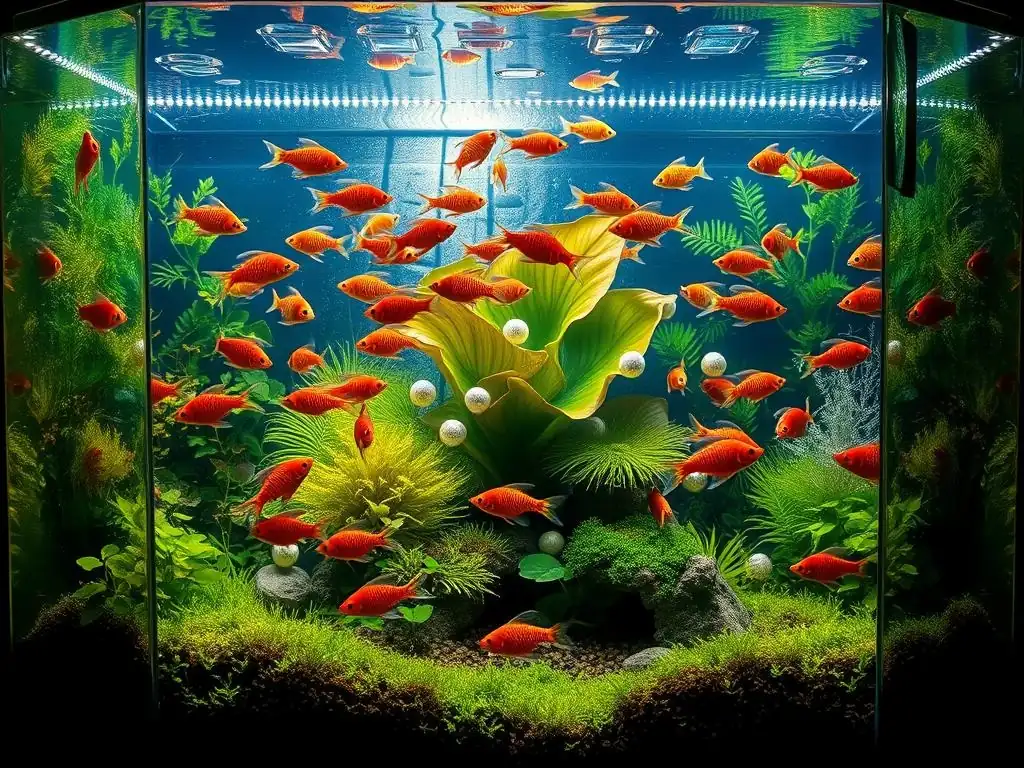
Welcome to Aquarium Mastery!
Ever wondered how to unlock the secrets of breeding those vibrant Tiger Barbs? It's more attainable than you think! Dive into our comprehensive guide, " Unlocking Tiger Barb Spawning: Tips and Tricks for Successful Reproduction," and discover the expert advice you need to successfully spawn these captivating freshwater fish. Get ready to witness the miracle of life in your own aquarium – let's explore!
- Understanding Tiger Barb Breeding Behavior
- Step-by-Step Guide to Tiger Barb Spawning
- Maximizing Hatch Rates: Caring for Tiger Barb Eggs
- Raising Tiger Barb Fry: From Hatching to Juvenile
- Troubleshooting Common Tiger Barb Spawning Problems
- Advanced Tiger Barb Breeding Techniques
- Maintaining a Healthy Tiger Barb Population
- Frequently Asked Questions
- Final Reflection: Cultivating New Beginnings
- Ignite Your Tiger Barb Breeding Journey!
Understanding Tiger Barb Breeding Behavior
Recognizing Signs of Tiger Barb Readiness for Spawning
Successful Tiger barb spawning begins with identifying mature, ready individuals. Females nearing spawning will appear noticeably plumper, especially in the abdominal region, due to the presence of eggs. This gravid appearance is a key visual cue. Males, in contrast, will often display more vibrant coloration, particularly intensifying their orange and black stripes, and may exhibit increased activity, including chasing and nudging females, as a form of courtship.
Beyond physical changes, behavioral shifts are strong indicators. Males will actively "dance" around females, flaring their fins and attempting to herd them towards potential spawning sites. Females, if receptive, may seek out fine-leaved plants or spawning mops, inspecting them as if preparing to deposit eggs. These signs typically become apparent when the fish are well-conditioned and have reached sexual maturity, usually at around 2-3 inches (approximately 5-7.5 cm) in length, and are crucial Tiger barb spawning tips.
Ideal Water Parameters for Tiger Barb Spawning
Achieving the correct water parameters is paramount for stimulating successful Tiger barb spawning. The water temperature should be slightly elevated from their typical display tank conditions, ideally maintained between 78-82°F (approximately 25.5-27.8°C). This warmer temperature mimics the conditions that often precede breeding in their natural habitats and encourages the fish to enter spawning mode. Consistency in temperature is vital, as sudden fluctuations can stress the fish and deter spawning.
In addition to temperature, the pH and water hardness play significant roles. Tiger barbs prefer slightly acidic to neutral water for breeding, with a pH range of 6.0-7.0. The water should also be soft, ideally with a general hardness (GH) between 5-10 dGH (approximately 90-180 ppm). These softer, slightly acidic conditions are believed to enhance egg fertility and survival rates, reflecting their natural preference for soft, acidic blackwater environments found in Southeast Asia.
Setting Up a Dedicated Tiger Barb Breeding Tank
A dedicated breeding tank significantly increases the chances of successful Tiger barb spawning. A tank size of 10-20 gallons (approximately 38-76 liters) is often sufficient for a single breeding pair or a small trio. The tank should be meticulously clean and ideally bare-bottomed or have a very thin layer of marbles or a mesh screen at the bottom. This setup prevents the adult fish from consuming the eggs once they are laid, as Tiger barbs are notorious egg eaters.
Essential equipment for the breeding tank includes a reliable heater to maintain the optimal temperature and a gentle sponge filter. A sponge filter provides biological filtration without creating strong currents that could harm delicate eggs or newly hatched fry. Dim lighting is also beneficial, as it helps to reduce stress on the breeding fish and mimics the subdued light conditions often found in their natural spawning grounds. These dedicated environmental controls are key Tiger barb spawning tips.
Step-by-Step Guide to Tiger Barb Spawning

Preparing the Spawning Tank: Substrate, Plants, and Filtration
The preparation of the spawning tank is a critical step for successful Tiger barb spawning. If a bare bottom is not desired, a layer of marbles, approximately 1-2 inches deep (2.5-5 cm), or a fine mesh screen can be placed at the tank's bottom. This allows the small, adhesive eggs to fall through out of reach of the hungry adult barbs. Without such protection, most eggs would be consumed shortly after being laid.
For egg deposition, provide ample spawning material. Fine-leaved plants like Java Moss, Water Sprite, or even artificial spawning mops made from nylon yarn are excellent choices. These materials offer a safe and appealing surface for the female to deposit her eggs. Filtration should be limited to a gentle, air-driven sponge filter. This type of filter provides adequate water circulation and biological filtration without generating strong currents that could dislodge or damage the delicate eggs.
Introducing the Breeding Group: Optimal Group Size and Ratio
The optimal group size and male-to-female ratio are crucial Tiger barb spawning tips. A common and highly effective strategy is to introduce one female to two males (1F:2M). This ratio helps to distribute the males' attention, reducing stress on the female and often leading to more successful fertilization rates. Alternatively, a single well-conditioned pair can also be used, especially if they have previously demonstrated compatibility.
Introduce the chosen breeding group into the prepared spawning tank in the evening. Tiger barbs frequently spawn at dawn, so placing them in the tank overnight allows them to acclimate and be ready for the morning's activity. Prior to introduction, it is highly recommended to condition the adult fish separately for several days with a high-protein diet, such as live or frozen bloodworms, brine shrimp, or daphnia. This conditioning enhances their readiness and egg production.
Observing Spawning Behavior: The Tiger Barb Mating Ritual
Observing the Tiger barb mating ritual is fascinating and provides clear indications of successful Tiger barb spawning efforts. The process typically begins with the males actively chasing and nudging the female, often displaying their most vibrant colors. The male will attempt to guide the female towards the chosen spawning site, usually within the fine-leaved plants or spawning mop.
Once at the spawning site, the male will press against the female's side, stimulating her to release small batches of eggs. Simultaneously, the male will release milt to fertilize the eggs. This process is repeated numerous times, with the pair darting into the plants, releasing eggs, and then briefly separating before resuming the ritual. A successful spawn can yield anywhere from 100 to 300 eggs, which are small, clear, and slightly adhesive, typically sticking to the spawning material or falling to the bottom. The entire spawning process can last for several hours.
Removing Adult Tiger Barbs After Spawning
Removing the adult Tiger barbs immediately after spawning is perhaps the most critical step to ensure the survival of the eggs. Adult Tiger barbs are notorious egg predators and will consume their own eggs given the opportunity. Once the female appears less plump and the spawning activity has ceased (usually indicated by the fish returning to more typical swimming behavior rather than frantic chasing and nudging), it's time to act.
Carefully net the adult fish and return them to their main display tank. This should be done gently to minimize stress on the freshly spawned parents. Leaving even one adult in the breeding tank can result in the complete consumption of the egg clutch within a short period. This swift removal is a non-negotiable Tiger barb spawning tip for maximizing the hatch rate.
Maximizing Hatch Rates: Caring for Tiger Barb Eggs
Protecting Eggs from Fungus: Using Antifungal Treatments
Fungal infections are a common threat to Tiger barb eggs and can drastically reduce hatch rates. Unfertilized or damaged eggs are particularly susceptible to fungal growth, which can then rapidly spread to healthy, viable eggs. To combat this, many experienced breeders utilize a mild antifungal treatment in the breeding tank shortly after the adults have been removed.
A common and effective treatment is methylene blue, used at a very dilute concentration according to product instructions. This dye inhibits fungal growth without harming the developing embryos. Additionally, maintaining impeccable water quality through small, daily water changes (e.g., 10-20%) can also help to prevent fungal outbreaks by reducing the organic load in the water. These preventative measures are crucial Tiger barb spawning tips for egg care.
Maintaining Optimal Water Quality for Egg Development
Maintaining stable and pristine water quality is paramount for the healthy development of Tiger barb eggs. The water parameters (temperature, pH, and hardness) should be kept consistent with the conditions in which spawning occurred, avoiding any sudden fluctuations. Temperature stability, in particular, is vital as significant drops or rises can stress the embryos and lead to developmental issues or death.
Gentle aeration is also important for oxygenating the water, which is essential for the developing embryos. An air stone positioned away from the eggs, creating a gentle flow, will suffice. It is important to avoid strong currents that could dislodge the eggs or cause them to tumble. Regular, small water changes also help to remove any metabolic waste products or uneaten food particles that could foul the water and contribute to fungal growth.
Incubation Period: What to Expect
The incubation period for Tiger barb eggs is relatively short, typically ranging from 24 to 48 hours at optimal temperatures of around 78-80°F (approximately 25.5-26.7°C). Slightly cooler temperatures may extend this period by a few hours. During this time, the eggs will remain clear and translucent if fertilized and healthy. Unfertilized eggs will often turn opaque or white within a few hours and should be carefully removed if possible to prevent the spread of fungus.
Newly hatched Tiger barb fry are incredibly tiny and almost transparent, making them difficult to spot initially. They will often cling to the sides of the tank, the spawning material, or the bottom. For the first 2-3 days post-hatching, they will survive on their yolk sac, absorbing its nutrients. During this period, they do not require external feeding, but maintaining pristine water conditions is still crucial.
Raising Tiger Barb Fry: From Hatching to Juvenile
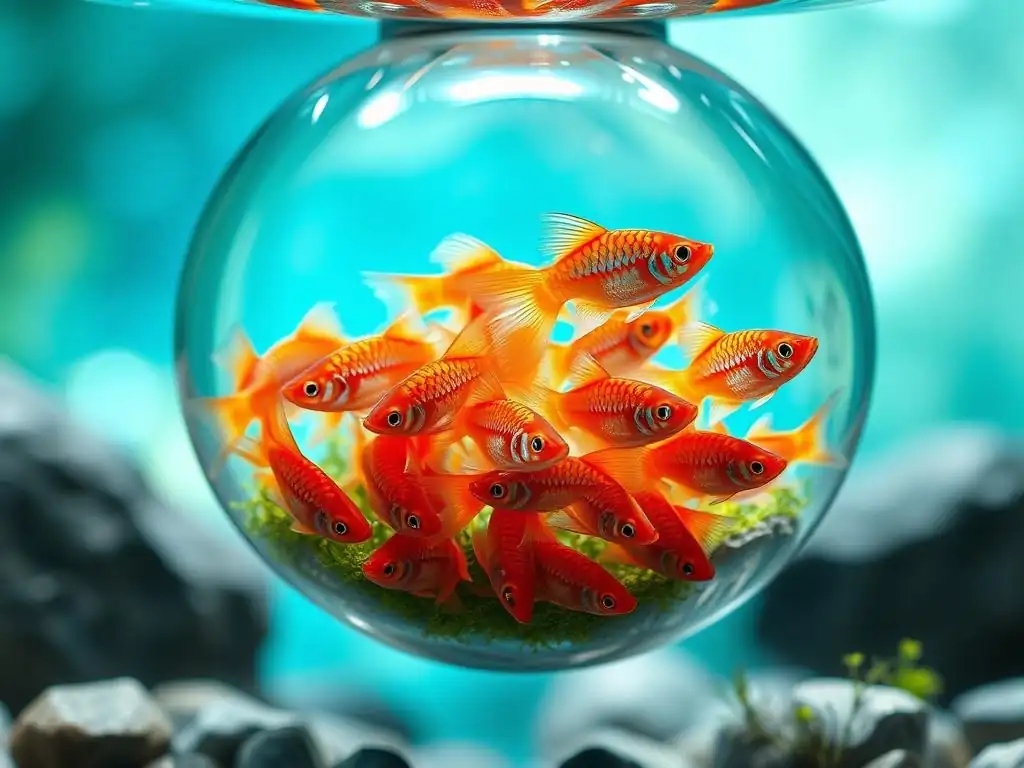
First Foods for Tiger Barb Fry: Infusoria and Baby Brine Shrimp
Once Tiger barb fry have absorbed their yolk sacs, typically around 2-3 days post-hatching, they become free-swimming and require their first external food source. Due to their incredibly small size, their initial diet must consist of microscopic organisms. Infusoria, which are microscopic protozoa, are an excellent first food. They can be cultured at home from decaying plant matter or purchased as specialized cultures. Feeding infusoria several times a day ensures the fry have a constant supply of tiny nourishment.
After approximately one week, when the fry have grown slightly larger, they can be gradually introduced to newly hatched baby brine shrimp (Artemia nauplii). Baby brine shrimp are highly nutritious and stimulate rapid growth in the fry. Hatching brine shrimp requires a dedicated setup, but the effort is well worth it for the health and development of the young fish. These are among the most effective Tiger barb spawning tips for ensuring fry survival.
Gradual Transition to Powdered Fry Food
As Tiger barb fry continue to grow, typically around two weeks of age, they will be large enough to begin accepting prepared foods. At this stage, a high-quality powdered fry food specifically designed for egg-laying fish should be introduced. It is important to select a very fine powder that the small mouths of the fry can easily consume.
The transition should be gradual, initially supplementing the baby brine shrimp with the powdered food. Over the next week or two, the proportion of powdered food can be increased. Feed small amounts multiple times a day (e.g., 3-5 times) to ensure the fry have continuous access to food, as their digestive systems are still developing and they require frequent nourishment. Observe their bellies to ensure they are getting enough food.
Water Changes and Tank Maintenance for Growing Fry
Maintaining pristine water quality is absolutely paramount for the health and rapid growth of Tiger barb fry. Daily small water changes, typically 10-15% of the tank volume, are crucial to remove uneaten food, waste products, and any accumulating toxins like ammonia and nitrite. Use a siphon with a fine mesh or a piece of nylon stocking over the end to prevent accidentally sucking up the tiny fry.
In addition to water changes, regular cleaning of the tank walls and bottom is necessary. Gently wipe down the glass to remove algae and detritus. Any uneaten food should be siphoned out promptly to prevent it from decaying and fouling the water. A clean environment significantly reduces stress on the fry and helps prevent the onset of diseases, making these essential Tiger barb spawning tips for long-term success.
Preventing Common Diseases in Tiger Barb Fry
The most effective method for preventing common diseases in Tiger barb fry, such as Ich (white spot disease) or bacterial infections, is through rigorous adherence to excellent water quality and providing optimal nutrition. Poor water conditions and inadequate feeding stress the delicate fry, significantly weakening their immune systems and making them highly susceptible to pathogens.
Regularly observe the fry for any signs of distress, abnormal swimming patterns, or visible spots or lesions. Early detection allows for prompt action, such as increasing the frequency of water changes or, in severe cases, isolating affected fry if possible. It is generally advisable to avoid medicating the entire fry tank unless absolutely necessary, as many common fish medications can be harmful or even fatal to young, developing fish. Maintaining a stable environment is key.
Troubleshooting Common Tiger Barb Spawning Problems
Eggs Not Hatching: Potential Causes and Solutions
When Tiger barb eggs fail to hatch, several factors could be at play. One common cause is unfertilized eggs, often due to poor conditioning of the male fish, an incorrect male-to-female ratio, or simply an incompatible pair. Another significant issue is fungal infection, which can quickly spread through the clutch, suffocating healthy embryos. Incorrect water parameters, such as too low or too high temperatures, or improper pH and hardness, can also prevent development. Finally, insufficient oxygenation in the water can lead to embryo death.
To address these issues, ensure males are well-conditioned with a protein-rich diet for at least a week prior to spawning. Consider adjusting the male-to-female ratio to 2 males per female to increase fertilization chances. Implement antifungal treatments like methylene blue as a preventative measure. Double-check and stabilize all water parameters to the ideal ranges (78-82°F, pH 6.0-7.0, GH 5-10 dGH). Provide gentle aeration with an air stone to ensure adequate oxygen levels around the eggs. These are critical Tiger barb spawning tips for troubleshooting.
Fry Mortality: Identifying and Addressing Issues
High fry mortality rates can be incredibly disheartening after a successful spawn. The primary causes often include starvation, particularly if the first foods are not provided promptly or are not suitable for their microscopic size. Poor water quality, characterized by ammonia or nitrite spikes from uneaten food or insufficient water changes, is also a major killer. Additionally, rapid temperature fluctuations or the presence of diseases can decimate a fry batch.
To combat fry mortality, ensure that infusoria or newly hatched baby brine shrimp are available as soon as the fry become free-swimming (typically 2-3 days post-hatch). Implement a strict regimen of daily small water changes (10-15%) to maintain pristine water conditions, carefully siphoning out any uneaten food. Maintain a stable temperature within the optimal range. If disease is suspected, review water parameters and consider isolating affected individuals or, as a last resort, using fry-safe medications if absolutely necessary and identified.
Unsuccessful Spawning: Refining Your Approach
If your Tiger barbs are simply not spawning, despite your best efforts, it often points to issues with stress, conditioning, or compatibility. Factors such as an overcrowded breeding tank, excessive lighting, or the presence of other fish can induce stress and prevent breeding. Insufficient conditioning with a high-quality diet means the fish may not have the energy reserves or egg development necessary for spawning. Lastly, sometimes a specific pair or group may simply not be compatible for breeding.
To refine your approach, first ensure the breeding tank is appropriately sized (10-20 gallons), secluded, and dimly lit to reduce stress. Intensify the conditioning period for adults, feeding them high-protein live or frozen foods for at least a week or two. If a specific pair is not producing, try rotating individuals or introducing new breeding stock. Patience is a virtue in fish breeding; sometimes, it takes multiple attempts and adjustments to find the right combination for successful Tiger barb spawning.
Advanced Tiger Barb Breeding Techniques
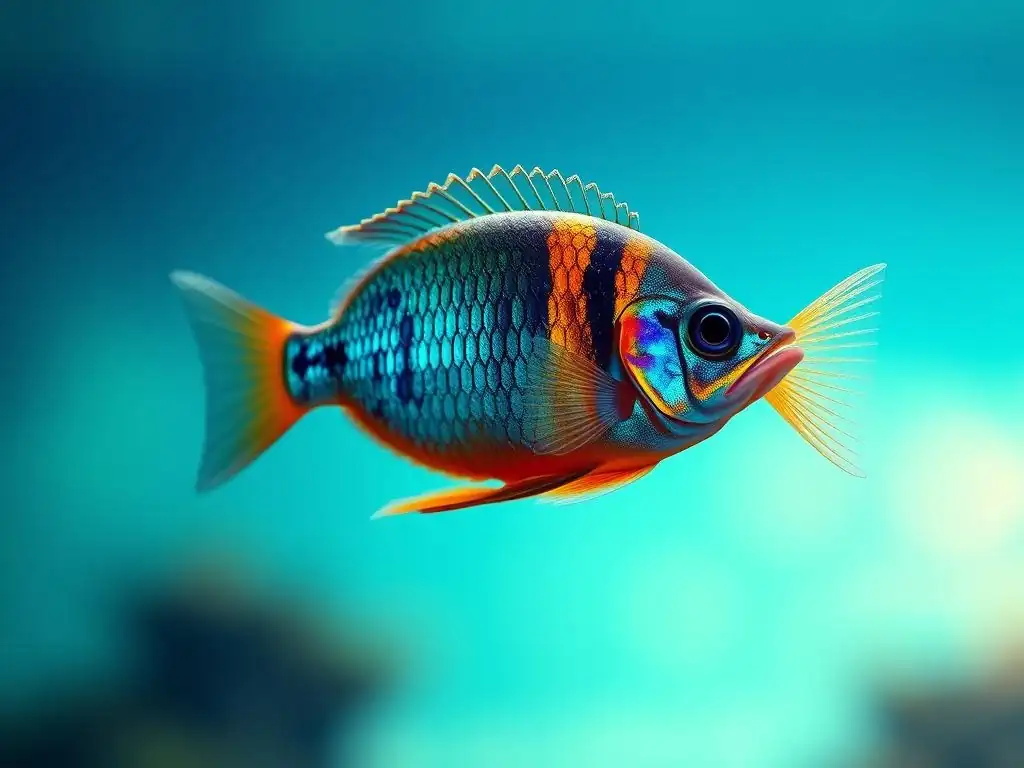
Conditioning Tiger Barbs for Enhanced Spawning Success
Advanced breeders understand that optimal conditioning significantly enhances the quantity and quality of offspring in Tiger barb spawning. Beyond basic feeding, a specialized diet focused on high-quality protein is crucial. For one to two weeks prior to introducing them to the breeding tank, feed your adult Tiger barbs a varied diet consisting of live foods such as blackworms, bloodworms, or daphnia, supplemented with frozen brine shrimp or high-quality flake foods rich in protein. This diet helps females develop a robust egg clutch and provides males with the energy for sustained spawning activity.
Another advanced conditioning technique involves separating males and females for several days before placing them in the breeding tank. This period of isolation, often referred to as "ripening," can heighten their eagerness to spawn once reunited. The separation allows females to fully develop their eggs without constant male harassment, and it builds up the males' drive to chase and fertilize eggs, often leading to more vigorous and successful Tiger barb spawning.
Selective Breeding: Improving Color and Fin Development
Selective breeding in Tiger barbs is an advanced technique aimed at enhancing specific desirable traits, such as brighter colors, more defined patterns, or improved fin development. This process begins by carefully observing your existing stock and identifying individuals that exhibit the most prominent examples of the desired characteristic. For instance, if you aim for more vibrant orange stripes, select parents with the most intense coloration.
Once identified, these superior individuals are chosen as breeding stock. It is crucial to maintain meticulous records of parentage and the traits observed in their offspring. Over successive generations, by consistently selecting and breeding only the fish that best display the target trait, you can gradually improve the overall quality of your line. This long-term commitment to specific Tiger barb spawning goals can lead to stunning and unique strains.
Breeding for Specific Color Morphs: Green Tiger Barbs
Breeding for specific color morphs, such as the popular Green Tiger Barb, involves a deeper understanding of genetics and a highly disciplined selective breeding program. The Green Tiger Barb, with its iridescent green hue, is not found naturally but was developed through generations of careful breeding, emphasizing a particular genetic expression that creates this unique coloration.
To consistently produce green Tiger Barbs, breeders must select parents that strongly exhibit the desired green coloration. It is vital to avoid introducing genes from other color morphs (like the standard orange and black) that could dilute the green trait. This often means maintaining separate breeding lines and being very selective about which fish are allowed to reproduce. Diligent record-keeping of each generation's color expression is essential to ensure the purity and strength of the green lineage. This specialized Tiger barb spawning technique requires patience and a keen eye for subtle color variations.
Maintaining a Healthy Tiger Barb Population
Monitoring Water Parameters
Consistent monitoring of water parameters is fundamental for maintaining a healthy Tiger barb population, especially for breeding adults and growing fry. Regular testing for ammonia, nitrite, nitrate, pH, and temperature is crucial. Ammonia and nitrite should always be at zero, while nitrates should be kept below 20 ppm through regular water changes. Use reliable liquid test kits for accuracy, as strip tests can sometimes provide less precise readings.
Stability in water chemistry is just as important as the specific numbers. Sudden fluctuations in pH or temperature can cause significant stress to fish, weakening their immune systems and making them susceptible to disease. Implementing a consistent schedule for partial water changes (e.g., 20-30% weekly for adult tanks) and avoiding overfeeding are key practices to ensure parameters remain stable and within safe ranges, supporting overall vitality and readiness for Tiger barb spawning.
Ensuring Proper Nutrition for Breeding Adults
Beyond the conditioning period, ensuring proper nutrition for adult Tiger barbs is vital for their long-term health and continued breeding success. After a spawning event, adults expend significant energy and require a high-quality, varied diet to recover. Continue to offer a mix of high-protein live or frozen foods, such as bloodworms, brine shrimp, and daphnia, supplemented with premium quality flakes or pellets.
A balanced diet throughout their lives not only supports their general well-being but also ensures they remain in prime condition for future breeding attempts. Well-fed fish have stronger immune systems, exhibit more vibrant colors, and are more likely to engage in successful Tiger barb spawning. Avoid feeding only one type of food, as this can lead to nutritional deficiencies over time.
Preventing Inbreeding and Maintaining Genetic Diversity
Preventing inbreeding is a crucial aspect of maintaining a healthy and robust Tiger barb population over multiple generations. Continuous inbreeding, where closely related individuals are bred together, can lead to a decline in fertility, reduced immune system function, increased susceptibility to disease, and a higher incidence of deformities in offspring. This can severely impact the long-term viability of your breeding line.
To avoid these issues, it is essential to periodically introduce new, unrelated breeding stock from different sources. This "new blood" brings in fresh genetic material, increasing the genetic diversity within your population. Maintaining detailed records of your breeding pairs and their offspring's lineage is paramount. This allows you to plan pairings that minimize inbreeding and maximize genetic diversity, ensuring the continued health, vigor, and successful Tiger barb spawning potential of your fish for years to come.
Frequently Asked Questions
How do I prepare my aquarium for tiger barb spawning?
To prepare, use a separate spawning tank with soft, slightly acidic water and plenty of fine-leaved plants or a spawning mop. This provides a safe haven for the eggs and fry.
What are the key water parameters for successful tiger barb spawning?
Tiger barbs prefer soft water with a pH around 6.0-6.5 and a temperature between 78-82°F (25-28°C) for optimal spawning conditions. Maintaining these parameters is absolutely critical.
What should I feed my tiger barbs to encourage spawning?
Feed your tiger barbs a high-quality diet rich in live and frozen foods such as brine shrimp, daphnia, and bloodworms to condition them for breeding. This provides the necessary nutrients for egg production.
How can I tell if my tiger barbs are ready to spawn?
The female will appear plumper with eggs, and the male will display more intense coloration and actively court the female. Observe for chasing and nipping behavior.
What do I do after the tiger barbs have spawned?
Remove the adult tiger barbs from the spawning tank immediately after spawning to prevent them from eating the eggs. The eggs will hatch in about 24-36 hours.
Final Reflection: Cultivating New Beginnings
The journey of unlocking the secrets of tiger barb spawning extends far beyond the confines of the aquarium. It mirrors the broader human desire to understand and nurture life, to foster growth and create vibrant ecosystems, however small. The dedication required to successfully breed these captivating fish reflects a commitment to observation, patience, and a deep respect for the natural world, qualities increasingly vital in our rapidly changing world.
This exploration into tiger barb reproduction has not only provided practical insights into the delicate balance required for successful spawning, but also serves as a reminder of the interconnectedness of life. The meticulous attention to water parameters, diet, and environment underscores the importance of understanding and respecting the needs of other living beings. The greatest service we can render to any cause is to inspire others to think independently about it.
- Howard Thurman. This quote resonates deeply, urging us to not just follow instructions, but to truly understand the 'why' behind them, fostering a deeper connection with the natural world.
Now, as you contemplate the intricacies of tiger barb spawning, consider how these lessons can be applied to other areas of your life. Embrace the spirit of observation, the patience required for growth, and the dedication to creating thriving environments. Let the vibrant energy of these little fish inspire you to cultivate new beginnings, nurture potential, and contribute to a world where life flourishes in all its diverse and beautiful forms.
Ignite Your Tiger Barb Breeding Journey!
Thank you for exploring the fascinating world of tiger barb spawning! We hope you’ve gained valuable insights to help you succeed. Now, it's time to put that knowledge into action.
Here are some steps you can take to embark on your tiger barb breeding adventure:
- Set up a dedicated breeding tank using the spawning techniques outlined in this article for optimal results. This is your first crucial step!
- Explore related articles on Aquarium Mastery to dive deeper into fish breeding and tank maintenance. Discover new perspectives and techniques!
- Share your experiences and questions in the comments below. Let’s build a community of successful tiger barb breeders!
What specific preparations will you make for your tiger barb spawning tank this week?