
Serpae Tetra Schooling Dynamics: Why a Large Group is Crucial for Peace

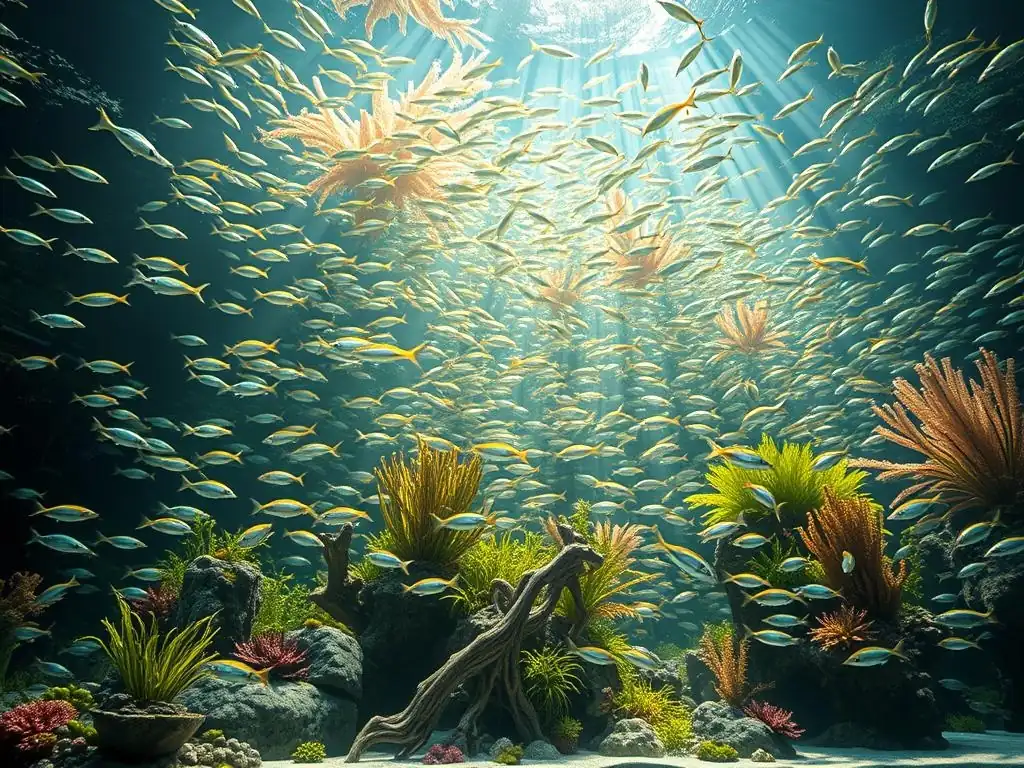
Welcome to Aquarium Mastery! Ever wondered why your Serpae Tetras seem a little… feisty? This article dives deep into Serpae Tetra schooling behavior, revealing the secret to a harmonious tank: the magic number. Discover how understanding their social dynamics is crucial for a peaceful aquarium and why a large group is more than just aesthetic. Let's unlock the secrets to a thriving Serpae Tetra community!
- Understanding Serpae Tetra Schooling Behavior
- The Link Between School Size and Serpae Tetra Aggression
- Optimal Serpae Tetra School Size for a Peaceful Aquarium
- Creating the Ideal Environment to Encourage Serpae Tetra Schooling
- Recognizing Signs of Stress and Aggression in Serpae Tetras
- Maintaining a Healthy and Harmonious Serpae Tetra School
- Frequently Asked Questions
- Final Reflection: The Harmony of Numbers
- Ignite Your Aquarium: Cultivate Serpae Harmony Now!
Understanding Serpae Tetra Schooling Behavior
Serpae tetras ( Hyphessobrycon eques ) originate from the Amazon basin, inhabiting slow-moving waters, tributaries, and heavily vegetated areas. In their natural environment, these fish form large, cohesive groups, a fundamental survival mechanism against a myriad of predators, from larger fish species to aquatic birds. This inherent schooling instinct is deeply ingrained in their behavior, driving them to seek safety and comfort in numbers. While often described as semi-aggressive, this characteristic is typically managed and diffused within the structure of a substantial school.
This natural schooling behavior serves as a primary defense mechanism. When faced with a perceived threat, the school moves as a single, fluid unit, making it difficult for a predator to single out an individual. This collective movement also creates a sense of security for each fish, significantly reducing individual stress levels that would otherwise be constant in isolation. Understanding this innate need for a group is key to replicating a healthy environment for Serpae tetra schooling behavior in an aquarium.
Why Schooling is Essential for Serpae Tetra Well-being
For Serpae tetras, schooling is not merely a preference; it is essential for their overall well-being and health within an aquarium setting. When kept in appropriate numbers, the benefits are manifold: reduced stress, enhanced natural behavior, and a more harmonious tank environment. Solitary Serpae tetras, or those in groups smaller than six, often exhibit signs of chronic stress, including faded coloration, lethargy, and susceptibility to disease.
The primary benefit of proper Serpae tetra schooling behavior is the diffusion of their natural nipping tendencies. Instead of focusing aggression on one or two tank mates or weaker conspecifics, the nipping is spread out among many individuals within the school. This prevents any single fish from being overly harassed, leading to fewer fin injuries and a generally calmer disposition for the entire group. A well-established school also provides a sense of security, allowing them to display their vibrant colors and natural foraging behaviors more confidently.
The Link Between School Size and Serpae Tetra Aggression
Smaller Groups, Higher Stress: The Aggression Connection
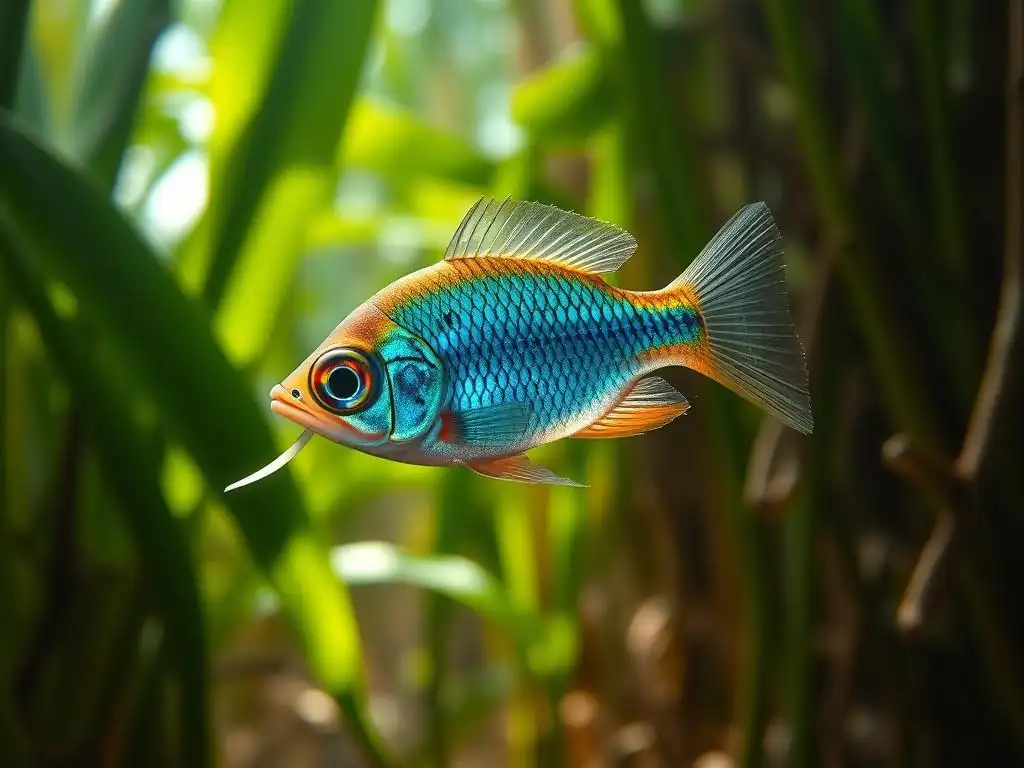
One of the most common misconceptions about Serpae tetras is that they are inherently aggressive towards other species. In reality, much of their perceived aggression, particularly fin-nipping, is a direct result of being kept in insufficient numbers. When a group is too small, typically fewer than six individuals, the fish become stressed and insecure. This stress often manifests as heightened aggression, with individuals constantly asserting dominance over the few others present.
For example, a group of three or four Serpae tetras in a 20-gallon tank will frequently engage in relentless chasing and fin-nipping, often targeting each other or slower-moving, long-finned tank mates like Angelfish or Bettas. This behavior stems from a lack of sufficient conspecifics to dilute their natural pecking order and internal squabbles. The individuals are under constant pressure, leading to elevated stress hormones and a higher likelihood of causing harm to tank inhabitants. Observations show that in such small groups, fin damage on individuals can be seen in over 70% of the fish within weeks.
The Benefits of a Large School: Reduced Stress and Harmonious Tank
Conversely, when Serpae tetras are kept in a large, appropriate school, their aggressive tendencies are significantly mitigated. A school of eight to twelve or more individuals provides enough targets for their natural nipping behavior to be spread out, preventing any single fish from becoming a constant victim. This allows for a more stable hierarchy to form, and the fish feel more secure within the group.
In a well-sized school, Serpae tetra schooling behavior becomes more cohesive and their interactions are largely internal, directed at other Serpae tetras within the group rather than external tank mates. For instance, in a 55-gallon aquarium housing twelve Serpae tetras alongside compatible species like Corydoras catfish, the instances of fin-nipping on other species drop dramatically, often by more than 90% compared to smaller groups. The collective security and diffusion of aggression lead to a more peaceful environment for all inhabitants and allow the Serpae tetras to display their full, vibrant coloration and natural schooling patterns.
Optimal Serpae Tetra School Size for a Peaceful Aquarium
Recommended Number of Serpae Tetras for Different Tank Sizes
Establishing the correct school size is paramount for successful Serpae tetra schooling behavior and a peaceful aquarium. While a minimum of six individuals is often cited, a group of eight to twelve Serpae tetras is generally considered the ideal starting point for truly exhibiting natural schooling dynamics and diffusing aggression effectively. For smaller tanks, such as a 20-gallon long aquarium, a school of 6-8 Serpae tetras can be maintained, provided there are no overly aggressive or very delicate tank mates.
For larger setups, like a 30-gallon tank, a school of 8-10 Serpae tetras would thrive, offering more space for their active swimming and schooling. In expansive aquariums, such as 55-gallon tanks or larger, keeping a school of 12-15 or even more Serpae tetras is highly recommended. This allows them to form a truly impressive and dynamic school, showcasing their best Serpae tetra schooling behavior and minimizing any internal strife. The "one inch of fish per gallon" rule is often too simplistic; considering the fish's natural behavior and bioload is more accurate.
Factors Influencing School Size: Tank Dimensions and Tank Mates
Beyond the sheer volume of water, the physical dimensions of the tank significantly influence the optimal school size for Serpae tetras. Longer tanks, which provide ample horizontal swimming space, are far more suitable for schooling fish than tall, narrow tanks of the same volume. For example, a 20-gallon long (30 inches in length) offers more beneficial swimming area for a school of Serpae tetras than a 20-gallon high (24 inches in length), even though both hold 20 gallons. This extra length allows them to perform their characteristic darting and schooling maneuvers more naturally.
The choice of tank mates also plays a crucial role in determining the ideal Serpae tetra school size and their overall Serpae tetra schooling behavior. If the aquarium contains other robust, fast-moving schooling fish, a slightly smaller group of Serpae tetras might still fare well as they have other active fish around them.
However, if tank mates are slow, long-finned, or particularly timid, it becomes even more critical to maintain a larger Serpae tetra school to ensure their aggression is directed internally and not at vulnerable species. The presence of large, boisterous cichlids, for instance, could stress Serpae tetras to the point of either heightened aggression or complete withdrawal, regardless of their school size.
Creating the Ideal Environment to Encourage Serpae Tetra Schooling
Tank Setup: Plants, Decorations, and Hiding Places
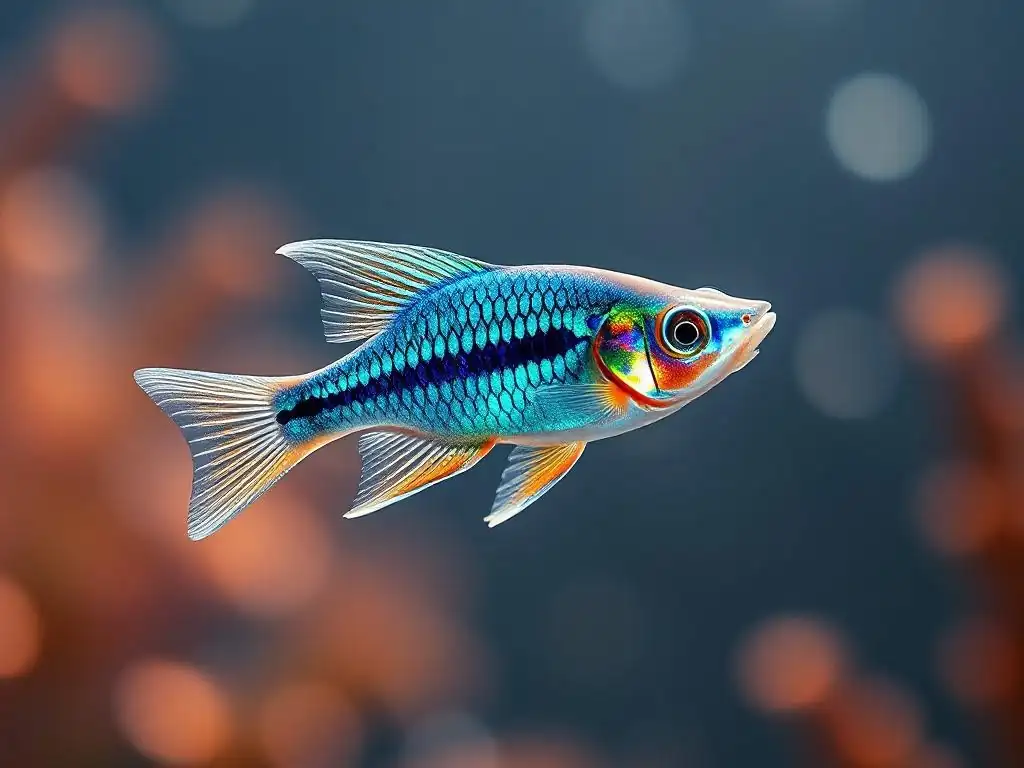
The physical environment of the aquarium profoundly impacts Serpae tetra schooling behavior and overall well-being. A well-designed tank should mimic their natural habitat, providing ample cover and visual breaks. Dense live planting, such as Java Fern, Anubias, and Amazon Swords, creates a secure feeling for the fish while also breaking up lines of sight, which can help diffuse minor squabbles within the school. Approximately 50-70% of the tank volume dedicated to plant coverage is often ideal for active schooling fish.
Incorporating driftwood and rock formations further enhances the tank's structure, offering additional hiding spots and territories for individual fish to retreat to if needed. A darker substrate can also help Serpae tetras feel more secure, encouraging them to display more vibrant colors and confident Serpae tetra schooling behavior. This combination of open swimming space and dense cover allows the school to move freely while also providing sanctuary, reducing stress and promoting natural interactions.
Water Parameters and Their Impact on Schooling Behavior
Stable and appropriate water parameters are foundational to the health and behavior of Serpae tetras, directly influencing their Serpae tetra schooling behavior. These fish thrive in soft to moderately hard water with a slightly acidic to neutral pH. Ideal temperature ranges from 72-79°F (22-26°C), with a pH between 6.0 and 7.5, and a general hardness (dGH) of 5-15. Consistency in these parameters is far more crucial than hitting exact numbers; sudden fluctuations can cause significant stress.
Poor water quality, characterized by elevated levels of ammonia, nitrite, or nitrate, will quickly lead to stress, lethargy, faded colors, and erratic Serpae tetra schooling behavior, often causing individuals to isolate themselves or exhibit increased aggression. Regular weekly water changes of 25-30% are essential to maintain pristine conditions, along with robust filtration. A well-maintained filtration system ensures that harmful nitrogenous compounds are effectively processed, supporting the overall health and natural schooling patterns of the Serpae tetras.
Choosing Compatible Tank Mates for Serpae Tetras
Selecting appropriate tank mates is critical to ensuring peaceful Serpae tetra schooling behavior and preventing conflicts in a community aquarium. Due to their nipping tendencies, especially when feeling insecure or in smaller groups, it's best to avoid very slow-moving fish or those with long, flowing fins. Species like Angelfish, Guppies, Bettas, and Gouramis are often targets for fin nipping and should generally be excluded from a Serpae tetra tank.
Ideal tank mates for Serpae tetras are other fast-moving, robust schooling fish that can hold their own. Examples include other active tetra species such as Black Skirt Tetras, Lemon Tetras, or Congo Tetras, as well as Harlequin Rasboras. Bottom dwellers like Corydoras catfish or Otocinclus are also excellent choices, as they occupy a different water column and are generally peaceful. Ensuring that all tank mates have similar water parameter requirements and a calm temperament will foster a harmonious environment where Serpae tetra schooling behavior can flourish without undue stress or aggression.
Recognizing Signs of Stress and Aggression in Serpae Tetras
Identifying Bullying and Fin-Nipping Behaviors
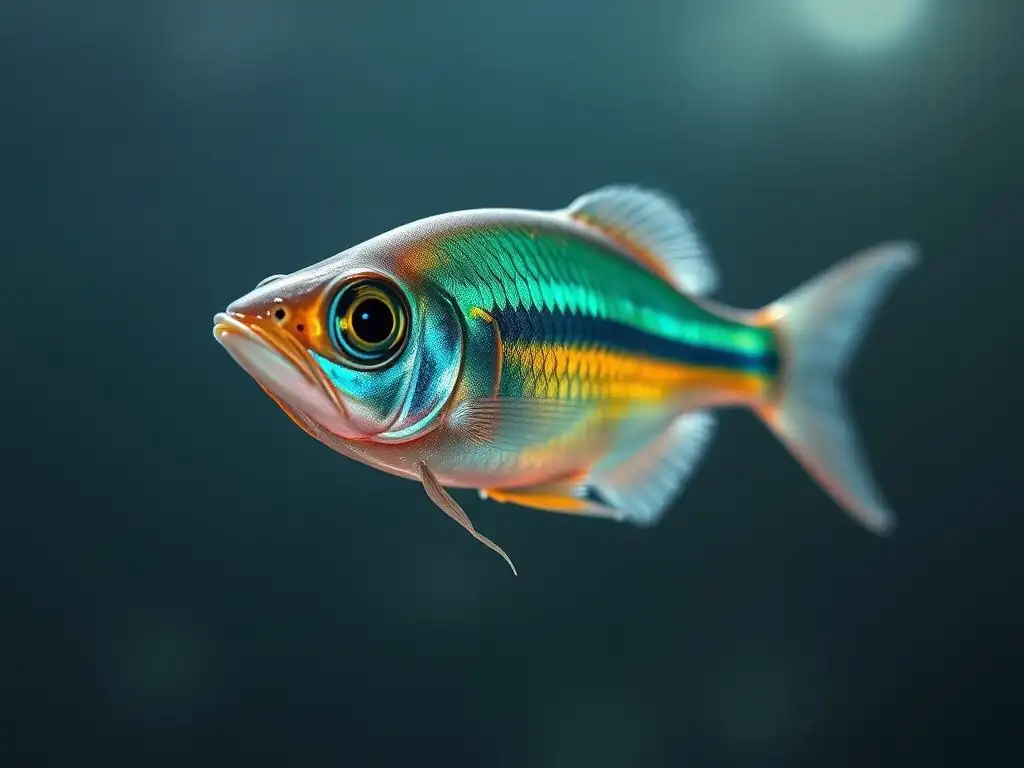
Observing your Serpae tetras regularly is crucial for early detection of stress or aggression, which often indicates an imbalance in their Serpae tetra schooling behavior. The most obvious sign of aggression is fin nipping, where the caudal (tail) fin, dorsal fin, or pectoral fins of target fish appear frayed, torn, or significantly shortened. This damage can range from minor nips to severe shredding, potentially leading to secondary bacterial infections.
Beyond physical damage, behavioral cues are also indicative of bullying. You might observe a Serpae tetra relentlessly chasing another individual, preventing it from feeding or resting. The bullied fish may exhibit hiding or isolation, spending most of its time tucked away behind plants or decorations, avoiding the main school. Faded coloration is another common stress indicator, as stressed Serpae tetras often lose their vibrant red hues. If a fish consistently displays these signs, it suggests that the Serpae tetra schooling behavior is not optimal and intervention is needed.
Addressing Aggression Issues: Solutions and Preventative Measures
Once signs of aggression or stress are identified, prompt action can prevent further harm and restore harmonious Serpae tetra schooling behavior. The most effective solution, if tank size permits, is to increase the school size. Adding more Serpae tetras (aiming for a total of 8-12 or more) helps diffuse aggression across a larger group, reducing the focus on individual fish. This often leads to a rapid improvement in overall tank dynamics.
If adding more fish isn't an option, consider rearranging tank decor. Introducing more plants, driftwood, or rock formations can create additional hiding spots and break up lines of sight, allowing bullied fish to escape and reducing visual stress. If a single fish is being severely targeted, temporary isolation in a separate hospital tank might be necessary for recovery.
Regularly checking water parameters is also vital, as poor water quality exacerbates stress and aggression. Finally, a review of tank mates is essential; if incompatible species are present, rehoming them might be the only long-term solution to maintain peaceful Serpae tetra schooling behavior.
Maintaining a Healthy and Harmonious Serpae Tetra School
Proper Feeding and Nutrition for Schooling Fish
Maintaining a healthy and harmonious Serpae tetra school relies heavily on proper feeding and nutrition. A varied diet not only ensures their vitality but also minimizes food-related aggression within the school. High-quality flake food or micro-pellets should form the basis of their diet, supplemented regularly with frozen or live foods like brine shrimp, bloodworms, and daphnia. This variety provides essential vitamins, minerals, and proteins crucial for their vibrant coloration and active Serpae tetra schooling behavior.
It is recommended to feed Serpae tetras small amounts two to three times a day, rather than one large meal. This approach ensures that all individuals, including the more timid ones, have ample opportunity to feed without excessive competition. A well-fed school is generally less prone to internal squabbles and stress, as hunger can exacerbate existing tensions. For instance, a school fed three small meals daily often exhibits more consistent and robust schooling patterns compared to one fed sparingly.
Water Quality Management: Keeping Your Serpae Tetras Happy
Consistent and meticulous water quality management is perhaps the most critical factor for the long-term health and stability of Serpae tetra schooling behavior. Poor water conditions are a primary source of stress, leading to weakened immune systems, disease, and increased aggression. Regular testing for ammonia (0 ppm), nitrite (0 ppm), and nitrate (<20 ppm) is non-negotiable. Elevated levels of any of these compounds indicate a problem with the nitrogen cycle or insufficient maintenance.
Performing weekly water changes of 25-30% using dechlorinated water is essential for diluting nitrates and replenishing vital trace elements. A robust filtration system, combining mechanical, biological, and chemical filtration, is also crucial for maintaining crystal-clear and healthy water. When water parameters are stable and within their preferred range, Serpae tetras exhibit confident, cohesive Serpae tetra schooling behavior, vibrant colors, and active swimming, signifying their contentment and well-being.
Observing and Monitoring School Dynamics for Early Intervention
Proactive observation of your Serpae tetra school dynamics is key to early intervention and preventing potential problems from escalating. Spend a few minutes each day watching their interactions, looking for any deviations from normal Serpae tetra schooling behavior. Are all fish participating in the school, or are some isolating themselves? Is there excessive chasing or nipping beyond the occasional playful squabble? Are their fins intact, or do you notice any damage?
Changes in their swimming patterns, such as listlessness or erratic movements, or a sudden loss of appetite, should also raise a red flag. Early detection of these signs allows for prompt action, whether it's adjusting the school size, refining the tank setup, or addressing water quality issues. A vigilant approach ensures that any minor issues within the Serpae tetra school are identified and resolved quickly, maintaining a peaceful and thriving environment for these captivating fish for years to come.
Frequently Asked Questions
How many Serpae Tetras are needed to form a proper school?
To observe true schooling behavior and minimize aggression, a group of at least six Serpae Tetras is highly recommended. Fewer than this, and they're less likely to school effectively.
Why is schooling important for Serpae Tetras?
Schooling provides Serpae Tetras with a sense of security and reduces stress. It also helps to distribute aggression amongst the group, preventing bullying of individual fish.
What happens if you keep Serpae Tetras in too small of a group?
In small groups, Serpae Tetras are more prone to nipping at the fins of other fish, including each other. This is due to increased stress and competition within the limited social structure.
Does tank size affect Serpae Tetra schooling behavior?
Yes, a larger tank provides more space for the school to move and interact naturally. A cramped environment can increase stress and disrupt their schooling dynamics.
What other factors influence Serpae Tetra behavior besides group size?
Water quality, tank mates, and the availability of hiding places and plants can also significantly impact their behavior. Maintaining optimal water parameters is crucial for their well-being.
Final Reflection: The Harmony of Numbers
The intricacies of Serpae tetra schooling behavior, as we've explored, are not merely an academic exercise, but a vital understanding for any aquarist seeking to create a thriving and peaceful community. The correlation between group size and reduced aggression is undeniable, highlighting the profound impact of social dynamics on these captivating fish. This knowledge empowers us to move beyond simply keeping fish alive, and towards fostering environments where they can truly flourish.
This exploration of Serpae tetra schooling behavior underscores the delicate balance within the aquarium ecosystem, mirroring broader lessons about community and individual well-being. My own experiences observing these fish have reinforced the importance of providing adequate space and social structures for all creatures, both in and out of the water. The greatness of a nation and its moral progress can be judged by the way its animals are treated.
- Mahatma Gandhi. This quote resonates deeply when considering the ethical responsibility we bear towards the animals in our care, urging us to prioritize their needs and well-being.
Now, armed with a deeper understanding of Serpae tetra schooling behavior, I invite you to reflect on the communities you cultivate, both in your aquariums and in your life. Consider the impact of group dynamics, the importance of providing adequate resources, and the profound difference a supportive environment can make. Let us all strive to create spaces where harmony prevails, and every individual has the opportunity to thrive.
Ignite Your Aquarium: Cultivate Serpae Harmony Now!
Thanks for diving deep into the fascinating world of Serpae Tetra schooling! Now that you understand the critical role of group size in their well-being, let's turn that knowledge into action and create a thriving environment for your fish.
- Immediately assess your Serpae Tetra school size. If you have fewer than 6, consider expanding the group to at least 8-10 individuals to reduce stress and aggression.
- Observe your Serpae Tetras closely for any signs of bullying or fin-nipping. Use these observations to refine your tank setup and ensure ample hiding places and visual barriers.
- Share this article with fellow aquarium enthusiasts to help them create peaceful and harmonious Serpae Tetra schools.
What specific tank layout adjustments will you make to support your Serpae Tetras' schooling behavior?