
The Importance of Hard Water for Rift Lake Cichlids & How to Achieve It

Welcome to Aquarium Mastery!
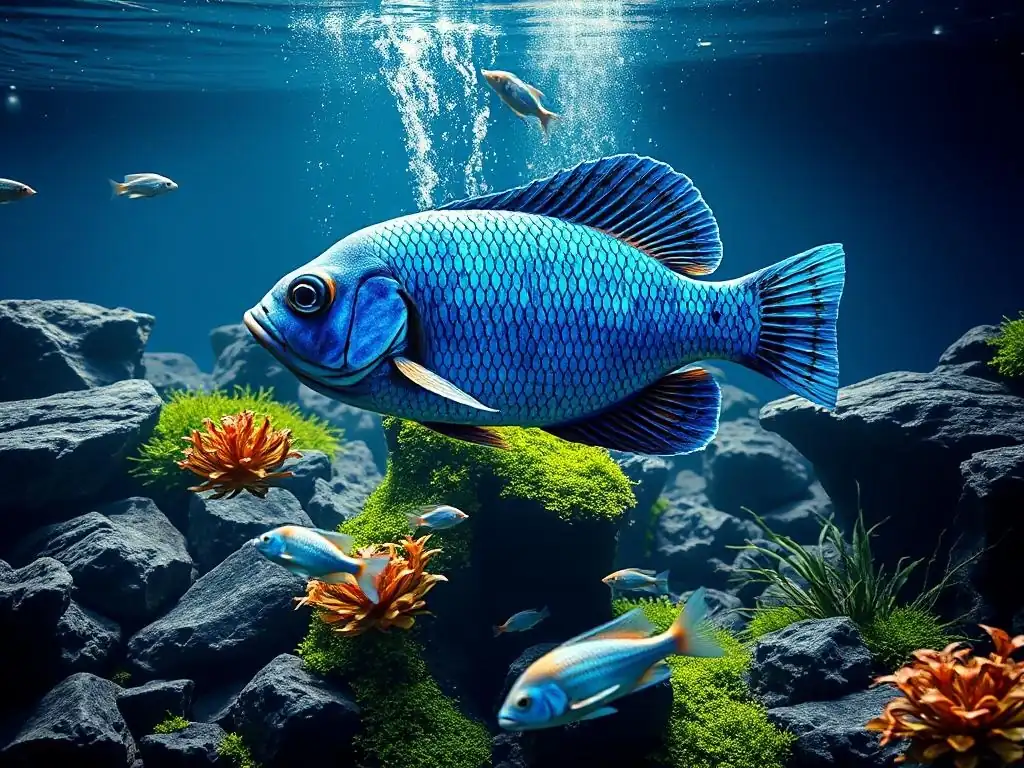
Ever wondered how to perfectly replicate the stunning aquatic environment of Africa's Great Rift Lakes in your own home? Dive in! This guide unlocks the secrets to creating the ideal hard water conditions that Rift Lake Cichlids crave. Prepare to discover how mastering water chemistry can unlock vibrant colors, healthy breeding behaviors, and a thriving ecosystem for these captivating fish. Let's explore the importance of Rift Lake Cichlid Hard Water and how to achieve it!
- Understanding Rift Lake Cichlids and Their Unique Water Chemistry Needs
- The Science Behind Hard Water: GH, KH, and pH for Cichlids
- Methods to Increase Water Hardness for Rift Lake Cichlids
- Step-by-Step Guide to Achieving Optimal Rift Lake Cichlid Water Parameters
- Troubleshooting Common Issues with Rift Lake Cichlid Water Chemistry
- Long-Term Maintenance of Hard Water Conditions for Cichlids
- The Benefits of Providing Ideal Water Conditions for Your Rift Lake Cichlids
- Alternative Methods for Achieving Hard Water: A Comparison
- Conclusion: Creating a Thriving Rift Lake Cichlid Aquarium Through Proper Water Chemistry.
-
Frequently Asked Questions
- What are Rift Lake Cichlids and why do they need hard water?
- What exactly does "hard water" mean in the context of a Rift Lake Cichlid aquarium?
- How can I increase the hardness of the water in my aquarium to suit Rift Lake Cichlids?
- What happens if I don't provide hard water for my Rift Lake Cichlids?
- How often should I test the water parameters (GH and KH) in my Rift Lake Cichlid aquarium?
- Final Reflection: The Enduring Ripple of Hard Water Harmony
- Nurture Vibrant Life: Transform Your Cichlid Tank Now!
Understanding Rift Lake Cichlids and Their Unique Water Chemistry Needs
The Origin and Natural Habitat of Rift Lake Cichlids
Rift Lake cichlids originate from the Great Rift Valley lakes of East Africa: Lake Malawi, Lake Tanganyika, and Lake Victoria. These ancient, vast bodies of water are characterized by their unique geological formations, which have resulted in highly stable and mineral-rich water.
For instance, Lake Tanganyika, the second deepest freshwater lake in the world, maintains a remarkably consistent water chemistry, with a pH typically ranging from 8.5 to 9.2 and a high mineral content that has shaped the evolution of its endemic cichlid species. The specific mineral composition, particularly high levels of calcium and magnesium, is a direct result of the surrounding limestone and volcanic rock formations.
These natural habitats are distinctly different from the soft, acidic waters found in many other parts of the world, such as the Amazon basin. Over millions of years, Rift Lake cichlids have evolved to thrive in these alkaline and hard water conditions. Their physiological systems, including gill function and osmoregulation, are specifically adapted to efficiently absorb essential minerals from their environment and maintain internal balance. This fundamental adaptation underscores why replicating these specific water parameters is not merely a preference but a critical requirement for their long-term health and well-being in an aquarium setting.
Why Hard Water is Crucial for African Cichlids
Hard water is not just a preference for African cichlids; it is a fundamental requirement rooted in their evolutionary history. The high concentration of dissolved minerals, primarily calcium and magnesium, in their natural Rift Lake environment plays a vital role in their osmoregulation—the process by which fish regulate the balance of water and salts in their bodies.
In soft water, cichlids expend significant energy trying to maintain this balance, leading to chronic stress, weakened immune systems, and a higher susceptibility to diseases. For example, maintaining adequate levels of calcium and magnesium is essential for proper bone development, scale integrity, and overall metabolic function.
Beyond osmoregulation, the specific mineral content of hard water directly influences a cichlid's ability to absorb vital nutrients and maintain internal homeostasis. These minerals contribute to the buffering capacity of the water, which helps stabilize pH levels. Without sufficient hardness, pH can fluctuate wildly, causing severe stress and potentially fatal pH shock to these sensitive fish. Providing optimal Rift Lake cichlid hard water conditions ensures that their physiological processes function efficiently, allowing them to thrive and exhibit their natural behaviors and vibrant colors.
How Water Hardness Affects Cichlid Health and Coloration
The direct impact of water hardness on cichlid health and coloration is profound and observable. Adequate levels of calcium and magnesium are crucial for the development and maintenance of strong bones and healthy scales. Fish kept in water that is too soft often exhibit signs of skeletal deformities, stunted growth, and a dull, faded appearance. For instance, a common issue in soft water tanks is "hole-in-the-head" disease, which, while multifactorial, can be exacerbated by mineral deficiencies and stress from improper water chemistry.
Furthermore, the vibrant colors that make Rift Lake cichlids so appealing are directly linked to their health and the availability of essential minerals. In their natural hard water environment, pigments are produced more efficiently, leading to intense blues, yellows, and reds. When subjected to soft or unstable water conditions, cichlids often lose their characteristic brilliance, appearing washed out or drab. This isn't just an aesthetic concern; faded coloration is often an early indicator of chronic stress and declining health, signaling that their environmental needs, particularly concerning Rift Lake cichlid hard water, are not being adequately met.
The Science Behind Hard Water: GH, KH, and pH for Cichlids
Defining General Hardness (GH) and Carbonate Hardness (KH)
When discussing Rift Lake cichlid hard water, two primary measurements are crucial: General Hardness (GH) and Carbonate Hardness (KH). GH refers to the concentration of dissolved bivalent metal ions, predominantly calcium (Ca²⁺) and magnesium (Mg²⁺), in the water. These minerals are vital for a fish's osmoregulation, enzyme function, and skeletal development. GH is typically measured in degrees of general hardness (dGH) or parts per million (ppm), with 1 dGH equivalent to approximately 17.8 ppm. For instance, a GH reading of 10 dGH indicates a significant presence of these essential minerals.
Carbonate Hardness (KH), also known as alkalinity, measures the concentration of carbonate (CO₃²⁻) and bicarbonate (HCO₃⁻) ions. KH is critical because these ions act as buffers, neutralizing acids and preventing drastic fluctuations in pH. Without sufficient KH, the pH of the aquarium water can drop rapidly, leading to dangerous pH crashes that are highly detrimental to cichlids.
Like GH, KH is often measured in degrees of carbonate hardness (dKH) or ppm, with 1 dKH also equivalent to about 17.8 ppm. While GH provides essential minerals, KH ensures the stability of the water's pH, making both vital components of ideal Rift Lake cichlid hard water.
The Relationship Between KH and pH in Rift Lake Aquariums
The relationship between Carbonate Hardness (KH) and pH is fundamental to maintaining a stable environment for Rift Lake cichlids. KH acts as a buffer, meaning it resists changes in pH by neutralizing acidic compounds produced through biological processes, such as fish respiration and the nitrification cycle.
In an aquarium with low KH, even small amounts of acid can cause a significant drop in pH, leading to a "pH crash." For example, if your tank has a KH of only 2 dKH, a slight increase in organic waste or CO2 can cause the pH to plummet from 8.0 to 6.0 in a matter of hours, severely stressing or even killing your cichlids.
Conversely, a high KH level, typically found in Rift Lake cichlid hard water, provides robust buffering capacity, ensuring that the pH remains stable within the desired alkaline range of 7.8 to 8.6. This stability is far more important than hitting an exact pH number, as cichlids are more sensitive to rapid pH swings than to a slightly off but stable pH. By maintaining an adequate KH, aquarists effectively create a chemical "safety net" that protects their fish from the physiological shock associated with unstable water chemistry, allowing their specialized osmoregulation systems to function optimally.
Ideal Water Parameter Ranges for Rift Lake Cichlids
Achieving the correct water parameters is paramount for the health and vibrancy of Rift Lake cichlids. While slight variations exist between species from Lake Malawi, Tanganyika, and Victoria, general guidelines for optimal Rift Lake cichlid hard water conditions are well-established. The ideal pH range typically falls between 7.8 and 8.6, with some Tanganyikan species preferring the higher end, closer to 8.8-9.2. It's crucial to maintain this alkalinity consistently to prevent stress and disease.
For General Hardness (GH), a target range of 10-20 dGH (approximately 178-356 ppm) is generally recommended. This ensures an ample supply of calcium and magnesium for essential biological functions. Carbonate Hardness (KH), which is vital for buffering pH, should ideally be maintained between 10-18 dKH (about 178-320 ppm). These specific ranges are not arbitrary; they reflect the natural conditions of the African Rift Lakes and are essential for supporting the unique physiological needs of these fish, from skeletal development to vibrant coloration and robust immune systems.
Methods to Increase Water Hardness for Rift Lake Cichlids
Using Aragonite Substrate to Naturally Buff Water Hardness
Aragonite is a natural form of calcium carbonate (CaCO₃) that is highly effective for increasing and stabilizing Rift Lake cichlid hard water parameters. When used as a substrate, aragonite slowly dissolves over time, releasing calcium ions (Ca²⁺) and carbonate ions (CO₃²⁻) into the water.
This process naturally raises both General Hardness (GH) and Carbonate Hardness (KH), while simultaneously buffering the pH into the desired alkaline range of 7.8-8.6. For example, a 2-inch bed of aragonite sand can effectively maintain a KH of 10-12 dKH and a GH of 12-15 dGH in a moderately stocked 75-gallon tank, reducing the need for frequent chemical adjustments.
The gradual dissolution of aragonite provides a stable and long-term solution for water chemistry, mimicking the natural buffering found in the Rift Lakes. Unlike liquid buffers that require regular dosing, aragonite offers a continuous release of minerals, minimizing pH fluctuations between water changes. Its porous structure also provides ample surface area for beneficial bacteria, contributing to biological filtration. This makes aragonite an excellent choice for aquarists seeking a natural, low-maintenance approach to achieving and sustaining optimal Rift Lake cichlid hard water conditions.
Aragonite Sand vs. Crushed Coral: Which is Better for Cichlids?
When choosing a calcareous substrate to achieve Rift Lake cichlid hard water, both aragonite sand and crushed coral are popular options due to their calcium carbonate composition. Aragonite sand, typically finer-grained and smoother, offers a larger surface area per unit volume compared to crushed coral. This increased surface area can lead to a slightly faster initial dissolution rate, potentially raising pH and hardness more quickly. Its soft texture is also beneficial for burrowing cichlid species, such as Cyprichromis or some Aulonocara, preventing fin damage and allowing natural digging behaviors.
Crushed coral, on the other hand, consists of larger, often irregularly shaped fragments of coral skeleton. While equally effective at buffering water and releasing calcium and carbonate, its coarser texture may not be ideal for all cichlid species, particularly those prone to mouth or fin injuries from sharp edges.
However, its larger particle size can be advantageous in tanks with strong flow, as it is less likely to be kicked up and cause cloudiness. Ultimately, the choice often comes down to aesthetic preference, specific cichlid species behavior, and the desired rate of initial parameter adjustment when establishing Rift Lake cichlid hard water.
Adding Limestone Rocks to Your Cichlid Tank
Incorporating limestone rocks into a Rift Lake cichlid aquarium is another highly effective and aesthetically pleasing method to naturally increase and stabilize water hardness. Limestone, primarily composed of calcium carbonate, slowly dissolves in the aquarium water, releasing calcium and carbonate ions. This process contributes directly to both General Hardness (GH) and Carbonate Hardness (KH), while simultaneously helping to maintain the desired high pH range of 7.8-8.6. Popular choices include Texas Holey Rock, Lace Rock, and various forms of marble, which not only contribute to water chemistry but also provide essential hiding spots and territories for cichlids, reducing aggression.
The rate at which limestone dissolves is generally slower than that of aragonite sand, providing a very gradual and stable buffering effect over an extended period. For instance, a few pounds of porous limestone in a 55-gallon tank can typically elevate GH by 2-3 dGH and KH by 1-2 dKH over several weeks, depending on water acidity and surface area. This slow release makes it an excellent long-term solution for maintaining Rift Lake cichlid hard water without drastic fluctuations. Beyond their chemical benefits, these rocks enhance the natural biotope aesthetic, creating a more enriching environment for the fish.
Utilizing Rift Lake Cichlid Buffers and Additives
For aquarists seeking precise control or immediate adjustments to their Rift Lake cichlid hard water, specialized buffers and additives are invaluable tools. These products are formulated with a blend of carbonate salts, bicarbonate salts, and often magnesium and calcium salts, designed to rapidly increase both KH and GH while stabilizing pH in the alkaline range.
They are particularly useful for initial setup, during large water changes, or when the buffering capacity of the tank water begins to deplete. For example, adding a measured amount of a cichlid buffer during a 25% weekly water change can ensure that the incoming water matches the tank's parameters, preventing pH shock.
These chemical additives offer a reliable way to fine-tune water parameters, especially when tap water is naturally soft or when using reverse osmosis (RO) water that requires complete remineralization. While substrates like aragonite provide a continuous, natural buffering, liquid or powdered buffers allow for immediate intervention and adjustment. It is crucial, however, to always follow manufacturer instructions carefully and test water parameters frequently when using these products to avoid over-dosing and creating an overly harsh environment for your cichlids, which can be just as detrimental as water that is too soft.
Choosing the Right Buffer: Seachem Malawi Buffer vs. Kent Marine Cichlid Buffer
When selecting a chemical buffer to achieve optimal Rift Lake cichlid hard water, products like Seachem Malawi Buffer and Kent Marine Cichlid Buffer are prominent choices, each offering specific formulations. Seachem Malawi Buffer is specifically designed to replicate the water chemistry of Lake Malawi, aiming for a pH between 7.8 and 8.5 and enhancing both GH and KH.
Its composition typically includes sodium bicarbonate, carbonate salts, and magnesium salts, providing a balanced approach to mineral replenishment and pH stability. Many aquarists find it highly effective for maintaining consistent parameters with regular dosing after water changes, often using 5 grams per 40 liters (approximately 10.5 gallons) to increase alkalinity by 1 meq/L (2.8 dKH).
Kent Marine Cichlid Buffer, while serving a similar purpose, often utilizes a slightly different blend of carbonate and bicarbonate salts to achieve the desired alkaline pH and hardness. Both products are effective in raising KH and GH, but their precise mineral ratios can differ, potentially leading to minor variations in the final water parameters.
The choice between them often comes down to personal preference, availability, and the specific target parameters an aquarist is trying to achieve. Regardless of the brand, careful measurement and consistent water testing are paramount to ensure gradual adjustments and avoid shocking your cichlids with sudden changes in their Rift Lake cichlid hard water environment.
Step-by-Step Guide to Achieving Optimal Rift Lake Cichlid Water Parameters
Testing Your Aquarium Water: A Crucial First Step
Before attempting to adjust your aquarium's water parameters, comprehensive testing is an absolute necessity. Relying on guesswork can lead to dangerous fluctuations and severe stress for your Rift Lake cichlids. A high-quality liquid reagent test kit is highly recommended over test strips, as strips often provide less accurate or precise readings. Key parameters to test include pH, General Hardness (GH), and Carbonate Hardness (KH). For instance, a baseline test might reveal your tap water has a pH of 7.0, a GH of 5 dGH, and a KH of 3 dKH, indicating it is too soft and acidic for cichlids.
This initial testing provides a critical baseline, allowing you to understand how far your current water parameters deviate from the ideal Rift Lake cichlid hard water conditions (e.g., pH 7.8-8.6, GH 10-20 dGH, KH 10-18 dKH). Regular testing, ideally weekly or bi-weekly after adjustments are made, ensures that the parameters remain stable. This proactive approach helps identify any trends or sudden shifts in water chemistry, enabling you to take corrective action before your cichlids exhibit signs of stress or disease, making it the cornerstone of successful cichlid keeping.
Gradually Adjusting Water Hardness to Avoid Shocking Your Cichlids
Once you have established your baseline water parameters, the process of adjusting to optimal Rift Lake cichlid hard water conditions must be undertaken gradually to prevent shocking your fish. Rapid changes in pH, GH, or KH can cause severe physiological stress, leading to conditions like osmotic shock, which can be fatal. For instance, a sudden pH shift of more than 0.2 units within a 24-hour period can be highly detrimental to sensitive species. Instead of making large single adjustments, introduce hardness-increasing elements in small increments over several days or even weeks.
If using chemical buffers, add a quarter or half of the recommended dose daily until the target parameters are reached, testing frequently to monitor progress. When incorporating aragonite substrate or limestone rocks, understand that their buffering effect is naturally slower, providing a gentler transition.
For example, when setting up a new 75-gallon tank, it's better to add 20 pounds of aragonite and allow it to cycle for two weeks while monitoring parameters, rather than attempting to instantly raise hardness with excessive chemical additives. This patient approach minimizes stress on your cichlids, allowing them to acclimate safely to their new Rift Lake cichlid hard water environment.
Maintaining Stable Water Parameters Through Regular Water Changes
Maintaining stable Rift Lake cichlid hard water parameters is an ongoing process that heavily relies on consistent and properly executed water changes. Over time, biological processes within the aquarium, such as nitrification, and the consumption of buffering minerals by the fish, will gradually deplete the water's buffering capacity (KH) and lower pH. Regular water changes, typically 25-30% weekly, are essential not only for removing accumulated nitrates and other waste products but also for replenishing the vital minerals that contribute to hardness and alkalinity.
Crucially, the new water added to the tank should be pre-treated to match the existing aquarium parameters, particularly pH, GH, and KH. For example, if your tap water is soft, it must be buffered with cichlid salts or additives before it enters the tank.
Adding large volumes of unbuffered, soft water can cause a significant and dangerous drop in pH and hardness, negating all your efforts to maintain optimal Rift Lake cichlid hard water. By consistently performing water changes with appropriately conditioned water, you ensure a stable and healthy environment, preventing the fluctuations that can stress your fish and compromise their health.
Troubleshooting Common Issues with Rift Lake Cichlid Water Chemistry
Dealing with Low pH in a Hard Water Tank
Even in a tank designed for Rift Lake cichlid hard water, a persistent low pH can be a frustrating issue. The primary cause of a dropping pH, despite the presence of buffering substrates or additives, is often the depletion of the water's buffering capacity (KH). As organic waste accumulates and the nitrification cycle progresses, acids are produced that consume the carbonate and bicarbonate ions responsible for buffering.
If the KH falls below a critical level, typically around 6-8 dKH, the pH can begin to drop rapidly. For example, in a heavily stocked 125-gallon cichlid tank, a KH of 10 dKH might deplete to 5 dKH within a week if water changes are neglected, leading to a pH drop from 8.2 to 7.5.
To address this, first, test your KH level. If it's low, increase your water change frequency and ensure the new water is properly buffered to match the tank's ideal Rift Lake cichlid hard water parameters. You may also need to increase the dosage of your cichlid buffer or add more aragonite substrate/limestone to provide additional buffering capacity.
Improving aeration (e.g., with an air stone or increased surface agitation) can also help by driving off excess carbon dioxide, which forms carbonic acid in water and can lower pH. Finally, reducing organic load by avoiding overfeeding and performing regular gravel vacuuming will minimize acid production, helping to stabilize pH.
Preventing pH Crashes in Your Cichlid Aquarium
Preventing pH crashes, where the water's pH rapidly plummets, is paramount for the survival of Rift Lake cichlids, which are highly sensitive to sudden changes in their water chemistry. The most effective strategy is to maintain a consistently high Carbonate Hardness (KH), as this is the primary buffer against pH fluctuations.
Regularly testing your KH (at least weekly) is crucial; if it starts to dip below 10 dKH, it's a strong indicator that your buffering capacity is diminishing and a crash may be imminent. For instance, a 75-gallon tank with a KH of 12 dKH is far less likely to experience a crash than one at 6 dKH, even with similar bioloads.
Beyond maintaining adequate KH, ensuring consistent water changes with pre-buffered water is vital. Introducing soft, unbuffered water during changes can rapidly dilute your tank's KH, making it vulnerable. Avoid overfeeding, as excess food breaks down into acids. Also, ensure sufficient surface agitation and aeration; vigorous gas exchange helps to off-gas carbon dioxide, which forms carbonic acid and can lower pH. By combining consistent KH monitoring, proper water change protocols, and good husbandry, you can effectively prevent dangerous pH crashes and maintain stable Rift Lake cichlid hard water conditions.
Addressing Cloudy Water After Adding Hardness Buffers
Cloudy water after adding hardness buffers is a common concern for aquarists trying to achieve optimal Rift Lake cichlid hard water, but it is typically a temporary and harmless phenomenon. The cloudiness is usually caused by undissolved mineral particles, particularly if the buffer is added directly to the tank in powder form without proper pre-mixing. These fine particles can remain suspended, giving the water a milky or hazy appearance. In some cases, a rapid change in water chemistry can also trigger a temporary bacterial bloom as beneficial bacteria adjust to the new environment, contributing to the cloudiness.
To address this, first, ensure that any powdered buffers are thoroughly dissolved in a small amount of tank water or dechlorinated tap water before adding them to the aquarium. Pour the solution slowly into a high-flow area, such as near the filter output, to aid dispersion. Increase mechanical filtration by adding fine filter floss to your filter, which will physically remove the suspended particles.
The cloudiness from undissolved minerals typically clears within a few hours to a day. If it persists for longer, it might indicate a bacterial bloom, which usually resolves itself within 2-3 days with good filtration and aeration, without requiring additional chemical treatments for your Rift Lake cichlid hard water.
Long-Term Maintenance of Hard Water Conditions for Cichlids
Regular Water Testing and Adjustment Schedules
Long-term maintenance of optimal Rift Lake cichlid hard water conditions hinges on a consistent schedule of water testing and subsequent adjustments. It is not enough to simply set up the tank with the correct parameters; these values will naturally fluctuate over time due to biological processes, evaporation, and mineral consumption.
A recommended schedule involves testing pH, GH, KH, and nitrates at least once a week. For a 100-gallon cichlid tank, for instance, weekly tests might reveal a pH drop from 8.2 to 7.9, a KH decrease from 12 dKH to 9 dKH, and a GH stable at 15 dGH, indicating a need to replenish buffering capacity.
Based on these readings, you can then make informed, gradual adjustments. If KH is dropping, you might increase the amount of cichlid buffer added during your weekly 25-30% water change, or consider adding more aragonite if using it as a substrate. Maintaining a detailed log of your test results and any adjustments made is invaluable. This record allows you to identify patterns, understand your tank's specific needs, and proactively prevent major fluctuations, ensuring a stable and healthy environment for your Rift Lake cichlid hard water setup without guesswork.
Monitoring Your Cichlid's Behavior for Signs of Water Quality Issues
Beyond regular water testing, vigilant observation of your Rift Lake cichlids' behavior is a critical component of long-term maintenance for their hard water environment. Fish are often the first indicators of declining water quality, exhibiting subtle changes before test kits might even register significant shifts.
Signs of stress due to improper Rift Lake cichlid hard water conditions or other water quality issues include clamped fins, rapid gilling, faded or dull coloration, lethargy, hiding excessively, or unusual aggression. For example, an Electric Yellow Lab cichlid that normally displays vibrant yellow and active swimming might become pale and withdrawn if the pH suddenly drops below 7.5.
If you observe any of these behavioral changes, your immediate first step should be to perform a comprehensive water test for pH, GH, KH, ammonia, nitrite, and nitrate. Often, these behavioral cues signal a problem that needs immediate attention, such as a depleting buffer system or a rise in toxins.
Addressing the underlying water chemistry issue promptly, rather than waiting for a test schedule, can prevent minor stress from escalating into severe health problems or even disease outbreaks. Consistent monitoring of both parameters and fish behavior creates a robust early warning system for maintaining optimal Rift Lake cichlid hard water.
Choosing the Right Filtration System for Hard Water Aquariums
Selecting an appropriate filtration system is fundamental for maintaining stable Rift Lake cichlid hard water conditions and overall tank health. Given the high bioload typically associated with cichlids, robust biological filtration is paramount to efficiently convert ammonia and nitrite into less toxic nitrates. Canister filters and sumps are highly recommended for their large media capacities, allowing for extensive biological filtration media such as ceramic rings, bio-balls, or sponges. For instance, a Fluval FX series canister filter on a 125-gallon cichlid tank can process over 900 gallons per hour, ensuring excellent water turnover and biological processing.
Mechanical filtration, often provided by filter floss or sponges within these systems, is crucial for removing particulate matter, preventing the buildup of organic detritus that can consume buffering capacity and lower pH. Chemical filtration, while sometimes used, should be chosen carefully; avoid media like peat moss or activated carbon not specifically designed for cichlid tanks, as they can lower pH or remove essential minerals. Some aquarists even incorporate crushed coral or aragonite in media bags within their sumps or canister filters to provide continuous, passive buffering, further contributing to the stability of Rift Lake cichlid hard water.
The Benefits of Providing Ideal Water Conditions for Your Rift Lake Cichlids
Enhanced Coloration and Vitality in Your Cichlids
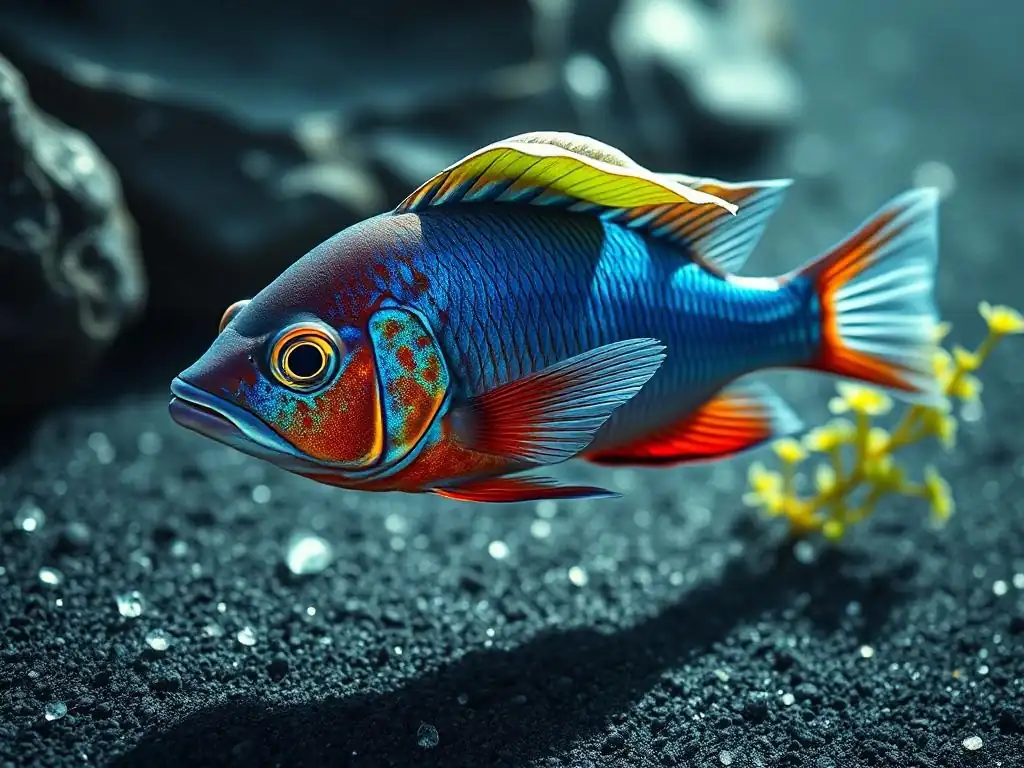
Providing ideal Rift Lake cichlid hard water conditions directly translates to profoundly enhanced coloration and overall vitality in your fish. The minerals present in their natural habitat, particularly calcium and magnesium, play a crucial role in metabolic processes that support pigment production and cellular health.
When these minerals are readily available and pH is stable within the alkaline range, cichlids can fully express their genetic potential for vibrant hues. For instance, a male Metriaclima estherae (Red Zebra) kept in optimal hard water will display intense, fiery reds or oranges, whereas the same fish in soft, acidic water might appear washed out and dull, lacking its characteristic brilliance.
Beyond mere aesthetics, vibrant coloration is a strong indicator of a healthy, low-stress fish. Cichlids in proper Rift Lake cichlid hard water conditions often exhibit increased activity, more natural behaviors like territorial displays and courtship rituals, and a robust appetite. Their scales will appear healthier, and their fins will be extended and free from stress-induced clamping. This enhanced vitality makes for a more engaging and visually stunning aquarium, reflecting the well-being derived from an environment that closely mimics their natural, mineral-rich lakes.
Improved Breeding Success and Fry Survival Rates
Optimal Rift Lake cichlid hard water conditions are not just beneficial for general health; they are absolutely critical for successful breeding and high fry survival rates. The specific mineral content and stable, alkaline pH act as vital triggers for spawning in many cichlid species. For example, Pseudotropheus demasoni (Demasoni Cichlid) breeding success significantly increases when water parameters are consistently maintained at pH 8.0-8.4, GH 12-18 dGH, and KH 10-16 dKH. In soft or unstable water, cichlids may become stressed and simply refuse to spawn, or their eggs may not properly develop.
Furthermore, the hard water provides essential minerals, particularly calcium, which are crucial for the proper development of eggs and the skeletal structure of developing fry. Fry hatched in deficient water may suffer from deformities, stunted growth, or weakened immune systems, leading to high mortality rates. In contrast, in a properly maintained Rift Lake cichlid hard water environment, fry are stronger, grow faster, and are more resilient to common ailments. This significantly boosts the chances of successful broods and contributes to a thriving cichlid population within the aquarium, making the effort to achieve correct water chemistry immensely rewarding for breeders.
Reduced Risk of Disease and Health Problems in Your Cichlid Tank
Maintaining ideal Rift Lake cichlid hard water conditions is arguably the single most effective preventative measure against a wide array of diseases and health problems in these fish. When cichlids are housed in water that deviates significantly from their natural parameters, they experience chronic stress. This stress directly compromises their immune systems, making them highly susceptible to opportunistic pathogens. For example, a common issue like Malawi Bloat, while complex, is often exacerbated by poor water quality and diet, with unstable pH and insufficient hardness contributing to intestinal distress and weakened immunity.
In a stable, hard water environment, cichlids dedicate less energy to osmoregulation and coping with environmental stressors, allowing their immune systems to function optimally. This increased resilience helps them naturally fight off common bacterial infections, fungal issues, and parasites like Ich. Their scales remain healthy, fins are strong, and internal organs function efficiently, significantly reducing the incidence of fin rot, body slime, and other stress-related ailments. By prioritizing proper Rift Lake cichlid hard water chemistry, aquarists create a robust, resilient population less prone to illness, leading to fewer treatment challenges and a more enjoyable fishkeeping experience.
Alternative Methods for Achieving Hard Water: A Comparison
Using Seachem Malawi/Victoria Buffer
Seachem Malawi/Victoria Buffer represents a highly targeted and convenient method for achieving and maintaining Rift Lake cichlid hard water. This product is specifically formulated to replicate the distinct water chemistries of Lake Malawi and Lake Victoria, aiming for a consistent pH of 7.8-8.5 and enhancing both General Hardness (GH) and Carbonate Hardness (KH). Its composition typically includes a precise blend of sodium bicarbonate, carbonate salts, and magnesium salts. For example, a common dosing instruction suggests using 5 grams for every 40-80 liters (approximately 10-20 gallons) of water, depending on the desired increase in alkalinity and hardness.
The primary advantage of using a dedicated buffer like Seachem Malawi/Victoria Buffer is its precision and ease of use, especially for those with naturally soft tap water or who use reverse osmosis (RO) water. It allows aquarists to quickly and accurately adjust parameters during water changes or as needed, ensuring stability without relying solely on substrates. While it requires consistent dosing, it offers a reliable way to fine-tune water chemistry to the exact needs of Rift Lake cichlids, providing essential minerals and buffering capacity without the need for large quantities of rock or substrate.
DIY Hard Water Recipes: Baking Soda and Epsom Salt
For aquarists seeking a more economical or customizable approach to achieving Rift Lake cichlid hard water, creating DIY recipes using common household chemicals like baking soda and Epsom salt is a viable alternative. Baking soda (sodium bicarbonate) is primarily used to increase Carbonate Hardness (KH) and pH, effectively boosting the water's buffering capacity. Epsom salt (magnesium sulfate) contributes magnesium to the General Hardness (GH) and can help reduce stress in fish. To add calcium, which is crucial for GH, calcium chloride (food-grade) can also be incorporated.
A common starting point for a DIY mix might be a ratio of 1 part baking soda, 1 part Epsom salt, and 0.5 parts calcium chloride, dissolved in dechlorinated water before adding to the tank. For example, for a 50-gallon tank, you might start with 1-2 tablespoons of this mixture, dissolved in a gallon of water, and slowly added over several hours while testing.
While this method offers significant cost savings and allows for precise customization of GH and KH ratios, it requires careful measurement and consistent water testing to avoid over-dosing or creating imbalances. Unlike commercial buffers, which are pre-balanced, DIY mixes demand a deeper understanding of water chemistry to ensure stability for your Rift Lake cichlids.
Considering a RO/DI System for Precise Water Parameter Control
For the ultimate precision in achieving and maintaining Rift Lake cichlid hard water, a Reverse Osmosis (RO) or Reverse Osmosis/Deionization (RO/DI) system offers unparalleled control. These systems purify tap water by removing nearly all dissolved solids, including minerals, chlorine, and other impurities, resulting in water with virtually zero GH and KH (0 dGH/dKH). While pure RO/DI water is unsuitable for cichlids on its own, its "blank slate" nature allows aquarists to remineralize it precisely to their desired Rift Lake parameters using specialized re-mineralization products or DIY salt mixes.
The primary benefit of an RO/DI system is its ability to eliminate unknown variables from tap water, such as fluctuating hardness, chlorine/chloramines, or phosphates, which can negatively impact water quality. This level of control is particularly advantageous for breeding programs or for aquarists dealing with challenging tap water conditions.
While the initial investment in an RO/DI unit can be significant (e.g., $150-$300 for a standard unit producing 50-100 gallons per day), and it generates some wastewater, it provides the most consistent and exact method for creating and sustaining perfect Rift Lake cichlid hard water, ensuring optimal health and breeding success.
Conclusion: Creating a Thriving Rift Lake Cichlid Aquarium Through Proper Water Chemistry.
The journey to a thriving Rift Lake cichlid aquarium fundamentally hinges on understanding and meticulously replicating their unique water chemistry needs. The importance of Rift Lake Cichlid Hard Water cannot be overstated; it is the cornerstone of their health, vitality, and natural behavior. From the high mineral content of their natural habitats in Lakes Malawi, Tanganyika, and Victoria, these fish have evolved to depend on specific levels of General Hardness (GH) and Carbonate Hardness (KH), coupled with a stable, alkaline pH.
By employing strategies such as utilizing aragonite substrates, incorporating limestone rocks, and judiciously applying specialized cichlid buffers, aquarists can effectively achieve and maintain these crucial parameters. Consistent water testing, gradual adjustments, and regular water changes with pre-buffered water are not merely tasks but essential practices that prevent stress, enhance coloration, promote breeding success, and significantly reduce the risk of disease. Ultimately, dedicating attention to proper water chemistry transforms a simple fish tank into a vibrant, dynamic ecosystem where your Rift Lake cichlids can truly flourish, exhibiting their magnificent colors and fascinating behaviors for years to come.
Frequently Asked Questions
What are Rift Lake Cichlids and why do they need hard water?
Rift Lake Cichlids are a diverse group of fish originating from the African Rift Lakes (Malawi, Tanganyika, and Victoria). They require hard water because their bodies are adapted to the high mineral content found in their natural habitat. Without it, they can suffer from health problems.
What exactly does "hard water" mean in the context of a Rift Lake Cichlid aquarium?
"Hard water" refers to water with a high concentration of dissolved minerals, specifically calcium and magnesium. For Rift Lake Cichlids, this is usually measured as GH (General Hardness) and KH (Carbonate Hardness), needing levels significantly higher than typical tap water.
How can I increase the hardness of the water in my aquarium to suit Rift Lake Cichlids?
Several methods exist, including using Rift Lake Cichlid buffers, adding limestone or aragonite substrates, or incorporating crushed coral into the filter. These additions slowly dissolve, releasing minerals into the water.
What happens if I don't provide hard water for my Rift Lake Cichlids?
Without sufficient hardness, Rift Lake Cichlids can experience a range of problems. These can include poor growth, faded coloration, increased susceptibility to disease, and difficulty with breeding.
How often should I test the water parameters (GH and KH) in my Rift Lake Cichlid aquarium?
Regular testing is crucial! You should aim to test your GH and KH at least once a week using a reliable test kit. This allows you to make necessary adjustments to maintain the appropriate water hardness for your cichlids.
Final Reflection: The Enduring Ripple of Hard Water Harmony
The intricate dance between Rift Lake Cichlids and their hard water environment continues to captivate aquarists worldwide. Understanding and replicating these specific water parameters, as we've explored, isn't just about keeping fish alive; it's about fostering vibrant ecosystems that mirror the beauty and complexity of their natural habitats, a responsibility we embrace as stewards of these incredible creatures.
This dedication to recreating the ideal environment has profoundly shaped the aquascaping hobby, pushing us to learn more about water chemistry and its impact on aquatic life. My own journey into understanding hard water has revealed the delicate balance required for thriving ecosystems, a balance that extends beyond the aquarium and into our understanding of natural environments. In water one sees one's own face; but in wine one beholds the heart of another.
This ancient proverb reminds us that what we see on the surface is often just a reflection of deeper, more complex realities, much like the seemingly simple act of adjusting water hardness reveals the intricate needs of these remarkable fish.
Now, as you consider the information presented, I invite you to reflect on your own role in the aquatic world. Whether you're a seasoned aquarist or just beginning your journey, remember that every action, every adjustment, every carefully chosen mineral contributes to the well-being of these captivating Cichlids. Embrace the challenge, deepen your understanding, and let the pursuit of hard water harmony inspire you to create thriving aquatic ecosystems that celebrate the beauty and resilience of life.
Nurture Vibrant Life: Transform Your Cichlid Tank Now!
Thanks for diving into the world of Rift Lake Cichlids! We hope you found valuable insights to enhance your aquarium experience. Now, let's translate that knowledge into action to create the perfect environment for your fish.
Here's how you can make a splash:
- Take immediate action and test your water. Use a reliable test kit to measure the GH (General Hardness) and KH (Carbonate Hardness) of your aquarium water, aiming for the specific parameters suitable for your Cichlid species.
- Explore unconventional methods: Research using oyster shells or aragonite sand to naturally buffer and harden your water, creating a more authentic Rift Lake environment.
- Share your experience! Join an online aquarium forum or Facebook group and share your water parameters and the methods you are using to maintain them. Help others learn!
What unique method will you use to boost your water hardness and create a happy and healthy environment for your cichlids?