
The Aquarium "CleanUp Crew" Unveiled: What Invertebrates *Truly* Contribute

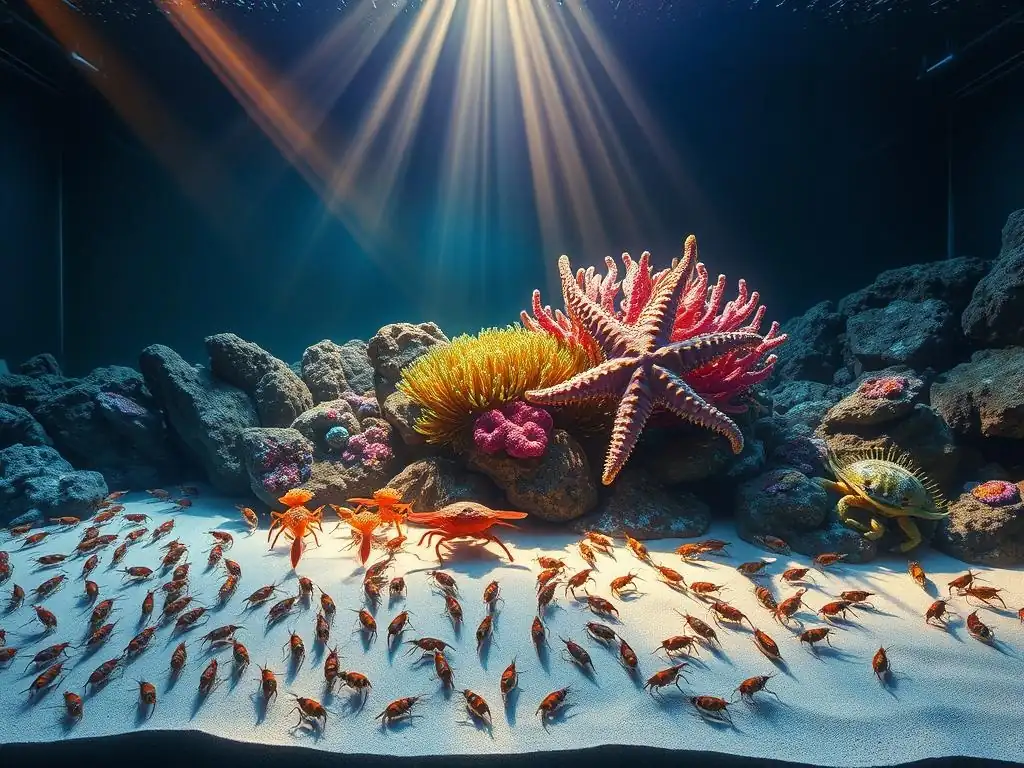
Welcome to Aquarium Mastery, where your underwater ambitions take shape! Ever wondered what really goes on beneath the surface in a saltwater aquarium, beyond the shimmering scales and vibrant corals? Dive in and discover the secrets of the saltwater aquarium cleanup crew – those often-overlooked invertebrates that play a crucial role in maintaining a thriving ecosystem. Intrigued? Let's explore what these hardworking heroes contribute, and how to choose the perfect team for your saltwater setup...
- Understanding the Aquarium Cleanup Crew Ecosystem
- Key Invertebrate Members of an Aquarium Cleanup Crew
- Cleanup Crews: Key Differences Between Tanks
- Creating a Balanced Aquarium Ecosystem: The Cleanup Crew Formula
- Optimizing Cleanup Crew Performance
- Troubleshooting Common Problems with Cleanup Crews
- The Long-Term Benefits of a Healthy Cleanup Crew
- Choosing the Right Cleanup Crew for Your Aquarium
- Beyond the Basics: Advanced Cleanup Crew Strategies
- Conclusion: The Indispensable Role of Invertebrates in Aquariums
-
Frequently Asked Questions
- What is a saltwater aquarium cleanup crew, and why is it important?
- Which invertebrates are commonly included in a saltwater aquarium cleanup crew?
- How do I choose the right cleanup crew for my saltwater aquarium?
- How many cleanup crew members do I need for my saltwater aquarium?
- What are some potential problems with using a cleanup crew in a saltwater aquarium?
- Final Reflection: The Unsung Heroes of the Reef
- Dive Deeper: Transform Your Aquarium Now!
Understanding the Aquarium Cleanup Crew Ecosystem
The Vital Role of Invertebrates in Aquarium Maintenance
Invertebrates, collectively known as the "cleanup crew," are indispensable allies in maintaining a healthy and balanced aquarium ecosystem. These organisms, ranging from snails and shrimp to crabs, act as nature's recyclers, diligently consuming uneaten food, decaying plant matter, and various forms of nuisance algae. Their continuous grazing and scavenging activities prevent the accumulation of organic waste, which would otherwise decompose and release harmful ammonia and nitrites, thereby supporting the overall biological filtration process within the tank.
Beyond their direct consumption of waste, cleanup crew members contribute significantly to water quality stability. By breaking down detritus and preventing algae overgrowth, they help to reduce the biological load on the filtration system, minimize nitrate buildup, and maintain consistent pH levels. For instance, a well-established cleanup crew in a 50-gallon aquarium can process several grams of organic waste daily, significantly reducing the burden on mechanical and biological filters and contributing to clearer water and healthier inhabitants.
Debunking Myths About Cleanup Crews: What They Can and Cannot Do
While highly beneficial, it's crucial to understand that cleanup crews are not a magical solution for poor aquarium husbandry. A common myth is that these invertebrates can entirely eliminate the need for regular water changes, proper filtration, or responsible feeding practices. In reality, they are an assistive force, enhancing the aquarium's natural processes but not replacing fundamental maintenance tasks. They effectively manage minor organic buildup and nuisance algae, but cannot rectify severe overfeeding or neglected water parameters.
Furthermore, cleanup crews have specific dietary preferences and limitations. They typically excel at consuming soft film algae, diatoms, and detritus, but may ignore tougher algae types like Black Beard Algae or certain cyanobacteria. For example, a group of five Nerite snails in a 20-gallon tank can keep the glass remarkably clean from green spot algae, but they won't make a dent in a significant outbreak of filamentous green hair algae often caused by excess nutrients. Their role is to complement, not replace, diligent aquarist practices.
Key Invertebrate Members of an Aquarium Cleanup Crew
Snails for Algae Control: Nerite Snail Profile
Nerite snails (Neritina spp.) are among the most popular and effective algae eaters for both freshwater and saltwater aquariums. These hardy snails, typically ranging from 0.5 to 1 inch in size, are renowned for their voracious appetite for diatom algae (brown film), green film algae, and some forms of green spot algae on glass, rocks, and décor. Freshwater Nerites have the added benefit of not reproducing in freshwater, preventing overpopulation, while their saltwater counterparts can reproduce, though their larvae rarely survive in typical home aquariums.
Their efficiency is remarkable; a single Nerite snail can effectively keep a 10-gallon aquarium free of most film algae. For larger tanks, a stocking density of one Nerite per 5-10 gallons is often recommended. For instance, a 75-gallon saltwater aquarium cleanup crew might include 7-10 various Nerite snails (e.g., Zebra, Tiger, Horned Nerites) alongside other species, ensuring comprehensive algae control across different surfaces. They are generally peaceful and compatible with most fish, making them a cornerstone of many cleanup crews.
Shrimp Species as Detritus Devourers: Cherry Shrimp and Their Benefits
In freshwater aquariums, Cherry Shrimp (Neocaridina davidi) are highly prized for their diligent scavenging abilities. These small, colorful crustaceans, growing up to 1.5 inches, are excellent detritivores, constantly sifting through substrate and decor to consume decaying plant matter, uneaten fish food, and biofilm. Their continuous activity helps to aerate the substrate and prevent the buildup of anaerobic pockets, contributing significantly to a healthier tank environment. They are also prolific breeders, establishing self-sustaining colonies in suitable conditions.
For example, a colony of 20-30 Cherry Shrimp in a 20-gallon planted tank can dramatically reduce the accumulation of organic debris, lessening the frequency of manual substrate vacuuming. In saltwater setups, the role of detritus devourers is often filled by species like Nassarius snails, which burrow into the sand, or various cleaner shrimp species such as the Pacific Cleaner Shrimp (Lysmata amboinensis) or Peppermint Shrimp (Lysmata wurdemanni). Peppermint shrimp, specifically, are valued not only for their detritus consumption but also for their propensity to consume nuisance Aiptasia anemones, making them a dual-purpose addition to a saltwater aquarium cleanup crew.
Crabs and Crayfish: Scavengers and Their Impact on the Tank
Freshwater crabs and crayfish offer unique scavenging capabilities, though their inclusion requires careful consideration due to their potential for aggression or predation. Dwarf crayfish (e.g., Cambarellus patzcuarensis) are small, peaceful options for nano tanks, consuming detritus and small food particles without posing a threat to fish. Larger freshwater crayfish, such as the Electric Blue Crayfish (Procambarus alleni), are more opportunistic scavengers but can be highly predatory towards tank mates, especially slow-moving fish or other invertebrates.
In saltwater aquariums, various hermit crabs are foundational members of a saltwater aquarium cleanup crew. Blue Leg Hermit Crabs (Clibanarius tricolor) and Scarlet Hermit Crabs (Paguristes cadenati) are popular choices, tirelessly sifting through sand and rocks, consuming detritus, uneaten food, and various forms of algae. A typical 50-gallon saltwater aquarium might house 5-10 small hermit crabs.
Emerald Crabs (Mithraculus sculptus) are particularly sought after for their ability to consume bubble algae, a persistent pest in many reef tanks. While generally peaceful, larger hermit crabs can sometimes become predatory towards snails or other small invertebrates if not adequately fed or if suitable empty shells are scarce.
Cleanup Crews: Key Differences Between Tanks
Comparing the Needs and Contributions of Invertebrates in Different Environments
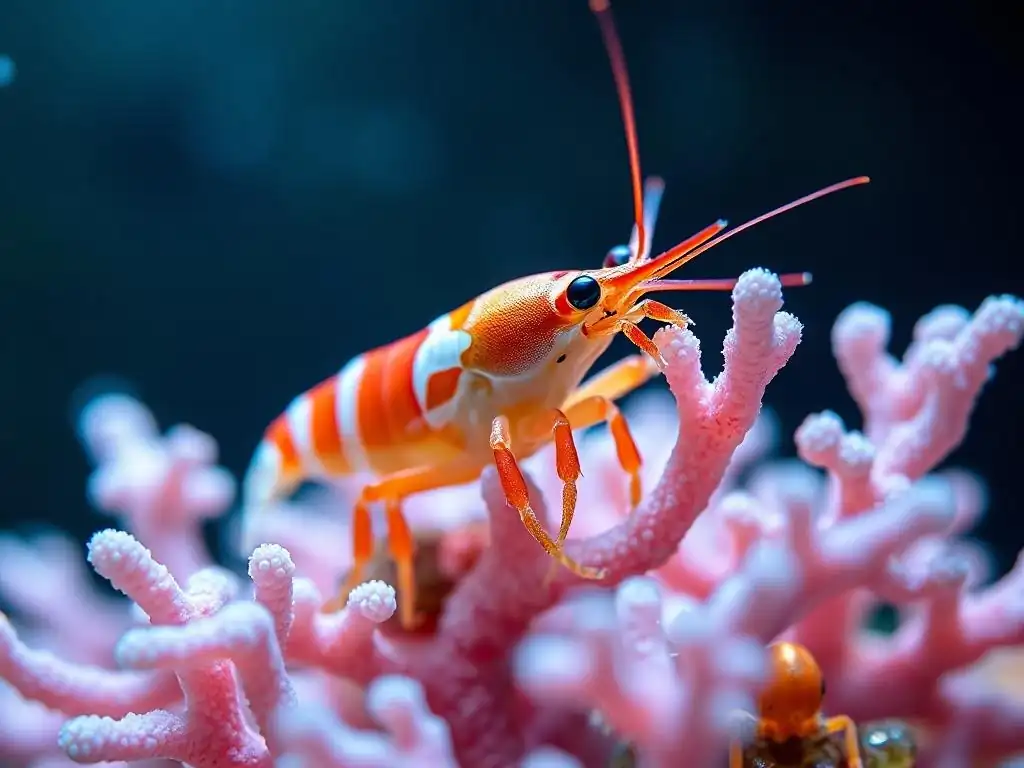
The requirements and contributions of cleanup crew invertebrates vary significantly between freshwater and saltwater environments, primarily due to fundamental differences in water chemistry and ecosystem dynamics. Freshwater invertebrates generally tolerate a wider range of pH (6.5-7.5) and hardness, and do not require specific gravity maintenance. Their primary contributions often revolve around consuming detritus, biofilm, and various soft algae, particularly in planted setups where decaying plant matter is abundant.
Saltwater invertebrates, conversely, demand highly stable water parameters, including specific gravity (typically 1.023-1.026), pH (8.1-8.4), and adequate levels of calcium and alkalinity for shell and exoskeleton development. Their roles within a saltwater aquarium cleanup crew are often more specialized, focusing on managing specific types of nuisance algae (e.g., diatoms, green hair algae, bubble algae), aerating sand beds to prevent anaerobic zones, and acting as general scavengers in a more complex, nutrient-rich environment. The intricate balance of a reef system often relies heavily on a diverse and robust saltwater cleanup crew to process waste that could otherwise harm sensitive corals.
Selecting the Right Invertebrates for Your Specific Aquarium Setup
Choosing the appropriate cleanup crew members hinges on understanding your specific aquarium's needs, existing inhabitants, and water parameters. For a heavily planted freshwater tank, species like Amano shrimp (Caridina multidentata) are excellent for tackling hair algae, and Malaysian Trumpet Snails (Melanoides tuberculata) are invaluable for aerating the substrate. In a community freshwater tank, peaceful snails like Mystery Snails (Pomacea diffusa) or Nerite snails are often preferred due to their non-aggressive nature and algae-eating prowess.
For a saltwater aquarium, the selection process is even more critical. A successful saltwater aquarium cleanup crew must be compatible with corals and fish, and target specific problems. For instance, a 100-gallon reef tank might benefit from a diverse crew including 10-15 various hermit crabs (e.g., Blue Leg, Scarlet), 15-20 snails (e.g., Turbo, Trochus, Nassarius), and perhaps a couple of Peppermint Shrimp for Aiptasia control. Compatibility with tank inhabitants is paramount; for example, certain wrasses or triggerfish are known predators of snails and crabs, making them unsuitable tank mates for a thriving cleanup crew.
Creating a Balanced Aquarium Ecosystem: The Cleanup Crew Formula
Understanding Biological Load and Invertebrate Population Control
The concept of biological load, which refers to the total amount of organic waste produced by all living organisms in the aquarium, is crucial when considering a cleanup crew. While invertebrates process waste, they also contribute to the biological load themselves through their own metabolic processes and waste production. Overstocking a cleanup crew can lead to resource depletion, starvation, and ultimately, die-offs that can cause sudden spikes in ammonia and nitrite, jeopardizing the entire ecosystem.
Effective population control is therefore essential, especially for prolific breeders like many freshwater snails (e.g., Ramshorn or Bladder snails). Manual removal, reducing food availability, or introducing specific predators like Assassin Snails (Clea helena) can help manage their numbers. In saltwater systems, many cleanup crew species have complex larval stages that rarely survive in home aquariums, naturally limiting overpopulation. However, ensuring a consistent, but not excessive, food supply prevents starvation and subsequent die-offs, which can destabilize the delicate balance of a saltwater aquarium cleanup crew.
Introducing New Members: Acclimation and Compatibility
The successful introduction of new cleanup crew members is critical, particularly for sensitive invertebrates. Proper acclimation minimizes stress and prevents shock from sudden changes in water parameters. Drip acclimation is highly recommended, especially for saltwater invertebrates, where even slight shifts in salinity or pH can be fatal. This process involves slowly dripping tank water into the bag containing the new inhabitants over a period of 1-2 hours, allowing them to gradually adjust to the new conditions.
Beyond acclimation, ensuring compatibility with existing tank inhabitants is paramount. Researching the adult size and temperament of both the new invertebrates and your current fish and invertebrates is vital. For instance, a large predatory fish such as a Pufferfish or a large aggressive crab like a Sally Lightfoot Crab might see a newly introduced snail or shrimp as a meal rather than a cleanup crew member. Conversely, some invertebrates, like certain types of starfish, can prey on other cleanup crew members. A well-planned saltwater aquarium cleanup crew ensures that all members can coexist peacefully and perform their roles effectively.
Optimizing Cleanup Crew Performance
Providing the Right Conditions for Thriving Invertebrates
For a cleanup crew to perform optimally, their specific environmental needs must be met. Stable water parameters are non-negotiable: consistent temperature, appropriate pH, and for saltwater invertebrates, stable salinity (specific gravity). Adequate levels of calcium and alkalinity are also crucial for invertebrates with shells or exoskeletons, as these minerals are vital for their growth and molting processes. A mature nitrogen cycle is fundamental, as invertebrates are highly sensitive to ammonia and nitrite.
Beyond water chemistry, providing a suitable habitat is essential. This includes sufficient hiding spots among rocks or plants, an appropriate substrate (e.g., sand for burrowing Nassarius snails in a saltwater aquarium cleanup crew), and proper water flow. Many marine snails, for example, thrive in areas with moderate to strong flow where they can graze effectively on biofilm. Ensuring these conditions not only promotes their survival but also maximizes their efficiency in keeping the aquarium clean.
Supplementing Invertebrate Diet: When and How to Feed Your Cleanup Crew
In a well-established aquarium with a healthy population of fish and plants, the cleanup crew often finds sufficient food from uneaten fish food, detritus, and natural algae growth. However, in new tanks, lightly stocked tanks, or those that are meticulously clean, supplemental feeding may be necessary to prevent starvation and subsequent die-offs. Invertebrates that are starving will become lethargic, lose color, or simply disappear.
When supplementing, offer foods that cater to their specific dietary needs. Algae wafers, blanched vegetables (such as zucchini slices or spinach), and small amounts of high-quality fish flakes or pellets are suitable for many freshwater snails and shrimp. For a saltwater aquarium cleanup crew, marine-specific pellets, spirulina flakes, or even small pieces of frozen mysis shrimp can be offered, ensuring that bottom-dwelling and scavenging species receive adequate nutrition, especially if natural food sources become scarce.
Troubleshooting Common Problems with Cleanup Crews
Identifying and Addressing Invertebrate Health Issues
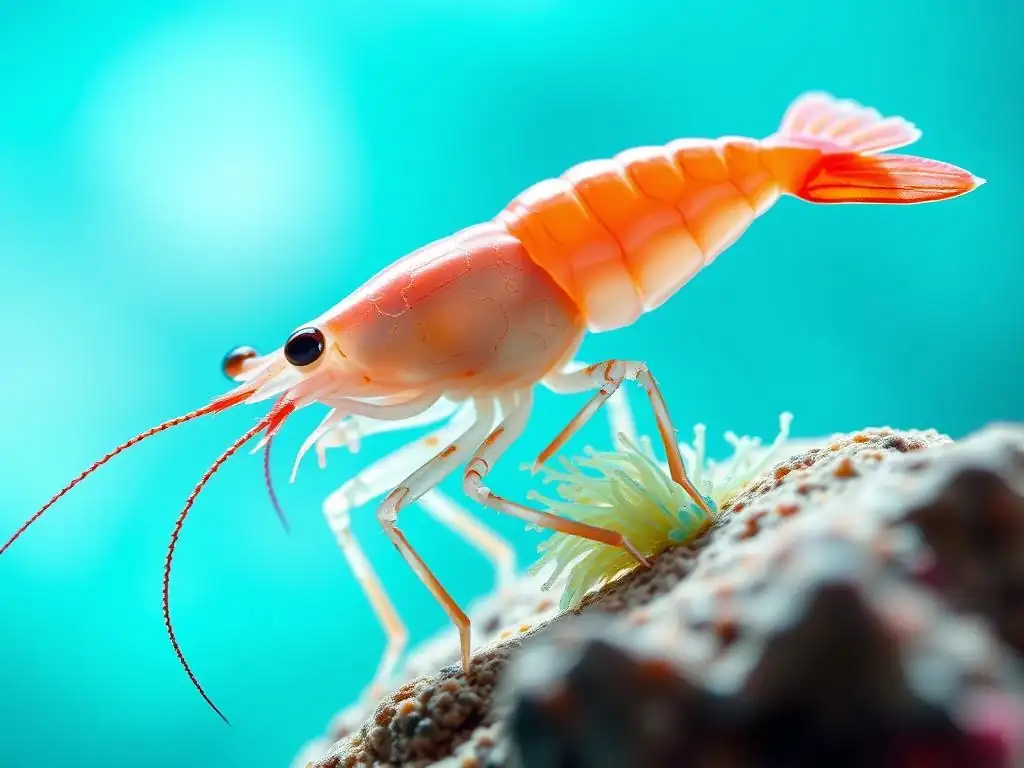
Recognizing signs of distress in your cleanup crew is vital for prompt intervention. Common indicators of health issues include lethargy, loss of appetite, unusual discoloration, or abnormal behavior such as snails remaining retracted for extended periods or shrimp failing to molt properly. A white ring around a shrimp's body, for instance, often indicates a failed molt due to improper water parameters, particularly inadequate mineral levels.
Upon noticing such signs, the immediate course of action should be to test your water parameters. Ammonia, nitrite, nitrate, pH, temperature, and for saltwater systems, salinity, calcium, and alkalinity, should all be checked. It is crucial to remember that copper-based medications, often used to treat parasitic infections in fish, are highly toxic to all invertebrates and must be avoided at all costs in tanks with a cleanup crew. Isolating affected individuals or performing a small water change with properly conditioned water can sometimes help stabilize their environment.
Dealing with Overpopulation and Predation
Overpopulation within a cleanup crew, particularly with highly prolific freshwater snails like Bladder or Ramshorn snails, can lead to several problems. An excessive number of invertebrates can contribute to an increased biological load, compete for food, and become aesthetically unpleasing. Strategies to manage overpopulation include manual removal (scooping them out), reducing the amount of food available to the tank, or introducing natural predators like Assassin Snails (Clea helena) in freshwater setups.
Predation is another common issue, especially in community tanks. Certain fish species, such as aggressive puffers, triggerfish, or even some larger wrasses, are known to prey on snails, shrimp, and crabs. If predation is occurring, provide more hiding spots for your cleanup crew members, or consider rehoming either the predator or the vulnerable invertebrates. For example, a large Emerald Crab in a saltwater aquarium cleanup crew might occasionally harass or even kill smaller snails if food is scarce or if it feels territorial, necessitating careful observation.
The Long-Term Benefits of a Healthy Cleanup Crew
Maintaining Water Quality and Stability
The long-term presence of a healthy cleanup crew significantly contributes to the sustained water quality and overall stability of an aquarium. By continuously consuming uneaten food, fish waste, and decaying organic matter, they prevent the accumulation of detritus that would otherwise decompose and release harmful ammonia, nitrites, and nitrates. This proactive waste management reduces the workload on your biological filtration system and helps keep nutrient levels in check.
This consistent removal of organic waste by a diligent cleanup crew can lead to a measurable reduction in weekly nitrate accumulation, potentially lowering it by 5-10 ppm in a moderately stocked tank. Furthermore, by preventing the buildup of decaying matter, they help maintain a more stable pH by minimizing the production of organic acids. This stability is particularly crucial in sensitive ecosystems like reef tanks, where a well-functioning saltwater aquarium cleanup crew directly supports the health and vibrancy of corals and other delicate marine life.
Reducing the Need for Manual Cleaning
One of the most appreciated benefits of a robust cleanup crew is the significant reduction in the frequency and intensity of manual cleaning tasks. Algae grazers tirelessly scrub the interior glass, rocks, and décor, minimizing the need for daily or weekly scraping. Detritus-eaters and sand-sifting species, such as Nassarius snails in a saltwater aquarium cleanup crew, constantly turn over the substrate, preventing the formation of unsightly and potentially harmful anaerobic pockets.
This translates into less time spent on laborious maintenance and more time enjoying the beauty of your aquatic environment. A well-balanced cleanup crew can extend the intervals between glass cleanings from daily to every few days, and can reduce the need for substrate vacuuming by up to 50% or more, depending on the tank's bioload. This efficiency makes aquarium keeping more manageable and enjoyable for aquarists of all experience levels.
Choosing the Right Cleanup Crew for Your Aquarium
Assessing Your Tank's Needs and Invertebrate Compatibility
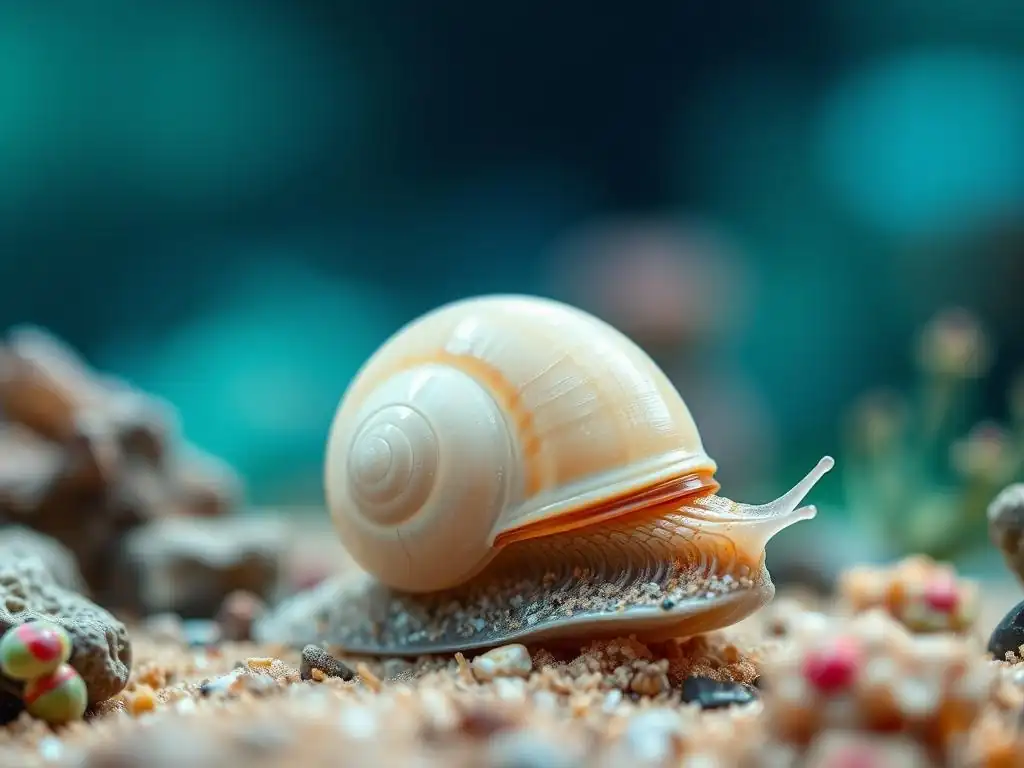
The process of selecting the ideal cleanup crew begins with a thorough assessment of your aquarium's specific needs and existing conditions. Identify the primary challenges: Is it persistent green film algae on the glass? Excessive detritus accumulating in the substrate? Or perhaps specific nuisance algae like bubble algae in a saltwater reef tank? Once identified, research invertebrates known to address these issues.
Crucially, consider the compatibility of potential cleanup crew members with your current fish and other invertebrates. Research their adult size, dietary preferences, and temperament. For example, a 30-gallon freshwater tank with small, peaceful tetras would benefit from Nerite snails and Cherry shrimp, while a 120-gallon saltwater reef tank might require a diverse saltwater aquarium cleanup crew including various hermit crabs, turbo snails, and a couple of cleaner shrimp to thrive. Avoid species that might become predators or compete aggressively for resources.
Planted Tank Cleanup Crew
For freshwater planted aquariums, the ideal cleanup crew focuses on managing algae on plants, consuming decaying plant matter, and aerating the substrate without damaging delicate flora. Key members include Nerite snails, which effectively graze algae from leaves and glass without harming plants. Amano shrimp (Caridina multidentata) are highly prized for their voracious appetite for various filamentous algae, including dreaded hair algae.
Malaysian Trumpet Snails (Melanoides tuberculata) are invaluable for planted tanks due to their burrowing habits, which prevent anaerobic pockets in the substrate and help distribute nutrients. Cherry shrimp (Neocaridina davidi) excel at consuming biofilm and detritus in every crevice. For a 40-gallon heavily planted tank, a recommended setup might include 5-7 Amano shrimp, 3-5 Nerite snails, and a thriving colony of Malaysian Trumpet Snails to maintain pristine conditions.
Community Tank Cleanup Crew
In a general freshwater community tank, the cleanup crew should consist of peaceful, non-predatory invertebrates that can coexist harmoniously with various fish species. Nerite snails and Mystery snails (Pomacea diffusa) are excellent choices for algae control and detritus consumption without posing a threat to fish. Peaceful shrimp species like Ghost Shrimp (Palaemonetes paludosus) can also be added, provided the fish are not known shrimp predators.
For a 75-gallon freshwater community tank, a suitable cleanup crew might comprise 8-12 Nerite or Mystery snails, and perhaps a small group of Ghost Shrimp, to handle general detritus and algae. Similarly, in a saltwater community tank, a diverse saltwater aquarium cleanup crew is essential. This often includes various types of hermit crabs (e.g., Blue Leg, Scarlet) and snails (e.g., Turbo, Nassarius) to keep the sand bed and rock work clean, contributing to the overall health and stability of the marine environment.
Beyond the Basics: Advanced Cleanup Crew Strategies
Utilizing Invertebrates for Specific Algae Problems
Beyond general algae consumption, certain invertebrates are renowned for tackling specific, persistent algae problems. For instance, in saltwater aquariums, the Emerald Crab (Mithraculus sculptus) is highly valued for its ability to consume bubble algae (Valonia spp. ), a notoriously difficult-to-eradicate nuisance. Similarly, certain species of Turbo snails (e.g., Astraea, Turban) are exceptionally efficient at grazing tough green hair algae from rocks and glass in marine setups.
In freshwater, while Amano shrimp are generalists for hair algae, certain species like the Florida Flagfish (Jordanella floridae), though a fish, are sometimes introduced for specific filamentous algae. It is important to note that while these invertebrates are effective, they are not a substitute for addressing the root cause of algae outbreaks, which often relates to excess nutrients, light, or inadequate water flow. A targeted saltwater aquarium cleanup crew can be a powerful tool when combined with proper husbandry.
Breeding Your Own Cleanup Crew: Sustainable Aquarium Management
For aquarists seeking a more sustainable and self-sufficient approach, breeding certain cleanup crew members offers significant benefits. Species like freshwater Cherry Shrimp (Neocaridina davidi) or Ramshorn Snails (Planorbella spp.) are relatively easy to breed in a dedicated setup, providing a continuous, free supply of cleanup crew members. This not only saves on purchase costs but also ensures a consistent population of healthy, acclimated invertebrates for your main display tank.
While breeding many saltwater cleanup crew members is significantly more challenging due to complex larval stages requiring specialized conditions (e.g., planktonic food, specific water parameters), some species, like certain Nassarius snails, can occasionally reproduce in home aquariums. Breeding your own cleanup crew fosters a deeper understanding of invertebrate life cycles and contributes to a more resilient and self-sustaining aquarium ecosystem, reducing reliance on external sources.
Conclusion: The Indispensable Role of Invertebrates in Aquariums
In essence, the "cleanup crew" is far more than just a collection of fascinating invertebrates; they are the unsung heroes of the aquarium world. These diligent workers play an indispensable role in maintaining ecological balance, tirelessly converting organic waste into valuable biomass, controlling nuisance algae, and contributing significantly to water quality and stability. Their presence transforms an otherwise static environment into a dynamic, self-regulating ecosystem.
While they are not a panacea for all aquarium woes and cannot replace diligent human husbandry, a thoughtfully selected and well-maintained cleanup crew is an essential component for any thriving aquatic setup. Whether in a bustling freshwater planted tank or a vibrant saltwater aquarium cleanup crew in a delicate reef system, these invertebrates are vital partners, ensuring a cleaner, healthier, and more enjoyable environment for all inhabitants.
Frequently Asked Questions
What is a saltwater aquarium cleanup crew, and why is it important?
A cleanup crew is a group of invertebrates like snails, crabs, and shrimp that help maintain a healthy saltwater aquarium by consuming algae, uneaten food, and detritus. They are important because they reduce the buildup of waste, lessening the need for manual cleaning.
Which invertebrates are commonly included in a saltwater aquarium cleanup crew?
Common members include snails (Nassarius, Cerith, Turbo), crabs (Hermit, Emerald), and shrimp (Peppermint, Cleaner). The specific mix depends on the tank size and the type of waste management required.
How do I choose the right cleanup crew for my saltwater aquarium?
Consider your tank size, the type of algae or detritus you need to control, and the compatibility of the different species. Research each invertebrate to ensure it suits your tank's environment and inhabitants.
How many cleanup crew members do I need for my saltwater aquarium?
The number depends on your aquarium's size and bioload. A general guideline is 1-2 invertebrates per gallon, but it's best to start with fewer and observe their impact before adding more.
What are some potential problems with using a cleanup crew in a saltwater aquarium?
Overstocking can lead to starvation, while aggressive species may prey on other inhabitants. Also, some cleanup crew members may not be suitable for all reef tanks due to their potential to damage corals.
Final Reflection: The Unsung Heroes of the Reef
The intricate dance of life within a saltwater aquarium hinges on a delicate balance, and as we've explored, the Saltwater Aquarium Cleanup Crew plays a far more vital role than simply polishing glass. Their tireless efforts, often unseen, are the cornerstone of a thriving ecosystem, preventing imbalances and ensuring the health of the entire community. Understanding their individual contributions is not just about maintaining a pristine environment; it's about appreciating the interconnectedness of life within our miniature reefs.
This exploration into the world of invertebrates has profoundly impacted my perspective on aquarium keeping, highlighting the crucial importance of biodiversity and the symbiotic relationships that underpin a healthy reef. It's easy to focus on the flashy fish, but the true architects of stability are these often-overlooked creatures. As the renowned marine biologist Sylvia Earle once said, No water, no life. No blue, no green.
This sentiment extends beyond the ocean's vastness to the contained ecosystems we create, reminding us that every element, no matter how small, contributes to the overall health and beauty.
Now, as you gaze upon your own saltwater aquarium, I invite you to look beyond the surface. Consider the diligent work of your cleanup crew, the silent guardians of your reef. Reflect on the lessons learned about balance, interdependence, and the power of the unseen. Embrace the responsibility of creating a thriving environment for these fascinating creatures, and in doing so, you'll not only cultivate a beautiful aquarium but also gain a deeper appreciation for the wonders of the natural world.
Dive Deeper: Transform Your Aquarium Now!
Thanks for exploring the hidden heroes of the aquarium! We hope you've gained a new appreciation for the unsung invertebrate cleanup crew and their crucial role in a thriving ecosystem. Ready to take the plunge?
Here are a few ways to leverage this knowledge:
- Implement the Power: Strategically stock your aquarium with a diverse "CleanUp Crew" tailored to your specific needs.
- Explore Further: Research less common invertebrates like Detritus worms or copepods to enhance your cleaning regime and nutrient breakdown.
- Share Your Experience: Post a before-and-after photo of your aquarium demonstrating the impact of your cleanup crew on social media, tagging #AquariumMastery.
What's one small change you can make today to optimize your invertebrate cleanup crew for a healthier aquarium?