
Astrea Snails (Star Snails): Effective Algae Control with a Catch

Welcome to Aquarium Mastery!
Ever wonder how to keep your aquarium sparkling clean naturally? Dive into our guide to discover the secrets of Astrea Snails (Star Snails) and their incredible algae-eating abilities. But be warned, these little helpers come with a catch! Ready to learn how to leverage their power and avoid potential pitfalls? Let's explore the fascinating world of Astrea snails and master algae control in your aquarium.
- Astrea Snails: Effective Algae Control with Considerations
- Introduction to Astrea Snails for Algae Management in Saltwater Aquariums
- Identifying Astrea Snails
- Benefits of Astrea Snails for Algae Control
- Potential Drawbacks in Reef Aquariums
- Caring for Astrea Snails
- Stocking Density
- Compatibility with Other Inhabitants
- Common Problems
- Breeding in Captivity
- Alternatives for Algae Control
- Conclusion: A Valuable Addition with Considerations
-
Frequently Asked Questions
- How effective are Astrea snails at controlling algae in an aquarium?
- What are the ideal water parameters for keeping Astrea snails healthy?
- What type of algae do Astrea snails typically eat?
- What is the "catch" mentioned in the title regarding Astrea snails and algae control?
- How many Astrea snails should I add to my aquarium for effective algae control?
- Final Reflection: The Unsung Heroes of Reef Health
- Unleash the Power of Astrea Snails in Your Aquarium!
Astrea Snails: Effective Algae Control with Considerations
Introduction to Astrea Snails for Algae Management in Saltwater Aquariums
Astrea snails, primarily species within the Astrea and Lithopoma genera, are highly valued members of the clean-up crew in saltwater and reef aquariums. Renowned for their diligent grazing habits, they are a cornerstone for effective Astrea snails algae control, particularly on rockwork and glass surfaces. Their constant movement and voracious appetites make them indispensable for maintaining the aesthetic appeal and biological balance of a marine tank.
While their efficiency in consuming nuisance algae is widely recognized, Astrea snails come with specific care requirements and sensitivities that aquarists must understand. Their unique biological needs and vulnerabilities, such as intolerance to certain water parameters and an inability to right themselves if overturned, necessitate careful consideration. Despite these "catches," with proper management, they remain an excellent choice for natural algae management.
Identifying Astrea Snails
Astrea Snail Taxonomy and Natural Habitat
Astrea snails belong to the family Turbinidae, commonly known as turban snails. The species most often sold in the aquarium trade under the "Astrea" name include Lithopoma tectum (formerly Astrea tecta), Lithopoma americanum, and various other Lithopoma or Tegula species, depending on their origin. These marine gastropods are widespread, typically inhabiting shallow, rocky intertidal zones and coral reefs across the Caribbean, Gulf of Mexico, and Indo-Pacific regions. They are frequently found clinging to rock faces, coral rubble, and other hard substrates where algae thrive.
In their natural environments, Astrea snails play a crucial ecological role by grazing on microalgae and detritus, preventing overgrowth that could smother corals and other sessile invertebrates. Their strong muscular foot allows them to adhere firmly to surfaces, even in areas with significant water movement, making them highly adapted to their dynamic coastal habitats. This natural behavior translates effectively to the aquarium, where they tirelessly scour surfaces for food.
Physical Characteristics: Size and Shell Shape
Astrea snails are easily recognizable by their distinctive, conical, and often pyramid-shaped shells. The shell typically features a rough, textured surface, sometimes with ridges or spines, which provides camouflage and helps deter predators. The shell coloration can vary, often appearing mottled grey, brown, or greenish, allowing them to blend seamlessly with live rock. They generally reach a size of 0.5 to 1.5 inches (approximately 1.2 to 3.8 cm) in diameter at the base, with some larger specimens exceeding this range.
The underside of their shell reveals a sturdy, muscular foot that allows them to cling tenaciously to surfaces. They possess a hard, calcareous operculum, a trapdoor-like structure that seals the shell opening when the snail retracts, offering protection from predators and desiccation. This operculum is a key distinguishing feature from other snail types like Nerites. Their relatively small foot, compared to their tall shell, is a factor in their inability to right themselves if overturned, a common issue for aquarists.
Benefits of Astrea Snails for Algae Control
Natural Algae Eaters in Reef Tanks
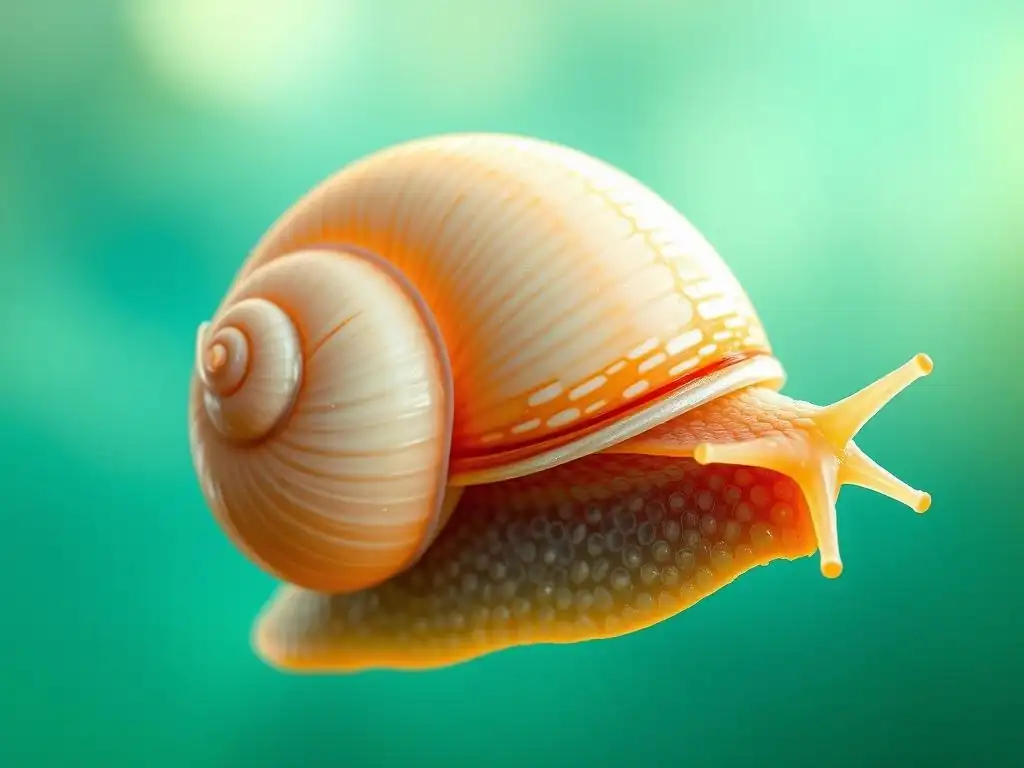
Astrea snails are highly sought after by reef aquarists primarily for their exceptional abilities as natural algae eaters. Their relentless grazing on hard surfaces like live rock, powerheads, and aquarium glass makes them invaluable members of any clean-up crew. They effectively consume nuisance algae films, diatoms, and certain types of green hair algae, helping to maintain a pristine and aesthetically pleasing reef environment.
By constantly scraping algae from surfaces, Astrea snails not only keep the tank clean but also contribute to the overall health of the ecosystem. Preventing excessive algae growth is crucial as it can compete with and even smother corals, reducing light penetration and potentially leading to nutrient imbalances. Their continuous activity ensures that new algae growth is kept in check, reducing the need for manual scrubbing.
Algae Consumption: Types of Algae Eaten
Astrea snails are particularly effective at consuming soft, thin film algaes and diatoms, which often appear as a brown or green coating on surfaces. They are also known to graze on short, wispy strands of green hair algae. Their rasping radula allows them to efficiently scrape these growths from rocks, glass, and even the shells of other snails. For instance, a single healthy Astrea snail can clear several square inches of diatom film from a rock surface within a day.
However, it's important to note their limitations. Astrea snails are generally not effective against tougher, more resilient forms of algae such as bubble algae ( Valonia spp.), bryopsis, or various forms of cyanobacteria. They also typically do not consume macroalgae. For comprehensive Astrea snails algae control, they should be part of a diverse clean-up crew that includes species targeting different algae types.
Comparison with Other Algae Eaters
When compared to other common algae-eating snails, Astrea snails occupy a unique niche. Turbo snails ( Turbo fluctuosa or Turbania spp.), for example, are often larger and more aggressive grazers, capable of consuming more substantial amounts of hair algae. However, they can also be clumsy, occasionally knocking over corals or rockwork. Nerite snails ( Neritina spp.) are excellent for cleaning aquarium glass but tend to lay unsightly white egg clusters.
Astrea snails excel on irregular surfaces like live rock, where their conical shape allows them to navigate crevices and slopes effectively. While fish like Tangs ( Zebrasoma spp.) are superb at consuming macroalgae, they do not graze the microalgae films on hard surfaces as thoroughly as snails. Therefore, Astrea snails provide a complementary service, ensuring thorough Astrea snails algae control on all hard surfaces, making them an essential component of a balanced clean-up crew.
Potential Drawbacks in Reef Aquariums
Sensitivity to Water Quality: Ammonia and Nitrites
Astrea snails are notoriously sensitive to poor water quality, particularly elevated levels of ammonia and nitrites. Even trace amounts of these nitrogenous compounds, which indicate an incomplete nitrogen cycle or an overwhelmed biological filter, can be highly toxic to them. A reading of just 0.05 ppm ammonia or nitrite, which some hardier fish might tolerate briefly, can be lethal for Astrea snails within a short period.
This extreme sensitivity makes them excellent indicator species for water quality issues. If Astrea snails begin to die off rapidly, it is often the first sign that there is an underlying problem with the tank's nitrogen cycle or that a significant amount of organic waste is decaying. Regular water testing, ideally weekly, for ammonia and nitrites (which should always be 0.0 ppm) is crucial for their survival and for effective Astrea snails algae control.
Sensitivity: Copper and Medications
Another significant drawback of Astrea snails, common to most invertebrates, is their extreme intolerance to copper-based medications. Copper, often used to treat parasitic infections in fish such as marine ich ( Cryptocaryon irritans), is highly toxic to all invertebrates. Even very low concentrations, such as the therapeutic dose of 0.15-0.20 ppm copper sulfate used for fish, will quickly prove fatal to Astrea snails.
Beyond copper, many other common aquarium medications, including those containing malachite green, formalin, or certain antibiotics, can also be detrimental to snails and other invertebrates. Therefore, it is imperative to remove all invertebrates, including Astrea snails, to a separate quarantine or hospital tank before administering any medication to the main display tank. Failure to do so will result in the loss of your entire clean-up crew, severely impacting your Astrea snails algae control strategy.
The Upside-Down Problem: Righting Themselves
A common and frustrating issue with Astrea snails is their inability to right themselves if they fall or are knocked off a surface and land upside down. Due to their tall, conical shell and relatively small, flat foot, they lack the leverage and maneuverability to flip over. This problem is exacerbated in tanks with high flow areas, where they can be dislodged by strong currents or active tank mates.
If an Astrea snail remains upside down for an extended period, it will starve to death or become an easy target for predators like hermit crabs or certain fish. Aquarists must regularly check their tanks, especially after lights out or water changes, to manually right any overturned snails. It is estimated that 10-20% of Astrea snail mortality in home aquariums can be attributed to this issue if not addressed promptly by the aquarist, significantly impacting the overall Astrea snails algae control effort.
Caring for Astrea Snails
Ideal Water Parameters: Salinity, Temperature, and pH
Maintaining stable and appropriate water parameters is paramount for the health and longevity of Astrea snails. Their ideal salinity range is between 1.023 and 1.026 specific gravity, mirroring natural reef conditions. The optimal temperature range is 72-78°F (22-25.5°C), and the pH should be maintained between 8.1 and 8.4. Stability within these ranges is more critical than hitting exact numbers.
Rapid fluctuations in any of these parameters can cause significant stress and even death. For example, a sudden drop in salinity by just 0.002 specific gravity, or a pH swing of 0.2 units within a day, can severely impact their physiological functions. Consistent monitoring and small, gradual adjustments are essential to prevent stress and ensure these sensitive grazers can perform their role in Astrea snails algae control effectively.
Acclimation Process
Due to their extreme sensitivity to changes in water parameters, a slow and careful acclimation process is absolutely vital when introducing Astrea snails to a new aquarium. The drip acclimation method is highly recommended. This involves slowly dripping water from the display tank into the container holding the snails, allowing them to gradually adjust to the new salinity, temperature, and pH.
A drip rate of 1-2 drops per second over a period of 30-60 minutes, or until the volume of water in the acclimation container has tripled, is generally sufficient. During transfer to the display tank, avoid exposing the snails directly to air, as this can trap air bubbles in their shells, leading to buoyancy issues or death. Gently submerge them and allow them to attach to a surface on their own. Proper acclimation minimizes shock and increases their chances of long-term survival for continued Astrea snails algae control.
Supplementing Diet: When Algae is Scarce
While Astrea snails are highly efficient algae eaters, in well-established or very clean reef tanks, natural algae growth may become insufficient to sustain a healthy population. If your tank is pristine and there's no visible algae for them to graze on, your Astrea snails may begin to starve. This can manifest as reduced activity or snails falling off surfaces.
To prevent starvation, it's advisable to supplement their diet. Offer small pieces of dried spirulina flakes, marine algae wafers, or dried seaweed (nori) attached to a rock with a rubber band or a veggie clip. For a 50-gallon tank with 10 Astrea snails, supplemental feeding 2-3 times per week might be necessary if natural algae is consistently scarce. This ensures they remain healthy and continue their valuable Astrea snails algae control.
Preventing Starvation
Preventing starvation is closely tied to appropriate stocking density and regular observation. Overstocking Astrea snails in a tank with limited algae can quickly deplete their primary food source, leading to a decline in health and eventual death. It's crucial to monitor your tank's algae levels and the activity of your snails.
A snail that remains inactive for extended periods, has its operculum tightly closed, or frequently falls off surfaces may be starving. If you observe multiple snails exhibiting these signs, it's a strong indicator that their food supply is inadequate. At this point, you should either increase supplemental feeding or consider reducing the number of snails in your tank to match the available food resources, ensuring the remaining snails can continue effective Astrea snails algae control.
Stocking Density
Calculating Stocking Density
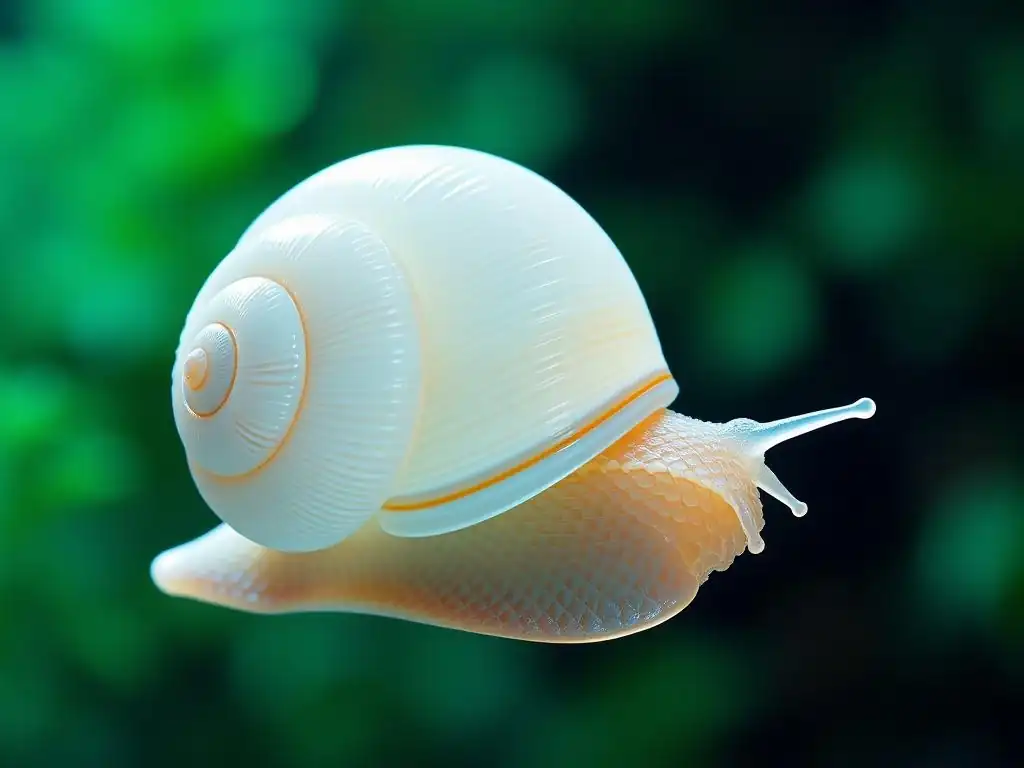
Determining the appropriate stocking density for Astrea snails is crucial for their long-term health and the effectiveness of your Astrea snails algae control efforts. A general guideline is to add 1 to 2 Astrea snails per 10 gallons of tank volume. However, this is a flexible recommendation that should be adjusted based on the specific conditions of your aquarium, particularly the amount of live rock and the current algae growth.
For instance, a heavily algaed 50-gallon reef tank might initially benefit from 7-10 Astrea snails to quickly bring the algae under control. Conversely, a very clean, mature 50-gallon tank might only require 3-5 snails for ongoing maintenance, as their food source is less abundant. Overstocking will inevitably lead to starvation and increased bioload from decaying snails.
Avoiding Overstocking
Overstocking Astrea snails, while seemingly beneficial for rapid algae removal, leads to several negative consequences. The most significant is starvation, as the snails quickly consume all available natural algae, leaving insufficient food for the entire population. This results in a cycle of death, which then adds to the bioload through decaying organic matter, potentially causing ammonia and nitrite spikes that further harm the remaining inhabitants.
Beyond starvation, excessive numbers of snails can also lead to increased waste production, contributing to nutrient accumulation in the tank. If you observe a steady decline in your Astrea snail population without obvious external causes, it is often a clear indication of overstocking relative to the available food. Adjusting the stocking density is key to maintaining a healthy and balanced ecosystem and sustainable Astrea snails algae control.
Compatibility with Other Inhabitants
Compatibility with Fish
Astrea snails are generally peaceful and compatible with most common reef fish. However, certain fish species are known molluscivores (snail eaters) and pose a significant threat to your Astrea snail population. These include many types of Pufferfish ( Tetraodon spp.), Triggerfish ( Balistidae family), and certain large Wrasses (e.g., Harlequin Tuskfish – Choerodon fasciatus, some larger Hogfish). Even some smaller wrasses, like the Six-Line Wrasse ( Pseudocheilinops hexataenia), have been observed to pick at snails, though they are not typically predatory.
These predatory fish possess strong jaws or specialized teeth designed to crush snail shells or extract the snail from its shell. Introducing such a fish can quickly decimate your entire clean-up crew, negating any efforts at Astrea snails algae control. Always research the dietary habits of any new fish extensively before adding them to a tank containing Astrea snails.
Compatibility with Invertebrates
Astrea snails are generally compatible with most other common clean-up crew invertebrates, including various species of hermit crabs (e.g., Blue Leg, Scarlet Hermits), other types of snails (e.g., Nerite, Cerith, Turbo), and most ornamental shrimp (e.g., Peppermint, Skunk Cleaner Shrimp). They typically occupy different niches or graze on different types of algae, minimizing direct competition for food.
However, caution should be exercised with larger or more aggressive hermit crabs, particularly those that grow quite big (e.g., some Dardanus or Paguristes species). These crabs, especially if they are in need of a larger shell, may harass or even prey upon snails to acquire their shells. While less common than fish predation, it's wise to observe interactions between these invertebrates closely, ensuring the safety of your Astrea snails for continuous Astrea snails algae control.
Avoiding Predators
The most effective way to ensure the long-term survival of your Astrea snail population is to diligently avoid introducing known predators into your aquarium. This involves thorough research of every potential tank mate, whether it's a fish or another invertebrate, before purchase. Prioritizing peaceful, reef-safe species significantly reduces the risk of predation.
Furthermore, while not direct predators, some corals with strong stinging capabilities (e.g., certain LPS corals like Euphyllia or Goniopora) can harm snails if they crawl over them. Ensure there is enough space and alternative grazing surfaces to prevent snails from constantly brushing against such corals. A vigilant approach to tank mate selection and placement is crucial for the success of your Astrea snails algae control.
Common Problems
Determining the Cause of Death
When Astrea snails die, it's a strong indicator of an underlying problem in the aquarium, and prompt investigation is necessary to prevent further losses. Common causes include poor water quality (ammonia or nitrite spikes), starvation due to insufficient algae, exposure to copper or other harmful medications, or simply being flipped upside down and unable to right themselves.
Upon discovering a deceased snail, immediately test your water parameters (ammonia, nitrite, nitrate, salinity, pH, alkalinity, calcium) to rule out chemical imbalances. Check for any flipped snails that may have perished from starvation or predation. Remove the deceased snail promptly to prevent it from decaying and contributing to ammonia spikes. For example, if 3 out of 10 Astrea snails die within a week, it strongly suggests an environmental stressor is at play, requiring immediate corrective action to maintain effective Astrea snails algae control.
Troubleshooting Inactivity
An inactive Astrea snail, particularly one that is not attached to a surface or is lying on its back, is a cause for concern. A healthy snail will typically be actively moving and grazing, or firmly attached to a surface. The first step in troubleshooting inactivity is to gently nudge the snail; a living snail will usually react by retracting into its shell or attempting to move.
If the snail is alive but remains inactive for an extended period (more than a few hours), re-evaluate your water parameters and the availability of food. It might be stressed by unsuitable conditions or simply starving. While some temporary inactivity can occur, prolonged lethargy often precedes death. Ensuring optimal conditions and sufficient food is key to maintaining active and effective Astrea snails algae control.
Shell Damage: Causes and Prevention
Shell damage in Astrea snails can manifest as pitting, erosion, or visible cracks. This damage can be caused by several factors. Physical trauma from falls or aggressive tank mates (like certain hermit crabs or fish) can lead to cracks. However, pitting or erosion of the shell surface often indicates underlying water chemistry issues, specifically low calcium or alkalinity levels in the tank. Snails require these minerals to maintain and grow their shells.
Prevention involves maintaining stable and appropriate calcium (typically 400-450 ppm) and alkalinity (8-12 dKH) levels through regular dosing or water changes. Providing a calm environment free from aggressive tank mates also reduces physical damage. For example, a consistent calcium level below 350 ppm can lead to noticeable shell degradation and increased vulnerability over several months, impacting the snail's ability to thrive and contribute to Astrea snails algae control.
Breeding in Captivity
Challenges of Breeding
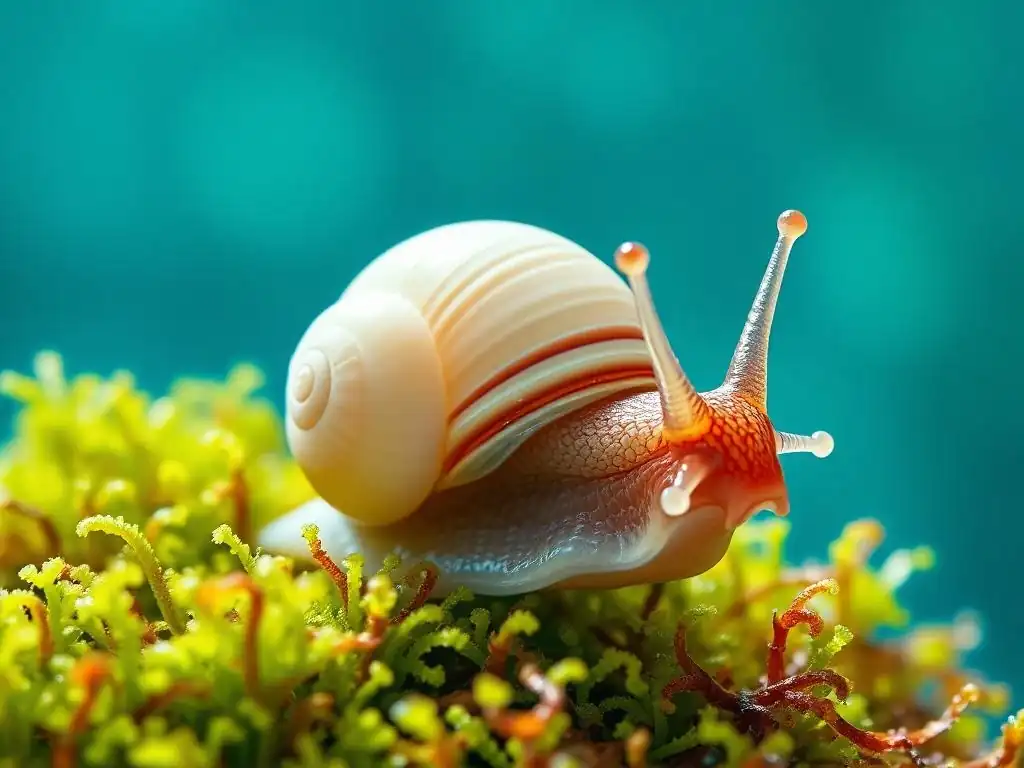
Breeding Astrea snails in a home aquarium setting presents significant challenges, making successful propagation extremely rare for hobbyists. Astrea snails are broadcast spawners, meaning they release their eggs and sperm directly into the water column, where fertilization occurs. The resulting larvae are planktonic, drifting freely in the water for an extended period.
During this larval stage, the microscopic snails require very specific and consistent environmental conditions, including precise water parameters, specific types of microscopic planktonic food (phyto- and zooplankton) that are difficult to cultivate and maintain in a home aquarium, and protection from predation by other tank inhabitants. These complex requirements make raising Astrea snail larvae to maturity a formidable task for the average hobbyist.
Lack of Successful Breeding Documentation
Despite their popularity in the aquarium trade and their widespread distribution in the wild, there is a notable lack of documented successful breeding of Astrea snails in typical home aquariums. While spawning events may occur, the successful metamorphosis of larvae into juvenile snails and their subsequent growth to adulthood is almost unheard of in the hobby.
Consequently, the vast majority of Astrea snails available for purchase in the aquarium industry are wild-caught specimens. This highlights the importance of supporting sustainable collection practices and providing optimal care for these animals in captivity, given the difficulty of captive breeding. Hobbyists rely heavily on these wild populations for their Astrea snails algae control needs.
Alternatives for Algae Control
Other Algae-Eating Snails: Nerite, Cerith, and Turbo Snails
While Astrea snails are excellent, a diverse clean-up crew often includes other snail species, each with unique strengths for algae control. Nerite snails ( Neritina spp.) are highly effective at cleaning glass and other smooth surfaces, although they lay unsightly white egg clusters. Cerith snails ( Cerithium spp.) are known for their ability to burrow into the sandbed, aerating it and consuming detritus and algae, while also grazing on rockwork.
Turbo snails ( Turbo fluctuosa, Turbania spp., and others) are larger and more robust grazers, particularly effective at consuming more substantial amounts of green hair algae. They can clear large patches of algae quickly but can sometimes be clumsy, knocking over small frags. Combining these species creates a comprehensive Astrea snails algae control strategy, covering different surfaces and algae types.
Shrimp as Algae Eaters: Amano and Other Options
While Amano shrimp ( Caridina multidentata) are prominent algae eaters in freshwater aquariums, dedicated marine algae-eating shrimp are less common. In saltwater, species like Peppermint shrimp ( Lysmata wurdemanni) and Skunk Cleaner Shrimp ( Lysmata amboinensis) are primarily scavengers and detritivores, consuming leftover food and detritus, which indirectly helps reduce nutrients but they are not primary algae grazers.
Some hobbyists utilize Emerald Crabs ( Mithraculus sculptus) for bubble algae control, as they are one of the few invertebrates known to consume this stubborn algae type. However, their effectiveness varies, and they can sometimes become aggressive. While marine shrimp and crabs contribute to tank cleanliness, they generally do not provide the direct, consistent surface grazing for Astrea snails algae control that is offered by snails.
Mechanical and Chemical Algae Control
Beyond biological clean-up crews, mechanical and chemical methods offer additional layers of algae control. Mechanical removal involves manually scrubbing algae from glass with magnetic cleaners or scrapers, siphoning detritus from the sandbed, and scrubbing algae off live rock. This provides immediate visual improvement and removes accumulated biomass.
Chemical methods focus on reducing the nutrients that fuel algae growth. This includes using phosphate removers like GFO (Granular Ferric Oxide) or lanthanum chloride, which bind phosphates, or employing carbon dosing (e.g., vodka, vinegar, sugar) to encourage bacterial consumption of nitrates and phosphates. For instance, GFO can reduce phosphates from 0.1 ppm to below 0.03 ppm, significantly limiting algae growth. These methods should complement, rather than replace, a healthy clean-up crew for comprehensive Astrea snails algae control.
Conclusion: A Valuable Addition with Considerations
Astrea snails are undeniably one of the most effective and popular choices for natural Astrea snails algae control in saltwater and reef aquariums. Their diligent grazing habits on rockwork and glass make them an invaluable part of a healthy clean-up crew, contributing significantly to the aesthetic appeal and ecological balance of the tank. Their ability to consume common nuisance algaes, such as diatoms and green hair algae, is a major benefit for aquarists aiming for a pristine environment.
However, their effectiveness comes with important considerations. Astrea snails are highly sensitive to fluctuating water parameters, especially ammonia, nitrites, and copper-based medications, making precise water chemistry and careful acclimation critical for their survival. Their inability to right themselves when overturned also necessitates regular observation and intervention from the aquarist. Despite these sensitivities, with proper care, stable conditions, and an understanding of their unique needs, Astrea snails remain a highly valuable and indispensable addition to any marine clean-up crew, offering excellent natural algae management.
Frequently Asked Questions
How effective are Astrea snails at controlling algae in an aquarium?
Astrea snails are highly effective at consuming many types of algae, making them a valuable addition to a clean-up crew. They primarily graze on algae growing on glass, rocks, and decorations.
What are the ideal water parameters for keeping Astrea snails healthy?
Astrea snails thrive in stable marine environments. Maintaining appropriate salinity, temperature, and pH levels is crucial for their survival. Specific gravity should be between 1.023 and 1.025, and stable calcium and alkalinity levels are also important.
What type of algae do Astrea snails typically eat?
Astrea snails primarily consume diatoms, green hair algae, and film algae. They are not effective against all types of algae, such as cyanobacteria or bubble algae.
What is the "catch" mentioned in the title regarding Astrea snails and algae control?
The "catch" refers to the fact that Astrea snails can sometimes struggle to right themselves if they fall upside down. This can lead to starvation and death if they are not assisted.
How many Astrea snails should I add to my aquarium for effective algae control?
The number of snails depends on the size of your aquarium and the amount of algae present. A general guideline is 1 snail per 2-3 gallons of water, but this can vary based on individual tank conditions.
Final Reflection: The Unsung Heroes of Reef Health
The journey through understanding Astrea snails and their role in algae control reveals a truth that resonates far beyond the confines of a saltwater aquarium: small actions can yield significant results. While we've explored the practical benefits of these tiny grazers in maintaining a balanced ecosystem, their story serves as a potent reminder that even the seemingly insignificant can contribute to a larger, healthier whole. The effectiveness of Astrea snails in algae control is not just about keeping tanks clean; it's about understanding the delicate balance of nature and the power of natural solutions.
This exploration has underscored the profound impact that responsible reefkeeping can have on the broader marine environment. Witnessing the dedication of aquarists to creating thriving ecosystems, even on a small scale, is truly inspiring. It highlights the interconnectedness of all living things and the responsibility we bear to protect our planet's precious resources. In the end, we will conserve only what we love; we will love only what we understand; and we will understand only what we are taught.
- Baba Dioum. This quote perfectly encapsulates the importance of educating ourselves and others about the vital role even the smallest creatures play in maintaining ecological balance.
As you consider the potential of Astrea snails for your own aquarium, I urge you to reflect on the broader implications of your choices. Embrace the opportunity to learn more about the delicate ecosystems you are recreating and to contribute to a more sustainable future for our oceans. Let the humble Astrea snail be a reminder that even the smallest among us can make a world of difference.
Unleash the Power of Astrea Snails in Your Aquarium!
Thank you for diving into the world of Astrea snails and their algae-eating abilities! We hope you've gained valuable insights into keeping your aquarium clean and thriving. Now it's time to put that knowledge into action.
Here's how you can take your aquarium to the next level:
- Critically assess your current algae situation. How much algae do you have, what type is it, and how quickly is it growing? This will determine how many snails you need.
- Consider researching supplemental food sources for your Astrea snails. Algae blooms don't last forever, and you'll want to ensure their long-term health.
- Share this article with fellow aquarium enthusiasts to spread the word about these tiny algae-eating superheroes!
What unique methods have you found to control algae in your aquarium, and are you considering adding Astrea snails to the mix?