
Neocaridina Shrimp Unveiled: The Ultimate Beginner's Guide

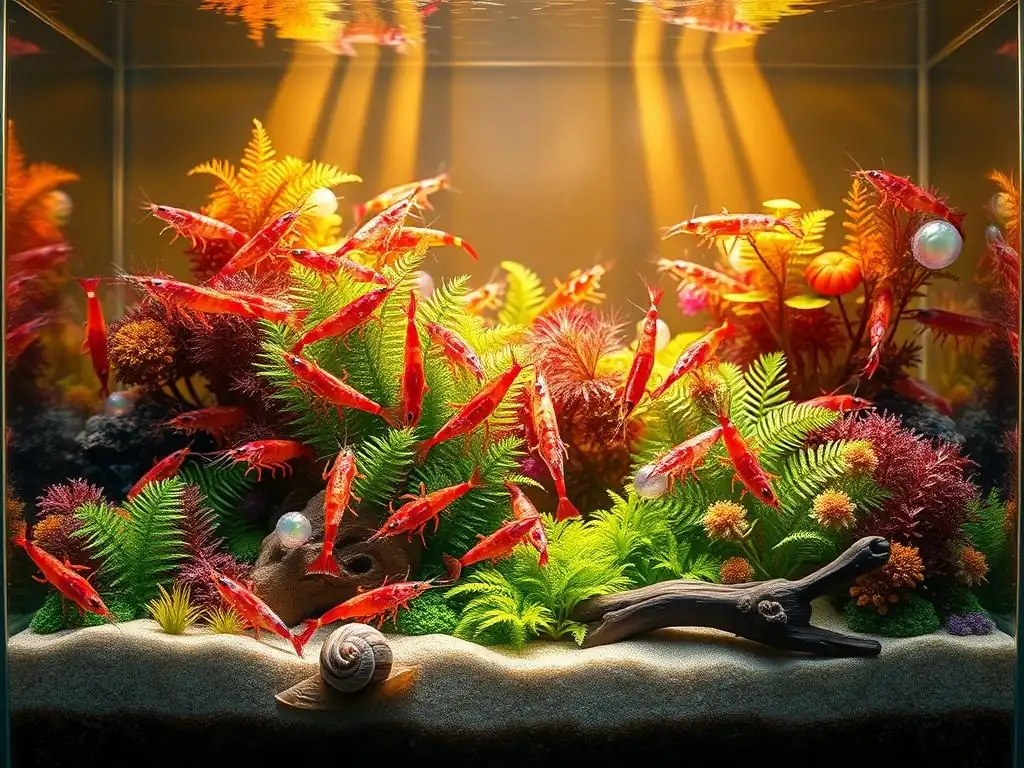
Welcome to Aquarium Mastery!
Ever wondered about the vibrant, miniature world you could create with Neocaridina shrimp? Our comprehensive guide unlocks the secrets to successful shrimp keeping, from setting up the perfect habitat to understanding their fascinating behaviors. Dive in and discover everything you need to know to create a thriving shrimp paradise, and maybe even breed your own colorful colony! Ready to unveil the world of Neocaridina shrimp? Let's get started!
- Cherry Shrimp (Neocaridina davidi) Care: The Complete Guide
- Introduction to Cherry Shrimp
- Cherry Shrimp Care: A Comprehensive Guide
- Cherry Shrimp Breeding: A Step-by-Step Guide
- Popular Cherry Shrimp Varieties and Color Morphs
- Common Cherry Shrimp Diseases and Problems
- Troubleshooting Common Cherry Shrimp Issues
- Advanced Cherry Shrimp Keeping Tips
- Conclusion: Mastering Cherry Shrimp Care
-
Frequently Asked Questions
- What are Neocaridina shrimp, and why are they popular?
- What are the ideal water parameters for Neocaridina shrimp?
- What should I feed my Neocaridina shrimp?
- How often should I perform water changes in a Neocaridina shrimp tank?
- What are some common issues that can affect Neocaridina shrimp, and how can I prevent them?
- Final Reflection: The Enduring Allure of Tiny Wonders
- Ignite Your Shrimp-Keeping Journey!
Cherry Shrimp (Neocaridina davidi) Care: The Complete Guide
Introduction to Cherry Shrimp
Why Choose Cherry Shrimp for Your Aquarium?
Cherry Shrimp, scientifically known as Neocaridina davidi, are an exceptional choice for both novice and experienced aquarists. Their small size, hardiness, and active scavenging habits make them invaluable additions to any freshwater setup. These vibrant invertebrates are particularly adept at consuming algae and detritus, contributing to a cleaner, healthier aquarium environment while maintaining a remarkably low bioload.
Beyond their practical benefits, Cherry Shrimp offer immense aesthetic appeal. Their striking colors, ranging from fiery reds to serene blues, add dynamic beauty to planted tanks. Furthermore, their rapid breeding cycle, with a single female capable of producing 20-30 shrimplets every 4-6 weeks, provides an exciting opportunity to observe the life cycle and grow a thriving colony, making them a cornerstone of any beginner's Neocaridina shrimp care guide.
Overview of the Neocaridina Genus
The Neocaridina genus encompasses a diverse array of freshwater dwarf shrimp, all stemming from the same foundational species, primarily Neocaridina davidi, originating from streams and ponds in Taiwan. What distinguishes this genus is its remarkable adaptability to a wide range of water parameters compared to their more sensitive Caridina cousins, such as Crystal Red Shrimp, making them far more forgiving for beginners.
While Neocaridina davidi is the most common species, selective breeding has led to an explosion of captivating color morphs, each maintaining the inherent hardiness of the original strain. These shrimp typically live for 1 to 2 years, reaching an adult size of about 1 inch (2.5 cm), and their consistent molting process is a sign of healthy growth and development.
Understanding Cherry Shrimp's Popularity
The widespread popularity of Cherry Shrimp stems from a combination of factors that resonate deeply with the aquarium hobbyist community. Their unparalleled beginner-friendliness, requiring less stringent water parameters than many other aquatic invertebrates, significantly lowers the barrier to entry for new aquarists seeking to expand their tank's inhabitants beyond fish. They are also incredibly peaceful, posing no threat to tank mates, and their small size allows for keeping a sizable colony even in modest aquariums.
Economically, Cherry Shrimp are quite accessible, typically ranging from $3 to $6 per individual, though rarer color morphs may command higher prices. This affordability, coupled with their wide availability in local fish stores and online retailers across the globe, makes them an easy and attractive option for hobbyists looking to add color, activity, and a natural cleaning crew to their aquatic displays. Their charm and ease of care have solidified their status as a staple for any comprehensive Neocaridina shrimp care guide.
Cherry Shrimp Care: A Comprehensive Guide
Setting Up Your Cherry Shrimp Tank
Establishing a suitable environment is paramount for the health and longevity of your Cherry Shrimp. A well-cycled aquarium, where the nitrogen cycle is fully established, is the foundation of a successful shrimp habitat. This process converts harmful ammonia and nitrites into less toxic nitrates, providing a stable biological filter for your shrimp.
Beyond cycling, careful consideration of tank size, essential equipment, and appropriate substrate and decorations will ensure your Cherry Shrimp not only survive but thrive and breed. A stable environment minimizes stress, which is crucial for preventing molting issues and disease, forming a core principle of effective Neocaridina shrimp care.
Tank Size Considerations for Cherry Shrimp
For a small colony of 5-10 Cherry Shrimp, a 5-gallon (approximately 19 liters) aquarium is generally considered the minimum viable tank size. While physically capable of living in such a space, smaller tanks are inherently more susceptible to rapid fluctuations in water parameters, making consistent maintenance more challenging for a beginner.
A 10-gallon (approximately 38 liters) tank is often recommended as the ideal starting point for a Cherry Shrimp colony. This larger volume provides greater stability in water temperature and chemistry, reducing the risk of sudden parameter swings that can stress shrimp. It also offers ample space for a growing colony, as Cherry Shrimp are prolific breeders, and allows for more flexibility in aquascaping with plants and decorations that provide essential hiding spots and grazing surfaces.
Essential Equipment for Cherry Shrimp Keeping
The right equipment is crucial for maintaining optimal conditions. A reliable filtration system is essential, with sponge filters being the top recommendation for Cherry Shrimp tanks. Their gentle flow prevents shrimplets from being sucked in, and their porous surface provides an excellent area for beneficial bacteria and biofilm to grow, which shrimp love to graze on.
Other vital equipment includes a heater if your ambient room temperature consistently falls below 68°F (20°C), a thermometer to monitor water temperature, and appropriate lighting (low to moderate is usually sufficient for plants and to encourage algae growth for grazing). A high-quality liquid water test kit is indispensable for accurately monitoring ammonia, nitrite, nitrate, pH, GH, and KH, allowing you to react quickly to any imbalances in your Neocaridina shrimp care regimen.
Substrate and Decoration for a Thriving Cherry Shrimp Colony
When selecting a substrate, inert options like fine gravel or sand are suitable for Cherry Shrimp, as they do not significantly alter water parameters. Many aquarists prefer darker substrates, such as black sand, as these can visually enhance the vibrant colors of the shrimp, making their reds, blues, or yellows appear more intense. While not strictly necessary for Neocaridina, some specialized shrimp substrates can buffer pH, which might be beneficial for maintaining stability but should be chosen carefully.
Decorations serve multiple purposes: they provide hiding spots for shrimp, especially during vulnerable molting periods, and offer additional surface area for biofilm and algae growth. Live plants are highly recommended, with species like Java Moss, Anubias, and Hornwort being excellent choices. Driftwood and various rocks (ensure they are inert and don't leach harmful minerals) also provide natural grazing surfaces and aesthetic appeal. Always thoroughly clean or boil new decorations before introducing them to the tank to prevent introducing pests or harmful substances.
Water Parameters for Optimal Cherry Shrimp Health
Maintaining stable and appropriate water parameters is the cornerstone of successful Cherry Shrimp keeping. While Neocaridina davidi are known for their adaptability, consistent parameters within their preferred ranges are far more important than achieving perfect numbers. Sudden fluctuations are often more detrimental than slightly off but stable parameters.
Regular monitoring with a reliable liquid test kit is vital to ensure these conditions are met. Understanding and managing the ideal temperature, pH, and water hardness, along with consistent water changes and effective filtration, are critical components of any effective Neocaridina shrimp care guide.
Ideal Temperature for Cherry Shrimp
Cherry Shrimp thrive in a temperature range of 68-78°F (20-25.5°C). Within this range, stability is key. While they can tolerate temperatures slightly outside these boundaries for short periods, prolonged exposure to extremes can cause stress, reduce their lifespan, and inhibit breeding.
Higher temperatures within this range, such as 75-78°F (24-25.5°C), tend to accelerate their metabolism, leading to faster growth and more frequent breeding cycles, but can also shorten their overall lifespan. Conversely, cooler temperatures, around 68-72°F (20-22°C), result in slower growth and less frequent breeding, but generally contribute to a longer lifespan. For optimal health and breeding, aim for a consistent temperature around 72-74°F (22-23°C).
pH and Water Hardness Requirements
Cherry Shrimp are quite adaptable regarding pH, generally tolerating a range of 6.5 to 8.0, with an ideal target of 7.0 to 7.5 for optimal health and breeding. More critical are the water hardness parameters: General Hardness (GH) and Carbonate Hardness (KH). GH should be maintained between 4-8 dGH (approximately 70-140 ppm), as it provides the essential minerals like calcium and magnesium needed for proper molting and exoskeleton formation.
KH, or carbonate hardness, should ideally be between 3-5 dKH (approximately 50-90 ppm). KH acts as a buffer, preventing sudden pH swings, which can be highly detrimental to shrimp. If your tap water parameters are unsuitable, using reverse osmosis (RO) or distilled water remineralized with a product specifically designed for shrimp (e.g., SaltyShrimp GH/KH+) is an excellent way to achieve and maintain these precise parameters for your Neocaridina shrimp care.
Maintaining Water Quality: Water Changes and Filtration
Consistent water quality is paramount for Cherry Shrimp. Regular small water changes, typically 10-20% weekly or bi-weekly, are far more beneficial than infrequent large ones, as they help maintain stable parameters and remove accumulated nitrates and other pollutants without causing shock. Always ensure the new water is dechlorinated and matched as closely as possible to the tank's temperature and parameters.
For filtration, sponge filters are highly recommended due to their gentle flow and large surface area for beneficial bacteria. They also prevent tiny shrimplets from being sucked into the filter. Avoid powerful hang-on-back or canister filters with strong intakes unless they are equipped with a pre-filter sponge. The development of biofilm on tank surfaces and filter media is vital, as it provides a continuous food source for grazing shrimp, contributing significantly to their overall well-being.
Feeding Your Cherry Shrimp: A Balanced Diet
Cherry Shrimp are primarily scavengers and grazers, constantly foraging for microscopic organisms, biofilm, and decaying plant matter within their environment. In a mature, well-planted aquarium, they will find a significant portion of their diet naturally.
However, to ensure optimal health, vibrant coloration, and successful breeding, supplementing their natural diet with high-quality, specialized foods is essential. A balanced diet prevents nutritional deficiencies and supports their demanding molting process, a key aspect of successful Neocaridina shrimp care.
What Do Cherry Shrimp Eat?
The primary diet of Cherry Shrimp consists of biofilm, which is a complex matrix of microorganisms, algae, and detritus that naturally grows on all surfaces within an aquarium. They also actively consume various types of algae, including soft green algae and diatoms, as well as decaying plant matter. Their constant grazing activity makes them excellent members of a clean-up crew.
While they are efficient grazers, a tank's natural food sources are often insufficient to support a thriving colony, especially if breeding is desired. Therefore, providing supplemental foods that offer a complete nutritional profile, including proteins, carbohydrates, vitamins, and essential minerals (especially calcium for their exoskeletons), is crucial for their long-term health and vitality.
Recommended Foods for Cherry Shrimp
A varied diet is best for Cherry Shrimp. High-quality commercial shrimp pellets or granules, such as those from Hikari, Shirakura, or Dennerle, are formulated to meet their specific nutritional needs and often contain ingredients like spirulina, kelp, and various proteins. Algae wafers and spirulina tabs are also excellent supplements, providing concentrated plant-based nutrition.
Beyond commercial foods, blanched vegetables like zucchini slices, spinach, or kale can be offered occasionally as a treat. Indian Almond Leaves and dried mulberry leaves are highly beneficial; they release tannins that tint the water (beneficial for shrimp health) and grow biofilm as they decompose, providing a continuous food source for grazing. Always remove uneaten fresh vegetables after 24 hours to prevent water fouling.
Feeding Schedule and Avoiding Overfeeding
The general rule for feeding Cherry Shrimp is to offer small amounts, two to three times a week, or daily if you have a very heavily stocked tank. The key is to provide only what they can consume within a few hours, typically 2-3 hours. Since they are continuous grazers, it's easy to overfeed by leaving food in the tank for too long.
Overfeeding is one of the most common mistakes in Neocaridina shrimp care and can lead to severe water quality issues, including dangerous ammonia spikes, cloudy water, and outbreaks of pests like planaria. Uneaten food decomposes rapidly, polluting the water. Always remove any uneaten food after the recommended feeding period to maintain pristine water conditions and prevent health problems for your shrimp.
Cherry Shrimp Tank Mates: Choosing Compatible Species
Selecting appropriate tank mates for Cherry Shrimp is crucial for their survival and well-being. Due to their small size and defenseless nature, many common aquarium fish will view them as a food source, especially the vulnerable shrimplets. The safest option for maximizing shrimp survival and breeding is a species-only tank.
However, if you wish to keep them in a community setup, careful consideration of fish temperament, size, and feeding habits is essential. The goal is to choose species that are too small to consume adult shrimp and are generally peaceful, minimizing stress and predation, a vital consideration in a comprehensive Neocaridina shrimp care guide.
Safe Fish Tank Mates for Cherry Shrimp
When choosing fish tank mates for Cherry Shrimp, prioritize very small, peaceful, and non-aggressive species. Excellent choices include Otocinclus catfish, which are peaceful algae eaters, and Pygmy Corydoras (e.g., Corydoras pygmaeus), which are bottom dwellers that rarely bother shrimp.
Other suitable options include small schooling fish like Chili Rasboras ( Boraras brigittae), Phoenix Rasboras ( Boraras merah), or Celestial Pearl Danios ( Danio margaritatus). Endler's Livebearers can also be kept with caution, as their small mouths make it difficult to consume adult shrimp, though shrimplets may still be at risk. Even with these "safe" fish, providing dense plant cover for shrimplets is highly recommended.
Invertebrate Companions: Snails and Other Shrimp
Snails are generally excellent tank mates for Cherry Shrimp. Peaceful, herbivorous snails like Nerite snails, Mystery snails, Ramshorn snails, and Malaysian Trumpet Snails can coexist harmoniously with shrimp, often helping to clean up algae and detritus without posing any threat. They also add to the biodiversity of the tank.
Regarding other shrimp species, different color morphs of Neocaridina davidi (e.g., Blue Dream, Yellow Goldenback) can be housed together, but be aware that they will interbreed, resulting in offspring that revert to their "wild type" coloration (typically brownish or clear). If you wish to maintain distinct color lines, separate tanks are necessary. Caridina shrimp (e.g., Amano Shrimp, Crystal Red Shrimp) will not interbreed with Neocaridina, but their specific water parameter requirements often differ significantly, making cohabitation challenging for beginners.
Avoiding Aggressive Tank Mates
To ensure the safety of your Cherry Shrimp, it is crucial to avoid any fish species that are known to be aggressive, predatory, or simply have mouths large enough to swallow an adult shrimp. This includes most common community fish, even those often considered peaceful, such as Bettas, Angelfish, Gouramis, Barbs (like Tiger Barbs), and larger Tetras (e.g., Neon Tetras, Black Skirt Tetras).
Cichlids of any size are almost universally unsuitable. Even seemingly innocuous fish can become opportunistic predators if a shrimp is molting and vulnerable. The general rule is: if a fish can fit a shrimp in its mouth, it probably will. Prioritizing the shrimp's safety by avoiding these tank mates is a fundamental aspect of a successful Neocaridina shrimp care guide.
Cherry Shrimp Breeding: A Step-by-Step Guide
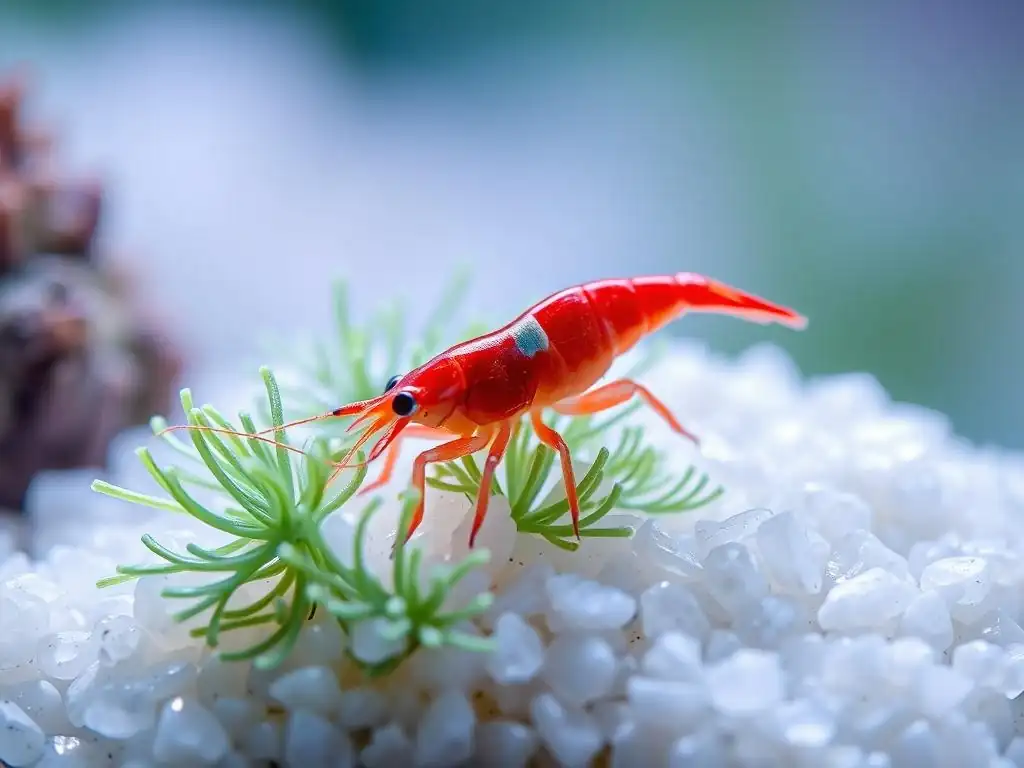
Breeding Cherry Shrimp is one of the most rewarding aspects of keeping them, and their prolific nature makes it relatively easy for even beginners. With proper care and stable conditions, a healthy colony will naturally begin to reproduce. Unlike some other aquatic species, Cherry Shrimp fry are miniature versions of the adults, bypassing a vulnerable larval stage, which significantly simplifies their care.
The key to successful breeding lies in providing optimal environmental conditions, a consistent food supply, and ample hiding spots for the vulnerable shrimplets. Understanding the breeding process and the needs of the fry is an exciting step in mastering your Neocaridina shrimp care guide.
Creating Optimal Breeding Conditions for Cherry Shrimp
For Cherry Shrimp to breed consistently, they require a stable, mature aquarium with pristine water parameters within their preferred ranges. A well-established tank with plenty of biofilm and hiding spots, coupled with a consistent feeding regimen, signals to the shrimp that their environment is safe and conducive to reproduction. Stress-free conditions are paramount, as stressed shrimp are less likely to breed.
While specific "triggers" are sometimes suggested, such as a slight temperature increase after a water change, the most effective approach is maintaining overall excellent health and stability. Ensuring a healthy male-to-female ratio (ideally more females, e.g., 2:1 or 3:1) and a consistent supply of nutritious food will naturally encourage breeding activity in your colony.
Triggering Breeding in Cherry Shrimp
Unlike some fish that require precise environmental cues, triggering breeding in Cherry Shrimp is less about specific actions and more about consistent, high-quality care. A stable environment with optimal water parameters (temperature 72-74°F / 22-23°C, pH 7.0-7.5, GH 4-8 dGH, KH 3-5 dKH) and a varied, nutritious diet are the most reliable "triggers." Healthy, well-fed shrimp will naturally reproduce.
When a female Cherry Shrimp is ready to mate, she will molt and release pheromones into the water. This signals to the males, who will then become highly active, swimming frantically around the tank in search of the female. This "shrimp dance" is a clear indication that breeding is about to occur. Providing plenty of hiding spots and biofilm-rich surfaces ensures the comfort and success of the mating process.
Identifying Pregnant Cherry Shrimp (Berried Females)
Identifying a pregnant Cherry Shrimp, also known as a "berried" female, is relatively straightforward and a thrilling moment for any aquarist following a Neocaridina shrimp care guide. After mating, the female will move her fertilized eggs from her "saddle" (a yellowish or greenish patch visible on her back, behind her head) to her swimmerets, which are small appendages located on the underside of her tail.
The eggs, typically 20-30 in number, will appear as small, round, often green, yellow, or sometimes even black spheres, depending on the shrimp's color morph and the stage of development. The female will constantly fan these eggs with her swimmerets to keep them aerated and free from debris. The eggs will hatch after approximately 3-4 weeks, depending on water temperature, with warmer temperatures leading to faster development.
Caring for Cherry Shrimp Fry
One of the greatest advantages of breeding Cherry Shrimp is that their fry are miniature versions of the adults, not delicate larval stages that require specialized feeding. This makes caring for Cherry Shrimp fry significantly easier for beginners compared to many other aquatic species.
However, despite their relative hardiness, the tiny shrimplets (initially only about 1-2 mm long) are extremely vulnerable to predation and need a continuous supply of micro-foods. Providing a safe environment with ample natural food sources and protection from tank mates is crucial for their survival and growth.
Protecting Fry from Predators
The most effective way to protect Cherry Shrimp fry is to keep them in a species-only tank, free from any fish or larger invertebrates that might view them as food. Even small, seemingly peaceful fish can and will opportunistically prey on tiny shrimplets.
If a species-only tank is not feasible, creating a heavily planted environment with dense, fine-leaved plants like Java Moss, Guppy Grass, or Hornwort provides crucial hiding spots where the fry can seek refuge from potential predators. Additionally, ensure that your filter intake is covered with a pre-filter sponge or fine mesh to prevent the shrimplets from being sucked into the filtration system.
Feeding Cherry Shrimp Fry
Cherry Shrimp fry primarily feed on the biofilm, algae, and microscopic organisms that naturally develop on surfaces within a mature, well-established aquarium. This natural food source is often sufficient in a healthy, planted tank. Their constant grazing behavior allows them to find sustenance throughout the day.
While not strictly necessary in a well-established tank, supplementing their diet with powdered shrimp food or finely crushed spirulina powder can significantly increase survival rates and promote faster growth. However, be extremely cautious with supplemental feeding, as fry are tiny and easily overwhelmed by excess food, which can quickly foul the water. Only offer a minuscule amount, just a pinch, every day or two.
Grow-Out Tank Considerations
For Cherry Shrimp, a dedicated "grow-out tank" for fry is generally not necessary, as the shrimplets are miniature adults and can grow to maturity within the main display tank, provided it offers adequate safety and food sources. They will simply hide and graze until they are large enough to safely navigate the tank with adults.
However, if your colony becomes exceptionally large (a 10-gallon tank can comfortably house over 100 adult Cherry Shrimp), or if you are selectively breeding for specific traits and need to separate juveniles, then a separate tank might be considered. Otherwise, simply allowing them to mature in the main tank is the standard and most convenient practice for Neocaridina shrimp care.
Popular Cherry Shrimp Varieties and Color Morphs
The Neocaridina davidi species is renowned for its incredible array of color morphs, all derived from the same base genetics through selective breeding. While they all share the same fundamental care requirements outlined in this Neocaridina shrimp care guide, their visual diversity allows aquarists to choose vibrant additions that perfectly complement their tank's aesthetic.
Each morph possesses unique charm, ranging from the classic red to striking blues, yellows, and even deep blacks. Understanding these variations can help you select the perfect shrimp to add a splash of living color to your freshwater aquarium.
Red Cherry Shrimp: The Classic Neocaridina
The Red Cherry Shrimp is arguably the most iconic and widely recognized Neocaridina davidi morph, and often the first choice for beginners. Their vibrant red coloration, which can range from a translucent cherry hue to an opaque, fiery red, makes them stand out beautifully against green plants and dark substrates.
The intensity of their red color determines their grade, with common grades including Cherry, Sakura, Fire Red, and the highly prized Painted Fire Red, which boasts solid, opaque red coverage with no clear spots. Their hardiness and prolific breeding make them an excellent starting point for anyone delving into the world of shrimp keeping, proving that even the classic choice offers exciting possibilities.
Blue Dream Shrimp: A Stunning Variation
Blue Dream Shrimp are a highly sought-after Neocaridina morph, celebrated for their deep, opaque blue coloration. Unlike some blue shrimp that can appear translucent or faded, quality Blue Dream specimens exhibit a rich, consistent blue that truly stands out in a planted aquarium.
Their color can vary slightly depending on genetics and environment, sometimes appearing closer to a dark navy or even purplish hue. Maintaining them on a dark substrate often helps enhance and bring out their best blue coloration. While they share the same care requirements as Red Cherry Shrimp, their stunning appearance makes them a premium choice for many hobbyists looking for something unique.
Yellow Goldenback Shrimp: Adding Sunshine to Your Tank
The Yellow Goldenback Shrimp is a vibrant and cheerful Neocaridina morph that brings a splash of sunshine to any aquarium. These shrimp display a bright, often opaque yellow color, frequently complemented by a distinct, iridescent golden stripe running down their back, which gives them their "goldenback" designation.
Their lively yellow hue provides a striking contrast to green plants and dark substrates, adding a dynamic visual element. Like other Neocaridina varieties, they are relatively hardy and prolific breeders, making them an excellent choice for hobbyists seeking a bright and active addition to their shrimp colony while following standard Neocaridina shrimp care practices.
Black Rose Shrimp: Elegance in Black
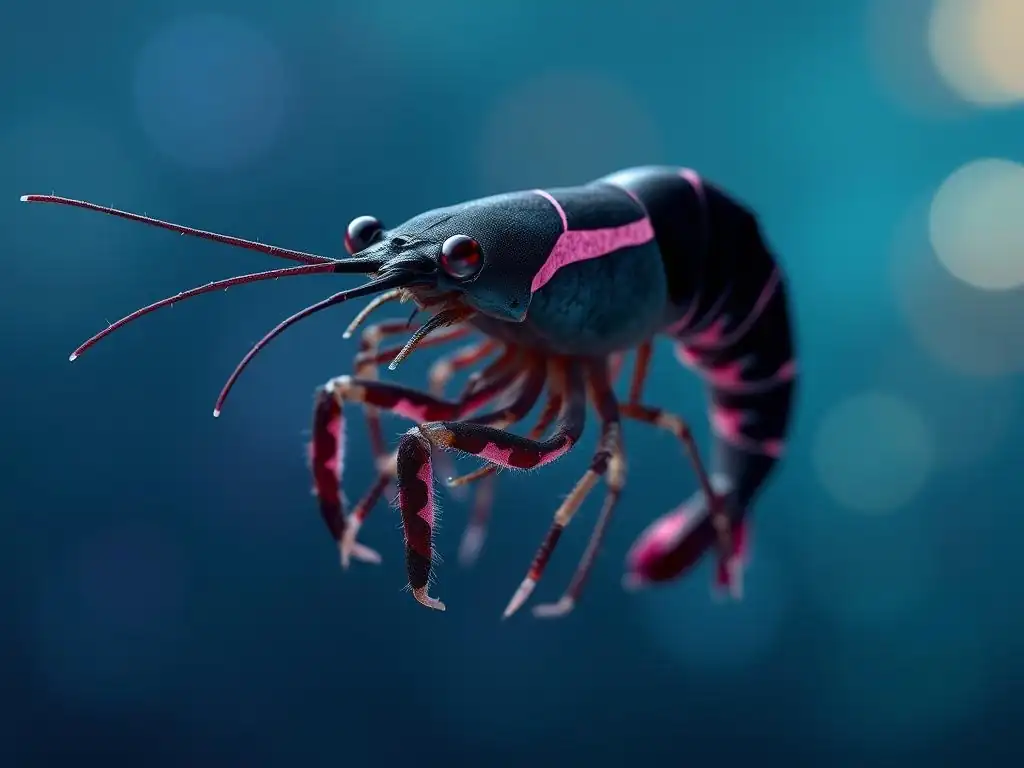
Black Rose Shrimp offer a sophisticated and elegant aesthetic, characterized by their deep, opaque black coloration. These stunning shrimp were selectively bred from Chocolate shrimp lines, eventually achieving a rich, velvety black that absorbs light, creating a dramatic presence in the aquarium.
When kept on a light substrate, their dark color provides a striking contrast, while on a dark substrate, they can blend in more subtly, creating a sense of depth. Black Rose Shrimp share the same robust nature as other Neocaridina davidi morphs, making them an excellent choice for aquarists looking for a unique and visually impactful addition that complements a wide array of planted tank designs.
Other Cherry Shrimp Color Morphs: Orange Sakura, Green Jade
Beyond the widely popular red, blue, yellow, and black varieties, the Neocaridina davidi species boasts an impressive array of other captivating color morphs. The Orange Sakura Shrimp, for example, displays a vivid, opaque orange hue, with grading similar to Red Cherry Shrimp based on color intensity and coverage. They provide a warm, bright contrast to aquatic greenery.
Green Jade Shrimp, another intriguing morph, exhibit a deep, often mottled green coloration. While stunning, maintaining a consistent, opaque green can sometimes be more challenging than with other colors, requiring careful selective breeding. New morphs are continually being developed through dedicated selective breeding efforts, but regardless of their specific coloration, all Neocaridina morphs adhere to the same fundamental principles of the Neocaridina shrimp care guide.
Common Cherry Shrimp Diseases and Problems
While Cherry Shrimp are generally hardy, they are not immune to illnesses and problems, often stemming from poor water quality, stress, or the introduction of pathogens. Recognizing the signs of illness early is crucial for intervention, although treating shrimp diseases can be challenging due to their sensitivity to medications.
Prevention through meticulous Neocaridina shrimp care is always the best approach. Understanding common ailments and their potential causes will help you maintain a healthy and thriving shrimp colony, minimizing the need for reactive treatments.
Identifying Signs of Illness in Cherry Shrimp
Early detection of illness is vital for successful intervention, though treatment options for shrimp are limited. Signs of an unhealthy Cherry Shrimp include lethargy, where the shrimp remains still for prolonged periods or hides excessively. A loss of appetite, where the shrimp ignores offered food, is another key indicator.
Other symptoms can include unusual swimming patterns, such as erratic movements or struggling to swim, and discoloration or loss of vibrancy. The "white ring of death," a white band around the body, specifically indicates a failed molt. Visible growths, spots, or fuzzy patches on the body or gills also point to specific infections. Any deviation from normal active grazing behavior should prompt a closer inspection of your shrimp and water parameters.
Common Shrimp Diseases and Treatments
Treating diseases in Cherry Shrimp is often difficult, as many common aquarium medications are toxic to invertebrates, particularly those containing copper. Therefore, the primary focus in Neocaridina shrimp care should always be on prevention and maintaining pristine water quality to boost their natural immune system.
If a disease is suspected, isolating the affected shrimp in a separate quarantine tank can prevent the spread to the rest of the colony. While specific treatments exist for some conditions, careful dosing and thorough research are essential, as overdosing can be fatal. In many cases, improving water conditions is the most effective "treatment."
Bacterial Infections: Vibriosis
Vibriosis, a common bacterial infection in aquatic environments, can affect Cherry Shrimp, leading to symptoms such as cloudy muscle tissue, a milky white appearance in parts of the body, and general lethargy. This infection is often triggered by poor water quality, overcrowding, or high stress levels within the tank environment.
Treatment for bacterial infections in shrimp is challenging. Broad-spectrum antibiotics designed for aquatic use might be considered, but they can also harm beneficial nitrifying bacteria in the filter, potentially crashing your tank's cycle. The most effective approach is to immediately improve water quality through small, frequent water changes, ensuring stable parameters, and reducing any stressors to allow the shrimp's immune system to recover.
Fungal Infections: Cladogonium ogishimae
Cladogonium ogishimae is a specific type of fungal infection that can affect Cherry Shrimp, appearing as green, fuzzy growths, most commonly on the head, gills, or swimmerets. It can sometimes be mistaken for an algae growth. If left untreated, this fungus can proliferate and eventually hinder the shrimp's mobility and overall health.
Treatment typically involves specific anti-fungal medications. Fenbendazole (found in some dog dewormers like Panacur C) has shown some effectiveness when dosed extremely carefully at very low concentrations (e.g., 0.1 gram per 10 gallons of water). However, due to the sensitivity of shrimp, it is often recommended to treat affected individuals in a separate quarantine tank to avoid harming the main colony or beneficial bacteria.
Parasitic Infections: Scutariella japonica
Scutariella japonica is a common parasitic infection in freshwater shrimp, identifiable by small, white, worm-like organisms that typically attach to the shrimp's rostrum (nose area) or head. These parasites resemble tiny white flags waving in the water current. While generally not immediately fatal, a heavy infestation can cause irritation, stress, and interfere with molting, ultimately weakening the shrimp.
Like fungal infections, Scutariella japonica can often be treated effectively with Fenbendazole. A very dilute solution (e.g., 0.1 gram of Panacur C per 10 gallons) applied in a quarantine tank for a few days can eliminate the parasites. It's crucial to ensure accurate dosing as Fenbendazole can be toxic in higher concentrations. Maintaining excellent water quality and a clean tank environment helps prevent re-infestation.
Preventing Cherry Shrimp Diseases
Proactive prevention is the most effective strategy in Neocaridina shrimp care to ensure a healthy and disease-free colony. The cornerstone of disease prevention lies in maintaining consistently stable and pristine water parameters within the optimal ranges for Cherry Shrimp. Regular, small water changes are essential for removing accumulated nitrates and replenishing vital minerals.
Beyond water quality, avoid overfeeding, as excess food quickly decomposes and fouls the water, creating a breeding ground for pathogens. Always quarantine any new inhabitants, whether fish, plants, or other shrimp, for at least 2-4 weeks in a separate tank before introducing them to your main shrimp tank. This practice significantly reduces the risk of introducing diseases or parasites. Providing a balanced diet and ample hiding spots also minimizes stress, bolstering the shrimp's natural immune system.
Troubleshooting Common Cherry Shrimp Issues
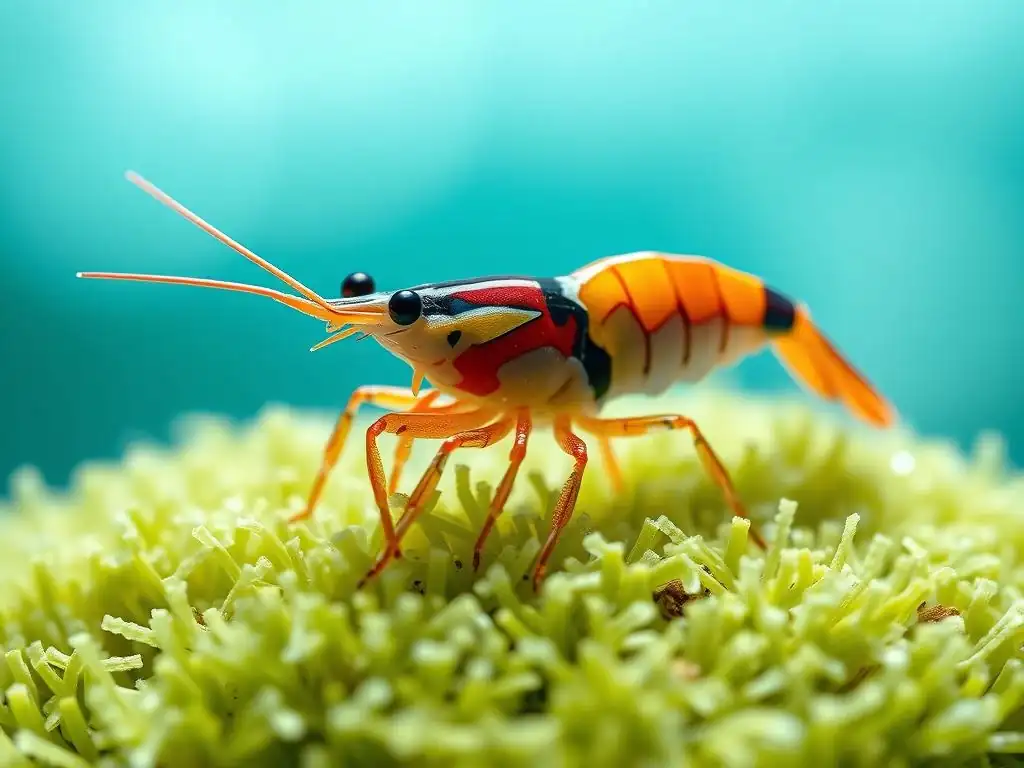
Even with diligent Neocaridina shrimp care, aquarists may encounter common issues. Understanding how to identify and address these problems promptly can save your colony and prevent widespread issues. From molting difficulties to algae overgrowth or unexplained deaths, each problem often points to an underlying imbalance in the tank's environment.
Effective troubleshooting involves systematically checking water parameters, reviewing feeding habits, and assessing the overall tank setup. Addressing these common challenges ensures the long-term health and vitality of your Cherry Shrimp colony.
Shrimp Molting Problems and Solutions
Molting is a critical process for shrimp growth and health, where they shed their old exoskeleton to grow a new, larger one. A common and often fatal molting problem is the "white ring of death," characterized by a distinct white band around the shrimp's body where the old exoskeleton fails to detach completely, leaving the shrimp unable to escape. This is usually caused by improper water parameters, particularly insufficient GH/KH (lack of calcium and magnesium), rapid changes in water parameters, or high stress levels.
To prevent molting issues, ensure stable GH (4-8 dGH) and KH (3-5 dKH) levels, as these provide the necessary minerals for a healthy exoskeleton. Avoid large, sudden water changes that can shock the shrimp. Supplement their diet with calcium-rich foods like specialized shrimp pellets. A stable environment with consistent temperature and low stress significantly contributes to successful molts.
Dealing with Algae in Your Cherry Shrimp Tank
While Cherry Shrimp are excellent algae eaters, an excessive algae bloom indicates an imbalance in the aquarium, usually too much light, too many nutrients, or both. Common types include green spot algae, hair algae, or brown diatoms. While some algae are beneficial as a natural food source, unchecked growth can become unsightly and potentially problematic.
To address excessive algae, first, reduce the duration of your tank's lighting to 6-8 hours per day. Perform regular water changes to reduce nutrient levels (nitrates and phosphates). Ensure you are not overfeeding, as uneaten food adds to the nutrient load. Introduce additional algae-eating snails like Nerite snails for extra help, and consider adding fast-growing live plants to outcompete the algae for nutrients.
Addressing Low Breeding Rates
If your Cherry Shrimp are healthy but not breeding, or if you notice a significantly low number of shrimplets, several factors could be at play. First, meticulously re-check all water parameters (temperature, pH, GH, KH) to ensure they are within the optimal ranges and, more importantly, are stable. Inconsistent parameters can inhibit breeding.
Next, assess your feeding regimen: are the shrimp receiving a varied and nutritious diet with sufficient protein and calcium? Ensure you have a healthy mix of males and females in your colony. Finally, consider potential predation from tank mates; even small fish can decimate fry populations. For maximal breeding success, a species-only tank with dense plant cover for shrimplets is often the most effective environment, as highlighted in any comprehensive Neocaridina shrimp care guide.
Sudden Shrimp Deaths: Identifying the Cause
Sudden, unexplained deaths in a Cherry Shrimp tank are a serious concern and often point to a critical issue in the water parameters or environment. The most common causes include sudden shifts in water parameters (e.g., large, un-matched water changes causing temperature or pH shock), the presence of toxins, or a failed molt.
Immediately test your water for ammonia, nitrite, nitrate, pH, GH, and KH. Ammonia and nitrite should always be zero. Even trace amounts of copper (from tap water, certain fish medications, or some plant fertilizers) are highly toxic to shrimp. Perform a small (10-20%) water change using dechlorinated, temperature-matched water. Review any recent changes to the tank, such as new plants, decorations, or medications, as these can introduce harmful substances. A thorough investigation is crucial to prevent further losses.
Advanced Cherry Shrimp Keeping Tips
Once you've mastered the fundamentals of Neocaridina shrimp care, you might consider advanced techniques to further enhance your hobby. These tips focus on optimizing specific aspects of their environment and genetics to achieve even more vibrant colors, refine desired traits through selective breeding, or expand your shrimp-keeping endeavors on a larger scale.
These advanced strategies require a deeper understanding of shrimp biology and water chemistry, but they offer rewarding opportunities for dedicated aquarists to elevate their Cherry Shrimp colonies to the next level.
Optimizing Water Parameters for Color Enhancement
While genetics are the primary determinant of a Cherry Shrimp's color intensity, optimizing water parameters can help them express their best potential. A stable environment within the optimal parameters (pH 7.0-7.5, GH 6-8 dGH, KH 3-5 dKH, temperature 72-74°F) reduces stress, which can lead to duller coloration. Slightly harder water (closer to 8 dGH) is often anecdotally associated with more vibrant reds.
Beyond water chemistry, the visual environment plays a significant role. Housing Cherry Shrimp on a dark substrate (e.g., black sand or gravel) can make their colors appear significantly more intense and opaque due to contrast. Furthermore, a high-quality diet rich in carotenoids (e.g., astaxanthin, found in some specialized shrimp foods) can naturally enhance red and yellow pigments, making your shrimp "pop" even more.
Selective Breeding for Improved Traits
For hobbyists keen on elevating their Cherry Shrimp colony beyond basic reproduction, selective breeding is the path to achieving specific desired traits, particularly color intensity and opacity. This process involves carefully choosing and breeding shrimp that exhibit the strongest desired characteristics (e.g., the brightest red, most opaque blue, or clearest yellow) and culling (removing) those that do not meet the standard.
Selective breeding often requires setting up multiple tanks to separate different grades or to isolate breeding groups. For example, a "cull tank" houses shrimp with undesirable traits, preventing them from reproducing and diluting the genetics of your primary breeding line. This methodical approach, while requiring dedication and patience, allows you to consistently improve the quality and beauty of your Neocaridina shrimp care endeavors over generations.
Creating a Dedicated Shrimp Room or Setup
For serious hobbyists or those engaged in extensive selective breeding and multiple colonies, creating a dedicated "shrimp room" or multi-tank setup offers unparalleled control and efficiency. This approach typically involves a rack system with numerous tanks (e.g., 5 or 10-gallon tanks), each dedicated to a specific color morph, breeding project, or grade of shrimp.
A dedicated setup often includes a centralized reverse osmosis (RO) or deionized (DI) water system, allowing for precise control over water parameters by remineralizing the water to exact specifications for each tank. Climate control within the room ensures stable ambient temperatures across all tanks. This systematic approach streamlines maintenance, reduces the risk of cross-contamination, and provides the optimal environment for large-scale or highly specialized Neocaridina shrimp care and breeding.
Conclusion: Mastering Cherry Shrimp Care
Enjoying the Beauty and Benefits of Cherry Shrimp
Cherry Shrimp ( Neocaridina davidi) truly stand out as one of the most captivating and rewarding invertebrates for the freshwater aquarium. Their vibrant colors, ranging from classic reds to stunning blues and yellows, bring dynamic beauty and visual interest to any planted tank. Beyond their aesthetic appeal, their continuous grazing habits make them invaluable members of the clean-up crew, diligently consuming algae and detritus, contributing to a healthier and more balanced aquatic environment.
The journey of mastering Neocaridina shrimp care is accessible to aquarists of all experience levels. With their relatively hardy nature, prolific breeding, and fascinating behaviors, Cherry Shrimp offer endless opportunities for observation and enjoyment. Successfully maintaining a thriving colony is a testament to diligent care and attention, providing immense satisfaction to the dedicated hobbyist.
Resources for Further Learning about Cherry Shrimp
The world of Cherry Shrimp keeping is rich with information and a supportive community eager to share knowledge. To deepen your understanding and refine your Neocaridina shrimp care practices, actively seek out reputable resources. Online forums and dedicated shrimp-keeping websites are invaluable, providing a wealth of shared experiences, troubleshooting tips, and discussions on various aspects of shrimp husbandry.
Joining local aquarium clubs or specialized shrimp groups can also connect you with experienced hobbyists who can offer personalized advice and insights. Many online retailers and breeders also provide detailed care sheets and educational content. Continuous learning and engagement with the community will empower you to become a true expert in Cherry Shrimp care, ensuring the long-term success and enjoyment of your vibrant aquatic companions.
Frequently Asked Questions
What are Neocaridina shrimp, and why are they popular?
Neocaridina shrimp are a freshwater shrimp species known for their hardiness and vibrant colors. They are popular due to their ease of care and algae-eating habits, making them excellent for beginner aquarists.
What are the ideal water parameters for Neocaridina shrimp?
Neocaridina shrimp thrive in stable water conditions. Aim for a temperature of 65-80°F (18-27°C), a pH of 6.5-8.0, and low levels of ammonia and nitrites.
What should I feed my Neocaridina shrimp?
Neocaridina shrimp are omnivores and will eat algae, biofilm, and decaying plant matter. Supplement their diet with specialized shrimp food or blanched vegetables for optimal health and coloration.
How often should I perform water changes in a Neocaridina shrimp tank?
Regular water changes are crucial for maintaining a healthy aquarium. Perform small water changes (10-20%) weekly or bi-weekly to remove nitrates and replenish essential minerals.
What are some common issues that can affect Neocaridina shrimp, and how can I prevent them?
Common issues include copper toxicity, poor water quality, and overcrowding. Prevent these by using copper-free medications, maintaining stable water parameters, and providing ample space for your shrimp to thrive.
Final Reflection: The Enduring Allure of Tiny Wonders
The journey into the world of Neocaridina shrimp, as we've explored, is more than just setting up a small aquarium; it's about embracing a microcosm of life and learning. These vibrant creatures, once a niche interest, are now captivating aquarists worldwide, proving that even the smallest beings can offer immense joy and a profound connection to the natural world. Their growing popularity underscores a desire for accessible, rewarding hobbies that bring a touch of nature into our homes.
The simplicity of Neocaridina shrimp care belies the complex ecosystem they represent. My own experience observing these tiny shrimp has instilled a deeper appreciation for the delicate balance of nature and the responsibility we have to maintain it. In every walk with nature, one receives far more than he seeks.
- John Muir. This quote perfectly encapsulates the unexpected rewards of keeping Neocaridina shrimp, offering not just a visually appealing display, but also a constant reminder of the beauty and fragility of life.
As you embark on your own Neocaridina shrimp adventure, remember that patience and observation are key. Let the vibrant colors and playful antics of these tiny creatures inspire you to create a thriving ecosystem, not just within your aquarium, but also within your own life. Take a moment to appreciate the small wonders around you, and you'll find a world of beauty and learning waiting to be discovered.
Ignite Your Shrimp-Keeping Journey!
Thank you for diving into the world of Neocaridina shrimp! We hope this guide has provided you with the knowledge and inspiration to start your own thriving shrimp tank. Now, let's turn that knowledge into action!
Here are a few ways to continue your shrimp-keeping adventure:
- Set up your first shrimp tank! Use the tips and guidelines outlined in this article to create a welcoming and healthy environment for your Neocaridina shrimp.
- Join the Aquarium Mastery community forum and share your progress, ask questions, and learn from experienced shrimp keepers.
- Try a mini aquascape within your shrimp tank using a small, unique piece of driftwood or a rare aquatic plant.
What unique decoration will you add to your shrimp tank to make it truly your own?