
Bumble Bee Snails: Tiny Detritivores with a Taste for Vermetids?

Welcome to Aquarium Mastery!
Ever wondered if the adorable Bumble Bee Snail could be the secret weapon against those pesky vermetid snails in your aquarium? Dive into our latest article, " Bumble Bee Snails: Tiny Detritivores with a Taste for Vermetids?", where we explore the truth behind their rumored appetite. Discover whether these miniature marvels are a real solution or just another aquarium myth. Ready to unravel the mystery and learn more about these fascinating invertebrates? Let's explore!
- Nassarius Snails: Detritivores and Scavengers for Reef Aquariums
- Understanding Nassarius Snails: Effective Clean-Up Crew Members
- The Nassarius Snail Diet: Detritus, Leftover Food, and Scavenging
- Detritus and Uneaten Food: The Nassarius Snail's Primary Food Source
- Evidence for Nassarius Snails as Effective Detritivores: Observations and Benefits
- Maximizing Detritus Removal with Nassarius Snails: Best Practices
- Considerations and Potential Drawbacks of Using Nassarius Snails
- Nassarius Snail Care Guide: Ensuring a Healthy and Thriving Clean-Up Crew
- Conclusion: Are Nassarius Snails Right for Your Reef Tank? A Balanced Perspective
-
Frequently Asked Questions
- What is a Bumble Bee Snail and why are they useful in an aquarium?
- What are Vermetid Snails and why are they considered a pest in aquariums?
- Do Bumble Bee Snails exclusively eat Vermetid Snails?
- How many Bumble Bee Snails should I add to my aquarium to control Vermetid Snails?
- Are there any potential drawbacks to keeping Bumble Bee Snails in an aquarium?
- Final Reflection: The Unsung Heroes of Reef Health
- Ignite Your Reef Tank's Potential!
Nassarius Snails: Detritivores and Scavengers for Reef Aquariums
Understanding Nassarius Snails: Effective Clean-Up Crew Members
What are Nassarius Snails? An Introduction to These Beneficial Invertebrates
Nassarius snails, primarily species like Nassarius vibex, Nassarius obsoletus (mud snails), and Nassarius distortus, are small, highly beneficial gastropods commonly added to saltwater reef aquariums. They are renowned for their role as efficient detritivores and scavengers, actively burrowing through the substrate and emerging rapidly when food is detected. Their distinctive "siphon" acts like a snorkel, allowing them to breathe and detect food while remaining largely buried, a behavior critical to their effectiveness in consuming decaying organic matter.
These snails contribute significantly to the overall health and stability of a reef ecosystem by preventing the accumulation of harmful detritus and uneaten food. By diligently processing these organic wastes, Nassarius snails help maintain pristine water quality, reduce nutrient buildup (nitrates and phosphates), and minimize the risk of algal blooms. Their presence is a strong indicator of a well-balanced and thriving clean-up crew, working tirelessly beneath the surface to keep the substrate clean.
Distinguishing Nassarius Snails from Other Snails: A Visual Guide
Distinguishing Nassarius snails from other common aquarium snails, such as turbo snails or even Engina mendicaria (often called Bumble Bee Snails), is crucial for understanding their specific roles. Nassarius snails typically possess a conical, spiraled shell, often dull in color (ranging from tan to dark brown or mottled grey), and are characterized by their prominent, elongated siphon that extends from the front of their shell. Their most defining behavioral trait is their rapid emergence from the sandbed when food is introduced, often appearing within seconds of feeding.
In contrast, other snails like turbo snails ( Turbania spp.) are typically larger, have a more rounded shell, and primarily graze on algae on rocks and glass, rarely burrowing. Engina mendicaria, the true Bumble Bee Snail, is smaller, has a distinct black and yellow striped pattern, and is often sought after for its potential to consume vermetid snails, a diet not typical for Nassarius species. While both Nassarius and Engina are part of the clean-up crew, their primary diets and behaviors differ significantly, making proper identification key to selecting the right invertebrate for specific tank needs.
The Nassarius Snail Diet: Detritus, Leftover Food, and Scavenging
Debunking the Myth: Nassarius Snails as Algae Eaters
A common misconception among aquarists is that Nassarius snails are effective algae eaters, similar to turbo snails or astrea snails. This belief is inaccurate; Nassarius species are primarily carnivorous scavengers and detritivores, not herbivores. While they might occasionally graze on microalgae if no other food source is available, this is not their primary or preferred diet, and they will not significantly impact nuisance algae growth on rocks or glass.
Their mouthparts and digestive systems are adapted for consuming decaying organic matter and small bits of protein, not for rasping off tough algal films. Relying on Nassarius snails for algae control will lead to disappointment and potentially an increase in nuisance algae, as their ecological niche is entirely different from true herbivorous grazers. For effective algae management, one should look to species like turbo snails, trochus snails, or various herbivorous fish.
The Primary Diet of Nassarius Snails: A Focus on Detritus and Uneaten Food
The staple diet of Nassarius snails consists almost entirely of detritus and uneaten food particles. They are highly efficient at locating and consuming decaying organic matter that settles into the substrate, such as leftover fish food, decaying plant material, and even deceased invertebrates or small fish. Their keen sense of smell, facilitated by their prominent siphon, allows them to detect these food sources rapidly, often emerging en masse from the sandbed within moments of food being introduced into the water column.
By consuming this organic waste, Nassarius snails play a vital role in nutrient cycling within the aquarium. A typical 20-gallon reef tank might benefit from 5-10 Nassarius snails to effectively manage detritus. Without their diligent efforts, these decaying materials would break down, releasing ammonia, nitrite, and ultimately nitrate and phosphate, contributing to poor water quality and promoting undesirable algal blooms. Their constant burrowing also helps to aerate the sandbed, preventing the formation of anaerobic pockets, which can release harmful hydrogen sulfide gas.
Do Nassarius Snails Eat Fish? Understanding Their Scavenging Behavior
The question of whether Nassarius snails eat fish often arises due to their rapid scavenging behavior. It is important to clarify that Nassarius snails are opportunistic scavengers, meaning they will consume dead or dying organisms. They are not predators that actively hunt healthy fish or other invertebrates. If a fish or a snail dies in the aquarium, Nassarius snails will quickly converge on the carcass to consume it, effectively cleaning up the remains.
However, they pose no threat to healthy, active aquarium inhabitants. Instances where they appear to be "attacking" a fish are almost always cases where the fish was already severely ill, injured, or deceased. Their role is to clean up what has already died, preventing the decomposition of large organic matter which could foul the water. This scavenging behavior is highly beneficial for maintaining a clean and healthy aquarium environment, as it quickly removes potential sources of ammonia and other toxins.
Detritus and Uneaten Food: The Nassarius Snail's Primary Food Source
Identifying Detritus Build-Up in Your Reef Tank: A Sign Nassarius Snails are Needed
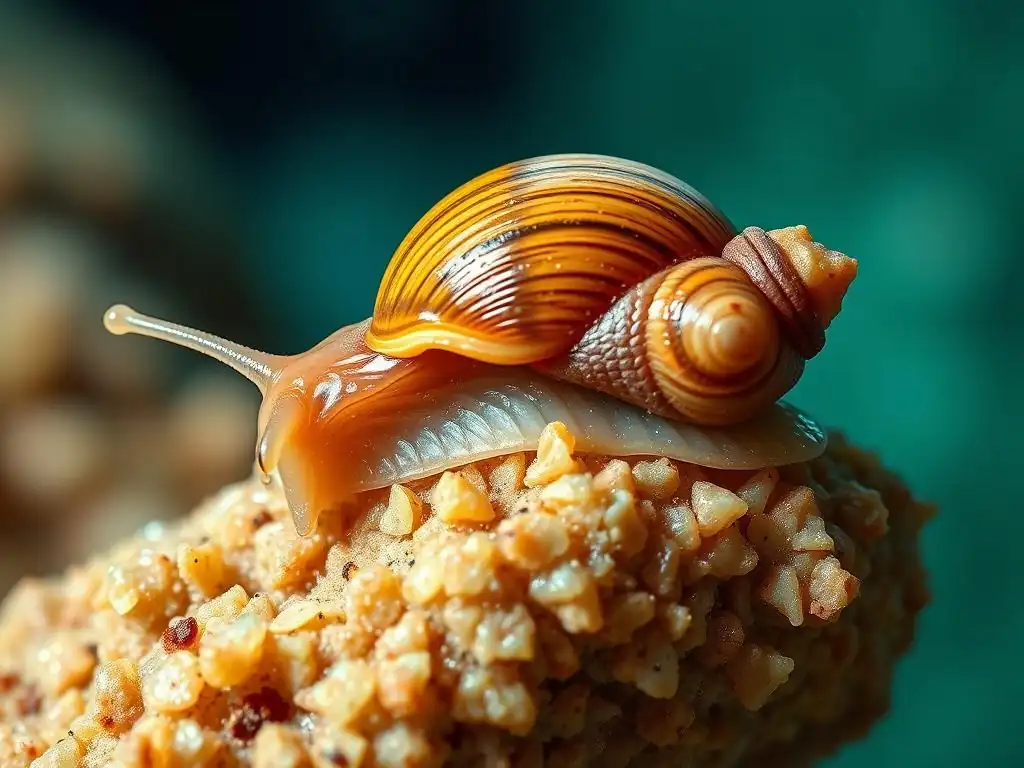
Identifying detritus buildup in a reef tank is crucial for maintaining water quality and overall system health. Detritus often manifests as brown or greyish-brown particulate matter settling on the sandbed, in low-flow areas, or accumulating around the bases of live rock. It can resemble fine dust or silt and may become particularly noticeable after feeding sessions. A tell-tale sign is when the sandbed looks "dirty" or patchy, rather than pristine and white.
Another indicator is the presence of brown diatom or cyanobacteria films on the sand, which can be fueled by excess nutrients released from decaying detritus. If you notice a persistent layer of this material, or if your nitrates and phosphates begin to climb despite regular water changes and proper filtration, it’s a strong indication that your detritus management system, including your clean-up crew, needs enhancement. A healthy population of Nassarius snails can significantly reduce these visible signs of organic accumulation.
The Impact of Detritus on Reef Health: Why Removal is Necessary
The accumulation of detritus in a reef aquarium can have several detrimental impacts on overall reef health, making its efficient removal absolutely necessary. Firstly, detritus is organic waste that, as it decomposes, releases dissolved organic compounds, ammonia, nitrite, and ultimately nitrates and phosphates into the water column. Elevated levels of these nutrients can fuel undesirable algal blooms, such as nuisance diatoms, cyanobacteria (red slime algae), and hair algae, which can outcompete and smother corals.
Secondly, large accumulations of detritus can lead to the formation of anaerobic pockets within the sandbed. These oxygen-depleted zones can produce toxic hydrogen sulfide gas, which is highly lethal to fish and invertebrates if released into the water. Furthermore, a dirty substrate can harbor pathogenic bacteria and parasites, increasing the risk of disease outbreaks among tank inhabitants. By actively consuming detritus, Nassarius snails prevent these issues, contributing to a more stable, cleaner, and healthier environment for corals and fish alike.
Evidence for Nassarius Snails as Effective Detritivores: Observations and Benefits
Personal Experiences: Aquarists Sharing Their Nassarius Snail Success
Numerous aquarists globally attest to the effectiveness of Nassarius snails in managing detritus within their reef tanks. A common anecdote involves feeding time: within seconds of food hitting the water, dozens of "snorkels" emerge from the sand, followed by the snails themselves, rapidly moving towards and consuming any uneaten morsels. For example, John S., a hobbyist with a 120-gallon mixed reef, reported a noticeable reduction in sandbed detritus and a significant drop in his nitrate levels from 20 ppm to under 5 ppm within two months of adding 30 Nassarius vibex to his system.
Another common observation is the improved appearance of the sandbed. Tanks with a healthy population of Nassarius snails often exhibit a cleaner, whiter sandbed compared to those without. Mary L., who maintains several nano reefs, noted that her 10-gallon tank, which houses 5 Nassarius distortus, rarely shows any visible detritus accumulation, even in low-flow areas. These real-world experiences highlight the consistent and tangible benefits these diligent scavengers provide to the aquarium ecosystem.
Scientific Studies and Research on Detritivore Feeding Habits of Nassarius Species
While specific comprehensive scientific studies directly on Nassarius species in home aquarium settings are limited, ecological research on marine gastropods, particularly in estuarine and coastal environments, corroborates their role as crucial detritivores and scavengers. Studies on similar species within the Nassariidae family, such as Nassarius reticulatus in European waters, have demonstrated their significant contribution to the decomposition of organic matter and nutrient cycling in benthic ecosystems.
For instance, research published in the Journal of Experimental Marine Biology and Ecology on scavenging gastropods often highlights the rapid response of Nassarius species to carrion and decaying organic material, confirming their highly adapted chemosensory abilities for detecting food sources.
Further research focusing on the impact of bioturbation (sediment disturbance by organisms) by infaunal invertebrates, including burrowing snails like Nassarius, consistently shows their positive effect on sediment oxygenation and the breakdown of organic pollutants. While precise data on the exact quantity of detritus consumed by a single Nassarius snail per day in a closed system is complex to quantify, the collective evidence from ecological studies strongly supports their classification as essential detritivores that play a vital role in processing organic waste in marine environments, a function directly transferable to the microcosm of a reef aquarium.
Maximizing Detritus Removal with Nassarius Snails: Best Practices
Introducing Nassarius Snails to Your Aquarium: Acclimation and Initial Care
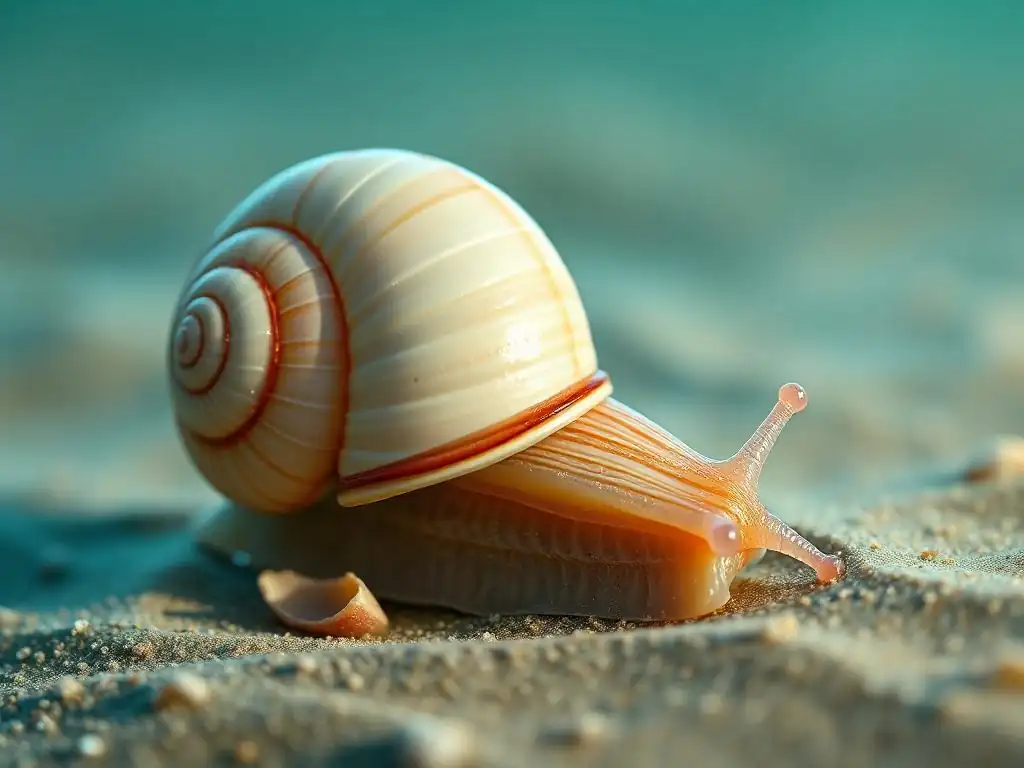
Proper acclimation is crucial when introducing Nassarius snails to your aquarium to minimize stress and ensure their survival. A drip acclimation method is highly recommended due to their sensitivity to sudden changes in salinity, temperature, and pH. This involves slowly dripping tank water into a container holding the snails and their shipping water over a period of 30-60 minutes, gradually equalizing parameters. Aim for at least 1 drip per second for optimal results.
Once acclimated, carefully place the snails directly onto the sandbed. Avoid dropping them from a height, as this can cause shell damage. Initially, they might remain inactive for a short period as they adjust to their new environment, but within an hour or two, they should begin to burrow. It's advisable to introduce them in the evening or with dimmed lights to reduce initial stress from bright illumination and potential attention from curious fish. For a typical 50-gallon reef tank, a starting population of 10-15 Nassarius snails provides an effective clean-up crew foundation.
Optimizing Tank Conditions for Nassarius Snails: Substrate and Flow
Optimizing tank conditions, particularly substrate type and water flow, is essential for maximizing the effectiveness of Nassarius snails. These snails thrive in sandbeds that are at least 1-2 inches deep, allowing them ample space to burrow and carry out their detritus-consuming activities. A fine to medium grain sand (0.5 mm to 2 mm) is ideal, as very fine sand can compact too much, hindering their movement, while very coarse sand might not allow for proper burrowing. A well-established sandbed provides the necessary microhabitat and a consistent source of food for these beneficial invertebrates.
Regarding water flow, Nassarius snails prefer areas with moderate to low flow where detritus tends to settle. While strong flow can keep detritus suspended, making it less accessible to burrowing snails, areas with gentler currents allow organic particles to accumulate on the sandbed, creating feeding grounds for the snails. Ensuring there are enough such "detritus traps" within the tank, without creating stagnant zones, is key. This balance allows the snails to effectively process organic waste while avoiding areas where they might be constantly tumbled by high flow.
Supplementing the Nassarius Snail Diet: Ensuring Adequate Nutrition When Needed
While Nassarius snails are excellent at scavenging detritus and uneaten food, there might be instances where their natural food sources become scarce, especially in very clean, lightly stocked, or newer aquariums. In such cases, supplementing their diet becomes necessary to ensure their health and continued activity. A tell-tale sign of underfeeding is reduced activity, where snails remain buried for longer periods or appear sluggish when they do emerge.
To supplement, small amounts of high-quality, sinking pellet food, flake food, or even frozen mysis shrimp or brine shrimp can be added to the sandbed. It's crucial to add only tiny portions to avoid overfeeding the entire tank, which could lead to water quality issues. Target feeding these small amounts once or twice a week, perhaps after the main tank inhabitants have been fed, can ensure your Nassarius snails receive adequate nutrition.
Observing their rapid emergence will confirm they are getting the food. A general guideline might be a pinch of sinking food for every 10-15 snails every few days if detritus is scarce.
Considerations and Potential Drawbacks of Using Nassarius Snails
Nassarius Snail Compatibility with Other Invertebrates: Avoiding Predation Issues
Nassarius snails are generally considered highly compatible with most reef tank inhabitants, including corals, fish, and other clean-up crew members. They do not typically bother healthy corals or sessile invertebrates. However, caution is advised when housing them with certain predatory invertebrates. Larger hermit crabs, particularly certain species of Paguristes or Dardanus, can sometimes prey on smaller snails, including Nassarius. Similarly, certain species of predatory crabs, such as some emerald crabs (though generally peaceful) or specialized snail-eating crabs, could pose a threat.
It's also important to consider other snail species. While Nassarius snails generally coexist peacefully with herbivorous snails like turbos and trochus, they will readily consume any snail that dies. Therefore, ensuring all your clean-up crew members are healthy and well-fed will minimize any potential for opportunistic scavenging on live, but weak, tank mates. Regularly monitoring your snail population and observing interactions can help identify and mitigate any potential predation issues before they become significant.
Potential for Overpopulation: Managing Nassarius Snail Reproduction in the Aquarium
While less common than with some other snail species, Nassarius snails can reproduce in the home aquarium, leading to a potential for overpopulation in some systems. Species like Nassarius vibex are known to lay egg masses, often on tank glass or rockwork, which hatch into free-swimming larvae. If conditions are favorable and there are ample food sources (detritus), these larvae can survive and mature into adult snails, gradually increasing the population.
Managing potential overpopulation primarily involves controlling food input. If the snails are reproducing excessively, it's often an indication that there is an abundance of uneaten food or detritus in the system. Reducing feeding amounts or increasing the efficiency of other detritus removal methods (e.g., more frequent water changes, better mechanical filtration) can naturally curb their population growth. If the population still becomes overwhelming, manual removal or trading with other hobbyists are simple solutions. However, a slight increase in their numbers is generally beneficial, indicating a healthy clean-up crew.
Alternatives to Nassarius Snails for Detritus Removal: A Comparison
While Nassarius snails are excellent detritivores, several other invertebrates and methods can contribute to detritus removal in a reef tank, each with its own advantages. Sand-sifting starfish (e.g., Archaster typicus) are highly effective at sifting through large areas of sand, consuming detritus and aerating the substrate. However, they require deep sandbeds (at least 3-4 inches) and can starve in smaller tanks or those with insufficient detritus. They also pose a risk to small invertebrates if food is scarce.
Cucumber species like the Tiger Tail Cucumber ( Colochirus robustus) are also excellent detritivores, consuming large quantities of sand and processing organic matter. However, they are sensitive to fluctuating water parameters and can release toxins if stressed or killed, potentially wiping out a tank.
Conch snails (e.g., Queen conch or Fighting conch) are another option, actively sifting sand and consuming detritus, but they grow larger and require more space. Beyond invertebrates, robust mechanical filtration (filter socks, roller filters), regular gravel vacuuming (especially in non-deep sandbeds), and consistent water changes are all crucial non-biological methods for managing detritus and maintaining a pristine environment.
Nassarius Snail Care Guide: Ensuring a Healthy and Thriving Clean-Up Crew
Water Chemistry Requirements for Nassarius Snails: Maintaining Optimal Parameters
Maintaining stable and optimal water chemistry is paramount for the health and longevity of Nassarius snails in a reef aquarium. Like most marine invertebrates, they require consistent salinity, temperature, and alkalinity. Salinity should be maintained within a specific gravity range of 1.023 to 1.026, ideally around 1.025. Fluctuations outside this range can cause significant stress.
Temperature should be kept stable between 72-78°F (22-26°C). Rapid temperature swings are particularly detrimental. Calcium levels should be between 400-450 ppm, alkalinity 8-12 dKH, and magnesium 1250-1350 ppm, as these are crucial for shell growth and overall physiological functions. While Nassarius snails are relatively hardy, they are intolerant of high levels of nitrates (>20 ppm) and phosphates (>0.25 ppm), which are indicative of poor water quality. Ammonia and nitrite must always be undetectable (0 ppm). Regular water changes (10-20% bi-weekly) and consistent monitoring of these parameters are essential for their well-being.
Recognizing Signs of Stress or Illness in Nassarius Snails: Early Detection is Key
Recognizing signs of stress or illness in Nassarius snails allows for early intervention, potentially saving them and preventing further issues in the tank. One of the primary indicators of stress is prolonged inactivity. Healthy Nassarius snails are typically active, burrowing frequently and emerging quickly when food is present. If they remain buried for extended periods without responding to food, or if they are seen lying on their side on the sandbed without burrowing, it's a sign of distress.
Another symptom is a shriveled or retracted foot, where the snail's body appears to pull deep into its shell. Shell degradation, such as pitting or erosion, can indicate issues with calcium or alkalinity, or prolonged exposure to acidic conditions. Furthermore, if the snail's operculum (the "trapdoor" that closes the shell opening) is not tightly sealed when retracted, or if the snail emits a strong, unpleasant odor when removed from the water (a sign of death), it's a clear indication of a problem. Promptly checking water parameters and observing other tank inhabitants can help diagnose the underlying cause.
Breeding Nassarius Snails: Challenges and Possibilities in the Home Aquarium
Breeding Nassarius snails in a home aquarium is certainly possible, though the success rate of raising larvae to adulthood can be challenging due to their planktonic larval stage. Species such as Nassarius vibex and Nassarius distortus are known to reproduce in captivity. Mating occurs, and females lay distinctive, often translucent, jelly-like egg masses on hard surfaces like tank glass, overflow boxes, or live rock. These egg masses typically contain numerous tiny eggs.
Once hatched, the larvae are free-swimming (veligers) and drift in the water column for a period ranging from a few days to several weeks, depending on the species and environmental conditions. During this pelagic stage, they are extremely small and require specific planktonic food sources, making their survival in a typical reef tank challenging due to predation by corals, filter feeders, and fish, as well as the difficulty in providing appropriate microscopic food.
While some larvae may survive by chance in established systems with mature refugiums or very gentle flow, successful large-scale rearing usually requires a dedicated larval rearing tank setup with precise feeding and water quality control, similar to advanced coral or fish breeding efforts.
Conclusion: Are Nassarius Snails Right for Your Reef Tank? A Balanced Perspective
Nassarius snails are undeniably valuable additions to most saltwater reef aquariums, earning their reputation as highly effective detritivores and scavengers. Their unique ability to burrow through the sandbed, rapidly emerge to consume uneaten food and decaying organic matter, and then re-bury themselves, makes them indispensable members of the clean-up crew. They play a crucial role in maintaining pristine water quality, reducing nutrient buildup, and preventing the accumulation of harmful detritus that can fuel nuisance algae and foster anaerobic conditions.
However, it's important to approach their inclusion with a balanced perspective. While they excel at processing organic waste, they are not a panacea for all tank issues. They will not consume nuisance algae on glass or rock, nor will they solve problems stemming from chronic overfeeding or inadequate filtration.
For optimal results, Nassarius snails should be part of a diverse clean-up crew, complemented by herbivorous snails, crabs, and robust mechanical filtration. When properly cared for and introduced into a well-managed system, a healthy population of Nassarius snails will contribute significantly to the stability and aesthetic appeal of your reef tank, ensuring a cleaner, healthier environment for all its inhabitants.
Frequently Asked Questions
What is a Bumble Bee Snail and why are they useful in an aquarium?
Bumble Bee Snails (Engina mendicaria) are small marine snails known for their distinctive black and yellow stripes. They are beneficial in aquariums as they are detritivores, consuming decaying organic matter and, crucially, are known to prey on vermetid snails.
What are Vermetid Snails and why are they considered a pest in aquariums?
Vermetid snails are small, sedentary snails that build hard, calcareous tubes in the aquarium. They are considered pests because they release mucus nets to trap food, which can irritate corals and contribute to poor water quality.
Do Bumble Bee Snails exclusively eat Vermetid Snails?
No, while Bumble Bee Snails are known to eat Vermetid Snails, their diet is not exclusively limited to them. They are primarily detritivores, consuming a variety of organic waste in the aquarium.
How many Bumble Bee Snails should I add to my aquarium to control Vermetid Snails?
The number of Bumble Bee Snails needed depends on the size of the aquarium and the severity of the vermetid snail infestation. A good starting point is 1-2 snails per 10 gallons, but monitor their effectiveness and adjust as needed.
Are there any potential drawbacks to keeping Bumble Bee Snails in an aquarium?
While generally beneficial, Bumble Bee Snails can sometimes compete with other invertebrates for food. It's also important to ensure they have enough to eat, as they may starve if vermetid snails are eradicated and detritus levels are low.
Okay, here's a final reflection designed to close your article "Bumble Bee Snails: Tiny Detritivores with a Taste for Vermetids?" and rank for the keyword "Bumble bee snail vermetid diet," following the structure you provided:
Final Reflection: The Unsung Heroes of Reef Health
The investigation into the bumble bee snail vermetid diet reveals a crucial, often overlooked, aspect of reef ecosystem dynamics. While seemingly insignificant, these tiny creatures play a vital role in controlling vermetid snail populations, potentially preventing imbalances that can threaten coral health and overall reef biodiversity. Understanding their dietary preferences is therefore not just an academic exercise, but a step towards more effective reef conservation strategies.
This exploration has underscored the intricate web of life within our oceans, highlighting how even the smallest organisms can have a disproportionately large impact. Personally, I find it fascinating how such a diminutive creature can contribute so significantly to the health of a complex ecosystem. In nature, nothing exists alone.
- Rachel Carson. This quote perfectly encapsulates the interconnectedness revealed by studying the bumble bee snail and its vermetid diet, reminding us that every species, no matter how small, plays a part in the grand scheme of things.
Now, consider the implications of this knowledge. How can we better protect these unsung heroes of the reef? What other seemingly insignificant creatures hold the key to unlocking further secrets of ocean health? Let us all take a moment to reflect on the power of small actions and the importance of understanding the delicate balance of our ecosystems. By appreciating the role of the bumble bee snail and its vermetid diet, we can contribute to a future where our reefs thrive, teeming with life and resilient against the challenges they face.
Ignite Your Reef Tank's Potential!
Thanks for diving into the world of Bumble Bee Snails! We hope you've gained a deeper appreciation for these tiny reef janitors and their impact on a healthy aquarium. Ready to take action?
Here are a few ways to keep your reef thriving:
- Immediately assess your vermetid snail population! Determine if Bumble Bee Snails are the right solution for your tank's needs. Careful observation is key!
- Explore alternative pest control methods, such as manual removal, to ensure a balanced approach to reef maintenance.
- Share your Bumble Bee Snail success stories (or challenges!) in online reefing forums to contribute to the collective knowledge.
What’s the first thing you'll observe in your tank tonight, armed with this new Bumble Bee Snail insight?