
Crayfish Behavior Decoded: From Curious Foraging to Fierce Fighting

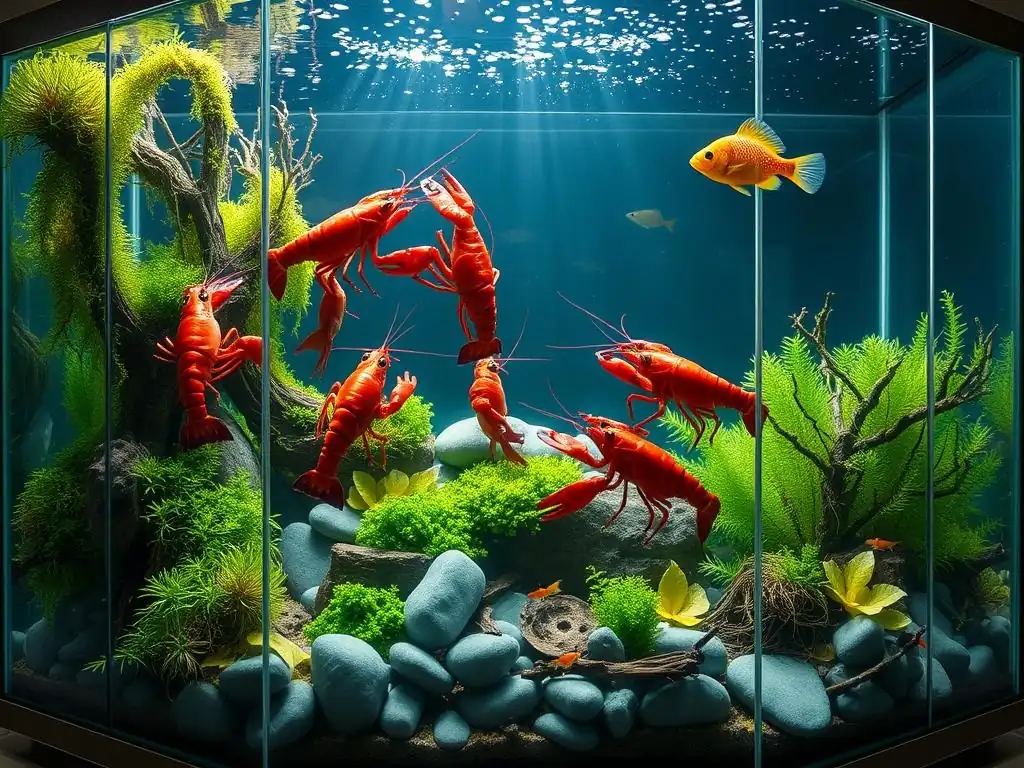
Welcome to Aquarium Mastery!
Dive into the fascinating world of invertebrates! Ever wondered what your crayfish is really up to in its underwater kingdom? Our guide, " Crayfish Behavior Decoded: From Curious Foraging to Fierce Fighting," unlocks the secrets behind their quirky actions. Discover essential crayfish care behavior tips and prepare to be amazed by the complex lives of these captivating creatures. Ready to understand your crustacean companion better? Let's explore!
- Understanding Crayfish Behavior: A Guide for Aquarium Keepers
- Crayfish Foraging Behavior: The Art of the Aquatic Scavenger
- Crayfish Social Behavior: Interactions and Hierarchy
- Crayfish Reproductive Behavior: Mating and Egg-Laying
- Decoding Crayfish Molting Behavior: A Sign of Growth
- Common Crayfish Behavioral Problems and Solutions
- Enhancing Crayfish Well-being Through Environmental Enrichment
- Crayfish Species and Behavioral Variations
- Advanced Crayfish Care Behavior Tips: Beyond the Basics
- Frequently Asked Questions
- Final Reflection: Unveiling the Secrets of the Crawdad
- Unleash Your Inner Crayfish Keeper!
Understanding Crayfish Behavior: A Guide for Aquarium Keepers
Why Understanding Crayfish Behavior Matters for a Healthy Aquarium
Understanding the intricate behaviors of crayfish is paramount for any aquarist aiming to provide optimal care and maintain a thriving aquarium environment. Recognizing typical crayfish care behavior tips allows for the early detection of stress, illness, or environmental imbalances. For instance, a healthy crayfish might exhibit active foraging and regular hiding, whereas prolonged lethargy or constant attempts to escape could signal poor water quality, such as elevated ammonia levels exceeding 0.5 ppm, or insufficient hiding spaces. This proactive observation is crucial for preventing more severe health issues.
Furthermore, insights into their natural behaviors, like their nocturnal activity patterns or burrowing instincts, enable aquarists to design appropriate habitats that cater to their needs. Knowing their territorial nature, for example, helps prevent aggressive encounters in multi-species tanks. Without this understanding, an aquarist might unknowingly place a highly aggressive species in too small a tank, leading to constant conflict and potential injury, or even death, among tank inhabitants. Effective crayfish care behavior tips hinge on this foundational knowledge, ensuring a harmonious and safe living space.
Crayfish Behavior and Aquarium Compatibility: Choosing the Right Tank Mates
When considering tank mates for crayfish, understanding their predatory and territorial behaviors is essential. Crayfish are opportunistic omnivores and will often prey on smaller, slower fish or invertebrates if given the chance. Delicate-finned fish like guppies or slow-moving bottom dwellers such as corydoras are particularly vulnerable to being nipped or captured. Even larger fish can suffer fin damage if they encroach on a crayfish's territory or during their nocturnal foraging excursions. A general crayfish care behavior tip is to avoid any fish that spends significant time near the substrate or is too slow to evade a quick grab.
For successful cohabitation, selecting fast-moving, mid-to-top dwelling fish is often recommended. Examples include larger species of Danios, certain Tetras like Congo Tetras, or various Rainbowfish species. The tank size also plays a critical role in reducing aggression; a 20-gallon tank might adequately house a single dwarf crayfish, but a medium-sized species like a Procambarus alleni (Blue Crayfish) often requires a 40-gallon or larger aquarium to provide ample space and multiple hiding spots, thereby minimizing territorial disputes. Proper crayfish care behavior tips dictate that ample space and appropriate tank mates are crucial for preventing conflict.
Crayfish Foraging Behavior: The Art of the Aquatic Scavenger
Deciphering Crayfish Feeding Habits: What Do Crayfish Eat?
Crayfish are highly adaptable omnivores, exhibiting a diverse diet in both wild and captive environments. In their natural habitats, they primarily act as detritivores and scavengers, consuming decaying plant matter, small aquatic insects, larvae, and even carrion. This natural inclination means they are excellent tank cleaners in an aquarium setting. For captive crayfish care behavior tips, their diet should reflect this versatility, incorporating sinking pellets or wafers specifically designed for crustaceans, algae wafers, and blanched vegetables such as zucchini slices, spinach, or peas.
To ensure a balanced nutritional intake, occasional protein sources are also beneficial. These can include small portions of frozen bloodworms, brine shrimp, or chopped earthworms. The frequency and quantity of feeding are important considerations; a common crayfish care behavior tip is to feed small amounts once a day or every other day, ensuring that all food is consumed within a few hours to prevent water fouling. Overfeeding can quickly lead to an accumulation of uneaten food, contributing to poor water quality and potential health issues for the crayfish and other tank inhabitants.
Optimizing Feeding Strategies: Encouraging Natural Foraging in Your Crayfish
To promote natural foraging behaviors, which are integral to healthy crayfish care behavior tips, aquarists can employ specific feeding strategies. Instead of piling all food in one spot, spreading sinking foods across the substrate encourages the crayfish to actively search and explore their environment, mimicking their natural hunting instincts.
This not only provides mental stimulation but also ensures that all individuals in a multi-crayfish setup have an opportunity to feed. Since many crayfish species are more active during the twilight hours or at night, feeding just before the aquarium lights are turned off can align with their natural rhythms and encourage nocturnal foraging.
Varying the diet is another effective method for optimizing feeding behaviors. Limiting food to a single type can lead to nutritional deficiencies and boredom. Offering a diverse mix of plant-based foods, protein-rich items, and occasional live or frozen treats stimulates their natural instincts and ensures a comprehensive nutritional profile. For example, alternating between high-quality sinking pellets one day and blanched vegetables the next can keep their interest piqued and encourage consistent foraging. This varied approach is a vital crayfish care behavior tip for maintaining their health and activity.
Recognizing Signs of Healthy Foraging Behavior in Crayfish
Observing a crayfish's foraging behavior can provide valuable insights into its overall health and well-being. A healthy crayfish typically exhibits active searching, often using its antennae to explore the substrate and its chelipeds (claws) to manipulate and consume food items. They should respond to the introduction of food, even if initially shy, eventually emerging from hiding to investigate. Consistent feeding patterns, where the crayfish regularly consumes its provided diet, are strong indicators of good health and proper crayfish care behavior tips being followed.
Conversely, signs of unhealthy foraging behavior include a persistent refusal to eat, prolonged lethargy during feeding times, or noticeable weight loss over several days. These symptoms can be red flags, indicating underlying stress, illness, or poor water quality. For instance, a crayfish that ignores food for more than 24-48 hours after previously eating well might be experiencing issues such as an impending molt, a bacterial infection, or elevated nitrite levels (above 0.25 ppm). Prompt investigation of water parameters and environmental conditions is crucial when these behavioral changes are observed.
Crayfish Aggression Explained: Understanding Fighting Behavior
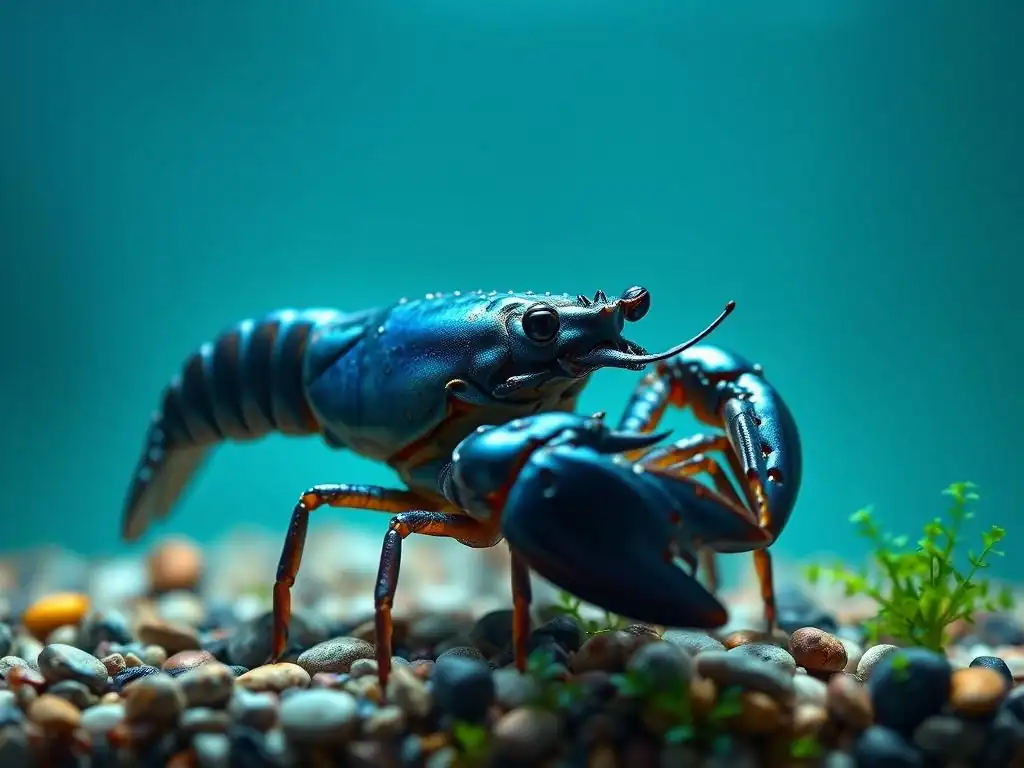
Crayfish are known for their territorial and often aggressive social behaviors, which are crucial to understand for proper crayfish care behavior tips. Aggression among crayfish typically stems from competition for resources such as food, mates, and particularly, prime hiding spots or territories. Their territorial instincts are strong, especially in males, and disputes can quickly escalate from mere displays to intense physical combat. These fights frequently result in lost limbs, significant injuries, or even death, highlighting the importance of proper tank setup and stocking.
Several factors influence the level of aggression observed in a crayfish aquarium. Tank size is paramount; smaller tanks inherently increase population density and reduce the availability of individual territories, leading to heightened aggression.
The sex of the crayfish also plays a role, with males generally being more aggressive than females, particularly during breeding periods. Species-specific traits are also significant; for example, a single Procambarus clarkii (Red Swamp Crayfish) in a 10-gallon tank can be highly aggressive towards any tank mate, whereas multiple smaller dwarf crayfish (e.g., Cambarellus patzcuarensis) might coexist more peacefully in a 20-gallon tank if sufficient hiding spots are provided.
Identifying Dominance Displays in Crayfish
Before engaging in direct physical combat, crayfish often exhibit a series of dominance displays to intimidate rivals. Recognizing these behaviors is a key crayfish care behavior tip for understanding the social dynamics within your aquarium. Common displays include raising their chelipeds (claws) high, spreading their claws wide open to appear larger, and posturing by extending their bodies towards the perceived threat. Rapid tail flicking can also serve as a warning sign or an escape response if the crayfish feels overwhelmed. These displays are primarily visual deterrents, aimed at asserting dominance without immediate physical contact.
The outcome of these displays largely depends on the responses of the involved individuals. If one crayfish backs down, retreating or adopting a submissive posture, a physical confrontation is often averted. However, if neither individual yields, the encounter will likely escalate into a full-blown fight. Observing these subtle behavioral cues allows aquarists to anticipate potential conflicts and intervene if necessary, perhaps by adding more hiding spots or considering separating highly aggressive individuals. This proactive approach is a vital crayfish care behavior tip for maintaining peace in the tank.
Crayfish Communication: Body Language and Chemical Signals
Crayfish communicate through a combination of intricate body language and subtle chemical signals, providing fascinating insights for advanced crayfish care behavior tips. Their body language includes the dominance displays previously mentioned, such as raised chelipeds and wide-open claws, which convey threat or assertiveness. Beyond aggression, their movements also communicate their state: a slow, deliberate walk often indicates exploration, while a rapid tail-flip is a clear escape response, signaling fear or alarm. Antennae flicking is constantly used to sense their surroundings and detect the presence of other crayfish, food, or potential threats.
In addition to visual cues, crayfish rely heavily on chemical signals, or pheromones, for various aspects of their social interaction. These pheromones, released into the water, can signal alarm to other crayfish, mark territory, or, most notably, attract mates. For instance, a female crayfish ready to reproduce will release specific pheromones to signal her receptiveness to nearby males. While these chemical cues are not directly observable by humans, their presence profoundly influences crayfish behavior, governing their interactions, reproductive cycles, and responses to environmental changes.
Crayfish Reproductive Behavior: Mating and Egg-Laying
Recognizing Mating Rituals in Crayfish
The mating rituals of crayfish are a fascinating aspect of their behavior, though they can sometimes appear aggressive. Typically, the male crayfish will approach the female, often pursuing her and, in many species, forcefully flipping her onto her back. This position allows the male to transfer spermatophores (sperm packets) to the female's seminal receptacle. While this interaction might seem violent to an observer, it is a natural and necessary part of the reproductive process for many species. Understanding these specific crayfish care behavior tips is vital for those hoping to breed their crustaceans.
Mating usually occurs when environmental conditions are favorable, including stable water quality, appropriate temperatures, and sufficient food availability. Depending on the species and environmental factors, crayfish can mate multiple times a year. It's important to note that not all crayfish species require a male for reproduction; for example, the Marbled Crayfish (Procambarus fallax f. virginalis) is a parthenogenetic species, meaning females can reproduce asexually, laying fertile eggs without the need for a male. This unique capability adds another dimension to crayfish care behavior tips for breeding.
Caring for Berried Crayfish: Egg Development and Hatching
Once a female crayfish has successfully mated and the eggs are fertilized, she will carry them attached to the pleopods (small swimmerets) under her tail. This state is commonly referred to as being "berried."
The female will diligently fan the eggs with her pleopods, ensuring proper oxygenation and preventing fungal growth, which is critical for their development. Over the course of several weeks, typically 3 to 6 weeks depending on water temperature (warmer water generally speeds up development), the eggs will gradually change color, often transitioning from a dark, opaque shade to a lighter, more translucent appearance as the embryos mature.
Providing optimal crayfish care behavior tips for a berried female is crucial for the successful hatching of her offspring. It is imperative to maintain excellent water quality, minimize stress, and provide ample hiding spots where she can retreat and feel secure. In a community tank, it is often advisable to separate the berried female into a dedicated breeding tank to prevent other tank inhabitants, or even the male crayfish, from disturbing her or preying on the newly hatched fry. This isolation ensures a higher survival rate for the developing eggs and subsequent hatchlings.
Protecting Crayfish Fry: Ensuring Survival of Baby Crayfish
Upon hatching, crayfish fry are miniature versions of the adult crayfish, typically only a few millimeters in size. For the first few days, they remain attached to their mother's pleopods, continuing to benefit from her protection and fanning. Once they detach and become independent, they are incredibly vulnerable to predation from virtually any tank inhabitant, including the mother herself, if not properly managed. Ensuring the survival of baby crayfish requires specific crayfish care behavior tips focused on protection and nutrition.
To maximize survival rates, it is essential to provide very fine foods, such as powdered flake food, spirulina powder, or specialized fry food, as their tiny mouths cannot handle larger particles. Crucially, the tank environment must offer an abundance of micro-hiding places. Dense clumps of live plants like Java moss, fine-leaved plants, or even small PVC pipe sections or decorative rocks with tiny crevices can provide essential refuge from adult crayfish and other potential predators. Without these protective measures, survival rates in a community tank are typically very low, often less than 10%.
Decoding Crayfish Molting Behavior: A Sign of Growth
Recognizing the Signs of an Approaching Molt
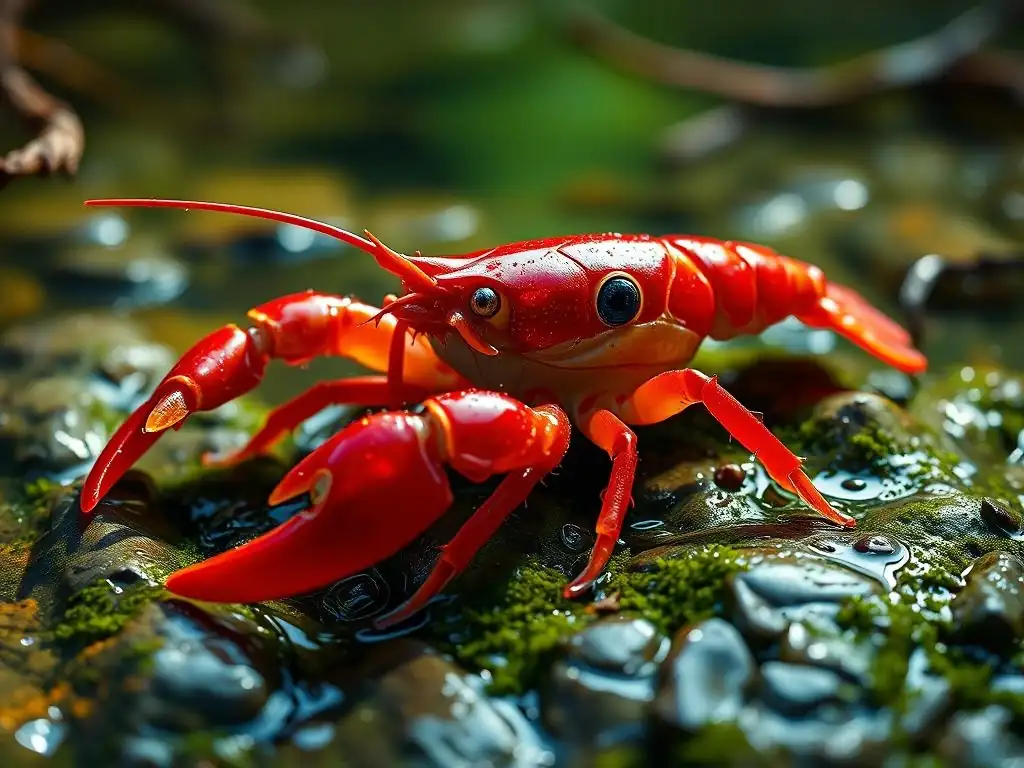
Molting, or ecdysis, is a critical physiological process for crayfish, signifying growth and development. Recognizing the signs of an impending molt is a vital crayfish care behavior tip that allows aquarists to prepare and ensure the safety of their pet. Common indicators include a reduction in activity levels, increased hiding behavior, and a temporary refusal to eat for a few days leading up to the molt. The crayfish's exoskeleton might also appear slightly duller or cloudy, and some individuals may seem to "swell" slightly as they prepare to shed their old shell.
The actual molting process involves the crayfish backing out of its old exoskeleton, which typically splits along the dorsal (back) side. This can take anywhere from a few minutes to several hours, depending on the crayfish's size and health. Once the old shell is shed, the new shell underneath is soft and pliable, leaving the crayfish extremely vulnerable to injury or predation. Being able to identify these pre-molt signs allows the aquarist to take necessary precautions, such as ensuring sufficient hiding spots and stable water conditions.
Providing a Safe Environment During Molting
Providing a safe and secure environment during molting is perhaps one of the most critical crayfish care behavior tips. During this highly vulnerable period, the crayfish is essentially defenseless as its new shell hardens. Adequate hiding spots are non-negotiable; this includes ceramic caves, PVC pipes, large pieces of driftwood, or dense plant thickets. Each crayfish in the tank should ideally have at least one dedicated, easily accessible hiding spot where it can retreat and feel secure without competition.
Beyond physical shelter, stable water parameters are equally vital for a successful molt and subsequent shell hardening. Calcium and magnesium are essential minerals for exoskeleton formation. Maintaining a sufficient General Hardness (GH) of around 8-12 dGH is often recommended to ensure adequate mineral availability. Drastic fluctuations in water parameters, particularly large water changes immediately before or during a molt, can cause significant stress and potentially lead to a failed molt, which is often fatal. Consistent water quality is paramount for this delicate process.
Post-Molt Care: Helping Your Crayfish Recover
Once a crayfish has successfully molted, proper post-molt care is essential for its recovery and the hardening of its new exoskeleton. A crucial crayfish care behavior tip is to leave the discarded exoskeleton in the tank for at least a day or two, or until the crayfish has shown signs of activity again. The crayfish will often consume its old shell to reabsorb valuable calcium and other minerals, which significantly aids in the rapid hardening of its new, soft shell. This natural behavior provides a vital source of nutrients that might otherwise be depleted.
During this recovery phase, it is important to continue providing excellent water quality and minimize any disturbances to the aquarium. Avoid handling the crayfish, as its new shell is extremely delicate and susceptible to damage. The hardening process can take several days, during which the crayfish will typically remain relatively hidden and less active. Ensuring a quiet, stable environment allows the crayfish to focus its energy on rebuilding its protective armor, reducing the risk of complications and supporting its long-term health.
Common Crayfish Behavioral Problems and Solutions
Addressing Excessive Aggression in Crayfish
Excessive aggression is a common behavioral problem in crayfish, often signaling underlying issues in their environment or social structure. The primary causes typically include overcrowding, insufficient hiding spots, incompatible tank mates, or sometimes even specific gender dynamics within a group. When aggression is observed, the first step in applying crayfish care behavior tips is to critically assess the aquarium setup. A general guideline is to provide at least 10 gallons of water per medium-sized crayfish, or significantly more for larger, more territorial species, to mitigate density-related stress.
Solutions for excessive aggression involve environmental adjustments. Increasing tank size or adding a greater number of varied hiding places (e.g., multiple PVC pipes, ceramic caves, or rock formations) can help reduce competition for territory and break sightlines, thereby decreasing confrontations. If specific tank mates are consistently targeted, re-evaluating compatibility and potentially rehoming them is necessary. In cases of persistent, severe aggression between conspecifics, separating the highly aggressive individual into its own tank may be the only viable solution to ensure the well-being of all inhabitants.
Dealing with Inactive or Lethargic Crayfish: Potential Causes and Remedies
An inactive or lethargic crayfish is often a red flag, indicating a potential problem that requires immediate attention. Common causes for such behavior include poor water quality (e.g., elevated ammonia or nitrite levels, low dissolved oxygen), stress from environmental changes, an underlying illness, or it could simply be a sign of impending molt. A crayfish lying motionless for extended periods, especially if it's not pre-molt and unresponsive to its surroundings, is a clear indicator that something is amiss. Applying effective crayfish care behavior tips here is critical.
The primary remedy is to immediately test all relevant water parameters (ammonia, nitrite, nitrate, pH, temperature). If any levels are off, a partial water change (e.g., 25-50%) should be performed promptly. Ensure proper aeration in the tank, as low oxygen can cause lethargy. Check the water temperature to ensure it's within the species' preferred range. If environmental causes are ruled out, consider potential diseases, though diagnosing specific illnesses in crayfish can be challenging for hobbyists. Providing a quiet, stable environment and minimizing external stressors are crucial crayfish care behavior tips for recovery.
Preventing Crayfish Escapes: Securing Your Aquarium
Crayfish are notorious escape artists, driven by an innate desire to explore, find better living conditions, or seek mates. They possess surprising climbing abilities, often using silicone seams, airline tubing, filter intakes, or even heaters to scale tank walls. A crayfish attempting to escape might be signaling poor water quality, insufficient space, or a lack of suitable hiding spots within the aquarium. Preventing escapes is a critical, proactive crayfish care behavior tip.
To secure your aquarium, ensure that it has a tight-fitting lid with no gaps. All openings, including those for filters, heaters, and airline tubing, should be covered with fine mesh or sponge to prevent a crayfish from squeezing through. Keeping the water level a few inches (approximately 5-7 cm) below the tank rim can also deter climbing attempts. Some aquarists even place heavy objects on top of their lids to prevent larger crayfish from pushing them open. Implementing these measures is essential to prevent your crayfish from embarking on an adventurous, and often fatal, journey outside the tank.
Enhancing Crayfish Well-being Through Environmental Enrichment
Providing Hiding Places and Substrates for Crayfish
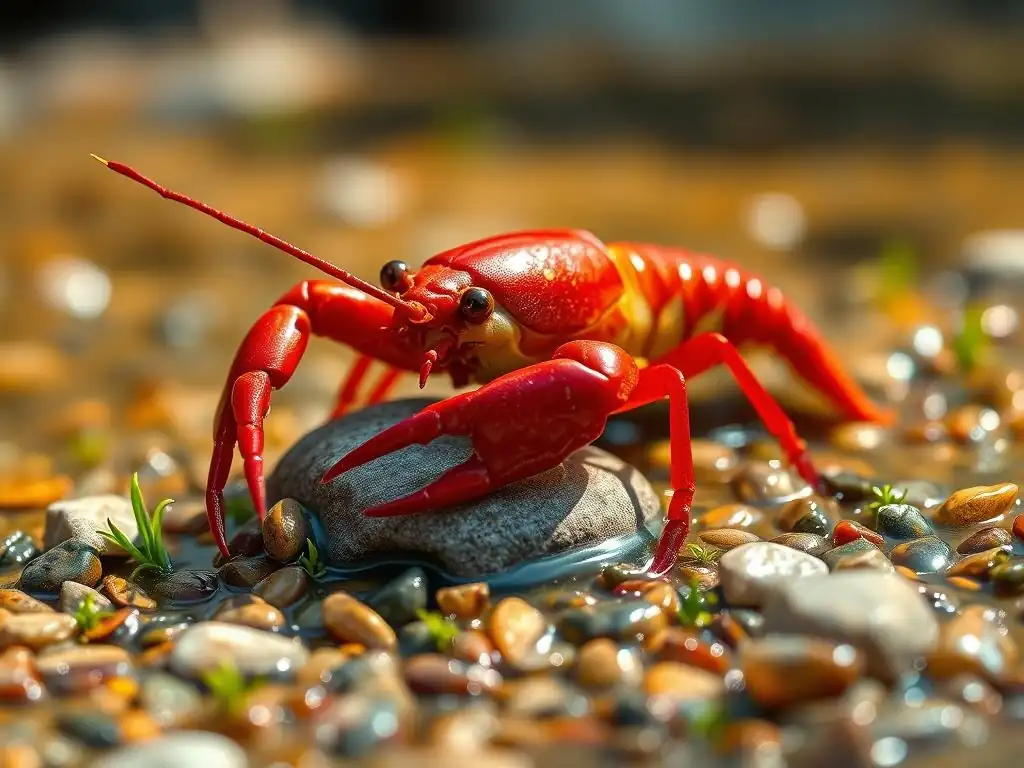
Environmental enrichment is fundamental for promoting healthy crayfish care behavior tips and overall well-being. Providing ample hiding places is paramount, as these structures reduce stress, offer essential security during vulnerable periods like molting, and establish individual territories. Examples of suitable hiding spots include ceramic caves, PVC pipes (often cut into appropriate lengths and sizes), intricately arranged rock formations, and pieces of driftwood. Ideally, each crayfish in the tank should have access to at least one dedicated hiding spot to call its own, minimizing competition and aggression.
The choice of substrate also contributes significantly to enrichment. A sand or fine gravel substrate allows for natural burrowing behavior, which is particularly important for species that instinctively dig and create burrows, such as some Procambarus species. A substrate depth of at least 2-3 inches (5-7 cm) is generally recommended for burrowing species, enabling them to construct their preferred shelters. This type of substrate not only supports a natural behavior but also provides an additional layer of security and exploration opportunities, vital for comprehensive crayfish care behavior tips.
Optimizing Water Parameters for Healthy Crayfish Behavior
Optimizing and maintaining stable water parameters is a cornerstone of effective crayfish care behavior tips, directly influencing their health, activity, and overall well-being. While specific ranges can vary slightly by species, general ideal parameters include a pH between 7.0 and 8.0, a General Hardness (GH) of 8-15 dGH, and a Carbonate Hardness (KH) of 5-10 dKH. Crucially, ammonia and nitrite levels must always be 0 ppm, and nitrates should be kept below 20 ppm through regular maintenance. Stability in these parameters is often more important than hitting exact numbers, as rapid fluctuations can cause significant stress.
Correct water chemistry supports vital physiological functions, including healthy shell development, proper organ function, and a robust immune system, thereby reducing susceptibility to disease. Regular water testing (e.g., weekly or bi-weekly) and consistent partial water changes (e.g., 25% weekly) are fundamental practices for maintaining these optimal conditions. These consistent efforts are among the most impactful crayfish care behavior tips, preventing environmental stress that can lead to lethargy, illness, or abnormal behaviors.
Utilizing Caves, Rocks, and Plants to Encourage Exploration and Reduce Stress
Beyond basic hiding spots, creating a complex and varied landscape within the aquarium significantly enhances environmental enrichment, encouraging natural behaviors and reducing stress. Incorporating a variety of structures such as multiple caves, smooth rocks, and robust plants provides a stimulating environment. This varied topography encourages natural foraging, climbing, and exploration, preventing boredom and reducing aggression by breaking lines of sight between individuals. Smooth rocks are preferred over sharp ones to prevent cuts or injuries to the crayfish's delicate exoskeleton.
While crayfish are known for their destructive tendencies towards plants, some robust species can withstand their attention, especially if the crayfish are well-fed. Examples include sturdy Anubias species, Java Fern, or larger Cryptocorynes, which can be anchored to driftwood or rocks. Artificial plants can also be used to create visual barriers and provide additional texture. The goal is to create a dynamic environment that stimulates the crayfish's natural curiosity and provides ample opportunities for exploration, contributing significantly to positive crayfish care behavior tips and overall vitality.
Crayfish Species and Behavioral Variations
Comparing the Behavior of Different Crayfish Species
Crayfish encompass a vast array of species, each exhibiting unique behavioral traits that are crucial for aquarists to understand when applying crayfish care behavior tips. These variations manifest in size, aggression levels, preferred habitats, and activity patterns. For instance, larger species like the Australian Red Claw (Cherax quadricarinatus), which can reach up to 10 inches in length, are generally more territorial and possess higher levels of aggression compared to their smaller counterparts. Their powerful claws are capable of inflicting significant damage on tank mates.
Conversely, some species are known for specific behaviors; certain Orconectes species, commonly found in North American waters, are prolific burrowers, creating extensive tunnel systems. In contrast, many Procambarus species are active climbers and explorers, often attempting to escape tanks without secure lids. Understanding these species-specific crayfish care behavior tips is paramount. It allows aquarists to select a species compatible with their tank size, existing inhabitants, and their ability to meet the crayfish's unique behavioral needs, ensuring a successful and harmonious setup.
Behavior of Dwarf Crayfish (Cambarellus patzcuarensis) vs. Red Swamp Crayfish (Procambarus clarkii)
A stark contrast in behavior is observed when comparing the Dwarf Crayfish (Cambarellus patzcuarensis), also known as the Mexican Dwarf Crayfish, with the Red Swamp Crayfish (Procambarus clarkii). The Dwarf Crayfish is renowned for its small size, typically growing no more than 2 inches (5 cm) in length, and its relatively peaceful disposition. They can often be kept in groups in a well-sized tank, such as a 10-gallon aquarium for a trio, and are far less likely to prey on small, fast-moving fish.
Their aggression is mostly limited to conspecifics during mating rituals or minor territorial disputes over food. This makes them a popular choice for smaller, community setups, requiring specific crayfish care behavior tips focused on their miniature scale.
In stark contrast, the Red Swamp Crayfish (P. clarkii) is a much larger species, capable of reaching lengths of up to 6 inches (15 cm), and is characterized by its highly aggressive and opportunistic predatory nature. They will readily attack and consume fish, snails, and other invertebrates, making them unsuitable for most community tanks.
Furthermore, P. clarkii are prolific burrowers and can be highly destructive to live plants, often uprooting them. A critical crayfish care behavior tip for the Red Swamp Crayfish is to house them in a species-only tank or with very robust, fast-moving top-dwelling fish in a very large aquarium (e.g., 50+ gallons) to provide ample space and minimize conflict.
Behavioral Differences Between Wild-Type and Blue Crayfish
The "Blue Crayfish" typically refers to a captive-bred blue morph of Procambarus alleni, also known as the Florida Blue Crayfish. While genetically the same species as its wild-type counterparts (which are usually brown or tan), there can be subtle behavioral differences observed in captivity. Wild-type Procambarus alleni exhibit the typical aggressive and territorial behaviors common to larger Procambarus species. They are active scavengers, explorers, and proficient burrowers, often attempting to escape tanks if conditions are not ideal or if they are seeking new territory. These behaviors are deeply ingrained and part of their natural survival instincts.
The captive-bred blue morph, while possessing the same underlying instincts, might sometimes appear slightly less aggressive in a controlled aquarium environment, particularly if they have been selectively bred for generations in calmer conditions. However, it's crucial to understand that their vibrant blue coloration does not diminish their predatory nature or their territorial requirements. They still retain significant territorial instincts and require similar crayfish care behavior tips regarding ample space, numerous hiding spots, and careful consideration of tank mates as their wild-type brethren. Their beauty does not make them docile; they remain capable predators and require appropriate housing.
Advanced Crayfish Care Behavior Tips: Beyond the Basics
Training Crayfish: Is It Possible?
The concept of "training" crayfish, in the traditional sense of teaching complex tricks, is largely beyond their cognitive capabilities. Crayfish are relatively simple invertebrates, and their behaviors are primarily driven by instinctual responses to environmental stimuli. However, aquarists can observe a limited form of classical conditioning. For example, some crayfish may learn to associate the presence of their owner near the tank with feeding time, causing them to emerge from hiding and approach the front of the aquarium in anticipation of food. This is not true training but rather a learned association based on consistent positive reinforcement (food).
To encourage these limited "positive" interactions, consistent feeding times and gentle movements around the tank can help reduce a crayfish's natural shyness and make them more comfortable with human presence. While you won't be teaching a crayfish to fetch, understanding their basic learning capacity can enhance your overall crayfish care behavior tips for interaction and observation. It allows for a more predictable feeding routine and potentially a more visible, active pet for the aquarist to observe.
Observing and Documenting Crayfish Behavior: Contributing to Scientific Understanding
For the dedicated aquarist, detailed observation and documentation of crayfish behavior can provide valuable insights into individual health and broader tank dynamics, contributing to advanced crayfish care behavior tips. Keeping a consistent log of behaviors such as feeding times, activity levels throughout the day/night, molting dates, and interactions with tank mates can help identify patterns or detect subtle early signs of stress, illness, or environmental issues. For instance, a sudden decrease in foraging activity or an increase in hiding behavior might alert an aquarist to a pending water quality issue before it becomes critical.
For those interested in a more structured approach, creating a simple ethogram—a catalog of an animal's behaviors with clear definitions—can standardize observations. While not formal scientific research, systematically noting behaviors like "foraging," "resting," "burrowing," "aggressive display," or "molting" at regular intervals allows for a more objective analysis of behavioral frequencies and durations. This systematic approach to crayfish care behavior tips can deepen an aquarist's understanding of their pet and potentially contribute valuable anecdotal data to the broader hobbyist community.
Utilizing Video Recording and Ethograms to Analyze Crayfish Activities
For advanced observation and analysis of crayfish care behavior tips, utilizing video recording technology offers significant advantages. Video allows aquarists to capture and review behaviors that might be missed during real-time observation, especially nocturnal activities or rapid, fleeting interactions. Time-lapse video, in particular, can be incredibly useful for observing gradual processes like molting or long-term foraging patterns over several hours. This detailed visual record can reveal subtle cues or repeated behavioral patterns that might otherwise go unnoticed.
When combined with an ethogram, video footage can be analyzed to quantify specific behaviors. For example, an aquarist could use video playback to count the frequency of aggressive displays, measure the duration of foraging periods, or track the time a crayfish spends in different areas of the tank. This structured analysis transforms casual observation into a more scientific approach, aiding in troubleshooting behavioral problems, optimizing tank conditions for specific behavioral goals, and ultimately enhancing the overall effectiveness of crayfish care behavior tips by providing empirical data for decision-making.
Frequently Asked Questions
How do I tell if my crayfish is happy and healthy?
A healthy crayfish will be actively foraging and displaying natural behaviors. Look for vibrant color, complete limbs, and a strong appetite. Lack of activity or color loss can indicate stress or illness.
What are some common signs of aggression in crayfish?
Aggressive crayfish may raise their claws in a defensive posture or actively pursue other tank inhabitants. Pinched or missing limbs on other crayfish are a clear sign of conflict.
What is the best way to provide enrichment for my crayfish?
Provide hiding places like caves, rocks, and plants to reduce stress and territorial disputes. Offering a varied diet and rearranging the tank occasionally can also stimulate natural foraging behaviors.
Can I keep multiple crayfish together in one tank?
Keeping multiple crayfish together can be risky, especially with limited space. Ensure a large tank size with ample hiding spots and provide plenty of food to minimize aggression and cannibalism.
What are some common misconceptions about crayfish behavior?
One common misconception is that crayfish are always aggressive. While they can be territorial, proper tank setup and responsible care can often mitigate aggressive behaviors and allow them to thrive.
Final Reflection: Unveiling the Secrets of the Crawdad
The journey into the world of crayfish behavior, as we've explored, reveals a fascinating complexity often overlooked. Understanding these nuances is more crucial than ever, as responsible crayfish keeping becomes increasingly popular. By decoding their foraging habits and aggressive displays, we empower ourselves to provide optimal care and create thriving aquatic environments for these captivating creatures.
This exploration has highlighted the profound impact even seemingly simple creatures can have on our understanding of the natural world. Observing crayfish behavior is not just about keeping them alive; it's about appreciating the intricate web of life and our role within it. In the end, we will conserve only what we love; we will love only what we understand; and we will understand only what we are taught.
- Baba Dioum. This quote resonates deeply, urging us to continue learning and sharing our knowledge to foster a greater appreciation for all living things, including the humble crayfish.
Now, armed with these insights into crayfish care behavior tips, I invite you to reflect on your own relationship with the natural world. Consider how you can apply this newfound knowledge to create a more enriching environment for your own crayfish, or simply to appreciate the hidden wonders that exist all around us. Let's all strive to be more mindful stewards of the planet, one crawdad at a time.
Unleash Your Inner Crayfish Keeper!
Thank you for diving into the fascinating world of crayfish behavior! Now that you understand these captivating creatures a little better, let's put that knowledge to good use.
Here's how you can take action:
- Dive deeper by observing your own crayfish. Spend at least 15 minutes each day watching their interactions, noting any unique behaviors, and comparing them to what you've learned.
- Share your favorite crayfish fact or observation in the comments below. Let's create a community of curious crayfish enthusiasts!
- Surprise your crayfish with a new enrichment item, like a smooth river stone or a floating plant. How does their behavior change?
What unexpected crayfish behavior have you witnessed in your aquarium?