
What Do Freshwater Crabs Eat? Crafting a Balanced and Varied Diet

Welcome to Aquarium Mastery!
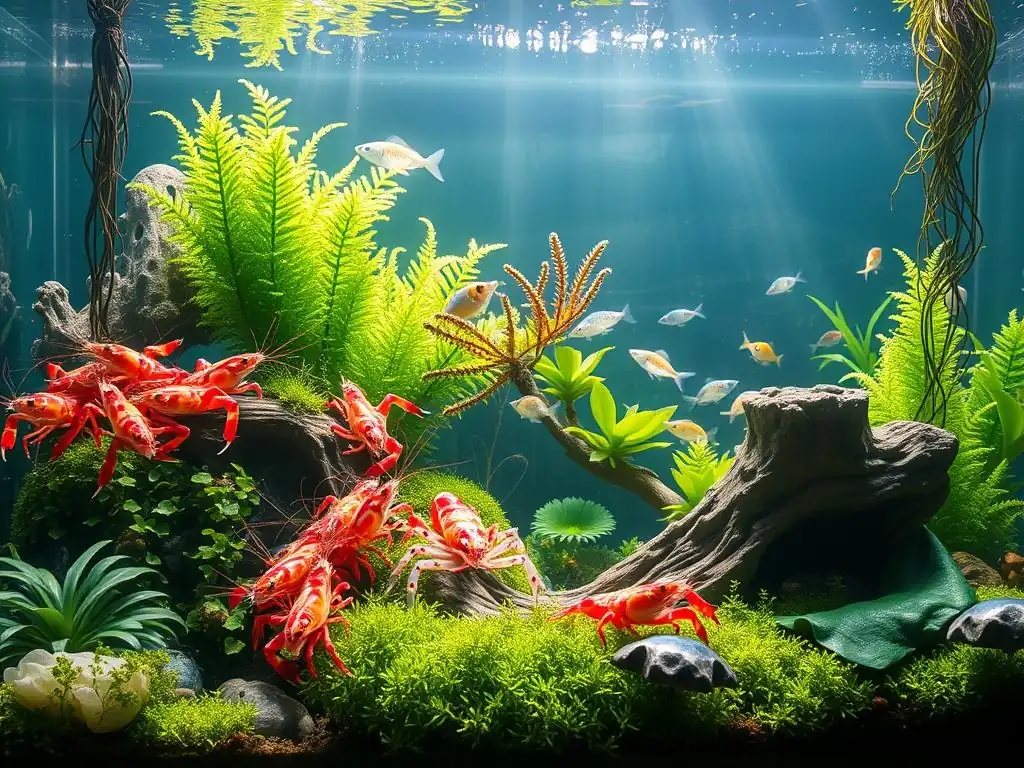
Ever wondered what it really takes to keep a freshwater crab happy and healthy? Dive in! Our Freshwater Crab Diet Guide is your go-to resource for crafting a balanced and varied diet that will have your crustacean companions thriving. Discover the secrets to feeding these fascinating invertebrates and unlock the key to a flourishing aquarium. Ready to learn more?
- Freshwater Crab Diet: A Comprehensive Guide
- Understanding Nutritional Needs for Optimal Health
- Dietary Breakdown: Essential Food Groups
- Feeding Schedule: Optimizing Nutrition
- Foods to Avoid: Protecting Crab Health
- Observing Eating Habits: Identifying Issues
- Maintaining a Clean Feeding Environment
- Advanced Considerations: Breeding and Molting
- Diet Checklist: Ensuring a Balanced Menu
-
Frequently Asked Questions
- What is the most important consideration when formulating a freshwater crab diet?
- Can I feed my freshwater crab only commercial crab food?
- What types of protein sources are suitable for freshwater crabs?
- How often should I feed my freshwater crab?
- What are some signs that my freshwater crab's diet is inadequate?
- Final Reflection: The Delicate Dance of Freshwater Crab Nutrition
- Nurture Your Crab's World: Unlock A Thriving Habitat!
Freshwater Crab Diet: A Comprehensive Guide
Understanding Nutritional Needs for Optimal Health
Importance of Variety for Health and Longevity
A diverse and varied freshwater crab diet is paramount for ensuring the long-term health and vitality of your aquatic crustaceans. Just like any living creature, crabs require a broad spectrum of nutrients to thrive, not just survive. A diet limited to one or two food types can quickly lead to nutritional deficiencies, manifesting as lethargy, poor shell quality, or a compromised immune system, making them susceptible to common aquarium ailments.
Providing a wide array of foods mimics their natural foraging behaviors in the wild, where they would encounter various plant matter, detritus, and small invertebrates. This holistic approach to their freshwater crab diet guide not only prevents specific nutrient deficits but also contributes to stronger immunity, more vibrant coloration, and a significantly extended lifespan. For example, a Red Claw Crab ( Perisesarma bidens ) typically lives 2-3 years in captivity; a consistently varied diet could potentially extend this to 4 or even 5 years, showcasing robust health and active behavior.
Key Nutrients: Protein, Calcium, and Vitamins
Protein stands as a cornerstone of the freshwater crab diet, crucial for growth, tissue repair, and successful molting. Juvenile crabs, in particular, have high protein requirements due to their rapid growth phases, often needing diets with 30-50% crude protein content. Insufficient protein can lead to stunted growth and failed molts, where the crab cannot successfully shed its old exoskeleton, a life-threatening condition.
Calcium is equally vital, forming the primary component of their hard exoskeleton. A consistent supply of calcium is critical, especially before and after molting, to ensure the new shell hardens properly and quickly. Without adequate calcium, crabs can suffer from Soft Shell Syndrome, making them vulnerable to injury and infection. Additionally, various vitamins, such as Vitamin A for vision and Vitamin C for immune function, are essential micronutrients, usually obtained through a well-rounded diet of both animal and plant matter.
Dietary Breakdown: Essential Food Groups
Protein Sources: Growth and Molting
Protein is indispensable for freshwater crabs, driving their growth, enabling successful molting, and repairing tissues. During periods of rapid growth for juveniles or the critical molting process for adults, the demand for high-quality protein escalates significantly. A robust protein intake supports the formation of a strong, healthy new exoskeleton and provides the energy needed for these demanding biological processes.
Providing a mix of protein sources ensures a complete amino acid profile, which is more beneficial than relying on a single type. This approach to their freshwater crab diet guide enhances overall health and resilience.
Live Foods: Blackworms, Crickets, and Shrimp
Live foods offer an excellent source of high-quality protein and stimulate natural hunting behaviors, providing mental enrichment. Blackworms, for instance, are rich in protein, often containing 50-60% protein on a dry weight basis, and are readily accepted by most freshwater crabs. Small feeder crickets, especially if gut-loaded with nutritious vegetables, can also be offered, though ensure they are appropriately sized to prevent injury.
Ghost shrimp or small brine shrimp can also serve as occasional live treats, particularly for larger crab species. While beneficial, live foods should be sourced from reputable suppliers to minimize the risk of introducing parasites or diseases into your aquarium. Offering live foods 1-2 times per week can be a valuable addition to their feeding regimen.
Frozen Foods: Bloodworms and Mysis Shrimp
Frozen foods provide a convenient and safe alternative to live prey, offering excellent nutritional value without the risk of parasites. Frozen bloodworms are a popular choice, containing approximately 6% protein by wet weight, and are highly palatable to many crab species. Mysis shrimp offer an even higher protein content, often around 60% on a dry weight basis, along with beneficial fatty acids.
Before feeding, frozen foods should always be thoroughly thawed in a small amount of tank water to prevent digestive upset and maintain water quality. Offer small portions that can be consumed within 5-10 minutes to avoid fouling the water. These can be incorporated into the freshwater crab diet guide 2-3 times per week as part of a varied protein rotation.
Commercial Pellets: Formulated for Crustaceans
Commercial pellets specifically formulated for crustaceans or bottom feeders can serve as a reliable staple in a freshwater crab diet. These pellets are typically designed to provide a balanced nutritional profile, often containing a blend of fish meal, spirulina, and essential minerals, including calcium. Brands like Hikari Crab Cuisine or Tetra ReptoMin often boast crude protein levels between 30-40%, making them suitable for daily feeding.
When selecting commercial pellets, examine the ingredient list to ensure they contain high-quality protein sources and are free from excessive fillers. While convenient, some crabs may initially be hesitant to accept pellets, so it may require some persistence and variety in presentation. They are an excellent way to ensure consistent nutrient intake.
Vegetable Matter: Fiber and Vitamins
Vegetable matter is an indispensable component of a balanced freshwater crab diet, providing essential fiber, vitamins, and minerals that are often less abundant in pure protein sources. Fiber aids in digestion and promotes a healthy gut, while the vitamins contribute to overall immune function and vibrant coloration.
Incorporating plant-based foods prevents nutritional imbalances and supports the comprehensive well-being of your crabs. Aim to offer vegetable matter daily or every other day, ensuring it makes up a significant portion of their overall intake.
Safe Vegetables: Zucchini, Carrots, and Leafy Greens
Many common vegetables can be safely offered to freshwater crabs, providing crucial vitamins and roughage. Blanched zucchini and cucumber slices are often readily accepted, providing hydration and trace minerals. Shelled peas are another excellent source of vitamins and fiber. Leafy greens such as spinach and kale, also blanched, offer a wealth of vitamins, including Vitamin K and various B vitamins.
For harder vegetables like carrots, a small, blanched piece provides beta-carotene, a precursor to Vitamin A. Always ensure vegetables are thoroughly washed to remove any pesticide residues before blanching and feeding. Offer pieces small enough for the crab to handle comfortably, typically no larger than a pea for a medium-sized crab.
Algae: Natural Food Source
Algae, whether naturally occurring in the aquarium or provided in the form of algae wafers, serves as an important natural food source for many freshwater crab species, particularly omnivorous or herbivorous varieties. Algae is rich in fiber, certain vitamins, and some trace minerals, contributing to a well-rounded freshwater crab diet.
Algae wafers, often containing spirulina or other plant-based ingredients, are a convenient way to supplement their plant intake. These wafers typically contain 20-30% crude protein, but their primary benefit lies in their fiber and vitamin content. Ensure the wafers are small enough for your crabs to consume without excessive crumbling, which can lead to water quality issues.
Calcium: Supporting Shell Health
Calcium is arguably the most critical mineral in a freshwater crab's diet, essential for the formation and hardening of its exoskeleton. Without sufficient calcium, crabs can suffer from "Soft Shell Disease," where their new shell remains soft and pliable after molting, leaving them extremely vulnerable and often leading to fatality.
Maintaining adequate calcium levels through diet and water parameters is fundamental for successful molting and overall structural integrity.
Natural Sources: Cuttlebone and Crushed Coral
Natural sources of calcium can be effectively incorporated into the aquarium environment to provide a continuous supply. Cuttlebone, commonly used for birds, can be placed directly into the tank. It slowly dissolves, releasing calcium carbonate into the water, which crabs can absorb from the water column or by rasping directly on the bone. A small piece, perhaps 1-2 inches, can last for several weeks or even months in a 10-gallon tank.
Crushed coral can also be added to the substrate or placed in a media bag within the filter. It serves as a natural buffer, helping to maintain stable pH and hardness (GH/KH) while gradually releasing calcium. These methods provide a passive yet effective way to supplement calcium, especially in soft water environments.
Liquid Supplements: Dosage and Application
In situations where dietary calcium might be insufficient or if your tap water is exceptionally soft, liquid calcium supplements designed for invertebrates can be used. These supplements provide a direct and readily available source of calcium ions for absorption. However, caution is advised with their use.
Always follow the manufacturer's dosage instructions precisely to avoid overdosing, which can lead to excessively high water hardness (GH) and potential osmotic stress for other tank inhabitants. A typical dosage might be 1 ml per 10 gallons weekly, but this varies significantly by product. Liquid supplements are best used as a targeted intervention rather than a primary, long-term calcium source if natural methods suffice.
Feeding Schedule: Optimizing Nutrition
Frequency: Balancing Needs and Overfeeding
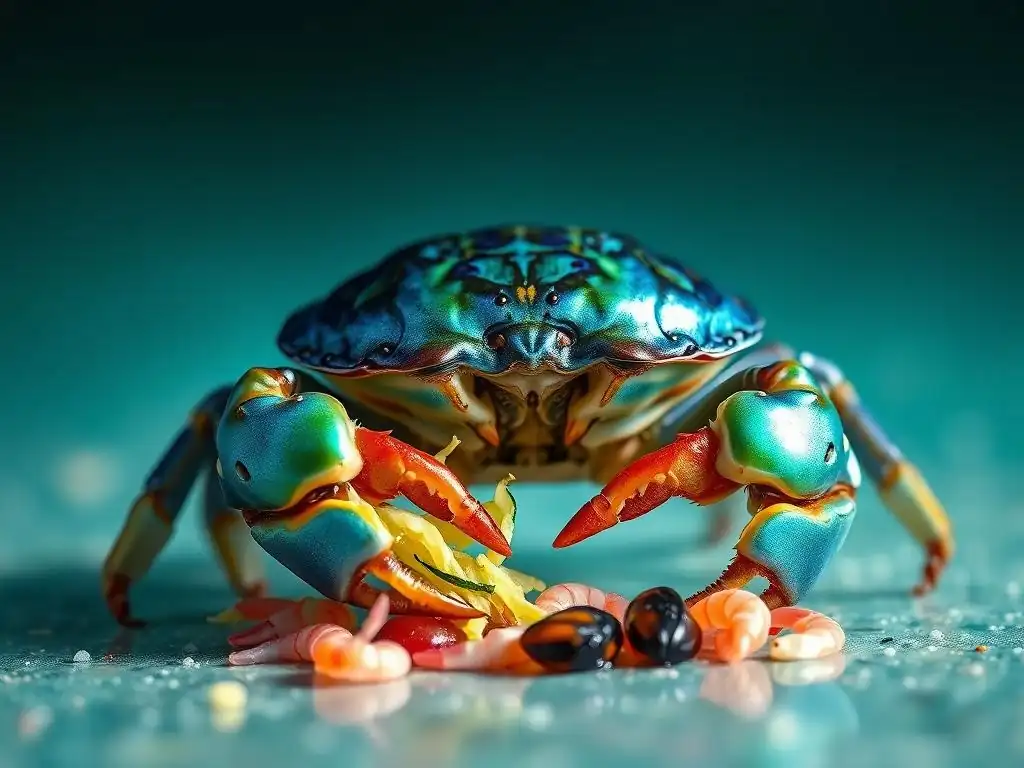
Establishing an appropriate feeding frequency is crucial for both the health of your freshwater crabs and the overall water quality of your aquarium. Most freshwater crabs benefit from being fed once a day, or every other day for mature, less active individuals. Juvenile crabs, due to their rapid growth and frequent molting, may require daily feeding to meet their higher metabolic demands.
The key is to balance providing sufficient nutrition with avoiding overfeeding. Overfeeding not only contributes to obesity in crabs but also leads to uneaten food decaying in the tank, rapidly deteriorating water quality by increasing ammonia and nitrite levels. Observe if all food is consumed within 1-2 hours; if not, reduce the portion size or frequency.
Portion Control: Age and Species Considerations
Portion control is paramount and should be tailored to the specific species and age of your freshwater crab. A general guideline is to offer an amount of food that the crab can consume within a short period, typically 1 to 2 hours. For a small Fiddler Crab ( Uca pugnax ), this might translate to just 1-2 small pellets or a tiny piece of blanched vegetable. In contrast, a larger, more robust Rainbow Crab ( Cardisoma armatum ) might require 3-4 pellets along with a small chunk of zucchini.
Younger crabs, being in a phase of active growth, generally require smaller, more frequent meals, whereas adult crabs can often thrive on less frequent, slightly larger portions. Understanding the specific dietary preferences and size of your crab species is key to providing adequate nourishment without waste.
Timing: Mimicking Natural Patterns
Many freshwater crab species are naturally nocturnal or crepuscular, meaning they are most active during the evening or twilight hours. Feeding your crabs during these times can encourage more natural foraging behaviors and reduce competition with any daytime-active fish or other tank inhabitants. Introducing food as the lights dim or shortly after they turn off can often result in more immediate and enthusiastic feeding responses.
Consistency in feeding time is also beneficial, as it helps establish a routine for your crabs. They may even learn to anticipate feeding times, emerging from their hiding spots as you approach the tank. Observing their natural rhythms and adjusting your feeding schedule accordingly contributes significantly to their comfort and willingness to eat.
Foods to Avoid: Protecting Crab Health
Toxic Foods: Processed Foods and Copper-Based Medications
Certain substances are highly toxic to freshwater crabs and must be strictly avoided. Processed human foods, such as bread, sugary snacks, dairy products, or anything high in fats or preservatives, are entirely unsuitable. These items can cause severe digestive upset, lead to nutritional deficiencies, and rapidly foul the aquarium water.
Crucially, copper is extremely toxic to all invertebrates, including freshwater crabs, even in minute concentrations. Many common fish medications, particularly those used for parasitic infections (e.g., Ich treatments), contain copper. Always check the active ingredients of any medication before adding it to a tank containing crabs. Even concentrations as low as 0.1 mg/L of copper can be lethal to these sensitive crustaceans, making vigilance essential for their safety.
High Phosphate Foods: Potential Health Risks
While not immediately toxic like copper, certain foods can pose long-term health risks due to their high phosphate content. Low-quality fish flakes or some inexpensive commercial pellets often contain high levels of phosphates, which, when introduced into the aquarium, contribute to excessive algae growth and can destabilize water parameters over time.
While high phosphate levels don't directly poison crabs, the resulting degradation in water quality – including increased algae blooms and potential pH fluctuations – can indirectly stress the crabs and make them more susceptible to disease. As part of a comprehensive freshwater crab diet guide, it is always advisable to opt for high-quality, low-phosphate foods to maintain a stable and healthy aquatic environment.
Observing Eating Habits: Identifying Issues
Signs of a Healthy Appetite
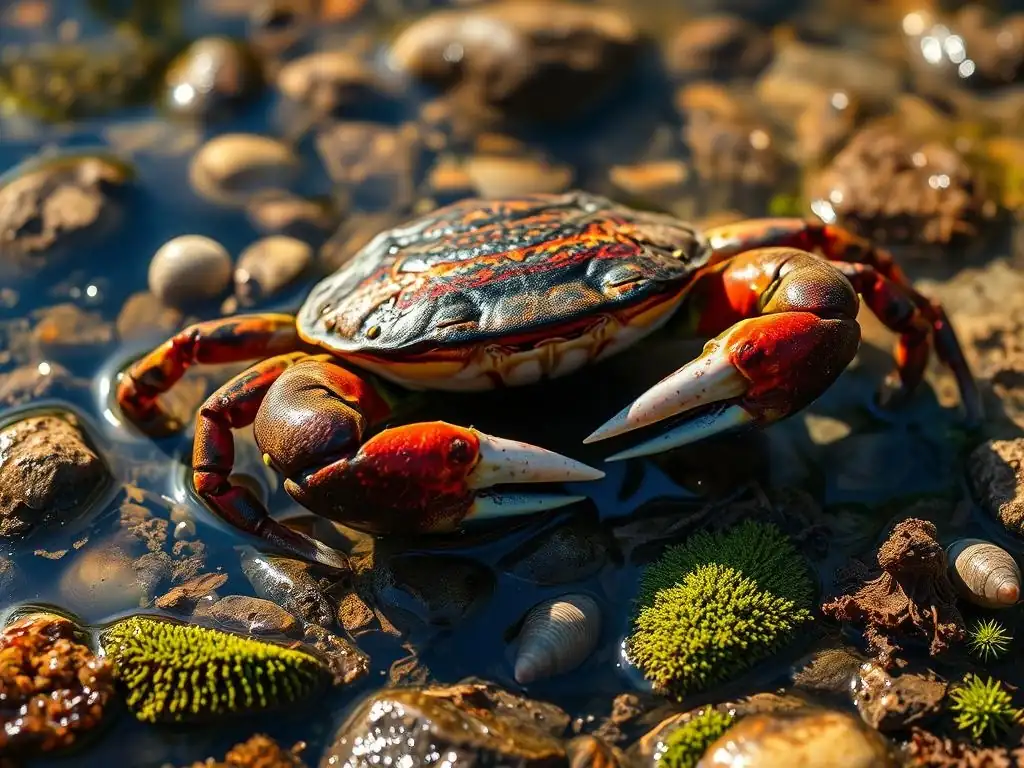
A healthy freshwater crab typically exhibits a robust appetite and active feeding behaviors. When food is introduced, a healthy crab will often emerge from its hiding spot within minutes, actively seeking out and consuming the offerings. Consistent feeding, where the crab regularly finishes its portions, is a strong indicator of good health and proper nutrition within the framework of your freshwater crab diet guide.
Beyond just consuming food, a healthy crab will also display good shell color, a clean appearance, and active movements throughout the tank. If your crab is consistently eating well, it suggests that the provided diet is palatable and meeting its nutritional needs, contributing to its overall vitality.
Troubleshooting: Addressing Lack of Appetite
If your freshwater crab suddenly stops eating or exhibits a significant lack of appetite, it's a clear sign that something is amiss and requires immediate investigation. The first step is always to check the water parameters: ammonia, nitrite, nitrate, pH, general hardness (GH), and carbonate hardness (KH). Poor water quality, especially elevated nitrogenous compounds, is a common stressor that suppresses appetite. Sudden temperature fluctuations can also be a culprit.
Other potential causes include a recent molting event (crabs often refrain from eating immediately before or after shedding), the onset of an illness, or stress from new tank mates or environmental changes. Try offering a highly favored food item, like a small piece of bloodworm, to entice them. If the issue persists after addressing water quality, further investigation into illness or environmental stressors is warranted.
Diet Adjustments: Species and Age
Understanding that different freshwater crab species have distinct dietary preferences and that these needs evolve with age is crucial for providing optimal care. For instance, species like the Vampire Crab ( Geosesarma spp.) are primarily omnivorous with a strong preference for small insects and detritus, while others, such as the Red Claw Crab ( Perisesarma bidens), are more opportunistic omnivores, readily consuming algae, plant matter, and meaty foods.
Furthermore, the dietary requirements of a crab change as it matures. Younger, rapidly growing juveniles typically require a higher proportion of protein to support their development and frequent molts. As crabs age, their growth slows, and while protein remains important, a more balanced intake of vegetables and calcium-rich foods becomes equally vital to maintain their health and support less frequent but still demanding molting processes. Adjusting your freshwater crab diet guide accordingly ensures lifelong health.
Maintaining a Clean Feeding Environment
Removing Uneaten Food: Preventing Water Quality Issues
The prompt removal of uneaten food is one of the most critical aspects of maintaining a healthy aquarium environment for freshwater crabs. Any food left to decay in the tank will rapidly decompose, releasing harmful ammonia and nitrites into the water column. These compounds are highly toxic to aquatic life, including crabs, and are a primary cause of stress, illness, and even death in captive environments.
Within 1 to 2 hours of feeding, use a small net or a dedicated aquarium siphon to meticulously remove any food that has not been consumed. This proactive approach significantly reduces the organic load in the tank, helps maintain stable water parameters, and is an indispensable practice outlined in any effective freshwater crab diet guide.
Substrate: Impact on Feeding and Cleanliness
The type of substrate in your aquarium can significantly impact how food is consumed and how easily the tank can be kept clean. A fine sand substrate, while allowing crabs to burrow naturally and mimic their wild habitats, can also trap uneaten food particles, making them harder to spot and remove. This can lead to anaerobic pockets and nutrient buildup if not regularly disturbed and cleaned.
Conversely, a coarser gravel substrate might make it easier to visually identify and siphon out uneaten food. Regardless of the substrate type, regular vacuuming is essential, particularly in feeding areas, to prevent the accumulation of decaying organic matter. A clean substrate directly contributes to better water quality and a healthier environment for your crabs.
Advanced Considerations: Breeding and Molting
Molting: Supporting a Successful Shed
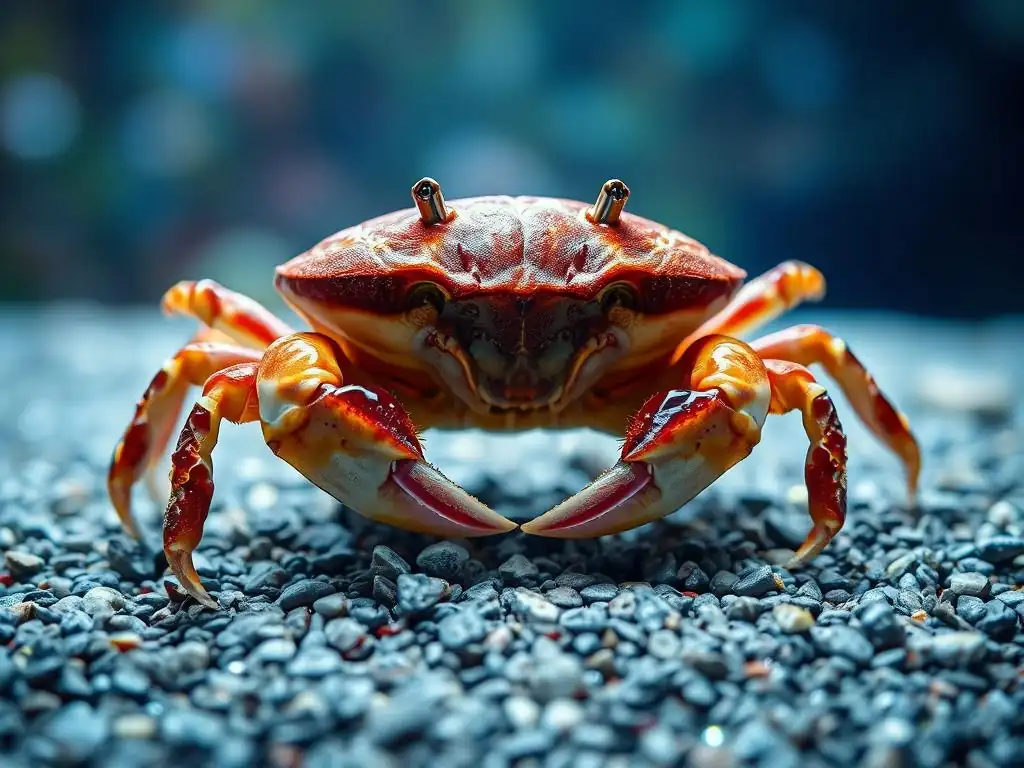
Molting, the process by which a crab sheds its old exoskeleton to grow, is one of the most metabolically demanding and vulnerable periods in a crab's life. A high-calcium, protein-rich freshwater crab diet is absolutely vital in the weeks leading up to and immediately following a molt. Adequate calcium ensures the new shell hardens quickly and effectively, minimizing the soft, defenseless period. Protein provides the building blocks for this new growth.
During and immediately after a molt, crabs are extremely fragile. Provide plenty of secure hiding spots, such as caves, dense plant cover, or PVC pipes, where they can retreat until their new shell hardens, which can take several days depending on the species and size. Crucially, do not remove the shed exoskeleton (exuvia) from the tank, as the crab will often consume it to reabsorb valuable calcium and other minerals.
Breeding: Promoting Egg Development
For aquarists interested in breeding freshwater crabs, a highly nutritious and varied diet becomes even more critical. Both male and female crabs require optimal nutrition to ensure successful mating and the viability of eggs. Female crabs, in particular, need a significant increase in high-quality protein and calcium during egg development, as these nutrients are directly incorporated into the eggs.
Increased feeding of protein-rich foods such as bloodworms, Mysis shrimp, and calcium supplements (like blanched spinach or a small piece of cuttlebone) can significantly improve breeding success rates and the overall health of the eggs and subsequent larvae or juveniles. A comprehensive freshwater crab diet guide is fundamental to supporting the demanding process of reproduction.
Ensuring a balanced menu for your freshwater crabs involves a thoughtful approach to their daily nutrition. The core components of an ideal freshwater crab diet include a varied range of high-quality protein sources, a diverse selection of blanched vegetables, and a consistent supply of calcium. Regularly rotating through different food types prevents nutritional deficiencies and keeps your crabs engaged and healthy.
Continuously observe your crabs' eating habits, activity levels, and shell condition. These indicators will tell you if the current diet is meeting their needs. Be prepared to adjust the freshwater crab diet guide based on their species, age, and individual preferences, ensuring they are not just surviving, but truly thriving in your care.
Frequently Asked Questions
What is the most important consideration when formulating a freshwater crab diet?
The most important consideration is ensuring a balanced diet that meets the nutritional needs of your specific crab species. This means providing a variety of foods, not just one type, to cover all essential nutrients.
Can I feed my freshwater crab only commercial crab food?
While commercial crab food is a good base, it shouldn't be the only food source. Supplement with fresh, frozen, or live foods to provide a more diverse and natural diet for optimal health.
What types of protein sources are suitable for freshwater crabs?
Suitable protein sources include bloodworms, brine shrimp, daphnia, and small pieces of fish or shrimp. These provide the essential amino acids crabs need for growth and shell development.
How often should I feed my freshwater crab?
Feeding frequency depends on the crab's size and species, but generally, feeding every other day or every three days is sufficient. Observe your crab's feeding habits to adjust accordingly.
What are some signs that my freshwater crab's diet is inadequate?
Signs of an inadequate diet can include lack of appetite, lethargy, poor shell growth, or discoloration. Addressing these issues promptly by improving the diet is crucial for the crab's well-being.
Okay, here's a final reflection crafted for your article "What Do Freshwater Crabs Eat? Crafting a Balanced and Varied Diet," designed to resonate with readers and encourage further exploration of the topic, while also incorporating the requested Markdown formatting:
Final Reflection: The Delicate Dance of Freshwater Crab Nutrition
The exploration of freshwater crab diets, as we've seen, is far more than just a list of acceptable foods; it's a window into the intricate ecosystems they inhabit. Understanding their nutritional needs is crucial for both their survival in the wild and their well-being in captivity. This knowledge empowers us to become better stewards of their environment and more responsible caretakers.
This journey into the dietary habits of freshwater crabs has highlighted the interconnectedness of life within these aquatic environments. It's a reminder that even seemingly small creatures play a vital role in the overall health of their ecosystems, and our actions, whether conscious or not, directly impact their survival. In nature, nothing exists alone.
- Rachel Carson. This quote perfectly encapsulates the delicate balance that governs the freshwater crab's existence and the importance of maintaining that balance.
Now, armed with this knowledge of freshwater crab diets, consider how you can apply this understanding. Whether you're an aquarist, a conservationist, or simply a curious nature enthusiast, take a moment to reflect on the impact you can have. Let's all strive to create environments, both natural and artificial, where these fascinating creatures can thrive, ensuring their continued presence in our world for generations to come.
Nurture Your Crab's World: Unlock A Thriving Habitat!
Thank you for diving into the dietary world of freshwater crabs! We hope this guide has shed light on how to keep your shelled friend healthy and happy. Now it's time to put that knowledge into action!
Here are a few ways to enrich your crab's life:
- Craft the Perfect Menu: Begin by incorporating at least three new food sources into your crab's diet this week, focusing on natural, calcium-rich options.
- Share Your Wisdom: Spread the joy! Share this article with fellow crab enthusiasts and spark conversations on crab care within online communities.
- Observe and Learn: Take time to observe your crab's feeding habits. Note any preferences or aversions, and adjust their diet accordingly. This observation will provide a unique insight.
What innovative snack will you introduce to your freshwater crab's diet first, and how do you plan to monitor their reaction?