
Mystery Snails (Pomacea bridgesii): Unraveling the Secrets of These Gentle Giants

Welcome to Aquarium Mastery!
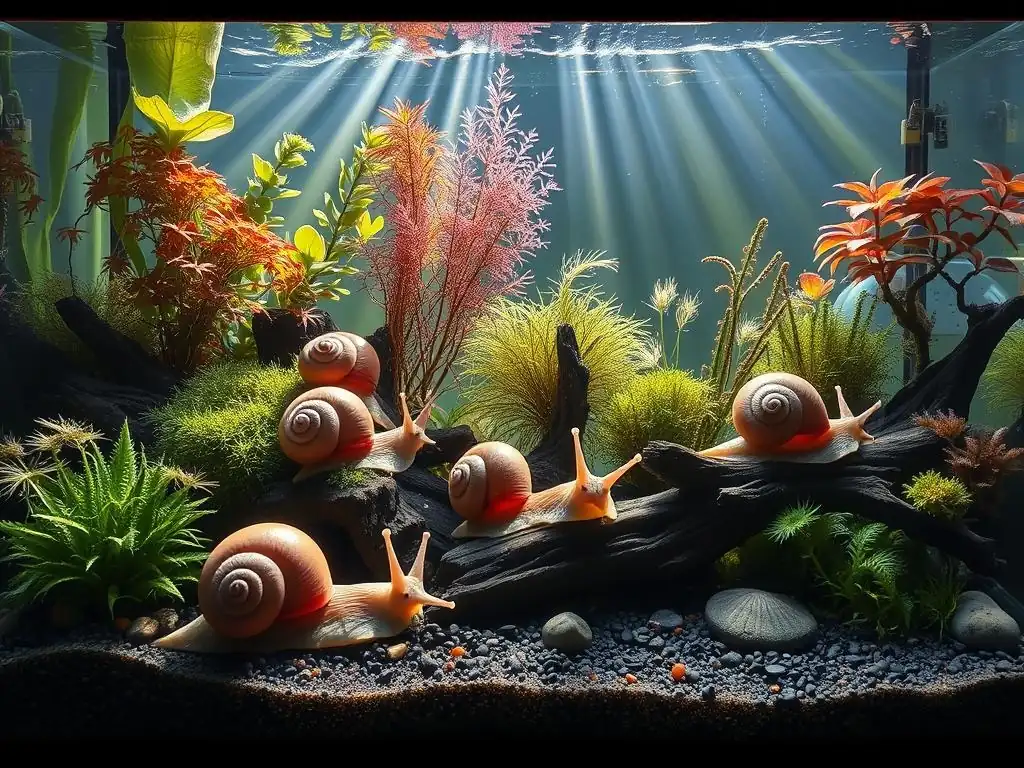
Curious about keeping those captivating Mystery Snails thriving in your aquarium? You've come to the right place! Dive into our guide, " Mystery Snails (Pomacea bridgesii): Unraveling the Secrets of These Gentle Giants," where we reveal essential tank maintenance tips and everything you need to know about these fascinating invertebrates. Ready to unlock the secrets to a happy and healthy snail haven? Let's get started!
- Mystery Snails (Pomacea bridgesii): A Comprehensive Guide
- Understanding Mystery Snails: An Introduction
- Setting Up the Ideal Tank Environment
- Tank Mates: Choosing Compatible Species
- Feeding: A Balanced Diet for Optimal Health
- Tank Maintenance Tips: Keeping Your Snails Healthy
- Breeding: A Step-by-Step Guide
- Common Problems and Solutions
- Mystery Snails vs. Other Aquarium Snails: A Comparison
- The Benefits of Keeping Mystery Snails
- Advanced Care: Tips for Experienced Aquarists
-
Frequently Asked Questions
- What are some key considerations when introducing Mystery Snails to a new aquarium?
- How often should I clean a tank with Mystery Snails?
- What are the ideal water parameters for Mystery Snails in a tank?
- What kind of food should I provide for my Mystery Snails to supplement their algae diet?
- What are some common health issues that affect Mystery Snails and how can I prevent them?
- Final Reflection: Appreciating the Delicate Balance
- Dive Deeper: Transform Your Tank Today!
Mystery Snails (Pomacea bridgesii): A Comprehensive Guide
Understanding Mystery Snails: An Introduction
What are Mystery Snails? A Beginner's Guide
Mystery snails, scientifically known as Pomacea bridgesii, are a highly popular and beneficial freshwater invertebrate in the aquarium hobby. Renowned for their peaceful demeanor and distinctive appearance, these gastropods can grow to a considerable size, typically reaching a diameter of 1.5 to 2 inches (approximately 3.8 to 5 cm) as adults. Their average lifespan ranges from 1 to 3 years, depending on water conditions, diet, and genetics.
These gentle giants play a crucial role as detritivores and scavengers within an aquarium ecosystem. Unlike some larger, more destructive species of apple snails, Pomacea bridgesii are generally considered plant-safe, making them an excellent choice for planted tanks. They diligently consume decaying plant matter, uneaten fish food, and biofilm, contributing significantly to tank cleanliness and reducing organic waste.
Origin and Natural Habitat
Mystery snails originate from the slow-moving waters of South America, primarily found in the Amazon River basin and its tributaries. Their natural range extends across countries such as Brazil, Peru, and Paraguay. In their native habitat, they thrive in diverse environments including ponds, swamps, and calm sections of rivers and streams, often found clinging to submerged vegetation or foraging on the substrate.
Their adaptation to these fluctuating environments has equipped them with unique features, such as a siphon – a tube-like appendage used to breathe air from the surface while remaining submerged. This evolutionary trait allows them to survive in oxygen-depleted waters, making them remarkably resilient and adaptable to various aquarium conditions, provided essential mystery snails tank maintenance tips are followed.
Appearance and Varieties: Colors and Shell Morphology
The shell of a Mystery snail is typically globular and features a distinct spiral pattern, often accompanied by a visible operculum – a hard, protective plate that seals the shell opening when the snail retracts. Adult snails usually achieve their full size within six months to a year, with their shell growth directly reflecting the quality of their diet and water parameters.
One of the most appealing aspects of Mystery snails is their wide array of vibrant color variations. Common varieties include ivory (creamy white), golden (yellow), blue (greyish-blue), purple, black, jade, and chestnut. The health and vibrancy of their shell colors are often indicators of optimal calcium intake and stable water conditions, highlighting the importance of consistent mystery snails tank maintenance tips for their well-being.
Setting Up the Ideal Tank Environment
Tank Size Requirements
For a single Mystery snail, a minimum tank size of 5 gallons (approximately 19 liters) is recommended. This provides sufficient space for foraging, waste dilution, and overall well-being. If you plan to keep multiple snails, it's advisable to allocate at least 2-3 gallons (7.5-11 liters) per additional snail.
While a 5-gallon tank can house one snail comfortably, larger tanks, such as 10-gallon (38 liters) or 20-gallon (76 liters) aquariums, are always preferable. Bigger tanks offer greater water volume, which inherently leads to more stable water parameters and makes routine mystery snails tank maintenance tips significantly easier to implement and manage, reducing the risk of parameter fluctuations that can stress these invertebrates.
Essential Water Parameters: Temperature, pH, and Hardness
Maintaining precise and stable water parameters is crucial for the health and longevity of Mystery snails. The ideal temperature range for Pomacea bridgesii is between 68-82°F (20-28°C), with warmer temperatures encouraging more activity and faster growth, but potentially shortening their lifespan. The pH level should be slightly alkaline, ranging from 7.0 to 8.0, to prevent shell erosion.
Water hardness, specifically General Hardness (GH), is also vital, with an ideal range of 8-18 dGH. Sufficient water hardness provides the necessary calcium for strong shell development. Low pH or soft water can lead to severe shell degradation, a common issue for aquarists. Regular testing and adjustments are integral mystery snails tank maintenance tips to ensure these parameters remain consistent, preventing stress and promoting robust shell health.
Substrate Recommendations
When selecting a substrate for a Mystery snail tank, fine-grained sand or smooth, small gravel (around 2-3mm in diameter) is highly recommended. These types of substrates are gentle on the snail's delicate foot as they move and burrow, preventing potential injuries. Coarse or sharp gravel should be avoided, as it can abrade their soft bodies.
A soft substrate also allows Mystery snails to easily forage for food particles that settle at the bottom of the tank. Furthermore, if you plan to breed them, a soft substrate is beneficial as female snails often lay their egg clutches just above the waterline, and the substrate choice below influences overall tank cleanliness and ease of mystery snails tank maintenance tips.
Filtration for a Thriving Tank
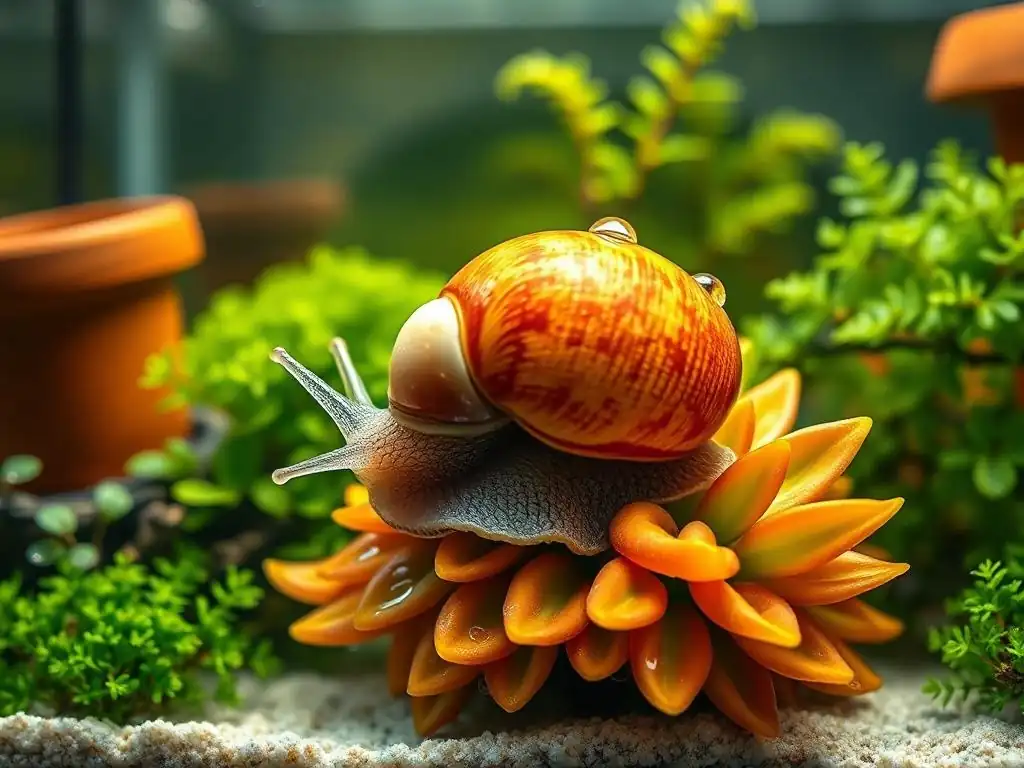
Effective filtration is essential for maintaining a healthy environment for Mystery snails, as they have a relatively high bioload for an invertebrate. Sponge filters are an excellent choice, providing gentle water movement and ample surface area for beneficial bacteria, while also preventing the snails from being drawn into the filter intake. Hang-on-back (HOB) filters can also be used, but it's crucial to equip them with a pre-filter sponge to protect the snails and their long antennae.
The filtration system should be capable of handling the waste produced by the snails and any tank mates, ensuring efficient biological filtration to convert harmful ammonia and nitrites into less toxic nitrates. A moderate water flow is ideal; strong currents can stress snails and make it difficult for them to move around. Proper filtration is a cornerstone of effective mystery snails tank maintenance tips.
Lighting Considerations
Mystery snails do not have specific lighting requirements beyond what is typically provided for the overall aquarium environment. Standard aquarium lighting, suitable for fish or plants (if present), will suffice for their needs. They are not photosensitive and will remain active regardless of the light intensity, though they tend to be more active during periods of darkness or dim light.
Excessive or prolonged lighting can, however, contribute to an overgrowth of algae within the tank. While Mystery snails do graze on some types of soft algae, a significant algae bloom can indicate nutrient imbalances and may necessitate additional manual cleaning or adjustments to lighting duration (typically 8-10 hours per day). Balancing light is part of comprehensive mystery snails tank maintenance tips to prevent water quality issues.
Tank Mates: Choosing Compatible Species
Ideal Tank Mates: Peaceful Fish and Invertebrates
Choosing appropriate tank mates is paramount for the well-being of Mystery snails. Ideal companions are peaceful, non-aggressive fish species that won't nip at the snails' delicate antennae or attempt to eat them. Excellent choices include small schooling fish such as Guppies, Mollies, Platies, Neon Tetras, and Rasboras. Bottom dwellers like Corydoras catfish and Otocinclus catfish also make good tank mates, as they share similar environmental needs and are non-threatening.
Other compatible invertebrates include various species of dwarf shrimp, such as Cherry Shrimp, Amano Shrimp, and Ghost Shrimp. These invertebrates are peaceful and will not bother the snails. Ensuring harmonious tank mates is a key component of successful mystery snails tank maintenance tips, as stress from aggressive tank mates can lead to withdrawal and poor health.
Fish to Avoid: Potential Predators and Aggressors
Certain fish species are entirely unsuitable as tank mates for Mystery snails due to their predatory or aggressive nature. Large cichlids, such as Oscars, Jack Dempseys, or Convict Cichlids, are notorious for preying on snails or attempting to consume them. Pufferfish, known for their snail-eating habits, should also be strictly avoided, as even a small puffer can quickly decimate a snail population.
Loaches, particularly Clown Loaches, Yoyo Loaches, and Kuhli Loaches, are also problematic, as many species are natural snail predators. Large, aggressive barbs can also nip at snail antennae, causing stress and injury. Avoiding these species is a critical aspect of providing a safe and thriving environment for your snails, underscoring important mystery snails tank maintenance tips for species compatibility.
Plants That Thrive with Mystery Snails
Mystery snails are renowned for being plant-safe, making them an excellent addition to planted aquariums. Unlike some other snail species, they typically do not consume healthy live plants. Instead, they will graze on decaying plant matter and algae that grow on plant leaves. Suitable plant choices include hardy species like Java Fern, Anubias (attached to driftwood or rocks), Amazon Swords, Cryptocoryne species, and various types of floating plants such as Dwarf Water Lettuce or Frogbit.
These plants not only provide aesthetic appeal and natural hiding spots for the snails but also contribute to overall water quality by absorbing nitrates. The presence of live plants can also encourage biofilm growth, which is a supplemental food source for snails. Integrating compatible plants is a beneficial aspect of comprehensive mystery snails tank maintenance tips.
Feeding: A Balanced Diet for Optimal Health
What Do Mystery Snails Eat? A Comprehensive Guide
Mystery snails are omnivorous detritivores, primarily feeding on decaying organic matter, leftover fish food, and biofilm within the aquarium. While they do consume some soft algae, they are not as efficient at algae control as species like Nerite snails. Therefore, supplementing their diet is crucial for their health and vibrant shell color. Their diet should include high-quality sinking pellets, algae wafers, and blanched vegetables such as zucchini, spinach, kale, or cucumber.
Variety is key to ensuring they receive all necessary nutrients. Offer small portions of blanched vegetables a few times a week, ensuring any uneaten portions are removed within a few hours to prevent water fouling. A varied diet directly contributes to the overall health and resilience of your snails, making it a central focus of effective mystery snails tank maintenance tips.
Supplementing Their Diet: Calcium and Other Essential Nutrients
Calcium is an absolutely vital nutrient for Mystery snails, as it is the primary building block for their shells. A deficiency in calcium can lead to thin, brittle, or pitted shells, making them susceptible to damage and disease. To ensure adequate calcium intake, you can supplement their diet with calcium-rich foods like cuttlebone (a small piece can be placed directly in the tank or in the filter), calcium blocks designed for aquariums, or even crushed eggshells.
Beyond calcium, a balanced diet provides other essential vitamins and minerals necessary for overall health, growth, and vibrant coloration. High-quality invertebrate-specific foods often contain a complete nutritional profile. Consistent access to calcium and a varied diet are critical mystery snails tank maintenance tips for preventing shell issues and promoting robust growth.
Avoiding Overfeeding: Tips for Maintaining Water Quality
Overfeeding is a common mistake that can rapidly degrade water quality in any aquarium, and a snail tank is no exception. While Mystery snails are excellent scavengers, providing more food than they can consume within a few hours leads to decaying organic matter, which in turn causes ammonia and nitrite spikes, and elevated nitrate levels. These parameters are highly toxic to snails and can quickly lead to stress, illness, or even death.
To avoid overfeeding, offer small amounts of food and observe how quickly it is consumed. If there's uneaten food after 2-3 hours, reduce the portion size for the next feeding. Promptly remove any uneaten food to prevent it from fouling the water. Responsible feeding practices are among the most important mystery snails tank maintenance tips for preserving pristine water conditions and ensuring the long-term health of your snails.
Tank Maintenance Tips: Keeping Your Snails Healthy
Regular Water Changes: Maintaining Pristine Conditions
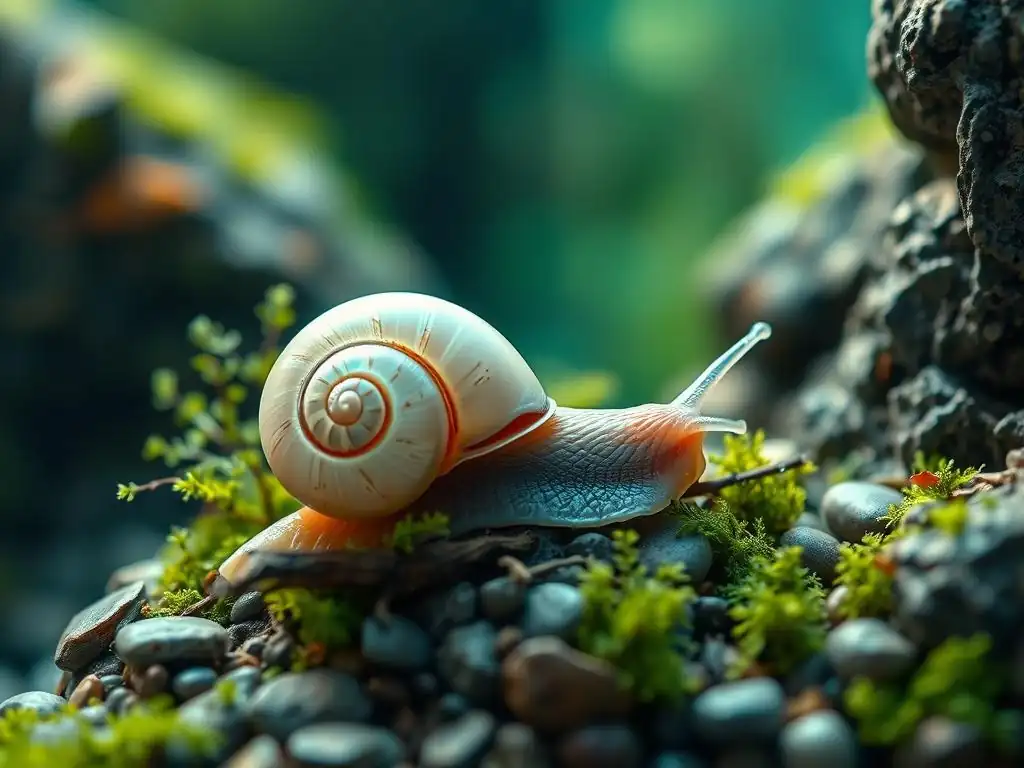
Regular water changes are the cornerstone of effective mystery snails tank maintenance tips. It is recommended to perform partial water changes of 25-30% of the tank's volume weekly. This routine helps to remove accumulated nitrates, phosphates, and other dissolved organic compounds that can build up over time, even with efficient filtration.
During water changes, use a gravel vacuum to gently siphon out detritus and uneaten food from the substrate. Always use dechlorinated water that is temperature-matched to the aquarium water to prevent shocking the snails. Consistent water changes replenish essential minerals and maintain stable water parameters, which are vital for preventing stress and promoting the overall health and longevity of your Mystery snails.
Algae Control and Removal: Preventing Overgrowth
While Mystery snails do consume some types of soft algae, they are not sufficient for controlling severe algae outbreaks. Manual algae control and prevention are essential for maintaining a clean and aesthetically pleasing tank. This includes regularly scraping algae from the glass, wiping down decorations, and cleaning plant leaves.
To prevent excessive algae growth, manage your tank's lighting duration (typically 8-10 hours maximum per day) and ensure that nutrient levels (nitrates and phosphates) are kept in check through consistent water changes and responsible feeding. A balanced approach to algae management, combining the snails' grazing with manual removal, is a key part of comprehensive mystery snails tank maintenance tips.
Monitoring Water Parameters: Ensuring Stability
Consistent monitoring of water parameters is crucial for the health of Mystery snails. Weekly testing for ammonia, nitrite, nitrate, pH, and water hardness (GH and KH) using a reliable liquid test kit is highly recommended. Ammonia and nitrite should always be at 0 ppm. Nitrates should be kept below 20 ppm, ideally closer to 10 ppm.
Maintaining stable parameters within the recommended ranges (pH 7.0-8.0, GH 8-18 dGH) prevents stress and shell deterioration. Sudden fluctuations can be fatal to snails. Keeping a log of your water test results can help identify trends and proactively address any potential issues before they become critical, making this a fundamental aspect of effective mystery snails tank maintenance tips.
Identifying and Treating Common Illnesses
Mystery snails are generally hardy, but they can be susceptible to certain issues, often stemming from poor water quality or nutrient deficiencies. Shell degradation, characterized by pitting, thinning, or white patches, is a common problem caused by low pH or insufficient calcium. Inactivity, lethargy, or prolonged retraction into their shells can indicate stress, poor water conditions, or illness.
Treatment for shell issues involves correcting water parameters (raising pH and GH) and supplementing calcium in their diet. For general lethargy, a thorough water change and re-evaluation of water parameters are usually the first steps. Prevention through diligent and consistent mystery snails tank maintenance tips, focusing on optimal water quality and a balanced diet, is the most effective way to keep your snails healthy and vibrant.
Breeding: A Step-by-Step Guide
Creating the Ideal Breeding Conditions
Mystery snails are relatively easy to breed in a home aquarium, provided the right conditions are met. To encourage breeding, maintain slightly warmer water temperatures, ideally between 78-82°F (25.5-28°C), and ensure a steady supply of high-quality food. A crucial requirement for breeding is a gap of at least 2-3 inches (5-7.5 cm) between the water line and the tank lid.
This elevated space is where female Mystery snails will lay their egg clutches, as they are laid above the water. A tight-fitting lid is still necessary to prevent escapes, but it must allow for this air gap. Stable, clean water parameters, achieved through consistent mystery snails tank maintenance tips, are also vital for successful reproduction and the viability of the eggs.
Identifying Male and Female Snails
Sexing Mystery snails can be challenging as there are no obvious external differences between males and females. The most reliable way to determine their sex is by observing their mating behavior. The male will typically climb onto the female's shell, positioning himself so that his reproductive organ can reach the female's opening. This process can sometimes last for several hours.
While some aquarists claim that males might have a slightly larger or more pointed foot, this is not a definitive indicator and can vary among individuals. For successful breeding, it is generally recommended to keep a group of at least 3-5 Mystery snails, which increases the likelihood of having both sexes and observing breeding activity.
Egg Laying and Incubation: Caring for Eggs
After successful mating, the female Mystery snail will typically lay a clutch of eggs above the waterline, often at night. These clutches are distinctive: they are firm, pinkish-white to reddish-orange in color, and resemble a small, tightly packed raspberry or honeycomb-like cluster, containing anywhere from 50 to 300 eggs.
For successful incubation, the eggs require high humidity but should not be submerged in water. The ideal humidity is around 80-100%, and temperatures between 70-80°F (21-27°C) are optimal. Incubation usually takes 2-4 weeks, depending on temperature and humidity levels. You can mist the clutch daily with dechlorinated water to maintain humidity, ensuring the eggs remain moist but not waterlogged.
Raising Baby Snails: Fry Care Tips
Once the eggs hatch, tiny replicas of the adult snails will emerge and drop into the water. These baby snails are incredibly small and delicate. Initially, they will feed on biofilm and micro-algae present in the tank. As they grow, they can be fed finely crushed snail pellets, algae wafers, or blanched vegetables cut into very small pieces.
Ensuring adequate calcium in the water and through their diet is paramount for the rapid development of their shells. Maintain pristine water conditions with regular small water changes, as baby snails are particularly sensitive to poor water quality. Providing ample food and clean water, consistent with advanced mystery snails tank maintenance tips, will promote fast growth and high survival rates for the fry.
Common Problems and Solutions
Shell Degradation: Causes and Prevention
Shell degradation is one of the most common problems encountered when keeping Mystery snails. It is primarily caused by low pH (acidic water), insufficient calcium in the water, or a diet lacking in calcium. Symptoms include pitting, thinning, white or chalky patches, and a general brittle appearance of the shell. Severe degradation can expose the snail's soft body, leading to infections or death.
To prevent and treat shell degradation, ensure your tank's pH is consistently within the ideal range of 7.0-8.0. Increase water hardness (GH) to provide essential minerals. Supplement the snails' diet with calcium-rich foods like cuttlebone, calcium blocks, or blanched leafy greens. Regular testing and adjustment of water parameters are critical mystery snails tank maintenance tips for maintaining strong, healthy shells.
Inactivity and Lethargy: Identifying Potential Issues
While Mystery snails can be quite inactive at times, spending hours withdrawn into their shells or motionless, prolonged periods of lethargy or complete inactivity often signal an underlying issue. If a snail remains retracted for days, refuses to eat, or floats at the surface without being able to right itself, it may be stressed, ill, or experiencing poor water quality.
The first step in addressing inactivity is to immediately test your water parameters (ammonia, nitrite, nitrate, pH, temperature). Perform a partial water change if any parameters are off. Ensure the temperature is within the ideal range and that there is sufficient food available. Sometimes, snails simply need time to adjust to new environments, but persistent lethargy warrants prompt investigation and corrective action, emphasizing proactive mystery snails tank maintenance tips.
Snail Escapes: Preventing and Addressing Outbreaks
Mystery snails are surprisingly adept climbers and can escape from an aquarium if there are any gaps or openings, especially if the water level is high. They are particularly prone to escaping when seeking a dry spot to lay eggs or if water quality is poor. An escaped snail can quickly dehydrate and die if not returned to the water promptly.
To prevent escapes, ensure your aquarium has a tight-fitting lid with no significant gaps. If you are breeding snails and need an air gap for egg-laying, ensure the lid still covers the majority of the tank opening. If a snail does escape, gently pick it up and return it to the tank. They can survive out of water for a few hours if kept moist, but prolonged exposure is fatal. A secure lid is a simple but vital mystery snails tank maintenance tip.
Mystery Snails vs. Other Aquarium Snails: A Comparison
Mystery Snails vs. Apple Snails: Key Differences
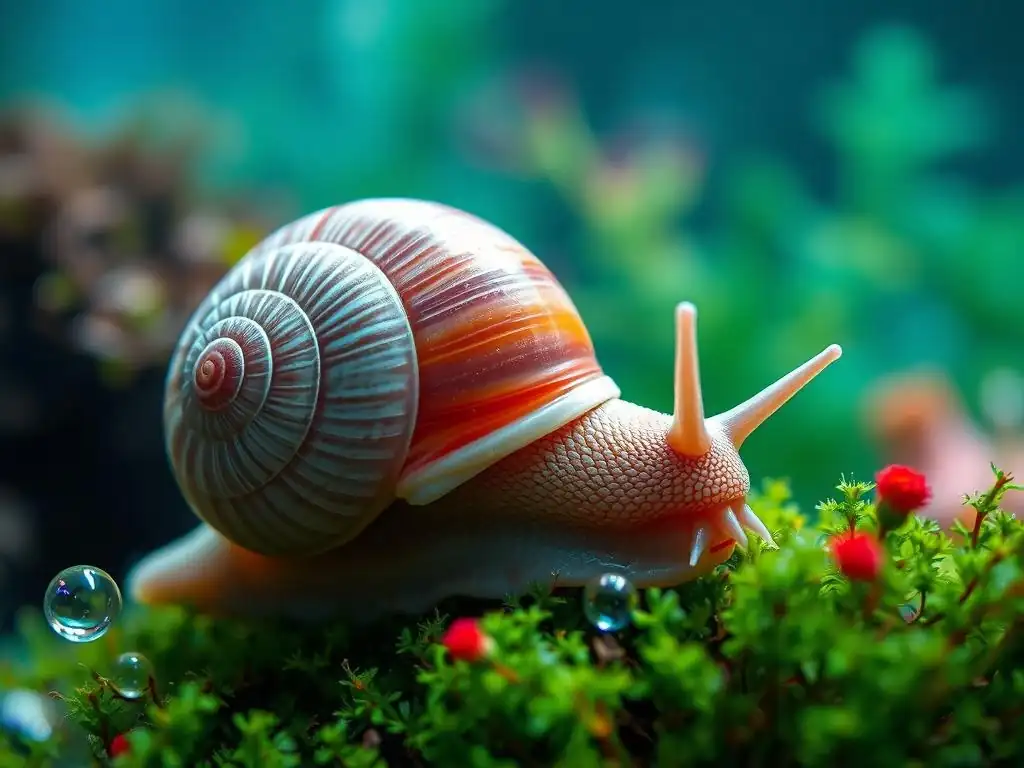
Mystery snails ( Pomacea bridgesii) are often confused with "true" Apple Snails, which primarily refer to species like Pomacea canaliculata. The key difference lies in their size and impact on plants. Mystery snails typically grow up to 2 inches (5 cm) in diameter and are generally considered plant-safe, consuming only decaying plant matter.
In contrast, true Apple Snails can grow significantly larger, often reaching 4-6 inches (10-15 cm) in diameter, and are notorious for voraciously consuming healthy live aquarium plants. Due to their invasive nature and potential to devastate aquatic ecosystems, the sale and transport of true Apple Snails are restricted or banned in many regions, including parts of the United States and the European Union. This distinction is crucial for responsible aquarists.
Mystery Snails vs. Nerite Snails: Pros and Cons
Both Mystery snails and Nerite snails are popular choices for freshwater aquariums, but they serve different purposes. Nerite snails ( Neritina spp.) are widely regarded as superior algae eaters, particularly effective against tough green spot algae and diatoms. However, they do not reproduce in freshwater, instead laying hard, white eggs that will not hatch without brackish or saltwater conditions.
Mystery snails, while still consuming some algae, are more general scavengers, focusing on detritus and uneaten food. They are also prolific breeders in freshwater, laying large clutches of eggs above the waterline. If your primary goal is robust algae control without breeding, Nerite snails are often preferred. If you desire a larger, more active snail that contributes to general tank cleanup and offers breeding potential, Mystery snails excel.
Assassin Snails and Mystery Snails: Compatibility
Assassin snails ( Clea helena) are a popular choice for aquarists looking to control populations of pest snails, such as Malaysian Trumpet Snails or Pond Snails. However, their predatory nature means they are generally not compatible with other desired snail species, including Mystery snails. Assassin snails will actively hunt and consume other snails, especially smaller or weaker individuals.
While a large Mystery snail might be able to defend itself by retracting into its shell, smaller or juvenile Mystery snails are highly vulnerable to Assassin snail predation. If you intend to keep Mystery snails for their aesthetic appeal, scavenging benefits, or breeding potential, it is best to avoid housing them with Assassin snails. This compatibility consideration is an important aspect of advanced mystery snails tank maintenance tips.
The Benefits of Keeping Mystery Snails
Algae Control: A Natural Solution
Mystery snails contribute significantly to the aesthetic and biological balance of an aquarium by acting as natural algae controllers. They diligently graze on soft green algae, diatoms, and biofilm that accumulate on tank glass, decorations, and plant leaves. While they may not eradicate severe algae blooms as effectively as some other snail species, their continuous feeding activity helps to keep surfaces cleaner on a day-to-day basis.
This natural method of algae control reduces the reliance on chemical treatments or constant manual scrubbing. By regularly consuming minor algae growth, Mystery snails help maintain a clearer and more visually appealing tank environment, making them a valuable component of a balanced aquarium ecosystem and an effective part of mystery snails tank maintenance tips.
Scavenging and Waste Removal: Keeping Your Tank Clean
One of the most significant benefits of keeping Mystery snails is their exceptional ability as scavengers and detritivores. They tirelessly crawl across the substrate, sifting through gravel or sand to consume leftover fish food, decaying plant matter, and other organic detritus that settles at the bottom of the tank. This behavior is crucial for maintaining water quality.
By removing uneaten food and decomposing organic waste, Mystery snails help prevent the build-up of harmful ammonia and nitrite, and reduce the overall bioload on the aquarium's filtration system. Their diligent scavenging contributes directly to a healthier, cleaner tank environment, reducing the frequency of deep substrate cleaning and supporting overall water stability as part of effective mystery snails tank maintenance tips.
Adding Visual Interest and Activity
Beyond their practical benefits, Mystery snails are fascinating and aesthetically pleasing additions to any freshwater aquarium. Their relatively large size, varied and often vibrant shell colors (ranging from golden to blue to purple), and graceful movements add a unique visual interest to the tank. Watching them extend their long antennae and siphon, or glide across surfaces, can be quite engaging.
They provide a dynamic element to the aquatic landscape, offering continuous activity without being disruptive to other tank inhabitants. Their presence can transform a static tank into a more lively and interesting ecosystem, making them more than just utility creatures but also captivating pets for aquarists of all experience levels.
Advanced Care: Tips for Experienced Aquarists
Creating a Biofilm-Rich Environment
For experienced aquarists looking to optimize their Mystery snail habitat, focusing on creating a biofilm-rich environment can significantly enhance their well-being and natural foraging behaviors. Biofilm is a complex matrix of microorganisms that forms on surfaces in an aquatic environment and is a primary natural food source for many invertebrates, including juvenile and adult Mystery snails.
To encourage biofilm growth, incorporate natural elements such as driftwood, smooth river rocks, and a variety of live plants into your tank setup. Ensure good water circulation to distribute nutrients for biofilm development. This approach reduces reliance on artificial feeding and promotes a more natural, self-sustaining food chain within the aquarium, contributing to more robust and healthy snails.
Optimizing Water Chemistry for Shell Growth
While basic water parameters are essential, experienced aquarists can further optimize water chemistry to promote superior shell growth and overall snail health. For robust shells, aim for the higher end of the recommended General Hardness (GH) range, ideally between 12-18 dGH, and maintain a Carbonate Hardness (KH) of 8-12 dKH. These parameters provide ample calcium and buffering capacity.
If your tap water is naturally soft, consider using specific mineral supplements designed for invertebrate tanks, such as Seachem Equilibrium or crushed coral in a media bag in your filter. Regularly test for calcium levels (aiming for 20-50 ppm) to ensure consistent availability. Precise control over these parameters is an advanced mystery snails tank maintenance tip for truly thriving snails.
Genetic Diversity and Selective Breeding
For aquarists interested in long-term breeding or developing specific color morphs, managing genetic diversity is a crucial advanced care tip. Continuously breeding from a small, closed population can lead to inbreeding depression, resulting in smaller snails, weaker shells, reduced fertility, and increased susceptibility to disease over generations.
To maintain genetic vigor, introduce new genetic lines periodically by acquiring snails from different sources. For selective breeding, keep detailed records of lineage and traits. This allows you to selectively breed for desirable characteristics like specific shell colors (e.g., deep purple, jade, blue) or patterns, while simultaneously preventing the negative effects of inbreeding and ensuring a robust, healthy population of Mystery snails.
Frequently Asked Questions
What are some key considerations when introducing Mystery Snails to a new aquarium?
Introducing Mystery Snails requires ensuring water parameters are stable and the tank is fully cycled. Acclimate them slowly to avoid shock. They also need sufficient algae or supplemental food.
How often should I clean a tank with Mystery Snails?
While Mystery Snails help control algae, regular cleaning is still necessary. Perform partial water changes weekly (about 25%) and vacuum the substrate to remove waste.
What are the ideal water parameters for Mystery Snails in a tank?
Mystery Snails thrive in slightly alkaline water. Aim for a pH between 7.0 and 7.5, and maintain stable carbonate hardness (KH) and general hardness (GH) to support shell health.
What kind of food should I provide for my Mystery Snails to supplement their algae diet?
Supplement their diet with algae wafers, blanched vegetables (like zucchini or spinach), and calcium-rich foods to prevent shell degradation. Avoid overfeeding to maintain water quality.
What are some common health issues that affect Mystery Snails and how can I prevent them?
Common issues include shell degradation due to acidic water or lack of calcium. Maintain proper water parameters and provide calcium supplements. Also, watch out for injuries from aggressive tank mates.
Final Reflection: Appreciating the Delicate Balance
The journey into understanding Mystery Snails, from their unique biology to the nuances of their care, underscores a vital truth: even the smallest ecosystems demand our respect and mindful attention. What began as a search for "Mystery snails tank maintenance tips" has revealed a world of intricate relationships and the profound responsibility we undertake when bringing these gentle giants into our homes.
This exploration has not only provided practical guidance but has also deepened our appreciation for the delicate balance within an aquarium. The act of creating a thriving environment for these creatures mirrors our broader responsibility to protect and nurture the natural world around us. We are all connected; To each other, biologically. To the earth, chemically. To the rest of the universe atomically.
- Neil deGrasse Tyson. This quote reminds us that even the seemingly small act of caring for a Mystery Snail tank connects us to a larger web of life.
Now, armed with knowledge and a renewed sense of responsibility, I invite you to reflect on your own connection to the natural world. Consider how you can apply the principles of mindful observation and proactive care, learned through the lens of Mystery Snail tank maintenance, to other aspects of your life. Let us all strive to be better stewards, creating environments, both big and small, where life can flourish.
Dive Deeper: Transform Your Tank Today!
Thank you for exploring the fascinating world of Mystery Snails with us! We hope this article has illuminated the unique charm and benefits these gentle giants can bring to your aquarium. Now, let's turn that knowledge into action:
- Introduce a Mystery Snail to your aquarium and observe its unique behavior firsthand! Witness its algae-eating prowess and peaceful coexistence with other inhabitants.
- Share your newfound knowledge! Start a thread in an online aquarium forum discussing your Mystery Snail experiences or interesting behaviours.
- Research compatible tank mates for your Mystery Snail and plan your next addition! Consider the specific needs of each species to ensure a harmonious environment.
What's the most surprising thing you learned about Mystery Snails that you're excited to apply to your aquarium setup?