
True Freshwater vs. Brackish Crabs: Don't Make This Common Aquarist Mistake!

Welcome to Aquarium Mastery!
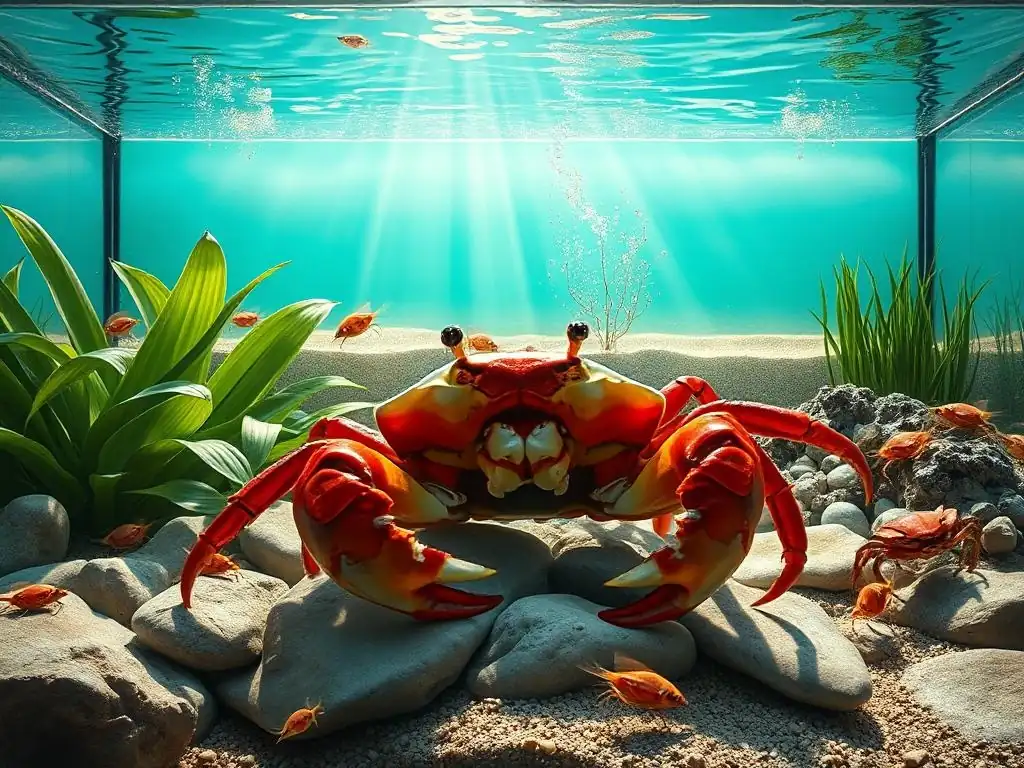
Curious about adding crabs to your aquarium? Many aquarists stumble when choosing between freshwater and brackish species. Dive into our latest article, "True Freshwater vs. Brackish Crabs: Don't Make This Common Aquarist Mistake!", where we unravel the vital differences and help you select the perfect crustacean companion for your setup. Discover the secrets to a thriving invertebrate aquarium and avoid costly errors. Ready to learn more?
- Understanding the Critical Difference: Freshwater and Brackish Water Crabs for Aquariums
- Defining True Freshwater Crabs for the Home Aquarium
- Exploring Brackish Water Crabs: A Different Aquatic Environment
- Identifying the Right Crab for Your Aquarium: A Practical Guide
- Setting Up the Ideal Aquarium Environment for Your Chosen Crab Species
- Feeding Your Freshwater or Brackish Crab: Ensuring a Balanced Diet
- Common Mistakes to Avoid When Keeping Freshwater and Brackish Crabs
- Troubleshooting Common Crab Health Issues in Freshwater and Brackish Aquariums
- The Joys of Keeping Freshwater and Brackish Crabs: A Rewarding Aquarium Experience
-
Frequently Asked Questions
- What is the main difference between true freshwater and brackish water crabs?
- Why is it important to correctly identify if a crab is freshwater or brackish?
- How can I tell if a crab needs freshwater or brackish water conditions?
- What happens if I put a brackish crab in a freshwater aquarium?
- Where can I find reliable information about specific crab species and their care requirements?
- Final Reflection: Navigating the Salinity Spectrum
- Unleash Your Crab-Keeping Potential!
Understanding the Critical Difference: Freshwater and Brackish Water Crabs for Aquariums
Why Proper Identification of Crab Species is Essential for Aquarium Success
Proper identification of crab species is paramount for ensuring the health and longevity of these fascinating invertebrates in a home aquarium. Many aquarists, particularly those new to keeping crabs, often overlook the fundamental distinction between true freshwater crabs and brackish water crabs, leading to critical errors in tank setup and water parameters. This oversight can result in severe stress, illness, and ultimately, the premature demise of the crab, negating the enjoyment and educational value these creatures bring to an aquatic environment. A precise understanding of a crab's natural habitat requirements is the first step towards successful aquarism.
Beyond mere survival, accurate species identification allows aquarists to provide an environment that truly mimics the crab's natural ecological niche. This includes not just water salinity, but also appropriate substrate, compatible tank mates, and suitable hiding spots. For instance, a crab accustomed to the tidal flats of a mangrove swamp will have vastly different needs from one that inhabits a pristine mountain stream. Failing to identify whether you have a true freshwater crab or a brackish water crab means you cannot meet their specific biological demands, which are often non-negotiable for their well-being.
The Consequences of Misidentifying Freshwater and Brackish Crabs: Shell Degradation and Osmotic Shock
Misidentifying whether a crab is a true freshwater or brackish species carries severe physiological consequences, primarily manifesting as shell degradation and osmotic shock. When a brackish water crab is placed in a freshwater environment, or vice versa, its osmoregulation system—the biological process by which an organism maintains its internal water and salt balance—is thrown into disarray.
Brackish water crabs, for example, are adapted to environments with fluctuating salinity, typically ranging from 1.005 to 1.015 specific gravity. Placing them in pure freshwater (specific gravity near 1.000) causes an influx of water into their cells, leading to cellular swelling and immense internal pressure.
Conversely, a true freshwater crab placed in brackish water will rapidly lose water from its body to the saltier external environment, resulting in dehydration and cellular shrinkage. Both scenarios culminate in osmotic shock, which severely impairs organ function and can be fatal within days or even hours. Furthermore, improper salinity levels significantly weaken the crab's exoskeleton, leading to shell degradation.
This manifests as pitting, softening, or unusual discoloration of the shell, making the crab vulnerable to infections and hindering the crucial molting process. A compromised shell means the crab cannot properly shed its old exoskeleton and grow, which is a vital part of its life cycle, often leading to a painful and unsuccessful molt.
Defining True Freshwater Crabs for the Home Aquarium
Characteristics of True Freshwater Crab Species Suitable for Aquariums
True freshwater crab species are defined by their physiological adaptation to live exclusively in environments with minimal to no salinity, typically rivers, streams, lakes, and ponds. Unlike their marine or brackish counterparts, these crabs possess highly efficient osmoregulation systems that allow them to maintain a stable internal salt balance even when surrounded by very dilute water.
They are often found in fast-flowing, oxygen-rich waters or in calm, vegetated areas, depending on the specific species. Their gills are specialized to absorb necessary ions from dilute water and excrete excess water, a stark contrast to brackish species that must actively excrete excess salt.
Beyond their physiological adaptations, true freshwater crabs often exhibit specific behavioral and morphological characteristics. Many are entirely aquatic or semi-aquatic, requiring access to both water and land, but their primary habitat remains freshwater. Their coloration can vary widely, from the muted browns and greens of natural camouflagers to the vibrant hues of species like the Panther Crab.
In terms of size, true freshwater crabs range from the minuscule Thai Micro Crab, measuring under 0.5 inches, to larger species that can reach several inches across. Their diet typically consists of detritus, algae, small invertebrates, and plant matter, making them effective scavengers in an appropriate aquarium setup.
Ideal Water Parameters for Freshwater Crabs: Temperature, pH, and Hardness
Maintaining precise water parameters is crucial for the health of true freshwater crabs. The ideal temperature range for most species falls between 72°F and 78°F (22°C-26°C), although some species from cooler climates might prefer slightly lower temperatures, around 68°F (20°C). Sudden temperature fluctuations can stress crabs and compromise their immune systems, making a stable environment paramount. A reliable aquarium heater with a thermostat is often necessary to maintain this consistency, especially in homes with varying ambient temperatures.
Regarding pH, true freshwater crabs generally thrive in slightly acidic to neutral water, with an ideal range typically between 6.5 and 7.5. Extremes outside this range can interfere with their ability to absorb essential minerals and can cause shell erosion. Water hardness, measured as GH (General Hardness) and KH (Carbonate Hardness), is also important.
Most freshwater crabs prefer soft to moderately hard water, with GH levels between 5-15 dGH and KH levels between 3-10 dKH. Adequate calcium and magnesium are essential for healthy shell development and successful molting, so maintaining appropriate hardness levels is critical. Regular water testing with reliable kits is indispensable to monitor and adjust these parameters as needed, ensuring a stable and healthy environment for these fascinating invertebrates.
Popular Freshwater Crab Species for Aquariums: Profiles and Care Tips
The Thai Micro Crab (Limnopilos naiyanetri): A Tiny Freshwater Delight
The Thai Micro Crab, Limnopilos naiyanetri, is one of the smallest and most genuinely aquatic freshwater crab species available to aquarists, rarely exceeding 0.5 inches (1.3 cm) in leg span. Originating from Thailand, these crabs are fully aquatic and spend their entire lives submerged, making them an excellent choice for planted nano tanks. They are incredibly peaceful and shy, often observed filter-feeding microscopic particles from the water column or scavenging for detritus among plant leaves. Their delicate nature means they should only be kept with similarly peaceful, small tank mates, such as micro rasboras or small shrimp.
Care for Thai Micro Crabs involves maintaining stable water parameters: temperatures between 72-78°F (22-26°C), a pH of 6.5-7.5, and soft to moderately hard water. A heavily planted aquarium with plenty of mosses and fine-leaved plants provides ample hiding spots and surfaces for them to graze on. They are highly sensitive to nitrates and ammonia, so excellent water quality with regular, small water changes is crucial.
Their diet primarily consists of biofilm, detritus, and microscopic organisms, supplemented with finely crushed flake food or specialized invertebrate pellets. Due to their minute size, they are not typically fed targeted meals but rather thrive on the natural ecosystem of a well-established planted tank.
The Panther Crab (Parathelphusa pantherina): Striking Colors, Freshwater Needs
The Panther Crab, Parathelphusa pantherina, is a captivating true freshwater crab known for its striking spotted pattern resembling a leopard or panther, hence its common name. Native to Lake Matano in Sulawesi, Indonesia, these crabs can grow quite large, with a carapace reaching up to 3 inches (7.5 cm) in diameter, and a leg span of 6-8 inches (15-20 cm).
Unlike many other "freshwater" crabs, the Panther Crab is genuinely aquatic, spending most of its time submerged, though it appreciates access to decor or plants that break the surface. They are relatively active and curious, making them an engaging addition to a species-specific or carefully chosen community tank.
Maintaining Panther Crabs requires specific conditions to mimic their natural lake habitat. They prefer stable water temperatures between 76-82°F (24-28°C), a neutral to slightly alkaline pH of 7.0-8.0, and moderately hard to hard water (GH 10-20 dGH). Given their size, a minimum tank size of 20 gallons for a single crab is recommended, with larger tanks for groups.
They are omnivorous, readily accepting a varied diet of sinking pellets, bloodworms, brine shrimp, and blanched vegetables. While generally peaceful towards fish too large to be considered prey, they can be territorial with other crabs, especially during molting. Providing ample hiding spots and a varied substrate is essential for their well-being.
The Vampire Crab (Geosesarma dennerle): Vibrant Colors and Semi-Aquatic Lifestyle
The Vampire Crab, Geosesarma dennerle, is a vividly colored, semi-aquatic true freshwater crab species that has exploded in popularity among aquarists. Originating from Sulawesi, Indonesia, these tiny crabs are renowned for their striking purple or red bodies, cream or yellow backs, and bright yellow eyes. They are relatively small, with a carapace typically measuring less than 1 inch (2.5 cm) across. Crucially, Vampire Crabs are not fully aquatic; they spend a significant portion of their time on land, requiring a paludarium or terrarium setup with both a water section and a substantial land area.
Their care involves maintaining a warm, humid environment with temperatures between 72-82°F (22-28°C) and high humidity levels (75-90%). The water section should be shallow, about 2-4 inches deep, with a pH of 7.0-8.0 and moderately hard water. A mix of substrate, leaf litter, mosses, and driftwood on the land portion provides essential hiding spots and climbing opportunities.
Vampire Crabs are omnivorous scavengers, feeding on small insects, detritus, and plant matter. Their diet in captivity should include high-quality crab pellets, blanched vegetables, and occasional live or frozen foods like small crickets or bloodworms. They are social and can be kept in small groups, but adequate space and hiding spots are necessary to prevent territorial disputes, especially among males.
Exploring Brackish Water Crabs: A Different Aquatic Environment
What Defines Brackish Water? Salinity Levels and Aquarium Management
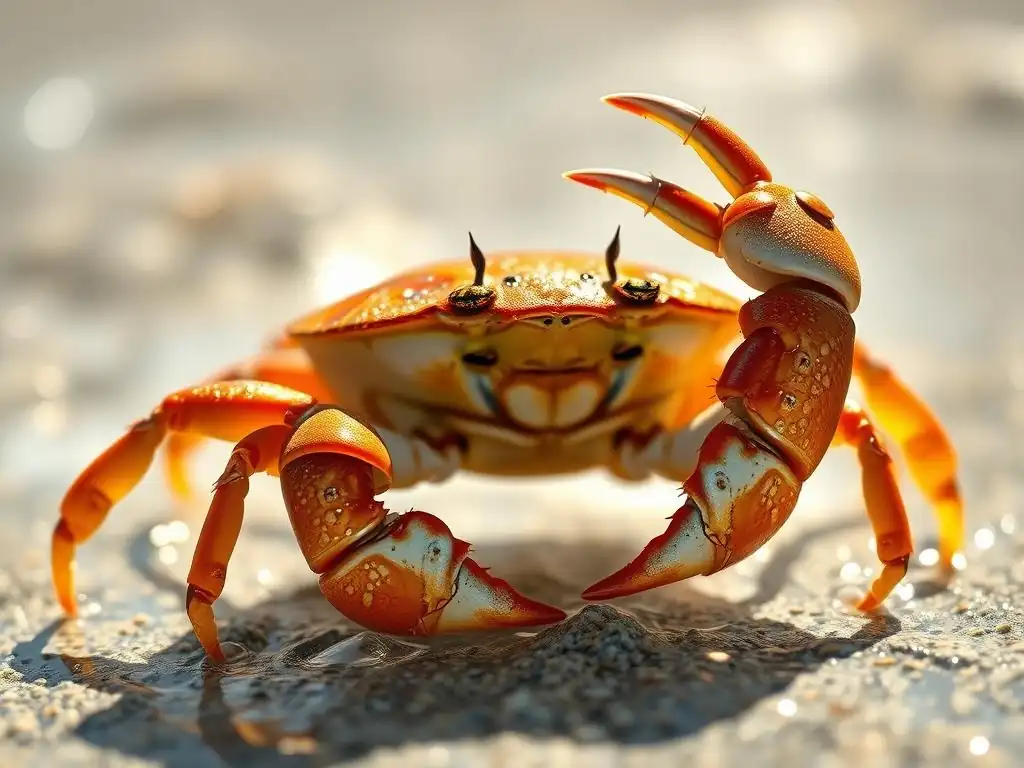
Brackish water is an aquatic environment where fresh water mixes with salt water, resulting in a salinity level higher than freshwater but lower than marine water. This unique blend is typically found in estuaries, mangrove swamps, and river deltas, where rivers meet the sea. For aquarists, brackish water is generally defined by a specific gravity ranging from 1.005 to 1.015, which translates to approximately 5 to 15 parts per thousand (ppt) of dissolved salts. This contrasts sharply with true freshwater, which has a specific gravity near 1.000, and full marine water, which typically ranges from 1.020 to 1.025.
Managing a brackish aquarium requires precise control over salinity, which is typically achieved by adding marine salt mix (not table salt) to dechlorinated freshwater. A hydrometer or refractometer is an essential tool for accurately measuring specific gravity and ensuring consistent conditions. Regular top-offs with pure freshwater are necessary to compensate for evaporation, as salt does not evaporate with the water, leading to increasing salinity if not diluted.
Frequent water changes with pre-mixed brackish water are also crucial for maintaining water quality and replenishing essential minerals. Understanding and replicating these specific salinity levels is fundamental to the successful keeping of brackish water crabs, as their physiology is uniquely adapted to this transitional environment.
Key Differences Between Freshwater and Brackish Water Crab Physiology
The fundamental physiological differences between true freshwater and brackish water crabs lie in their osmoregulation mechanisms. True freshwater crabs are hyperosmotic regulators, meaning their internal body fluids are saltier than the surrounding freshwater. They constantly face the challenge of water entering their bodies and salts diffusing out. To counteract this, their kidneys produce large volumes of dilute urine to expel excess water, and their gills actively absorb essential ions from the very dilute external environment. This energy-intensive process is highly specialized for low-salinity conditions.
In contrast, brackish water crabs are adapted to fluctuating salinity, often exhibiting a mix of osmoregulatory strategies. When in lower salinity brackish water, they may behave more like freshwater crabs, actively absorbing ions. However, as salinity increases, they shift towards being hypoosmotic regulators, similar to marine crabs.
In higher salinity brackish water, their internal fluids are less salty than the external environment, and they must actively excrete excess salt through specialized gills and produce concentrated urine to conserve water. This remarkable adaptability allows them to thrive in the dynamic conditions of estuaries and tidal zones, but it also means they cannot survive long-term in either pure freshwater or full marine environments without severe physiological stress.
Common Brackish Water Crab Species and Their Aquarium Needs
The Red Claw Crab (Perisesarma bidens): A Brackish Water Staple
The Red Claw Crab, Perisesarma bidens, is perhaps one of the most commonly encountered brackish water crab species in the aquarium trade, often mistakenly sold as a true freshwater crab. Native to mangrove swamps and estuaries across Southeast Asia, these crabs are semi-terrestrial, meaning they require both a water section and a significant land area in their habitat. They are easily identified by the bright red claws of the males, while females have smaller, duller claws. Red Claw Crabs typically grow to a carapace width of about 2 inches (5 cm).
Their care demands a paludarium setup with a specific gravity between 1.005 and 1.010. The water section should be shallow, allowing easy access to land. Temperatures should be maintained between 75-82°F (24-28°C), and a pH of 7.5-8.5 is ideal. Red Claw Crabs are omnivores and opportunistic scavengers, feeding on a variety of foods including sinking pellets, blanched vegetables, frozen bloodworms, and small pieces of fish. While generally peaceful, males can be territorial with each other, so ample hiding spots and space are crucial if keeping multiple crabs. They are excellent escape artists, so a secure lid is absolutely essential.
The Pom Pom Crab (Ptychognathus barbatus): Unique Appearance, Brackish Habitat
The Pom Pom Crab, Ptychognathus barbatus, is a unique and less common brackish water crab known for the distinctive tufts of bristles on its claws, resembling miniature pom-poms. These bristles are used for filter-feeding, sifting microscopic food particles from the water column. Originating from tidal zones and estuaries in Asia, these crabs are small, typically reaching only about 1 inch (2.5 cm) in carapace width. They are primarily aquatic but will occasionally venture onto exposed surfaces, making a shallow water setup with some emergent decor beneficial.
To successfully keep Pom Pom Crabs, a brackish water environment with a specific gravity of 1.005-1.012 is recommended. Water temperature should be between 72-78°F (22-26°C), and pH should be in the range of 7.0-8.0. A mature aquarium with good water flow and plenty of surface area for biofilm to grow is ideal, as they rely heavily on filter-feeding.
While they will consume small sinking pellets or crushed flake food, their primary diet should come from the natural microorganisms in the water. They are generally peaceful and can be kept in groups with other small, peaceful brackish inhabitants, provided adequate space and stable water conditions are maintained.
The Fiddler Crab (Uca pugnax): Social Behavior and Brackish Intertidal Zone
Fiddler Crabs, primarily Uca pugnax and other Uca species, are iconic inhabitants of brackish intertidal zones, particularly mangrove forests and salt marshes along coastlines. They are instantly recognizable by the male's disproportionately large claw, which is used for courtship displays and territorial battles, resembling a fiddle. Females have two smaller, equally sized claws. These crabs are highly semi-terrestrial, spending most of their time burrowing in muddy substrates on land, only venturing into the water to wet their gills or for short periods of foraging. They can grow up to 2 inches (5 cm) in carapace width.
Keeping Fiddler Crabs requires a specialized paludarium with a large land area (at least 70-80% of the tank footprint) and a shallow brackish water section (specific gravity 1.010-1.015). The substrate on the land portion should be deep, moist sand or mud to allow for burrowing. Temperatures should be maintained between 75-85°F (24-29°C), and humidity levels must be high. A pH of 7.5-8.5 is suitable.
Fiddler Crabs are detritivores and scavengers, feeding on algae, decaying plant matter, and small invertebrates found in the substrate. In captivity, they accept sinking pellets, dried seaweed, and small pieces of fish or shrimp. They are social and thrive in groups, but males can be territorial, necessitating ample space and multiple burrowing opportunities. A tightly fitting lid is crucial, as they are expert climbers.
Identifying the Right Crab for Your Aquarium: A Practical Guide
Visual Clues: Physical Differences Between Freshwater and Brackish Crabs
Distinguishing between true freshwater and brackish water crabs often starts with visual observation, though this method is not foolproof without prior knowledge. One common visual clue relates to their overall body shape and claw development. Many true freshwater crabs, especially those from fast-flowing streams, might have flatter, more streamlined bodies to reduce drag, or more robust legs for clinging to rocks. Their claws are often proportionate and used for grasping or scavenging. For instance, the Thai Micro Crab has tiny, delicate claws suited for filter-feeding.
Brackish water crabs, particularly semi-terrestrial species like Fiddler Crabs and Red Claw Crabs, often exhibit more robust, often asymmetrical claws (in males), adapted for digging burrows or for display. Their bodies might appear more robust or rounded, and they frequently have a more developed carapace that can retain moisture for periods out of water. While coloration varies widely across both types, some brackish species might have more muted, earthy tones for camouflage in muddy environments.
However, relying solely on appearance can be misleading, as some species defy these general rules. Therefore, visual clues should always be cross-referenced with habitat requirements and scientific classification.
Habitat and Behavior: Observing Crab Behavior to Determine Water Needs
Observing a crab's natural habitat and typical behavior provides invaluable insights into its specific water requirements. If a crab is consistently attempting to climb out of the water, it's a strong indicator that it's a semi-terrestrial species requiring significant land access, which is highly common among brackish water crabs like Red Claw and Fiddler Crabs. True freshwater crabs, especially fully aquatic ones like the Thai Micro Crab, will rarely, if ever, attempt to leave the water surface. Their behavior will primarily involve foraging within the water column or on submerged surfaces.
Furthermore, how a crab interacts with its environment—whether it burrows extensively in muddy substrates (common for Fiddler Crabs), hides among dense aquatic plants (typical for Thai Micro Crabs), or actively forages on the bottom—can tell you much about its preferred setup. Researching the species' native environment is critical. For example, if a species is known to inhabit mangrove swamps, it's almost certainly a brackish water crab. If it's found exclusively in pristine mountain streams, it's a true freshwater crab. This behavioral and habitat-based observation, combined with visual clues, significantly narrows down the possibilities and aids in correct identification.
Researching Crab Species: Utilizing Reliable Resources for Accurate Identification
The most reliable method for accurate identification of crab species is thorough research using reputable sources. Before purchasing any crab, aquarists should dedicate time to investigating the specific species they are interested in or the species they see available at a pet store. Begin by noting any scientific names or common names provided. Be cautious with common names, as they can sometimes be misleading or applied to multiple species. Prioritize sources that provide scientific names ( Genus species) for precise identification.
Reliable resources include scientific databases, established aquarist forums with expert contributors, university extension sites, and well-regarded books on aquatic invertebrates. Look for detailed profiles that cover the crab's natural habitat, preferred water parameters (temperature, pH, hardness, and crucially, salinity requirements), adult size, diet, and temperament. Cross-referencing information from several sources can help confirm accuracy.
If a pet store labels a crab simply as "freshwater crab" without a specific species name, it is advisable to ask for more information or avoid the purchase until you can confidently identify its true needs. This proactive research prevents the common mistake of placing a brackish water crab in a freshwater environment, ensuring the crab's well-being.
Setting Up the Ideal Aquarium Environment for Your Chosen Crab Species
Freshwater Crab Aquarium Setup: Substrate, Plants, and Decorations
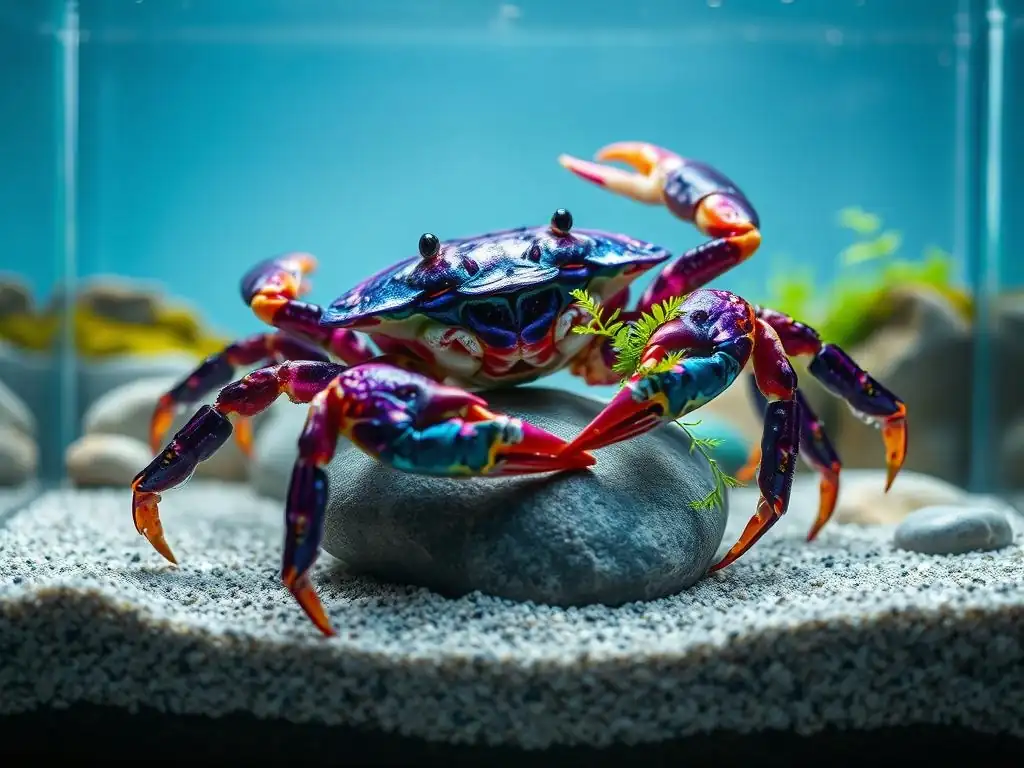
Setting up an ideal aquarium for true freshwater crabs involves creating an environment that closely mimics their natural habitat, focusing on stability and enrichment. For fully aquatic species like the Thai Micro Crab, a fine sand or smooth gravel substrate is preferred, as sharp edges can injure their delicate undersides. Live plants are indispensable, offering not only aesthetic appeal but also crucial hiding spots, foraging surfaces for biofilm, and contributing to water quality. Densely planted areas with mosses, Anubias, and Java Fern provide security and shelter.
For semi-aquatic freshwater crabs, such as the Vampire Crab, a paludarium setup is mandatory. This involves a significant land area (at least 50% of the tank footprint) with a shallow water section. The land portion should consist of moist, non-toxic substrate like coco fiber, sphagnum moss, or a mixture of soil and sand, deep enough for burrowing.
Driftwood, rocks, and terrestrial plants (e.g., Pothos, Peace Lily roots in water) can extend from the water into the land area, providing climbing opportunities and emergent surfaces. Decorations should be smooth and non-abrasive, offering plenty of nooks and crannies for exploration and refuge.
Brackish Water Crab Aquarium Setup: Mimicking Natural Salinity and Environment
Establishing a brackish water crab aquarium requires careful attention to salinity, substrate, and land-to-water ratio to replicate their estuarine or mangrove swamp habitats. For most brackish species like Red Claw Crabs and Fiddler Crabs, a paludarium is essential, featuring a substantial land area (often 60-80% of the tank) and a shallow water section. The land substrate should be deep (at least 4-6 inches), consisting of fine sand or aragonite-based sand mixed with coco fiber, allowing for extensive burrowing. This substrate must be kept moist but not waterlogged on the land side.
The water section, typically 3-6 inches deep, needs to be maintained at a specific gravity of 1.005-1.015 using marine salt mix. Avoid using freshwater aquarium salt. Decorations in the water can include smooth rocks, driftwood, and brackish-tolerant plants like Java Fern or Anubias attached to decor, or even genuine mangrove propagules if space permits. On the land portion, cork bark, large rocks, and artificial plants can provide climbing structures and hiding spots. It's crucial that all decor allows for easy access between land and water. A tightly fitting lid is paramount, as brackish crabs are notorious escape artists.
Essential Equipment for Both Freshwater and Brackish Crab Aquariums: Filtration and Heating
Regardless of whether you are keeping freshwater or brackish crabs, several pieces of essential equipment are fundamental for maintaining a stable and healthy aquatic environment. A reliable filtration system is paramount for both setups. For freshwater crab tanks, a sponge filter or a hang-on-back (HOB) filter with gentle flow is often sufficient, ensuring excellent mechanical and biological filtration without creating strong currents that can stress smaller crabs. For brackish setups, a powerful HOB or canister filter is often preferred due to the higher bioload of some species and the need for robust filtration in a specialized environment.
Heating is another critical component. An appropriately sized aquarium heater with a thermostat is necessary to maintain stable water temperatures within the species-specific range, typically 72-85°F (22-29°C) depending on the crab. A thermometer is also vital for monitoring temperature accuracy.
For brackish tanks, a hydrometer or refractometer is absolutely essential for precise salinity measurement. Additionally, a sturdy, escape-proof lid is non-negotiable for any crab tank, as many species are adept climbers and will exploit even the smallest gaps. Finally, a high-quality water testing kit for ammonia, nitrite, nitrate, pH, and hardness (and salinity for brackish) is indispensable for regular monitoring and proactive adjustments to water parameters.
Feeding Your Freshwater or Brackish Crab: Ensuring a Balanced Diet
Dietary Needs of Freshwater Crabs: Omnivorous Diet and Scavenging Behavior
True freshwater crabs are generally omnivorous scavengers, meaning their diet in the wild consists of a wide variety of food sources, including detritus, algae, decaying plant matter, small insects, and even tiny aquatic invertebrates. In the home aquarium, replicating this varied diet is crucial for their long-term health and vibrant coloration. For smaller, fully aquatic species like the Thai Micro Crab, their primary intake often comes from biofilm and microscopic organisms naturally occurring in a well-established tank, supplemented with finely crushed high-quality flake food or specialized invertebrate pellets.
Larger freshwater crabs, such as the Panther Crab, require a more substantial and diverse diet. This should include sinking pellets formulated for omnivores or crustaceans, frozen foods like bloodworms, brine shrimp, and Mysis shrimp, and blanched vegetables such as zucchini, spinach, or peas. Occasional protein sources like small pieces of fish or unsalted shrimp can also be offered. It is important to provide food in small portions that can be consumed quickly to prevent water fouling. Offering a varied diet not only ensures they receive all necessary nutrients but also encourages natural foraging behaviors, contributing to their overall well-being.
Dietary Needs of Brackish Water Crabs: Variety of Foods and Calcium Supplementation
Brackish water crabs, like their freshwater counterparts, are predominantly omnivorous scavengers, but their dietary needs often emphasize a slightly higher protein content and a critical need for calcium. In their natural estuarine habitats, they feed on detritus, algae, small crustaceans, mollusks, and decaying organic matter. In captivity, a varied diet is key. High-quality sinking pellets designed for crustaceans or omnivores should form the staple, supplemented with a range of frozen foods such as bloodworms, brine shrimp, Mysis shrimp, and chopped krill. Small pieces of fresh, unsalted fish or shrimp are also excellent protein sources.
A crucial aspect of feeding brackish water crabs is ensuring adequate calcium intake, which is vital for strong shell development and successful molting in a saline environment. This can be achieved by offering calcium-rich foods like blanched leafy greens (spinach, kale), blanched broccoli, and occasional crushed cuttlebone or calcium supplements specifically designed for invertebrates. Some aquarists also provide oyster shell grit in the substrate.
Given their semi-terrestrial nature, it's often beneficial to offer food both in the water and on the land portion of their habitat, catering to their natural foraging habits. Observing their eating habits and adjusting portion sizes is important to prevent overfeeding and maintain water quality.
Avoiding Overfeeding: Maintaining Water Quality and Crab Health
Overfeeding is a common mistake made by aquarists that can lead to significant problems for both freshwater and brackish crabs and their aquatic environment. When too much food is offered, uneaten portions decompose rapidly, leading to a dangerous spike in ammonia and nitrite levels, and a subsequent increase in nitrates. These elevated nitrogenous compounds are highly toxic to crabs, causing gill damage, stress, and susceptibility to disease. Consistent poor water quality due to overfeeding can also inhibit proper molting, leading to shell deformities or even death during the molting process.
To avoid overfeeding, offer small portions of food once or twice a day, only as much as the crabs can consume within a few minutes. Remove any uneaten food promptly to prevent decomposition. Observing your crabs' feeding behavior will help you gauge the appropriate amount. For filter-feeding crabs, ensure there is sufficient biofilm and detritus in the tank, and supplement sparingly.
For burrowing crabs, ensure food reaches them in their hiding spots if they are shy. Regular water testing remains crucial to monitor water parameters and confirm that your feeding regimen is not negatively impacting water quality. A clean and stable environment is paramount for the long-term health and vibrancy of your crabs.
Common Mistakes to Avoid When Keeping Freshwater and Brackish Crabs
Failing to Acclimate Crabs Properly to Their New Environment
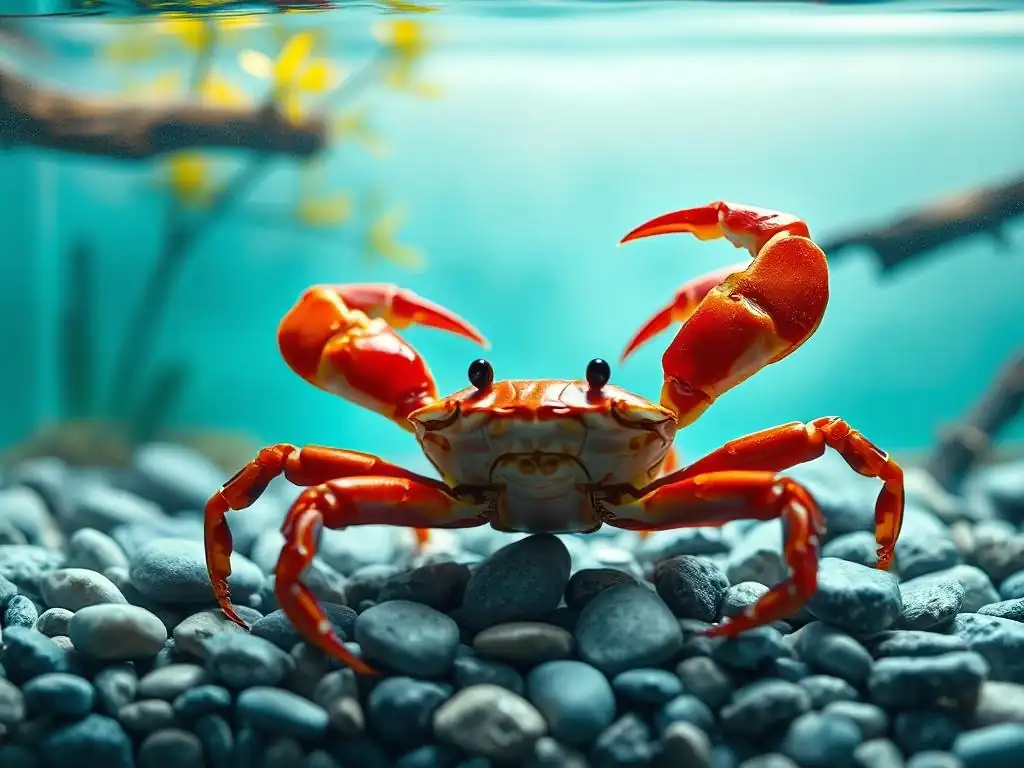
One of the most critical and common mistakes aquarists make when introducing new crabs is failing to acclimate them properly to their new environment. Crabs, like many aquatic invertebrates, are highly sensitive to sudden changes in water parameters, including temperature, pH, hardness, and especially salinity. A rapid transfer from the water they came in to the aquarium's water can induce severe osmotic shock, leading to immediate stress, lethargy, and often death within hours or days. This is particularly true when transferring a crab from a pet store's water to a home tank, as their water chemistry is rarely identical.
Proper acclimation involves a slow, gradual process that allows the crab's internal physiology to adjust to the new conditions. The drip acclimation method is highly recommended: place the crab (still in its transport bag or a small container) into a larger bucket, then slowly drip water from the main aquarium into the bucket using airline tubing and a control valve. This process should take at least 1-2 hours, slowly changing the water parameters in the bucket.
For brackish crabs, this step is even more vital due to the precise salinity requirements. Floating the bag to equalize temperature is a good first step, but the drip method is essential for chemical parameters.
Ignoring Water Parameter Fluctuations: The Importance of Regular Testing
Another pervasive mistake is ignoring or failing to regularly test and monitor water parameters. Many aquarists assume that once a tank is set up, its water chemistry will remain stable, but this is rarely the case. Biological processes, evaporation, feeding, and even tap water fluctuations can cause significant shifts in pH, hardness, and especially nitrogenous waste products (ammonia, nitrite, nitrate). Crabs are particularly susceptible to poor water quality; elevated ammonia and nitrite are acutely toxic, while high nitrates can cause chronic stress, shell problems, and susceptibility to disease over time.
Regular water testing, ideally weekly or bi-weekly, using a reliable liquid test kit is indispensable. This allows aquarists to identify problems before they become critical and take corrective action, such as performing water changes or adjusting feeding. For brackish tanks, consistent monitoring of specific gravity with a hydrometer or refractometer is equally important, as evaporation will increase salinity. Maintaining stable parameters within the species' preferred range minimizes stress, supports healthy molting cycles, and ensures the long-term well-being of both freshwater and brackish crabs. Ignoring these fluctuations is a recipe for health issues and shortened lifespans.
Overcrowding the Aquarium: Providing Adequate Space for Crabs
Overcrowding an aquarium is a common and detrimental mistake that applies to both freshwater and brackish crab setups. While crabs may appear small when purchased, many species grow considerably, and even small species require adequate personal space. Overcrowding leads to increased stress levels due to competition for resources like food, hiding spots, and territory. This stress can manifest as aggression, physical injury, and a weakened immune system, making crabs more susceptible to disease. Aggression is particularly prevalent among male crabs, especially those of the same species, as they compete for dominance or mates.
Beyond behavioral issues, overcrowding places an immense strain on the aquarium's filtration system. A higher bioload from too many crabs results in a rapid accumulation of waste products, leading to poor water quality, elevated ammonia, nitrite, and nitrate levels. This necessitates more frequent and larger water changes, increasing the workload for the aquarist and potentially stressing the crabs further.
Before acquiring crabs, research their adult size, territorial needs, and recommended tank size per individual or group. Providing ample space, numerous hiding spots, and appropriate tank dimensions for the specific species ensures a healthier, more harmonious environment for your freshwater or brackish crabs.
Troubleshooting Common Crab Health Issues in Freshwater and Brackish Aquariums
Shell Problems and Molting Issues: Addressing Common Crab Ailments
Shell problems and molting issues are among the most common health challenges faced by both freshwater and brackish crabs in captivity. A crab's exoskeleton is its primary protection, and healthy molting is crucial for growth and repair. Common shell problems include pitting, softening, discoloration, or unusual growths. These often stem from inadequate water parameters, particularly insufficient calcium or magnesium (for hardness), incorrect pH, or consistently high nitrate levels. Nutritional deficiencies, especially a lack of calcium or a poor diet, also contribute significantly to shell degradation.
Molting issues, where a crab struggles to shed its old shell or gets stuck during the process, are frequently fatal. Causes include poor water quality, insufficient mineral content in the water, lack of proper nutrition, stress from incompatible tank mates or overcrowding, or a lack of secure hiding spots during this vulnerable period. To address these issues, first, verify and correct all water parameters, ensuring optimal temperature, pH, hardness (for freshwater), and salinity (for brackish).
Supplement the diet with calcium-rich foods or a calcium block specifically for invertebrates. Ensure the tank provides ample hiding spots and that the crab is not stressed by tank mates. Sometimes, adding a small amount of iodine supplement can also aid in the molting process, though this should be done cautiously.
Recognizing and Treating Parasites in Freshwater and Brackish Crabs
While less common than shell and molting issues, crabs can occasionally suffer from parasitic infestations, which can severely impact their health. Common external parasites might include leeches or small crustaceans that attach to the crab's body or gills. Internal parasites, though harder to detect, can also occur, leading to symptoms like lethargy, loss of appetite, or unusual swelling. Recognizing these issues early is crucial for effective treatment. External parasites may be visible as small, moving specks or growths on the crab's shell or appendages. Behavioral changes, such as excessive scratching or unusual movements, can also indicate discomfort.
Treating parasitic infections in crabs requires careful consideration, as many common aquarium medications designed for fish can be toxic to invertebrates. If external parasites are visible, a gentle manual removal with tweezers might be possible for larger, cooperative crabs, followed by a salt dip (for freshwater crabs) or a brief freshwater dip (for brackish crabs) if appropriate for the parasite type, using a separate container. For more widespread or internal infestations, it's essential to consult with an aquatic veterinarian or an experienced invertebrate specialist.
They can recommend specific, invertebrate-safe medications, such as certain antiparasitic agents like praziquantel, which might be administered via food or as a bath, ensuring proper dosage and minimizing harm to the crab. Quarantine of new crabs is always advisable to prevent the introduction of parasites.
Maintaining Optimal Water Quality to Prevent Disease
Maintaining optimal water quality is the single most important factor in preventing disease and ensuring the long-term health of both freshwater and brackish crabs. Poor water quality, characterized by elevated levels of ammonia, nitrite, and nitrate, or incorrect pH and temperature, significantly stresses a crab's immune system, making it highly susceptible to bacterial, fungal, and parasitic infections. High ammonia and nitrite are acutely toxic, causing gill damage and rapid death, while prolonged exposure to high nitrates leads to chronic stress, poor shell health, and a general decline in vitality.
To prevent these issues, establish a robust biological filtration system and allow the tank to fully cycle before introducing crabs. Perform regular partial water changes (typically 25-30% weekly or bi-weekly, depending on bioload) using dechlorinated water that matches the tank's parameters. For brackish tanks, ensure the replacement water has the correct salinity. Avoid overfeeding, as uneaten food quickly degrades and pollutes the water.
Regularly test water parameters using a reliable liquid test kit to monitor ammonia, nitrite, nitrate, pH, and temperature. For brackish tanks, also routinely check specific gravity. Consistent monitoring and proactive adjustments are the cornerstone of disease prevention, ensuring a clean, stable, and thriving environment for your crabs.
The Joys of Keeping Freshwater and Brackish Crabs: A Rewarding Aquarium Experience
Observing Crab Behavior and Appreciating Their Unique Characteristics
Keeping freshwater and brackish crabs offers a uniquely rewarding experience for aquarists, largely due to the fascinating and often entertaining behaviors these invertebrates exhibit. Unlike fish, crabs possess distinct personalities and engage in a wide array of activities that are captivating to observe. You might witness the intricate filter-feeding dance of a Thai Micro Crab, the territorial sparring between male Fiddler Crabs with their oversized claws, or the stealthy foraging expeditions of a Vampire Crab navigating its paludarium landscape. Each species presents its own set of charming quirks, from burrowing deep into the substrate to meticulously cleaning their antennae.
Observing their molting process, though sometimes nerve-wracking, is a testament to their incredible biological resilience and growth. Watching a crab slowly emerge from its old exoskeleton, leaving behind a perfect, ghostly replica, is a truly remarkable sight. Their interactions with tank mates, their clever ways of finding food, and their often secretive nature contribute to a dynamic and engaging display within the aquarium. This constant discovery of new behaviors and the appreciation of their unique adaptations foster a deeper connection to the aquatic world and provide endless opportunities for quiet contemplation and learning.
Contributing to Crab Conservation Through Responsible Aquarism
Responsible aquarism, particularly when keeping freshwater vs. brackish crabs, plays a vital role in their conservation. By providing optimal care and understanding the specific needs of these creatures, aquarists contribute to the global effort to protect aquatic biodiversity. Many crab species face threats in their natural habitats due to pollution, habitat destruction, and over-collection for the pet trade. When aquarists commit to proper husbandry, they reduce the demand for wild-caught specimens that are often collected unsustainably, and instead support captive breeding efforts or responsible, sustainable collection practices.
Furthermore, by sharing knowledge and educating others about the distinct requirements of true freshwater crabs versus brackish water crabs, aquarists can help prevent the common mistake of misidentifying species and placing them in unsuitable environments. This advocacy promotes ethical pet ownership and reduces the number of crabs that perish due to improper care.
A well-maintained crab aquarium becomes a living example of successful invertebrate keeping, inspiring others to engage in responsible practices. Ultimately, the joy derived from keeping these unique creatures is amplified by the knowledge that one is actively contributing to their welfare and the broader conservation of aquatic ecosystems.
Frequently Asked Questions
What is the main difference between true freshwater and brackish water crabs?
The key difference lies in their salinity tolerance. True freshwater crabs can only thrive in pure freshwater environments, while brackish crabs require a mix of freshwater and saltwater.
Why is it important to correctly identify if a crab is freshwater or brackish?
Misidentification can lead to the untimely death of your crab. Placing a brackish crab in freshwater will cause osmotic stress, and vice-versa.
How can I tell if a crab needs freshwater or brackish water conditions?
Research is crucial. Look for reliable species profiles that specifically mention the crab's natural habitat and preferred salinity levels.
What happens if I put a brackish crab in a freshwater aquarium?
The crab will likely suffer from osmotic shock as its body struggles to regulate its internal salt balance. This can lead to organ failure and eventually death.
Where can I find reliable information about specific crab species and their care requirements?
Reputable aquarium resources, like AquariumMastery.com, often provide detailed information. Focus on species-specific guides and expert advice to ensure proper care.
The distinction between freshwater and brackish crabs, as we've explored, isn't merely a matter of semantics; it's a crucial understanding for responsible aquarists and the well-being of these fascinating creatures. Ignoring this difference can lead to devastating consequences, highlighting the importance of informed decision-making in the aquarium hobby.
This topic resonates deeply because it underscores the interconnectedness of knowledge and ethical practice. The survival and thriving of these crabs depend entirely on our ability to understand and respect their specific needs. The greatness of a nation and its moral progress can be judged by the way its animals are treated.
- Mahatma Gandhi. This quote, while broad, perfectly encapsulates the responsibility we bear when choosing to keep any animal, especially one with such specific environmental requirements.
Now, consider the knowledge you've gained. How can you apply this understanding to your own practices, whether you're an experienced aquarist or simply someone interested in the natural world? Let this be a reminder that informed choices, driven by empathy and a commitment to accurate information, are the foundation of a thriving and sustainable future for both our aquatic companions and the hobby we share.
Unleash Your Crab-Keeping Potential!
Thanks for diving into the world of freshwater and brackish crabs! We hope you've gained clarity on the key differences and how to avoid common pitfalls. Now, let's put that knowledge into action and elevate your crab-keeping game:
- Research thoroughly before acquiring any crab: Understand its specific needs (salinity, diet, habitat) to ensure a thriving environment.
- Share this article with fellow aquarists to spread awareness about the importance of proper crab care.
- Explore setting up a mini-brackish ecosystem, challenging yourself with new aquascaping and parameter management techniques.
What are you waiting for to start your crab-keeping journal?