
Freshwater Crayfish Care 101: Everything You Need for a Happy Crawdad

Welcome to Aquarium Mastery!
Ever wondered how to unlock the secrets to happy freshwater crayfish care? You've come to the right place! Dive in as we explore essential tips and tricks to ensure your crawdad thrives. Get ready to discover everything you need to know in our guide, "Freshwater Crayfish Care 101: Everything You Need for a Happy Crawdad," and transform your aquarium into a perfect haven for these fascinating invertebrates. Let's get started!
- Freshwater Crayfish Care: A Comprehensive Guide
- Understanding Freshwater Crayfish
- Essential Habitat Setup
- Diet and Feeding
- Tank Mates
- Maintaining a Healthy Aquarium
- Promoting Natural Behavior
- Breeding Crayfish
- Troubleshooting Common Problems
- Advanced Care
- Conclusion
-
Frequently Asked Questions
- How do I ensure my freshwater crayfish has a healthy and stimulating environment in its aquarium?
- What are the most important water parameters to monitor for happy freshwater crayfish care?
- What should I feed my freshwater crayfish to ensure it gets the nutrients it needs to thrive?
- Are there any fish species that are compatible or incompatible with freshwater crayfish in an aquarium setting?
- What are some common signs that my freshwater crayfish is unhappy or unhealthy, and how can I address them?
- Final Reflection: Cultivating Thriving Aquatic Ecosystems
- Unleash Your Inner Crawdad Keeper!
Freshwater Crayfish Care: A Comprehensive Guide
Understanding Freshwater Crayfish
Crayfish Species Suitable for Aquariums
When considering adding a crayfish to your freshwater aquarium, selecting the right species is paramount for successful and happy freshwater crayfish care. Many species exist globally, but only a select few are commonly kept in home aquariums due to their size, temperament, and adaptability. Among the most popular choices is the Dwarf Crayfish, specifically species like Cambarellus patzcuarensis (Mexican Dwarf Crayfish or CPO), which typically reach a maximum size of 1.5 to 2 inches (3.8 to 5 cm).
Their small stature makes them ideal for nano tanks or community setups with very specific tank mates, and their vibrant orange coloration adds aesthetic appeal. Another widely recognized species is the Blue Crayfish ( Procambarus alleni), a striking variant that can grow significantly larger, often reaching 4 to 6 inches (10 to 15 cm), requiring a much more spacious habitat.
For those interested in unique reproductive behaviors, the Marbled Crayfish ( Procambarus fallax f. virginalis) offers an intriguing option as a parthenogenetic species, meaning a single female can reproduce without a male, leading to clones of herself. This characteristic, while fascinating, requires careful consideration of population control in the aquarium.
Other notable species include the Electric Blue Crayfish (often a variant of Procambarus alleni), White Specter Crayfish, and various Cherax species from Australia and New Guinea, such as the Yabby ( Cherax cainii) or Red Claw Crayfish ( Cherax quadricarinatus), which can grow quite large, sometimes exceeding 8 inches (20 cm). Each species has unique needs regarding aggression levels, diet, and water parameters, emphasizing the importance of thorough research before bringing one home to ensure happy freshwater crayfish care tips are effectively applied.
Benefits and Considerations of Keeping Crayfish
Keeping freshwater crayfish can bring a dynamic and engaging element to an aquarium, offering unique benefits that differentiate them from typical fish inhabitants. Their active foraging behavior helps in tank cleanup, as they consume detritus, uneaten food, and even some types of algae, acting as a natural clean-up crew.
Observing their fascinating behaviors, such as molting, burrowing, and intricate social interactions (when housed appropriately), provides endless entertainment for aquarists. Furthermore, certain smaller species, like the Dwarf Crayfish, have a relatively low bioload compared to larger fish, making them suitable for smaller tank setups without rapidly deteriorating water quality, contributing to overall happy freshwater crayfish care.
However, several important considerations must be addressed to ensure a thriving environment and prevent common issues. Crayfish are opportunistic omnivores and can be predatory, especially towards slow-moving or bottom-dwelling fish, and even plants. Their powerful claws can cause significant damage, leading to potential loss of tank mates or uprooted vegetation.
Another crucial aspect is their escape artistry; crayfish are notorious for climbing out of tanks, necessitating a tightly secured lid. Their molting process, while natural, leaves them vulnerable, requiring ample hiding places. Finally, their territorial nature, particularly in larger species, means that housing multiple crayfish or incompatible tank mates can lead to aggression and stress, highlighting the need for careful planning to implement the best happy freshwater crayfish care tips.
Essential Habitat Setup
Tank Size Requirements
Providing an appropriately sized tank is fundamental to happy freshwater crayfish care, directly impacting their health, stress levels, and natural behaviors. The minimum tank size largely depends on the specific crayfish species. For smaller species like the Dwarf Crayfish ( Cambarellus patzcuarensis), a 5-gallon (approximately 19-liter) tank can suffice for a single specimen, though a 10-gallon (38-liter) tank is preferable to allow for more stable water parameters and additional enrichment. These smaller tanks facilitate easy monitoring and maintenance, crucial for their well-being.
Larger, more aggressive species such as the Blue Crayfish ( Procambarus alleni) or Cherax species demand significantly more space. A single Blue Crayfish typically requires a minimum of a 20-gallon (76-liter) long tank to accommodate its adult size of 4-6 inches and provide adequate territory.
For the larger Cherax species, which can exceed 8 inches, a 30-gallon (114-liter) or even 40-gallon (151-liter) breeder tank is often recommended for a single individual. When housing multiple crayfish, especially of the same sex or species, the tank size must be substantially increased to mitigate aggression and provide sufficient individual territories and hiding spots, ensuring that happy freshwater crayfish care tips are effectively put into practice.
Substrate and Decor for a Natural Environment
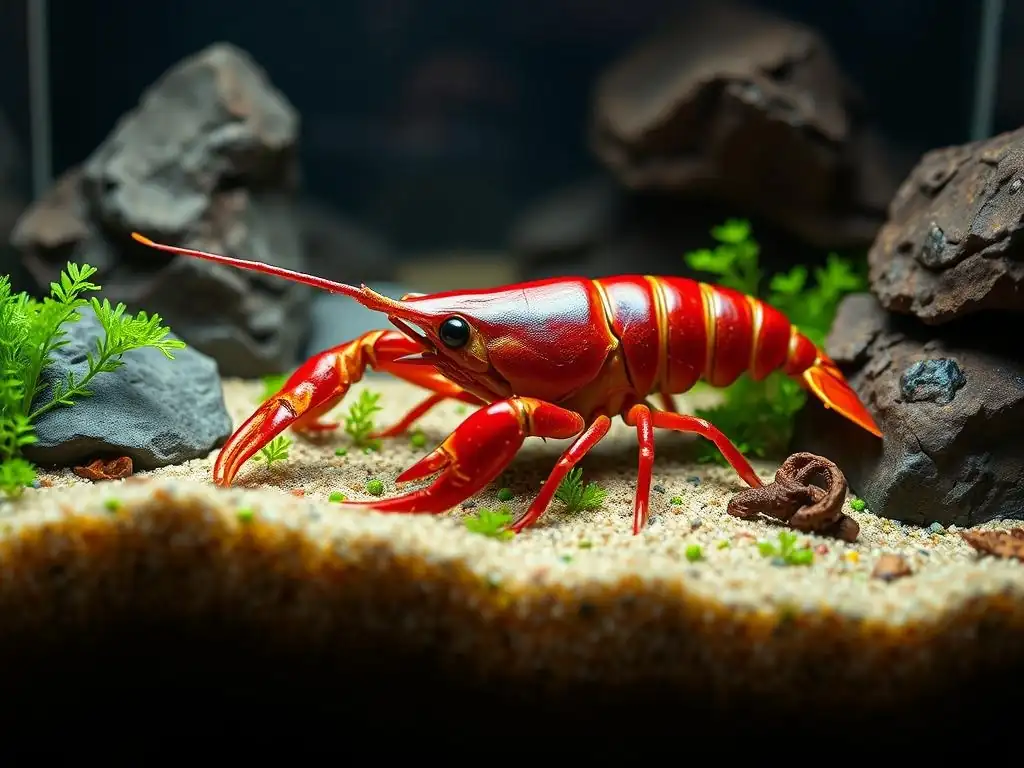
The choice of substrate and decor is vital for replicating a natural environment, which is a cornerstone of happy freshwater crayfish care. A fine to medium-grade gravel or sand substrate is ideal, allowing crayfish to burrow and dig without damaging their delicate undersides. Sand, in particular, mimics their natural riverbed habitats and is easier for them to manipulate for burrowing.
A depth of at least 2-3 inches (5-7.5 cm) is recommended to facilitate their natural digging behaviors, which are essential for molting and creating secure hiding spots. Avoid sharp or abrasive substrates that could injure their soft bodies or claws.
Incorporating various decor elements is crucial for providing hiding places, establishing territories, and offering enrichment. PVC pipes, ceramic caves, overturned flower pots, and natural rock formations (ensure they are stable and won't tumble) are excellent choices for shelter. Driftwood also serves as both decor and a potential food source (biofilm).
For larger species, ensure hiding spots are robust and numerous, ideally one per crayfish plus a few extra. While crayfish are known to prune or consume live plants, hardy plants like Anubias, Java Fern, or Vallisneria attached to decor can sometimes coexist, provided the crayfish are well-fed and have plenty of other foraging opportunities. These elements contribute significantly to a stress-free environment, promoting happy freshwater crayfish care.
Water Parameters for Optimal Health
Maintaining stable and appropriate water parameters is arguably the most critical aspect of happy freshwater crayfish care, directly influencing their longevity and vitality. Crayfish are sensitive to fluctuations in water chemistry, and poor water quality can quickly lead to stress, disease, and death. Regular testing of parameters such as ammonia, nitrite, nitrate, pH, and hardness is non-negotiable. Ammonia and nitrite should always be at 0 ppm, as even trace amounts are highly toxic. Nitrate levels should be kept below 20 ppm through consistent water changes and efficient filtration.
Temperature and pH Levels
The ideal temperature range for most common aquarium crayfish species typically falls between 65°F and 75°F (18°C - 24°C). While some species can tolerate slightly cooler or warmer temperatures for short periods, maintaining stability within this range minimizes stress and supports their metabolic functions. Extreme temperatures can lead to sluggishness, appetite loss, or even fatality. The optimal pH level for freshwater crayfish generally ranges from 6.5 to 8.0, with many species thriving in slightly alkaline conditions, around pH 7.0-7.5. Consistent pH is more important than hitting an exact number, as rapid pH swings are far more detrimental than a stable pH slightly outside the "ideal" range. Hardness, often measured as GH (General Hardness) and KH (Carbonate Hardness), is also important, with a GH of 8-15 dGH and KH of 5-12 dKH being suitable for most species, as these minerals are vital for shell development and molting.
Importance of Water Changes
Regular and consistent water changes are the cornerstone of maintaining pristine water quality and are among the most important happy freshwater crayfish care tips. Over time, nitrates accumulate, and essential minerals are depleted, which can negatively impact a crayfish's health, particularly during the vulnerable molting process. A weekly or bi-weekly water change of 20-30% of the tank volume is generally recommended, depending on tank size, stocking density, and filtration efficiency. For larger tanks or those with higher bioloads, more frequent or larger changes may be necessary to keep nitrates in check.
When performing water changes, always use a reliable dechlorinator to neutralize chlorine and chloramines present in tap water, as these chemicals are highly toxic to aquatic life. Ensure the new water is temperature-matched to prevent thermal shock, which can severely stress crayfish. During water changes, it's also an opportune time to siphon out any accumulated detritus from the substrate, further contributing to a cleaner, healthier environment. Consistent adherence to this maintenance schedule will significantly contribute to a long and happy life for your freshwater crayfish.
Diet and Feeding
Suitable Food Options
Providing a diverse and nutritious diet is crucial for happy freshwater crayfish care, supporting their growth, coloration, and overall health. As omnivores and opportunistic scavengers, crayfish will readily consume a wide variety of foods. High-quality sinking pellets or wafers specifically formulated for crustaceans or bottom feeders should form the staple of their diet. These often contain essential proteins, vitamins, and minerals vital for their exoskeleton health and molting process. Examples include shrimp pellets, algae wafers, and sinking carnivore pellets.
Beyond commercial foods, incorporating fresh and blanched vegetables offers excellent nutritional benefits. Options such as blanched zucchini, spinach, kale, peas (shelled), and carrots can be offered in small amounts. Protein sources are also important; small pieces of defrosted frozen bloodworms, brine shrimp, or even finely chopped lean fish (like tilapia) can be given as occasional treats. Ensure all food items are fresh and free from pesticides or contaminants. Overfeeding should be avoided, as it leads to poor water quality, which directly contradicts happy freshwater crayfish care tips.
Feeding Frequency and Portion Sizes
Determining the correct feeding frequency and portion sizes is key to preventing overfeeding and maintaining good water quality, both essential aspects of happy freshwater crayfish care. For adult crayfish, feeding once a day or every other day is typically sufficient. Juvenile crayfish, which are growing rapidly, may benefit from more frequent feedings, perhaps twice a day, but in smaller quantities. The general rule of thumb is to provide only what the crayfish can consume within a few minutes, usually no more than 5-10 minutes.
Portion sizes should be small and adjusted based on the crayfish's size and activity level. For instance, a single adult Blue Crayfish might only need 1-2 sinking pellets or a small piece of blanched vegetable every other day. Uneaten food left in the tank will quickly decompose, leading to ammonia spikes and nitrate buildup, which are detrimental to their health. If you notice a significant amount of uneaten food after a short period, reduce the next feeding portion. Consistent monitoring of food consumption helps in fine-tuning the feeding regimen, ensuring optimal nutrition without compromising water quality.
Supplementing Diet for Essential Nutrients
While commercial foods provide a good base, supplementing a crayfish's diet with additional nutrients can significantly enhance their health, vitality, and shell integrity, embodying truly happy freshwater crayfish care tips. Calcium is particularly vital for the development and hardening of their exoskeleton, especially during and after molting. You can supplement calcium by adding calcium-rich foods like blanched spinach, kale, or small pieces of cuttlebone (often used for birds) directly into the tank. Specialized calcium supplements for invertebrates are also available and can be added to the water according to product instructions.
Beyond calcium, occasional protein boosts are beneficial, especially for larger or breeding crayfish. Live or frozen foods like blackworms, daphnia, or small feeder fish (if appropriate for the crayfish's size and temperament) can provide a rich source of protein and essential fatty acids.
These supplements should be offered sparingly, perhaps once or twice a week, to complement their staple diet. A varied diet not only ensures they receive a full spectrum of nutrients but also keeps them engaged and reduces the likelihood of them seeking out less desirable food sources, such as tank mates or live plants, leading to a more harmonious and happy freshwater crayfish care experience.
Tank Mates
Compatible Tank Mates
Choosing compatible tank mates is a critical consideration for happy freshwater crayfish care, as their predatory nature can lead to conflicts. For smaller, less aggressive species like the Dwarf Crayfish ( Cambarellus patzcuarensis), suitable tank mates often include fast-moving, top-dwelling fish that are too quick for the crayfish to catch. Examples include various types of fast-swimming tetras (e.g., Neon Tetras, Ember Tetras), Rasboras (e.g., Harlequin Rasboras), and certain species of Guppies or Danios.
These fish occupy different levels of the water column, minimizing direct interaction. Otocinclus catfish can also sometimes coexist, as they are small and generally ignore the crayfish.
For larger, more aggressive crayfish species, the list of compatible tank mates becomes significantly smaller. Robust, fast-swimming fish that are too large to be considered prey are the best bet. Examples include larger species of Danios, Congo Tetras, or larger Barbs (e.g., Tiger Barbs, though their fin-nipping tendency can be an issue for other fish).
It's generally advised to avoid slow-moving, bottom-dwelling, or long-finned fish, as they are highly susceptible to being caught and injured. The success of cohabitation often depends on the individual temperament of the crayfish and the provision of ample hiding places, ensuring that even with tank mates, happy freshwater crayfish care remains paramount.
Incompatible Species
Understanding which species are incompatible with crayfish is just as important as knowing compatible ones, preventing significant stress, injury, or even death for tank inhabitants. Any slow-moving or bottom-dwelling fish species are generally a poor choice, regardless of crayfish size. This includes most species of Corydoras catfish, plecos (especially smaller ones), and any fish that spends significant time resting on the substrate.
Long-finned fish, such as Angelfish, Bettas, or fancy Guppies, are also highly vulnerable, as their flowing fins are easy targets for a crayfish's claws. Even if the crayfish doesn't consume them, repeated fin nips can lead to stress, infection, and poor health.
Other invertebrates, such as snails (unless intended as food), shrimp (like Amano or Cherry Shrimp), and even other crayfish, are generally incompatible, especially with larger, more territorial crayfish species. While some aquarists successfully keep Dwarf Crayfish with certain shrimp species in very large, heavily planted tanks, it always carries a risk.
Housing multiple large crayfish together, particularly males, almost always results in aggression, injury, or death unless the tank is exceptionally large with numerous distinct territories. Ultimately, any species that cannot escape quickly or defend itself from a determined crayfish claw should be avoided to ensure a peaceful and happy freshwater crayfish care setup.
Maintaining a Healthy Aquarium
Regular Tank Maintenance
Consistent and thorough tank maintenance is the backbone of happy freshwater crayfish care, directly impacting water quality, disease prevention, and the overall well-being of your invertebrate. Beyond the regular 20-30% weekly or bi-weekly water changes discussed previously, a routine cleaning schedule is essential. This includes vacuuming the substrate to remove uneaten food and detritus, which are major contributors to ammonia and nitrate buildup. Pay particular attention to areas where food tends to accumulate or where the crayfish spends most of its time.
Filter maintenance is another critical component. Mechanical filter media (sponges, floss) should be rinsed in old tank water (never tap water, as chlorine kills beneficial bacteria) every few weeks to prevent clogging and maintain efficient filtration. Biological media should only be disturbed minimally and rarely cleaned, as it houses the beneficial bacteria crucial for the nitrogen cycle. Chemical media (activated carbon) should be replaced according to manufacturer recommendations, typically monthly. Regularly checking and cleaning heaters, air stones, and other equipment also ensures they function optimally, contributing to a stable and healthy environment that promotes happy freshwater crayfish care.
Identifying and Treating Common Diseases
While generally hardy, crayfish can fall victim to various diseases, often stemming from poor water quality, stress, or inadequate nutrition. Early identification and prompt treatment are crucial for successful happy freshwater crayfish care. One common issue is Shell Disease (Chitinolytic Disease), characterized by black or brown spots, pitting, or erosions on the exoskeleton. This is often caused by bacterial infections, frequently triggered by poor water conditions or injury. Treatment involves improving water quality, increasing aeration, and sometimes using broad-spectrum antibacterial medications.
Another prevalent problem is Molting Issues (Ecdysis Failures), where the crayfish struggles to shed its old exoskeleton. This can be fatal and is typically caused by insufficient calcium in the diet, improper water hardness, or stress from poor water quality. Ensuring adequate calcium and minerals in the diet and maintaining stable water parameters are preventative measures.
If a crayfish is struggling to molt, sometimes adding a small amount of calcium supplement to the water can help, but intervention is risky. Fungal infections can appear as fuzzy white or gray patches; these usually respond to antifungal medications and improved water hygiene. Always diagnose carefully and use appropriate treatments, ideally after consulting an aquatic veterinarian or experienced aquarist, to ensure effective happy freshwater crayfish care.
Molting Process
The molting process, also known as ecdysis, is a fundamental and critical aspect of a crayfish's life cycle, essential for growth and regeneration. During molting, the crayfish sheds its old, rigid exoskeleton to allow for growth and to repair any damage. This process typically occurs more frequently in younger, rapidly growing crayfish (every few weeks) and less often in mature adults (every few months).
Before a molt, a crayfish may become reclusive, refuse food, and appear sluggish. After shedding, the new exoskeleton is soft and vulnerable, leaving the crayfish extremely susceptible to predation or injury from tank mates, which is why ample hiding places are a vital happy freshwater crayfish care tip.
It is crucial not to disturb a molting crayfish or remove its old shell immediately. The crayfish will often consume its discarded exoskeleton, which is a vital source of calcium and other minerals needed to harden its new shell. This process can take several days to a week, during which the crayfish will remain hidden.
If the old shell is not consumed after a few days, it can be carefully removed if it is causing water quality issues. Ensuring optimal water parameters, particularly adequate calcium and hardness, and providing numerous secure hiding spots are paramount to a successful molt, directly contributing to the long-term health and happy freshwater crayfish care of your pet.
Promoting Natural Behavior
Hiding Places and Enrichment
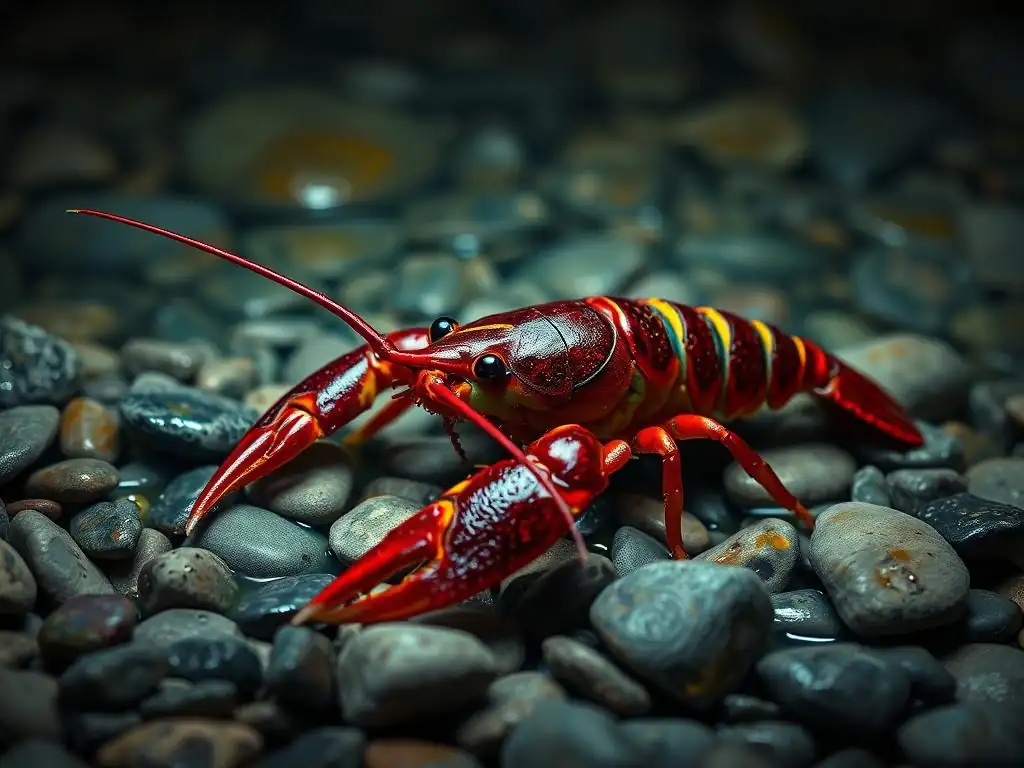
Providing ample hiding places and environmental enrichment is paramount for promoting natural behavior and ensuring happy freshwater crayfish care. Crayfish are naturally reclusive and nocturnal, relying on secure shelters to feel safe from perceived threats and to recover during their vulnerable molting periods. A variety of hiding spots, such as PVC pipes, ceramic caves, overturned flower pots, coconut shells, and carefully stacked rocks or driftwood, should be strategically placed throughout the tank. Ideally, there should be more hiding spots than crayfish, especially if housing multiple individuals, to reduce territorial disputes.
Beyond simple hiding, enrichment involves providing elements that allow crayfish to express their natural behaviors like burrowing, foraging, and exploring. A substrate deep enough (at least 2-3 inches of sand or fine gravel) encourages digging. Introducing leaf litter (e.g., Indian almond leaves, oak leaves) provides foraging opportunities as they break down, releasing tannins that can also benefit water quality. Rearranging decor periodically can stimulate exploration, preventing boredom. A stimulating environment reduces stress, encourages activity, and allows your crayfish to thrive, leading to truly happy freshwater crayfish care.
Observing Crayfish Behavior
Observing your crayfish's behavior is an invaluable tool for ensuring happy freshwater crayfish care, allowing you to detect early signs of stress, illness, or impending molts. A healthy crayfish will typically be active, exploring its tank, foraging for food, and occasionally digging or rearranging substrate. Look for consistent activity patterns, though remember they are often more active during twilight hours. Healthy crayfish also exhibit vibrant coloration characteristic of their species and have intact antennae and claws.
Changes in behavior can signal problems. Increased reclusiveness, refusing food for extended periods (beyond pre-molt fasting), lethargy, or unusual movements (like twitching or struggling to move) are red flags that warrant immediate investigation of water parameters and overall tank conditions. Excessive aggression towards tank mates or other crayfish, if previously peaceful, might indicate overcrowding or insufficient hiding spots. Conversely, a crayfish that suddenly becomes very still and unresponsive might be preparing to molt, or conversely, could be in distress. Regular, attentive observation is a key happy freshwater crayfish care tip, enabling proactive intervention and maintaining a healthy environment.
Breeding Crayfish
Setting Up a Breeding Tank
For aquarists interested in the fascinating process of breeding freshwater crayfish, setting up a dedicated breeding tank is often necessary to ensure the survival of eggs and fry and to provide optimal conditions for the parents. While some smaller species might breed in a well-established community tank, a separate breeding setup significantly increases success rates and allows for better control over environmental factors.
A 10-gallon (38-liter) tank can suffice for smaller species like Dwarf Crayfish, while larger species will require a 20-gallon (76-liter) or even 30-gallon (114-liter) tank. The tank should be sparsely decorated with plenty of hiding spots (PVC pipes, caves, plants) for the female to retreat to after mating and to protect her eggs.
Water parameters in the breeding tank should be stable and within the optimal range for the specific species, with slightly elevated calcium levels beneficial for egg development. A sponge filter is highly recommended as it provides gentle filtration that won't harm delicate fry and offers additional surface area for beneficial bacteria. Introduce a healthy, mature male and female into the tank; sometimes, a group of one male and two females works well to distribute the male's attention.
Ensure they are well-fed with a high-protein diet to condition them for breeding. Patience is key, as crayfish breeding can be a slow process, but successful breeding is a testament to excellent happy freshwater crayfish care.
Caring for Eggs and Fry
Once a female crayfish has mated, she will carry the fertilized eggs under her tail (pleopods), fanning them to ensure oxygenation and prevent fungal growth. This period, known as "berried," typically lasts 3 to 6 weeks, depending on the species and water temperature. During this time, the female is highly vulnerable and should be provided with extra hiding places and minimal disturbance. Maintain pristine water quality and ensure she has access to food, though she may eat less. It's crucial not to separate the female from her eggs unless absolutely necessary, as she provides essential care.
When the eggs hatch, the fry will initially remain attached to the mother's pleopods for a few days before becoming free-swimming miniatures of the adults. At this stage, they are extremely tiny and vulnerable. Feeding the fry requires specialized attention; finely crushed flake food, powdered spirulina, baby brine shrimp (nauplii), or specialized liquid fry food should be offered multiple times a day in very small quantities.
Ensure the tank has plenty of tiny hiding spots, such as Java Moss or fine-leaved plants, to protect them from potential cannibalism by the mother or other fry. Maintaining excellent water quality through small, frequent water changes is critical for the survival and growth of the fry, showcasing advanced happy freshwater crayfish care.
Troubleshooting Common Problems
Addressing Aggression
Aggression is a common behavioral issue in crayfish, particularly among larger species or when tank conditions are suboptimal, directly impacting happy freshwater crayfish care. The primary causes of aggression are typically insufficient space, lack of adequate hiding spots, and incompatible tank mates. If you observe crayfish fighting, injuring each other, or persistently harassing tank mates, immediate action is required. First, assess your tank size: is it large enough for the species and number of crayfish you house? If not, consider upgrading to a larger tank or rehoming some individuals.
Next, evaluate the number and quality of hiding spots. There should be at least one secure hiding spot per crayfish, plus several extras, to allow individuals to establish territories and retreat when stressed. PVC pipes, ceramic caves, and rock formations are excellent for this.
If tank mates are being targeted, they may need to be removed to a separate tank or replaced with more appropriate, faster-moving species. Sometimes, aggression can also stem from insufficient food; ensure they are being fed adequately and regularly. By addressing these environmental factors, you can significantly reduce aggressive behaviors and foster a more harmonious and happy freshwater crayfish care environment.
Preventing Escapes
Crayfish are notorious escape artists, and preventing them from climbing out of the aquarium is a crucial, often overlooked, aspect of happy freshwater crayfish care. Their strong claws and ability to climb surprisingly well on silicone seams, filter tubes, and even air lines make them adept at finding any opening. The most effective preventative measure is a tightly fitting, secure lid with no gaps. Any openings for filters, heaters, or airline tubing should be as small as possible or covered with fine mesh.
Inspect your lid regularly for any cracks or areas where it doesn't sit flush. Weighing down the lid or using clips can add an extra layer of security, especially for larger, more powerful species. Ensure that any equipment extending above the water line, such as filter intakes or heaters, does not provide a climbing ladder.
Keeping the water level a few inches below the rim of the tank can also create a small buffer zone, though it's not a foolproof solution. A crayfish on the floor is a stressed, dying crayfish, making escape prevention a top priority for happy freshwater crayfish care.
Solving Water Quality Issues
Water quality issues are the leading cause of stress, disease, and death in freshwater crayfish, making their prompt resolution a cornerstone of happy freshwater crayfish care. The most common problems involve elevated ammonia, nitrite, or nitrate levels. If your water tests show ammonia or nitrite above 0 ppm, or nitrates above 20 ppm, immediate action is required. Begin by performing a significant water change, typically 50% or more, using temperature-matched, dechlorinated water. This rapidly dilutes toxins.
Following the initial water change, identify the root cause. Overfeeding is a frequent culprit; reduce food portions and ensure uneaten food is removed. Overstocking the tank also contributes to excessive waste; consider reducing the number of inhabitants.
Inadequate filtration or infrequent filter maintenance can also be to blame; ensure your filter is appropriately sized for your tank and performing regular, gentle cleaning of mechanical media. In some cases, adding beneficial bacteria supplements can help re-establish the nitrogen cycle. Consistent monitoring with a reliable test kit and proactive maintenance are the best strategies for preventing and solving water quality issues, ensuring truly happy freshwater crayfish care.
Advanced Care
Selecting Unique Species
For the experienced aquarist looking to delve deeper into happy freshwater crayfish care, selecting unique and less common species offers an exciting challenge and a chance to observe specialized behaviors. Beyond the common Blue and Dwarf crayfish, there are numerous fascinating species with distinct requirements and appearances. For instance, the White Specter Crayfish ( Procambarus clarkii 'White') is a striking albino variant of the Red Swamp Crayfish, offering a ghostly aesthetic but retaining the potentially large size and aggression of its wild counterpart. This demands a substantial, species-only tank.
Another intriguing option is the various Cherax species from Australia and New Guinea, such as the Yabby ( Cherax cainii) or the Red Claw Crayfish ( Cherax quadricarinatus). These species can grow quite large, sometimes exceeding 8 inches, and exhibit vibrant colorations ranging from blues and greens to reds.
Their care often involves higher oxygen levels, specific temperature ranges, and robust filtration due to their size and bioload. Researching their specific natural habitats and dietary needs is paramount, as their requirements can differ significantly from the more commonly kept North American species, pushing the boundaries of happy freshwater crayfish care.
Creating a Biotope Aquarium
Creating a biotope aquarium for your freshwater crayfish is an advanced happy freshwater crayfish care technique that aims to replicate a specific natural habitat, offering the ultimate environment for their well-being and natural behavior. This involves meticulously matching water parameters, substrate, decor, and even tank mates (if any) to a particular geographical region or type of aquatic environment where your chosen crayfish species naturally occurs.
For example, if keeping Cambarellus patzcuarensis (Mexican Dwarf Crayfish), you might research the clear, rocky streams of Lake Patzcuaro in Mexico, using fine sand, smooth river stones, and hardy plants like Anubias or Java Fern (though not native, they can visually mimic parts of the environment).
A biotope setup for a Procambarus alleni (Florida Blue Crayfish) might involve a muddy or sandy substrate, driftwood, and sparse vegetation characteristic of slow-moving Florida swamps or ditches. Water parameters would be adjusted to reflect the slightly acidic to neutral pH and moderate hardness typical of such environments.
This detailed approach not only provides an aesthetically pleasing and educational display but also reduces stress for the crayfish by providing an environment perfectly suited to its evolutionary needs. It encourages a full range of natural behaviors, from burrowing to foraging, leading to an exceptionally happy freshwater crayfish care experience that closely mirrors nature.
Conclusion
Frequently Asked Questions
How do I ensure my freshwater crayfish has a healthy and stimulating environment in its aquarium?
Provide ample hiding places like caves and rocks. Maintain good water quality through regular water changes and filtration to prevent stress and illness.
What are the most important water parameters to monitor for happy freshwater crayfish care?
Pay close attention to temperature (typically 65-75°F), pH (around 6.5-7.5), and ammonia/nitrite/nitrate levels. Regular testing is crucial for a stable aquarium ecosystem.
What should I feed my freshwater crayfish to ensure it gets the nutrients it needs to thrive?
Offer a varied diet including commercial crayfish pellets, sinking algae wafers, and occasional treats like blanched vegetables or small pieces of fish. Avoid overfeeding to prevent water quality issues.
Are there any fish species that are compatible or incompatible with freshwater crayfish in an aquarium setting?
Avoid housing crayfish with small, slow-moving fish that they might prey on. Larger, more agile fish might be compatible, but always monitor for aggression. Consider species' temperaments carefully.
What are some common signs that my freshwater crayfish is unhappy or unhealthy, and how can I address them?
Signs include lethargy, loss of appetite, and unusual behavior. Check water parameters, look for signs of injury or disease, and adjust environmental conditions accordingly if needed.
Final Reflection: Cultivating Thriving Aquatic Ecosystems
The journey of understanding happy freshwater crayfish care extends far beyond simply filling a tank with water. It's about creating a miniature ecosystem, a balanced and thriving environment where these fascinating creatures can flourish. The principles of responsible crayfish keeping, from water quality to appropriate tank mates, resonate with broader ecological concerns, reminding us of the interconnectedness of all living things and the importance of responsible stewardship.
This exploration into the nuances of crawdad well-being has profoundly influenced my perspective on the delicate balance within aquatic environments. It's a constant reminder that even seemingly small actions, like choosing the right substrate or providing adequate hiding places, can have a significant impact on the life of another creature. In the end, we will conserve only what we love; we will love only what we understand; and we will understand only what we are taught.
- Baba Dioum. This quote perfectly encapsulates the spirit of responsible pet ownership and environmental consciousness that this article aims to foster.
Now, I invite you to reflect on the lessons learned. Consider how you can apply these principles of mindful care, not just to crayfish, but to all aspects of your life. Whether it's tending to a garden, supporting sustainable practices, or simply appreciating the beauty of the natural world, let the pursuit of happy freshwater crayfish care inspire you to become a more conscious and compassionate inhabitant of our planet.
Unleash Your Inner Crawdad Keeper!
Thanks for diving into the world of freshwater crayfish care! We hope you've found the information you need to create a thriving habitat for your new invertebrate friend. Now, it's time to put that knowledge into action!
Here's how you can take your crawdad care to the next level:
- Take the plunge and set up that ideal crayfish tank! Gather your supplies and start creating a stimulating environment for your crawdad, remembering the importance of hiding places and a balanced diet.
- Join the Aquarium Mastery community forum to share your setup and swap care tips with other crawdad enthusiasts. You might just learn a trick or two!
- Experiment with offering your crayfish novel food items like blanched zucchini or a small piece of earthworm. Observe their reaction – you might discover their new favorite snack!
Ready to create the ultimate crawdad paradise?