
Fighting Conch Snails: Gentle Giants for a Healthy Sand Bed

Welcome to Aquarium Mastery!
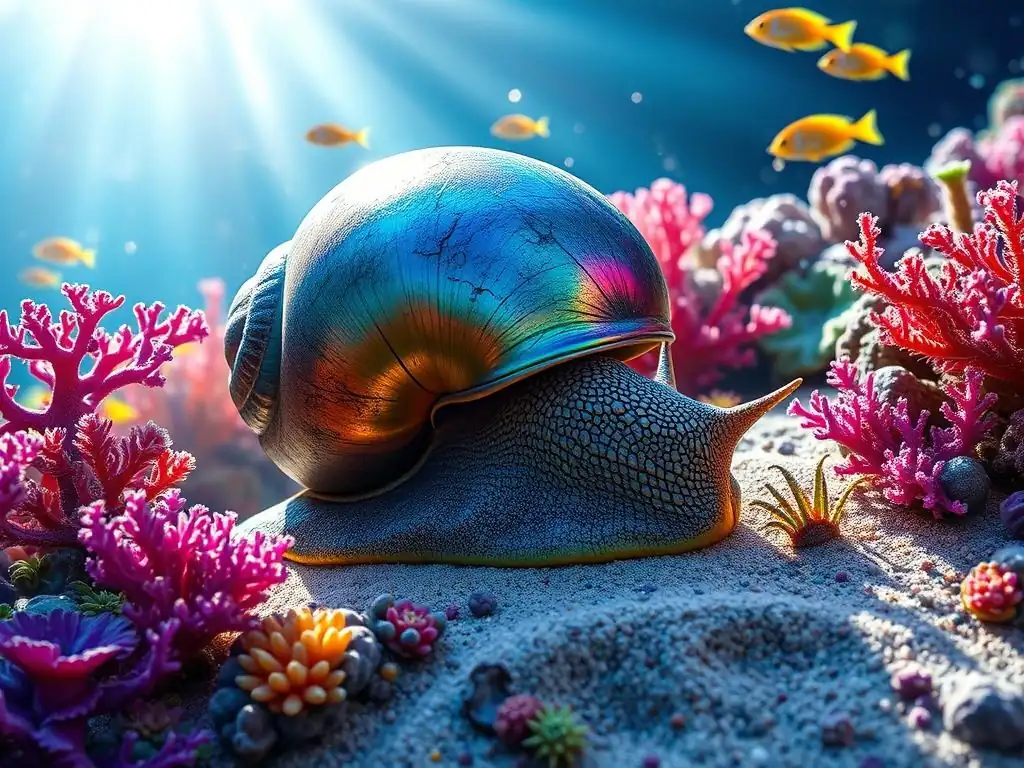
Ever wondered how to naturally keep your aquarium sand bed pristine and thriving? Dive into the fascinating world of the Fighting Conch Snail! These gentle giants are more than just attractive additions to your tank; they're powerful allies in maintaining a healthy ecosystem. Intrigued? Let's explore the ins and outs of Fighting Conch Snail Care and discover how these remarkable creatures can revolutionize your aquarium maintenance routine. Get ready to unlock the secrets to a sparkling clean substrate and a happier, healthier aquarium!
- Introduction to Fighting Conch Snails for Aquarium Sand Beds
- Understanding Fighting Conch Snail Care
- Fighting Conch Habitat and Tank Requirements
- Feeding Your Fighting Conch: Diet and Supplements
- Fighting Conch Compatibility with Other Tank Inhabitants
- Maintaining a Healthy Fighting Conch Population
- The Fighting Conch Snail: A Sustainable Choice for Aquarium Keeping
- Troubleshooting Common Fighting Conch Problems
- Conclusion: The Value of Fighting Conchs in Saltwater Aquariums
-
Frequently Asked Questions
- What exactly is a Fighting Conch snail and what role does it play in an aquarium?
- Are Fighting Conch snails aggressive towards other aquarium inhabitants?
- What are the ideal water parameters for keeping Fighting Conch snails happy and healthy?
- What do Fighting Conch snails eat, and how often should I feed them?
- What are some common problems or challenges when keeping Fighting Conch snails?
- Final Reflection: Guardians of the Sand
- Transform Your Tank: Embrace the Conch Power!
Introduction to Fighting Conch Snails for Aquarium Sand Beds
Why Choose Fighting Conchs for Your Saltwater Aquarium?
Fighting conch snails ( Strombus alatus) are highly prized additions to saltwater aquariums, primarily for their exceptional ability to maintain a pristine sand bed. Unlike many other sand-sifting invertebrates that can disrupt beneficial bacterial colonies or stir up excessive detritus into the water column, fighting conchs gently glide across and burrow within the substrate, consuming detritus and uneaten food particles. Their unique "hopping" locomotion, using their muscular foot and operculum, makes them a fascinating and active inhabitant, adding dynamic movement to the lower levels of the aquarium.
Selecting fighting conchs for your tank is a proactive step in comprehensive "Fighting conch snail care," ensuring a clean and oxygenated substrate. They contribute significantly to the overall health of the ecosystem by preventing the build-up of anaerobic pockets, which can release harmful toxins like hydrogen sulfide. Their relatively peaceful nature means they generally coexist well with most common reef inhabitants, making them a safe and effective choice for a diverse clean-up crew in both fish-only-with-live-rock (FOWLR) and reef setups.
Benefits of Fighting Conchs: Natural Sand Bed Cleaners
The primary benefit of integrating fighting conchs into your saltwater aquarium lies in their unparalleled efficiency as natural sand bed cleaners. These industrious snails tirelessly sift through the top few inches of sand, ingesting detritus, uneaten food, and various forms of microalgae, including diatoms and cyanobacteria. A single adult fighting conch can process several cubic inches of sand daily, ensuring that organic waste is consumed before it can break down and contribute to nutrient spikes.
Beyond just consuming waste, their constant movement through the substrate helps to aerate the sand bed, preventing the formation of anaerobic zones. These oxygen-depleted areas are not only detrimental to beneficial aerobic bacteria but can also become breeding grounds for harmful bacteria that produce toxic gases. By naturally tilling the sand, fighting conchs promote a healthy, oxygenated environment conducive to a thriving ecosystem, making their inclusion a cornerstone of effective "Fighting conch snail care" and a stable aquarium environment.
Understanding Fighting Conch Snail Care
Identifying the True Fighting Conch ( Strombus alatus)
Accurate identification is crucial for effective "Fighting conch snail care." The true fighting conch, Strombus alatus, is native to the Western Atlantic Ocean, ranging from the southeastern United States to the Caribbean. These snails typically grow to an adult size of 2 to 4 inches (approximately 5 to 10 cm), though some specimens can reach up to 5 inches.
Their shell is often a mottled brown, tan, or gray, with a distinctive flaring lip that forms a "wing-like" extension, particularly prominent in mature individuals. The shell aperture is usually white or cream-colored, sometimes with a faint orange or pinkish hue.
A key identifying feature is their large, well-developed operculum, a claw-like structure used for locomotion, allowing them to "hop" across the substrate rather than glide. They also possess two prominent eye stalks, which are often visible as they move. Distinguishing Strombus alatus from other conch species or similar-looking snails is vital, as their specific dietary needs and behaviors are tied to their classification, directly impacting the success of your "Fighting conch snail care" regimen.
Distinguishing Fighting Conchs from Other Sand-Sifting Snails
While several snail species are marketed as "sand sifters," understanding the differences between them is critical for optimal sand bed maintenance and "Fighting conch snail care." Nassarius snails ( Nassarius spp.), for instance, are much smaller, typically reaching only 0.5 to 1 inch. They are scavengers that primarily emerge from the sand to consume decaying food and detritus, often in response to feeding, and do not continuously sift large volumes of sand like conchs. Cerith snails ( Cerithium spp.) are generally found on rocks and glass, grazing on algae, and only occasionally venture into the sand.
Fighting conchs are unique due to their larger size, substantial sand-sifting capacity, and distinctive "hopping" movement. Unlike smaller, more delicate sand-dwelling snails that might get buried or disturbed by larger tank inhabitants, the robust fighting conch is well-suited to actively churn and clean the substrate. This makes them a more effective, long-term solution for maintaining deep sand beds compared to relying solely on smaller, less impactful species, underscoring the specialized approach required for comprehensive "Fighting conch snail care."
Fighting Conch Habitat and Tank Requirements
Ideal Tank Size for Fighting Conch Snails
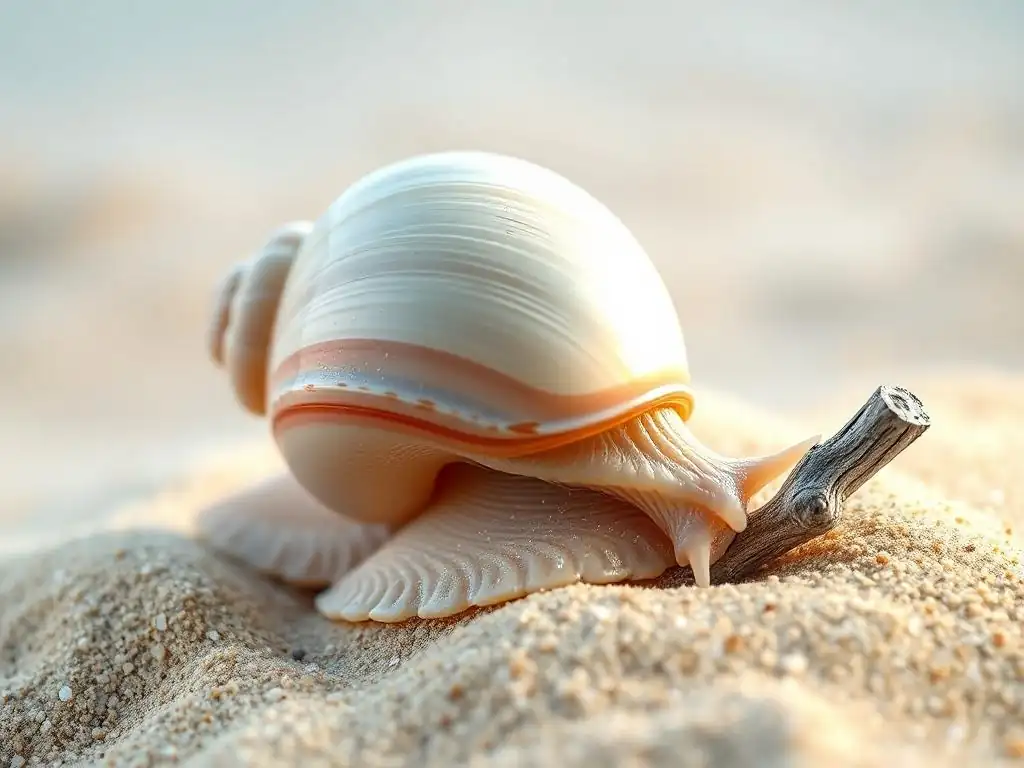
Providing an appropriately sized habitat is a cornerstone of effective "Fighting conch snail care." While a single fighting conch can theoretically be housed in a well-established aquarium as small as 30 gallons, a minimum of 50 to 75 gallons is highly recommended for optimal health and behavior, especially if keeping multiple specimens. This recommendation stems from their active nature and their need for a significant sand bed area to forage and burrow. A larger tank provides ample space for them to roam and ensures a sufficient supply of detritus and microalgae for their diet.
In smaller tanks, the limited sand bed surface area can quickly become depleted of food sources, leading to starvation if not adequately supplemented. Furthermore, a larger water volume offers greater stability in water parameters, which is crucial for the long-term well-being of these invertebrates. Planning for sufficient tank size from the outset is essential to providing the best possible environment for your fighting conchs, directly impacting the success of your "Fighting conch snail care" efforts.
Essential Substrate Depth for Healthy Conch Behavior
The substrate is not merely a decorative element for fighting conchs; it is their primary habitat and food source, making its depth a critical factor in "Fighting conch snail care." A minimum sand bed depth of 2 to 4 inches (approximately 5 to 10 cm) is necessary for these snails to exhibit their natural burrowing and sifting behaviors. However, an ideal depth of 4 to 6 inches (approximately 10 to 15 cm) or more is highly recommended, particularly for larger specimens or multiple conchs. This allows them to fully submerge themselves, process the substrate effectively, and find adequate nutrition.
The type of substrate is equally important. Fine-grained aragonite sand, with a particle size ranging from 0.5 to 2 mm, is preferred. Coarse gravel or crushed coral is unsuitable as it can damage their delicate proboscis and make burrowing difficult, potentially leading to stress or injury. A deep, fine sand bed ensures continuous access to their natural diet and provides the necessary environment for their unique movements, solidifying its importance in proper "Fighting conch snail care."
Water Parameters for Optimal Fighting Conch Snail Health
Maintaining stable and appropriate water parameters is paramount for successful "Fighting conch snail care." Fighting conchs thrive in conditions typical of a healthy saltwater reef environment. The ideal temperature range is between 72°F and 78°F (22°C to 26°C), with minimal fluctuations. Salinity should be maintained within a specific gravity of 1.023 to 1.026. Consistent pH levels between 8.1 and 8.4 are crucial, as significant swings can stress invertebrates.
Additionally, adequate levels of alkalinity (8-12 dKH), calcium (400-450 ppm), and magnesium (1250-1350 ppm) are vital for healthy shell growth and overall physiological function. These elements are consumed by conchs for their calcium carbonate shells. Nitrates should be kept as low as possible, ideally below 10-20 ppm, and ammonia and nitrites must always be at undetectable levels (0 ppm), as these are highly toxic to all invertebrates. Regular water testing and consistent water changes are essential to upholding these parameters and ensuring the long-term well-being of your fighting conchs.
Feeding Your Fighting Conch: Diet and Supplements
What Do Fighting Conchs Eat? Natural Food Sources
Fighting conchs are primarily detritivores and microalgae grazers, making their natural diet crucial to understanding "Fighting conch snail care." In the wild, and in a healthy aquarium, their main food sources consist of detritus, diatoms, cyanobacteria, and various forms of microalgae found within the sand bed. They continuously sift through the substrate, ingesting sand particles and extracting the organic matter and microscopic organisms contained within. This natural feeding behavior is what makes them such effective sand bed cleaners.
They also consume uneaten food particles that settle into the sand, contributing to the breakdown of organic waste before it can degrade into harmful nutrients. Their proboscis acts like a vacuum, allowing them to efficiently process large volumes of substrate. In a well-established, mature aquarium with a deep sand bed and a moderate bioload, a fighting conch might find sufficient sustenance from these natural sources alone.
Supplementing a Fighting Conch's Diet: Ensuring Adequate Nutrition
While fighting conchs are excellent natural foragers, supplemental feeding is often necessary, especially in newer tanks, systems with a low bioload, or aquariums with multiple sand-sifting inhabitants where natural food sources might become depleted. Proper "Fighting conch snail care" includes recognizing when to provide additional nutrition. If a conch appears inactive, frequently stays on the glass, or begins to lose weight (indicated by a shrunken foot or shell damage), it may be starving.
To supplement their diet, offer small amounts of high-quality marine-based flake food, sinking pellets, or algae wafers. These should be placed directly on the sand bed near the conch, or allowed to sink naturally, ensuring the conch can access them. Supplementation a few times a week, or as needed based on the conch's activity and appearance, can prevent starvation and ensure they receive adequate nutrition, including vital calcium for shell maintenance.
Avoiding Overfeeding: Maintaining a Balanced Ecosystem
While supplementation is important for "Fighting conch snail care," avoiding overfeeding is equally critical for maintaining a balanced and healthy aquarium ecosystem. Overfeeding not only leads to excessive nutrient accumulation in the water column, which can fuel nuisance algae blooms and elevate nitrates and phosphates, but it also disrupts the conch's natural role. When too much food is readily available, fighting conchs may become less inclined to sift the sand for detritus, reducing their effectiveness as a clean-up crew.
Moreover, uneaten supplemental food that decays can further degrade water quality, potentially harming all tank inhabitants, including the conchs themselves. A good practice is to only offer small amounts that can be consumed within a few minutes. Observe your conchs' behavior; if they are actively sifting and appear robust, their natural diet may be sufficient. Striking the right balance ensures your fighting conchs remain healthy and continue to perform their essential function in the sand bed without compromising overall water quality.
Fighting Conch Compatibility with Other Tank Inhabitants
Compatible Tank Mates for Fighting Conchs
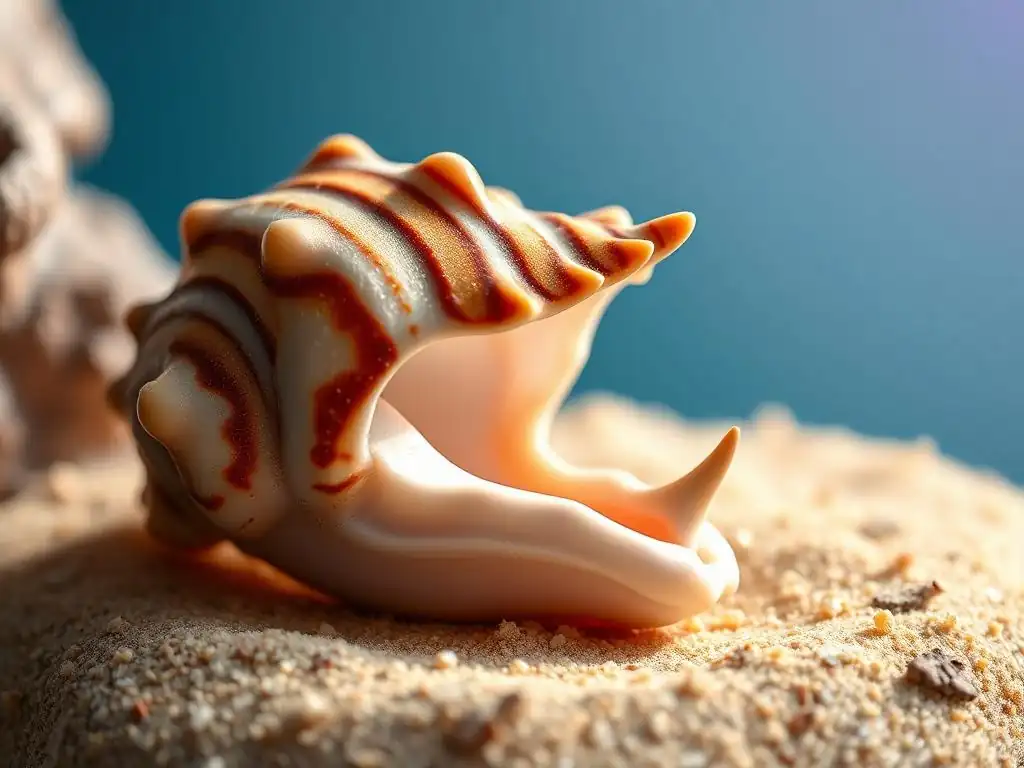
When considering "Fighting conch snail care," selecting compatible tank mates is crucial for the snail's safety and well-being. Fighting conchs are generally peaceful and can coexist with a wide array of non-aggressive fish and invertebrates. Ideal tank mates include most species of clownfish, blennies, gobies (though watch out for sand-sifting gobies that might compete for food), and various types of wrasses that do not prey on snails. Small, peaceful angelfish and tangs also make good companions.
In terms of invertebrates, most hermit crabs (especially those with readily available empty shells to prevent them from targeting the conch's shell), Nassarius snails, Cerith snails, various cleaner shrimp species (e.g., peppermint shrimp, skunk cleaner shrimp), and emerald crabs (provided they are well-fed and not overly large) are typically safe. The key is to choose tank mates that will not perceive the conch as a food source or compete excessively for its specific dietary needs.
Fish and Invertebrates to Avoid Keeping with Fighting Conchs
Despite their robust nature, fighting conchs are vulnerable to predation, making careful tank mate selection a vital aspect of "Fighting conch snail care." Certain fish species are known molluscivores and should be strictly avoided. These include puffers, triggerfish, large predatory wrasses (such as hogfish or certain large hawkfish), and some aggressive angelfish species that might nip at or attempt to consume the conch. Any fish that reaches a significant size and has a mouth capable of crushing shells poses a threat.
Similarly, some invertebrates can be problematic. Large, predatory crabs, such as certain types of emerald crabs if they become hungry, or large Sally Lightfoot crabs, may attempt to prey on snails. Starfish species like the Chocolate Chip Starfish are also known to consume snails and should not be housed with fighting conchs. Researching the dietary habits and aggression levels of potential tank mates before introduction is essential to prevent harm to your conchs and ensure successful "Fighting conch snail care."
Preventing Predation on Your Fighting Conch Snails
Preventing predation is a key component of long-term "Fighting conch snail care." The most effective strategy is proactive tank mate selection, as detailed above, by rigorously avoiding known molluscivores. Even seemingly "reef-safe" fish or crabs can occasionally turn predatory if underfed or if their natural instincts kick in. Therefore, ensuring all tank inhabitants are adequately fed can help reduce the likelihood of them viewing your conchs as a meal.
Providing ample hiding spots and a deep, soft sand bed where the conch can fully bury itself can offer some protection, though conchs typically prefer to be active on the surface. Regularly monitoring your aquarium for signs of aggression or stress among inhabitants is also crucial. If a potential threat is identified after introduction, the quickest and safest solution for the conch is often to rehome the aggressive tank mate. Vigilance and proper planning are your best tools in safeguarding your fighting conchs.
Maintaining a Healthy Fighting Conch Population
Recognizing Signs of a Healthy Fighting Conch
Recognizing the signs of a healthy fighting conch is fundamental to effective "Fighting conch snail care." A healthy conch will be active and constantly moving across or burrowing into the sand bed. Its characteristic "hopping" motion, driven by its muscular foot and operculum, should be evident. The conch's eye stalks should be extended and visible, often scanning its surroundings, and its proboscis should be actively sifting through the substrate.
The shell itself should appear clean, free of excessive algae growth that completely obscures its natural patterns, and without significant pitting or erosion. Pitting can indicate issues with water parameters, particularly low calcium or alkalinity. When disturbed, a healthy conch will typically retract quickly and fully into its shell, sealing itself with its operculum. Inactivity, prolonged periods of being upside down without righting itself, a shrunken or shriveled foot, or a foul odor (indicating death) are all signs of distress or demise, requiring immediate investigation of water parameters and potential stressors.
Identifying and Addressing Common Fighting Conch Snail Diseases
While fighting conchs are not typically prone to specific "diseases" in the way fish are, they can suffer from conditions related to poor environmental factors or stress. The most common issues stem from inadequate water quality or nutrition, directly impacting "Fighting conch snail care." One prevalent problem is shell erosion or pitting, often a result of prolonged exposure to low pH, insufficient calcium, or inadequate alkalinity in the water. Addressing this requires consistent monitoring and adjustment of these parameters to their optimal ranges (pH 8.1-8.4, Ca 400-450 ppm, Alk 8-12 dKH).
Inactivity or lack of movement, as mentioned previously, is often a sign of starvation, high nitrate levels, or the presence of toxins like copper in the water. Copper-based medications, even in trace amounts, are highly lethal to invertebrates and must be avoided. Solutions involve immediate water changes, activated carbon to remove impurities, and ensuring a consistent food supply. Any signs of physical damage to the foot or operculum are usually due to predation attempts or physical trauma, which are often difficult to recover from.
Promoting Breeding in Your Aquarium (If Possible)
Promoting breeding in fighting conchs within a home aquarium setting is extremely challenging and rarely successful for the average hobbyist, though it has been documented in very large, mature systems. Fighting conchs are gonochoristic, meaning they have separate sexes, and they reproduce via broadcast spawning, releasing eggs and sperm into the water column. For successful reproduction, both a mature male and female must be present, and the aquarium environment needs to be exceptionally stable with abundant food sources.
The larval stage of the fighting conch is pelagic, meaning the larvae drift freely in the water column and require specific, microscopic planktonic food for survival. Reaching metamorphosis and settling as juvenile snails demands highly specialized conditions, including precise water flow, specific plankton cultures, and absence of predators, making it virtually impossible to achieve in a typical reef tank. Therefore, while fascinating, promoting breeding is not a practical aspect of "Fighting conch snail care" for most aquarists.
The Fighting Conch Snail: A Sustainable Choice for Aquarium Keeping
Sourcing Fighting Conchs Responsibly
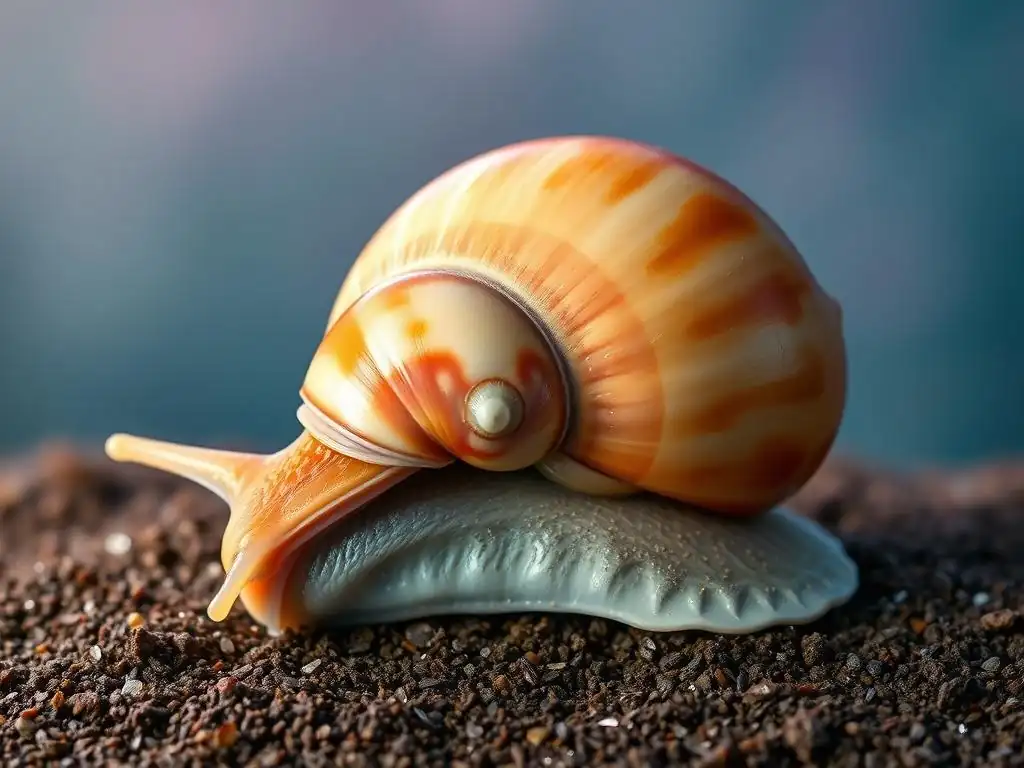
Responsible sourcing is a crucial ethical consideration in "Fighting conch snail care" and sustainable aquarium keeping. When acquiring fighting conchs, prioritize reputable suppliers who can verify that their specimens are collected using sustainable methods or, even better, are aquacultured (though true aquaculture of Strombus alatus for the aquarium trade is limited). Sustainable collection practices minimize environmental impact on natural reef ecosystems and ensure the long-term viability of wild populations.
Avoid purchasing from sources that cannot provide information on their collection methods or appear to have a high mortality rate among their invertebrates. Look for active, healthy snails that are not retracted into their shells or showing signs of stress upon arrival at the store. Supporting ethical practices helps to preserve marine biodiversity and contributes to a more responsible hobby. Always acclimate new conchs slowly and carefully to your tank's specific water parameters to minimize shock and ensure a smooth transition.
Supporting Ethical Aquarium Practices
Supporting ethical aquarium practices extends beyond just the initial purchase of your fighting conchs; it encompasses the entirety of "Fighting conch snail care" and your approach to the hobby. This means educating yourself thoroughly on the specific needs of every species you intend to keep, ensuring you can provide an appropriate environment before bringing them home. For fighting conchs, this translates to adequate tank size, a deep sand bed, stable water parameters, and compatible tank mates.
Furthermore, ethical practices involve avoiding impulse purchases, researching potential issues, and being prepared to provide long-term care for the lifespan of your animals, which for fighting conchs can be several years. By prioritizing animal welfare, responsible sourcing, and environmental consciousness, you contribute to a more sustainable and ethical aquarium trade, setting a positive example for the wider hobbyist community and ensuring the health and longevity of your marine ecosystem.
Troubleshooting Common Fighting Conch Problems
Addressing Inactivity in Fighting Conchs: Possible Causes and Solutions
Inactivity is one of the most common and concerning issues in "Fighting conch snail care," often signaling distress or impending demise. Several factors can cause a fighting conch to become inactive, including starvation (the most frequent cause in established tanks with limited detritus), poor water quality (elevated nitrates, presence of ammonia or nitrites), exposure to toxins (especially copper from medications or contaminated source water), or severe stress from aggressive tank mates or improper acclimation.
To address inactivity, immediately test your water parameters for ammonia, nitrite, and nitrate levels, and perform a water change if any are elevated. Ensure your salinity, temperature, pH, calcium, and alkalinity are within optimal ranges. If water parameters are good, consider supplementing their diet with sinking pellets or algae wafers placed near the conch. Remove any potential predators or aggressive tank mates if identified. If the conch remains inactive, especially if it's lying upside down and doesn't right itself within a few hours, it may be dead; a foul odor confirms this.
Shell Damage and Repair in Fighting Conch Snails
Shell damage can occur in fighting conchs due to various reasons, and understanding its causes is important for "Fighting conch snail care." Physical trauma, such as being dropped during tank maintenance, scraping against sharp rocks, or attempts by aggressive tank mates to dislodge them, can result in chips or cracks. More insidious is shell erosion or pitting, which typically indicates chronic issues with water chemistry, specifically low calcium, insufficient alkalinity, or persistently low pH levels, which can dissolve the calcium carbonate of their shells over time.
While minor shell damage can sometimes be repaired by the snail itself if water parameters are optimal and it is otherwise healthy, severe damage is often fatal. Prevention is key: maintain stable and appropriate water parameters, ensure your aquascape does not have overly sharp edges where the conch might get stuck or cut, and house them with compatible, non-predatory tank mates. Regularly monitoring your conch's shell for any signs of degradation can help you address underlying water chemistry issues before they become severe.
Fighting Conchs and Algae Control: Managing Expectations
While fighting conchs are excellent at consuming certain types of microalgae found within the sand bed, it's crucial for "Fighting conch snail care" to manage expectations regarding their role in overall algae control. They primarily graze on diatoms, cyanobacteria (often referred to as red slime algae), and other microscopic film algae that grow on the sand particles. Their sifting action helps to keep the sand bed clean and free of these specific nuisance algae.
However, fighting conchs are not effective at controlling other common aquarium algae issues, such as hair algae, turf algae, or bubble algae that grow on rocks, powerheads, or tank glass. They do not typically venture onto these surfaces to graze. Therefore, while they are invaluable for maintaining a pristine sand bed, they should not be relied upon as the sole solution for a widespread algae problem in your aquarium. Addressing the root cause of excessive algae growth, usually high nutrient levels (nitrates and phosphates), through water changes, proper filtration, and reduced feeding, remains essential.
Conclusion: The Value of Fighting Conchs in Saltwater Aquariums
Fighting Conch Snails: A Key Component of a Thriving Reef Tank
The fighting conch snail ( Strombus alatus) stands out as an indispensable addition to any saltwater aquarium aiming for a healthy and balanced ecosystem. Their unique and tireless sand-sifting capabilities make them unparalleled detritivores, diligently consuming uneaten food particles, detritus, and various microalgae directly from the substrate. This continuous activity not only keeps the sand bed pristine but also plays a vital role in aerating the substrate, preventing the formation of harmful anaerobic pockets and promoting beneficial bacterial growth.
By understanding and implementing proper "Fighting conch snail care," including providing adequate tank size, a deep and appropriate sand bed, stable water parameters, and compatible tank mates, aquarists can ensure these gentle giants thrive and fulfill their essential role. Their contribution to nutrient cycling and overall water quality makes them far more than just an aesthetic addition; they are a key component of a thriving, resilient reef tank, contributing significantly to its long-term stability and beauty.
Frequently Asked Questions
What exactly is a Fighting Conch snail and what role does it play in an aquarium?
Fighting Conch snails are peaceful herbivores known for their ability to clean the sand bed in both freshwater and saltwater aquariums. They consume detritus and algae, improving substrate health.
Are Fighting Conch snails aggressive towards other aquarium inhabitants?
Despite their name, Fighting Conch snails are not aggressive. They are actually quite docile and pose no threat to other fish, corals, or invertebrates in the tank.
What are the ideal water parameters for keeping Fighting Conch snails happy and healthy?
Fighting Conch snails thrive in stable aquarium conditions. Maintain a salinity of 1.023-1.025, a temperature of 72-78°F (22-26°C), and appropriate levels of ammonia, nitrite, and nitrate.
What do Fighting Conch snails eat, and how often should I feed them?
These snails primarily feed on detritus and algae found in the sand bed. Supplement their diet with algae wafers or sinking pellets if the food supply is insufficient.
What are some common problems or challenges when keeping Fighting Conch snails?
Overcrowding, lack of suitable substrate, and poor water quality can stress Fighting Conch snails. Ensure proper tank size and regular water changes for optimal health and survival.
Final Reflection: Guardians of the Sand
The journey of understanding and caring for the fighting conch snail reveals a profound connection between our actions and the health of delicate ecosystems. These gentle giants, often overlooked, play a vital role in maintaining the balance of our aquariums and, by extension, remind us of the importance of responsible stewardship in the wider world.
The impact of responsible fighting conch snail care extends beyond the confines of a glass tank. It fosters a deeper appreciation for the interconnectedness of life and the subtle, yet powerful, influence of even the smallest creatures. In nature, nothing exists alone.
This quote perfectly encapsulates the essence of our relationship with these snails and the responsibility we bear to ensure their well-being and the health of the environments they inhabit.
As we conclude this exploration of fighting conch snail care, I invite you to reflect on the broader implications of our actions. Consider how your choices, both big and small, contribute to the health of our planet. Let the gentle giants of the sand bed inspire you to become a more conscious and compassionate steward of the natural world, ensuring a vibrant future for all.
Transform Your Tank: Embrace the Conch Power!
Thanks for diving deep into the world of Fighting Conch snails! Now that you understand their vital role in maintaining a healthy aquarium ecosystem, it's time to put that knowledge into action. Let’s create a thriving environment for these amazing creatures.
- Introduce Fighting Conchs to your aquarium! Carefully acclimate a few snails to your tank to help manage detritus and keep your substrate clean.
- Share this article with fellow aquarium enthusiasts who might benefit from learning about these beneficial snails. Help spread the word!
- Observe and document their behavior. Start a mini-journal, and share your findings on aquarium forums – you might discover something new!
What's the first step you'll take to welcome these helpful herbivores into your underwater world and create a sparkling clean substrate?