
Impact of Aquarium Lighting on Neocaridina Color and Behavior

Welcome to Aquarium Mastery!
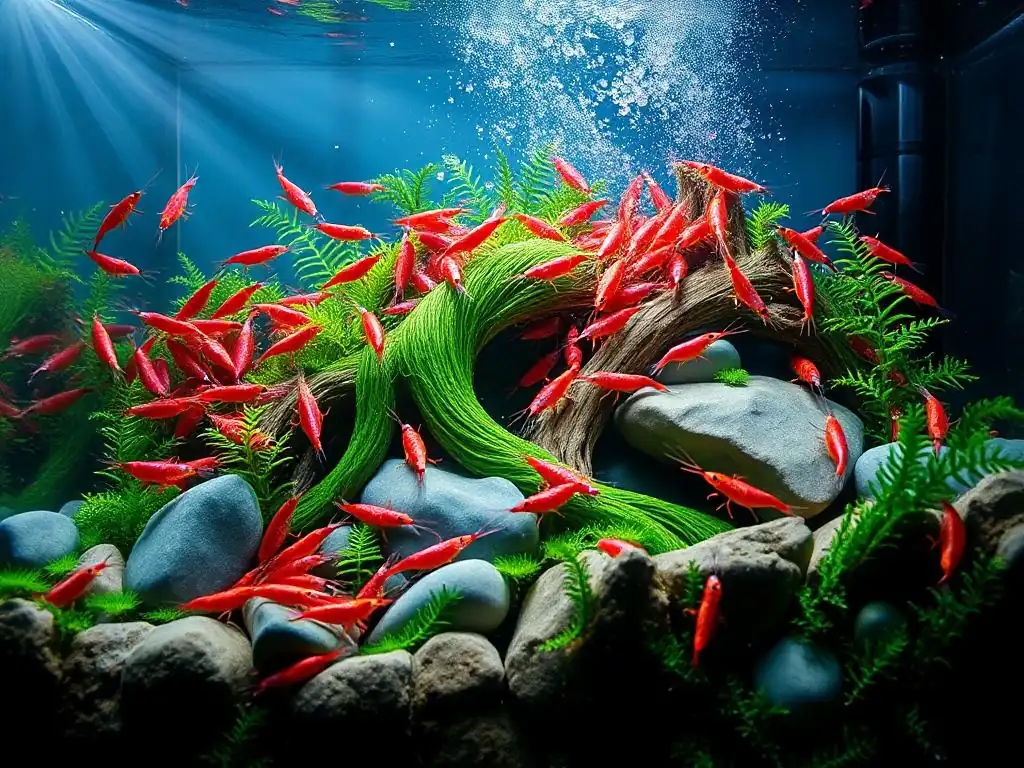
Ever wondered if your aquarium lighting could be silently impacting the vibrant colors of your Neocaridina shrimp? Dive into our latest article and discover the secrets behind Neocaridina color lighting preferences. Uncover how the right light can not only enhance their stunning hues but also influence their behavior, creating a thriving and beautiful underwater world. Are you ready to illuminate the true potential of your shrimp?
- Impact of Aquarium Lighting on Neocaridina Shrimp Color and Behavior
- Understanding Neocaridina Shrimp Coloration and Lighting
- Optimal Lighting for Enhancing Neocaridina Color
- The Effects of Lighting on Neocaridina Shrimp Behavior
- Lighting and Algae Growth in Neocaridina Tanks
- Specific Lighting Recommendations for Different Neocaridina Color Varieties
- Troubleshooting Lighting Issues Affecting Neocaridina
- Maintaining Optimal Lighting for Healthy and Colorful Neocaridina
- Conclusion: Achieving Vibrant Neocaridina Colors Through Strategic Lighting
-
Frequently Asked Questions
- How does aquarium lighting affect the color of Neocaridina shrimp?
- What type of lighting is generally recommended to enhance Neocaridina shrimp colors?
- Can too much light negatively affect Neocaridina shrimp?
- Do Neocaridina shrimp have specific lighting preferences related to their behavior?
- How does lighting affect the breeding behavior of Neocaridina shrimp?
- Final Reflection: Illuminating the Shrimp's World
- Ignite Your Shrimp Tank: Witness the Transformation!
Impact of Aquarium Lighting on Neocaridina Shrimp Color and Behavior
Understanding Neocaridina Shrimp Coloration and Lighting
The Role of Carotenoids and Other Pigments in Neocaridina Color
Neocaridina shrimp, renowned for their vibrant hues, primarily derive their stunning coloration from carotenoid pigments. These organic compounds, such as astaxanthin, are not synthesized by the shrimp themselves but are absorbed from their diet. Once consumed, carotenoids are stored within specialized cells called chromatophores, located just beneath the shrimp's translucent exoskeleton. The expansion and contraction of these chromatophores, along with the density of stored pigments, directly influence the intensity and visibility of the shrimp's color.
While carotenoids are paramount for reds, yellows, and oranges, other pigments like guanines may contribute to iridescent or reflective qualities, particularly in varieties like Blue Dream or Green Jade. The more robust the dietary intake of carotenoid-rich foods, such as spirulina, paprika, or specialized shrimp foods containing astaxanthin, the greater the potential for a deeper, more saturated color. However, merely providing the right diet is only one piece of the puzzle; external factors, including the Neocaridina color lighting preferences, play a significant role in how these pigments are displayed.
How Aquarium Lighting Influences Pigment Expression
Aquarium lighting does not directly produce pigments within Neocaridina shrimp, but it profoundly impacts how these existing pigments are expressed and perceived. Light acts as a crucial environmental cue, influencing the shrimp's physiological state and, consequently, their ability or willingness to display their full coloration. Stress, for instance, often triggered by inappropriate lighting conditions, can cause shrimp to "pale out" or reduce the visibility of their pigments as a defense mechanism, making them appear dull or translucent.
Conversely, optimal Neocaridina color lighting preferences, characterized by appropriate spectrum and intensity, can signal a healthy and secure environment. This encourages shrimp to fully display their vibrant colors, as they feel less threatened and more comfortable. Furthermore, the specific wavelengths present in the light spectrum can enhance the visual perception of certain colors, making reds appear richer or blues more striking to the human eye, even if the absolute pigment concentration within the shrimp remains constant. This interplay between light and pigment expression is vital for achieving the desired aesthetic in a Neocaridina tank.
Optimal Lighting for Enhancing Neocaridina Color
Spectrum Considerations for Vibrant Shrimp Colors
The spectrum of light refers to the range of wavelengths emitted by a light source, often measured in Kelvin (K) for color temperature. For enhancing Neocaridina color, a full-spectrum light that closely mimics natural sunlight (typically around 6,500K) is generally recommended as a baseline. This broad spectrum provides all the necessary wavelengths for healthy plant growth, which in turn supports a stable environment for shrimp, and also allows for a balanced perception of all colors.
However, specific wavelengths can be emphasized to make certain Neocaridina color varieties pop. For red shrimp, lights with a slightly higher red component (wavelengths around 620-700 nm) can intensify their coloration. For blue shrimp, incorporating more blue light (around 450-495 nm) can make their hues appear deeper and more vibrant. While some aquarists experiment with specific "color-enhancing" LEDs that boost these particular wavelengths, a well-balanced full-spectrum light is usually sufficient for general Neocaridina color lighting preferences without causing undue stress or promoting excessive algae.
Light Intensity and Neocaridina Color Development
Light intensity, often measured in PAR (Photosynthetically Active Radiation), plays a critical role in both the well-being and the color display of Neocaridina shrimp. Too high an intensity can be a significant stressor, causing shrimp to hide, become less active, and ultimately fade in color as a protective response. In contrast, insufficient light might not adequately support photosynthetic plants, which contribute to water quality and provide foraging surfaces for shrimp, indirectly impacting their health and color.
For most Neocaridina tanks, a moderate light intensity is ideal. While precise PAR values can vary with tank depth and specific light fixtures, a range of 20-50 µmol/m²/s at the substrate level is often suitable for low to medium light plants and is generally well-tolerated by shrimp. This level provides enough light for healthy plant growth without overwhelming the shrimp. Observing shrimp behavior is key: if they are constantly hiding or exhibiting faded colors despite good diet, reducing light intensity or duration should be considered to align with their Neocaridina color lighting preferences.
Best Types of Aquarium Lights for Neocaridina Shrimp
LED Lighting for Neocaridina Color Enhancement
LED (Light Emitting Diode) lighting has become the dominant choice for Neocaridina tanks due to its energy efficiency, longevity, and versatility in spectrum control. Modern LED fixtures often allow for adjustable color channels (red, green, blue, white), enabling aquarists to fine-tune the light spectrum to specifically enhance certain Neocaridina colors. For instance, increasing the red channel can make Red Cherry Shrimp appear more vibrant, while boosting blues can deepen the hues of Blue Dream or Dark Blue Neocaridina.
Many popular LED lights designed for planted aquariums, such as those from Chihiros or Twinstar, provide excellent full-spectrum output that is highly beneficial for both plant growth and Neocaridina coloration. These lights typically offer a high CRI (Color Rendering Index) of 90 or above, ensuring that the shrimp's natural colors are accurately and vividly rendered. The dimming capabilities common with LEDs also allow for precise control over light intensity, helping to prevent stress and support the Neocaridina color lighting preferences for different varieties.
Fluorescent Lighting Options for Shrimp Tanks
While less common than LEDs for new setups, fluorescent lighting, particularly T5 and T8 bulbs, remains a viable and often cost-effective option for Neocaridina shrimp tanks. These lights provide a broad, even spread of light across the aquarium, which can be beneficial for consistent illumination. Common choices include 6500K daylight bulbs, which offer a natural-looking spectrum that supports both plant health and shrimp coloration.
Fluorescent bulbs are typically less customizable in terms of spectrum compared to multi-channel LEDs, but their full-spectrum output is generally adequate for fostering vibrant Neocaridina. For optimal results and to maintain the specific Neocaridina color lighting preferences, it's crucial to replace fluorescent bulbs every 6-12 months, as their spectrum degrades over time, potentially leading to less vibrant shrimp colors or increased algae issues. Despite their lower energy efficiency and shorter lifespan compared to LEDs, they can still provide excellent conditions for a thriving Neocaridina colony.
The Effects of Lighting on Neocaridina Shrimp Behavior
Lighting and Activity Levels in Neocaridina
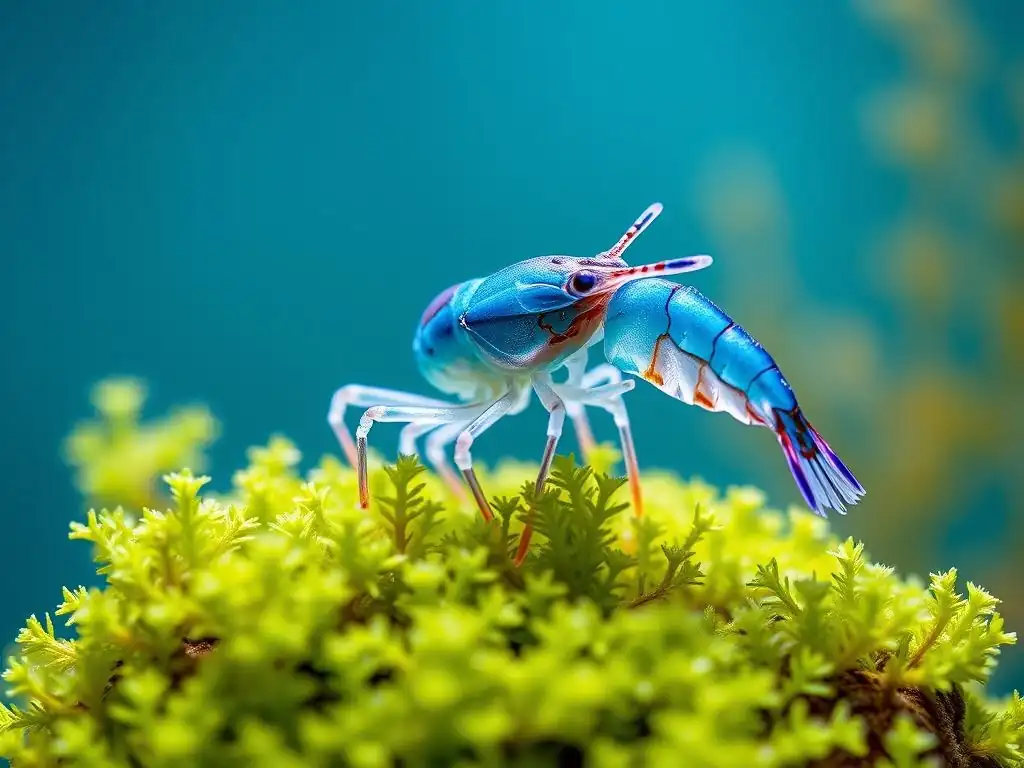
The daily light cycle significantly influences the activity levels of Neocaridina shrimp. During periods of appropriate illumination, shrimp are generally more active, foraging for food on plants, substrate, and decor. This increased activity is a sign of comfort and well-being. A consistent light cycle, typically 8-10 hours per day, helps establish a predictable routine for the shrimp, reducing stress and encouraging natural behaviors.
Conversely, an excessively long light cycle (e.g., 12-14+ hours) or an erratic one can disrupt their natural rhythms, leading to reduced activity, increased hiding, and potentially faded colors. Similarly, sudden changes in light intensity, such as turning on very bright lights abruptly, can startle shrimp and cause them to dart around or hide. Maintaining a stable and predictable lighting schedule is key to promoting natural, healthy activity levels and supporting optimal Neocaridina color lighting preferences.
Stress and Lighting: Finding the Right Balance
Lighting is a common yet often overlooked stressor for Neocaridina shrimp. High light intensity, especially when coupled with a lack of adequate hiding spots, can make shrimp feel exposed and vulnerable, leading to chronic stress. This stress manifests as faded coloration, reduced appetite, lethargy, and increased hiding behavior. Over time, chronic stress can weaken their immune system, making them more susceptible to diseases and potentially impacting their lifespan.
To mitigate stress, it's crucial to find a balance that meets the Neocaridina color lighting preferences. This involves selecting an appropriate light intensity and duration, as well as providing ample plant cover or decor like cholla wood or rock caves where shrimp can retreat. A gradual ramp-up/down feature, if available on the light fixture, can also significantly reduce the shock of sudden light changes, further contributing to a stress-free environment for the shrimp.
Impact of Light Cycles on Neocaridina Breeding
Consistent and appropriate light cycles play a role in promoting successful breeding in Neocaridina shrimp. A stable environment, including a regular light schedule, signals to the shrimp that conditions are favorable for reproduction. Female shrimp, in particular, are more likely to become "berried" (carrying eggs) when they feel secure and unstressed. Typically, an 8-10 hour light cycle is conducive to breeding, as it mimics natural daylight periods and allows for sufficient dark periods for rest.
Conversely, erratic light cycles or prolonged periods of intense light can disrupt the shrimp's biological clock and stress them, potentially inhibiting breeding. While light itself isn't the sole factor for breeding (water parameters, diet, and temperature are also critical), it contributes significantly to the overall environmental stability that encourages Neocaridina to reproduce. Maintaining a consistent Neocaridina color lighting preferences schedule, therefore, is an important aspect of a successful breeding program.
Lighting and Algae Growth in Neocaridina Tanks
Controlling Algae with Proper Lighting
Algae growth is a common issue in aquariums, and lighting is one of the primary factors influencing its proliferation. Excessive light intensity, prolonged light cycles (over 10 hours), or an imbalanced spectrum (e.g., too much green or yellow light) can fuel rapid algae growth, leading to unsightly green or brown films on glass, plants, and substrate. This not only detracts from the tank's aesthetics but can also outcompete desirable plants for nutrients.
To control algae, it's essential to manage the Neocaridina color lighting preferences effectively. This typically involves reducing the light duration to 6-8 hours per day, ensuring the intensity is appropriate for the tank's bioload and plant mass, and avoiding direct sunlight exposure. Consistent water changes and proper nutrient balance (nitrates, phosphates) also work in conjunction with optimized lighting to keep algae in check, ensuring a clean and healthy environment for the shrimp.
Using Lighting to Promote Beneficial Algae for Shrimp
While excessive algae can be problematic, certain types of algae, particularly biofilm and diatoms (brown algae), can be a beneficial food source for Neocaridina shrimp. These microalgae provide essential nutrients and serve as a constant grazing surface for shrimp, supplementing their diet. In a well-balanced tank, a thin layer of natural algae on surfaces is often welcomed by shrimp keepers.
Strategic lighting can help cultivate these beneficial films without leading to an overwhelming algae bloom. This might involve using a slightly lower light intensity or a shorter duration than what might cause rampant growth, encouraging slow, consistent biofilm development. The goal is to strike a balance where enough algae grows to provide a food source, but not so much that it becomes unsightly or problematic. This nuanced approach to Neocaridina color lighting preferences can contribute to a healthier, more self-sustaining shrimp ecosystem.
Specific Lighting Recommendations for Different Neocaridina Color Varieties
Lighting for Red Cherry Shrimp Color Intensity
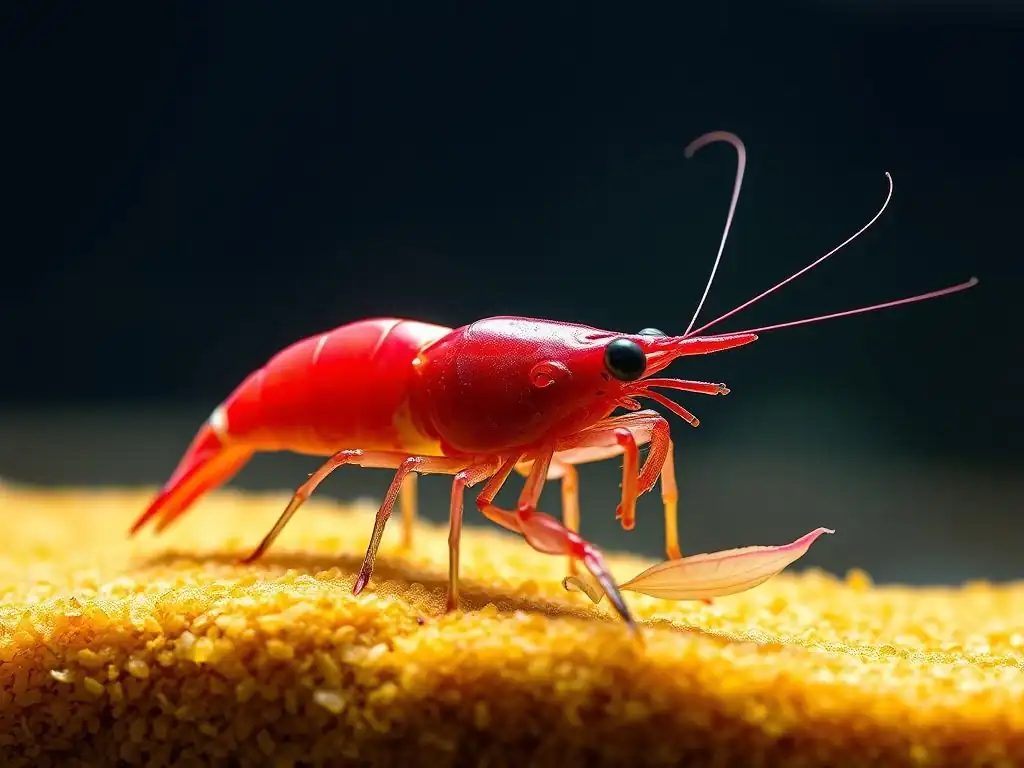
Red Cherry Shrimp (RCS) are one of the most popular Neocaridina varieties, and their vibrant red color is highly sought after. To enhance their intensity, consider lighting that has a strong red component in its spectrum. While a full-spectrum light (6500K) is a great baseline, LED fixtures that allow for individual channel control can be adjusted to slightly boost red wavelengths (around 620-700 nm).
Avoid overly blue or green-heavy lights, as these can mute the reds. Moderate intensity is key; too bright and RCS may stress and fade, appearing translucent. A consistent light cycle of 8-9 hours per day with a light that emphasizes reds will help bring out the best in their coloration, making them appear a deeper, more saturated ruby red. This aligns perfectly with the Neocaridina color lighting preferences for red varieties.
Lighting for Blue Dream Shrimp Color Enhancement
Blue Dream Neocaridina are prized for their deep, opaque blue coloration. To enhance this specific hue, lighting with a significant blue spectrum component (around 450-495 nm) can be highly effective. Some aquarists find that lights with a cooler color temperature (e.g., 7500K or higher) can make blues appear more striking, though a balanced full-spectrum light with a good CRI (Color Rendering Index) is usually sufficient.
It's important not to overdo the blue light, as too much can make the tank look unnatural and potentially stress the shrimp. Instead, aim for a balanced spectrum where blue is prominent but not overpowering. Moderate light intensity and a stable 8-hour light cycle will ensure Blue Dreams are comfortable and display their best possible color, reflecting their specific Neocaridina color lighting preferences.
Lighting for Yellow Goldenback Shrimp Color Optimization
Yellow Goldenback Neocaridina are characterized by their bright yellow bodies and often a distinct "golden stripe" down their back. To optimize their color, a full-spectrum light with good color rendition (high CRI) is generally ideal. While there isn't a specific wavelength that dramatically boosts yellow, a balanced spectrum that includes warm white light (around 3000K-4000K) can help make yellows appear richer and more vibrant.
Avoid lights that are too cool or blue, as these can make yellow shrimp appear washed out or greenish. Moderate light intensity is crucial to prevent stress-induced fading. A consistent light cycle, typically 8-9 hours, will allow these shrimp to comfortably display their bright, sunny yellow hues, aligning with their Neocaridina color lighting preferences for optimal vibrancy.
Lighting for Black Rose Shrimp Color Depth
Black Rose Neocaridina are sought after for their deep, opaque black coloration. Unlike other varieties where light enhances vibrancy, for black shrimp, the goal is often to maintain the depth and prevent them from appearing brownish or translucent. Lower light intensity is often preferred for Black Rose shrimp. High intensity can sometimes cause them to lighten or develop a brownish tinge as a stress response.
A full-spectrum light with a moderate to slightly lower intensity will typically work best. Avoid lights that are overly bright or have strong red/yellow components, which might bring out unwanted undertones. A consistent, slightly shorter light cycle, perhaps 7-8 hours, can contribute to a darker, more stable coloration by reducing potential stress, which aligns with the unique Neocaridina color lighting preferences for this dark variety.
Lighting for Orange Sakura Shrimp Color Vibrancy
Orange Sakura Neocaridina boast a striking, often translucent orange color. To maximize their vibrancy, a full-spectrum light with a balanced output is recommended. Similar to Red Cherry Shrimp, lights that subtly emphasize the red and orange wavelengths (e.g., 600-700 nm) can help make their color appear more saturated and eye-catching.
Ensure the light intensity is moderate; too much light can cause them to fade or become stressed, leading to a less vibrant appearance. A consistent light cycle of 8-9 hours per day provides the stability they need to display their full potential. By providing lighting that supports their Neocaridina color lighting preferences, Orange Sakura shrimp will exhibit their brightest and most appealing orange hues.
Troubleshooting Lighting Issues Affecting Neocaridina
Addressing Faded Colors in Neocaridina Shrimp
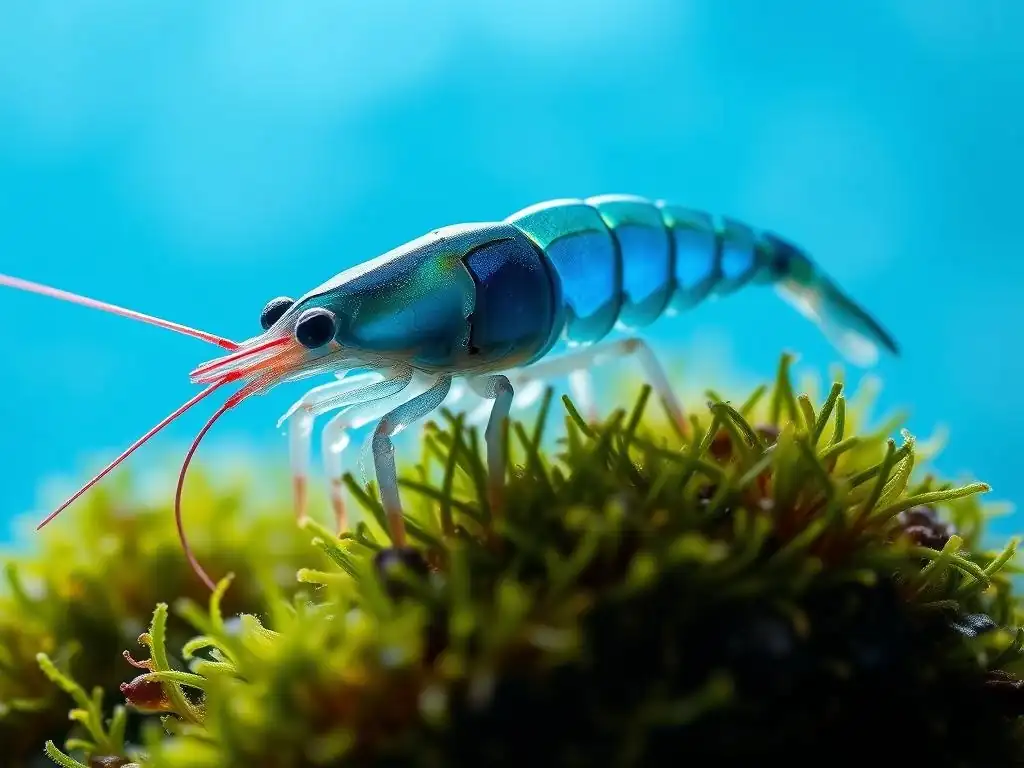
Faded colors in Neocaridina shrimp are a common concern and can often be linked to lighting issues. The first step is to assess the light intensity: is it too high? If shrimp are constantly hiding or appear translucent despite a good diet, reducing the light intensity, perhaps by dimming the fixture or raising it further from the tank, can alleviate stress. Consider if the light duration is too long; an 8-9 hour cycle is generally sufficient.
Another factor is the light spectrum. While less common, an imbalanced spectrum that doesn't complement the shrimp's natural pigments can make them appear dull. Ensuring a full-spectrum light with a high CRI can help. Finally, remember that lighting is one factor among many; check water parameters (ammonia, nitrite, nitrate), diet, and tank stability, as these also profoundly impact Neocaridina color.
Dealing with Excessive Algae Growth Due to Lighting
Excessive algae growth is a clear indicator that your lighting parameters might be out of balance. The primary culprits are usually too high an intensity or too long a light cycle. Begin by reducing your light duration to 6-8 hours per day. If using a dimmable light, gradually decrease the intensity. For non-dimmable lights, consider raising the fixture or adding a mesh screen to diffuse the light.
Additionally, ensure your light spectrum isn't overly heavy in wavelengths that promote algae, such as greens and yellows, though a balanced spectrum is usually fine. Manual algae removal, increased water changes, and ensuring proper nutrient balance in the water (avoiding excess phosphates or nitrates) will complement lighting adjustments to bring algae under control. Patience is key, as it takes time for the tank to re-balance.
Adjusting Lighting to Reduce Shrimp Stress
Shrimp stress due to lighting often manifests as hiding, darting movements, refusal to eat, and faded colors. To reduce stress, the immediate action is to ensure the light intensity is not overwhelming. For most Neocaridina tanks, a PAR value between 20-50 µmol/m²/s at the substrate level is a good starting point. If your light is too powerful, consider dimming it or elevating it further from the water surface.
Implementing a consistent light schedule, ideally 8-9 hours per day with a timer, provides predictability. If your light fixture has a ramp-up/ramp-down feature, utilize it to simulate dawn and dusk, preventing sudden light changes that can startle shrimp. Providing ample hiding spots like dense plant cover, cholla wood, or rock caves also gives shrimp a sense of security, allowing them to retreat from the light when they feel overwhelmed, further contributing to their comfort and optimal Neocaridina color lighting preferences.
Maintaining Optimal Lighting for Healthy and Colorful Neocaridina
Regular Light Maintenance and Bulb Replacement
Consistent light output is crucial for maintaining the health and vibrant coloration of Neocaridina shrimp. For LED fixtures, regular maintenance primarily involves keeping the diodes and lenses clean from dust, water spots, and algae, which can impede light transmission. A soft, damp cloth is usually sufficient for cleaning the exterior.
For fluorescent bulbs, regular replacement is essential. T5 and T8 bulbs typically degrade in spectrum and intensity over 6-12 months, even if they still appear to be working. This degradation can lead to reduced plant growth, increased algae, and less vibrant shrimp colors. Replacing bulbs on a schedule, rather than waiting for them to burn out, ensures a consistent and optimal lighting environment that supports the Neocaridina color lighting preferences.
Monitoring Light Levels and Adjusting as Needed
Even with a set schedule, monitoring the actual light levels in your Neocaridina tank is beneficial. While a PAR meter is the most accurate tool, visual cues are often sufficient for shrimp keepers. Observe your shrimp's behavior: are they active and out in the open, or are they constantly hiding? Are your plants growing well, or are they showing signs of light deficiency or excess?
If shrimp colors are fading or algae is proliferating, these are strong indicators that adjustments to intensity or duration may be needed. Conversely, if plants are struggling to grow, a slight increase in intensity or duration might be warranted. Flexibility and observation are key to fine-tuning the Neocaridina color lighting preferences to suit your specific tank's needs and ensure the long-term vibrancy of your shrimp.
Cleaning Algae off Light Fixtures
Algae can occasionally grow on the underside of light fixtures, especially if they are close to the water surface or exposed to splashes. This algae buildup can significantly block light from reaching the tank, effectively reducing the intensity and potentially altering the spectrum. It's important to regularly inspect the light fixture itself for any accumulation.
To clean, carefully turn off and unplug the light fixture. Use a soft, damp cloth to gently wipe away any algae, dust, or water spots from the light-emitting surface. Avoid using harsh chemicals or abrasive materials that could damage the fixture. Keeping the light clean ensures maximum light penetration into the aquarium, contributing to consistent conditions for plant growth and the maintenance of vibrant Neocaridina color lighting preferences.
Conclusion: Achieving Vibrant Neocaridina Colors Through Strategic Lighting
Achieving and maintaining the stunning colors of Neocaridina shrimp is a rewarding aspect of aquarium keeping, and strategic lighting plays an indispensable role. Understanding the intricate relationship between light spectrum, intensity, and duration, and how these factors influence both pigment expression and shrimp behavior, is fundamental. By providing a consistent, full-spectrum light that meets the specific Neocaridina color lighting preferences—ranging from emphasizing reds for Cherry Shrimp to deepening blues for Blue Dreams—aquarists can significantly enhance their shrimp's vibrancy.
Beyond color, appropriate lighting contributes to a stress-free environment, encouraging natural activity levels and promoting successful breeding. While managing algae growth is a challenge, it too can be mitigated through careful light management. Regular maintenance and attentive observation of both shrimp and plant health allow for timely adjustments, ensuring the lighting remains optimal. Ultimately, a well-thought-out lighting strategy is not just about aesthetics; it's about fostering a thriving, colorful, and healthy Neocaridina colony that brings joy and beauty to any freshwater aquarium.
Frequently Asked Questions
How does aquarium lighting affect the color of Neocaridina shrimp?
Aquarium lighting significantly influences the color expression of Neocaridina shrimp. Different light spectrums can enhance or suppress certain pigments, leading to variations in perceived color. The intensity of the light also plays a role.
What type of lighting is generally recommended to enhance Neocaridina shrimp colors?
Generally, a full-spectrum LED light designed for planted aquariums is recommended. These lights provide a balanced spectrum that supports plant growth and vibrant shrimp coloration. Look for lights with a color temperature around 6500K.
Can too much light negatively affect Neocaridina shrimp?
Yes, excessive lighting can cause stress and potentially fade the colors of Neocaridina shrimp over time. It can also promote algae growth, which can impact water quality. Ensure adequate hiding places are available.
While Neocaridina don't have highly specific lighting needs, a consistent day/night cycle is crucial for their well-being and behavior. A timer controlling the lights for around 8-10 hours per day is highly recommended to mimic their natural environment.
How does lighting affect the breeding behavior of Neocaridina shrimp?
A stable lighting schedule, as mentioned above, is important for breeding. Consistent light and dark cycles help regulate their internal clocks, which in turn influences their breeding behavior. Stable water parameters are also critical for successful breeding, and lighting indirectly impacts this.
Final Reflection: Illuminating the Shrimp's World
The insights gleaned from exploring Neocaridina color lighting preferences are not merely academic; they directly impact the health, vibrancy, and overall well-being of these fascinating creatures in countless aquariums worldwide. Understanding the specific light spectrum and intensity that best supports their coloration and natural behaviors allows aquarists to create thriving ecosystems, moving beyond simple aesthetics to prioritize the shrimp's inherent needs.
This journey into the world of aquarium lighting has underscored the profound interconnectedness between environmental factors and the delicate balance of life within a closed ecosystem. It reminds us that even seemingly small adjustments can have significant ripple effects. In the right light, at the right time, everything is extraordinary.
- Aaron Rose. This quote perfectly encapsulates how the correct lighting can unlock the full potential of our Neocaridina, revealing their true beauty and vitality.
As you consider the information presented, I encourage you to reflect on your own aquarium practices. Are you truly providing the optimal environment for your Neocaridina to flourish? Take the time to assess your lighting setup, observe your shrimp's behavior, and embrace the opportunity to refine your approach. By doing so, you're not just enhancing their color; you're cultivating a deeper understanding and appreciation for the intricate beauty of the aquatic world.
Ignite Your Shrimp Tank: Witness the Transformation!
Thank you for diving into the fascinating world of aquarium lighting and its impact on your Neocaridina shrimp! Now that you've discovered the secrets to vibrant colors and thriving behavior, it's time to put this knowledge into action.
Here are a few ways to transform your aquarium into a shrimp paradise:
- Implement the optimal lighting schedule discussed and document the changes in your shrimp's coloration and activity levels over the next four weeks.
- Share your before-and-after photos and lighting specifications on social media using #AquariumMasteryShrimp, helping fellow shrimp keepers learn and grow.
- Explore creating a DIY light diffuser from common household materials to soften harsh lighting and observe if it influences your shrimp's stress levels.
What specific lighting setup change are you most excited to experiment with in your aquarium?