
The Importance of Humidity for SemiAquatic Crab Species' Health

Welcome to Aquarium Mastery!
Ever wondered if you're really creating the perfect habitat for your semi-aquatic crabs? Discover the secrets to maintaining optimal semi aquatic crab humidity and unlock the key to their thriving health. Dive in to explore crucial insights that could transform your crab care routine and ensure a vibrant, long-lasting life for your fascinating invertebrates!
- Understanding the Humidity Needs of Semi-Aquatic Crabs
- The Negative Effects of Low Humidity on Semi-Aquatic Crabs
- Creating the Ideal Humid Environment for Your Semi-Aquatic Crab
- Measuring and Monitoring Humidity Levels in Crab Habitats
- Maintaining Proper Humidity: Practical Tips and Techniques
- Troubleshooting Common Humidity-Related Problems in Crab Enclosures
- The Connection Between Humidity, Diet, and Overall Crab Health
- Advanced Techniques for Maintaining Humidity in Complex Crab Habitats
-
Frequently Asked Questions
- How crucial is humidity for the well-being of semi-aquatic crabs?
- What humidity levels are ideal for most semi-aquatic crab species?
- What are the signs of low humidity affecting my semi-aquatic crab?
- How can I effectively maintain proper humidity levels in my crab's enclosure?
- What are some common mistakes aquarists make regarding semi-aquatic crab humidity?
- Final Reflection: The Breath of Life for Semi-Aquatic Crabs
- Unleash a Thriving Habitat for Your Crabby Friends!
Understanding the Humidity Needs of Semi-Aquatic Crabs
Why Humidity Matters for Crab Health and Well-being
Humidity is not merely a comfort factor but a critical physiological requirement for semi-aquatic crab species. Unlike fully aquatic crabs, semi-aquatic species spend significant time out of water, yet their specialized gills and permeable cuticles necessitate a consistently moist environment for efficient gas exchange. Without adequate semi aquatic crab humidity, these delicate structures rapidly dry out, severely impeding their ability to absorb oxygen and expel carbon dioxide, leading to respiratory distress.
Beyond respiration, proper humidity is paramount for preventing desiccation and supporting crucial biological processes, most notably molting. A dry environment increases the rate of water loss from the crab's body, leading to chronic dehydration, which stresses their internal organs and metabolic functions. Consistent, high semi aquatic crab humidity reduces this stress, allowing the crab to maintain its internal fluid balance and allocate energy towards growth and overall well-being.
Differentiating Humidity Needs Among Semi-Aquatic Crab Species [Geosesarma vs. Uca]
The term "semi-aquatic" encompasses a diverse range of crab species, each with unique humidity requirements dictated by their natural habitats and physiological adaptations. For instance, species from the Geosesarma genus, commonly known as Vampire Crabs, are largely terrestrial, inhabiting damp leaf litter near streams and rainforest floors. These crabs thrive in environments where relative humidity consistently ranges between 80% and 95%, reflecting their need for a highly saturated air moisture content to prevent their delicate gills from drying out.
In contrast, Uca species, or Fiddler Crabs, are intertidal zone inhabitants, spending their lives on muddy or sandy shores. While they require constant access to both fresh and saltwater pools, their burrows are crucial for maintaining localized high humidity, typically around 70-90% RH. They can tolerate brief periods of lower humidity when foraging, but prolonged exposure to dry air outside their burrows is detrimental. Understanding these specific semi aquatic crab humidity requirements, from the near-saturation needs of rainforest crabs to the burrow-dependent humidity of intertidal species, is fundamental for successful captive care.
The Negative Effects of Low Humidity on Semi-Aquatic Crabs
Dehydration and its Consequences for Crabs
Low semi aquatic crab humidity is a direct pathway to dehydration, a severe and often fatal condition for these delicate invertebrates. When the ambient air lacks sufficient moisture, the crab's gills, which are designed for aquatic or highly humid environments, dry out rapidly. This causes their delicate lamellae to stick together, drastically reducing the surface area available for oxygen absorption. Simultaneously, water is lost through the crab's permeable cuticle, leading to a systemic fluid imbalance.
The consequences of dehydration are profound and widespread. Internally, it disrupts electrolyte balance, puts immense strain on the excretory organs, and can lead to kidney failure. Externally, dehydrated crabs often exhibit lethargy, a dull and brittle-looking exoskeleton, and a noticeable decrease in activity or appetite. Chronic dehydration significantly shortens a crab's lifespan, with severe cases leading to death within days if the environment is not corrected.
Shell and Exoskeleton Problems Due to Insufficient Moisture
The exoskeleton, or shell, of a semi-aquatic crab is its primary defense and structural support. In environments with insufficient semi aquatic crab humidity, the chitinous material of the shell becomes brittle and prone to damage. This can manifest as cracks, chips, or a general dullness, making the crab more susceptible to physical injury and bacterial or fungal infections that can exploit compromised areas of the shell.
Furthermore, inadequate moisture hinders the natural processes of shell maintenance and repair. The shell can become rough or flaky, indicating a lack of proper hydration within the cuticular layers. This weakening of the exoskeleton is particularly problematic during the vulnerable pre-molt and post-molt phases, as a brittle shell makes the shedding process more difficult and the newly formed shell less resilient.
Respiratory Issues in Crabs Caused by Dry Environments
Semi-aquatic crabs, even those that appear to be terrestrial, rely on specialized gills for respiration. These gills must remain consistently moist to facilitate the diffusion of oxygen from the air into the bloodstream and the expulsion of carbon dioxide. In a dry environment, the delicate gill tissues quickly desiccate, causing the gill lamellae to collapse or stick together. This dramatically reduces the functional surface area for gas exchange, leading to severe respiratory distress.
Symptoms of respiratory issues due to low semi aquatic crab humidity include labored breathing (rapid or shallow gill movements), gasping for air, increased time spent submerged in water (if available), and a general state of lethargy or weakness. Prolonged respiratory impairment not only causes significant discomfort but also deprives the crab's organs of vital oxygen, leading to systemic stress, immune suppression, and increased susceptibility to opportunistic infections, ultimately impacting their survival.
Impact on Molting Success in Low-Humidity Conditions
Molting, or ecdysis, is a high-risk, energy-intensive process critical for a crab's growth and survival. During a molt, the crab sheds its old, rigid exoskeleton to allow for growth. Adequate semi aquatic crab humidity is absolutely essential for this process, as it helps to soften the old shell, making it easier for the crab to extract itself. It also allows the new, soft exoskeleton to expand properly before it hardens.
In low-humidity conditions, the old shell can become stiff and unyielding, trapping the crab inside. This often results in a "stuck molt," where the crab is unable to fully escape, leading to the loss of limbs or, more commonly, death. Even if the crab manages to free itself, the new shell may not harden correctly, or the struggle may cause severe injuries, significantly impacting the crab's long-term health and reducing its post-molt survival rate. Studies indicate that a significant percentage of captive crab mortalities are directly linked to failed molts caused by insufficient environmental moisture.
Creating the Ideal Humid Environment for Your Semi-Aquatic Crab
Enclosure Design for Optimal Humidity Levels
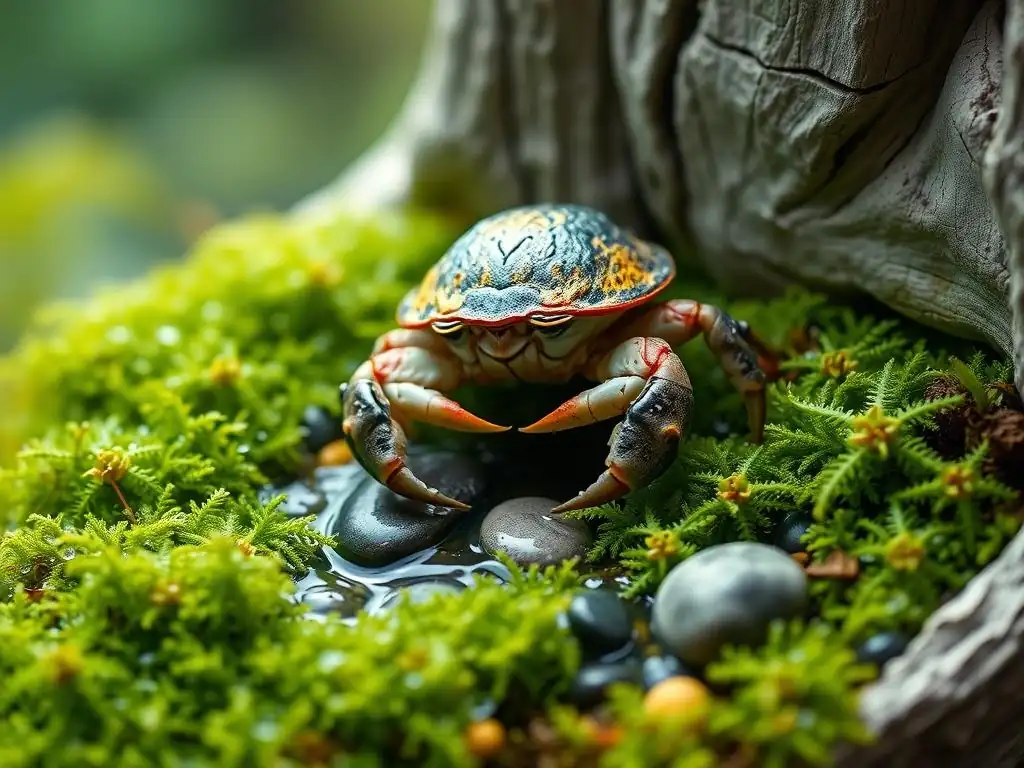
The fundamental design of a semi-aquatic crab enclosure plays a pivotal role in maintaining optimal semi aquatic crab humidity. Glass or acrylic terrariums are highly recommended over mesh cages, as their solid walls effectively trap moisture. A secure-fitting lid is equally crucial, preventing rapid evaporation. For species requiring very high humidity, such as Geosesarma crabs, consider a lid with minimal ventilation or partially cover a screen top with plastic wrap or a solid panel, leaving only small gaps for essential airflow.
Beyond the basic structure, incorporating design elements that create microclimates can be beneficial. Elevated platforms or decor can provide slightly drier zones, while the substrate layer maintains high humidity. The overall size of the enclosure should also be considered; larger tanks (e.g., 10-gallon for a pair of small crabs, 20-gallon for larger species) offer more stable humidity and temperature gradients, preventing drastic fluctuations.
Substrate Choices for Maintaining Humidity [Coconut Fiber, Sphagnum Moss]
The choice of substrate is paramount for regulating semi aquatic crab humidity. High-quality substrates effectively absorb and slowly release moisture, acting as a humidity reservoir. Coconut fiber (coco coir) is an excellent choice, known for its impressive water retention capacity, often holding 8-9 times its weight in water. It's also resistant to mold and provides a natural digging medium.
Sphagnum moss is another superior option, particularly for species that enjoy burrowing, as it can hold up to 20 times its dry weight in water. A deep layer of moist substrate, typically 4-6 inches for burrowing species, allows crabs to create humid burrows essential for molting and resting. Combining these substrates, perhaps a base of coco fiber with pockets of sphagnum moss, can create varied moisture levels and textures, enriching the crab's environment and promoting stable semi aquatic crab humidity.
Utilizing Water Features to Increase Humidity
Strategic placement of water features is a simple yet highly effective method for boosting semi aquatic crab humidity. Semi-aquatic crabs require constant access to water for drinking, bathing, and often for gill hydration. Providing both a shallow freshwater dish and, for some species like Fiddler Crabs, a saltwater dish, allows for significant surface evaporation. These dishes should be wide and shallow enough for the crabs to easily enter and exit, and to fully submerge if they desire.
To further enhance evaporation and contribute to ambient humidity, consider adding a small air stone or bubbler to the water dish, or even a miniature internal filter in a larger, shallow pool. The increased surface agitation will release more water vapor into the air. Ensure that all water used is dechlorinated and, if applicable, properly salted for brackish or marine species, as this directly impacts the overall semi aquatic crab humidity and water quality.
The Role of Ventilation in Balancing Humidity and Airflow
While high semi aquatic crab humidity is crucial, proper ventilation is equally important to prevent stagnation, mold growth, and harmful bacterial buildup. Stagnant, excessively humid air can lead to respiratory issues and fungal infections. The goal is to achieve a delicate balance: enough ventilation to allow for air exchange without rapidly drying out the enclosure.
For most semi-aquatic setups, this can be achieved with strategically placed small vents or by slightly propping open a section of the lid. Avoid large, open mesh tops unless you are prepared to mist very frequently. The ideal scenario allows fresh air to enter while stale, oxygen-depleted air exits, ensuring a healthy environment. Regularly assessing the enclosure for a stuffy smell or excessive condensation will help indicate if ventilation needs adjustment.
Measuring and Monitoring Humidity Levels in Crab Habitats
Choosing the Right Hygrometer for Accurate Readings
Accurate measurement of semi aquatic crab humidity is essential for proper care. While analog dial hygrometers are inexpensive, they are often notoriously inaccurate and slow to respond, making them unreliable for critical monitoring. Digital hygrometers are strongly recommended for their precision, typically offering readings within ±5% relative humidity (RH), and their faster update rates. Many digital models also include a thermometer, providing valuable temperature data.
When placing your hygrometer, ensure it is in a central location within the enclosure, away from direct water sources (like water dishes or misted areas) and heat lamps. This placement provides a more accurate reading of the ambient semi aquatic crab humidity that the crabs are experiencing throughout their habitat. Regularly check the hygrometer to confirm that humidity levels remain within the optimal range for your specific crab species.
Ideal Humidity Ranges for Different Crab Species
The ideal semi aquatic crab humidity range varies significantly depending on the species' natural habitat. For highly terrestrial species like Geosesarma (Vampire Crabs), a consistent relative humidity of 80-95% is typically required to mimic their rainforest floor environment. These crabs suffer quickly in drier conditions.
For more intertidal species such as Uca (Fiddler Crabs), which have access to burrows and water, a range of 70-90% RH is often sufficient, provided they also have access to suitable substrate for burrowing and adequate water features. General guidance for most semi-aquatic crabs suggests a minimum of 70% RH, with many species thriving closer to 80% or above. Researching the specific needs of your crab species is paramount to providing the correct semi aquatic crab humidity.
Recognizing Signs of Humidity Imbalance in Your Crab's Behavior
Observing your crab's behavior is a crucial indicator of appropriate semi aquatic crab humidity levels, even with a hygrometer. Signs of low humidity often include increased time spent submerged in water dishes, lethargy, a dull or dry appearance of the shell, increased hiding, or difficulty moving. Crabs may also become more reclusive or attempt to burrow excessively if their environment is too dry.
Conversely, signs of excessive humidity can include persistent condensation on the tank walls, a strong musty smell, visible mold growth on the substrate or decor, or the crab appearing restless and attempting to climb to the highest, driest points in the enclosure. A perpetually foggy tank interior, combined with stagnant air, can also indicate a lack of proper ventilation alongside high semi aquatic crab humidity. Early recognition of these behavioral cues allows for timely adjustments to prevent health issues.
Maintaining Proper Humidity: Practical Tips and Techniques
Misting Techniques for Boosting Humidity
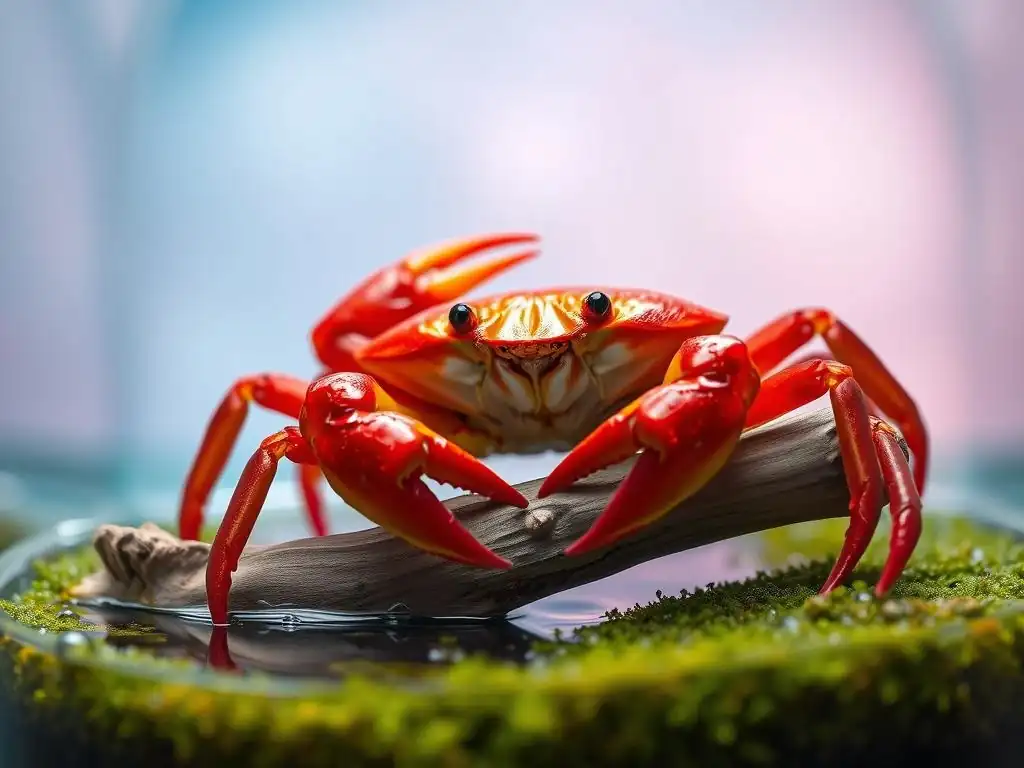
Misting is a common and effective technique to rapidly increase semi aquatic crab humidity, especially for species requiring consistently high levels. Use a fine mist spray bottle filled with dechlorinated or reverse osmosis (RO) water. The frequency of misting depends on the ambient humidity of your home and the specific needs of your crab species; some may require misting once or twice daily, while others might benefit from several mistings throughout the day.
When misting, aim to lightly coat the enclosure's surfaces, plants, and substrate without soaking them. Avoid directly spraying the crabs, as sudden temperature drops can be stressful. The goal is to create a fine fog that slowly settles, increasing the atmospheric moisture. Over-misting can lead to waterlogged substrates and promote mold growth, so it's a balance between providing moisture and preventing saturation.
Using Humidifiers and Foggers Safely
For larger enclosures or species with very stringent semi aquatic crab humidity requirements, ultrasonic humidifiers or foggers can provide a consistent and controlled mist. These devices create a cool, fine vapor that effectively raises ambient humidity levels. They are particularly useful for maintaining stable conditions overnight or when you are away from home.
Safety is paramount when using these devices. Always use distilled or RO water in the humidifier to prevent mineral buildup and ensure the longevity of the unit. Position the humidifier outside the enclosure, directing the mist into the tank via a hose, to prevent the crabs from accessing the electrical components or stagnant water in the reservoir. Regular cleaning of the humidifier is crucial to prevent bacterial or fungal growth that could be harmful to your crabs.
Controlling Humidity Through Temperature Management
Temperature directly influences relative humidity: warmer air can hold more moisture. Maintaining a stable and appropriate temperature range for your semi-aquatic crab species (typically between 72-80°F for many common species) can indirectly help in maintaining semi aquatic crab humidity. If the temperature is too low, the air's capacity to hold moisture decreases, leading to lower relative humidity and potential condensation issues.
Conversely, excessive heat can cause rapid evaporation, drying out the enclosure too quickly and making it difficult to maintain desired humidity levels. Heat sources, such as low-wattage overhead lamps or properly installed heat mats on the side of the tank (never underneath, which can dry out the substrate and burn burrowing crabs), should be used in conjunction with a thermostat to ensure stable temperatures that support optimal humidity without overheating the environment.
Addressing Seasonal Humidity Fluctuations
Household humidity levels can fluctuate significantly with the seasons, impacting the semi aquatic crab humidity within their enclosure. During dry winter months, often due to central heating, or in hot, arid summer climates, more proactive measures will be necessary. This might include increasing the frequency of misting, adding more sphagnum moss to the substrate, or partially covering more of the tank's lid to reduce air exchange and trap moisture.
Conversely, during naturally humid seasons or in climates with consistently high ambient humidity, you might need to increase ventilation slightly to prevent the enclosure from becoming excessively damp and prone to mold growth. Regular monitoring with a reliable hygrometer and adjusting your maintenance routine accordingly will ensure your crabs experience stable and appropriate semi aquatic crab humidity year-round.
Dealing with Excessive Humidity and Mold Growth
While high semi aquatic crab humidity is essential, excessive moisture combined with poor ventilation can lead to significant problems, most notably mold growth. Signs of excessive humidity include persistent condensation on tank walls, a pervasive musty odor, and visible patches of white, green, or black mold on the substrate, decor, or even the crabs themselves. Mold can cause respiratory issues and skin infections in crabs.
To combat this, increase ventilation by opening vents further or slightly propping the lid. Reduce misting frequency and ensure the substrate isn't waterlogged; allow the top layer to dry slightly between mistings if appropriate for the species. Promptly remove any decaying organic matter (food scraps, dead leaves) as these are prime sites for mold. Introducing a bioactive clean-up crew like springtails and isopods can also help manage mold by consuming decaying organic material.
Preventing Waterlogged Substrates and Anaerobic Conditions
A continuously saturated substrate, often a result of over-misting or poor drainage, can quickly lead to anaerobic conditions. This means the substrate becomes deprived of oxygen, promoting the growth of harmful anaerobic bacteria that produce toxic gases like hydrogen sulfide, identifiable by a strong "rotten egg" smell. These gases are lethal to crabs.
To prevent waterlogged substrates, avoid over-saturating during misting. While some semi-aquatic crabs appreciate very moist substrate, it should never be perpetually soggy or standing in water. For species that burrow, ensure the substrate is deep enough but also allows for some air pockets. Regularly stirring or aerating the top layer of the substrate can help prevent compaction and promote gas exchange, ensuring healthy semi aquatic crab humidity levels without creating dangerous anaerobic zones.
Addressing Mineral Buildup
The use of tap water for misting or in water dishes, especially in areas with hard water, can lead to unsightly mineral buildup. White, chalky deposits may appear on the tank walls, decor, and even on the crab's exoskeleton. While often benign, excessive mineral buildup can affect the aesthetic of the enclosure and potentially irritate the crabs' delicate structures over time.
The most effective solution is to consistently use distilled, reverse osmosis (RO), or purified water for all misting and water features. These water sources are free of dissolved minerals, preventing buildup and ensuring that only pure moisture contributes to the semi aquatic crab humidity. If mineral deposits are already present, they can often be carefully wiped away with a damp cloth (using only purified water) during routine tank maintenance.
The Connection Between Humidity, Diet, and Overall Crab Health
Nutritional Needs and Hydration
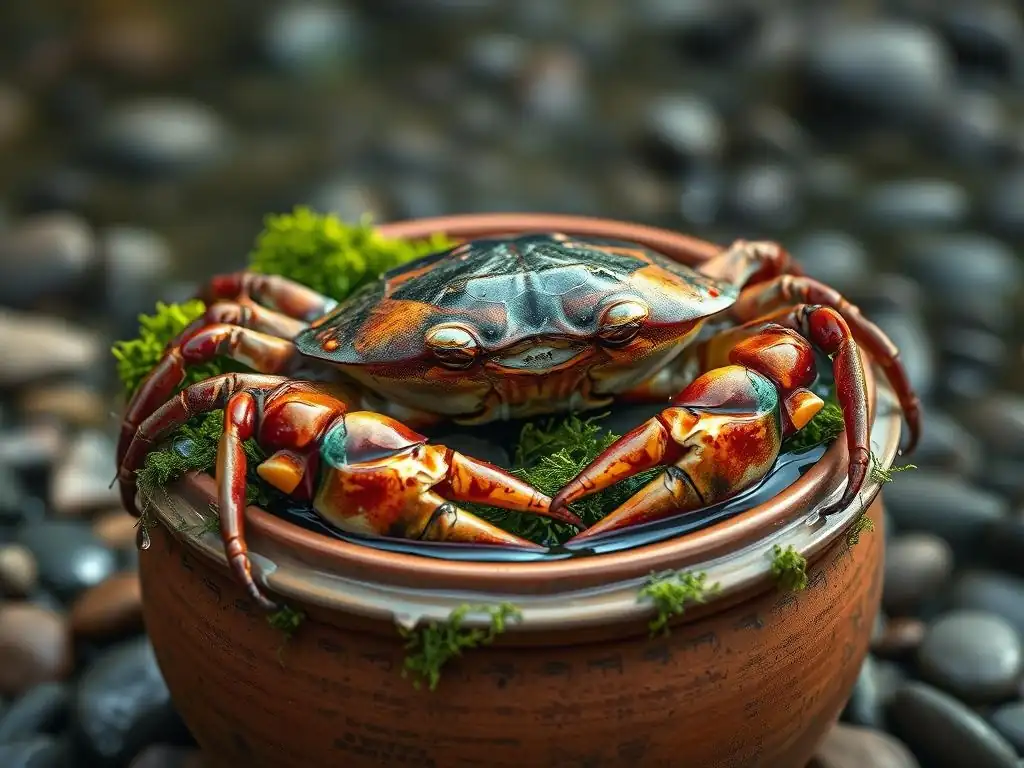
While semi aquatic crab humidity provides the external moisture crucial for gill function and molting, proper hydration is also deeply intertwined with a crab's internal nutritional needs. A well-hydrated crab, living in an optimal humid environment, can more efficiently absorb and metabolize nutrients from its diet. Water is a vital component in all metabolic processes, including digestion, nutrient transport, and waste elimination.
A diet rich in essential nutrients, particularly calcium and chitin, is fundamental for shell development and successful molting. Calcium is the primary building block for the new exoskeleton, while chitin provides the structural integrity. Even with perfect semi aquatic crab humidity, a nutritionally deficient diet can lead to weak shells, incomplete molts, and other health complications. Thus, humidity and diet work synergistically to support the crab's overall physiological well-being.
Supplementation Strategies to Support Healthy Molting
To ensure robust shell formation and successful molting, diet supplementation plays a crucial role alongside proper semi aquatic crab humidity. Calcium sources are paramount; cuttlebone (available in pet stores), calcium carbonate powder, or calcium-rich foods like dark leafy greens can be offered. These provide the necessary minerals for the new, soft exoskeleton to properly calcify and harden after a molt.
Chitin, the primary component of the exoskeleton, is also important. Foods like unpeeled shrimp, fish flakes containing chitin, or even shed exoskeletons from feeder insects can provide this vital nutrient. A varied diet that includes a range of fresh vegetables, fruits, and appropriate protein sources ensures a broad spectrum of vitamins and minerals. These dietary components, combined with the softening effect of high semi aquatic crab humidity, significantly increase the chances of a healthy and successful molt.
Preventing Health Issues Through Proper Humidity and Diet Management
Many common health issues observed in captive semi-aquatic crabs, such as shell rot, respiratory infections, and fatal molting complications, can be directly attributed to either improper semi aquatic crab humidity or an inadequate diet, or a combination of both. Optimal humidity levels reduce physiological stress, prevent desiccation, and ensure the respiratory system functions correctly, thereby strengthening the crab's natural defenses.
A balanced diet, rich in calcium, chitin, and other essential nutrients, provides the internal resources necessary for a strong immune system, healthy tissue repair, and the successful regeneration of the exoskeleton during molting. By meticulously managing both the environmental humidity and the nutritional intake, aquarists can significantly reduce the risk of these common ailments, ensuring their semi-aquatic crabs thrive and live out their full lifespans in captivity.
Advanced Techniques for Maintaining Humidity in Complex Crab Habitats
Automated Misting Systems: Pros and Cons
For enthusiasts with multiple enclosures, large setups, or those seeking maximum convenience and precision in semi aquatic crab humidity control, automated misting systems are an advanced solution. These systems typically consist of a pump, a water reservoir, a timer, and multiple spray nozzles that can be strategically placed throughout the habitat. They allow for precise control over misting duration and frequency, ensuring consistent humidity levels even when you're away.
The primary pros include highly consistent humidity, reduced manual effort, and the ability to program specific misting schedules. However, cons include a higher initial cost, the need for regular maintenance to prevent nozzle clogging and bacterial growth in the reservoir, and the potential for mechanical failure. While highly effective, they may be overkill for a single, small enclosure, but are invaluable for managing complex or large-scale semi-aquatic crab habitats.
Bioactive Setups and Humidity Control
Bioactive setups represent a sophisticated approach to creating self-sustaining environments that naturally regulate semi aquatic crab humidity. These setups involve creating a living ecosystem within the enclosure, complete with a "clean-up crew" (e.g., springtails and isopods) to break down waste, and live plants. The layered substrate system (drainage layer, substrate, leaf litter) in a bioactive tank effectively retains and slowly releases moisture, contributing to stable ambient humidity.
Live plants, through the process of transpiration, release water vapor into the air, further enhancing semi aquatic crab humidity levels. The decomposition of organic matter by the clean-up crew also releases some moisture. This integrated approach reduces the need for frequent manual misting and creates a more stable, natural, and enriching environment for the crabs, mimicking their native ecosystems more closely.
Integrating Live Plants to Enhance Humidity and Air Quality
The strategic integration of live, moisture-loving plants is an excellent advanced technique for boosting semi aquatic crab humidity and improving overall habitat quality. Plants like Pothos ( Epipremnum aureum), various ferns (e.g., Boston Fern, Maidenhair Fern), and certain mosses (e.g., Java Moss, Sphagnum Moss) are excellent choices. Through transpiration, these plants release water vapor from their leaves into the air, significantly contributing to the ambient humidity levels within the enclosure.
Beyond humidity, live plants improve air quality by absorbing carbon dioxide and releasing oxygen, creating a healthier breathing environment for your crabs. They also provide natural climbing structures, hiding spots, and a more aesthetically pleasing and enriching habitat, encouraging natural behaviors. Always ensure that any plants introduced are non-toxic to crabs and have been thoroughly rinsed to remove any pesticide residues.
Frequently Asked Questions
How crucial is humidity for the well-being of semi-aquatic crabs?
Humidity is absolutely vital for semi-aquatic crabs. It prevents desiccation (drying out) and supports their respiratory functions.
What humidity levels are ideal for most semi-aquatic crab species?
Generally, aim for a humidity level between 70% and 85%. This range helps them thrive, mimicking their natural environment.
What are the signs of low humidity affecting my semi-aquatic crab?
Signs include lethargy, difficulty molting, and a general lack of activity. A dry shell is also a key indicator.
How can I effectively maintain proper humidity levels in my crab's enclosure?
Use a substrate that retains moisture, like coconut fiber. Regularly mist the enclosure and consider a shallow water dish for evaporation.
What are some common mistakes aquarists make regarding semi-aquatic crab humidity?
Overlooking the importance of ventilation while trying to maintain humidity is a big one. Also, inconsistent misting schedules can cause fluctuations.
Final Reflection: The Breath of Life for Semi-Aquatic Crabs
The intricacies of maintaining optimal semi aquatic crab humidity are not merely a matter of scientific curiosity; they are a crucial determinant of these fascinating creatures' well-being and survival in captivity. Understanding and replicating the humid environments they thrive in is paramount to responsible crab keeping, directly impacting their molting success, respiratory health, and overall vitality.
This exploration into the vital role of humidity has underscored the delicate balance required to mimic nature's design. My own journey into crab keeping has been profoundly shaped by this understanding, realizing that providing the right environment is not just a task, but a commitment to their thriving. In nature, nothing exists alone.
- Rachel Carson. This quote resonates deeply, reminding us that even within the confines of a terrarium, we are responsible for creating a miniature ecosystem where humidity is the invisible thread connecting all aspects of their health.
As you consider the information presented, I urge you to reflect on your own role in the lives of these captivating creatures. Are you providing the "breath of life" they need to flourish? Let this knowledge inspire you to create environments where your semi-aquatic crabs can not only survive, but truly thrive, showcasing their natural behaviors and vibrant health for years to come.
Unleash a Thriving Habitat for Your Crabby Friends!
Thank you for diving into the world of semi-aquatic crab care! Now that you understand the crucial role humidity plays in your crab's well-being, let's put that knowledge into action.
- First and foremost, dedicate this weekend to dialing in the perfect humidity levels in your crabitat, remembering to use a reliable hygrometer for accurate readings!
- Share your crab's newly optimized habitat on your favorite aquarium forum, and tag Aquarium Mastery to inspire fellow crab enthusiasts.
- Experiment with incorporating naturally humidity-boosting elements like live moss or leaf litter from safe sources to create an even richer environment.
What creative methods have you found most effective for maintaining optimal humidity for your semi-aquatic crabs?