
Ivory Snails: The Elegant Cousin of the Mystery Snail – Full Care Guide

Welcome to Aquarium Mastery!
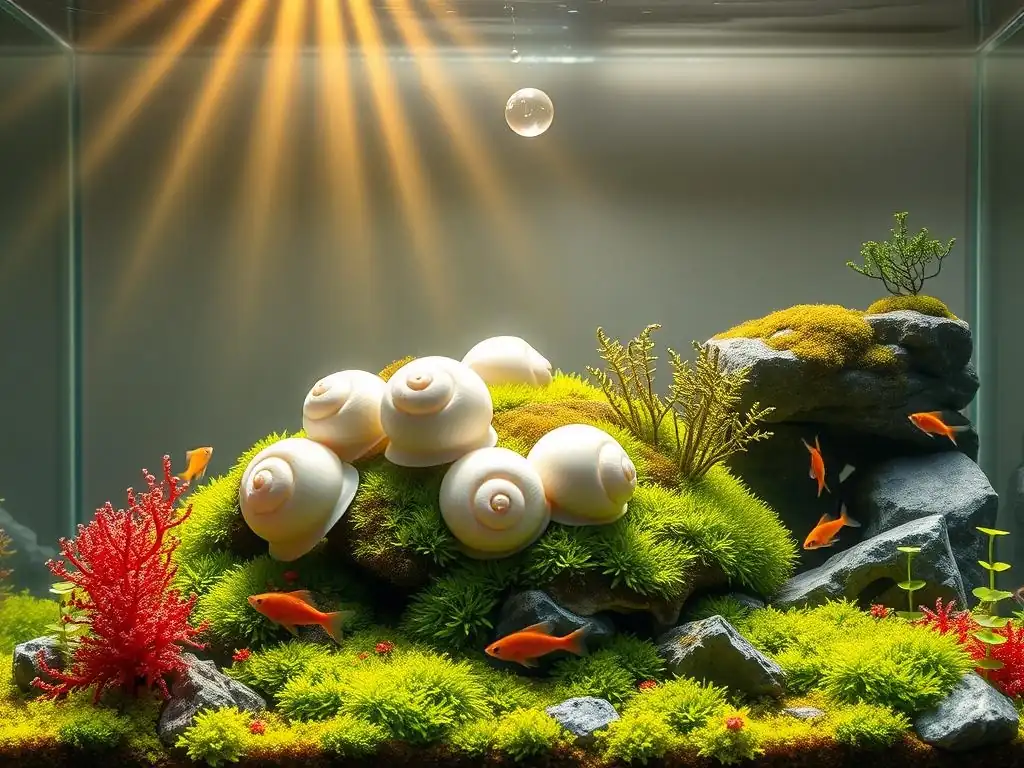
Intrigued by snails that bring both beauty and utility to your aquarium? Then you're in the right place! Ever wondered if the Ivory Snail is the perfect addition to your aquatic ecosystem? Discover everything you need to know about their care, compatibility, and unique needs in our comprehensive Ivory Snail Care Guide below. Dive in and unlock the secrets to keeping these elegant invertebrates thriving!
- Introduction to Ivory Snails: A Comprehensive Care Guide
- What are Ivory Snails? Understanding This Freshwater Invertebrate
- Setting Up the Ideal Ivory Snail Aquarium Environment
- Ivory Snail Care: Essential Maintenance Tips
- Ivory Snail Tank Mates: Compatibility and Considerations
- Ivory Snail Breeding: A Complete Guide
- Common Ivory Snail Problems and Solutions
- Where to Buy Ivory Snails: Finding Healthy Specimens
- Conclusion: Mastering Ivory Snail Care for a Thriving Aquarium
-
Frequently Asked Questions
- What are the key differences between Ivory Snails and Mystery Snails?
- What are the ideal water parameters for Ivory Snails in an aquarium?
- What do Ivory Snails eat, and how often should they be fed?
- Are Ivory Snails compatible with other aquarium inhabitants?
- What are some common health problems affecting Ivory Snails, and how can they be prevented?
- Final Reflection: The Enduring Allure of Aquatic Harmony
- Transform Your Tank: Embrace the Elegance of Ivory Snails!
Introduction to Ivory Snails: A Comprehensive Care Guide
Ivory snails, often admired for their pristine, creamy-white shells, are a captivating addition to many freshwater aquariums. As a specific color morph of the popular Mystery snail ( Pomacea diffusa), they share many of the same endearing qualities and care requirements, yet possess a distinct aesthetic that sets them apart. This comprehensive Ivory snail care guide is designed to equip aquarists with all the necessary knowledge to ensure these beautiful invertebrates thrive in their aquatic homes.
From understanding their unique biology to setting up the perfect habitat, mastering their diet, and even exploring their breeding habits, this guide covers every facet of successful Ivory snail care. We will delve into the nuances of water parameters, compatible tank mates, and common issues, providing practical solutions to help you maintain a healthy and vibrant environment for your Ivory snails.
What are Ivory Snails? Understanding This Freshwater Invertebrate
Ivory snails are a striking color variant of the Mystery snail, scientifically known as Pomacea diffusa. They belong to the Ampullariidae family, commonly referred to as apple snails, which are characterized by their ability to breathe both underwater using gills and atmospheric air using a siphon. This dual respiratory system is a key adaptation that allows them to survive in varying oxygen conditions in their natural habitats.
These freshwater invertebrates are known for their active scavenging habits, making them excellent clean-up crew members in an aquarium. They typically grow to a size of 1.5 to 2 inches (approximately 3.8 to 5 cm) in diameter, offering a noticeable yet manageable presence in most community tanks. Their calm demeanor and unique behaviors, such as extending their long siphon to the water surface for air, add an intriguing dynamic to any aquatic display.
Ivory Snail vs. Mystery Snail: Key Differences and Similarities
The primary distinction between an Ivory snail and other Mystery snail color morphs lies in its shell coloration. While Mystery snails ( Pomacea diffusa) come in a variety of hues including gold, blue, purple, and brown, the Ivory snail specifically exhibits a pure, unblemished creamy white or off-white shell, often complemented by a lighter foot. This consistent coloration is a result of selective breeding and makes them highly sought after for their elegant appearance.
Beyond color, Ivory snails share all the fundamental biological and behavioral traits of their Mystery snail counterparts. Both possess an operculum, a hard plate that can seal their shell opening for protection or during periods of dormancy. They also exhibit the characteristic siphon for aerial respiration and are known for their relatively large size compared to other aquarium snails. Their feeding habits, reproductive methods, and general temperament are identical, meaning that the core Ivory snail care principles apply across all Pomacea diffusa variants.
Origin and Natural Habitat of Ivory Snails
Ivory snails, as a variant of the Mystery snail, originate from the tropical and subtropical regions of South America. Their natural habitats span across vast areas, including the Amazon Basin, Paraguay, and parts of Argentina, where they inhabit slow-moving freshwater environments. These include rivers, lakes, ponds, swamps, and even rice paddies, often found in areas with dense aquatic vegetation.
In their native environments, these snails thrive in waters that are typically warm, ranging from approximately 68°F to 82°F (20°C to 28°C), and can vary from slightly acidic to slightly alkaline, with a preference for neutral to slightly hard water. They are primarily scavengers, feeding on decaying plant matter, algae, and detritus found on the substrate and submerged surfaces. This natural diet and their adaptability to fluctuating water conditions contribute to their resilience and make them well-suited for aquarium life when proper Ivory snail care is provided.
Setting Up the Ideal Ivory Snail Aquarium Environment
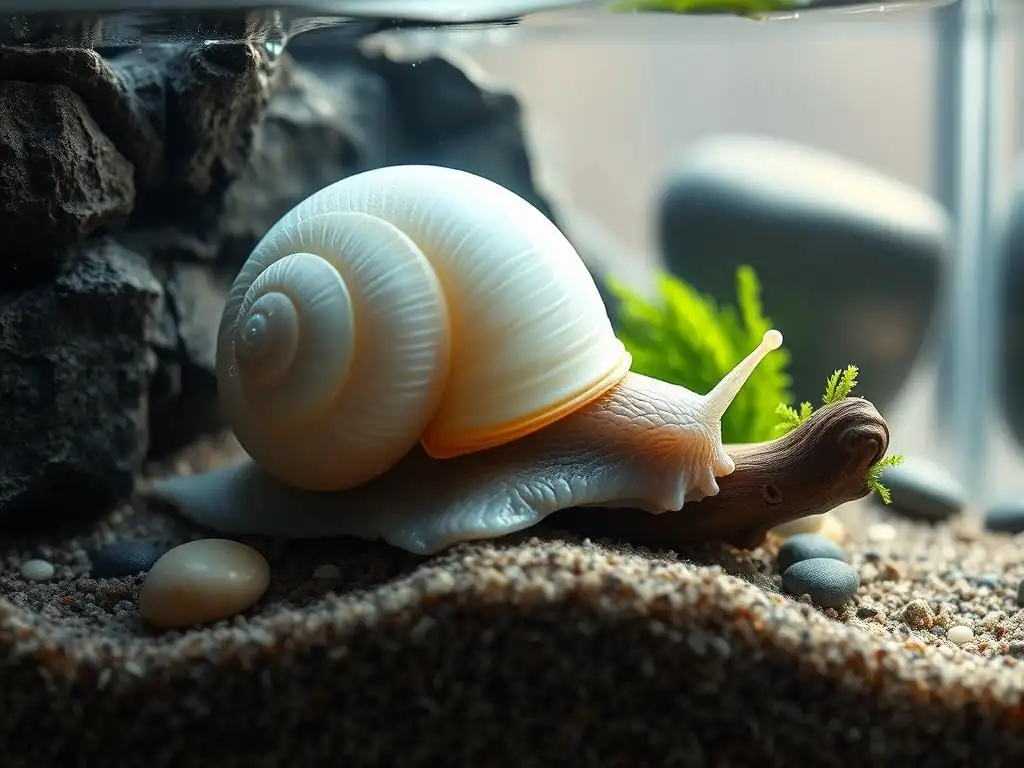
Creating the optimal environment is crucial for the health and longevity of your Ivory snails. A well-established tank that mimics their natural habitat will ensure they thrive, exhibiting their full range of fascinating behaviors. This section details the essential components for a perfect Ivory snail aquarium setup.
Tank Size Requirements for Healthy Ivory Snails
For a single Ivory snail, a minimum tank size of 5 gallons (approximately 19 liters) is recommended. While they are relatively small, their bio-load is significant for an invertebrate, and a 5-gallon tank provides enough space for grazing and stable water parameters. For multiple Ivory snails, a general guideline is to add an additional 1 to 2 gallons (3.8 to 7.6 liters) per snail. For instance, a 10-gallon tank can comfortably house 3-5 Ivory snails, allowing adequate room for movement and minimizing competition for resources.
Larger tanks, such as 20 gallons (76 liters) or more, are often preferable, especially for beginners, as they offer greater stability in water chemistry and temperature. The increased water volume dilutes waste products more effectively, reducing the frequency of severe ammonia or nitrite spikes that can be detrimental to Ivory snail health. This stability is a cornerstone of effective Ivory snail care, leading to healthier, more active snails.
Essential Water Parameters: pH, Temperature, and Hardness for Ivory Snails
Maintaining precise water parameters is paramount for the health and shell integrity of Ivory snails. The ideal pH range for these snails is between 7.0 and 8.0, with a slight preference for the alkaline side, as this helps prevent shell erosion. Temperatures should be kept stable within 68-82°F (20-28°C), with an optimal range of 72-78°F (22-26°C), which promotes active metabolism and healthy growth. Fluctuations outside this range can stress the snails and lead to lethargy or susceptibility to disease.
Water hardness is particularly crucial for Ivory snails due to their calcium-rich shells. A General Hardness (GH) of 8-18 dGH (degrees of General Hardness), equivalent to approximately 140-320 ppm, is ideal to ensure sufficient calcium for strong shell development. Carbonate Hardness (KH) should be maintained between 4-12 dKH (70-210 ppm) to provide buffering capacity, preventing drastic pH swings. Regular testing of these parameters and consistent adjustments are vital components of comprehensive Ivory snail care.
Substrate and Decorations: Creating a Comfortable Habitat
The choice of substrate for an Ivory snail aquarium should prioritize their delicate "foot," which can be easily injured by sharp edges. Fine sand or very smooth, rounded gravel is highly recommended. A substrate depth of at least 1-2 inches (2.5-5 cm) allows for beneficial bacteria colonization and provides a surface for snails to graze upon. Avoid coarse or angular gravel, as it can cause abrasions, leading to infections or discomfort for your Ivory snails.
Decorations should include smooth rocks, driftwood, and live aquatic plants. Live plants like Anubias, Java Fern, or Hornwort are excellent additions, providing both surfaces for grazing algae and hiding spots. Ensure all decorations are stable and do not have sharp edges that could harm the snails. Providing various textures and surfaces encourages natural grazing behaviors and contributes to the overall well-being of the Ivory snails within their carefully curated habitat.
Filtration and Aeration Needs for Ivory Snail Tanks
Effective filtration is essential for maintaining pristine water quality, which is a cornerstone of good Ivory snail care. Sponge filters are an excellent choice for snail tanks as they provide gentle filtration, minimize strong currents that can stress snails, and prevent tiny snail fry from being sucked in. Hang-on-back (HOB) filters with a pre-filter sponge over the intake are also suitable, provided the flow rate is not excessively strong. For larger tanks with multiple snails, a canister filter set to a low flow can be effective, ensuring biological, mechanical, and chemical filtration.
Adequate aeration is also important, as Ivory snails, despite their ability to breathe air, still benefit from well-oxygenated water. An air stone or ensuring that the filter output creates gentle surface agitation will help oxygenate the water. Avoid overly turbulent water movement, as strong currents can make it difficult for Ivory snails to move around and feed comfortably. A balanced approach to filtration and aeration ensures a healthy, stable environment for your snails.
Ivory Snail Care: Essential Maintenance Tips
Maintaining a clean and stable environment is paramount for the long-term health of your Ivory snails. Regular maintenance, including proper feeding, water changes, and tank cleaning, forms the backbone of effective Ivory snail care. Adhering to these practices will prevent common issues and ensure your snails lead long, healthy lives.
Feeding Your Ivory Snails: Diet and Nutrition
Ivory snails are omnivorous scavengers, and while they will graze on algae and biofilm naturally occurring in the tank, their diet needs to be supplemented to ensure optimal health and shell growth. A balanced diet should include a variety of plant-based foods and calcium-rich options. Good quality algae wafers, sinking invertebrate pellets, and blanched vegetables form the core of their supplemental diet.
Calcium is particularly critical for the development and maintenance of their shells. Without adequate calcium, Ivory snails can develop shell pitting, erosion, or become more susceptible to damage. Providing a diverse diet ensures they receive all necessary nutrients, contributing significantly to their overall vitality and the success of your Ivory snail care regimen.
Best Food Options for Ivory Snails: A Detailed List
To ensure your Ivory snails receive a comprehensive and nutritious diet, consider incorporating the following items:
- Blanched Vegetables: Zucchini, cucumber, spinach, kale, and romaine lettuce are excellent choices. Blanching softens the vegetables, making them easier for the snails to consume. Simply boil them for 1-2 minutes, then cool before adding to the tank.
- Algae Wafers: High-quality algae wafers specifically formulated for bottom feeders and invertebrates are a staple.
- Sinking Pellets: Look for sinking pellets designed for snails or omnivorous bottom dwellers, ensuring they contain essential vitamins and minerals.
- Calcium Supplements: To boost calcium intake for strong shells, consider adding cuttlebone (a small piece floated or weighed down), crushed coral (in a filter bag or as part of the substrate), or liquid calcium supplements designed for aquariums.
- Decaying Plant Matter: While not a primary food source, Ivory snails will naturally graze on decaying plant leaves, which provides some nutrients and helps clean the tank.
Preventing Overfeeding in Ivory Snail Tanks
Overfeeding is a common mistake that can quickly lead to poor water quality, which is detrimental to Ivory snail health. Snails are constant grazers, but their supplemental feeding should be carefully managed. Offer small portions of food every 2-3 days, or as much as they can consume within a few hours (e.g., 2-4 hours). It is crucial to remove any uneaten food promptly after this period to prevent it from decaying and fouling the water.
Excess food contributes to elevated ammonia, nitrite, and nitrate levels, creating a toxic environment for all tank inhabitants, including your Ivory snails. Overfeeding can also lead to an explosion of pest snails or planarian worms, which can compete for food or even harm your Ivory snails. A disciplined feeding schedule is a key aspect of effective Ivory snail care and maintaining a balanced aquarium ecosystem.
Water Changes: Maintaining Optimal Water Quality
Regular water changes are fundamental to maintaining the pristine water quality that Ivory snails require. A weekly or bi-weekly water change of 25% of the tank volume is generally recommended, depending on the tank's bio-load and population density. When performing water changes, use a gravel vacuum to remove detritus and uneaten food from the substrate, as these can contribute to nitrate buildup.
Always ensure that the replacement water is dechlorinated and temperature-matched to the aquarium water to prevent shock to your Ivory snails and other inhabitants. Consistent water changes dilute nitrates and replenish essential minerals, including calcium, which is vital for shell health. This routine practice is a non-negotiable part of comprehensive Ivory snail care, directly impacting their vitality and longevity.
Tank Cleaning: Keeping Your Ivory Snail's Home Pristine
Beyond water changes, regular physical cleaning of the tank helps maintain a healthy environment for your Ivory snails. This includes scraping algae from the glass, which, while a food source for snails, can become unsightly if left unchecked. Periodically, gently clean filter media by rinsing it in old tank water during a water change to preserve beneficial bacteria. Avoid rinsing filter media under tap water, as chlorine can kill these essential bacteria.
Regularly remove any dead plant matter or uneaten food that Ivory snails might have missed. This prevents decomposition and subsequent ammonia spikes, which are highly toxic. Keeping the substrate clean through regular vacuuming also prevents the accumulation of waste. A consistently clean tank not only looks better but also significantly reduces stress on your Ivory snails, promoting their active and healthy existence.
Ivory Snail Tank Mates: Compatibility and Considerations
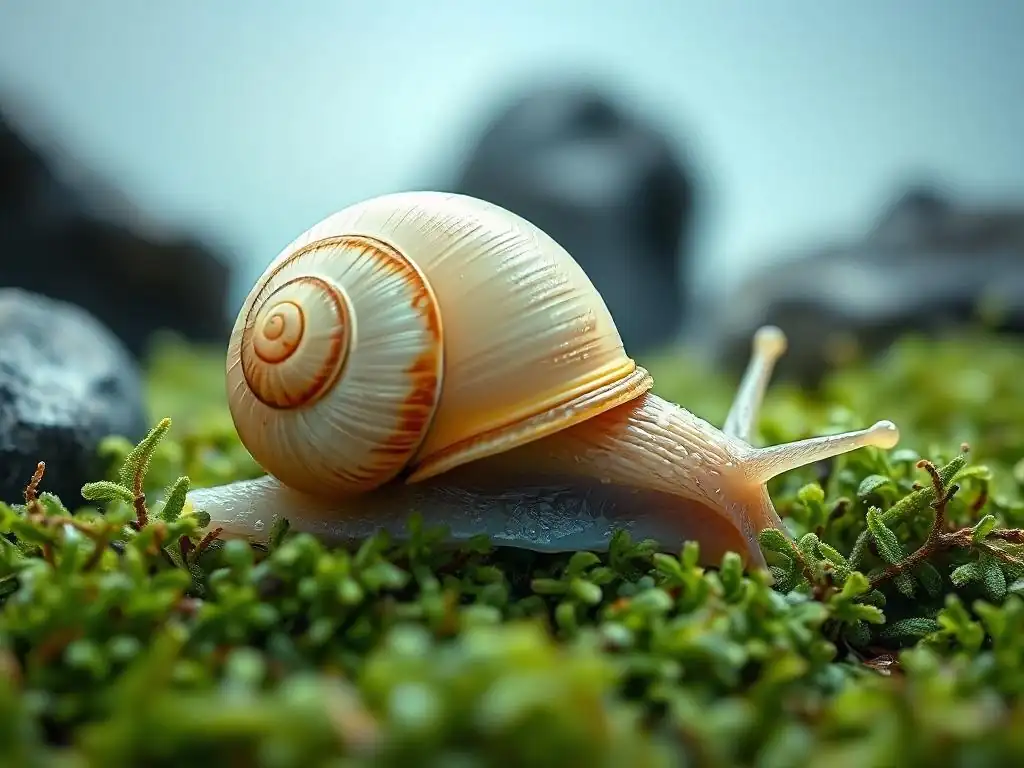
Choosing appropriate tank mates is a critical aspect of Ivory snail care. Their peaceful and vulnerable nature means they can be easily harassed or preyed upon by aggressive or opportunistic fish. Careful selection ensures a harmonious environment where your Ivory snails can thrive without stress or injury.
Suitable Fish and Invertebrates for Ivory Snail Aquariums
Ivory snails are best housed with peaceful, non-aggressive fish that will not nip at their antennae or attempt to eat them. Excellent choices include small schooling fish such as Neon Tetras, Cardinal Tetras, Ember Tetras, and Rummy Nose Tetras. Livebearers like Guppies, Endlers, and Mollies are also generally compatible, provided they are not overly boisterous. Peaceful bottom dwellers like Corydoras catfish are ideal, as they occupy a different tank stratum and pose no threat.
Other compatible invertebrates include various types of freshwater shrimp, such as Amano shrimp, Cherry shrimp, and Ghost shrimp, which share similar peaceful temperaments and water parameter preferences. Other peaceful snail species, like Nerite snails or Ramshorn snails, can also coexist peacefully with Ivory snails, contributing to the tank's clean-up crew without competition.
Fish to Avoid: Potential Predators and Bullies
Certain fish species are entirely unsuitable as tank mates for Ivory snails due to their predatory nature or aggressive tendencies. Any fish known to nip at fins or antennae, such as Tiger Barbs or some Gourami species, should be avoided, as they can cause significant stress and injury to Ivory snails. Large, predatory cichlids like Oscars, Jack Dempseys, or Arowanas will almost certainly view snails as a food source and devour them.
Loaches, particularly Clown Loaches and other Botia species, are notorious snail eaters and should never be housed with Ivory snails. Similarly, freshwater pufferfish, even smaller species, have specialized teeth designed for crushing snail shells and will actively hunt and consume them. Even seemingly peaceful fish can sometimes nip at snail antennae or try to eat smaller snails, so always research compatibility thoroughly as part of your Ivory snail care planning.
Preventing Snail Infestation with Proper Tank Mate Selection
While Ivory snails themselves are not typically considered "pest" snails due to their larger size and controlled breeding (they require both male and female, and lay clutches above water), proper tank mate selection can indirectly help prevent the introduction of true pest snails. Pest snails (e.g., pond snails, bladder snails, ramshorns) often hitchhike on live plants or in bags with new fish.
By quarantining all new fish and plants before adding them to your main Ivory snail aquarium, you can minimize the risk of introducing unwanted snail species. Inspect new plants thoroughly for any tiny snails or egg clutches. While tank mates don't directly control Ivory snail populations, a well-managed community tank with appropriate species reduces overall stress and helps maintain a balanced ecosystem, preventing conditions that might favor pest outbreaks.
Ivory Snail Breeding: A Complete Guide
Breeding Ivory snails can be a fascinating and rewarding aspect of Ivory snail care, offering a glimpse into their unique reproductive cycle. Unlike many other freshwater snails, Mystery snails (including Ivory snails) lay their eggs above the waterline, making the process easily observable. Understanding the conditions required for breeding and the subsequent care for the young is crucial for success.
Sexing Ivory Snails: Identifying Males and Females
Sexing Ivory snails visually can be quite challenging, as there are no obvious external differences between males and females when they are simply moving around the tank. The most reliable method involves observing them during mating or, more invasively, by carefully examining their mantle cavity. Males possess a penis sheath located on the right side of their head, which they extend during copulation. Females lack this structure.
To attempt to sex them, you might gently hold a snail with its operculum facing you and encourage it to extend its body. With careful observation, the male's sheath might be visible. Often, the easiest approach for breeding is to acquire a group of 4-6 adult Ivory snails, which significantly increases the likelihood of having both sexes present. Ivory snails typically reach sexual maturity when they are about 6-9 months old and have grown to at least an inch in diameter.
Creating Breeding Conditions: Optimizing Water Parameters
To encourage Ivory snails to breed, stable and optimal water parameters are essential, coupled with abundant food. Maintaining the water temperature towards the higher end of their preferred range, around 75-80°F (24-27°C), can stimulate breeding activity. A slightly higher protein content in their diet during this period might also encourage spawning.
Crucially, Ivory snails lay their eggs above the waterline, so there must be at least 2-4 inches (5-10 cm) of airspace between the water surface and the tank lid. A tight-fitting lid is also vital to prevent escapes, as females will climb out of the water to deposit their egg clutches. High humidity within this airspace is also beneficial for the successful development of the eggs.
Egg Laying and Hatching: What to Expect
Once breeding conditions are met, a female Ivory snail will climb out of the water, usually during the night, to deposit her eggs. The egg clutches are distinctive: they are typically off-white to pale pink in color, resembling a small, tightly packed cluster of tiny berries, and are laid in a firm, gelatinous mass on the tank lid, tank sides, or any surface above the water. A single clutch can contain anywhere from 50 to 200 eggs.
The incubation period for Ivory snail eggs varies depending on temperature and humidity, but typically ranges from 2 to 4 weeks. During this time, it is crucial to maintain high humidity in the airspace above the water to prevent the eggs from drying out. Some aquarists mist the clutches daily with dechlorinated water. As hatching approaches, the eggs may darken slightly. Tiny, fully formed Ivory snails will emerge from the clutch and drop into the water below.
Caring for Baby Ivory Snails: Fry Care Tips
Newly hatched Ivory snails are incredibly tiny and delicate, requiring specific care to ensure their survival. They are essentially miniature versions of the adults and will immediately begin to graze on algae and biofilm. For supplemental feeding, very fine powdered foods, crushed algae wafers, or blanched, mashed vegetables like zucchini or spinach can be offered. Ensure the food particles are small enough for their minuscule mouths.
Maintaining pristine water quality is paramount for baby Ivory snails. Frequent, small water changes (e.g., 10-15% every few days) are more beneficial than large, infrequent ones. Avoid strong filtration that could suck up the fragile fry; a gentle sponge filter is ideal. Providing plenty of surfaces for grazing, such as live plants or smooth rocks, will also aid their growth and development. With diligent Ivory snail care, these tiny creatures will grow rapidly, reaching maturity in a matter of months.
Common Ivory Snail Problems and Solutions
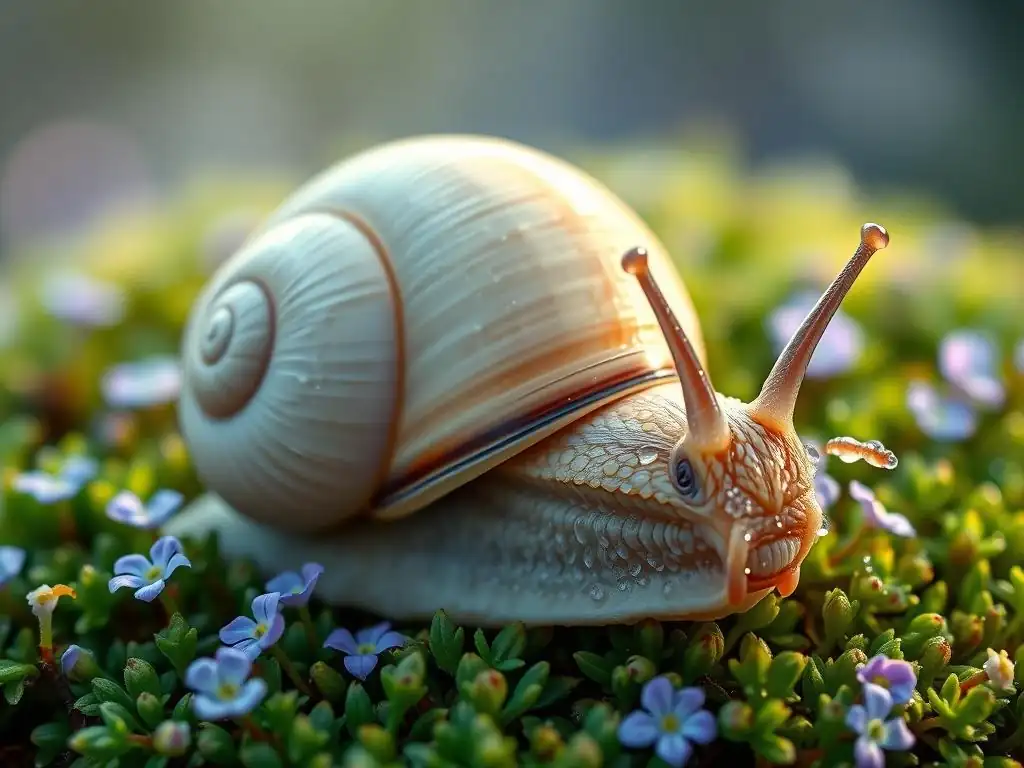
Despite their general hardiness, Ivory snails can encounter specific problems, often related to water quality or nutritional deficiencies. Recognizing these issues early and implementing appropriate solutions is a crucial aspect of responsible Ivory snail care.
Shell Problems: Causes and Treatments
Shell problems are among the most common ailments affecting Ivory snails and are almost always indicative of environmental or dietary deficiencies. Symptoms include pitting, erosion, thin spots, or a dull appearance on the shell. The primary causes are low pH (acidic water), soft water lacking essential minerals, and a diet deficient in calcium. When the pH drops below 7.0, the acidic water can actively dissolve the snail's calcium carbonate shell. Similarly, insufficient calcium or general hardness (GH) prevents the snail from building and repairing its shell effectively.
Treatment and prevention revolve around correcting these underlying issues. Regularly test your water parameters to ensure the pH remains between 7.0 and 8.0, and the GH is at least 8 dGH (140 ppm). Supplement the snail's diet with calcium-rich foods like blanched kale or spinach, and offer specific calcium supplements such as cuttlebone or crushed coral in the tank. Maintaining stable water conditions and a calcium-rich diet are fundamental to preventing and treating shell problems, making them key elements of proper Ivory snail care.
Calcium Deficiency in Ivory Snails: Prevention and Treatment
Calcium deficiency is a prevalent and serious issue for Ivory snails, directly impacting the integrity of their shells. The shell, primarily composed of calcium carbonate, requires a constant supply of calcium from both the water and their diet for growth and repair. Symptoms of deficiency include a noticeably thin or brittle shell, white or eroded patches, pitting, and sometimes even small holes developing. In severe cases, the snail may become lethargic and unable to properly seal its operculum.
To prevent calcium deficiency, ensure your aquarium water has a General Hardness (GH) of at least 8 dGH (140 ppm) and a stable pH above 7.0. Supplementing their diet is also critical: offer blanched, calcium-rich vegetables like kale, spinach, or broccoli florets several times a week. Additionally, adding a source of calcium directly to the tank can be highly beneficial. Options include a small piece of cuttlebone (used for birds), crushed coral in a filter bag, or specialized liquid calcium supplements designed for aquariums. Consistent attention to calcium levels is a cornerstone of effective Ivory snail care.
Inactivity and Lethargy: Identifying Potential Issues
Inactivity or prolonged lethargy in an Ivory snail can be a significant sign of distress and should prompt immediate investigation. While snails do have periods of rest, a healthy Ivory snail should be actively moving, grazing, or occasionally extending its siphon. If your snail is clamped shut for extended periods, floating motionless at the surface, or unresponsive to gentle prodding, it indicates a problem.
The most common causes of lethargy are poor water quality (spikes in ammonia, nitrite, or high nitrates), incorrect water temperature (too cold or too hot), or a lack of adequate food. Begin by performing a full water parameter test (ammonia, nitrite, nitrate, pH, GH, KH, temperature). If any parameters are off, conduct a partial water change immediately using temperature-matched, dechlorinated water.
Ensure the tank temperature is within the ideal range of 72-78°F (22-26°C) and offer a preferred food item. If the issue persists, consider isolating the snail in a small, clean container with optimal water to observe it closely and rule out external factors.
Parasites and Diseases: Recognizing and Addressing Symptoms
Ivory snails are generally quite hardy and resistant to many common fish diseases, but they are not entirely immune to problems, especially if introduced from contaminated sources. Internal parasites are a possibility, though often difficult to diagnose without microscopic examination. External issues like fungal or bacterial infections are rare but can occur, particularly if a snail's shell is damaged or water quality is consistently poor. Symptoms might be subtle, including unusual growths, persistent slimy patches, discoloration of the foot, or extreme, unexplained lethargy.
Preventing parasites and diseases primarily involves strict quarantine procedures for all new tank inhabitants, including plants and other snails, for at least 2-4 weeks. This helps ensure no external parasites or pathogens are introduced into your main Ivory snail aquarium. Maintaining excellent water quality and a nutritious diet is the best defense, as strong, healthy snails are less susceptible to illness. Treatment for snail-specific diseases is often limited, and severe cases may require euthanasia to prevent spread, though simply improving the environment often resolves many health issues experienced by Ivory snails.
Where to Buy Ivory Snails: Finding Healthy Specimens
Acquiring healthy Ivory snails is the first step toward successful Ivory snail care. Knowing what to look for in a healthy specimen and choosing a reputable supplier can save you from future problems and ensure your new additions thrive in their new home.
Selecting Healthy Ivory Snails: What to Look For
When purchasing Ivory snails, whether from a local fish store or an online vendor, careful observation is key to selecting healthy specimens. Look for snails that are active and moving around the tank or container. A healthy Ivory snail will often be seen grazing on surfaces or climbing the glass. Their operculum (the trapdoor) should be fully intact and capable of closing completely. The shell should be smooth, without any noticeable pitting, erosion, or cracks, and the color should be a consistent, vibrant ivory.
Avoid snails that are clamped shut for extended periods, floating motionless at the surface, or have a receding foot. Also, inspect the tank they are housed in; it should be clean, and the water clear, with no obvious signs of disease among other inhabitants. Observing these signs will significantly increase your chances of bringing home a robust and thriving Ivory snail, setting a strong foundation for your Ivory snail care journey.
Reputable Online and Local Retailers
Both local fish stores (LFS) and online retailers can be excellent sources for Ivory snails, but it's crucial to choose reputable ones. For local stores, visit in person to assess the cleanliness of their tanks, the health of their livestock, and the knowledge of their staff regarding Ivory snail care. A good LFS will have well-maintained tanks and be able to answer questions about the snails' origin and specific care requirements.
When considering online retailers, research their reputation thoroughly through customer reviews and forums. Look for vendors who specialize in invertebrates or have a strong track record of shipping live animals successfully. Reputable online suppliers often provide guarantees on live arrival and use proper insulated packaging with heat or cold packs as needed. Many dedicated invertebrate breeders operate online, offering high-quality, often home-bred Ivory snails that are less likely to carry diseases or parasites common in mass-produced stock.
Conclusion: Mastering Ivory Snail Care for a Thriving Aquarium
Ivory snails, with their elegant appearance and industrious nature, are truly delightful additions to any freshwater aquarium. Mastering Ivory snail care involves a straightforward yet consistent approach, focusing on stable water parameters, a calcium-rich diet, and a clean, safe environment. By understanding their unique needs, from optimal tank size and temperature to compatible tank mates and proper feeding techniques, aquarists can ensure these captivating invertebrates not only survive but truly flourish.
Enjoying the Beauty and Benefits of Ivory Snails in Your Aquarium
The rewards of diligent Ivory snail care extend beyond just keeping them alive; it allows you to fully appreciate their beauty and the significant benefits they bring to your aquatic ecosystem. Their constant grazing on algae helps maintain a cleaner tank, while their peaceful demeanor makes them ideal companions for a wide range of community fish.
Observing their unique behaviors, such as their graceful movements and the extension of their siphon for air, adds an intriguing dimension to your aquarium. With the comprehensive Ivory snail care guide provided, you are well-equipped to enjoy the vibrant presence and beneficial contributions of these elegant snails for years to come.
Frequently Asked Questions
What are the key differences between Ivory Snails and Mystery Snails?
Ivory Snails are considered the elegant cousins of Mystery Snails. While both are Ampullariidae family snails, Ivory Snails are generally smaller and known for their more delicate shells. They also exhibit less variation in color.
What are the ideal water parameters for Ivory Snails in an aquarium?
Ivory Snails thrive in water with a pH of 7.0-7.5, a temperature of 68-82°F (20-28°C), and moderate hardness. Consistent water parameters are crucial for their health. Maintaining good water quality is essential.
What do Ivory Snails eat, and how often should they be fed?
Ivory Snails are primarily detritivores and algae eaters. Supplement their diet with algae wafers, blanched vegetables, or snail-specific food 2-3 times per week to ensure they receive adequate nutrition.
Are Ivory Snails compatible with other aquarium inhabitants?
Ivory Snails are generally peaceful and compatible with most non-aggressive fish and invertebrates. Avoid housing them with snail-eating fish or invertebrates like assassin snails. Proper research is recommended before adding any new tank mates.
What are some common health problems affecting Ivory Snails, and how can they be prevented?
Common problems include shell degradation due to acidic water and calcium deficiency. Prevent these by maintaining proper water parameters, supplementing calcium, and providing a cuttlebone. Regular water changes can also prevent diseases.
Final Reflection: The Enduring Allure of Aquatic Harmony
The journey into understanding the nuances of Ivory snail care, as detailed in this guide, highlights a broader truth: even the smallest creatures can enrich our lives and demand our respect. The information presented underscores the delicate balance we strive for in our aquariums, mirroring the fragile ecosystems that exist in the natural world. By understanding and meeting the specific needs of these elegant invertebrates, we contribute to their well-being and, in turn, enhance the beauty and tranquility of our own aquatic spaces.
The presence of Ivory snails, and the dedication required to care for them, reflects a growing appreciation for biodiversity and responsible pet ownership. This connection to nature, fostered through the simple act of keeping an aquarium, reminds us of our interconnectedness with all living things. In nature, nothing exists alone.
- Rachel Carson. This quote encapsulates the essence of responsible aquarium keeping, urging us to consider the impact of our choices on the delicate web of life within our tanks and beyond.
Now, as you embark on, or continue, your journey with Ivory snails, consider the profound impact of your actions. Let this guide serve not only as a practical resource but also as a reminder to cultivate a deeper understanding and appreciation for the natural world. Embrace the opportunity to create a thriving ecosystem within your aquarium, and let the elegance of the Ivory snail inspire you to seek harmony and balance in all aspects of your life.
Transform Your Tank: Embrace the Elegance of Ivory Snails!
Thank you for exploring the captivating world of Ivory Snails with us! Now that you're equipped with a wealth of knowledge on their care and compatibility, it's time to take action and elevate your aquarium experience.
Here's how you can bring the serene beauty of Ivory Snails into your aquatic haven:
- Introduce Ivory Snails to Your Aquarium: Carefully acclimate and add a few Ivory Snails to experience their graceful presence and algae-cleaning prowess firsthand.
- Delve Deeper: Research compatible tank mates and explore unique décor options to create an optimal environment for your new shelled friends.
- Share the Serenity: Inspire fellow aquarists by sharing your Ivory Snail setup photos and care tips on social media.
Ready to witness the mesmerizing elegance of Ivory Snails transforming your aquarium?