
Lost Limbs in Crayfish: The Amazing Process of Regeneration and Recovery

Welcome to Aquarium Mastery! Ever wondered how a creature can bounce back from what seems like a permanent setback? Dive into the fascinating world of crayfish limb regeneration recovery and discover the incredible biological processes that allow these fascinating invertebrates to regrow lost limbs. Prepare to be amazed by the science behind this natural phenomenon, and learn how you can support a healthy recovery in your own aquarium inhabitants. Ready to unlock the secrets of crayfish regeneration?
- Crayfish Limb Regeneration: A Guide to Understanding and Supporting Recovery
- Understanding Crayfish Limb Loss and Regeneration
- The Stages of Crayfish Limb Regeneration: A Detailed Look
- Factors Influencing Crayfish Limb Regeneration Success
- Supporting Crayfish Limb Recovery in the Aquarium
- Preventing Limb Loss in Crayfish: Proactive Measures
- Crayfish Limb Regeneration: What to Expect and Potential Complications
- The Science Behind Crayfish Regeneration: A Brief Overview
- Species-Specific Regeneration: Examples of Variation
- Conclusion: Promoting Crayfish Health and Understanding Regeneration
-
Frequently Asked Questions
- How long does it typically take for a crayfish to fully regenerate a lost limb?
- What water parameters are crucial for optimal crayfish limb regeneration recovery?
- What should I feed my crayfish while it's regenerating a limb, and how often?
- Are there any specific medications or treatments I should use to help my crayfish recover from limb loss?
- What signs should I look for to indicate that the crayfish's limb regeneration isn't progressing properly?
- Final Reflection: The Resilience of Life
- Unleash Your Inner Biologist: Witness Crayfish Regeneration!
Crayfish Limb Regeneration: A Guide to Understanding and Supporting Recovery
Understanding Crayfish Limb Loss and Regeneration
Common Causes of Limb Loss in Crayfish
Crayfish, like many crustaceans, are susceptible to limb loss due to a variety of factors, both in their natural habitats and in aquarium settings. One of the most frequent causes is physical trauma, often resulting from aggressive interactions with tank mates.
For instance, in a community tank with a Procambarus clarkii (Red Swamp Crayfish), confrontations with larger, territorial fish or even other crayfish can lead to the loss of claws or walking legs. Similarly, improper handling by aquarists, such as picking up a crayfish by its claws, can trigger autotomy – the voluntary self-amputation of a limb as a defense mechanism or a response to injury.
Beyond direct trauma, molting complications are a significant cause of limb loss. During the molting process, crayfish shed their old, rigid exoskeleton to grow, and sometimes a limb can become stuck in the old shell. If the crayfish struggles excessively to free itself, it might autotomize the trapped limb to complete the molt successfully. Furthermore, poor water quality or underlying health issues like bacterial or fungal infections (e.g., shell rot) can weaken the exoskeleton and tissues, making limbs more prone to breaking off or being shed prematurely, hindering effective crayfish limb regeneration recovery.
The Importance of Regeneration for Crayfish Survival
Limb regeneration is not merely a cosmetic process for crayfish; it is absolutely vital for their survival and overall well-being. Crayfish rely heavily on their limbs for a multitude of essential functions. Their large chelipeds (claws) are indispensable for defense against predators, for capturing and processing food, and for display during mating rituals. Walking legs are crucial for locomotion, enabling them to forage, seek shelter, and escape danger efficiently.
The ability to regrow lost limbs ensures that the crayfish can quickly regain these vital functions. Without the capacity for effective crayfish limb regeneration recovery, an injured specimen would face severe disadvantages in the wild, struggling to find sustenance, defend itself, or reproduce. In an aquarium environment, while direct predation might be absent, the inability to feed properly or move freely still compromises the animal's health, leading to malnutrition, increased stress, and a significantly reduced quality of life.
The Stages of Crayfish Limb Regeneration: A Detailed Look
Stage 1: Wound Closure and Initial Bud (Blastema) Formation
The process of crayfish limb regeneration begins almost immediately after a limb is lost, whether through autotomy or injury. The first crucial step involves rapid wound closure to prevent excessive blood loss and infection. A protective membrane forms over the stump within hours, and specialized blood cells (hemocytes) help to seal the wound. Following this, a process of dedifferentiation occurs at the stump, where existing cells revert to a more primitive, undifferentiated state.
Within a few days, these dedifferentiated cells begin to proliferate rapidly, forming a small, conical mass of undifferentiated cells known as a blastema. This blastema appears as a tiny, often translucent bud at the site of the lost limb. It is the foundational structure from which the entire new limb will develop, marking the visible start of the crayfish limb regeneration recovery process.
Stage 2: Blastema Growth and Tissue Differentiation
Once the initial blastema has formed, it enters a phase of rapid growth, increasing significantly in size over the subsequent days and weeks. This growth is driven by continuous cell proliferation within the bud. As the blastema expands, the cells within it begin to undergo differentiation, meaning they start to specialize into the various tissue types that will constitute the new limb.
This stage involves the nascent formation of muscle cells, nerve cells, and the precursors to the new exoskeleton. The conical bud starts to elongate and subtly change shape, hinting at the future structure of the appendage. This internal organization is critical, laying the groundwork for the complex arrangement of the new limb's segments and joints.
Stage 3: Segment Development and Appendage Formation
As the blastema continues to grow and differentiate, it begins to visibly segment, mirroring the structure of the lost limb. This is a fascinating stage where the distinct parts of the new appendage – such as the propus, dactylus, and carpus for a cheliped – start to become discernible. The blastema elongates further, and constrictions appear, delineating the future joints of the limb.
At this point, the new limb is still encased within a thin, soft cuticle, often appearing translucent or somewhat pale compared to existing limbs. While it may resemble the lost appendage in form, it is significantly smaller and non-functional. The development of these segments is a critical precursor to the final stages of crayfish limb regeneration.
Stage 4: Full Limb Development and Functional Restoration
The final and most dramatic stage of crayfish limb regeneration typically coincides with the crayfish's next molt. Prior to molting, the fully formed, albeit miniature, new limb is present beneath the old exoskeleton. When the crayfish sheds its old shell, the regenerated limb is revealed. Initially, this newly exposed limb is soft and pliable, allowing for expansion as the crayfish absorbs water and inflates its new exoskeleton.
Over the next few hours to days, the new limb hardens as calcium carbonate is deposited into its cuticle. While the first regenerated limb may often be smaller, sometimes by 20-50% compared to a naturally grown limb, and occasionally slightly malformed, it is usually functional. Subsequent molts will allow the limb to grow progressively larger and more perfectly formed until it reaches the full size and appearance of a normal limb, completing the crayfish limb regeneration recovery.
Factors Influencing Crayfish Limb Regeneration Success
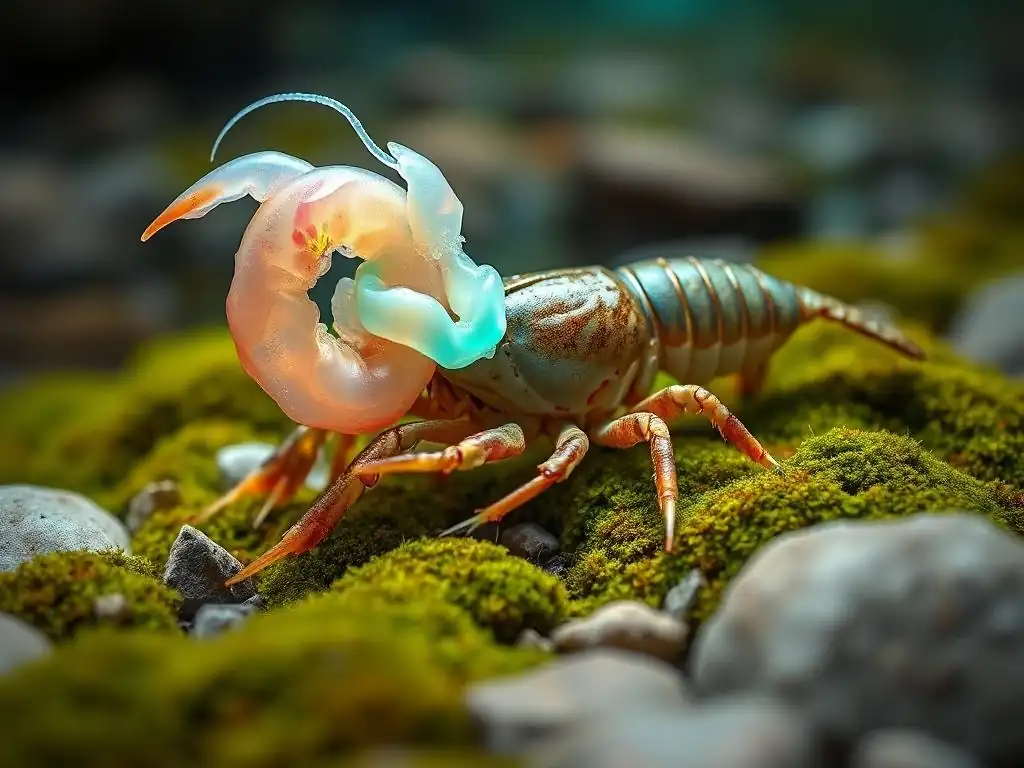
Water Quality: Temperature, pH, and Ammonia Levels
Optimal water quality is paramount for successful crayfish limb regeneration. Stable temperature, typically ranging from 65°F to 75°F (18°C-24°C) for common species like the Red Swamp Crayfish ( Procambarus clarkii), is crucial as it influences metabolic rates and the speed of cellular processes involved in regeneration. Fluctuations can cause stress and divert energy away from healing.
pH levels, ideally between 6.5 and 8.0, also play a significant role. Water that is too acidic or too alkaline can stress the crayfish and interfere with calcium uptake, which is vital for new exoskeleton formation. Most critically, ammonia (NH3/NH4+), nitrite (NO2-), and nitrate (NO3-) levels must be meticulously managed.
Ammonia and nitrite should always be at 0 ppm, as even trace amounts are highly toxic and can severely impede healing, leading to secondary infections or failed regeneration. While nitrates are less toxic, keeping them below 20 ppm is advisable to reduce overall stress and support a healthy environment for crayfish limb regeneration recovery.
Diet and Nutrition: Calcium, Protein, and Vitamin Intake
A balanced and nutrient-rich diet is fundamental for providing the building blocks necessary for new tissue and exoskeleton growth. Calcium is perhaps the single most critical mineral for crayfish limb regeneration, as it forms the primary component of their new shell. Without adequate calcium, the new limb may be soft, malformed, or fail to harden properly after molting. Sources like cuttlebone, calcium blocks, or specialized invertebrate pellets high in calcium are highly beneficial.
Protein is also essential for cellular repair and the synthesis of new tissues, including muscle and nerve cells in the regenerating limb. High-quality protein sources such as shrimp pellets, spirulina flakes, or blanched vegetables like spinach and zucchini should be regularly provided. Additionally, various vitamins and trace minerals, particularly Vitamin D (which aids in calcium absorption) and iodine, contribute to overall health and robust regenerative capabilities. A deficiency in any of these key nutrients can significantly slow down or compromise the entire crayfish limb regeneration recovery process.
Environmental Stressors: Impact on Molting and Regeneration
Environmental stressors can severely impede a crayfish's ability to regenerate lost limbs. Overcrowding in an aquarium directly contributes to stress by increasing competition for resources and hiding spaces, leading to more frequent aggressive encounters and potential injuries. A tank that is too small for the number of crayfish housed, or one lacking sufficient territory for each individual, will inevitably result in elevated stress levels.
Furthermore, a lack of adequate hiding places makes crayfish feel vulnerable, especially during the delicate molting period when they are soft and defenseless. Constant exposure to bright lights, loud noises, or vibrations can also induce chronic stress. When a crayfish is stressed, its energy reserves are diverted towards coping mechanisms rather than being allocated to the energetically demanding process of crayfish limb regeneration. This can lead to delayed regeneration, incomplete limb formation, or even a failed molt, which can be fatal. Providing a calm, secure environment is therefore crucial for successful recovery.
Supporting Crayfish Limb Recovery in the Aquarium
Creating a Safe Molting Environment: Hiding Places and Substrate
To support effective crayfish limb regeneration recovery, providing a secure and stress-free molting environment is critical. Crayfish are incredibly vulnerable during molting, and access to ample hiding places significantly reduces stress and the risk of further injury. Offer multiple caves, PVC pipes, ceramic logs, or dense plant cover—ideally at least one more hiding spot than the number of crayfish in the tank. This ensures that even dominant individuals have their own secure space, and softer, regenerating crayfish can retreat without competition.
The substrate also plays a role. A soft, fine substrate like sand or smooth, small gravel is preferable to sharp, coarse gravel, which could potentially damage the delicate new limb as it emerges during a molt. Ensuring that the crayfish feels safe and unthreatened allows it to focus its energy on the intensive physiological demands of shedding its old shell and growing new tissue, directly aiding the crayfish limb regeneration process.
Supplementing Diet: Calcium and Mineral Additives
A crayfish undergoing limb regeneration has an increased demand for specific nutrients, particularly calcium, which is vital for building the new exoskeleton. To ensure an adequate supply, supplement the crayfish's regular diet with calcium-rich foods or additives. Good options include blanched leafy greens like spinach or kale, which are naturally high in calcium, or specialized invertebrate pellets formulated with extra calcium.
Beyond food, direct calcium supplementation can be beneficial. Cuttlebone, commonly used for birds, can be placed in the tank; it will slowly dissolve, releasing calcium into the water. Calcium carbonate blocks or liquid calcium supplements designed for aquariums are also effective. Trace mineral supplements, which often include iodine, are also important as iodine plays a role in molting hormone production, indirectly supporting the regeneration process. Consistent and appropriate supplementation is a cornerstone of successful crayfish limb regeneration recovery.
Maintaining Optimal Water Parameters During Regeneration
Maintaining consistently optimal water parameters is non-negotiable for a crayfish recovering from limb loss. Any fluctuations or deterioration in water quality can severely hinder the crayfish limb regeneration process and potentially lead to secondary infections. Regular water testing, at least once or twice a week, is essential to monitor ammonia, nitrite, nitrate, pH, and temperature levels.
Perform partial water changes (e.g., 25% weekly) diligently to keep nitrate levels low and replenish essential minerals. Use a reliable water conditioner to neutralize chlorine and chloramines during water changes. Ensure the temperature remains stable within the recommended range for your specific crayfish species, avoiding sudden drops or spikes. A well-filtered aquarium with gentle circulation also helps maintain water clarity and reduces waste buildup. By providing pristine and stable water conditions, you create an environment where the crayfish can allocate maximum energy towards healing and regrowth, significantly boosting its chances of full crayfish limb regeneration recovery.
Preventing Limb Loss in Crayfish: Proactive Measures
Avoiding Aggressive Tank Mates and Overcrowding
One of the most effective proactive measures to prevent limb loss in crayfish is careful consideration of tank mates and stocking density. Crayfish, especially larger species like Cherax quadricarinatus, can be territorial and opportunistic. Housing them with aggressive fish species (e.g., large cichlids, some predatory catfish) or even other crayfish without sufficient space can lead to frequent skirmishes and injuries, including lost limbs.
It is generally recommended to keep crayfish in species-specific tanks or with carefully selected, fast-moving, top-dwelling fish that are too large to be prey and too quick to be caught by the crayfish's claws. Overcrowding exacerbates aggression, as individuals compete for limited resources and territory. Providing ample space – typically a minimum of 10-20 gallons per crayfish, depending on species size – significantly reduces stress and the likelihood of confrontations that result in limb loss, thereby minimizing the need for crayfish limb regeneration recovery.
Providing Adequate Hiding Places and Substrate Complexity
A well-structured aquarium environment with abundant hiding places is crucial for preventing limb loss. Crayfish are naturally reclusive creatures, especially when vulnerable after molting or during regeneration. Providing multiple caves, rock formations, PVC pipes, or dense plant thickets allows each crayfish to establish its own territory and retreat when feeling threatened or stressed. Aim for at least one hiding spot per crayfish, plus additional options to reduce competition.
Complex substrate, incorporating various textures and depths, also contributes to a safer environment. Areas of fine sand, larger smooth pebbles, and driftwood offer varied foraging grounds and additional nooks and crannies for shelter. This complexity not only reduces direct encounters between crayfish but also provides secure locations for them to undergo molting undisturbed, thereby significantly reducing the risk of accidental limb autotomy or injury during this critical period. A well-designed habitat is a powerful preventative measure against the need for crayfish limb regeneration.
Safe Handling Techniques: Minimizing Stress and Injury
Improper handling is a common, yet avoidable, cause of limb loss in aquarium crayfish. Direct handling should be minimized as much as possible. If a crayfish needs to be moved, avoid grabbing it by its claws or legs, as this can easily trigger autotomy or cause direct injury to the delicate joints. Instead, use a soft, fine-mesh net or, even better, gently scoop the crayfish into a container (like a plastic cup or small bowl) while it is submerged in the water.
When transferring, ensure the crayfish is fully supported and not subjected to sudden movements or drops. Handling a crayfish out of water should be done with extreme caution and only if absolutely necessary, as it can cause significant stress. By employing gentle and deliberate handling techniques, aquarists can dramatically reduce the risk of accidental limb loss, promoting the long-term health and well-being of their crayfish and avoiding the intensive process of crayfish limb regeneration recovery.
Crayfish Limb Regeneration: What to Expect and Potential Complications
Expected Timeline for Limb Regrowth Based on Species and Age
The timeline for crayfish limb regeneration varies significantly based on the species, the age of the crayfish, and its overall health. Younger, faster-growing crayfish, such as Procambarus clarkii (Red Swamp Crayfish), tend to regenerate limbs more quickly due to their more frequent molting cycles. A small limb on a young P. clarkii might show visible regrowth within a few weeks, with a functional, albeit smaller, limb appearing after one or two molts (which could be anywhere from 2-8 weeks apart, depending on growth rate and conditions).
Conversely, larger, older crayfish or those of species with slower growth rates, like some Cherax species, may take significantly longer. A large cheliped on an adult Cherax quadricarinatus (Redclaw Crayfish) could take several molts – potentially many months – to fully regenerate to its original size and strength. It is common for the first regenerated limb to be noticeably smaller or slightly deformed; subsequent molts are usually required for the limb to reach its full, mature size and perfect form, completing the crayfish limb regeneration recovery.
Identifying Potential Problems: Infections, Deformities, and Stunted Growth
While crayfish limb regeneration is an amazing process, complications can arise. Aquarists should closely monitor the regenerating limb for signs of trouble. One common issue is infection, which can manifest as black spots, fuzzy patches (fungus), or a general discoloration and swelling around the stump or on the nascent limb. These infections are often indicative of poor water quality or underlying stress.
Deformities are another potential problem, where the new limb grows in a misshapen or incomplete manner. This can range from a slightly bent claw to a limb that fails to fully segment. Stunted growth, where the regenerated limb remains disproportionately small even after several molts, is also a concern. Both deformities and stunted growth can be caused by nutritional deficiencies (especially lack of calcium), chronic stress, or repeated injuries during the regeneration process. Identifying these issues early is crucial for successful crayfish limb regeneration recovery.
Addressing Complications: Treatment Options and Expert Consultation
Upon identifying complications in crayfish limb regeneration, prompt action is necessary. For suspected infections, the immediate priority is to rigorously check and correct water parameters. Ensure ammonia and nitrite are at zero, nitrates are low, and pH and temperature are stable. Improving water quality alone can often resolve minor infections. In some cases, mild aquarium-safe antibacterial or antifungal treatments might be considered, but these should be used with extreme caution and only after thorough research, as many medications can be harmful to invertebrates.
For deformities or stunted growth, focus on optimizing the crayfish's diet with high-quality protein and calcium supplements, as nutritional deficiencies are often the root cause. Reducing environmental stressors, such as overcrowding or aggressive tank mates, is also vital to allow the crayfish to allocate its energy towards healing. If complications persist or worsen, consulting with experienced aquarists on specialized forums or, if available, an aquatic veterinarian, is highly recommended. Expert advice can provide specific treatment options and guidance for enhancing the chances of complete crayfish limb regeneration recovery.
The Science Behind Crayfish Regeneration: A Brief Overview
Cellular Processes: Apoptosis, Proliferation, and Differentiation
The remarkable ability of crayfish limb regeneration is underpinned by complex cellular processes. After a limb is lost, a precise sequence of events unfolds. First, apoptosis, or programmed cell death, helps to clear away damaged and unnecessary cells at the site of the injury. Simultaneously, existing cells near the wound dedifferentiate, meaning they revert to a more primitive, unspecialized state.
These dedifferentiated cells then undergo rapid proliferation, or cell division, to form the blastema—a mass of undifferentiated cells that serves as the blueprint for the new limb. Following this exponential growth, the cells begin to differentiate, specializing into the various cell types required to construct the complex structures of the limb, including muscle cells, nerve cells, and epidermal cells that will form the new exoskeleton. This orchestrated interplay of cell death, growth, and specialization is fundamental to the entire crayfish limb regeneration recovery process.
Hormonal Regulation: The Role of Molting Hormones
The process of crayfish limb regeneration is intricately linked to and regulated by the crayfish's endocrine system, particularly its molting hormones. Ecdysteroids, the primary molting hormones, are central to both the shedding of the old exoskeleton and the growth of new tissues. When a limb is lost, the hormonal balance shifts, signaling the body to initiate the regenerative cascade.
These hormones not only trigger the growth of the blastema but also coordinate the timing of the subsequent molt, which is essential for the full emergence and hardening of the new limb. The intermolt cycle, which is controlled by these hormones, dictates how quickly the crayfish can prepare for and undergo a molt, directly influencing the speed at which a regenerated limb can become fully functional. Understanding this hormonal interplay is key to appreciating the biological sophistication behind crayfish limb regeneration.
Future Research: Potential Applications in Regenerative Medicine
The study of crayfish limb regeneration holds significant promise for future research, particularly in the field of regenerative medicine. Crayfish, along with other crustaceans and amphibians, possess an astonishing capacity to regenerate complex body parts that humans cannot, such as entire limbs. Researchers are keenly interested in understanding the molecular and cellular mechanisms that enable crayfish to form a blastema – a mass of pluripotent cells that can develop into any tissue type – and then orchestrate its growth into a perfectly formed, functional limb.
Insights gained from studying crayfish limb regeneration could potentially inform strategies for human tissue repair and regeneration. For example, deciphering how crayfish control cell differentiation and growth without forming tumors, or how they manage to regenerate nerves and blood vessels within the new limb, could pave the way for novel therapeutic approaches for limb loss, spinal cord injuries, or organ regeneration in humans. The crayfish, therefore, serves as a valuable model organism in the ongoing quest to unlock the secrets of biological regeneration.
Species-Specific Regeneration: Examples of Variation
Procambarus clarkii (Red Swamp Crayfish): Regeneration Rates and Characteristics
Procambarus clarkii, commonly known as the Red Swamp Crayfish, is widely recognized for its robust and relatively rapid crayfish limb regeneration capabilities. This species is known for its adaptability and fast growth rate, especially when young, which directly translates to more frequent molts. A young P. clarkii can regenerate a lost walking leg or even a small claw within one or two molts, often taking as little as 4-8 weeks to see significant regrowth, depending on environmental conditions and nutrition.
Their high metabolic rate and resilient nature contribute to their efficiency in regenerating lost appendages. While the first regenerated limb might be smaller and less pigmented than the original, P. clarkii typically achieves full size and functionality over subsequent molts. This species' prolific molting cycle makes it an excellent model for observing and understanding the dynamic process of crayfish limb regeneration recovery in an aquarium setting.
Cherax quadricarinatus (Redclaw Crayfish): Notable Regeneration Traits
Cherax quadricarinatus, the Redclaw Crayfish, is another popular aquarium species known for its impressive size and striking coloration. While also capable of excellent crayfish limb regeneration, their rates and characteristics can differ slightly from smaller, faster-growing species like P. clarkii. Being a larger species, Cherax quadricarinatus may have longer intermolt periods, especially as they mature. This means that while the regenerative process itself is efficient, the full emergence and hardening of a large, regenerated cheliped might take several molts spanning a few months.
The regenerated claws on Cherax quadricarinatus are typically very well-formed, often regaining their characteristic red patches in males after a few successful molts. The sheer size and structural complexity of their large claws mean that the energetic demands for crayfish limb regeneration recovery can be substantial. Proper nutrition, particularly high calcium and protein intake, is even more critical for these larger crayfish to ensure complete and robust regrowth of their powerful limbs.
Conclusion: Promoting Crayfish Health and Understanding Regeneration
Frequently Asked Questions
How long does it typically take for a crayfish to fully regenerate a lost limb?
The time for full regeneration varies, but it generally takes several molts. Expect a noticeable difference after each molt, with complete regeneration potentially taking several months.
What water parameters are crucial for optimal crayfish limb regeneration recovery?
Maintaining pristine water quality is vital. Specifically, monitor and control ammonia, nitrite, and nitrate levels to ensure a healthy environment for recovery.
What should I feed my crayfish while it's regenerating a limb, and how often?
Provide a balanced diet rich in protein and calcium to support the regeneration process. Feed regularly, ensuring the crayfish receives adequate nutrition for growth and recovery.
Are there any specific medications or treatments I should use to help my crayfish recover from limb loss?
Generally, medication isn't necessary unless there's an infection. Focus on maintaining optimal water conditions and providing a healthy diet to promote natural healing.
What signs should I look for to indicate that the crayfish's limb regeneration isn't progressing properly?
Watch for signs of infection, lethargy, or lack of molting. These could indicate underlying health problems hindering the regeneration process.
Final Reflection: The Resilience of Life
The journey through the intricate process of crayfish limb regeneration recovery reveals a profound truth: even in the face of loss, life possesses an extraordinary capacity for renewal. This isn't just a biological curiosity confined to the laboratory; it's a potent reminder of the inherent resilience that exists within all living things, a resilience that resonates deeply in our own lives, reminding us of our own potential for healing and growth after adversity.
The study of crayfish limb regeneration recovery has not only illuminated the complex cellular mechanisms at play but has also sparked a deeper appreciation for the interconnectedness of life and the potential for bio-inspired solutions in human medicine. The sheer elegance and efficiency of this natural process challenge us to reconsider our understanding of healing and repair. The greatest glory in living lies not in never falling, but in rising every time we fall.
- Nelson Mandela. This quote perfectly encapsulates the spirit of regeneration, both in the natural world and within ourselves.
As we conclude this exploration of crayfish limb regeneration recovery, I invite you to consider the lessons learned. How can the principles of regeneration – the unwavering drive to rebuild, to adapt, to overcome – inspire you to approach challenges in your own life? Embrace the resilience you possess, nurture your capacity for growth, and remember that even after loss, the potential for renewal always remains.
Unleash Your Inner Biologist: Witness Crayfish Regeneration!
Thanks for exploring the fascinating world of crayfish regeneration with us! We hope you've found the journey both informative and inspiring. Now, it's time to put that knowledge into action and delve deeper.
Here are a few things you can do next:
- Observe your own crayfish closely! Carefully monitor them for any signs of regeneration after a molt. Document the process with photos or videos to truly appreciate this natural marvel.
- Share this article with fellow aquarium enthusiasts and discuss the implications of regeneration for aquarium management and crayfish care.
- Dive into related research: Explore scientific papers on crustacean regeneration to uncover even more surprising details about this incredible biological phenomenon.
What specific changes will you look for during your crayfish's next molt? Share your observations and questions below!