
Calcium & Iodine: Essential Minerals for Healthy Invertebrate Shells & Exoskeletons

Welcome to Aquarium Mastery!
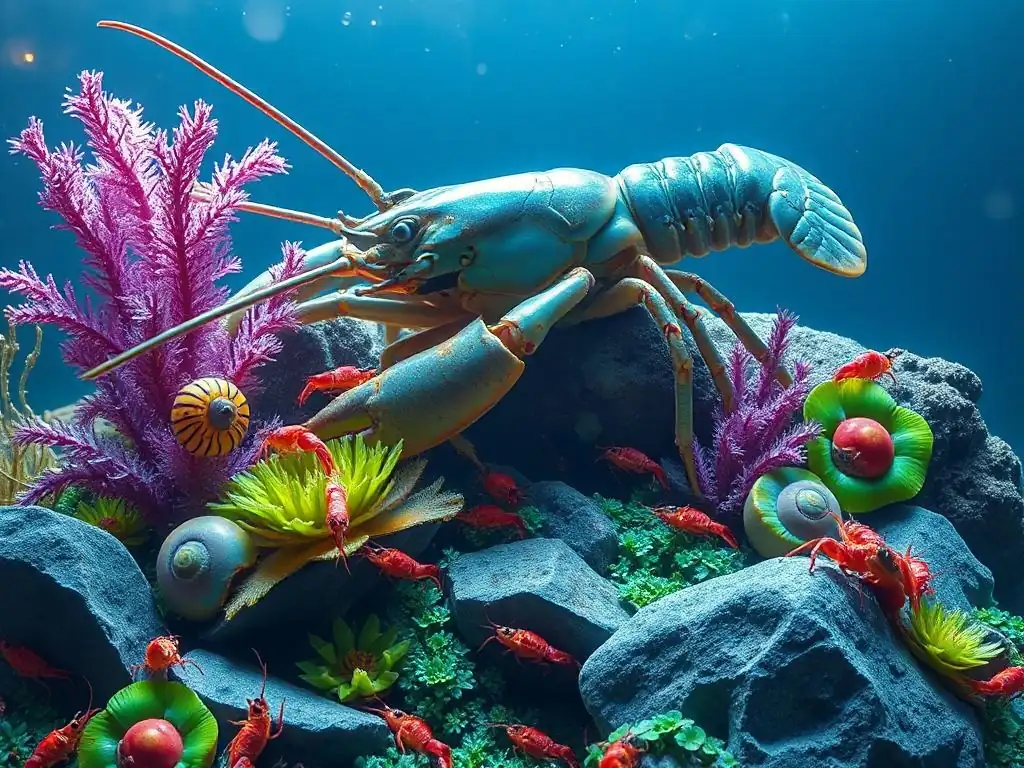
Ever wondered how to unlock the secrets to vibrant, thriving invertebrates in your aquarium? Get ready to dive deep! We're exploring the crucial roles of calcium and iodine, especially for those captivating invertebrate tanks. Read on to discover how to ensure your shelled friends and exoskeletal wonders get everything they need to flourish! Intrigued? Let's unlock the secrets to a healthy and stunning calcium iodine invertebrate tank!
- Understanding the Importance of Calcium and Iodine for Invertebrates
- Calcium's Role in Invertebrate Shell and Exoskeleton Growth
- Iodine's Significance for Invertebrate Health & Molting
- Maintaining Optimal Calcium Levels in Your Invertebrate Aquarium
- Ensuring Adequate Iodine Levels in Your Invertebrate Aquarium
- Dietary Considerations for Supplying Calcium and Iodine
- Water Chemistry and its Impact on Mineral Availability
- Choosing the Right Substrate for Invertebrate Health
- Troubleshooting Common Shell and Exoskeleton Problems
- Case Studies: Successful Invertebrate Keeping with Proper Mineral Balance
- Conclusion: Providing the Best Environment for Your Invertebrates
-
Frequently Asked Questions
- How important are calcium and iodine for invertebrate health in an aquarium?
- What are some common signs of calcium or iodine deficiency in an invertebrate tank?
- How do I properly test for calcium and iodine levels in my aquarium?
- What are the best methods for supplementing calcium and iodine in an invertebrate tank?
- Can I overdose my tank with calcium or iodine, and what are the potential consequences?
- Final Reflection: The Enduring Strength of Shells
- Fortify Your Reef: Cultivate a Vibrant Invertebrate Paradise!
Understanding the Importance of Calcium and Iodine for Invertebrates
Why Calcium and Iodine are Crucial for Invertebrate Health in Aquariums
Calcium and iodine are not merely beneficial; they are fundamental building blocks and metabolic facilitators for virtually all aquatic invertebrates, particularly those with shells or exoskeletons. Without adequate levels of these two essential minerals, invertebrates like freshwater snails, shrimp, crabs, and crayfish cannot properly grow, molt, or maintain their protective structures. For instance, a snail's shell is predominantly composed of calcium carbonate, requiring a constant supply of calcium from its environment to grow and repair. Similarly, crustaceans rely heavily on iodine for the complex hormonal processes that drive their molting cycle, which is essential for growth and regeneration.
A deficiency in either of these minerals can lead to severe health issues, including stunted growth, weakened shells susceptible to pitting and erosion, and fatal molting complications. In a typical home aquarium, especially one with soft water or a diet lacking in these elements, invertebrates can quickly deplete available calcium and iodine. This makes understanding and actively managing a balanced Calcium iodine invertebrate tank environment crucial for the long-term well-being and survival of these fascinating creatures.
The Role of Minerals in Shell Formation and Exoskeleton Development
The process of biomineralization, where living organisms produce minerals to harden tissues, is central to invertebrate health. For mollusks such as snails, the mantle tissue secretes calcium carbonate, which is then deposited in layers to form the shell. This continuous process requires a steady intake of calcium, as a snail's shell can grow by several millimeters per month under optimal conditions. If calcium is scarce, shell growth slows, and existing shell material can become thin or brittle, leading to common issues like shell pitting or erosion.
Crustaceans, on the other hand, undergo a different but equally mineral-dependent process: molting. Their rigid exoskeleton prevents continuous growth, so they must periodically shed their old shell to expand. This new exoskeleton is initially soft and pliable, requiring rapid absorption of calcium from the water to harden.
Iodine plays a critical role in the hormonal regulation of this molting process. Without sufficient iodine, the complex cascade of hormones that triggers and completes a molt can be disrupted, often leading to a "stuck" molt, which is frequently fatal. Maintaining a robust Calcium iodine invertebrate tank environment directly supports these vital biological functions.
Calcium's Role in Invertebrate Shell and Exoskeleton Growth
Calcium's Function in Shell Formation for Snails and Other Mollusks
Calcium is the primary structural component of mollusk shells. Freshwater snails, such as Mystery Snails, Nerite Snails, and Apple Snails, absorb calcium ions directly from the surrounding water and also obtain it from their diet. This calcium is then transported to the mantle, a specialized organ that secretes a protein matrix onto which calcium carbonate crystals are deposited. This continuous process allows the shell to grow in size and thickness, providing essential protection against predators and environmental stressors.
A healthy snail shell is typically smooth, hard, and free from significant pitting or erosion. The rate of shell growth and its overall integrity are directly correlated with the availability of calcium. For example, in water with a General Hardness (GH) below 6 dGH, which indicates low mineral content, snail shells often exhibit visible signs of calcium deficiency, such as rough surfaces or even cracks. Ensuring consistent and adequate calcium levels is paramount for fostering robust shell development in any Calcium iodine invertebrate tank housing mollusks.
How Calcium Supports Exoskeleton Hardening in Crustaceans (Crabs, Crayfish)
For crustaceans like shrimp, crabs, and crayfish, calcium is critical for the hardening of their new exoskeleton after molting. Unlike mollusks, crustaceans shed their entire external skeleton to grow. Immediately after molting, their new exoskeleton is soft and vulnerable, leaving them susceptible to injury or predation. During this critical period, which can last from a few hours to several days depending on the species and size, the invertebrate rapidly absorbs calcium from the water to calcify and harden the new chitinous shell.
Many crustaceans also store calcium in specialized organs, such as gastroliths in crayfish, which are calcium carbonate deposits found in the stomach lining. These reserves are reabsorbed quickly post-molt to accelerate the hardening process. If calcium levels in the water are insufficient, the new exoskeleton may remain soft, leading to "soft shell disease" or making the animal unable to properly protect itself. A well-maintained Calcium iodine invertebrate tank with appropriate calcium levels, often above 80 ppm for freshwater crustaceans, ensures a swift and successful post-molt recovery.
Recognizing Calcium Deficiency in Your Invertebrate Tank
Identifying calcium deficiency is crucial for timely intervention. In snails, common signs include a dull, thin, or brittle shell. You might observe pitting, particularly on the older parts of the shell (the apex), or translucent areas where the shell appears almost see-through. Stunted growth is another indicator, as the snail struggles to produce new shell material. For example, a healthy Mystery Snail can reach 1.5-2 inches in diameter, but one with chronic calcium deficiency may remain significantly smaller with a fragile shell.
For crustaceans such as shrimp and crayfish, calcium deficiency often manifests as molting difficulties or persistently soft exoskeletons after a molt. Shrimp might struggle to fully shed their old shell, leading to the "white ring of death" where a white band appears around the body, indicating an incomplete separation. Crayfish might appear lethargic post-molt or their new shell feels unusually pliable to the touch. Observing these symptoms in your Calcium iodine invertebrate tank signals an urgent need to assess and adjust calcium levels.
Iodine's Significance for Invertebrate Health & Molting
Iodine's Role in the Molting Process of Shrimp and Crayfish
Iodine, while needed in much smaller quantities than calcium, is indispensable for the proper molting of crustaceans. It serves as a vital precursor for the synthesis of ecdysteroids, a group of steroid hormones that regulate the molting cycle. These hormones control the shedding of the old exoskeleton (ecdysis) and the formation of the new one. Without sufficient iodine, the complex hormonal cascade required for a successful molt can be disrupted, leading to incomplete molts or the inability to shed the old shell entirely.
Many shrimp keepers report higher success rates in breeding and growth when iodine is consistently available in their tanks. A healthy molting cycle is not just about growth; it also allows crustaceans to repair damaged limbs and maintain overall vitality. For instance, a Red Cherry Shrimp typically molts every 3-4 weeks as a juvenile, and every 6-8 weeks as an adult. Consistent iodine availability ensures these periodic, vital transformations occur smoothly, contributing significantly to a healthy Calcium iodine invertebrate tank.
Preventing Molting Problems with Adequate Iodine Levels
Molting problems are a common cause of death in aquarium crustaceans, particularly shrimp. These issues often stem from a combination of factors, including poor water quality, nutritional deficiencies, and insufficient iodine. Providing adequate iodine levels can significantly reduce the incidence of failed molts, where the invertebrate gets stuck in its old shell, leading to exhaustion and eventually death. Iodine contributes to the proper signaling within the crustacean's body, ensuring the old exoskeleton detaches cleanly and the new one forms correctly.
Beyond direct supplementation, incorporating iodine-rich foods into the diet can also contribute to preventing molting issues. Many high-quality shrimp foods are fortified with trace minerals, including iodine. Maintaining stable water parameters and minimizing stress also play a crucial role, as stress can exacerbate existing mineral deficiencies. A proactive approach to iodine supplementation and dietary enrichment in your Calcium iodine invertebrate tank can dramatically improve the survival rate and overall health of your crustaceans.
Iodine and Thyroid Function in Aquatic Invertebrates
While invertebrates do not possess a thyroid gland in the same way vertebrates do, iodine remains crucial for their metabolic processes. In vertebrates, iodine is essential for thyroid hormone production, which regulates metabolism, growth, and development. In invertebrates, particularly crustaceans, iodine is directly involved in the synthesis of molting hormones (ecdysteroids) and other enzymatic functions. It acts as a cofactor in various biochemical reactions that are vital for overall physiological balance.
Research indicates that even minute quantities of iodine are critical for these processes. For instance, some studies suggest that iodine plays a role in the pigmentation of certain shrimp species, contributing to their vibrant colors. Therefore, while the mechanism differs from vertebrate thyroid function, the importance of iodine for healthy growth, development, and the critical molting process in a Calcium iodine invertebrate tank cannot be overstated.
Maintaining Optimal Calcium Levels in Your Invertebrate Aquarium
Testing and Monitoring Calcium Levels in Freshwater and Saltwater Tanks
Regularly testing calcium levels is essential for maintaining a healthy Calcium iodine invertebrate tank. For freshwater aquariums, calcium is a major component of General Hardness (GH). While a dedicated calcium test kit exists for freshwater, monitoring GH (measured in dGH or ppm) is often sufficient, as calcium typically accounts for 70-80% of GH. For most snails and crustaceans, a GH range of 6-12 dGH (approximately 100-200 ppm) is ideal. Testing weekly or bi-weekly allows you to track trends and make timely adjustments.
In saltwater aquariums, calcium is measured directly in parts per million (ppm). For reef tanks housing corals and invertebrates like snails and hermit crabs, the optimal calcium level is typically between 400-450 ppm. Specific calcium test kits designed for saltwater are highly accurate and widely available. Consistent monitoring, perhaps every few days in a heavily stocked reef tank, is crucial because calcium is rapidly consumed by calcifying organisms.
Natural Sources of Calcium for Invertebrates
Incorporating natural sources of calcium into your aquarium can provide a continuous and stable supply for your invertebrates. For freshwater tanks, options include crushed coral, aragonite sand, or limestone rocks (like Texas Holey Rock) as part of the substrate or decor. These materials slowly dissolve, releasing calcium carbonate into the water and also helping to buffer pH and KH. A small piece of cuttlebone, commonly found in pet stores for birds, can also be placed directly into the tank; it will slowly dissolve, providing a chewable source for snails and a dissolved source for all invertebrates.
In saltwater tanks, aragonite-based substrates are a standard choice, as they contribute to calcium and alkalinity. Live rock also leaches some calcium over time. While these natural buffers are excellent, they may not be sufficient in heavily stocked tanks or those with fast-growing corals that consume large amounts of calcium. Combining natural sources with targeted supplementation often yields the best results for a robust Calcium iodine invertebrate tank.
Supplementing Calcium in Your Aquarium: Options and Considerations
When natural sources aren't enough, or for precise control, various calcium supplements are available. For freshwater, liquid calcium additives, often combined with magnesium (GH boosters), are effective. Products containing calcium chloride or calcium gluconate are common. Calcium blocks, similar to feeder blocks, can also provide a slow release. Always follow the manufacturer's dosing instructions and test your water regularly to avoid overdosing.
In saltwater aquariums, supplementation options are more varied and often more critical due to higher demand. Liquid calcium supplements, calcium reactors (which dissolve calcium carbonate media with CO2), and Kalkwasser (a saturated solution of calcium hydroxide) are popular choices. Dosing pumps can automate the process, ensuring stable daily additions. The key is to add calcium slowly and consistently to avoid sudden swings in water parameters, which can stress invertebrates and other tank inhabitants in your Calcium iodine invertebrate tank.
Ensuring Adequate Iodine Levels in Your Invertebrate Aquarium
Iodine Supplementation Strategies for Freshwater and Saltwater Tanks
Ensuring adequate iodine levels in your Calcium iodine invertebrate tank is critical, though the approach differs between freshwater and saltwater systems. In freshwater setups, iodine is often depleted rapidly or is not present in sufficient quantities in tap water or commercial foods. Liquid iodine supplements, typically in the form of potassium iodide or Lugol's solution (diluted), are commonly used. These are usually dosed sparingly, perhaps a few drops per 10 gallons weekly, depending on the product's concentration and the tank's invertebrate load. Always research specific product instructions.
For saltwater aquariums, iodine supplementation is often more common and can be more complex due to the various forms iodine can take (iodide, iodate, molecular iodine). Many reef hobbyists use commercial iodine supplements designed for marine invertebrates and corals. Some all-in-one trace element solutions also include iodine. Regular testing for iodine in saltwater is possible with specialized kits, but many hobbyists dose based on observed invertebrate health and consistent water changes, as precise measurement can be challenging.
Safe Iodine Dosing for Different Invertebrate Species
Safe iodine dosing requires careful attention to product instructions and the specific needs of your invertebrate species. Overdosing iodine can be toxic to aquarium inhabitants, leading to lethargy, erratic behavior, and even death. It is always recommended to start with a lower dose than suggested and gradually increase it while observing your invertebrates. For example, a single 10-gallon shrimp tank might only require one drop of a concentrated liquid supplement per week, while a larger, heavily stocked crayfish tank might need slightly more.
Different invertebrates have varying sensitivities. Shrimp and crabs tend to be more sensitive to fluctuations in trace elements, including iodine, compared to some snails. When introducing any new supplement, monitor your tank closely for any signs of distress. It's also beneficial to perform regular water changes, as this helps to dilute any accumulated excess iodine and replenish other essential trace elements, contributing to a balanced Calcium iodine invertebrate tank environment.
The Risks of Iodine Overdose and How to Avoid Them
While essential, iodine in excess can be detrimental. Symptoms of iodine overdose in an aquarium can include invertebrates becoming lethargic, losing their appetite, or exhibiting erratic swimming patterns. In severe cases, it can lead to organ damage and death. The narrow therapeutic window for iodine means that "more is better" is a dangerous approach. For instance, iodine levels exceeding 0.1 ppm in saltwater can begin to cause issues for sensitive invertebrates.
To avoid overdose, always use a reputable aquarium-specific iodine supplement and strictly adhere to the manufacturer's dosing guidelines. Never use medical-grade iodine solutions or tinctures not formulated for aquariums, as they may contain alcohol or other harmful ingredients. If you suspect an overdose, perform a significant water change (e.g., 50%) immediately and increase aeration. Regular testing, if available for your tank type, and careful observation are your best tools for maintaining safe and effective iodine levels in your Calcium iodine invertebrate tank.
Dietary Considerations for Supplying Calcium and Iodine
Calcium-Rich Foods for Invertebrates
While water column calcium is crucial, diet also plays a significant role in providing calcium for your invertebrates. For snails, blanched vegetables like spinach, kale, and broccoli florets are excellent calcium sources. These can be offered occasionally as a supplement to their regular diet. Commercial snail and shrimp pellets are often formulated with calcium carbonate or other calcium sources, ensuring a base level of intake. Small pieces of cuttlebone can also be added to the tank, allowing snails to graze on them directly.
Crustaceans like shrimp and crayfish also benefit from calcium-rich foods. Specialized shrimp foods often contain higher calcium levels to support their molting process. Algae wafers, spirulina flakes, and even calcium-fortified fish flakes can contribute. Ensuring a varied diet that includes these calcium-rich options helps to support strong shell and exoskeleton development, complementing the calcium available in the water of your Calcium iodine invertebrate tank.
Iodine-Enriched Foods and Supplements for Optimal Invertebrate Health
Similar to calcium, iodine can be supplemented through diet. Many high-quality commercial invertebrate foods, particularly those designed for shrimp and crabs, are fortified with essential trace minerals, including iodine. Look for ingredients like spirulina, kelp, or other marine algae, which are naturally rich in iodine. Frozen foods like mysis shrimp or brine shrimp, if gut-loaded with iodine-rich diets before freezing, can also provide a beneficial boost.
For hobbyists with specific concerns about iodine deficiency, some liquid iodine supplements can be used to soak dry foods briefly before feeding, effectively creating an iodine-enriched meal. However, this should be done cautiously to avoid over-dosing. A balanced diet, combining commercial foods with natural sources like blanched vegetables and occasional protein sources, ensures a comprehensive intake of all necessary nutrients, supporting a thriving Calcium iodine invertebrate tank.
Creating a Balanced Diet for Your Invertebrate Tank
A balanced diet is the cornerstone of invertebrate health, working in conjunction with optimal water parameters. For snails, this means a mix of algae, blanched vegetables, and high-quality sinking pellets formulated for invertebrates. Avoid overfeeding, as uneaten food can foul the water and negatively impact water quality. For shrimp and crayfish, a varied diet should include specialized shrimp pellets, algae wafers, occasional blanched vegetables, and protein sources like bloodworms or brine shrimp.
The goal is to provide a comprehensive nutritional profile that includes not only macronutrients but also essential trace minerals like calcium and iodine. Regularly rotating food types and ensuring all inhabitants have access to food helps prevent deficiencies. Observing your invertebrates' feeding habits and growth rates can provide clues about the adequacy of their diet. A well-rounded diet significantly reduces the reliance on heavy supplementation and fosters a naturally robust Calcium iodine invertebrate tank environment.
Water Chemistry and its Impact on Mineral Availability
The Influence of pH, KH, and GH on Calcium and Iodine Uptake
Water chemistry parameters like pH, KH (Carbonate Hardness), and GH (General Hardness) profoundly influence the availability and uptake of calcium and, to a lesser extent, iodine. pH affects the solubility of calcium compounds; very low pH (acidic water) can cause calcium carbonate to dissolve too quickly, leading to shell erosion in snails, while also making calcium less bioavailable for uptake. An ideal pH range for most shelled invertebrates is typically between 7.0 and 8.0.
KH, which measures the buffering capacity of water, is crucial because it helps stabilize pH and provides carbonates, which are the building blocks for calcium carbonate shells. A stable KH (e.g., 4-8 dKH or 70-140 ppm) prevents rapid pH swings that stress invertebrates and ensures a steady supply of carbonate ions. GH directly indicates the concentration of dissolved mineral salts, primarily calcium and magnesium.
A higher GH means more calcium is present, which is vital for shell and exoskeleton formation. While iodine's availability is less directly tied to these parameters, extreme pH fluctuations can indirectly impact an invertebrate's metabolic processes, including molting, where iodine plays a key role.
Maintaining Stable Water Parameters for Healthy Invertebrate Growth
Stability in water parameters is often more important than hitting exact target numbers for invertebrates. Rapid fluctuations in pH, temperature, GH, or KH can cause immense stress, leading to a weakened immune system, molting issues, and susceptibility to disease. For instance, a sudden drop in GH can immediately impact a newly molted crustacean's ability to harden its exoskeleton, even if calcium was previously abundant.
Regular, small water changes with properly conditioned water, consistent feeding schedules, and avoiding sudden environmental changes are key. Using a reliable test kit to monitor pH, KH, and GH weekly allows for proactive adjustments. In a Calcium iodine invertebrate tank, consistent parameters ensure that the available calcium and iodine are readily utilized by the inhabitants without physiological stress, promoting healthy growth and longevity.
Water Changes and Their Role in Replenishing Essential Minerals
Water changes are a fundamental maintenance practice that directly impacts mineral availability in an aquarium. As invertebrates consume calcium and trace elements like iodine, and as waste products accumulate, the water quality degrades and mineral levels can drop. Regular water changes (e.g., 10-20% weekly or bi-weekly) replenish these essential minerals, remove nitrates and other pollutants, and help maintain overall water stability.
When performing water changes, it's crucial to use water that is appropriately remineralized if you are using RO/DI water, or dechlorinated tap water that has a suitable GH and KH for your invertebrates. For instance, if your tap water is very soft, adding a GH booster during water changes can help maintain optimal calcium levels. For saltwater tanks, using a high-quality marine salt mix ensures that all necessary macro and trace elements, including calcium and iodine, are replenished, making water changes a vital component of a healthy Calcium iodine invertebrate tank.
Choosing the Right Substrate for Invertebrate Health
Substrate Options That Support Calcium Buffering
The choice of substrate can significantly impact the long-term availability of calcium in a freshwater invertebrate tank. Substrates that contain calcium carbonate will slowly dissolve over time, releasing calcium ions into the water and buffering the pH and KH. Examples include crushed coral, aragonite sand, and limestone gravel. These are particularly beneficial for snails and crayfish that require harder water and higher calcium levels. For instance, a tank with a crushed coral base can naturally maintain a GH of 8-12 dGH, which is ideal for many freshwater snails, reducing the need for frequent calcium supplementation.
In contrast, inert substrates like silica sand or plain gravel do not contribute any minerals to the water. While suitable for some fish, they may necessitate more active calcium supplementation for invertebrates. Combining an inert top layer with a calcium-rich base layer can offer aesthetic appeal while still providing the buffering benefits required for a thriving Calcium iodine invertebrate tank.
The Impact of Substrate on Water Chemistry and Mineral Availability
The type of substrate directly influences the water chemistry, which in turn affects mineral availability. Active substrates, such as certain aquasoils designed for planted tanks, often absorb minerals from the water and can significantly lower pH and KH. While beneficial for plants and some fish, this can be detrimental to shelled invertebrates that require stable, higher pH and GH levels. A lower pH can make calcium less available for uptake and even cause existing shells to erode.
Conversely, calcareous substrates actively contribute to the water's hardness and alkalinity, creating a more stable and mineral-rich environment. This slow, continuous release of calcium and carbonates can help prevent sudden drops in hardness and pH, providing a more consistent supply of vital elements for shell formation and exoskeleton hardening. Understanding this interaction is key to designing a Calcium iodine invertebrate tank that supports the long-term health of its inhabitants.
Substrate Considerations for Different Invertebrate Species
The ideal substrate choice also depends on the specific invertebrate species being kept. For burrowing invertebrates like crayfish, a fine sand or small gravel that they can easily dig in is preferred. If these are calcium-loving species, choosing a calcareous sand or incorporating limestone rocks can be beneficial. Snails, particularly those with delicate footpads, often prefer smoother substrates like fine sand or smooth gravel to prevent injury, but they still benefit greatly from calcium-contributing elements in the water column or within the substrate itself.
Shrimp, while not typically burrowing, spend much of their time foraging on the substrate. For them, a fine, inert substrate like dark sand can make their colors pop and allow for easy detritus collection. However, their calcium and iodine needs must then be met primarily through water column supplementation and diet. Ultimately, a balanced Calcium iodine invertebrate tank design considers both the behavioral needs of the invertebrates and their specific mineral requirements, ensuring the substrate contributes positively to their environment.
Troubleshooting Common Shell and Exoskeleton Problems
Addressing Shell Cracking and Pitting in Snails
Shell cracking and pitting are common issues in snails, almost always indicative of calcium deficiency or acidic water conditions. Pitting often appears as small, eroded depressions, especially on the older, thinner parts of the shell (the apex). Cracks can range from minor hairline fractures to significant breaks that expose the snail's mantle. The primary cause is insufficient calcium in the water or diet, which leads to weak shell formation and makes the existing shell susceptible to dissolution by acidic water.
To address this, immediately test your GH, KH, and pH. If GH is below 6 dGH or pH is below 7.0, implement measures to increase them, such as adding crushed coral to the filter or substrate, placing cuttlebone in the tank, or using a commercial GH booster. Ensure the snails are receiving a calcium-rich diet, including blanched vegetables like spinach. While existing shell damage may not fully repair, new growth should be healthy and robust, preventing further deterioration in your Calcium iodine invertebrate tank.
Preventing Soft Shells and Molting Issues in Crustaceans
Soft shells after molting and general molting issues are critical signs of mineral deficiencies in crustaceans like shrimp and crayfish. If a crustacean's new exoskeleton remains soft for an extended period (more than 24-48 hours), or if it struggles to fully shed its old shell, it indicates a lack of sufficient calcium for hardening and/or iodine for proper hormonal regulation of the molt. Other contributing factors include sudden water parameter changes, poor diet, and stress.
Prevention is key:
- Maintain optimal calcium levels: Ensure GH is within the recommended range (e.g., 6-12 dGH for freshwater, 400-450 ppm for saltwater).
- Ensure adequate iodine: Use a reputable iodine supplement or iodine-fortified foods.
- Provide a balanced diet: Offer high-quality shrimp/crayfish pellets, blanched vegetables, and occasional protein.
- Stable water parameters: Avoid sudden changes in temperature, pH, or hardness.
- Provide hiding spots: Newly molted crustaceans are vulnerable; ample hiding spots reduce stress.
Addressing these factors in your Calcium iodine invertebrate tank can significantly reduce the incidence of molting-related problems and promote healthy, successful molts.
Identifying and Treating Mineral Deficiencies in Your Invertebrate Tank
Identifying mineral deficiencies involves a combination of observation and water testing. Beyond the specific symptoms of shell pitting or molting issues, general signs of mineral deficiency can include lethargy, lack of appetite, stunted growth across multiple invertebrates, or a dull appearance. If multiple invertebrates show these signs, it's highly probable that your water lacks essential minerals.
Treatment steps:
- Test Water Parameters: Use reliable test kits for GH, KH, pH, and calcium (for saltwater). If available, test for iodine.
- Analyze Results: Compare your readings to the optimal ranges for your specific invertebrate species.
- Adjust Water Chemistry:
- Calcium/GH: If low, add crushed coral, cuttlebone, or liquid GH boosters (for freshwater). For saltwater, use calcium supplements or a reactor.
- Iodine: If deficiency is suspected, use a liquid iodine supplement according to manufacturer instructions.
- KH/pH: If low, use a buffer product or increase calcium carbonate sources (which also raise KH).
- Enhance Diet: Supplement with calcium-rich foods (e.g., blanched greens, calcium-fortified pellets) and iodine-rich foods (e.g., spirulina, kelp-based wafers).
- Monitor: Continuously observe your invertebrates for improvement and retest water parameters regularly to ensure stability in your Calcium iodine invertebrate tank.
Case Studies: Successful Invertebrate Keeping with Proper Mineral Balance
Case Study: Nerite Snail Shell Health
A hobbyist, Sarah, noticed that the shells of her Nerite snails in a 20-gallon planted freshwater tank were developing noticeable white pitting and appearing dull, despite regular feeding with algae wafers. Her tank parameters were stable with a pH of 7.2, but her General Hardness (GH) test consistently showed a reading of 3 dGH (approximately 50 ppm), indicating very soft water. This low calcium level was the likely culprit for the shell erosion.
Sarah decided to intervene by placing a small piece of unbleached cuttlebone, roughly 2x2 inches, directly into the tank. She also started adding a freshwater GH booster liquid supplement, aiming to raise the GH to a more suitable 8 dGH (around 140 ppm).
Within two weeks, the new shell growth on her snails appeared smooth and dark, free from any pitting. Over the next three months, while the existing damage didn't fully disappear, no new pitting occurred, and the snails became noticeably more active, demonstrating the direct impact of adequate calcium on snail shell health in a Calcium iodine invertebrate tank.
Case Study: Shrimp Molting Success
David, a seasoned shrimp keeper, was experiencing frustratingly high mortality rates among his Red Cherry Shrimp, particularly after molting. He often found deceased shrimp stuck halfway out of their old exoskeletons, a classic sign of molting difficulty. His water parameters were seemingly perfect: pH 7.0, GH 7 dGH, KH 4 dKH, and stable temperature. However, he had never specifically considered iodine supplementation.
After researching, David learned about iodine's crucial role in crustacean molting. He purchased a liquid iodine supplement specifically formulated for freshwater aquariums. Following the instructions, he began dosing a very small amount—one drop per 10 gallons weekly—into his 20-gallon shrimp tank. He also ensured his shrimp's diet included high-quality, iodine-fortified shrimp pellets and occasional blanched kale.
Within a month, David observed a dramatic decrease in molting fatalities. His shrimp colony began to thrive, with successful molts becoming the norm, leading to a noticeable increase in reproduction. This case highlighted how subtle deficiencies, like iodine, can have profound impacts on crustacean well-being in a Calcium iodine invertebrate tank.
Conclusion: Providing the Best Environment for Your Invertebrates
The Key to Success: Monitoring, Supplementation, and a Balanced Ecosystem
Successful invertebrate keeping hinges on a holistic approach that prioritizes careful monitoring, targeted supplementation, and the creation of a balanced ecosystem. It's not enough to simply add calcium or iodine; understanding their roles, knowing how to test for them, and recognizing the signs of deficiency are equally important. Regular water testing for GH, KH, pH, and potentially calcium/iodine directly, allows aquarists to proactively identify and address imbalances before they become critical health issues for their shelled inhabitants.
Furthermore, supplementation should be viewed as part of a larger strategy that includes providing a nutrient-rich diet and maintaining stable water parameters. Every element, from the substrate choice to the frequency of water changes, contributes to the overall mineral availability and the general well-being of the invertebrates. A well-managed Calcium iodine invertebrate tank is a thriving one, characterized by active, healthy specimens with robust shells and successful molts.
Long-Term Invertebrate Health and the Importance of Calcium and Iodine.
The consistent provision of optimal calcium and iodine levels is not merely about preventing immediate health crises; it is foundational to the long-term health, growth, and reproductive success of aquatic invertebrates. Adequate calcium ensures strong, healthy shells for mollusks and proper exoskeleton hardening for crustaceans, allowing them to grow to their full potential and resist environmental stressors. Iodine, though needed in trace amounts, is indispensable for the complex biological processes, particularly molting, that define crustacean life cycles.
By diligently focusing on these two essential minerals, along with other critical aspects of water quality and nutrition, aquarists can significantly enhance the lifespan and vitality of their invertebrates. The reward is a vibrant, active invertebrate community that adds unique beauty and ecological balance to any aquarium. Prioritizing calcium and iodine in your invertebrate tank is a commitment to providing the best possible environment for these fascinating creatures.
Frequently Asked Questions
How important are calcium and iodine for invertebrate health in an aquarium?
Calcium and iodine are absolutely essential for healthy invertebrate growth. They play a vital role in the development and maintenance of strong shells and exoskeletons. Without adequate levels, invertebrates can experience stunted growth and weakened structures.
What are some common signs of calcium or iodine deficiency in an invertebrate tank?
Signs of deficiency can include slowed growth, brittle shells, and a general lack of vitality. You might also observe discoloration or pitting on existing shells and exoskeletons.
How do I properly test for calcium and iodine levels in my aquarium?
Use a reliable test kit designed for aquarium water. Follow the instructions carefully to ensure accurate readings. Regularly testing allows you to maintain optimal water parameters for your invertebrates.
What are the best methods for supplementing calcium and iodine in an invertebrate tank?
Regular water changes with a high-quality salt mix can help. Additionally, you can use calcium and iodine supplements specifically designed for reef aquariums, following the manufacturer's instructions carefully.
Can I overdose my tank with calcium or iodine, and what are the potential consequences?
Yes, overdosing is possible and can be harmful. Excess calcium can lead to precipitation and water chemistry imbalances. Overdosing iodine can be toxic to some invertebrates and may also disrupt the biological filtration process.
Final Reflection: The Enduring Strength of Shells
The intricate dance between calcium and iodine, as explored in this article, isn't just a scientific curiosity confined to the walls of an invertebrate tank; it's a fundamental principle echoing throughout the natural world. The fragility and resilience of life, particularly in these often-overlooked creatures, hinges on the delicate balance of these essential minerals. Understanding this balance is crucial not only for the health of our aquariums but also for appreciating the interconnectedness of all living systems.
The lessons learned from maintaining a thriving invertebrate tank extend far beyond the glass. Observing the subtle signs of deficiency and the remarkable recovery with proper supplementation has profoundly shaped my understanding of the delicate ecosystems we are responsible for. This understanding underscores the importance of mindful stewardship and the interconnectedness of even the smallest creatures to the larger environmental picture. In nature, nothing exists alone.
- Rachel Carson. This quote perfectly encapsulates the symbiotic relationships and dependencies that are so vital to the health of our planet, and which are mirrored, in miniature, within the confines of an invertebrate tank.
Now, consider the implications of this knowledge. How can you apply the principles of balance and mindful observation, learned from the humble invertebrate, to other aspects of your life? Let the delicate shells and exoskeletons serve as a constant reminder of the power of essential elements and the importance of nurturing the environments, both large and small, that sustain us all. Take a moment to reflect on your own role in maintaining this balance, and commit to actions, however small, that contribute to a healthier, more resilient world.
Fortify Your Reef: Cultivate a Vibrant Invertebrate Paradise!
Thank you for diving into the world of invertebrate health! We hope this article illuminated the critical roles of calcium and iodine in nurturing thriving shells and exoskeletons. Now, let's turn knowledge into action and supercharge your aquarium's ecosystem!
Here are some steps you can take today:
- Immediately assess your current calcium and iodine levels using a reliable test kit. Knowing your baseline is the first step to a healthier reef!
- Consider introducing a unique feeding regime with supplements that include bioavailable forms of calcium and iodine, designed for optimal invertebrate absorption. Look beyond basic additives!
- Share your invertebrate success stories (or struggles!) in the Aquarium Mastery community forum. Let's learn and grow together!
What specific supplement strategies have you found most effective for enhancing invertebrate shell growth and coloration in your aquarium?