
Pond & Bladder Snails: Identifying and Managing These Common Aquarium Hitchhikers

Welcome to Aquarium Mastery!
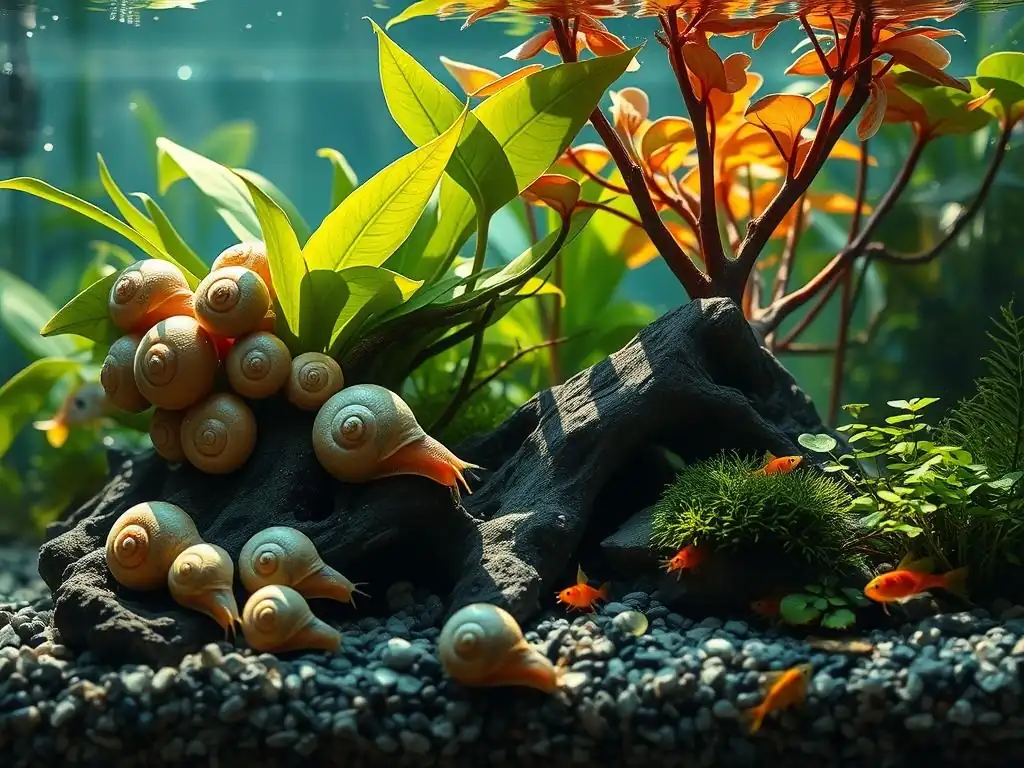
Ever noticed tiny, spiral-shelled hitchhikers in your freshwater aquarium? You're not alone! Many aquarists find themselves face-to-face with pond and bladder snails. But are they friend or foe? Dive into our comprehensive guide on pond snail aquarium management and discover everything you need to know about these common—and sometimes controversial—invertebrates. Unravel the mysteries of their lifecycle, learn how to identify them, and master effective strategies to maintain a balanced and thriving aquarium ecosystem. Ready to become a snail-savvy aquarist? Let's get started!
- Ramshorn, Pond, and Bladder Snails: Identification and Management in Aquariums
- Understanding Common Aquarium Snails
- Identifying Common Aquarium Snails: A Visual Guide
- The Life Cycle of These Snails in a Fish Tank
- Are These Snails Always Bad for Your Aquarium?
- Snail Management: Control and Eradication Methods
- Preventing Snails from Entering Your Aquarium
- Long-Term Snail Control Strategies
- Safe and Responsible Snail Disposal
- The Role of These Snails in a Planted Tank Environment
-
Frequently Asked Questions
- What are pond and bladder snails, and why are they considered "hitchhikers"?
- Are pond and bladder snails harmful to my aquarium?
- How can I identify pond and bladder snails in my aquarium?
- What are some effective methods for controlling pond and bladder snail populations?
- How can I prevent pond and bladder snails from entering my aquarium in the first place?
- Final Reflection: Embracing the Impermanence of the Aquarium Ecosystem
- Unleash Your Aquarium's Potential!
Ramshorn, Pond, and Bladder Snails: Identification and Management in Aquariums
Understanding Common Aquarium Snails
What are Ramshorn, Pond, and Bladder Snails? Identifying Features
Ramshorn, pond, and bladder snails are among the most common invertebrates to find their way into freshwater aquariums, often arriving as unnoticed hitchhikers on new plants or decorations. These small, prolific gastropods are typically not purchased intentionally but rather appear spontaneously, leading many aquarists to seek effective pond snail aquarium management strategies. While small in size, usually ranging from 0.2 to 1 inch (0.5 to 2.5 cm), their ability to reproduce rapidly means a few individuals can quickly lead to a large population.
Each of these snail types possesses distinct identifying features. Ramshorn snails are characterized by their flat, coiled shells that resemble a ram's horn, often coming in shades of red, brown, or leopard print. Pond snails typically have a conical, elongated shell with a pointed apex, and critically, their shell opening (aperture) is on the right side when viewed from the front with the shell's tip pointing upwards.
Bladder snails, often mistaken for pond snails, are generally smaller with a more globular, teardrop-shaped shell, and their distinguishing feature is a left-handed shell opening. Understanding these differences is crucial for effective identification and subsequent pond snail aquarium management.
Why are These Snails Sometimes Considered Pests?
These snails are often labeled as pests primarily due to their remarkable ability to reproduce at an alarming rate, leading to rapid overpopulation. This population boom is almost always a direct consequence of abundant food sources within the aquarium, such as excessive uneaten fish food, decaying plant matter, or prolific algae growth. A small initial population of just a few individuals can, under favorable conditions, multiply into hundreds or even thousands within a few weeks, creating an imbalance in the aquarium ecosystem.
When snail populations explode, they can become an aesthetic nuisance, covering tank glass, substrate, and decorations. More importantly, a massive snail presence can contribute significantly to the bioload, potentially overwhelming the aquarium's filtration system with their waste. While they are generally not known to consume healthy live plants, extremely high numbers, especially when other food sources are scarce, might lead them to nibble on softer or damaged plant leaves. These factors collectively drive the need for vigilant pond snail aquarium management to maintain a healthy and balanced aquatic environment.
Identifying Common Aquarium Snails: A Visual Guide
Ramshorn Snail Identification: Shell Shape and Color Variations
Ramshorn snails are perhaps the easiest of the three to identify due to their unique, distinctly coiled shell. Unlike most snails that have a spiral shell extending upwards, the ramshorn's shell coils flat, resembling a miniature spiral disc or, as their name suggests, a ram's horn.
This flat spiral can vary in diameter, typically reaching up to 1 inch (2.5 cm) in mature specimens. Their shells exhibit a wide range of colors, from common browns and reds (due to hemoglobin in their blood) to more exotic patterns like leopard spots or even blue and pink variations in selectively bred strains.
Beyond their iconic shell shape, Ramshorn snails possess two long, slender tentacles that protrude from their head, which they use for sensing their environment. They move gracefully across surfaces, often with their foot fully extended, allowing for clear observation of their unique shell. While generally considered harmless scavengers, their presence in high numbers often prompts aquarists to implement pond snail aquarium management strategies, even if they are less destructive than their conical counterparts.
Pond Snail Identification: Shell Shape and Tentacles
Pond snails, belonging to the Lymnaeidae family, are characterized by their conical, elongated shells with a distinct pointed apex. The most critical identifying feature for pond snails is the orientation of their shell opening. When you hold the snail with the tip (apex) of its shell pointing upwards, the opening (aperture) will be on the right-hand side. This "right-handed" or dextral coiling is a key differentiator from bladder snails. Their shells typically range from 0.5 to 1 inch (1.2 to 2.5 cm) in length and are usually dull brown or grayish in color, sometimes with subtle patterns.
Their bodies are often dark, and they possess two short, triangular tentacles that are broader at the base and taper to a point. These tentacles are used for sensing and navigating. Pond snails are highly adaptable and prolific breeders, thriving in a variety of freshwater conditions. Their rapid reproduction rates and tendency to appear unexpectedly often make them a primary target for comprehensive pond snail aquarium management efforts, especially when their populations begin to visibly surge.
Bladder Snail Identification: Shell Shape and Left-Handed Opening
Bladder snails, scientifically classified under the Physidae family, are often confused with pond snails but have distinct characteristics that set them apart. They are generally smaller than pond snails, rarely exceeding 0.5 inches (1.2 cm) in length, and their shells are typically more globular or teardrop-shaped rather than strictly conical. The most definitive identifying feature of a bladder snail is its "left-handed" or sinistral shell opening. When held with the shell's apex pointing upwards, the aperture will be on the left-hand side. This unique coiling pattern is a reliable way to distinguish them from pond snails.
Their shells are often translucent, allowing the internal organs to be somewhat visible, and can appear spotted or mottled. Bladder snails possess very thin, whip-like tentacles, which are noticeably more delicate than the triangular tentacles of pond snails. Their small size, along with their remarkable ability to self-fertilize (meaning a single snail can start an entire population), makes them incredibly prolific. This rapid, single-handed colonization capability is a major reason why bladder snails are a frequent focus of proactive pond snail aquarium management.
The Life Cycle of These Snails in a Fish Tank
Ramshorn Snail Reproduction: Hermaphroditic Breeding Habits
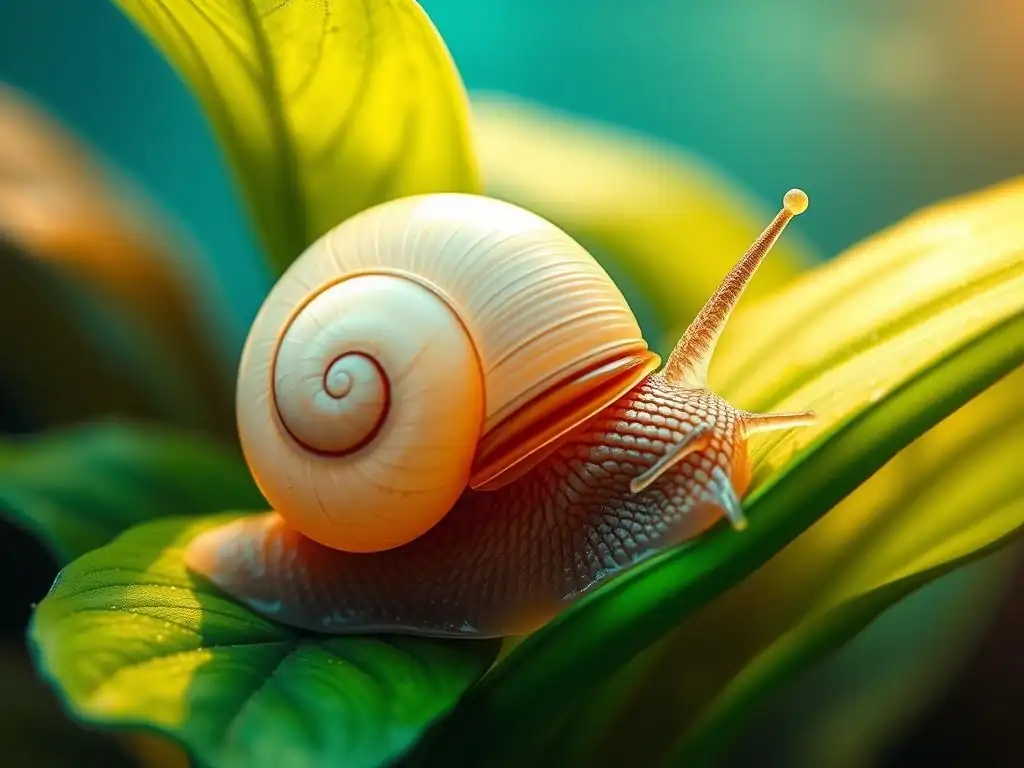
Ramshorn snails are fascinating creatures in their reproductive biology, as they are hermaphroditic. This means that each individual snail possesses both male and female reproductive organs, giving them the capability to act as both sexes during mating. While a single ramshorn snail can self-fertilize to produce offspring, cross-fertilization between two individuals is more common and typically results in larger, more viable clutches of eggs. This dual reproductive capacity contributes significantly to their ability to quickly establish populations even from a small initial introduction.
After successful fertilization, ramshorn snails lay their eggs in distinctive, gelatinous clutches. These clutches are typically clear or slightly opaque and are often found adhered to smooth surfaces within the aquarium, such as the tank glass, broad plant leaves, or decorative elements like rocks and driftwood. Each clutch can contain anywhere from 10 to 50 individual eggs.
The incubation period is relatively short, usually lasting between 1 to 3 weeks, depending on the aquarium's water temperature. Warmer temperatures accelerate hatching. This rapid reproductive cycle means that a few snails can quickly become a noticeable population, necessitating consistent pond snail aquarium management.
Pond Snail Reproduction: Rapid Population Growth
Pond snails, similar to ramshorns, are also hermaphroditic and exhibit an impressive capacity for reproduction, contributing to their reputation as prolific aquarium inhabitants. They lay their eggs in clear, jelly-like masses that are typically elongated or oval-shaped, often containing dozens to even hundreds of tiny eggs. These egg masses are commonly deposited on various hard surfaces within the tank, including the aquarium glass, filter tubes, submerged decorations, and the undersides of broad-leaved plants. Their inconspicuous nature often means they go unnoticed until the young snails begin to emerge.
What makes pond snails particularly challenging from a pond snail aquarium management perspective is their incredibly fast maturation rate. Under optimal conditions, young pond snails can reach reproductive maturity within a few short weeks, sometimes as little as three to four weeks post-hatching. This rapid turnaround from hatchling to breeding adult, combined with the large number of eggs per clutch, allows their populations to explode exponentially. A single egg mass can introduce enough individuals to start a significant infestation, highlighting the importance of early detection and intervention.
Bladder Snail Reproduction: Self-Fertilization Capabilities
Bladder snails are arguably the most challenging of the trio to manage due to their remarkable reproductive strategy: the ability to self-fertilize. This means that a single bladder snail, introduced into an aquarium without any other snails, can independently produce viable offspring and establish an entire population. This trait makes them incredibly resilient and explains why a seemingly empty tank can suddenly be teeming with these tiny mollusks, even if only one individual accidentally hitched a ride on a plant.
Their egg clutches are typically smaller and less conspicuous than those of ramshorn or pond snails. They are usually clear, oval-shaped blobs, often only containing 5 to 20 eggs, and are frequently laid in hard-to-spot locations. However, these eggs hatch incredibly quickly, sometimes within just a week, especially in warmer aquarium temperatures. The combination of self-fertilization, small clutch size, and rapid hatching means that bladder snail populations can grow exponentially and appear almost overnight, making them a primary focus for many pond snail aquarium management plans.
Are These Snails Always Bad for Your Aquarium?
Potential Benefits: Algae Control and Detritus Consumption
Despite their reputation as pests, a small, controlled population of ramshorn, pond, and bladder snails can actually offer several benefits to a freshwater aquarium ecosystem. Foremost among these is their role as highly efficient detritivores and scavengers. They tirelessly graze on decaying organic matter, including uneaten fish food, dead plant leaves, and fish waste, effectively acting as part of the tank's natural clean-up crew. This consumption of detritus helps to prevent the buildup of harmful substances and contributes to a cleaner substrate and healthier water parameters.
Furthermore, these snails are excellent algae eaters. They readily consume various types of algae that commonly plague aquarists, such as green spot algae, brown diatoms, and green film algae, which can coat tank glass and decorations. By grazing on these nuisance algae, they help maintain the aesthetic appeal of the aquarium and reduce the need for manual scrubbing. In a balanced ecosystem, a modest snail population can be a valuable asset, minimizing the need for aggressive pond snail aquarium management and promoting overall tank health.
When They Become a Problem: Signs of Overpopulation and Plant Damage
While beneficial in moderation, the primary indicator that these snails have transitioned from helpful scavengers to problematic pests is a sudden and noticeable surge in their population. If you start seeing dozens or hundreds of snails covering your tank glass, substrate, and decorations, it's a clear sign of overpopulation. This explosion is almost always a symptom of an underlying issue, most commonly overfeeding the fish or an excessive amount of decaying organic matter present in the tank, providing an abundant food source for the snails.
Although generally not considered plant-eaters, an extreme overpopulation of snails, particularly when other food sources become scarce, can lead to them nibbling on live aquarium plants. They typically target softer-leaved species or already unhealthy/dying plant leaves first. For instance, delicate plants like Cabomba or certain Cryptocoryne species might show signs of minor damage. This plant damage, combined with the aesthetic nuisance and increased bioload, signals that it's time to implement active pond snail aquarium management strategies to restore balance to your tank.
Snail Management: Control and Eradication Methods
Manual Removal: Crushing and Removing Snails
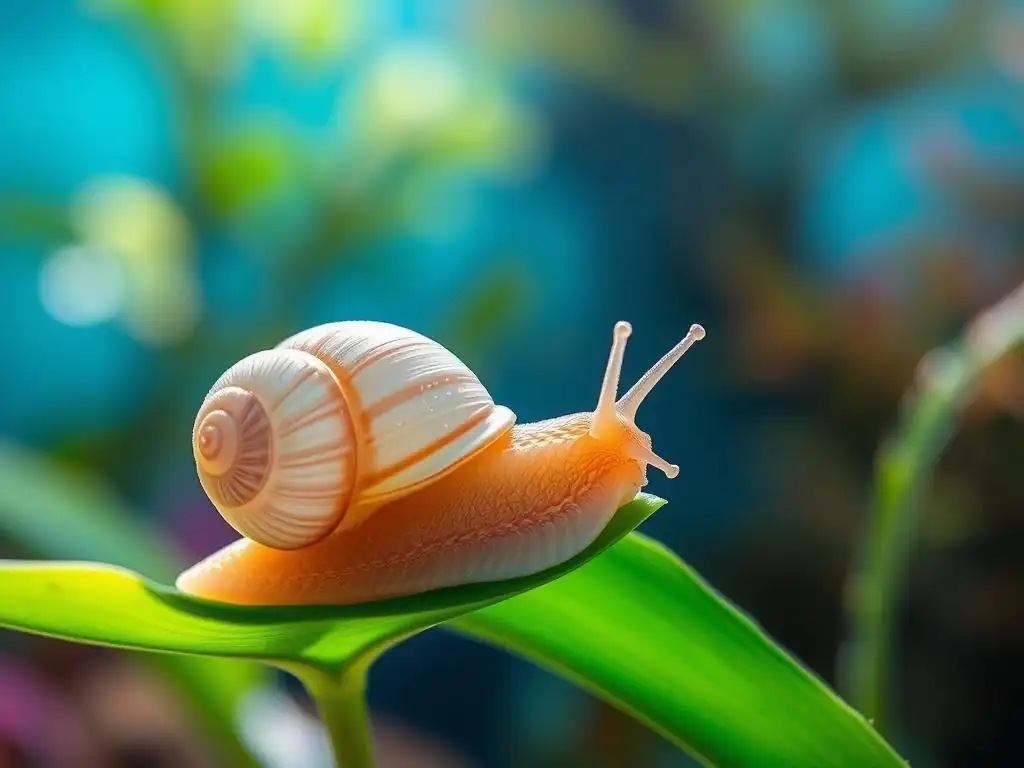
One of the most direct and chemical-free methods for pond snail aquarium management is manual removal. This technique involves physically picking out visible snails from the aquarium or, for those with a strong stomach, gently crushing them against the tank glass. Many fish species, particularly those with a varied diet, will readily consume the crushed snail remains, turning a nuisance into a protein-rich snack. This method is particularly effective for small infestations or as a daily maintenance routine to keep populations in check.
Consistency is key when relying on manual removal. Daily or every-other-day checks for snails, especially on the glass and under decorations, can significantly reduce their numbers over time. For example, consistently removing 20-50 snails per day can visibly reduce the population within a few weeks. While it may seem tedious, manual removal combined with addressing the root cause (like overfeeding) is a highly effective, non-invasive approach to maintaining control without disrupting the tank's delicate ecosystem.
Natural Predators: Assassin Snails and Certain Fish Species
Introducing natural predators is an effective biological approach to pond snail aquarium management. The most popular and highly effective invertebrate predator is the Assassin Snail ( Anentome helena). These carnivorous snails actively hunt and consume other freshwater snails, including ramshorn, pond, and bladder snails. A single Assassin Snail can consume several pest snails per day, and crucially, they reproduce much slower than pest snails, preventing them from becoming a new overpopulation problem themselves. Typically, 1-2 Assassin Snails per 10 gallons can make a significant impact.
Certain fish species are also known to prey on snails. Loaches, such as Clown Loaches ( Chromobotia macracanthus) or Yoyo Loaches ( Botia almorhae), are well-known snail eaters, often slurping them out of their shells. Dwarf Pufferfish ( Carinotetraodon travancoricus) are another excellent option, as snails form a primary part of their diet.
However, it's important to research these fish species thoroughly, as they have specific tank size, water parameter, and compatibility requirements. For instance, Clown Loaches grow very large, and Dwarf Pufferfish can be aggressive towards other tank mates, making them a suitable pond snail aquarium management solution only for specific aquarium setups.
Chemical Treatments: Copper-Based Medications (Use with Caution)
Chemical treatments, particularly copper-based medications, are highly effective molluscicides that can eradicate snail populations. However, their use in pond snail aquarium management comes with significant caveats and risks. Copper is extremely toxic to all invertebrates, including shrimp, other beneficial snails (like nerite snails), and crabs, and will kill them. It can also be harmful to sensitive fish species, live plants, and even beneficial bacteria in the filter if not used precisely.
Extreme caution and precise dosing are paramount when considering copper treatments. It is essential to remove all non-target invertebrates from the tank before treatment. Furthermore, copper can absorb into silicone seals and porous substrates, potentially leaching out later and causing long-term issues for future inhabitants. Given its broad-spectrum toxicity and potential for lasting negative effects on the aquarium ecosystem, copper-based treatments should generally be considered a last resort for severe infestations and only undertaken by experienced aquarists who can accurately test and monitor copper levels.
Trap Methods: Lettuce Traps and Commercial Snail Traps
Trap methods offer a non-chemical, effective way to reduce snail populations in your aquarium. A simple and widely used DIY trap involves blanching a piece of lettuce or a slice of zucchini (boiling it briefly until soft) and placing it in the aquarium overnight. The blanched vegetable acts as an irresistible bait, attracting hundreds of snails. In the morning, you can carefully remove the leaf, now covered in snails, from the tank and dispose of them. Repeating this process daily for several nights can significantly reduce the snail count.
Beyond homemade solutions, various commercial snail traps are available. These traps are typically designed as small containers with small openings, allowing snails to enter but making it difficult for them to leave. You place bait inside (like fish food or a blanched vegetable), position the trap in the tank, and empty it periodically. Both lettuce traps and commercial traps are excellent tools for continuous pond snail aquarium management, offering a low-effort way to physically remove large numbers of snails without introducing chemicals or relying on predators.
Preventing Snails from Entering Your Aquarium
Quarantine Procedures: Inspecting New Plants and Decorations Carefully
The most effective strategy in pond snail aquarium management is prevention, and the primary entry point for these common hitchhikers is new aquatic plants or decorations. Therefore, meticulous quarantine procedures are essential. Before introducing any new plants or decor into your main display tank, thoroughly inspect them for any visible adult snails, no matter how small. Pay particular attention to the undersides of leaves, stems, and crevices of decorations, as snails can hide remarkably well.
Even more crucial is checking for snail egg clutches. These are often clear or gelatinous blobs, sometimes appearing as small, translucent dots on leaves or hard surfaces. If possible, quarantine new plants in a separate container or bucket of dechlorinated water for 1-2 weeks. During this period, any hidden eggs will hatch, and the young snails can be easily removed or disposed of before the plants are safely added to your main aquarium. This simple step can save significant effort in long-term pond snail aquarium management.
Dipping Plants: Using Alum or Bleach Dips (With Precautions)
Plant dips are a proactive measure to eradicate snail eggs and small snails before they enter your tank. One popular and relatively safe method is an alum dip. Alum, a common pickling spice available in grocery stores, can be mixed at a ratio of 1-2 tablespoons per gallon of water. Submerge new plants in this solution for 2-3 hours, then rinse them thoroughly under running water before adding them to your aquarium. Alum effectively kills snails and eggs without harming most plants.
A more aggressive option is a very dilute bleach dip. This involves mixing 1 part unscented household bleach with 19 parts water (e.g., 1 cup bleach to 19 cups water). Submerge plants for no more than 2 minutes, then immediately rinse them extremely thoroughly under running water for several minutes and soak them in a strong dechlorinator solution for at least 15-30 minutes.
Bleach is harsher and can damage sensitive plants, so it's advisable to test a small piece of the plant first. Both dips are powerful tools for preventing snail infestations and reducing the need for reactive pond snail aquarium management.
Avoiding Overfeeding: Reducing Food Availability for Snails
One of the most fundamental and often overlooked aspects of preventing snail overpopulation, and consequently effective pond snail aquarium management, is controlling the amount of food introduced into the tank. Snails thrive on excess nutrients, primarily uneaten fish food, which serves as a readily available and abundant food source. When fish are overfed, the leftover flakes or pellets sink to the substrate, providing a feast for any existing snails, allowing their populations to boom rapidly.
To combat this, adopt a strict feeding regimen: feed your fish only what they can consume entirely within 2-3 minutes, usually once or twice a day. Observe your fish during feeding to ensure no food is left lingering on the bottom. If you notice uneaten food after this timeframe, reduce the amount you are feeding. By minimizing the availability of excess food, you directly limit the resources available for snail reproduction, thereby naturally controlling their numbers and preventing an outbreak from ever occurring.
Long-Term Snail Control Strategies
Regular Aquarium Maintenance: Gravel Vacuuming and Water Changes
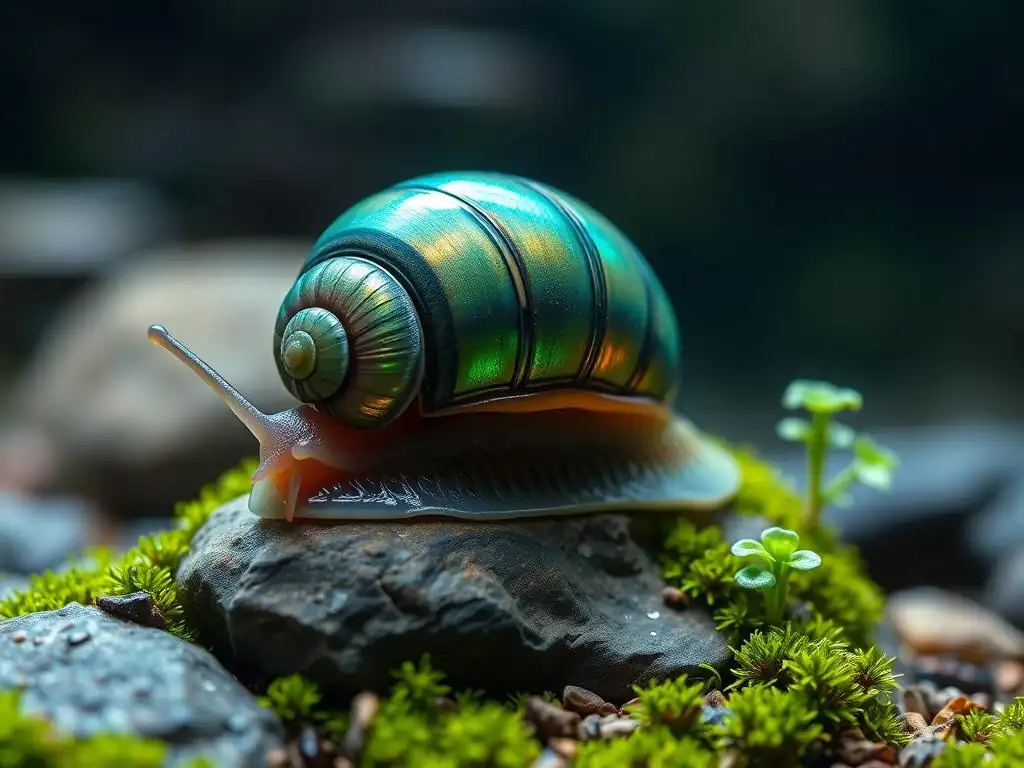
Consistent and thorough aquarium maintenance is paramount for long-term pond snail aquarium management. Regular gravel vacuuming plays a critical role by removing accumulated detritus, uneaten food, fish waste, and decaying plant matter from the substrate. These organic materials are primary food sources for snails, and by removing them, you directly limit the resources available for snail growth and reproduction. Aim for weekly or bi-weekly gravel vacuuming, paying particular attention to areas where food tends to settle.
Complementing gravel vacuuming, regular water changes (typically 20-30% weekly) help to maintain overall water quality and reduce dissolved organic compounds that contribute to both algae growth and general detritus. Cleaner water means less food for snails and a healthier environment for your fish and plants. Implementing these consistent maintenance practices forms the backbone of a sustainable pond snail aquarium management strategy, addressing the root causes of snail overpopulation rather than just treating the symptoms.
Controlling Algae Growth: Maintaining Proper Lighting and Nutrients
Algae is another significant food source for ramshorn, pond, and bladder snails. Therefore, effectively controlling algae growth is a crucial component of long-term pond snail aquarium management. Excessive algae blooms often indicate an imbalance in lighting, nutrients, or both. To manage lighting, ensure your aquarium lights are on for a consistent period, typically 8-10 hours per day. Avoid placing the tank in direct sunlight, which can rapidly accelerate algae growth.
Nutrient control is equally important. While plants need nutrients, excess nitrates and phosphates can fuel algae. Avoid over-fertilizing your plants if they do not show signs of deficiency, and ensure your filtration system is efficient at removing waste. Regular water changes also help to export excess nutrients. A balanced ecosystem with minimal nuisance algae will naturally support a smaller, more manageable snail population, reducing their food supply and preventing them from reaching pest levels.
Monitoring Your Aquarium: Early Detection and Intervention
Proactive monitoring of your aquarium is a simple yet highly effective long-term strategy for pond snail aquarium management. Developing a habit of daily observation allows for early detection of potential snail population surges. A few snails are normal and can even be beneficial, but a sudden increase in numbers—for example, noticing dozens where there were only a handful a week prior—is a strong indicator of an underlying issue, most commonly overfeeding or a buildup of detritus.
Early detection allows for swift and less drastic intervention. If you spot a sudden increase, you can immediately reduce feeding amounts, perform a thorough gravel vacuum, or manually remove visible snails before the population becomes overwhelming. This proactive approach prevents the need for more aggressive or chemical treatments later on. Consistent monitoring empowers aquarists to maintain a healthy balance, ensuring that snail populations remain at a manageable and even beneficial level within the aquarium.
Safe and Responsible Snail Disposal
Humane Euthanasia Methods for Unwanted Snails
When manual removal or trapping methods yield a significant number of unwanted snails, responsible and humane disposal is important. Simply flushing them down the drain is not recommended, as it can potentially introduce non-native species into local waterways, disrupting ecosystems, and it is not a humane method. One of the most widely accepted humane euthanasia methods for aquatic snails is freezing.
To perform freezing euthanasia, place the collected snails in a small container with a minimal amount of their original tank water. Then, place this container directly into a freezer. The gradual drop in temperature will slowly reduce their metabolic rate, causing them to become inactive and eventually enter a state of torpor before the water freezes solid. This method is considered humane as it minimizes stress and pain. Another quick and instant method is rapid crushing, which ensures immediate cessation of life. Always ensure the method chosen is quick and causes minimal suffering.
The Role of These Snails in a Planted Tank Environment
Impact on Live Aquarium Plants: Potential Damage vs. Algae Control
In a well-maintained planted tank, the impact of ramshorn, pond, and bladder snails on live aquarium plants is often misunderstood. Contrary to popular belief, healthy snails rarely consume healthy, thriving live plants. Their primary diet consists of decaying plant matter, biofilm, and various types of algae. In this regard, they can actually be quite beneficial, acting as a natural clean-up crew that helps keep plant leaves free of algae and removes dead or decaying foliage before it can decompose and foul the water. This can significantly reduce the workload of pond snail aquarium management by maintaining plant health.
However, there are exceptions. If snail populations become extremely dense, or if there is a severe lack of alternative food sources (like algae or detritus), they might begin to graze on very soft-leaved plants, such as certain varieties of Cabomba, Myriophyllum, or tender new shoots. They are also more likely to target plants that are already unhealthy, decaying, or melting. Therefore, any observed plant damage is usually a symptom of an imbalanced ecosystem or an overwhelming snail population rather than an inherent destructive nature of the snails themselves.
Balancing Snail Population with Plant Health: Creating a Thriving Ecosystem
The ultimate goal in a planted tank, particularly concerning pond snail aquarium management, is not necessarily complete eradication but rather achieving a balanced and manageable snail population. A small, controlled number of these snails can significantly contribute to the health and vitality of a planted aquarium. They aid in nutrient cycling by breaking down organic waste, clean plant leaves, and consume nuisance algae, all of which support robust plant growth and reduce the need for constant human intervention.
Achieving this balance involves addressing the root causes of snail overpopulation, primarily overfeeding and excessive detritus, rather than solely focusing on symptomatic removal. By controlling food input, performing regular maintenance, and ensuring optimal plant health, you create an environment where snail populations naturally regulate themselves to a sustainable level. This integrated approach fosters a truly thriving aquatic ecosystem where plants flourish, fish are healthy, and snails contribute positively to the tank's cleanliness and balance, making pond snail aquarium management an act of stewardship rather than a battle.
Frequently Asked Questions
What are pond and bladder snails, and why are they considered "hitchhikers"?
Pond and bladder snails are small, common freshwater snails that often enter aquariums unintentionally, usually as eggs or tiny snails attached to live plants or decorations. They are considered hitchhikers because they are not intentionally introduced but arrive as unwanted guests.
Are pond and bladder snails harmful to my aquarium?
While not directly harmful to healthy fish, large populations of pond and bladder snails can lead to excessive waste and potential algae blooms. They also consume plants if other food sources are scarce, disrupting the aquarium's ecosystem.
How can I identify pond and bladder snails in my aquarium?
Pond snails typically have pointed shells that spiral to the left (when held with the aperture facing you, the opening is on the right). Bladder snails have thinner, translucent shells and their antennae are longer and thinner than pond snails.
What are some effective methods for controlling pond and bladder snail populations?
Manual removal is a simple method, and introducing snail-eating fish like loaches can help. Reducing overfeeding also limits the snails' food source, preventing population explosions.
How can I prevent pond and bladder snails from entering my aquarium in the first place?
Thoroughly inspect and quarantine all new plants and decorations before adding them to your aquarium. A bleach dip (diluted solution) or potassium permanganate bath can eliminate snails and their eggs, but use with caution and research.
Final Reflection: Embracing the Impermanence of the Aquarium Ecosystem
The journey through understanding and managing pond and bladder snails in our aquariums highlights a fundamental truth: control is often an illusion in the face of nature's tenacity. What begins as a quest for pristine, algae-free glass can quickly become a lesson in acceptance, adaptation, and the delicate balance that defines a thriving ecosystem, even within the confines of a glass box.
This seemingly small issue of unwanted snails underscores a larger point about our relationship with the natural world. It reminds us that even in our carefully curated environments, life finds a way, and sometimes, the "problem" we perceive is simply a reflection of our own expectations. The only constant in life is change.
This ancient wisdom resonates deeply when we consider the dynamic, ever-evolving nature of an aquarium, and the role even the humblest snail plays within it.
So, as you navigate the ebb and flow of your own aquarium's ecosystem, remember the lessons learned about pond and bladder snails. Consider them not just as pests to be eradicated, but as reminders of the resilience of life and the importance of embracing the unexpected. Let this knowledge inspire you to observe, adapt, and find beauty in the imperfections, both within your aquarium and within yourself.
Unleash Your Aquarium's Potential!
Thank you for diving into the world of pond and bladder snails! We hope you've gained valuable insights into identifying and managing these tiny aquarium inhabitants. Now, it's time to take action and ensure a thriving aquatic environment.
Here are a few next steps you can take:
- Implement the snail removal method that best suits your aquarium's needs, based on what you've learned. Remember, consistency is key!
- Share this article with fellow aquarium enthusiasts and discuss your experiences with snail infestations.
- Try a surprising experiment: dedicate a small, separate container to raising pond snails and observe their lifecycle! Document your findings and share them with the Aquarium Mastery community.
What innovative snail control method are you going to implement first to keep your aquarium thriving?