
Ramshorn Snails Explored: Colorful Cleaners or Uninvited Guests?

Welcome to Aquarium Mastery!
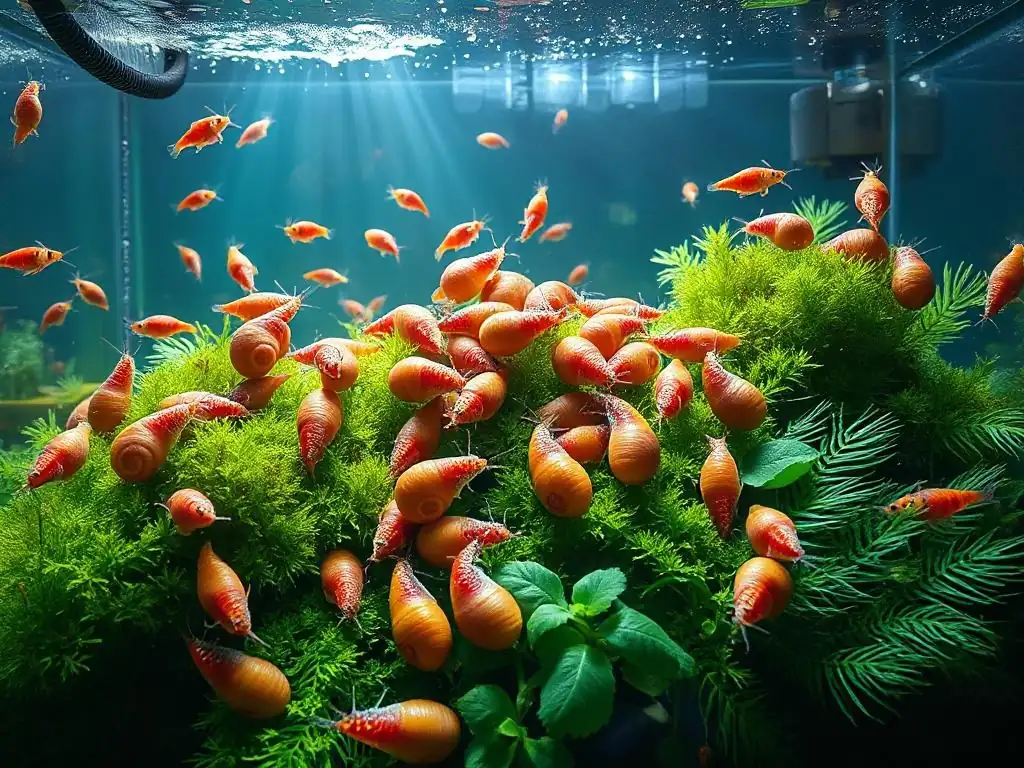
Ever wondered if those colorful little snails gliding across your aquarium glass are friends or foes? Dive into the fascinating world of Ramshorn snails and learn how to keep them as valuable members of your aquatic ecosystem... or, if needed, master effective Ramshorn snail aquarium control. Ready to uncover the secrets? Let's explore!
- Understanding Ramshorn Snails in the Aquarium
- The Potential Problems with Ramshorn Snails: Overpopulation and More
-
Effective Ramshorn Snail Aquarium Control Strategies
- Natural Predators for Ramshorn Snail Population Control: Loaches, Assassin Snails, and Pufferfish
- Manual Removal Techniques for Reducing Ramshorn Snail Numbers
- Chemical Treatments for Ramshorn Snail Control: Copper-Based Solutions and Their Risks
- Biological Control Methods: Introducing Competitors for Resources
- Preventing Ramshorn Snail Infestations: Proactive Measures
- Ramshorn Snails as Indicators of Aquarium Health
- Integrating Ramshorn Snails Responsibly into Your Aquarium
-
Frequently Asked Questions
- What are Ramshorn snails and are they beneficial to an aquarium?
- Why are Ramshorn snails sometimes considered "uninvited guests" in aquariums?
- How can I control the Ramshorn snail population in my aquarium effectively?
- What are some natural predators of Ramshorn snails suitable for an aquarium environment?
- What steps can I take to prevent a Ramshorn snail infestation in the first place?
- Final Reflection: Embracing Balance in the Aquarium Ecosystem
- Unleash Your Aquarium's Potential!
Understanding Ramshorn Snails in the Aquarium
Ramshorn snails are a popular group of freshwater gastropods known for their distinctive, coiled shell that resembles a ram's horn. The most commonly encountered species in the aquarium hobby is Planorbarius corneus, often referred to as the Great Ramshorn snail. These hardy invertebrates are primarily detritivores, playing a natural role in consuming decaying organic matter and algae within an aquatic ecosystem. They are widely distributed globally, found in various slow-moving or stagnant freshwater bodies.
Beyond Planorbarius corneus, other species like Helisoma trivolvis (North American Ramshorn) and various smaller Gyraulus species are also commonly found. While P. corneus can grow up to 2.5-3 cm (approximately 1 inch) in shell diameter, others remain much smaller, often under 1 cm. All these species share the characteristic flat, spiral shell and are hermaphroditic, meaning each snail possesses both male and female reproductive organs, allowing for rapid reproduction even from a single individual.
Ramshorn Snail Varieties: Colors and Sizes for Your Freshwater Tank
Ramshorn snails come in a surprising array of colors, making them more than just functional tank inhabitants for many aquarists. The most common color morphs include the wild type (brownish-black), red or pink (lacking dark pigment, revealing their red hemolymph), blue (a result of a darker body against a lighter shell), and leopard (spotted patterns). These vibrant variations can add an interesting aesthetic dimension to a freshwater aquarium, especially in planted setups where their colors can contrast beautifully with green foliage.
Size also varies significantly among Ramshorn snail types. The Great Ramshorn ( Planorbarius corneus) is the largest, often reaching a diameter of 2.5 cm to 3 cm, making them quite noticeable. In contrast, "mini Ramshorn" snails, typically species from the Gyraulus genus, rarely exceed 0.5 cm. This size difference influences their visual impact and how quickly their presence might be perceived as an overpopulation issue, a key consideration for Ramshorn snail aquarium control.
Benefits of Ramshorn Snails in a Freshwater Aquarium Ecosystem
Ramshorn snails are highly efficient detritivores, acting as natural cleanup crews within the aquarium. They tirelessly graze on uneaten fish food, decaying plant leaves, and various types of soft algae, including diatom algae and biofilm. By consuming this organic waste, they help prevent its accumulation, which in turn contributes to better water quality by reducing the potential for ammonia and nitrite spikes. For instance, a small colony of 10-15 Ramshorn snails in a 20-gallon tank can significantly reduce the amount of visible detritus, potentially decreasing the need for substrate vacuuming by 10-15% in terms of organic debris buildup.
Furthermore, their constant movement through the substrate helps to aerate it, preventing the formation of anaerobic pockets that can release harmful gases. They also contribute to the nitrogen cycle by breaking down organic matter into forms more easily processed by beneficial bacteria. In some setups, they can also serve as a natural food source for certain fish species, integrating them into a more complete and balanced ecosystem. In a well-established 50-gallon planted tank, a healthy population of Ramshorn snails can process an estimated 2-3 grams of organic detritus per day.
The Potential Problems with Ramshorn Snails: Overpopulation and More
Ramshorn Snail Overpopulation: Causes and Contributing Factors
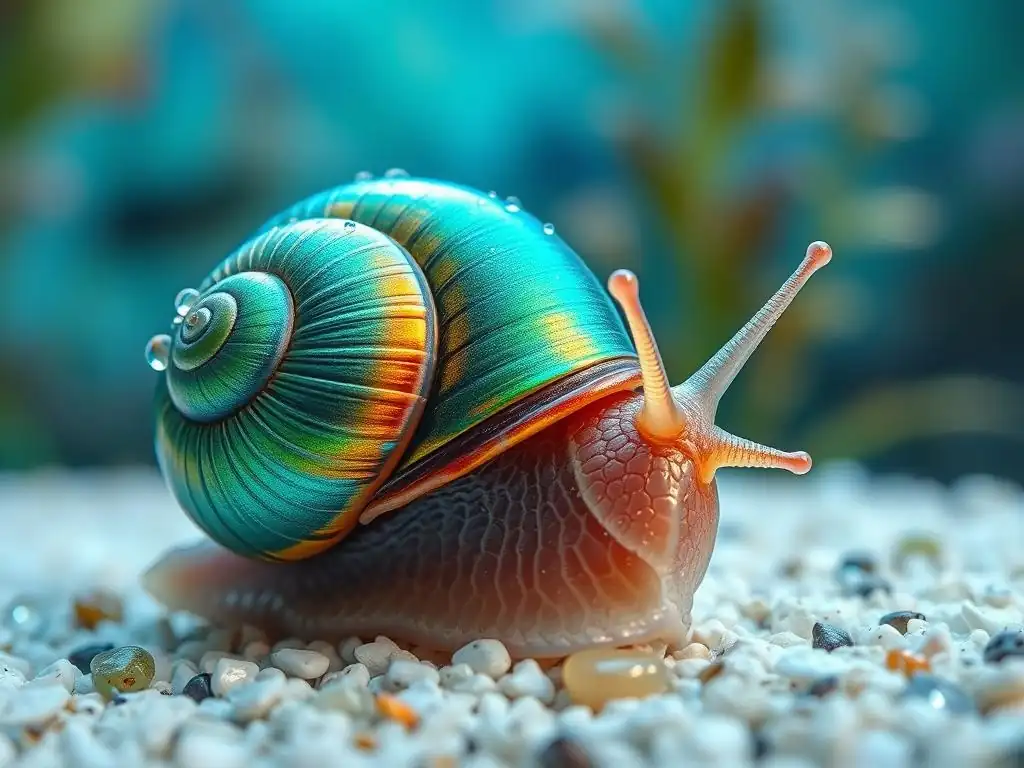
The primary concern for most aquarists regarding Ramshorn snails is their potential for rapid overpopulation. The leading cause of a snail "explosion" is overfeeding. When excess fish food, flakes, pellets, or algae wafers are left uneaten, they provide an abundant and readily available food source for snails, fueling their reproductive capabilities. A single Ramshorn snail can lay clutches containing 10-30 eggs every few days under optimal conditions, leading to exponential population growth. For example, if just 10% of fish food is uneaten daily, this can sustain a snail population growth of 20-30% per week in a typical 30-gallon tank.
Lack of natural predators in the aquarium and infrequent tank maintenance also significantly contribute to overpopulation. Without fish species that prey on snail eggs or juveniles, and if organic waste is allowed to accumulate, the snail population will inevitably boom. Tanks where feeding is generous and weekly water changes are skipped or minimal often see snail numbers double within a short period, leading to significant challenges in Ramshorn snail aquarium control.
Are Ramshorn Snails Eating My Plants? Addressing Plant Damage Concerns
A common misconception is that Ramshorn snails actively consume healthy live plants. Generally, this is not the case. Healthy Ramshorn snails are primarily scavengers and detritivores; they prefer to eat decaying plant matter, soft film algae, and biofilm. If you observe them on your plants, it's usually because the plant is already dying, melting, or has a layer of algae that the snails are diligently cleaning. They are often more beneficial in this regard, helping to remove unsightly and potentially polluting decaying leaves.
However, in rare instances, if food sources are extremely scarce, or if the plants themselves are very delicate, soft-leaved species (such as some fragile stem plants or melting cryptocorynes), snails might nibble on them out of desperation. This behavior is more indicative of an imbalanced ecosystem or unhealthy plants rather than the snails being primary plant destroyers. A common observation is that snails might graze on a dying leaf from an Anubias plant but leave the healthy, robust leaves untouched.
Ramshorn Snails and Aquarium Aesthetics: Managing Visual Impact
While a small, controlled population of Ramshorn snails can be charming and beneficial, an unchecked population explosion can significantly detract from the visual appeal of an aquarium. Hundreds or even thousands of snails crawling on the glass, substrate, and decorations can make the tank appear cluttered, dirty, and overwhelming. This is particularly noticeable in smaller tanks, such as 10-20 gallon setups, where even 50-100 snails can make the entire tank look unkempt and visually unpleasant.
Furthermore, a large snail population produces a considerable amount of snail waste (feces), which adds to the overall detritus buildup in the tank. In large quantities, this can contribute to water cloudiness or create an impression of poor hygiene, even in an otherwise well-maintained tank. Effectively managing this visual impact is a crucial aspect of Ramshorn snail aquarium control for many aquarists who prioritize the aesthetic appeal of their aquatic display.
Effective Ramshorn Snail Aquarium Control Strategies
Natural Predators for Ramshorn Snail Population Control: Loaches, Assassin Snails, and Pufferfish
Introducing natural predators is one of the most effective and biological methods for Ramshorn snail aquarium control. Clown Loaches ( Chromobotia macracanthus) are renowned snail eaters, but they grow very large (up to 30 cm or 12 inches) and require substantial tanks (100+ gallons) and social groups. For smaller setups, Dwarf Chain Loaches ( Ambastaia sidthimunki) are an excellent alternative, staying under 6 cm and actively hunting snails. A group of 5-6 Dwarf Chain Loaches can significantly reduce a snail population in a 50-gallon tank within a few weeks.
Assassin Snails ( Anentome helena) are another highly effective and popular option. These predatory snails exclusively eat other snails, including Ramshorns, and are peaceful towards fish and plants. They also reproduce much slower than their prey, preventing an overpopulation issue of their own. Introducing 3-5 Assassin Snails into a 20-gallon tank can bring a Ramshorn population under control over 1-2 months. Pea Puffers ( Carinotetraodon travancoricus) are specialized snail eaters, but their small size (around 2.5 cm) and often nippy nature mean they are best kept in species-specific tanks.
Manual Removal Techniques for Reducing Ramshorn Snail Numbers
Manual removal is a straightforward and non-chemical method for reducing Ramshorn snail numbers, especially for moderate infestations or as a supplementary measure. A common technique involves placing a blanched vegetable, such as a lettuce leaf, cucumber slice, or zucchini, into the tank overnight. The snails will congregate on the vegetable to feed, allowing you to easily remove the vegetable with hundreds of snails attached the following morning. This method can drastically reduce a population in a heavily infested tank within a single night.
Other manual techniques include simply picking the snails out by hand as you see them or using a siphon during routine water changes to vacuum them directly from the substrate and tank surfaces. While these methods can be labor-intensive for severe infestations, consistent manual removal (e.g., removing 50-100 snails daily from a 50-gallon tank for a week) can significantly reduce numbers, particularly when combined with other Ramshorn snail aquarium control strategies.
Chemical Treatments for Ramshorn Snail Control: Copper-Based Solutions and Their Risks
Chemical treatments, primarily copper-based solutions, are available for severe Ramshorn snail infestations. Products containing copper sulfate can effectively kill snails by disrupting their nervous systems. However, this method comes with significant risks. Copper is highly toxic to all invertebrates, including beneficial snails, shrimp, and crabs, and can be harmful to sensitive fish species like tetras, corydoras, and many scaleless fish. It can also remain in the substrate, posing long-term dangers to future inhabitants.
Using chemical treatments requires precise dosing and careful monitoring of water parameters, as even a slight overdose can be catastrophic for the entire tank ecosystem. Furthermore, copper can be absorbed by live plants, potentially causing them harm. Due to these substantial risks, their non-selective nature, and the potential for long-term residual effects, chemical treatments are generally considered a last resort for Ramshorn snail aquarium control and are strongly discouraged for community tanks or tanks with invertebrates.
Biological Control Methods: Introducing Competitors for Resources
Beyond direct predation, another form of biological Ramshorn snail aquarium control involves limiting their primary resource: food. By intentionally reducing the amount of available food and detritus in the aquarium, you naturally curb the snail population's ability to reproduce and thrive. This strategy primarily involves reducing the amount of food fed to fish, ensuring no excess food settles on the substrate, and enhancing overall tank cleanliness.
While not a direct "competitor" in the sense of consuming snails, a robust population of beneficial bacteria and other algae-eating inhabitants can indirectly help. For example, fish like Otocinclus catfish that diligently graze on diatoms, or Siamese Algae Eaters that consume hair algae, reduce the very food sources that Ramshorns would otherwise utilize. This subtle, ecosystem-based approach contributes to overall Ramshorn snail aquarium control by creating a less favorable environment for their rapid proliferation and survival.
Preventing Ramshorn Snail Infestations: Proactive Measures
Quarantine New Plants to Prevent Introducing Ramshorn Snails
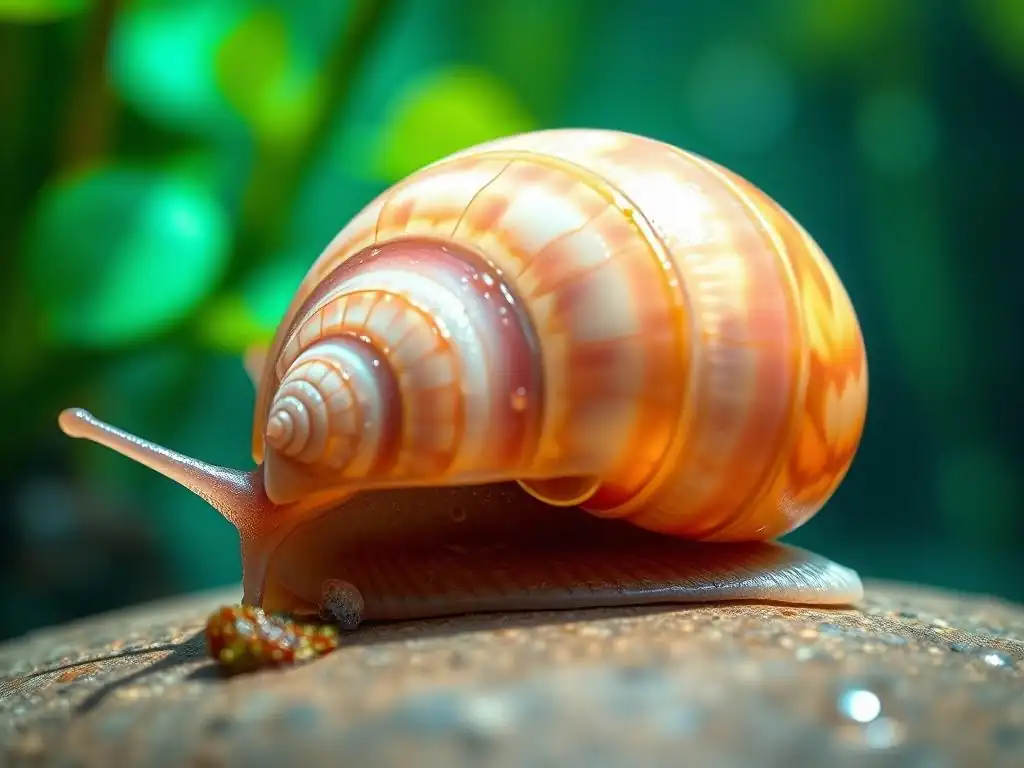
One of the most common ways Ramshorn snails are introduced into an aquarium is as hitchhikers on new aquatic plants. Snails, and more frequently their tiny, often clear egg clutches (which can resemble small water droplets), can easily cling to plants purchased from stores or other hobbyists. Therefore, quarantining new plants is a critical proactive measure to prevent an infestation. A simple quarantine procedure involves placing new plants in a separate container of dechlorinated water for a few days to a week.
During this quarantine period, regularly inspect the plants thoroughly for any snails or their gelatinous egg clutches. To be extra cautious, many aquarists opt for a "dip" method. A common approach is a bleach dip (e.g., 1 part bleach to 19 parts water for 1-2 minutes, followed by thorough rinsing and a dechlorinator bath) or a potassium permanganate dip (e.g., a light pink solution for 10-15 minutes). While effective, these dips can stress or potentially damage very delicate plant species. This proactive step is arguably the most effective way to prevent the initial need for Ramshorn snail aquarium control.
Controlling Food Availability to Limit Ramshorn Snail Reproduction
Overfeeding is unequivocally the number one cause of Ramshorn snail overpopulation. Fish should only be fed what they can consume entirely within 2-3 minutes, once or twice a day. Any food left uneaten beyond this brief period will decompose and become a readily available and abundant food source for snails, directly fueling their rapid reproduction. For instance, simply reducing daily fish food by just 10-15% can significantly impact a snail population's growth rate over a few weeks, leading to fewer snails.
Beyond mindful feeding, regularly vacuuming the substrate to remove any uneaten food and accumulated detritus is crucial. Performing consistent weekly 25-30% water changes along with thorough substrate cleaning ensures that organic waste, which snails feed on, is consistently removed from the system. This fundamental practice of diligent feeding and maintenance is central to effective Ramshorn snail aquarium control by directly limiting their food supply and thus their reproductive potential.
Maintaining Optimal Water Parameters to Discourage Overpopulation
While Ramshorn snails are remarkably adaptable, maintaining stable and clean water parameters can indirectly discourage excessive population booms. High levels of nitrates and phosphates, which often result from decaying organic matter and overfeeding, provide ample nutrients for algae and biofilm growth – key food sources for snails. Keeping nitrates consistently below 20 ppm and phosphates below 0.5 ppm through regular water changes and efficient filtration can help limit these food sources.
A well-maintained tank with robust biological filtration and appropriate water flow prevents the accumulation of stagnant areas where detritus can settle and snail populations can explode. Ensuring the aquarium is not overstocked with fish also reduces the overall bioload and subsequent waste production, further aiding in Ramshorn snail aquarium control by minimizing the availability of their primary sustenance. A balanced and clean environment naturally keeps snail numbers in check.
Ramshorn Snails as Indicators of Aquarium Health
Using Ramshorn Snail Behavior as a Sign of Water Quality Issues
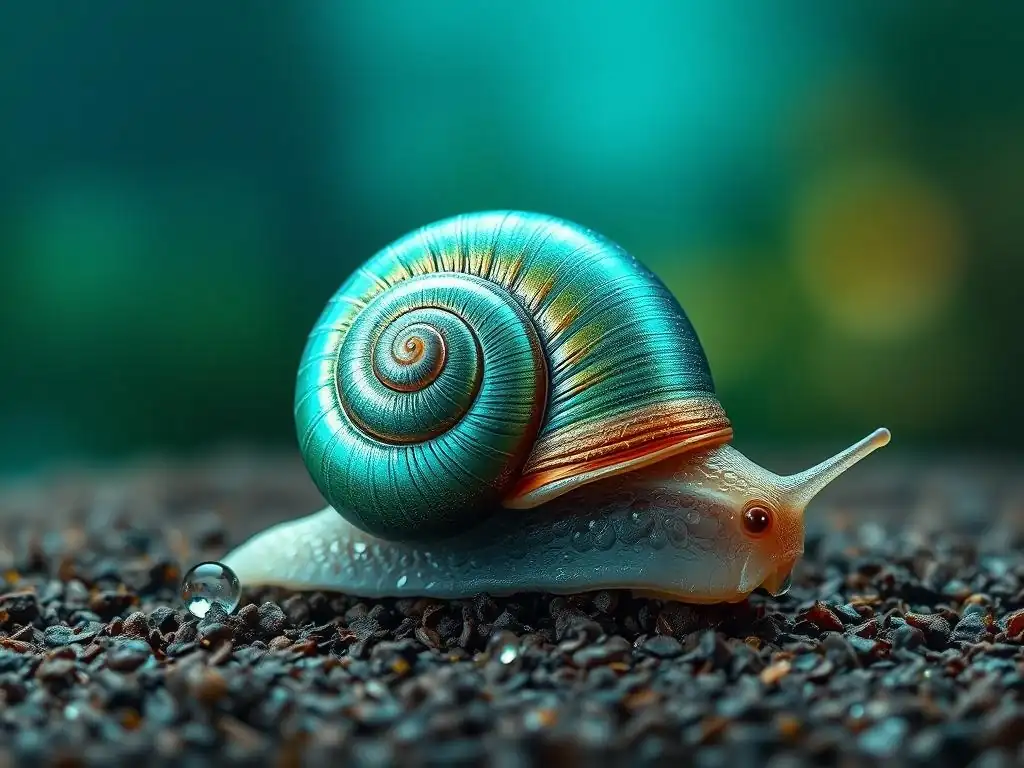
Ramshorn snails can serve as excellent bio-indicators of aquarium health, particularly concerning water quality. If you observe a large number of snails congregating at the waterline, near the filter outflow, or attempting to climb out of the tank, it often signals poor water quality. This behavior typically indicates low dissolved oxygen levels or elevated concentrations of harmful substances like ammonia or nitrite. Healthy snails, in contrast, will move freely throughout the tank, grazing on surfaces, substrate, and decorations.
A sudden, unexplained die-off of a significant number of snails can also be a critical warning sign, pointing to a severe water parameter crash, such as a drastic pH swing, a sudden temperature fluctuation, or the presence of toxins (e.g., copper from tap water or medication). Observing such behavior or unexplained deaths should prompt immediate water testing (e.g., confirming ammonia at 0 ppm, nitrite at 0 ppm, and nitrates below 20 ppm) and prompt corrective action before fish or other more sensitive inhabitants are affected.
This makes them useful for proactive Ramshorn snail aquarium control and overall tank health monitoring.
Recognizing Signs of Stress in Ramshorn Snails
Beyond congregating at the surface, stressed Ramshorn snails may exhibit other signs of distress. These can include lethargy, reduced movement, or a reluctance to fully extend their foot from their shell, remaining retracted for prolonged periods. Their shells might also appear dull, pitted, or show signs of erosion if the water's calcium levels are too low or if the pH is consistently acidic, negatively impacting proper shell growth and maintenance.
If you notice these signs, it's crucial to thoroughly check essential water parameters like pH (ideally between 6.5-8.0 for most snails), GH (general hardness, ideally 8-18 dGH for good shell health), and KH (carbonate hardness, 4-12 dKH for pH stability). Addressing any imbalances not only benefits the health and longevity of the snails but also contributes to the overall well-being of the entire aquarium ecosystem, demonstrating how managing snail health is inherently intertwined with broader Ramshorn snail aquarium control strategies.
Integrating Ramshorn Snails Responsibly into Your Aquarium
Balancing the Benefits and Risks of Keeping Ramshorn Snails
Ramshorn snails offer undeniable benefits as diligent cleaners, detritivores, and algae eaters in a freshwater aquarium. They play a valuable role in breaking down organic waste, consuming excess food, and grazing on unsightly algae, thereby contributing to a healthier and more balanced ecosystem. A small, controlled population can be a highly beneficial asset for tank maintenance, consuming excess food that might otherwise foul the water. For example, in a 20-gallon planted tank, 5-10 Ramshorn snails can significantly reduce biofilm and detritus without becoming an eyesore.
However, the primary risk associated with Ramshorn snails is their significant potential for rapid overpopulation, which can quickly lead to aesthetic issues, an increased bioload on the filtration system, and potential competition for resources with other tank inhabitants. The key to successful integration lies in active management and proactive prevention. Understanding their rapid reproduction rate (laying clutches every few days) necessitates vigilant Ramshorn snail aquarium control measures to maintain a desirable balance.
Sustainable Ramshorn Snail Management Practices
Sustainable Ramshorn snail management practices involve a combination of preventative measures and gentle, consistent removal methods rather than relying on harsh chemical treatments. This holistic approach prioritizes the long-term health of the entire aquarium ecosystem. Key practices include strictly controlling the amount of food fed to fish, performing consistent weekly water changes (typically 25-30%), and diligently vacuuming the substrate to remove excess food and detritus that fuels snail reproduction.
If snail populations still increase despite these preventative steps, manual removal techniques (such as using blanched vegetable traps) or introducing appropriate, tank-compatible natural predators (like Assassin snails for smaller tanks) are environmentally friendly and highly effective long-term strategies. This multi-faceted, sustainable approach ensures effective Ramshorn snail aquarium control without disrupting the delicate balance of the aquatic environment or harming other inhabitants.
Ramshorn Snail Aquarium Control: Choosing the Right Approach for Your Tank
The most effective Ramshorn snail aquarium control strategy is not a one-size-fits-all solution; it depends largely on your specific tank setup, the fish species you keep, and your personal tolerance for snails. For a community tank containing sensitive fish or other invertebrates (like shrimp), manual removal and stringent feeding control are paramount to avoid harm. For a larger tank with robust fish that can handle a predator, introducing specific snail-eating fish might be a suitable option.
Before implementing any control method, it is crucial to assess the root cause of the population boom, which in most cases is overfeeding. Addressing this underlying issue is often the most impactful first step. A multi-faceted approach, combining proactive prevention with targeted, thoughtful intervention, is almost always more effective and sustainable than relying on a single, aggressive solution. Ultimately, successful Ramshorn snail aquarium control is about maintaining a healthy, balanced ecosystem where all inhabitants can thrive without any single species becoming a nuisance.
Frequently Asked Questions
What are Ramshorn snails and are they beneficial to an aquarium?
Ramshorn snails are small, spiral-shelled snails often introduced to aquariums. They can be beneficial as they consume algae and decaying matter, acting as natural cleaners. However, their populations can explode if unchecked.
Why are Ramshorn snails sometimes considered "uninvited guests" in aquariums?
Ramshorn snails can become problematic due to their rapid breeding rate. This can lead to overpopulation, overwhelming the tank with snails and potentially damaging live plants.
How can I control the Ramshorn snail population in my aquarium effectively?
Effective control methods include manual removal, introducing snail-eating fish or invertebrates (like assassin snails), and carefully managing food levels to reduce their food source.
What are some natural predators of Ramshorn snails suitable for an aquarium environment?
Several options exist, including assassin snails, which specifically prey on other snails, and certain fish species like loaches and puffers, though compatibility with other tank inhabitants must be considered.
What steps can I take to prevent a Ramshorn snail infestation in the first place?
Quarantine new plants thoroughly to remove any hitchhiking snails or eggs before introducing them to your main tank. Also, avoid overfeeding your fish, as excess food fuels snail population growth.
Final Reflection: Embracing Balance in the Aquarium Ecosystem
The discussion surrounding ramshorn snails, as we've explored, highlights a fundamental truth about aquariums: they are miniature ecosystems constantly striving for balance. Understanding the role of each inhabitant, even the seemingly insignificant ramshorn snail, is crucial for maintaining a healthy and thriving aquatic environment. Ignoring this delicate interplay can lead to imbalances and unintended consequences, reinforcing the need for informed and responsible aquarium keeping.
The presence, or perceived absence, of ramshorn snails has undoubtedly shaped the experiences of countless aquarists. My own journey with these creatures has taught me the value of observation and adaptation, recognizing that what might be considered a pest to one person could be a beneficial member of the community to another. The only constant is change.
This ancient adage rings particularly true in the dynamic world of aquariums, where flexibility and a willingness to learn are essential for success.
Ultimately, the question of whether ramshorn snails are colorful cleaners or uninvited guests rests on our ability to understand their role and manage their population responsibly. Let us, therefore, approach our aquariums not as static displays, but as living, breathing ecosystems that demand our respect and attention. Consider how you can foster a balanced environment, where every creature, including the humble ramshorn snail, can contribute to the overall health and beauty of your underwater world.
Unleash Your Aquarium's Potential!
Thanks for diving into the world of Ramshorn snails with us! We hope you've gained a clearer understanding of their role in your aquarium ecosystem. Now it's time to take action!
- Start by evaluating your current aquarium setup: Assess whether adding Ramshorn snails aligns with your specific goals for tank health and aesthetics. This is the most critical first step.
- Share your newfound knowledge! Recommend this article to a fellow hobbyist who might be struggling with algae issues or needs a natural cleaning solution.
- Consider conducting a small "snail experiment" by introducing a few Ramshorns to a small, isolated tank area and observe their impact.
What's one surprising benefit of Ramshorn snails you think most aquarium keepers overlook?