
The Snail Biofilm Connection: Nature's Tiny Janitors at Work

Welcome to Aquarium Mastery!
Ever wondered how to keep your freshwater aquarium sparkling clean naturally? Dive into the fascinating world of aquatic invertebrates and discover the surprising secret weapon of experienced aquarists: freshwater snails. Explore the intricate connection between these often-overlooked creatures and the persistent issue of biofilm cleanup. Are they really as effective as everyone says? Uncover the truth and unlock the secrets to a healthier, more vibrant aquarium below...
- Freshwater Snails: Natural Biofilm Control in Aquariums
- Understanding Biofilm in Aquariums
- Freshwater Snails as Biofilm Grazers
- Optimizing Your Aquarium for Snail-Based Biofilm Control
- Introducing and Monitoring Snail Biofilm Removal
- Preventing Biofilm Overgrowth
- The Benefits of Natural Biofilm Control with Snails
- Troubleshooting Snail-Related Issues in Biofilm Control
- Beyond Biofilm: Other Cleaning Roles of Freshwater Snails
- Conclusion: Embracing Freshwater Snails for a Healthier Aquarium
-
Frequently Asked Questions
- How do freshwater snails help with biofilm in aquariums?
- What types of freshwater snails are best for biofilm cleanup?
- Can snails completely eliminate biofilm in a freshwater aquarium?
- Are there any risks associated with using snails for biofilm control?
- How many snails should I add to my freshwater aquarium for optimal biofilm cleanup?
- Final Reflection: Embracing the Power of Tiny Ecosystems
- Unveil Your Tank's Hidden Potential!
Freshwater Snails: Natural Biofilm Control in Aquariums
Understanding Biofilm in Aquariums
What is Biofilm and Why Does it Form?
Biofilm is a complex, self-produced matrix of microorganisms that adheres to surfaces within an aquarium. This matrix is primarily composed of bacteria, but can also include fungi, protozoa, and algae, all encased in an extracellular polymeric substance (EPS) – a sticky, slimy layer. It forms when free-floating microorganisms, attracted by available nutrients and organic matter, colonize a surface. This process can occur on virtually any submerged surface, from the glass walls and substrate to decorations, plants, and filter media.
The formation process begins with initial attachment, where pioneer bacteria adhere to a surface. These bacteria then excrete the EPS, which acts as a protective shield and allows more microorganisms to attach and grow, forming a mature, multi-layered community. This growth is fueled by dissolved organic compounds, uneaten food, and fish waste. While often appearing as a translucent or slightly colored film, particularly noticeable as a slimy layer on tank walls or filter components, its presence is a natural and continuous process in any aquatic environment.
The Role of Biofilm in a Healthy Aquarium Ecosystem
Despite its often unsightly appearance, a healthy biofilm layer is fundamentally crucial for the biological filtration and overall ecological balance of an aquarium. It serves as the primary site for nitrifying bacteria, specifically Nitrosomonas and Nitrobacter, which are essential for the nitrogen cycle. These bacteria convert toxic ammonia (from fish waste and decaying matter) into less harmful nitrite, and then into nitrate, a process vital for preventing dangerous chemical buildups in the water.
Furthermore, biofilm acts as a continuous food source for many invertebrates and some fish, providing a stable and accessible nutrient supply. A mature biological filter, for instance, relies heavily on the vast surface area provided by filter media, which supports millions of beneficial bacteria per square centimeter within its biofilm matrix. Without this microbial activity, ammonia and nitrite would quickly accumulate to lethal levels, demonstrating that a well-managed biofilm is not just beneficial but indispensable for a thriving aquatic environment.
Biofilm vs. Algae: Distinguishing Between the Two
While often confused, biofilm and algae are distinct entities, though they frequently coexist. Biofilm refers to a broad microbial community encased in an EPS matrix, predominantly bacterial in composition, and typically appears as a slimy, often translucent or slightly opaque film. It can certainly contain algal cells, but its core structure and function are rooted in bacterial activity.
Algae, on the other hand, are photosynthetic organisms, much like plants, and are typically characterized by their green, brown, or red coloration and often more visible texture. They grow using light and nutrients.
While algae can grow on a biofilm layer, or even be a significant component of it (e.g., diatom biofilms often mistaken for "brown algae"), they are a specific type of organism. The key distinction lies in their primary composition and growth mechanisms: biofilm is a general term for a surface-bound microbial community, whereas algae are a specific group of organisms that can contribute to or grow alongside it.
Freshwater Snails as Biofilm Grazers
Why Freshwater Snails are Effective Biofilm Grazers
Freshwater snails are exceptionally effective at freshwater snail biofilm cleanup primarily due to their unique feeding apparatus, the radula. This chitinous, ribbon-like structure is covered with rows of tiny, sharp teeth, allowing snails to meticulously scrape off and consume the microbial layers that constitute biofilm from various surfaces. Unlike some fish that might only graze larger, more accessible patches, snails are remarkably thorough, reaching into small crevices and uneven textures where biofilm often accumulates.
Their constant, low-impact foraging activity means they are continuously working to prevent biofilm from accumulating into problematic, unsightly layers. By consuming this sticky extracellular polymeric substance (EPS) and the microorganisms within it, snails convert trapped organic matter into readily available nutrients through their digestive processes and waste, further contributing to the aquarium's natural nutrient cycling. This natural process reduces the overall organic load in the water column, which can otherwise fuel further biofilm growth, making snails vital contributors to a cleaner and more stable aquatic environment.
Types of Freshwater Snails for Biofilm Consumption
Nerite Snails: Biofilm Specialists
Nerite snails ( Neritina natalensis, Clithon sp., Vittina sp.) are widely regarded as the premier species for freshwater snail biofilm cleanup. Their specialized radula is incredibly efficient at scraping off even tough, layered biofilm and various types of algae from hard surfaces such as glass, rocks, and driftwood. A single Nerite snail can meticulously clean a significant surface area within a 24-hour period, often leaving clear, distinctive trails on the glass where they have grazed.
One of their most appealing characteristics is their inability to reproduce in freshwater aquariums, as their larvae require brackish or saltwater conditions to develop. This ensures that their population remains stable and manageable, alleviating concerns about overpopulation that can arise with other snail species. Their consistent and thorough grazing makes them a predictable and highly reliable choice for continuous freshwater snail biofilm cleanup.
Ramshorn Snails: Versatile Cleaners
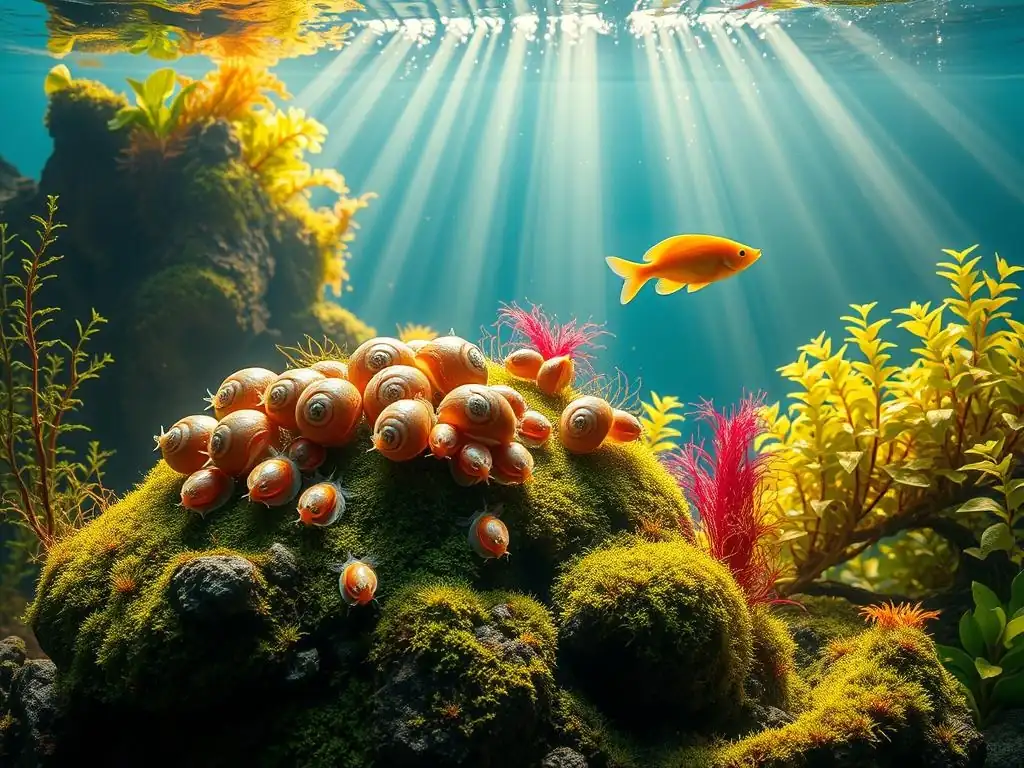
Ramshorn snails ( Planorbella sp., such as the common Red Ramshorn) are highly adaptable and efficient generalist grazers that excel at freshwater snail biofilm cleanup. They will readily consume biofilm on all aquarium surfaces, including plant leaves, substrate, and decor. Their relatively small size allows them to access tight spaces and crevices that larger grazers might miss, ensuring a comprehensive cleaning effort throughout the tank.
While they are excellent at biofilm consumption, Ramshorn snails are prolific breeders, and their population can rapidly increase if overfed. However, in a balanced aquarium with appropriate feeding regimens and potentially some natural predators (like Assassin Snails), their numbers can be kept in check. Their rapid reproduction can also be seen as an advantage, providing a continuous supply of active grazers for ongoing biofilm management and even serving as a natural live food source for some fish species.
Mystery Snails: Larger Biofilm Consumers
Mystery snails ( Pomacea diffusa, often confused with the invasive Pomacea canaliculata, which should be avoided) are larger members of the Apple Snail family and possess a correspondingly larger appetite for biofilm and other organic matter. Their increased size allows them to clear larger patches of biofilm from broad surfaces like aquarium walls and wide plant leaves more quickly than smaller snails. Their active and continuous grazing contributes significantly to freshwater snail biofilm cleanup, especially in tanks with ample surface area for them to roam.
Due to their larger bioload, Mystery snails produce more waste than smaller species, which should be factored into the tank's maintenance schedule. They are relatively easy to breed, laying distinctive clutches of eggs above the waterline, which allows aquarists to control their population by removing unwanted clutches. This makes them a manageable yet powerful option for maintaining tank cleanliness.
Trumpet Snails: Substrate Cleaners
Malaysian Trumpet Snails (MTS, Melanoides tuberculata) offer a unique and invaluable service in freshwater snail biofilm cleanup, particularly below the substrate surface. Unlike other common aquarium snails that primarily graze on visible surfaces, MTS are burrowing snails. They spend significant time tunneling through the gravel or sand, consuming biofilm, uneaten food, and detritus that accumulates within the substrate layers.
This constant burrowing activity prevents the formation of anaerobic pockets, which can release harmful gases into the water column. By constantly turning over the substrate, MTS improve water circulation within the gravel bed and help distribute nutrients more evenly, benefiting planted tanks. Their nocturnal habits mean they often go unnoticed during the day, but they are tirelessly working to maintain the unseen cleanliness and health of the tank's foundation, complementing surface-level freshwater snail biofilm cleanup efforts.
Optimizing Your Aquarium for Snail-Based Biofilm Control
Creating a Snail-Friendly Environment
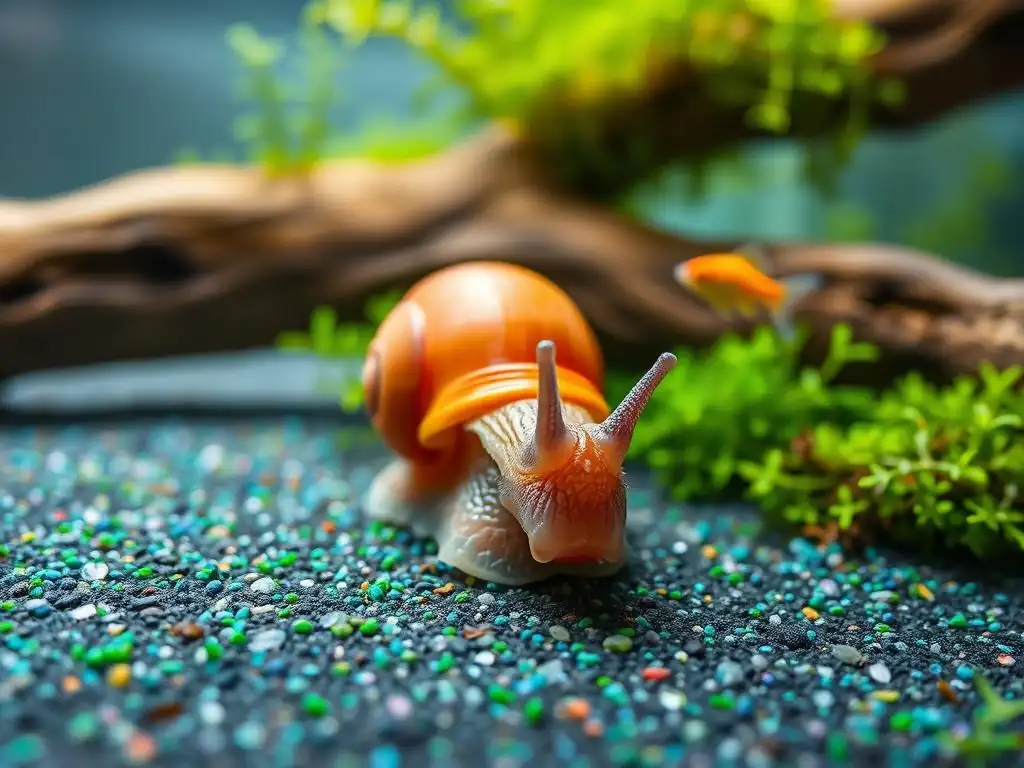
To maximize the effectiveness of freshwater snails in biofilm cleanup, it is crucial to provide an environment that supports their health and activity. Maintaining stable water parameters is paramount; specifically, a pH range of 7.0-8.0 and a General Hardness (GH) of at least 8 dGH are ideal for most common aquarium snails. These conditions ensure sufficient calcium is available for robust shell growth, preventing issues like shell erosion and promoting overall vigor. Rapid fluctuations in temperature or water chemistry should be avoided, as they can stress snails and reduce their grazing efficiency.
Additionally, providing ample surface area for both biofilm growth and snail grazing is beneficial. This includes smooth rocks, driftwood, and broad-leaved plants, which serve as prime real estate for biofilm development. A well-scaped tank with varied textures offers a continuous food source for snails, enhancing their natural freshwater snail biofilm cleanup efforts. For burrowing snails like Malaysian Trumpet Snails, a fine gravel or sand substrate is essential to facilitate their digging activities.
Balancing Snail Population for Effective Biofilm Management
The key to successful freshwater snail biofilm cleanup lies in maintaining a balanced snail population. Overfeeding your fish is the most common cause of snail population explosions, as excess food directly translates to an abundant nutrient source for both biofilm growth and rapid snail reproduction. A practical rule of thumb is to feed only what your fish and snails can consume within 2-3 minutes, once or twice a day, ensuring no excess food settles and contributes to overpopulation.
Regularly observing your snail population is vital. If you notice a significant and rapid increase in numbers, especially with prolific breeders like Ramshorn or Malaysian Trumpet Snails, it's a strong indicator that you are overfeeding. For instance, if you begin with 5-10 Ramshorn snails in a 20-gallon tank and their numbers double within a month, it's time to re-evaluate your feeding habits. Introducing natural predators like Assassin Snails ( Clea helena) can also help regulate populations without resorting to chemical treatments, offering a natural solution for managing snail numbers while still benefiting from their invaluable freshwater snail biofilm cleanup.
Supplementing Snail Diets for Optimal Health and Biofilm Grazing
While freshwater snails are exceptional biofilm grazers, relying solely on biofilm for their diet might not always provide all the necessary nutrients, particularly in very clean tanks or during periods of low biofilm levels. Supplementing their diet ensures their optimal health, robust shell growth, and continued activity in freshwater snail biofilm cleanup. For example, offering blanched vegetables like zucchini, spinach, or kale once or twice a week provides essential vitamins, minerals, and fiber that might be lacking in a purely biofilm-based diet.
Calcium is a particularly critical nutrient for snails, vital for maintaining strong, healthy shells. If your aquarium water is naturally soft (low General Hardness), consider adding calcium supplements such as cuttlebone (available at pet stores, often for birds) or specialized calcium-rich snail foods. A calcium deficiency can lead to shell erosion, pitting, and reduced activity, directly impacting their efficiency as biofilm consumers. Providing a varied and nutritious diet ensures snails are strong, active, and fully engaged in their primary role of biofilm consumption.
Introducing and Monitoring Snail Biofilm Removal
Introducing Snails to a New Tank: Acclimation and Care
Proper acclimation is a critical step when introducing new snails to an aquarium, ensuring their survival and effective contribution to freshwater snail biofilm cleanup. Snails are sensitive to sudden changes in water parameters, including temperature, pH, and hardness.
A drip acclimation method is highly recommended: slowly add tank water to the snail's transport bag or container over a period of 30-60 minutes, allowing the water parameters to gradually equalize. For example, using a simple airline tubing with a knot or flow restrictor to drip water from the tank into a temporary container holding the snails until the volume has quadrupled can minimize stress.
After introduction, observe the snails for signs of stress, such as prolonged inactivity, a tightly closed operculum, or failure to attach to surfaces. A healthy snail will typically begin exploring and grazing within a few hours. It's advisable to start with a small number of snails (e.g., 1-2 Nerites per 10 gallons) to assess their impact on biofilm levels and ensure the tank can adequately support them without overwhelming the bioload.
Monitoring Biofilm Levels and Snail Activity
Consistent monitoring is essential to gauge the effectiveness of freshwater snail biofilm cleanup and to ensure your snails are actively performing their duties. Regularly inspect all tank surfaces – the glass, decor, and plant leaves – for the presence and thickness of biofilm. If you observe clear trails or patches where snails have recently grazed, it's a strong positive indicator of their activity. Nerite snails, for instance, are renowned for leaving distinct, clean tracks on aquarium glass as they meticulously consume biofilm.
Beyond visual inspection, also observe the snails' behavior. Are they actively moving and grazing, or are they often stationary and withdrawn? If biofilm accumulates rapidly despite the presence of snails, it could indicate an insufficient snail population, overfeeding of fish (providing alternative food sources), or excessively high nutrient levels in the water. Conversely, if snails appear lethargic or are constantly searching for food, biofilm levels might be too low, signaling a need for dietary supplementation. Regularly assessing both biofilm presence and snail behavior allows for timely adjustments to maintain a balanced and clean aquarium environment.
Tank Mates: Choosing Compatible Species for Snail Health
Selecting compatible tank mates is vital for the long-term health and effectiveness of freshwater snails in biofilm cleanup. Aggressive or snail-eating fish can quickly decimate a snail population, negating their beneficial contributions. Species to avoid include many types of loaches (such as Clown Loaches, Chromobotia macracanthus, or Yoyo Loaches, Botia almorhae), some pufferfish, and even Assassin Snails ( Clea helena) if your goal is to maintain a diverse snail population. Even certain curious cichlids might harass snails, causing stress and reduced grazing activity.
Always research the compatibility of any new fish species with snails before introduction. Ideal tank mates are generally peaceful community fish that will ignore snails, such as Neon Tetras ( Paracheirodon innesi), Harlequin Rasboras ( Trigonostoma heteromorpha), Guppies ( Poecilia reticulata), or most species of Corydoras catfish ( Corydoras aeneus). Ensuring a safe and calm environment allows snails to graze uninterrupted, maximizing their contribution to freshwater snail biofilm cleanup and overall tank health.
Preventing Biofilm Overgrowth
Maintaining Proper Water Parameters to Minimize Biofilm Formation
Preventing biofilm overgrowth, even with the diligent assistance of freshwater snail biofilm cleanup, begins with maintaining pristine water parameters. High levels of nitrates and phosphates, which are common byproducts of fish waste, uneaten food, and decaying plant matter, act as primary nutrients that fuel the rapid proliferation of biofilm. Regular water changes are the most effective method to dilute these nutrients; for example, a 25% weekly water change for a moderately stocked tank can significantly reduce the fuel available for excessive biofilm growth.
Routinely testing your water for nitrate and phosphate levels is crucial. Aiming to keep nitrates below 20 ppm and phosphates below 0.5 ppm can drastically slow biofilm proliferation. Overstocking the aquarium and overfeeding are the most common culprits behind elevated nutrient levels; adjusting these practices is fundamental for long-term biofilm control. By limiting the available nutrients, you create an environment less conducive to extensive biofilm development, making it easier for snails to manage residual growth.
Effective Filtration Techniques to Control Biofilm
A robust and well-maintained filtration system is paramount in controlling biofilm formation throughout the aquarium. Mechanical filtration, such as filter floss, sponges, or filter socks, physically removes suspended organic particles and detritus from the water column before they can settle on surfaces and contribute to biofilm growth. Regularly rinsing or replacing these mechanical filter media (e.g., weekly for filter floss) can significantly reduce the organic load in the tank.
While beneficial biofilm is the core of biological filtration, excessive, unsightly biofilm on visible surfaces can be mitigated by ensuring that the majority of beneficial bacterial growth is concentrated within dedicated biological filter media (e.g., ceramic rings, bio-balls, plastic bio-media) housed inside the filter unit. This allows the beneficial bacteria to thrive where they are most effective and least visible, supporting the overall freshwater snail biofilm cleanup efforts by reducing the total amount of dissolved organic matter that fuels biofilm growth throughout the tank.
Avoiding Overfeeding to Reduce Biofilm Development
Overfeeding is arguably the single largest controllable factor contributing to excessive biofilm and algae growth in an aquarium. Uneaten fish food rapidly breaks down, releasing a significant amount of organic compounds and nutrients, including proteins, carbohydrates, and phosphates, directly into the water. These compounds serve as a rich and immediate food source, fueling the rapid proliferation of biofilm-forming bacteria and algae on all available surfaces. For instance, a typical 20-gallon community tank with a few small fish often requires no more than a small pinch of flake food once a day, which should be consumed within 60 seconds.
Even a seemingly small amount of uneaten food can drastically increase the organic load, providing an ideal substrate for biofilm to colonize surfaces rapidly. By adhering to a strict feeding regimen where all food is consumed within 2-3 minutes, you dramatically reduce the availability of excess nutrients. This practice directly minimizes overall biofilm development, thereby reducing the workload for your freshwater snail biofilm cleanup crew and contributing significantly to the long-term cleanliness and health of your aquarium.
The Benefits of Natural Biofilm Control with Snails
Reduced Need for Chemical Treatments
Relying on freshwater snail biofilm cleanup significantly reduces or often entirely eliminates the need for harsh chemical algaecides or biofilm removers. Chemical treatments, while offering a quick fix, can introduce numerous risks to a delicate aquarium ecosystem. They can stress fish, harm sensitive invertebrates like shrimp, and disrupt the vital balance of beneficial bacteria, potentially leading to ammonia or nitrite spikes. For example, some algaecides can deplete oxygen levels or leave behind residues that are harmful to the very microorganisms that form the biological filter.
A natural, snail-based approach fosters long-term stability and resilience within the tank. Instead of a temporary solution that might lead to a rebound in biofilm growth once the chemical effect wears off, snails provide continuous, gentle maintenance. This constant grazing prevents biofilm from reaching problematic levels in the first place, promoting a healthier, more robust environment where fish and plants can thrive without exposure to synthetic compounds.
Promoting a Balanced and Thriving Aquarium Ecosystem
Integrating freshwater snails for biofilm cleanup promotes a more balanced, diverse, and robust aquarium ecosystem. Snails add another crucial layer to the tank's microfauna and food web, contributing to overall biodiversity. Their continuous grazing activity not only controls biofilm but also efficiently processes detritus, such as uneaten food and decaying plant matter, converting these organic wastes into more readily usable forms for plants and beneficial bacteria.
For example, a tank with a healthy and active snail population might experience fewer sudden spikes in ammonia or nitrite because organic waste is constantly being broken down and cycled. This natural synergy creates a more stable and self-sustaining environment, mimicking natural aquatic habitats where various organisms work together to maintain equilibrium. The result is often healthier fish, more vibrant plant growth, and a generally more resilient aquarium that requires less intensive intervention.
Natural Tank Maintenance
Perhaps the most tangible benefit of employing freshwater snails for biofilm cleanup is the significant reduction in manual tank maintenance. Instead of spending considerable time scraping glass, scrubbing decor, or vacuuming the substrate, snails work tirelessly 24/7, continuously grazing on surfaces throughout the aquarium. This constant, unobtrusive activity means less visible biofilm buildup, directly translating to fewer instances where you need to intervene with cleaning tools.
Consider a moderately stocked 50-gallon tank: without the aid of snails, a weekly glass scraping might be necessary to remove visible biofilm and maintain clarity. With a healthy population of active grazers like Nerite or Mystery snails, this task could be reduced to once every few weeks, or even less frequently, depending on the tank's bioload and feeding habits. This natural, consistent cleaning efficiency frees up aquarists' time while ensuring the tank remains aesthetically pleasing and biologically stable with minimal effort.
Snails Not Eating Biofilm: Possible Causes and Solutions
If your freshwater snails aren't actively engaged in biofilm cleanup, several factors could be at play. The most common reason is overfeeding your fish; if there's an abundance of easily accessible flake or pellet food, snails will often prioritize this readily available meal over the effort of scraping biofilm. A primary solution is to reduce fish feeding by 10-20% for a week and observe if snail grazing activity increases.
Environmental factors can also play a role. Poor water quality (e.g., ammonia spikes, extreme pH) or insufficient calcium (leading to soft shells) can stress snails and diminish their activity. Test your water parameters regularly and ensure they are within the optimal range for your snail species (e.g., pH 7.0-8.0, GH 8-12 dGH). Additionally, ensure the snails are the right type for the biofilm present; some snails prefer softer, newer biofilm, while others, like Nerites, excel at tackling tougher, older layers. If biofilm levels are truly scarce, supplemental feeding might be necessary to keep them healthy and active.
Overpopulation of Snails: Managing Snail Breeding
While beneficial for freshwater snail biofilm cleanup, certain snail species (e.g., Ramshorns, Malaysian Trumpet Snails) can rapidly overpopulate an aquarium if conditions are overly favorable, primarily an abundance of food. A sudden explosion in snail numbers is often the first clear indicator that you are overfeeding your fish. Reducing the amount of food offered to your fish by 30-50% for a week can significantly curb snail breeding, as fewer resources mean less energy allocated to reproduction.
If manual removal becomes tedious, such as collecting dozens of snails daily, consider introducing a natural predator like the Assassin Snail ( Clea helena). A single Assassin Snail can effectively control the population of smaller pest snails in a 10-gallon tank by preying on them. Alternatively, simple snail traps, such as a blanched lettuce leaf left overnight, can be used for mass removal without resorting to chemical solutions, which can harm other tank inhabitants.
Snail Shell Problems: Addressing Shell Erosion or Damage
Snail shell problems, such as pitting, erosion, or thin, brittle shells, often indicate issues with water chemistry or diet, which can severely hinder their effectiveness in freshwater snail biofilm cleanup. The most common causes are acidic water (low pH, typically below 7.0) and insufficient calcium and magnesium (low General Hardness or GH). For instance, if your tap water has a GH below 6 dGH, your snails may struggle to build and maintain strong, healthy shells.
To address these issues, regularly test your GH and pH levels. If GH is low, consider adding calcium carbonate-based substrates like crushed coral or aragonite sand to your filter or substrate, which will slowly dissolve and buffer the water. Liquid calcium supplements specifically designed for aquariums can also be used. Supplementing their diet with calcium-rich foods like blanched spinach, kale, or specialized snail wafers will also provide essential minerals. A healthy, intact shell is vital for a snail's overall well-being and its ability to effectively graze and contribute to the tank's cleanliness.
Beyond Biofilm: Other Cleaning Roles of Freshwater Snails
Algae Control
Beyond their primary role in freshwater snail biofilm cleanup, many snail species are also highly effective at controlling various types of algae, contributing significantly to the aesthetic appeal of an aquarium. Nerite snails, for example, are exceptionally adept at scraping diatoms (often mistaken for "brown algae") and green spot algae from glass, rocks, and hard surfaces, leaving them remarkably clean. Their powerful radula is capable of removing even stubborn algal films.
However, it's important to note that snails generally have limitations in controlling tougher, filamentous algae like hair algae or black beard algae, which often require manual removal or specific chemical treatments. Despite these limitations, their consistent grazing on common nuisance algae types means less manual scrubbing for the aquarist and a clearer view into the aquatic world, making them invaluable allies in overall tank maintenance.
Detritus Removal
Freshwater snails act as crucial scavengers within the aquarium ecosystem, constantly consuming detritus – the decaying organic matter that accumulates from uneaten fish food, dead plant material, and fish waste. By actively foraging and consuming this detritus, snails prevent its breakdown into harmful compounds like ammonia and nitrite, which can otherwise fuel excessive biofilm and algae growth.
For example, a healthy population of Ramshorn or Mystery snails will continuously patrol the substrate and decor, consuming small particles of detritus that might otherwise be missed by mechanical filtration or manual vacuuming. This continuous breakdown and recycling of organic waste contribute significantly to maintaining optimal water quality and reduce the overall bioload on the filtration system, complementing their primary freshwater snail biofilm cleanup duties and ensuring a cleaner, healthier environment.
Substrate Aeration
Malaysian Trumpet Snails (MTS, Melanoides tuberculata) offer a unique and often unseen cleaning service: substrate aeration. Their distinctive conical shells allow them to burrow deep into the gravel or sand, constantly turning over the substrate as they search for food and biofilm within the lower layers. This continuous tunneling activity is vital for preventing the formation of anaerobic (oxygen-depleted) pockets. These pockets can develop in undisturbed substrate and are notorious for releasing toxic gases, such as hydrogen sulfide, which can be detrimental to fish and plant health.
For planted tanks, MTS activity provides an additional significant benefit by helping to distribute nutrients more evenly throughout the substrate, making them more accessible to plant roots. This natural 'tilling' of the substrate improves water circulation within the gravel bed, preventing the buildup of harmful compounds and fostering a healthier root environment. This silent, subterranean work complements their surface-level freshwater snail biofilm cleanup efforts, contributing holistically to the overall health and stability of the aquarium ecosystem.
Conclusion: Embracing Freshwater Snails for a Healthier Aquarium
The Future of Biofilm Management in Aquariums
The future of biofilm management in aquariums increasingly points towards sustainable, natural solutions that work synergistically with the ecosystem, rather than against it. Embracing freshwater snails for biofilm cleanup represents a significant step in this direction, moving away from a sole reliance on harsh chemicals and towards leveraging biological processes. As aquarists gain a deeper understanding of the intricate balance within their tanks, the role of invertebrates like snails will become even more central to maintaining optimal conditions.
This natural approach can be seamlessly integrated with advanced filtration technologies and smart tank monitoring systems, creating a truly holistic strategy for a thriving aquatic environment. For instance, while a high-tech filter handles mechanical and chemical purification, snails provide continuous, microscopic biological maintenance, ensuring no surface is left untouched. This combined approach promises more stable, resilient, and visually appealing aquariums with minimal intervention.
Resources for Freshwater Snail Care and Biofilm Control
Aquarium Mastery offers a wealth of resources for aquarists interested in freshwater snail care and effective biofilm control. Our comprehensive guides on water chemistry provide detailed insights into maintaining optimal parameters for both fish and invertebrates, ensuring a healthy environment where snails can thrive and perform their freshwater snail biofilm cleanup duties effectively. Understanding the nuances of pH, GH, and nutrient levels is crucial for their long-term health.
Explore our species profiles for detailed information on individual snail types, including their specific dietary needs, ideal tank conditions, and reproductive habits. Our extensive troubleshooting guides cover common aquarium issues, many of which are directly linked to biofilm overgrowth, offering practical and natural solutions that often involve enhancing existing biological processes. This holistic approach empowers aquarists to create and maintain self-sustaining and beautiful aquatic ecosystems with confidence.
Frequently Asked Questions
How do freshwater snails help with biofilm in aquariums?
Freshwater snails act as natural grazers, consuming the biofilm that accumulates on glass, decorations, and plants. They reduce the need for manual cleaning and contribute to a healthier aquarium ecosystem.
What types of freshwater snails are best for biofilm cleanup?
Certain species, such as Nerite snails and Ramshorn snails, are particularly effective at consuming biofilm. Their grazing habits help maintain a cleaner tank. Avoid snails that reproduce rapidly.
Can snails completely eliminate biofilm in a freshwater aquarium?
While snails are excellent at controlling biofilm, they likely won't eliminate it entirely. A balanced approach, including proper filtration and water changes, is still necessary.
Are there any risks associated with using snails for biofilm control?
Overpopulation can be a concern, leading to increased waste and potential water quality issues. Monitor snail populations and remove excess snails as needed. Some snails may also eat live plants.
How many snails should I add to my freshwater aquarium for optimal biofilm cleanup?
The ideal number depends on the tank size and the amount of biofilm present. Start with a small number of snails and observe their impact. Adjust the quantity accordingly.
Final Reflection: Embracing the Power of Tiny Ecosystems
The exploration of freshwater snail biofilm cleanup, as we've seen, isn't just about pristine aquariums; it's about understanding the intricate dance of life within miniature ecosystems. This understanding is increasingly crucial in a world grappling with environmental challenges, where even the smallest organisms can play a significant role in maintaining balance and promoting sustainability. The humble snail, often overlooked, reveals a powerful lesson: that solutions to complex problems can be found in the most unexpected places.
This journey into the world of freshwater snails and their biofilm-grazing habits has profoundly impacted our perspective on ecological responsibility. It highlights the interconnectedness of all living things and the potential for natural solutions to address human-induced imbalances. The quiet efficiency of these tiny janitors reminds us that often, the most effective solutions are those that work in harmony with nature, not against it. Look deep into nature, and then you will understand everything better.
- Albert Einstein. This quote encapsulates the core message: by observing and understanding the natural world, we can unlock innovative and sustainable solutions.
As we conclude this exploration, I invite you to reflect on the potential for applying these principles in your own life. Consider how you can foster biodiversity in your own environment, whether it's a backyard garden or a small aquarium. Embrace the power of observation and seek out the hidden potential within seemingly insignificant creatures. Let the freshwater snail serve as a constant reminder that even the smallest among us can contribute to a cleaner, healthier, and more balanced world.
Thank you for exploring the fascinating world of snail biofilms and their vital role in aquarium health. Now that you understand their incredible cleaning power, it's time to put that knowledge into action!
Here are a few ways to leverage the power of snail biofilms:
- Introduce biofilm-friendly surfaces: Create or enhance surfaces where beneficial biofilms can thrive. Consider adding untreated driftwood, porous rocks, or dedicated biofilm-culturing media to your aquarium.
- Observe and adapt! Regularly monitor your snail's activity and biofilm growth. Adjust feeding schedules and lighting conditions to optimize biofilm development for a healthier tank.
- Share your success! Post a picture of your snails enjoying a clean tank on social media using #AquariumMastery and inspire others to embrace nature's tiny janitors.
What surprising ways have you seen snails interact with biofilms in your aquarium?