
How to Stop Pest Snails: Effective Control Methods for Your Aquarium

Welcome to Aquarium Mastery!
Ever gazed into your aquarium and wondered if those tiny hitchhikers are more friend than foe? Our comprehensive guide to Aquarium Pest Snail Control will unravel the mysteries of these often-misunderstood invertebrates and equip you with the knowledge to maintain a thriving, balanced ecosystem. Ready to learn how to keep your aquarium thriving and pest-free? Let's dive in!
- Understanding Aquarium Pest Snails: Identification and Introduction
- Preventing Pest Snail Infestations in Your Fish Tank
- Effective Aquarium Pest Snail Control Methods
- Post-Treatment Care and Prevention
- Choosing the Right Snail Control Method for Your Aquarium
-
Frequently Asked Questions
- How do pest snails even get into my aquarium in the first place?
- What are the potential problems caused by a pest snail infestation in my aquarium?
- What are some natural methods for controlling pest snail populations?
- Are there any chemical treatments available for controlling pest snails, and are they safe?
- How can I prevent pest snails from entering my aquarium in the first place?
- Final Reflection: Embracing Harmony in Our Aquatic Worlds
- Transform Your Aquarium: Ban Pest Snails for Good!
Understanding Aquarium Pest Snails: Identification and Introduction
Identifying Common Aquarium Pest Snails
Aquarium pest snails are typically small, prolific breeders that can quickly overrun a tank. The most common varieties include Ramshorn snails (Planorbidae family), Bladder snails (Physidae family), and Malaysian Trumpet Snails (Melanoides tuberculata). Ramshorns are easily identified by their flat, coiled shell, resembling a ram's horn, and often grow up to 1 cm in diameter.
Bladder snails are smaller, usually under 0.5 cm, with a thin, translucent shell that opens to the left (sinistral), and they tend to glide quickly across surfaces. Malaysian Trumpet Snails are distinctive with their elongated, conical shells, reaching up to 2-3 cm, and are known for burrowing into the substrate.
Accurate identification is crucial for effective Aquarium pest snail control, as their characteristics influence removal methods. While some hobbyists keep these snails intentionally for their detritus-eating habits, their rapid reproduction rate often leads to an unsightly and potentially harmful population boom. A single Bladder snail, for instance, can lay hundreds of eggs in its lifetime, and with a typical lifespan of 1-2 years, their population can explode exponentially within weeks if left unchecked, making proactive control essential.
How Pest Snails Enter Your Aquarium
The primary way pest snails enter an aquarium is as hitchhikers on new additions to the tank. Live plants are the most common culprits, often carrying microscopic snail eggs or tiny juvenile snails hidden among their leaves or roots. Even plants that appear clean can harbor dozens of invisible eggs, which will hatch and establish a new population within a few weeks of introduction. This makes proper quarantine and inspection of new plants a critical first line of defense in Aquarium pest snail control.
Less commonly, but still possible, snails or their eggs can be introduced on new decorations, substrate, or even inadvertently via fish bags or shared equipment like nets and buckets from other aquariums. For example, a small piece of gravel clinging to a new decoration might contain several dormant snail eggs. While less frequent, these entry points underscore the need for meticulous inspection and, where appropriate, sterilization of all new items before they are added to the established aquarium environment.
The Impact of Pest Snails on Your Aquarium Ecosystem
While small numbers of pest snails can contribute to the aquarium ecosystem by consuming uneaten food and algae, an uncontrolled infestation can quickly become detrimental. Their rapid reproduction leads to a significant increase in bio-load, as hundreds or thousands of snails produce waste products that can elevate ammonia, nitrite, and nitrate levels. In a typical 20-gallon tank, a severe snail outbreak can cause nitrates to jump from a healthy 5 ppm to over 30 ppm within days, stressing fish and potentially leading to health issues.
Beyond water quality degradation, large snail populations compete with fish and other invertebrates for food, and their presence can be aesthetically unpleasing, covering tank glass, plants, and decorations. While they do consume some algae, their waste production often negates this benefit, and they may even consume delicate live plants if other food sources become scarce. Therefore, proactive Aquarium pest snail control is often necessary to maintain a balanced, healthy, and visually appealing aquatic environment.
Preventing Pest Snail Infestations in Your Fish Tank
Quarantine New Plants to Prevent Snail Introduction
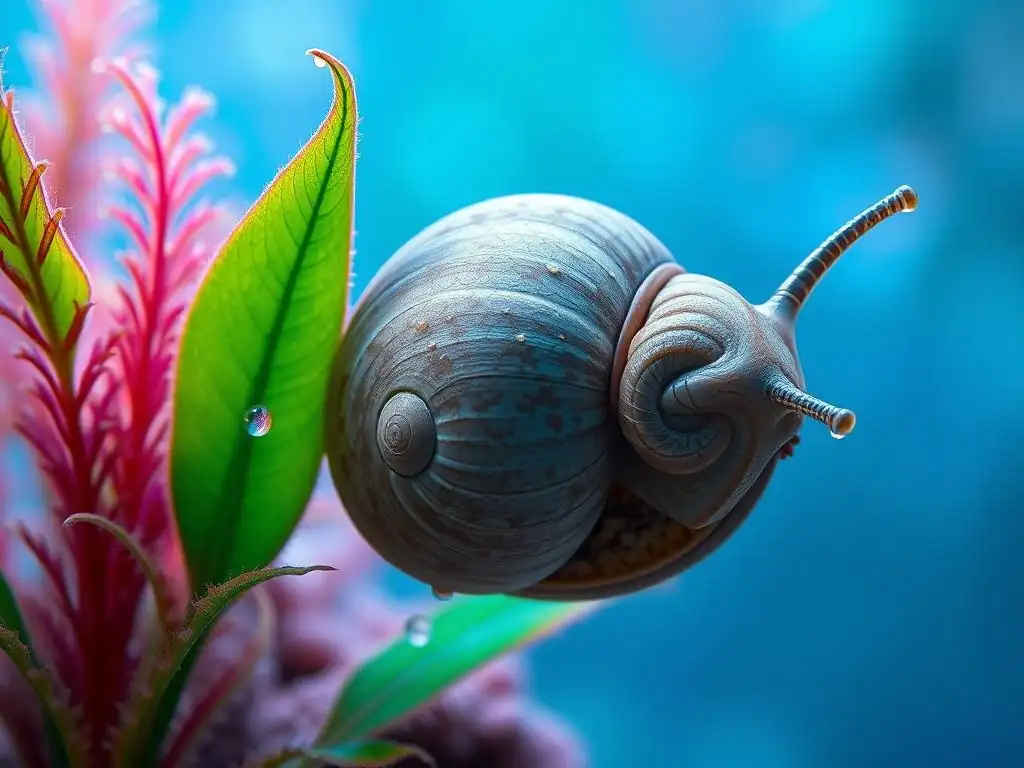
Quarantining new aquatic plants is a highly effective preventative measure against pest snail infestations. Before introducing any new plants to your main display tank, place them in a separate container or small quarantine tank filled with dechlorinated water. This quarantine period, ideally lasting 2-3 weeks, allows any hidden snail eggs to hatch and juvenile snails to emerge. During this time, you can manually remove any visible snails or their egg masses.
During the quarantine period, it's beneficial to change the water frequently, perhaps every 2-3 days, to remove any newly hatched snails or their waste. You can also add a small piece of blanched zucchini or lettuce to the quarantine tank to attract any snails, making them easier to spot and remove. This simple, consistent practice can prevent the introduction of potentially hundreds of snail eggs and juveniles that might otherwise go unnoticed, saving you from a major Aquarium pest snail control headache down the line.
Careful Inspection of New Aquarium Additions
Beyond live plants, all new aquarium additions, including fish, invertebrates, decorations, and substrate, should be meticulously inspected for pest snails or their eggs. Even seemingly inert items can harbor tiny, translucent snail eggs or microscopic juvenile snails. For instance, a new piece of driftwood might have small, jelly-like egg clutches tucked into crevices, or a bag of new gravel could contain dormant eggs.
When adding new fish, carefully observe the bag water for any signs of snails or their eggs before introducing the fish to your tank. For hardscape items like rocks or driftwood, consider boiling them for 10-15 minutes or soaking them in a strong salt solution (e.g., 1 cup of salt per gallon of water) for a few hours to eliminate any hitchhikers, ensuring thorough rinsing afterward. This diligent inspection and pre-treatment of all new items is a critical step in preventing future Aquarium pest snail control issues.
Avoiding Overfeeding to Limit Snail Food Sources
One of the most significant factors contributing to rapid snail population growth is the availability of excess food. Uneaten fish food, decaying plant matter, and excessive algae provide an abundant food source that allows pest snails to reproduce prolifically. Fish should only be fed what they can consume within 2-3 minutes, ideally once or twice a day. Any food left after this period contributes directly to the snail population.
Reducing the amount of food introduced to the tank is a cornerstone of long-term Aquarium pest snail control. If you notice a snail population boom, try reducing your feeding by 10-20% for a few weeks. Regular vacuuming of the substrate during water changes also helps remove uneaten food particles and detritus that would otherwise fuel snail growth. A consistent feeding schedule and mindful portion control can significantly limit the food available to snails, naturally curbing their numbers without aggressive interventions.
Effective Aquarium Pest Snail Control Methods
Manual Removal: Picking Snails and Egg Masses
Manual removal is a straightforward and non-invasive method for Aquarium pest snail control, particularly effective for small to moderate infestations. This involves physically picking snails from the tank glass, plants, and decorations. Snails are often more active after the lights have been off for a while, making late-night checks an ideal time for collection. Simply use your fingers, a small net, or a clean scraper to remove them.
Consistency is key with manual removal. For example, in a 20-gallon tank with a moderate infestation, daily manual removal for a week can reduce the visible snail population by 50-70%. Additionally, look for and scrape off snail egg masses, which appear as clear, jelly-like blobs, often found on tank walls or broad plant leaves. Regular removal of these egg masses prevents future generations from hatching, making this a highly effective, continuous part of your Aquarium pest snail control strategy.
Snail Traps: DIY and Commercial Options for Snail Capture
Snail traps offer a passive yet effective method for reducing pest snail populations, especially when manual picking becomes overwhelming. Both homemade and commercially available options leverage bait to lure snails into a confined space from which they cannot easily escape.
Building a Simple DIY Snail Trap
A simple and effective DIY snail trap can be made using common household items. One popular method involves placing a blanched piece of lettuce, zucchini, or cucumber into the tank just before lights out. The snails are attracted to the decaying vegetable matter and will congregate on it overnight. In the morning, you can simply remove the vegetable along with dozens, if not hundreds, of snails attached to it.
Another DIY trap involves a small, weighted container (like a film canister or a small jar) with a few small holes, baited with fish food or a blanched vegetable. The snails crawl in to access the food but find it difficult to crawl back out. Place the trap on the substrate overnight and remove it in the morning, emptying the snails. Repeating this process nightly for several days can significantly reduce a snail population, often capturing 30-50% of visible snails in a smaller tank over a week.
Using Commercial Snail Traps Effectively
Commercial snail traps are specifically designed to be efficient and reusable tools for Aquarium pest snail control. Products like the Sera Snail Collect or the Fluval Snail Trap typically feature a design with small openings that allow snails to enter but make it difficult for them to exit. These traps are usually baited with a small amount of fish food, a sinking pellet, or a blanched vegetable, similar to DIY methods.
To use commercial traps effectively, place them in areas of the tank where snail activity is highest, often near the substrate or where food tends to accumulate. Deploy the trap before lights out and retrieve it in the morning. For optimal results, use the trap for 3-5 consecutive nights. Many users report catching hundreds of snails in larger tanks over a few days, demonstrating the efficiency of these targeted devices in managing Aquarium pest snail control.
Biological Control: Introducing Snail-Eating Species
Biological control involves introducing natural predators that specifically target pest snails, offering a long-term and often self-sustaining solution without the use of chemicals. This method is generally safe for fish and plants, provided the chosen predator is compatible with your existing tank inhabitants.
Assassin Snails: A Natural Predator for Pest Snails
Anentome helena, commonly known as the Assassin Snail, is one of the most effective and popular biological control agents for Aquarium pest snail control. These attractive snails actively hunt and consume other snails, including Ramshorns, Bladder snails, and even Malaysian Trumpet Snails. A single Assassin Snail can consume 1-2 pest snails per day, making them highly efficient. For a moderate infestation, a ratio of one Assassin Snail per 5-10 gallons of tank volume is often recommended.
Assassin Snails are generally peaceful towards fish and plants, do not reproduce rapidly (reducing the risk of overpopulation themselves), and have minimal care requirements. They prefer a pH range of 7.0-8.0 and temperatures between 72-80°F (22-27°C). Once the pest snail population is decimated, they can be fed small sinking pellets or frozen foods. Their effectiveness and low impact on the overall ecosystem make them an excellent choice for targeted Aquarium pest snail control.
Clown Loaches: Effective Snail Predators for Larger Tanks
Clown Loaches ( Chromobotia macracanthus) are well-known for their voracious appetite for snails, making them excellent biological agents for Aquarium pest snail control in appropriate setups. They use their specialized mouths to suck snails right out of their shells, making quick work of even large infestations. A group of 3-5 juvenile Clown Loaches can effectively clear a snail problem in a 75-gallon tank within a few weeks.
However, Clown Loaches have specific care requirements that must be met. They are social fish that need to be kept in groups of at least five, and they grow quite large, often reaching 8-12 inches, necessitating a minimum tank size of 75 gallons or more for a healthy group. They are also sensitive to water parameters, preferring soft, acidic water (pH 6.0-7.0) and temperatures of 75-86°F (24-30°C). Due to their size and social needs, they are not suitable for smaller community tanks or those with very timid fish.
Dwarf Pufferfish: Predatory Snail Control with Specific Care Requirements
Dwarf Pufferfish ( Carinotetraodon travancoricus or Carinotetraodon borneensis) are dedicated snail predators that can provide highly effective Aquarium pest snail control. These small, charming fish actively hunt and consume snails of all sizes, making them a potent solution for persistent infestations. A single Dwarf Puffer can clear a moderate snail problem in a 10-20 gallon tank within a few weeks, making them ideal for smaller setups.
However, Dwarf Pufferfish have very specific care requirements. They are known fin-nippers and are best kept in species-only tanks or with very carefully selected, fast-moving tankmates that can tolerate their nipping behavior. They require a varied diet that consistently includes snails to maintain their dental health, as their teeth continuously grow. They thrive in pristine freshwater conditions, preferring temperatures around 72-79°F (22-26°C), and are sensitive to water quality fluctuations. Their specialized needs mean they are not a universal solution but are highly effective for those who can meet their demands.
Chemical Treatments for Snail Eradication
Chemical treatments offer a rapid solution for severe snail infestations but must be used with extreme caution due to their potential impact on other tank inhabitants and water quality. These methods should generally be considered a last resort when other control measures have proven insufficient.
Copper-Based Treatments: Considerations and Potential Risks
Copper-based treatments are highly effective at eradicating snails by disrupting their nervous systems. Products containing copper sulfate, often dosed at concentrations of 0.25-0.5 mg/L, can quickly eliminate a snail population. However, copper is highly toxic to most invertebrates, including shrimp, crabs, and desirable snails like Nerites or Mystery snails. Even some sensitive fish species, such as loaches and certain catfish, can be negatively affected by copper.
It is crucial to carefully follow dosing instructions and monitor copper levels with a reliable test kit throughout the treatment. Copper can accumulate in the substrate and decorations, making it difficult to remove completely and potentially posing long-term risks to future sensitive inhabitants. Thorough water changes and the use of carbon filtration are essential after treatment to remove residual copper and prevent further harm, making this a high-risk Aquarium pest snail control method.
Plant Safety Considerations with Chemical Treatments
When considering chemical treatments for Aquarium pest snail control, it is vital to be aware of their potential impact on live aquatic plants. Many chemical snail killers, especially those containing active ingredients like Niclosamide or high concentrations of copper, can be harmful to delicate plant species. Symptoms of plant damage can include leaf melt, stunted growth, or discoloration, particularly in soft-leaved plants like Cabomba, Vallisneria, or certain stem plants.
Always read the product label carefully to ascertain its safety for plants. If you have a heavily planted tank, it might be advisable to remove particularly sensitive plants before treatment or opt for alternative snail control methods. Some treatments may also reduce oxygen levels in the water, necessitating increased aeration during use. Prioritizing plant safety means carefully weighing the risks of chemical treatments against their benefits, and often, less aggressive Aquarium pest snail control methods are preferred for planted aquariums.
Plant Dipping: A Method for Eliminating Snails and Eggs
Plant dipping is a highly effective preventative measure and a targeted Aquarium pest snail control method for new plants before they are introduced into the main aquarium. This process involves briefly submerging new plants in a solution designed to kill snails and their eggs.
Recommended Plant Dip Solutions: Alum, Bleach, and Potassium Permanganate
Several solutions can be used for plant dipping, each with varying degrees of effectiveness and risk.
- Alum (Potassium Aluminum Sulfate): A common, gentler option. Mix 2-3 tablespoons of alum powder per gallon of water. Plants can be dipped for 20-30 minutes. Alum is generally safe for most plants but might not kill all snail eggs.
- Diluted Bleach (Sodium Hypochlorite): A very effective but more aggressive solution. Use a ratio of 1 part unscented household bleach to 19 parts water (e.g., 1/4 cup bleach per 5 cups water). Dip plants for a maximum of 1-2 minutes. This method is highly effective against snails and eggs but carries a higher risk of damaging sensitive plants.
- Potassium Permanganate: A strong oxidizer that kills snails and eggs. Prepare a solution of 1 mg/L (enough to turn the water a dark pink/light purple). Dip plants for 10-15 minutes. This method is effective but can stain plants and hands, and thorough rinsing is crucial.
Dipping Time and Procedure for Optimal Results
Regardless of the solution chosen, the dipping procedure must be followed meticulously for optimal results and to prevent harm to plants. After dipping for the recommended time (e.g., 20-30 minutes for alum, 1-2 minutes for bleach, 10-15 minutes for potassium permanganate), immediately remove the plants from the solution. Rinse them thoroughly under running tap water for several minutes to remove all traces of the dipping solution.
Following the rinse, it's highly recommended to soak the plants in a bucket of dechlorinated water for at least an hour, or even overnight, to ensure all chemical residues are neutralized. This final soak helps prevent any residual chemicals from harming fish or beneficial bacteria in your main aquarium. Proper dipping and rinsing are crucial steps for effective and safe Aquarium pest snail control when introducing new plants.
Post-Treatment Care and Prevention
Water Changes After Snail Control Treatments
After implementing any significant Aquarium pest snail control method, especially chemical treatments or large-scale biological removal, performing substantial water changes is critical. Dead snails and decaying organic matter can rapidly decompose, leading to a spike in ammonia and nitrite levels, which are toxic to fish. A 50% water change immediately after a chemical treatment is often recommended to dilute residual chemicals and remove initial decaying matter.
Following the initial large water change, continue with smaller, frequent water changes (e.g., 25-30% daily or every other day) for a week or two. This helps to maintain stable water parameters, remove any lingering chemicals, and further reduce the organic load from deceased snails. Regular testing of ammonia, nitrite, and nitrate levels will guide your water change schedule, ensuring the aquarium ecosystem recovers quickly and safely from the intervention.
Monitoring Your Aquarium for Snail Re-emergence
Even after a successful Aquarium pest snail control effort, ongoing vigilance is essential. It's incredibly difficult to eliminate every single snail or egg, and a few survivors can quickly lead to a new infestation if conditions are favorable. Regularly inspect your tank glass, plants, and substrate for any signs of re-emerging snails or new egg masses.
Establish a monitoring schedule, perhaps daily for the first week after treatment, then weekly thereafter. Pay close attention to areas where snails tend to congregate, such as near the filter intake or on large plant leaves. Early detection is your best defense against a full-blown re-infestation, allowing you to address new outbreaks with simple manual removal or targeted methods before they become a major problem again.
Maintaining a Balanced Aquarium Ecosystem to Prevent Future Infestations
The most sustainable and effective long-term Aquarium pest snail control strategy is maintaining a balanced and healthy aquarium ecosystem. Good husbandry practices directly impact snail populations by limiting their primary food sources and creating an environment less conducive to their rapid reproduction. This includes diligent feeding habits, regular cleaning, and stable water parameters.
Avoid overfeeding your fish; only provide what they can consume within a few minutes. Regularly vacuum the substrate during water changes to remove uneaten food and detritus, which are key food sources for snails. Consistent water changes and filter maintenance also contribute to overall tank health, reducing organic waste that fuels snail growth. A well-maintained tank with balanced parameters and limited excess food naturally discourages snail population explosions, making it the cornerstone of preventative Aquarium pest snail control.
Choosing the Right Snail Control Method for Your Aquarium
Assessing the Severity of Your Snail Infestation
The first step in choosing the right Aquarium pest snail control method is accurately assessing the severity of your current infestation. If you only see a few snails (e.g., fewer than 10-20 visible snails in a 20-gallon tank), the infestation is mild, and less aggressive methods like manual removal, reducing feeding, or introducing a single Assassin Snail might be sufficient. These methods offer a low-impact solution.
However, if your tank is overrun with hundreds or thousands of snails covering every surface, indicating a severe infestation, a more aggressive and multi-pronged approach may be necessary. This could involve combining manual removal with snail traps, followed by biological control with multiple predators, or even a cautious chemical treatment as a last resort. Accurately gauging the infestation level ensures you select a method that is proportionate to the problem, leading to more effective Aquarium pest snail control.
Evaluating the Compatibility of Control Methods with Your Aquarium Inhabitants
Before implementing any Aquarium pest snail control method, it is crucial to evaluate its compatibility with your existing aquarium inhabitants. Chemical treatments, especially those containing copper, are highly toxic to most invertebrates, including shrimp, crabs, and desirable snails like Nerites or Mystery snails. They can also be harmful to sensitive fish species.
Similarly, biological control agents have specific needs and temperaments. Dwarf Pufferfish are excellent snail predators but are often aggressive fin-nippers, making them unsuitable for many community tanks. Clown Loaches are effective but require large tanks and social groups, making them impractical for smaller setups. Carefully research the chosen method's potential impact on your fish, plants, and other invertebrates to ensure the solution doesn't create new problems for your aquatic ecosystem.
Considering the Long-Term Impact of Each Control Method
When selecting an Aquarium pest snail control method, consider its long-term impact on your aquarium's health and stability. Biological control, such as introducing Assassin Snails, offers a sustainable and often self-regulating solution that continues to keep snail populations in check over time without continuous intervention. This approach integrates naturally into the ecosystem.
In contrast, chemical treatments, while providing a rapid knockdown, are typically a temporary fix. They do not address the underlying causes of the infestation (like overfeeding) and can have lasting effects on water chemistry or beneficial bacteria. Furthermore, if the root cause isn't resolved, snails will likely re-emerge once the chemical's effects wear off. Therefore, prioritizing preventative measures and sustainable control methods that promote a balanced ecosystem is key to effective and lasting Aquarium pest snail control.
Frequently Asked Questions
How do pest snails even get into my aquarium in the first place?
Pest snails are typically introduced to aquariums as hitchhikers on live plants or in substrate. They can also sometimes be present in uncleaned decorations.
What are the potential problems caused by a pest snail infestation in my aquarium?
A large population of pest snails can contribute to nutrient imbalances, leading to algae blooms. They can also consume live plants and compete with other aquarium inhabitants for resources.
What are some natural methods for controlling pest snail populations?
Introducing snail-eating fish like Assassin Snails or certain Loach species can help control snail populations. Manual removal during water changes is also effective for smaller infestations.
Are there any chemical treatments available for controlling pest snails, and are they safe?
Yes, there are chemical treatments available, often containing copper. However, these can be harmful to invertebrates and sensitive fish, so use them with extreme caution and follow instructions carefully.
How can I prevent pest snails from entering my aquarium in the first place?
Always quarantine new plants in a separate tank before introducing them to your main aquarium. Thoroughly inspect and clean any new decorations or substrate before adding them to your tank.
Final Reflection: Embracing Harmony in Our Aquatic Worlds
The journey to achieving a balanced aquarium ecosystem is a constant learning process, and understanding how to manage pest snails is a crucial part of that journey. The methods discussed, from preventative measures to targeted removal, are not just about eliminating unwanted organisms; they are about fostering a healthy and thriving environment for all our aquatic inhabitants. This pursuit of balance resonates deeply with the broader challenges of maintaining harmony in any ecosystem, reminding us of the interconnectedness of life, even within the confines of a glass tank.
The presence of pest snails, while often frustrating, serves as a valuable lesson in observation and responsible aquarium keeping. It highlights the importance of understanding the delicate balance within our tanks and the consequences of neglecting preventative measures. The best way to deal with a problem is to prevent it from happening in the first place.
This simple truth applies not only to aquarium pest snail control but also to countless other aspects of our lives, urging us to be proactive and mindful in our actions.
As you continue on your aquarium keeping journey, remember that every challenge, even one as seemingly small as a pest snail infestation, presents an opportunity for growth and learning. Take the lessons learned here, apply them diligently, and strive to create an aquarium that is not only beautiful but also a testament to your dedication and understanding of the natural world. Let your aquarium be a reflection of your commitment to balance, harmony, and the well-being of all its inhabitants.
Transform Your Aquarium: Ban Pest Snails for Good!
Thanks for diving into the world of pest snail control! We hope you’ve uncovered some practical tips to maintain a healthy and thriving aquarium ecosystem. Now, let's put that knowledge into action.
Here are a few things you can do right away:
- Implement your chosen control method this weekend. Don't let those snails multiply!
- Share this article with a fellow aquarist who’s battling a snail invasion and needs some help.
- Consider starting a dedicated aquarium journal to track your snail control progress and monitor your tank's overall health.
What specific challenge are you facing in your pest snail battle, and what's the first step you're planning to take?