
The Copper Threat: How Aquarium Medications Dangerously Affect Your Invertebrates

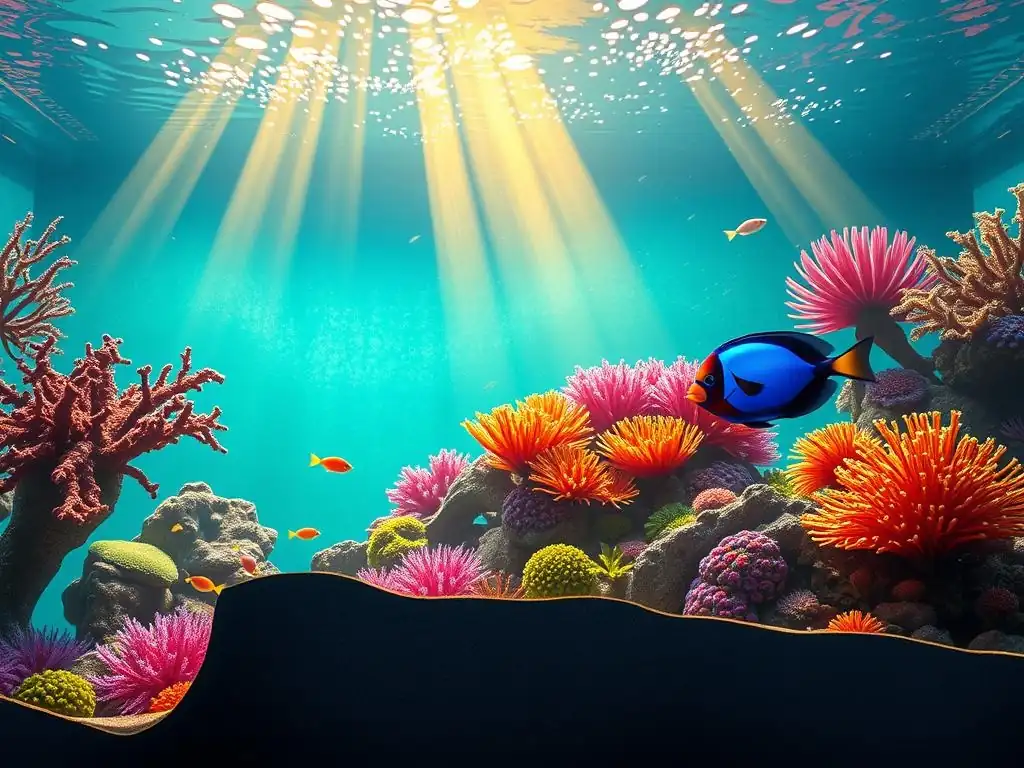
Welcome to Aquarium Mastery!
Ever wonder what's really going on beneath the surface of your carefully curated aquarium? Dive in and discover crucial insights, starting with a pressing concern: the hidden dangers of copper medication harms invertebrates. Learn how seemingly harmless treatments can have devastating consequences for your delicate shrimp, snails, and other fascinating invertebrates. Uncover the secrets to protecting your underwater ecosystem and ensuring a thriving, balanced aquarium. Ready to safeguard your tank's most vulnerable inhabitants?
- The Copper Threat: How Aquarium Medications Dangerously Affect Invertebrates
- Understanding the Copper Threat in Freshwater Aquariums
- Invertebrates Susceptible to Copper Poisoning
- How Copper Medications Harm Invertebrates: A Detailed Look
- Identifying Copper Poisoning in Your Invertebrate Aquarium
- Preventing Copper Poisoning: Proactive Measures for Invertebrate Safety
- Removing Copper from Your Aquarium: Remediation Strategies
- Copper-Safe Medications for Treating Fish Diseases
- Maintaining a Copper-Free Invertebrate Aquarium: Best Practices
- Case Studies: Real-World Examples of Copper Poisoning in Invertebrates
-
Frequently Asked Questions
- How does copper medication affect invertebrates in aquariums?
- Which types of invertebrates are most susceptible to copper poisoning?
- What are the symptoms of copper poisoning in invertebrates?
- Can copper be completely removed from an aquarium after medication?
- Are there copper-free alternatives for treating fish diseases in aquariums with invertebrates?
- Final Reflection: The Unseen Cost of Copper
- Unveil a Thriving Invertebrate Aquarium!
The Copper Threat: How Aquarium Medications Dangerously Affect Invertebrates
Understanding the Copper Threat in Freshwater Aquariums
Why Copper is Sometimes Used in Aquarium Medications
Copper has long been a staple in aquarium pharmacology, primarily due to its potent efficacy against a range of external parasites that commonly afflict freshwater and saltwater fish. Its primary mechanism of action involves disrupting essential enzyme systems within these parasites, effectively halting their metabolic processes and leading to their demise.
For instance, copper sulfate is highly effective against the notorious Ichthyophthirius multifiliis (Ich or White Spot Disease) and Oodinium (Velvet Disease), as well as certain flukes and external protozoans. A typical therapeutic concentration for treating Ich in a fish-only tank might range from 0.15 to 0.25 mg/L (parts per million) of total copper, maintained over several days to break the parasite's life cycle.
The appeal of copper lies in its rapid action and broad-spectrum effectiveness against these common fish ailments, offering a quick solution for distressed aquarists. Many commercially available medications for Ich, Velvet, and even some bacterial infections, historically or currently, contain copper in various forms, such as copper sulfate, chelated copper, or copper citrate. Manufacturers often highlight its parasiticidal properties, making it a popular choice for treating outbreaks, particularly in tanks where only fish are present. However, this very effectiveness against parasites, which are invertebrates, underscores the significant danger copper medication harms invertebrates, including beneficial ones within the aquarium ecosystem.
The Dark Side: Copper Toxicity in Invertebrates
While highly effective against parasites, copper's broad-spectrum toxicity extends far beyond the intended targets, posing a severe threat to all non-target invertebrates. Unlike fish, which have more developed detoxification pathways and different physiological structures, invertebrates possess a fundamentally different biology that makes them exceptionally vulnerable to copper. Their respiratory pigments, such as hemocyanin, are copper-based, meaning that additional free copper ions in the water can overwhelm their systems, leading to severe oxidative stress and impaired oxygen transport. Even minute concentrations, often below the therapeutic levels for fish, can be lethal.
Studies and anecdotal evidence from aquarists consistently show that concentrations as low as 0.05 mg/L of total copper can be toxic to highly sensitive invertebrates like shrimp, while even 0.02 mg/L can cause stress and long-term health issues. This makes the use of copper-based medications a perilous endeavor in any tank housing snails, shrimp, crayfish, or other delicate invertebrates. The physiological harm from copper medication harms invertebrates is multifaceted, impacting their nervous systems, osmoregulation, and ability to molt, leading to a cascade of fatal symptoms.
Invertebrates Susceptible to Copper Poisoning
Snails: The Canary in the Copper Mine
Freshwater snails are among the most commonly kept invertebrates in aquariums and are highly susceptible to copper poisoning, often serving as an early indicator of copper presence. Species like Mystery Snails ( Pomacea diffusa), Nerite Snails ( Neritina natalensis), and Assassin Snails ( Clea helena) are particularly vulnerable due to their shell composition and delicate internal organs. Copper ions in the water can interfere with the calcification process necessary for shell growth and repair, leading to shell pitting or erosion over time. More acutely, copper disrupts their nervous system and metabolic functions.
When exposed to copper medication, snails often exhibit immediate signs of distress. They may retract deeply into their shells, refusing to emerge, or fall from tank surfaces and remain motionless on the substrate. A common symptom is the production of excessive mucus as their bodies try to expel the toxin. Within hours or a day, depending on the copper concentration, they may become unresponsive and ultimately perish. The dangers of copper medication for invertebrates like snails are so pronounced that many aquarists specifically avoid any medication that lists copper as an ingredient if snails are present.
Shrimp: Extremely Sensitive to Copper Exposure
Shrimp, including popular species like Cherry Shrimp ( Neocaridina davidi), Amano Shrimp ( Caridina multidentata), and Ghost Shrimp ( Palaemonetes paludosus), are perhaps the most sensitive invertebrates to copper, making them exceptionally vulnerable to copper medication harms invertebrates. Their highly permeable gills, which are constantly exposed to the water, readily absorb dissolved copper ions. Once absorbed, copper binds to their hemocyanin, the copper-based oxygen-carrying protein in their blood, effectively reducing its ability to transport oxygen throughout their bodies. This leads to a form of internal suffocation.
Even trace amounts of copper, as low as 0.03 mg/L, can cause significant stress and mortality in sensitive shrimp species. Symptoms often include erratic swimming, lethargy, loss of color, a "milky" appearance due to internal organ damage, and uncoordinated movements. Many shrimp will attempt to jump out of the water or exhibit frantic twitching before succumbing. The use of any copper-based medication in a tank with shrimp is almost guaranteed to result in rapid and widespread fatalities, highlighting their extreme fragility to this common aquarium additive.
Crayfish and Crabs: Copper's Impact on Crustaceans
Freshwater crayfish (e.g., Dwarf Crayfish Cambarellus patzcuarensis, Marbled Crayfish Procambarus fallax f. virginalis) and freshwater crabs (e.g., Thai Micro Crabs Limnopilos naiyanetri, Fiddler Crabs Uca spp.) are also crustaceans, sharing similar physiological vulnerabilities to shrimp, albeit sometimes with slightly higher tolerance thresholds. Like shrimp, they rely on hemocyanin for oxygen transport and possess delicate gill structures that are susceptible to copper absorption. Their larger size might offer a temporary buffer, but prolonged or high-concentration exposure to copper medication harms invertebrates like these just as severely.
Copper primarily affects their respiratory system and nervous functions, leading to lethargy, loss of appetite, and uncoordinated movements. A critical impact for crustaceans is the interference with their molting process. Molting, the shedding of their old exoskeleton to grow, is an energy-intensive and delicate process.
Copper can disrupt the enzymes and hormones involved in chitin synthesis and hardening of the new shell, leading to failed molts (where the old shell cannot be shed) or the inability of the new shell to properly harden, leaving them vulnerable and often leading to death. Concentrations above 0.1 mg/L are typically lethal for most crayfish and crab species within days.
Other Invertebrates Affected by Copper (e.g., Clams, Filter Feeders, Worms)
Beyond the commonly kept snails, shrimp, crayfish, and crabs, a wide array of other freshwater invertebrates are equally, if not more, susceptible to copper toxicity. Freshwater clams and mussels, being sessile filter feeders, are particularly vulnerable because they constantly draw large volumes of water through their gills, effectively concentrating any dissolved toxins like copper within their systems. This continuous exposure means that even very low levels of copper can accumulate to toxic concentrations in their tissues, leading to gill damage, cessation of feeding, and eventual death. Their inability to escape contaminated water makes them extremely high-risk.
Other invertebrates such as various types of aquatic worms (e.g., planaria, tubifex worms, detritus worms) and microscopic organisms that form part of the tank's microfauna are also detrimentally affected. While not always intentionally kept, these organisms play vital roles in the aquarium ecosystem, contributing to nutrient cycling and serving as a food source for other inhabitants. Copper medication harms invertebrates at all levels of the food chain, disrupting the delicate balance of a healthy tank by eliminating these beneficial organisms, which can lead to secondary issues like poor water quality or reduced biological filtration capacity.
How Copper Medications Harm Invertebrates: A Detailed Look
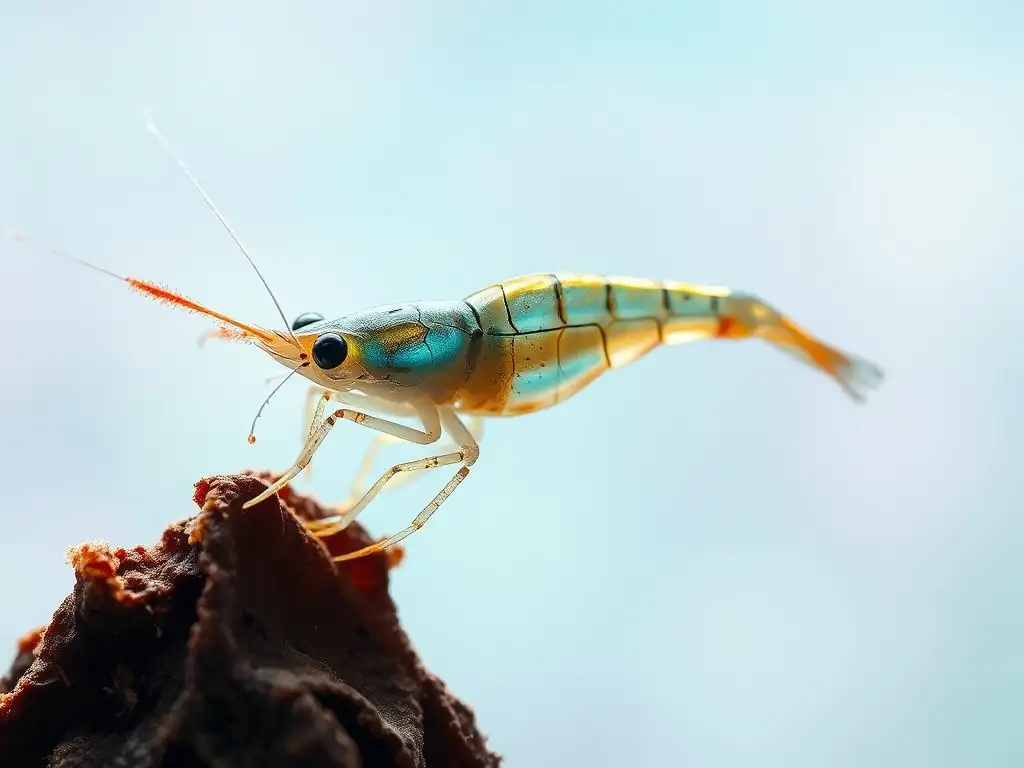
Copper Disrupts Osmoregulation in Invertebrates
One of the primary mechanisms by which copper medication harms invertebrates is through its profound disruption of osmoregulation. Osmoregulation is the process by which aquatic organisms maintain the balance of water and salts within their bodies, a critical function for survival in both freshwater and saltwater environments.
In freshwater invertebrates, such as snails and shrimp, their bodies are typically saltier than the surrounding water, meaning water constantly tries to enter their bodies, and salts tend to diffuse out. They actively pump out excess water and absorb essential ions (like sodium and chloride) through specialized cells, primarily in their gills and body surfaces.
Copper ions, particularly free ionic copper (Cu2+), are highly reactive and can bind to the protein channels and enzymes involved in these ion transport processes. This binding effectively clogs or deactivates the cellular pumps responsible for maintaining the delicate ionic balance. The result is a failure of osmoregulation: invertebrates lose essential salts and struggle to expel excess water, leading to internal fluid imbalance, cellular swelling, and ultimately, organ failure. This physiological stress manifests as lethargy, swelling, and a gradual decline in vital functions, making the invertebrate harm from copper treatments insidious and often irreversible.
Copper Interferes with Enzyme Function
Copper's toxicity also stems from its ability to interfere broadly with enzyme function within invertebrate cells. Enzymes are proteins that act as catalysts for virtually all biochemical reactions necessary for life, from metabolism and energy production to detoxification and tissue repair. Copper ions, especially at elevated concentrations, have a high affinity for sulfhydryl (-SH) groups found in the active sites of many enzymes. When copper binds to these groups, it can alter the enzyme's three-dimensional structure, rendering it non-functional or significantly impairing its activity.
This widespread enzyme inhibition affects numerous critical biological pathways. For example, enzymes involved in cellular respiration, which produces energy (ATP), can be disrupted, leading to a lack of energy for basic life processes. Detoxification enzymes, which normally help neutralize harmful substances, can also be inhibited, further exacerbating the toxic effects of copper itself. The overall consequence is a systemic breakdown of cellular processes, leading to organ damage, metabolic collapse, and eventual death. The inherent dangers of copper medication for invertebrates lie in this fundamental disruption of their internal chemistry.
Copper's Impact on the Nervous System of Invertebrates
The nervous system of invertebrates is another major target for copper toxicity, leading to debilitating and often fatal neurological symptoms. Copper ions can directly affect neurons and nerve transmission by interfering with ion channels (e.g., sodium, potassium, calcium channels) that are crucial for generating and propagating electrical signals. They can also disrupt the synthesis, release, or reuptake of neurotransmitters, the chemical messengers that transmit signals between nerve cells. This neurotoxic effect is a significant contributor to the invertebrate harm from copper treatments.
Symptoms of nervous system impairment in copper-poisoned invertebrates include erratic swimming or crawling, uncoordinated movements, tremors, convulsions, paralysis, and an inability to respond to stimuli. For instance, shrimp might exhibit frantic swimming patterns followed by sudden paralysis, or snails might retract completely and refuse to move. These neurological disruptions prevent the invertebrate from performing essential behaviors such as feeding, escaping predators, or even maintaining balance, rapidly leading to their demise.
The Effects of Copper on Molting in Crustaceans
For crustaceans like shrimp, crayfish, and crabs, one of the most devastating effects of copper poisoning is its interference with the molting process. Molting (ecdysis) is a complex physiological event where the old, rigid exoskeleton is shed to allow for growth. This process is tightly regulated by hormones and requires precise coordination of metabolic activities, including the absorption of water to swell and crack the old shell, and the deposition of new chitin and minerals to form the new exoskeleton.
Copper can disrupt several stages of this intricate process. It can interfere with the hormonal signals that initiate molting, leading to delayed or incomplete molts. More critically, copper can impair the synthesis of chitin, the primary component of the new exoskeleton, or inhibit the enzymes responsible for hardening the new shell through calcification.
Crustaceans exposed to copper may become "stuck" in their old shell, unable to shed it, or if they do manage to molt, their new shell may remain soft and pliable, leaving them vulnerable to injury, infection, and osmotic stress. This specific impact on molting is a major reason why copper medication harms invertebrates that are crustaceans, often leading to immediate fatalities after a failed molt.
Identifying Copper Poisoning in Your Invertebrate Aquarium
Recognizing the Symptoms of Copper Toxicity in Snails
Identifying copper poisoning in snails often requires careful observation, as their symptoms can sometimes mimic other forms of stress. However, the rapid onset and specific nature of the signs can point directly to copper. The most common and immediate symptom is retraction into the shell, often with the operculum (trapdoor) tightly closed. Affected snails will remain motionless for extended periods, even when food is present or the tank is disturbed. They may also fall off tank walls or decorations and lie upside down on the substrate, unable or unwilling to right themselves.
Another telling sign is the excessive production of white, stringy mucus. This is the snail's attempt to encapsulate or expel the toxin from its body. As the poisoning progresses, the snail may become completely unresponsive, and if removed from the water, its operculum might remain slightly ajar, indicating a complete lack of muscle tone. Eventually, the snail will perish, often with a distinct odor if not removed promptly. Observing these combined symptoms, especially after any new additions or treatments, strongly suggests that copper medication harms invertebrates like your snails.
Identifying Copper Poisoning in Shrimp
Shrimp, due to their extreme sensitivity, often show very dramatic and rapid symptoms of copper poisoning. One of the first signs is erratic or frantic swimming, where shrimp dart around the tank aimlessly, often bumping into tank decor. This is quickly followed by lethargy, where they become motionless, often lying on their sides or backs, or remaining still in unusual places. Their coloration may fade significantly or appear "milky" or cloudy, indicating internal organ damage or breakdown of hemocyanin.
Other specific symptoms include uncoordinated movements or twitching, especially of their swimmerets or antennae, as their nervous system is affected. They may attempt to jump out of the water in desperation. In severe cases, they might exhibit difficulty breathing, with their gills appearing to work harder, or they may simply cease all movement and die within hours of exposure. Given their fragility, any sudden, mass mortality of shrimp following a medication treatment or the introduction of new, unquarantined items should immediately raise suspicion of copper poisoning. The severe invertebrate harm from copper treatments is most evident in shrimp.
Detecting Copper Poisoning in Crayfish and Crabs
Crayfish and crabs, while generally hardier than shrimp, still show clear signs of copper poisoning, often related to their unique physiology. A primary indicator is lethargy and reduced activity, where they become unusually still, hide more, or stop foraging. They may exhibit loss of appetite and refuse food that they would normally readily consume. Their movements, when they do occur, might appear uncoordinated, jerky, or sluggish.
A critical symptom, especially for larger specimens, is difficulty or failure to molt. If a crayfish or crab is due to molt and appears stressed, struggles to shed its exoskeleton, or dies during the molting process, copper contamination should be highly suspected. Even if they successfully molt, the new exoskeleton may remain soft and pliable, failing to harden properly, which is often fatal. Observing these crustaceans exhibiting unusual behaviors or succumbing during molting after any potential exposure to copper-containing products points directly to the fact that copper medication harms invertebrates like them.
Copper Poisoning: What to Look For in Other Invertebrates
For other, less commonly observed invertebrates, recognizing copper poisoning requires a general understanding of their normal behavior and a keen eye for deviation. For freshwater clams and mussels, the most obvious sign is failure to open their shells and filter feed, or a complete cessation of movement. They may remain tightly clamped shut for prolonged periods, or conversely, gape open without response, indicating death. Due to their sessile nature and filter-feeding habits, they are often among the first to perish silently from copper exposure.
Aquatic worms (e.g., planaria, detritus worms) may exhibit erratic movements or contortions before becoming motionless. If you typically see a healthy population of these worms and they suddenly disappear or are found dead, it could indicate a systemic issue like copper contamination. Any unexplained mass die-off of various invertebrate types in a tank, especially after the introduction of a new product or medication, should immediately prompt investigation into potential copper presence. The pervasive nature of how copper medication harms invertebrates means that any non-fish resident can be affected.
Preventing Copper Poisoning: Proactive Measures for Invertebrate Safety
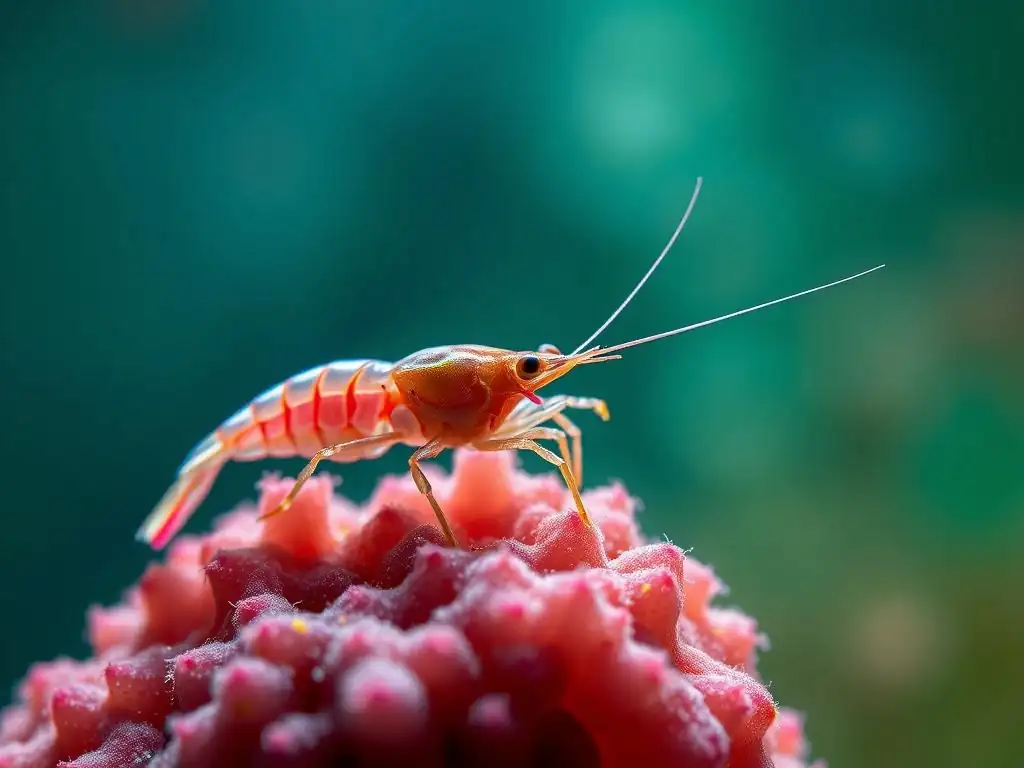
Understanding Your Aquarium Medications: Checking for Copper
The most crucial step in preventing copper poisoning is to become an informed consumer and meticulously understand the ingredients of any product you introduce to your aquarium. Before purchasing or using any medication, algaecide, or even some plant fertilizers, read the label thoroughly. Look for active ingredients such as "copper sulfate," "chelated copper," "copper citrate," "cupric ion," or any variation of "copper." Many manufacturers will also explicitly state warnings like "Harmful to invertebrates" or "Not safe for shrimp and snails" on the packaging.
Do not assume a product is invertebrate-safe just because it doesn't list copper as the primary active ingredient; sometimes, it's present as a trace element or a component of a larger compound. If the label is unclear or you are unsure, err on the side of caution and research the product online, checking forums or manufacturer websites for specific warnings regarding invertebrates. A proactive approach to checking ingredients is the frontline defense against the severe invertebrate harm from copper treatments.
The Importance of Copper Testing in Your Aquarium
Even with careful label reading, accidental copper introduction can occur through various means, such as contaminated tap water (especially from old copper plumbing), certain decorative items, or even residual copper from previous treatments in second-hand equipment. Therefore, investing in a reliable copper test kit is essential for any aquarist keeping invertebrates. High-quality liquid test kits that measure total copper (e.g., API Copper Test Kit, Seachem Cupramine Test Kit) are widely available and provide quantitative results, typically in mg/L (ppm).
Regular testing of your tap water and the aquarium water, especially before and after introducing new elements or if invertebrates show signs of distress, can provide early detection. For sensitive invertebrates like shrimp, a copper level of even 0.05 mg/L can be dangerous, so aim for undetectable levels (0 mg/L) in an invertebrate-centric tank. Consistent monitoring allows you to confirm the absence of copper or to detect its presence promptly, enabling you to take immediate action before severe copper medication harms invertebrates.
Safe Alternatives to Copper-Based Medications
When fish in an invertebrate-inclusive tank fall ill, the immediate instinct might be to reach for a common medication. However, knowing that copper medication harms invertebrates, aquarists must prioritize copper-free alternatives. For common parasitic infections like Ich, several effective and invertebrate-safe treatments exist. Heat treatment (gradually raising tank temperature to 82-86°F/28-30°C for 10-14 days) combined with aquarium salt (1-3 tablespoons per 5 gallons, ensuring it dissolves completely) can be highly effective against Ich in freshwater systems, provided the fish and invertebrates can tolerate the increased salinity and temperature.
Several commercial medications are also specifically formulated to be invertebrate-safe. Products containing malachite green, formalin, or acriflavine (often in combination, e.g., Seachem Paraguard, API General Cure, Kordon Rid-Ich Plus without zinc or copper) are generally considered safe for most snails and shrimp, though individual sensitivities may vary. For bacterial infections, certain antibiotics like erythromycin or sulfathiazole are typically invertebrate-safe. Always verify the ingredients and "invertebrate-safe" claims on the packaging before use, as formulations can change.
Quarantine and Observation: Preventing Copper Introduction
A robust quarantine protocol is arguably the most effective preventative measure against introducing diseases and, consequently, the need for copper-based medications into your main invertebrate tank. Any new fish, plants, or even decorations should first spend time in a separate, dedicated quarantine tank. This tank should be set up simply with a heater, filter, and minimal decor, making it easy to observe inhabitants and, if necessary, treat them without risking your main display tank's sensitive inhabitants.
During the quarantine period (typically 2-4 weeks for fish), observe new arrivals for any signs of disease. If treatment is required, it can be administered in the quarantine tank using appropriate medications, including copper if absolutely necessary and without risk to invertebrates. This isolation strategy ensures that any potential disease outbreak or the need for a medication that copper medication harms invertebrates is contained, protecting your established ecosystem. It also allows you to thoroughly clean and rinse any new plants or decor to remove potential pesticide or chemical residues before they enter the main tank.
Removing Copper from Your Aquarium: Remediation Strategies
Water Changes: Diluting Copper Concentrations
When copper is detected in an invertebrate aquarium, immediate action is crucial to mitigate the damage. The most fundamental and often first line of defense is performing large, successive water changes. Copper is dissolved in the water, so removing a portion of the contaminated water and replacing it with clean, copper-free water (pre-tested for copper) will directly dilute the concentration. For instance, a 50% water change will theoretically reduce the copper concentration by half.
However, copper can bind to tank surfaces, substrate, and filter media, making it difficult to remove entirely with just one change. Therefore, it's often necessary to perform multiple large water changes (e.g., 50-75% daily or every other day) for several days, testing copper levels before each change, until the concentration is undetectable. Ensure the replacement water is temperature-matched and dechlorinated to avoid further stress to already compromised invertebrates. While effective for dilution, water changes alone might not remove all bound copper.
Chemical Filtration: Using Copper-Removing Resins
For more stubborn or persistent copper contamination, specialized chemical filtration media designed to remove heavy metals are highly effective. Copper-removing resins, such as Seachem Cuprisorb or Poly-Filter, are specifically engineered to bind and sequester copper ions from the water column. These resins typically contain chelating agents that selectively bind to copper, effectively removing it from the water and preventing it from harming invertebrates.
These resins should be placed in a high-flow area of your filter (e.g., canister filter, hang-on-back filter) to maximize contact with the water. Monitor copper levels daily with a test kit, as the resin will become exhausted over time and need to be replaced or regenerated according to the manufacturer's instructions. Using these resins in conjunction with water changes offers a powerful strategy to rapidly reduce and eliminate copper, significantly improving the chances of invertebrate recovery from the severe invertebrate harm from copper treatments.
Activated Carbon: Its Limited Role in Copper Removal
Activated carbon is a common and highly effective chemical filtration media used to remove organic pollutants, odors, and certain medications from aquarium water. While activated carbon can adsorb some heavy metals, its capacity for copper removal is relatively limited and it saturates quickly when dealing with significant copper concentrations. It works primarily by adsorbing chelated copper complexes or some forms of ionic copper, but it is not as efficient or specific as dedicated copper-removing resins.
Therefore, while a fresh bag of activated carbon can be used as a supplementary measure, it should not be relied upon as the sole method for removing copper after a poisoning event. Its primary benefit in this scenario might be to remove any remaining medication compounds or other toxins that could further stress the invertebrates. Always use activated carbon in conjunction with large water changes and, ideally, a specialized copper-removing resin for the most effective remediation of copper medication harms invertebrates.
Copper Complexing Agents: Binding and Neutralizing Copper
Copper complexing agents are chemicals that bind to free copper ions in the water, converting them into a non-toxic or less bioavailable form. Products like Seachem Prime or Seachem Safe, primarily marketed as dechlorinators and ammonia detoxifiers, also have the ability to bind heavy metals, including copper. While they don't remove copper from the water, they neutralize its immediate toxicity, providing a crucial window for other removal methods to take effect.
These agents are particularly useful as an emergency measure when copper poisoning is suspected or confirmed, as they can immediately reduce the acute threat to invertebrates. However, the copper is still present in the water, just in a less harmful form. Therefore, copper complexing agents should always be used in conjunction with aggressive water changes and the deployment of copper-removing resins to permanently eliminate the toxin. They are a temporary solution to prevent further invertebrate harm from copper treatments while active removal is underway.
Copper-Safe Medications for Treating Fish Diseases
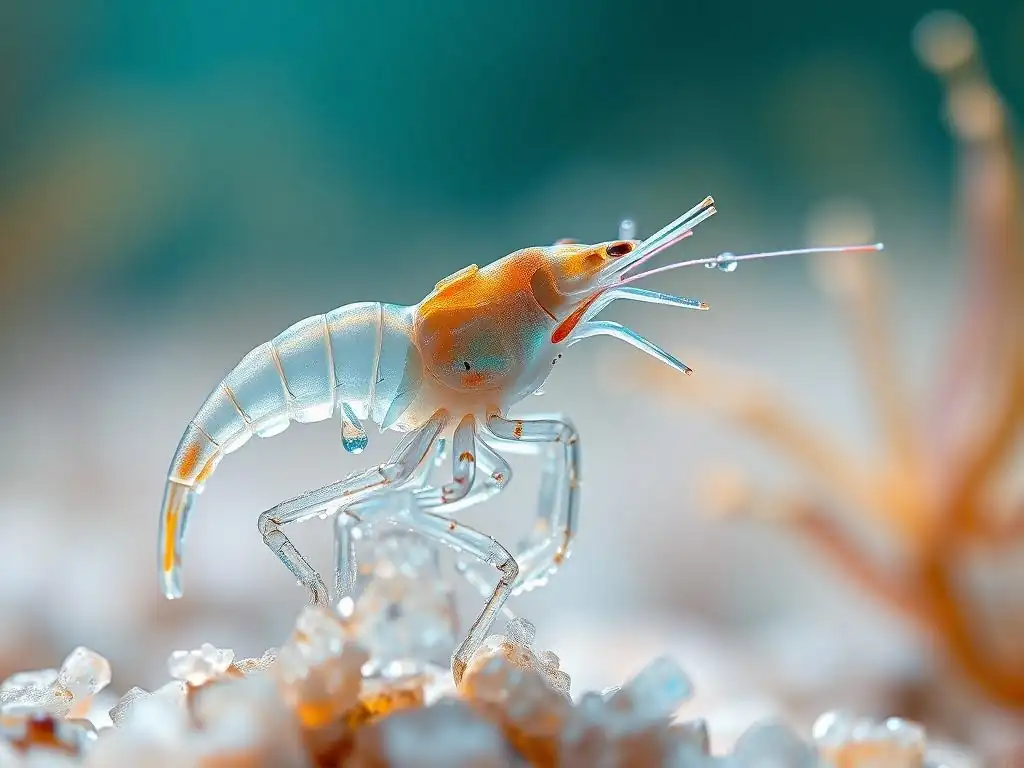
Identifying Copper-Free Medications for Common Fish Ailments
When fish in an invertebrate-populated tank fall ill, selecting the right medication is paramount to prevent the tragic consequences of copper medication harms invertebrates. The key is to seek out copper-free formulations specifically designed to be safe for snails, shrimp, and other sensitive inhabitants. For common parasitic infections like Ich (White Spot Disease), look for treatments that rely on active ingredients such as malachite green, formalin, or a combination of the two (e.g., Kordon Rid-Ich Plus – ensure it's the non-zinc/copper version). Some products utilize quinine sulfate or metronidazole which are also generally considered invertebrate-safe for protozoan issues.
For bacterial infections, common invertebrate-safe antibiotics include erythromycin, tetracycline, or sulfathiazole. Always read the ingredient list carefully, as some manufacturers may include copper as a secondary ingredient or use proprietary blends where copper is not explicitly named but is present. If there's any doubt, check online forums, manufacturer websites, or contact customer support to confirm invertebrate safety. Prioritizing these copper-free options ensures that your fish receive effective treatment without causing invertebrate harm from copper treatments.
Exploring Alternative Treatments for Fish
Beyond commercial medications, several non-chemical or less toxic alternative treatments can be highly effective for common fish ailments, especially in tanks where copper medication harms invertebrates. For Ich, elevating the tank temperature to 82-86°F (28-30°C) for 10-14 days can accelerate the parasite's life cycle and kill it in its free-swimming stage, provided your fish and invertebrates can tolerate the heat. Combining this with aquarium salt (1-3 tablespoons per 5 gallons, dissolved thoroughly) can further aid in osmoregulation for fish and stress parasites, but be mindful of salt sensitivity in certain invertebrates (e.g., some snails).
For minor bacterial issues or general fish stress, improving water quality through increased water changes, ensuring stable parameters, and reducing environmental stressors can often help fish recover naturally. Garlic extracts (e.g., Seachem GarlicGuard) can be used as an appetite stimulant and immune booster, though not a direct medication. For external wounds or fin rot, Indian Almond Leaves (catappa leaves) release tannins that have mild antiseptic and antifungal properties, promoting healing and reducing stress. These natural and gentle approaches minimize the risk of invertebrate harm from copper treatments.
Using Medications Safely in an Invertebrate Tank
Even when using "invertebrate-safe" medications, caution is always advised. The primary rule for any treatment in an invertebrate tank is "When in doubt, use a quarantine tank." If a fish needs treatment, move it to a separate hospital tank where you can administer the necessary medication without exposing your main tank's sensitive inhabitants. This allows for precise dosing and minimizes the risk of unintended consequences for your invertebrates.
If treating the main tank is unavoidable, always start with a half dose and observe your invertebrates closely for any signs of distress over the next 24-48 hours. If no negative reactions are observed, you can then increase to the full recommended dose. Ensure excellent aeration during treatment, as some medications can reduce oxygen levels. After the treatment course is complete, perform a large water change and add fresh activated carbon to remove residual medication. This meticulous approach helps prevent widespread invertebrate harm from copper treatments and other chemicals.
Maintaining a Copper-Free Invertebrate Aquarium: Best Practices
Choosing Invertebrate-Safe Aquarium Products
The foundation of a successful copper-free invertebrate aquarium lies in the careful selection of all products that come into contact with your tank water. This extends beyond just medications to include algaecides, plant fertilizers, water conditioners, and even certain fish foods. Many algaecides contain copper as their active ingredient, as algae are also susceptible to its toxic effects; always opt for algaecides explicitly labeled "invertebrate safe" or use manual removal methods.
Similarly, some plant fertilizers contain trace amounts of copper, which can accumulate over time. While plants do require copper, the levels in these fertilizers are generally low, but it's wise to choose brands that specify "invertebrate safe" or provide detailed ingredient lists. Always scrutinize water conditioners for any claims of "heavy metal removers" that might imply copper-binding, ensuring they don't just neutralize but actively remove it if present. By proactively choosing only products confirmed safe, you significantly reduce the risk of copper medication harms invertebrates.
Regular Water Testing: Monitoring Copper Levels
Even with the most careful product selection, trace amounts of copper can sometimes find their way into an aquarium. This might be from tap water (especially in older homes with copper plumbing), certain types of rock or substrate, or even residual copper from previous owners if using second-hand equipment. Therefore, regularly testing your aquarium water for copper is a crucial best practice for any invertebrate enthusiast.
Use a sensitive and accurate liquid copper test kit (e.g., one that detects levels as low as 0.05 mg/L). Test your tap water periodically, especially if you have an older plumbing system, and test your tank water at least once a month, or more frequently if you introduce new elements or observe unexplained invertebrate distress. Maintaining a diligent testing regimen ensures that you catch any unexpected copper presence early, allowing you to take corrective action before significant invertebrate harm from copper treatments occurs.
The Importance of a Healthy and Stable Aquarium Environment
A thriving, copper-free invertebrate aquarium is not just about avoiding toxins; it's also about fostering a healthy and stable environment that naturally boosts the inhabitants' resilience. A well-cycled tank with stable water parameters (temperature, pH, ammonia, nitrite, nitrate) is less likely to experience disease outbreaks, thereby reducing the need for medications in the first place. Regular, appropriately sized water changes (e.g., 20-30% weekly or bi-weekly) using dechlorinated and temperature-matched water help maintain water quality and dilute any potential minor buildup of unwanted substances.
Providing appropriate diet, ample hiding spots, and suitable tank mates (non-aggressive fish that won't prey on invertebrates) reduces stress, which is a major factor in susceptibility to disease. A robust biological filter, healthy plant growth (which can absorb some heavy metals), and minimal fluctuations in water chemistry contribute to a resilient ecosystem. By focusing on overall tank health and stability, aquarists can create an environment where the likelihood of needing medications that copper medication harms invertebrates is significantly minimized.
Case Studies: Real-World Examples of Copper Poisoning in Invertebrates
Case Study: Sudden Snail Deaths After Ich Treatment
In a 20-gallon planted freshwater aquarium, a community of Guppies and Neon Tetras thrived alongside a dozen Mystery Snails and several Nerite Snails. The tank had been established for over six months with no previous issues. One day, a few Guppies exhibited early signs of Ich (small white spots).
The owner, new to invertebrate keeping, used a popular over-the-counter Ich medication that claimed to be "safe for most fish" but did not explicitly state its copper content. The active ingredient listed was "proprietary blend." Within 24 hours of the first dose, two Mystery Snails were found dead, retracted deep into their shells.
Over the next 48 hours, all remaining Mystery Snails and Nerite Snails perished, showing symptoms of excessive mucus production and falling off tank surfaces. A subsequent check of the medication's fine print, or an online search, revealed that its "proprietary blend" contained a chelated copper compound. A quick copper test of the tank water confirmed a copper level of approximately 0.18 mg/L, a lethal dose for snails.
While the fish were showing signs of recovery from Ich, the cost was the complete loss of the snail population, a clear example of how copper medication harms invertebrates. The owner immediately performed multiple large water changes and added a copper-removing resin to prevent further harm to the fish, but the snails were irreplaceable.
Case Study: Shrimp Losses After Using Algae Control
A dedicated 10-gallon shrimp tank, home to over 50 thriving Cherry Shrimp, began to develop a nuisance green spot algae problem on the glass and plants. The owner, wanting a quick solution, purchased an algaecide from a local pet store that marketed itself as "effective for algae control." While the label didn't explicitly mention copper, it didn't specifically state "invertebrate safe" either. Assuming it was a general algaecide, a single dose was added to the tank. Within 12 hours, several shrimp were observed swimming erratically, darting around the tank, and then becoming lethargic, lying on their sides.
By the 24-hour mark, over 20 shrimp had died, and many more were showing severe distress, including loss of color and uncoordinated movements. A copper test kit, used in desperation, revealed a shocking copper level of 0.1 mg/L. It was later discovered that the algaecide contained copper sulfate, a common ingredient for algae control, which severely impacted the sensitive shrimp.
The owner immediately performed an 80% water change, added Seachem Prime to detoxify residual copper, and installed a copper-removing resin. Despite these efforts, over 90% of the shrimp colony was lost, a devastating illustration of the severe invertebrate harm from copper treatments, even when not explicitly labeled as a "medication."
Case Study: Successful Copper Removal and Invertebrate Recovery After Misdiagnosis
A 55-gallon community tank housed a variety of peaceful fish, including Tetras and Gouramis, alongside a healthy population of Amano Shrimp, Nerite Snails, and a single Dwarf Crayfish. The fish developed what appeared to be a mild case of Ich. The owner, having run out of their usual invertebrate-safe Ich medication, borrowed a bottle from a friend, who assured them it was "good for Ich." Without checking the label, a full dose was administered. Within hours, the Amano Shrimp began acting erratically, twitching, and several snails retracted completely. The Dwarf Crayfish became unusually lethargic.
Realizing the potential mistake, the owner immediately used a copper test kit, which showed a copper concentration of approximately 0.2 mg/L. Prompt action was taken:
- Immediate 75% water change was performed using dechlorinated, temperature-matched water.
- Seachem Prime was dosed generously to bind remaining copper.
- A copper-removing resin (Cuprisorb) was placed in the canister filter.
- Another 50% water change was performed 12 hours later, followed by daily copper testing.
Within 48 hours, copper levels were undetectable. While one particularly sensitive Amano Shrimp unfortunately succumbed, the vast majority of the shrimp, all the snails, and the Dwarf Crayfish survived and slowly returned to normal behavior over the next few days. This case highlights that while copper medication harms invertebrates severely, prompt and aggressive remediation can sometimes lead to successful recovery.
Frequently Asked Questions
How does copper medication affect invertebrates in aquariums?
Copper-based medications are highly toxic to invertebrates. They interfere with essential biological processes and can lead to rapid death. This is why careful consideration is needed.
Which types of invertebrates are most susceptible to copper poisoning?
All invertebrates are vulnerable, but shrimp, snails, and corals are particularly sensitive. Even trace amounts of copper can be detrimental to their health and survival.
What are the symptoms of copper poisoning in invertebrates?
Symptoms vary, but common signs include lethargy, loss of appetite, and erratic behavior. In corals, you may see tissue recession or bleaching. It is important to treat as soon as possible.
Can copper be completely removed from an aquarium after medication?
Removing all traces of copper is extremely difficult. Water changes, activated carbon, and copper-removing resins can help, but residual levels may still be present.
Are there copper-free alternatives for treating fish diseases in aquariums with invertebrates?
Yes, several copper-free medications are available for treating common fish diseases. Researching and selecting these alternatives is crucial for maintaining a healthy invertebrate population.
Final Reflection: The Unseen Cost of Copper
The information presented throughout this article underscores a critical, often overlooked reality: the seemingly innocuous use of copper-based medications in aquariums can have devastating consequences for invertebrate life. This isn't just about a few dead snails; it's about the potential collapse of entire ecosystems within our tanks, ecosystems that rely on the delicate balance maintained by these often-unseen creatures. The widespread availability and perceived safety of these medications mask a significant threat that demands immediate attention and a shift in our approach to aquarium health.
The impact of copper on invertebrates extends far beyond the immediate mortality rate. It's a silent killer, weakening immune systems, hindering reproduction, and disrupting the natural food chain. The long-term effects can be catastrophic, leading to barren tanks devoid of the vibrant life we initially sought to cultivate. As Jacques Cousteau so eloquently stated, The sea, once it casts its spell, holds one in its net of wonder forever.
We must remember that this wonder is fragile and requires our diligent protection, especially against threats we introduce ourselves.
Now, armed with this knowledge, I urge you to reflect on your own aquarium practices. Are you aware of the copper content in your medications? Are you considering safer, alternative treatments? The health of your invertebrates, and indeed the entire ecosystem within your aquarium, depends on your informed choices. Let's commit to a more responsible approach to aquarium care, one that prioritizes the well-being of all its inhabitants, ensuring that the beauty and biodiversity of our underwater worlds thrive for years to come.
Unveil a Thriving Invertebrate Aquarium!
Thank you for diving into the world of aquarium invertebrates! We hope you found valuable insights on safeguarding your delicate aquatic creatures. Now, let's turn that knowledge into action!
Here's how you can further protect and enhance your invertebrate aquarium:
- Immediately review the ingredient list of all your aquarium medications for copper. Take action and source copper-free alternatives from reputable brands.
- Share this crucial information with fellow aquarium enthusiasts! Spread the word on social media or in aquarium forums.
- Consider setting up a separate quarantine tank for introducing new fish. Observe their behavior for diseases before introducing them into your main tank.
What copper-free medication brands do you trust and recommend for maintaining a healthy invertebrate aquarium?