
Tiger Shrimp Varieties: Orange Eye Blue Tigers (OEBT) and Their Kin Explained

Welcome to Aquarium Mastery!
Ever wondered about the vibrant jewels of the freshwater shrimp world? Delve into the captivating world of Orange Eye Blue Tiger (OEBT) shrimp and their dazzling relatives! This OEBT shrimp care guide unlocks the secrets to successfully keeping these stunning invertebrates. Get ready to explore their unique needs, discover tips for breeding, and troubleshoot common challenges. Curious? Let's dive in and unlock the mysteries of these tiny aquatic tigers!
- Understanding Tiger Shrimp: A Comprehensive Overview
- Decoding OEBT Shrimp: Orange Eye Blue Tiger Shrimp
- OEBT Shrimp Care Guide: Creating the Ideal Environment
- OEBT Shrimp Diet and Feeding: Ensuring Optimal Health
- Breeding OEBT Shrimp: A Step-by-Step Guide
- Exploring Tiger Shrimp Varieties: Beyond the OEBT
- Common OEBT Shrimp Problems and Solutions
- Buying OEBT Shrimp: What to Look For
- OEBT Shrimp vs. Other Shrimp Species: A Comparison
- Advanced OEBT Shrimp Keeping: Tips and Tricks
- Conclusion: Mastering OEBT Shrimp Care
-
Frequently Asked Questions
- What are Orange Eye Blue Tiger (OEBT) shrimp and why are they so popular?
- What are the key water parameters needed for successful OEBT shrimp care?
- What do OEBT shrimp eat, and how often should I feed them?
- How do I breed OEBT shrimp, and what are the challenges involved?
- What are some common issues that OEBT shrimp keepers face, and how can they be resolved?
- Final Reflection: The Enduring Allure of Aquatic Art
- Unleash Your Shrimp-Keeping Potential!
Understanding Tiger Shrimp: A Comprehensive Overview
Introduction to Caridina Shrimp
Caridina shrimp represent a diverse genus of freshwater invertebrates, highly prized in the aquarium hobby for their striking colors and intricate patterns. Originating primarily from various freshwater habitats across East Asia, particularly in regions like Southern China and Taiwan, these shrimp thrive in stable, clean aquatic environments. Unlike their more common Neocaridina cousins, many Caridina species, including the popular Tiger Shrimp, typically prefer softer, more acidic water conditions, often mimicking their natural highland stream habitats. Their delicate beauty and peaceful demeanor make them a captivating addition to a well-maintained planted aquarium.
The genus Caridina encompasses hundreds of known species, with new ones continually being discovered. Within the aquarium trade, Caridina cantonensis is one of the most significant, being the ancestral species for many beloved varieties like Crystal Red, Crystal Black, Taiwan Bee, and various Tiger shrimp. These selectively bred forms showcase an astonishing array of colors and patterns, a testament to dedicated aquarists and breeders who have refined their genetic lines over decades. Understanding the specific needs of these Caridina species is crucial for their successful keeping and breeding, forming the foundation of any comprehensive OEBT shrimp care guide.
The Appeal of Tiger Shrimp in Freshwater Aquariums
Tiger shrimp, a specific grouping within the Caridina genus, are highly sought after by aquarists for their distinctive striped or banded patterns, which resemble those of a tiger. Their unique aesthetics, combined with their generally peaceful nature and beneficial role as algae grazers, make them an excellent choice for species-specific tanks or community setups with very small, non-aggressive fish. Varieties like the Orange Eye Blue Tiger (OEBT) shrimp, Black Tiger, and Red Tiger shrimp offer a vibrant spectrum of colors that can transform an aquarium into a living work of art.
Beyond their visual appeal, Tiger shrimp contribute to the ecological balance of an aquarium by consuming biofilm and soft algae, helping to maintain tank cleanliness. Their constant foraging activity provides an engaging spectacle for observers, showcasing their intricate behaviors and social interactions. As relatively small invertebrates, typically reaching an adult size of about 1 to 1.5 inches (2.5 to 3.8 cm), they are suitable for nano tanks, though larger tanks offer more stable conditions. The challenge and reward of providing optimal OEBT shrimp care and seeing them thrive further enhance their appeal for dedicated aquarists.
Distinguishing Tiger Shrimp from Other Caridina Species
Distinguishing Tiger shrimp from other Caridina species primarily involves observing their characteristic patterns and coloration. While many Caridina shrimp, such as the Crystal Red or Black shrimp, exhibit solid color patches or intricate "splotchy" patterns, Tiger shrimp are defined by their vertical or horizontal stripes, often dark against a lighter body. For example, a common Tiger shrimp might display dark bands over a clear or reddish body, whereas a Crystal Red shrimp will feature prominent white and red blocks.
Furthermore, specific eye coloration can be a key identifier, especially in varieties like the Orange Eye Blue Tiger (OEBT) shrimp. While most Caridina shrimp have dark, almost black eyes, OEBT shrimp famously possess bright orange eyes, a unique genetic trait that sets them apart. Other distinguishing features can include body shape, antenna length, and even subtle behavioral differences, though these are less reliable for general identification. Understanding these visual cues is a vital part of providing accurate OEBT shrimp care and appreciating the distinct beauty of these fascinating invertebrates.
Decoding OEBT Shrimp: Orange Eye Blue Tiger Shrimp
What Does OEBT Stand For?
OEBT stands for "Orange Eye Blue Tiger." This acronym precisely describes the two most prominent and defining features of this highly prized Caridina shrimp variety: their striking blue body coloration and their distinctive, bright orange eyes. The "Tiger" in the name refers to the faint or sometimes pronounced vertical stripes that are characteristic of the Tiger shrimp lineage from which OEBTs were selectively bred. These unique visual traits make OEBT shrimp instantly recognizable and highly sought after by shrimp enthusiasts worldwide.
The specific combination of a vibrant blue body and contrasting orange eyes is what elevates the OEBT shrimp above many other common shrimp species. While other blue shrimp varieties exist, such as Blue Dream Neocaridina or Blue Bolt Caridina, none possess the signature orange eye trait alongside the tiger striping. This specific nomenclature helps aquarists and breeders accurately identify and categorize these specialized invertebrates, ensuring clear communication within the hobby and facilitating proper OEBT shrimp care discussions.
The Genetics Behind the Orange Eye Blue Tiger Shrimp
The captivating appearance of the Orange Eye Blue Tiger (OEBT) shrimp is the result of meticulous selective breeding and the manifestation of specific genetic mutations within the Caridina cantonensis lineage. The blue body coloration in OEBTs is a recessive trait that breeders have isolated and enhanced over generations. This means that both parent shrimp must carry the gene for blue coloration for it to be expressed in their offspring. Similarly, the orange eye trait is also a recessive mutation, making its simultaneous expression with the blue body a rare and desirable outcome.
Breeders typically start with various Tiger shrimp lines, such as Black Tiger or Red Tiger shrimp, and carefully select individuals that exhibit even a hint of blue or an unusual eye color. Through successive generations of pairing shrimp with these desirable traits, the intensity of the blue pigmentation and the vibrancy of the orange eyes are gradually amplified.
The process is often challenging, as these recessive genes can be difficult to stabilize, and maintaining the quality of both the blue body and the orange eyes requires continuous culling of offspring that do not meet the desired standards. This intricate genetic background underscores the specialized OEBT shrimp care required to maintain their unique characteristics.
Identifying True OEBT Shrimp: Key Characteristics
Identifying true Orange Eye Blue Tiger (OEBT) shrimp requires a keen eye for their defining characteristics. The most prominent feature is, as their name suggests, their bright orange eyes. These eyes should be a distinct, vibrant orange, clearly contrasting with their body color, not just a dull or reddish hue. The second key characteristic is their blue body coloration. This blue can range from a light, translucent blue to a deep, opaque sapphire, often with subtle vertical stripes or "tiger" patterns visible, especially under certain lighting.
Beyond these primary traits, healthy OEBT shrimp will exhibit active foraging behavior and a clear, intact carapace. Their size typically ranges from 1 to 1.5 inches (2.5 to 3.8 cm) as adults. While some OEBTs may display varying degrees of blue intensity or pattern visibility, the combination of the clear orange eyes and a blue body is the definitive indicator.
Any shrimp marketed as an OEBT but lacking the distinct orange eyes or a noticeable blue body is likely a different shrimp variety or a lower-grade specimen. Understanding these specific identifiers is fundamental to providing effective OEBT shrimp care and ensuring you acquire genuine stock.
OEBT Shrimp Care Guide: Creating the Ideal Environment
Tank Setup for OEBT Shrimp: Size, Substrate, and Decor
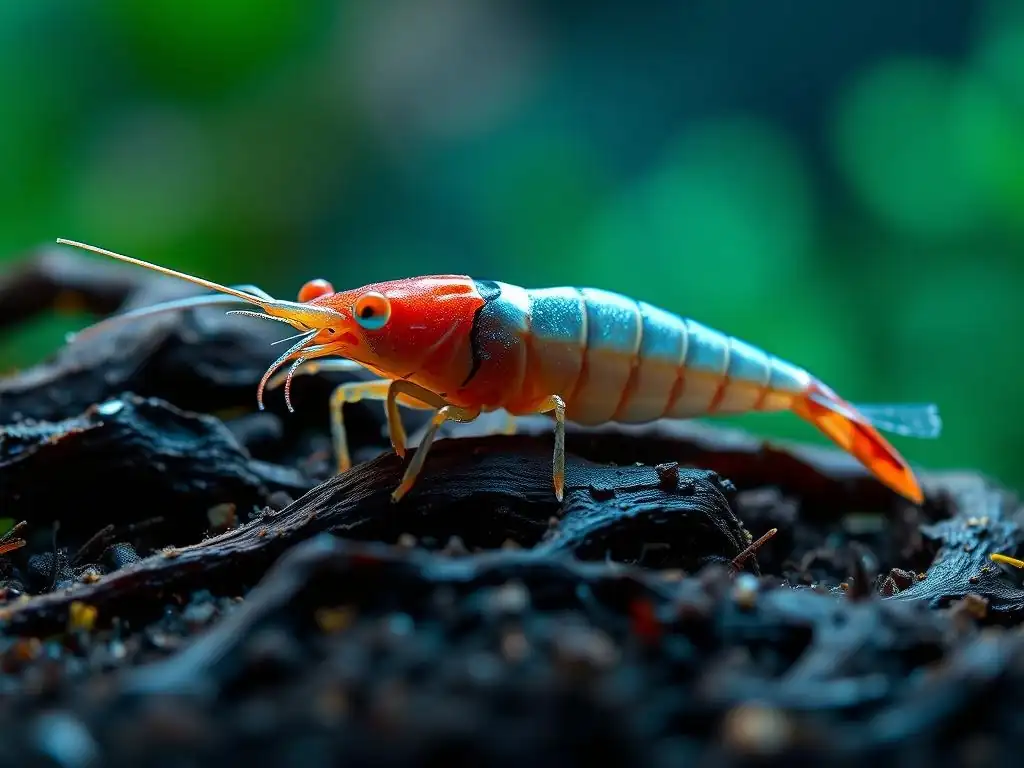
Setting up the ideal tank for Orange Eye Blue Tiger (OEBT) shrimp is paramount for their health, coloration, and breeding success. A minimum tank size of 5 gallons (approximately 19 liters) is recommended for a small colony, though a 10-gallon (38-liter) tank offers greater stability and is generally preferred for an OEBT shrimp care guide. Larger tanks are even better, as they are less prone to rapid fluctuations in water parameters.
The substrate choice is critical: active buffering substrates like ADA Aqua Soil or Fluval Stratum are highly recommended as they help maintain the slightly acidic pH and low KH that OEBT shrimp prefer. Inert substrates can be used, but require more diligent water parameter management.
Decorations should include plenty of hiding spots and surfaces for biofilm growth. Live plants, such as Java Moss, Anubias, Bucephalandra, and various types of ferns, are excellent choices. They provide shelter, grazing areas, and help maintain water quality by absorbing nitrates. Driftwood and cholla wood also offer beneficial biofilm surfaces and release tannins, which can slightly lower pH and provide natural antibacterial properties. Ceramic shrimp caves or small PVC pipes can be added as additional retreats, especially during molting periods or for berried females. Ensuring a natural and secure environment is a cornerstone of comprehensive OEBT shrimp care.
Water Parameters for OEBT Shrimp: Maintaining Optimal Conditions
Maintaining precise and stable water parameters is the most critical aspect of OEBT shrimp care. These Caridina shrimp thrive in soft, slightly acidic water, mimicking their natural habitats. The ideal temperature range is between 68-75°F (20-24°C), with stability being more important than hitting an exact number. Sudden temperature swings can stress shrimp and lead to molting issues.
Key parameters to monitor diligently include:
- pH: 6.0-7.0 (slightly acidic to neutral)
- General Hardness (GH): 4-6 dGH (soft water)
- Carbonate Hardness (KH): 0-2 dKH (very low buffering capacity, making pH more susceptible to swings if not using buffering substrate)
- Total Dissolved Solids (TDS): 100-200 ppm (reflects mineral content, often measured with a TDS meter)
- Ammonia, Nitrite, Nitrate: Ammonia and nitrite should always be 0 ppm. Nitrates should be kept below 10-20 ppm through regular water changes.
Many successful OEBT shrimp keepers use Reverse Osmosis (RO) or de-ionized (DI) water, which is then remineralized with products specifically designed for Caridina shrimp (e.g., SaltyShrimp GH+). This provides complete control over water parameters, eliminating inconsistencies from tap water. Regular testing with reliable liquid test kits is essential to ensure these optimal conditions are consistently met, forming the backbone of any effective OEBT shrimp care guide.
Filtration and Aeration for OEBT Shrimp: Ensuring Water Quality
Effective filtration and aeration are vital components of proper OEBT shrimp care, ensuring a clean and oxygen-rich environment without creating strong currents that can stress these small invertebrates. Sponge filters are widely considered the best option for shrimp tanks. They provide gentle mechanical and biological filtration, allowing beneficial bacteria to colonize and break down waste products. Their porous structure also offers additional grazing surfaces for shrimp, and crucially, they pose no risk of sucking up tiny shrimp fry.
In addition to sponge filters, ensuring adequate aeration is important. While sponge filters often provide some aeration through their air pump, supplemental air stones can be used if needed, especially in heavily planted tanks where oxygen levels might fluctuate. A gentle air stone can help maintain stable dissolved oxygen levels, which are crucial for shrimp respiration and overall health.
Over-filtration or overly strong water flow should be avoided, as OEBT shrimp prefer calm waters. A gentle flow from a small power filter with a pre-filter sponge can also work, but the sponge filter remains the top recommendation in most OEBT shrimp care guides due to its safety and efficiency for shrimp.
Ideal Tank Mates for OEBT Shrimp: Compatibility Considerations
Choosing appropriate tank mates is a critical aspect of OEBT shrimp care, as these delicate invertebrates can easily become prey or get stressed by larger, more aggressive fish. The best tank mates are often no tank mates at all, keeping OEBT shrimp in a species-only tank to maximize their comfort and breeding potential. However, if a community tank is desired, extreme caution and specific choices are necessary.
Ideal tank mates for OEBT shrimp are very small, peaceful, and non-aggressive fish that will not predate on adult shrimp or their fragile fry. Examples include:
- Otocinclus Catfish: Small, peaceful algae eaters that typically ignore shrimp.
- Small, Peaceful Tetras: Such as Ember Tetras ( Hyphessobrycon amandae), Chili Rasboras ( Boraras brigittae), or Dwarf Rasboras ( Boraras maculatus). These fish are generally too small to pose a significant threat to adult shrimp, though very tiny fry might still be at risk.
- Snails: Nerite snails, Mystery snails, or Ramshorn snails are excellent, non-aggressive tank mates that help with algae control and do not bother shrimp.
Avoid any fish that are known to be nippers, predatory, or grow to a size where an adult shrimp could be considered a meal. This includes most common community fish like Guppies, Mollies, larger Tetras (e.g., Neon Tetras), Bettas, and Cichlids. Even seemingly docile fish can occasionally opportunistically prey on shrimp, especially during molting when shrimp are most vulnerable. Prioritizing the shrimp's safety is a key principle in a comprehensive OEBT shrimp care guide.
OEBT Shrimp Diet and Feeding: Ensuring Optimal Health
What Do OEBT Shrimp Eat? A Balanced Diet
Orange Eye Blue Tiger (OEBT) shrimp are primarily omnivores and detritivores, meaning they consume a variety of foods found in their environment, including biofilm, algae, and decaying plant matter. In an aquarium setting, a balanced diet is crucial for their health, coloration, and successful breeding. Their primary food source should be high-quality, specialized shrimp pellets or wafers designed for Caridina shrimp. These foods are formulated to provide essential nutrients, including calcium for healthy molting and various proteins and vitamins.
Beyond commercial foods, OEBT shrimp greatly benefit from natural food sources. Biofilm, a layer of microorganisms that grows on surfaces like plants, substrate, and decor, is a vital part of their diet. Algae, particularly soft green algae, is also readily consumed. To supplement their diet, blanched vegetables such as spinach, zucchini, or cucumber can be offered occasionally. These should be blanched to soften them and make them easier for shrimp to consume. Always remove any uneaten vegetable matter after 12-24 hours to prevent water fouling. A varied diet is a cornerstone of effective OEBT shrimp care.
Supplementing Your OEBT Shrimp's Diet: Essential Nutrients
While commercial shrimp foods provide a good base, supplementing your OEBT shrimp's diet with specific nutrients can significantly improve their health, vitality, and breeding success. Calcium is an absolutely essential mineral for shrimp, as it is a primary component of their exoskeleton. Adequate calcium ensures successful molting, a critical process for growth. Foods rich in calcium or specialized mineral supplements (e.g., mineral rocks, calcium clay balls) can be provided.
Protein is another vital nutrient, especially for growth and reproduction. While standard shrimp foods contain protein, occasional protein boosts from sources like spirulina powder, bee pollen, or small amounts of blanched bloodworms (fed sparingly) can be beneficial. Additionally, certain foods can enhance color: spirulina and astaxanthin-rich foods can help intensify the blue coloration of OEBT shrimp, while other carotenoids might support the vibrancy of their orange eyes. However, over-supplementation should be avoided, as it can lead to water quality issues. A balanced approach to nutrition is a key aspect of any good OEBT shrimp care guide.
Feeding Frequency and Quantity: Avoiding Overfeeding
Overfeeding is one of the most common mistakes in OEBT shrimp care and can quickly lead to severe water quality issues, including ammonia spikes, nitrite poisoning, and excessive algae growth, all of which are detrimental to shrimp health. OEBT shrimp have tiny bioloads and are efficient grazers, constantly foraging for microscopic food sources like biofilm and detritus. Therefore, they require very little supplemental feeding.
A good rule of thumb is to feed OEBT shrimp only 2-3 times per week, or even less frequently if the tank is heavily planted and mature with ample biofilm. The quantity fed should be extremely small – only what the shrimp can consume within 2-3 hours. For example, for a colony of 10-20 OEBT shrimp, a single small pellet or a tiny piece of a wafer is often sufficient.
Always observe your shrimp during feeding to gauge their appetite and adjust accordingly. Any uneaten food should be removed promptly, typically within a few hours, to prevent it from decaying and polluting the water. This disciplined approach to feeding is crucial for maintaining pristine water conditions and is a fundamental part of any comprehensive OEBT shrimp care guide.
Breeding OEBT Shrimp: A Step-by-Step Guide
Creating Breeding Conditions for OEBT Shrimp
Successful breeding of Orange Eye Blue Tiger (OEBT) shrimp hinges on establishing and maintaining pristine and stable tank conditions, which are essentially the optimal OEBT shrimp care parameters discussed previously. The tank should be mature, ideally running for several months, with a well-established nitrogen cycle and plenty of biofilm for the shrimp to graze on. Consistent water parameters—specifically soft, slightly acidic water (pH 6.0-7.0, GH 4-6 dGH, KH 0-2 dKH, TDS 100-200 ppm) and a stable temperature around 70-74°F (21-23°C)—are paramount. Fluctuations can stress shrimp and inhibit breeding.
A species-only tank is highly recommended for breeding OEBT shrimp, as it minimizes stress and predation on vulnerable fry. Ample hiding spots, such as dense mosses (e.g., Java Moss, Christmas Moss), cholla wood, and ceramic shrimp caves, provide security for berried females and newly hatched shrimplets. A gentle sponge filter is essential for filtration, ensuring no fry are sucked up.
A consistent feeding regimen of high-quality shrimp food, supplemented with protein and mineral-rich options, will ensure the shrimp are well-nourished and ready to reproduce. When these conditions are met, OEBT shrimp will often breed readily, making a dedicated OEBT shrimp care guide for breeding invaluable.
Identifying Male and Female OEBT Shrimp
Distinguishing between male and female Orange Eye Blue Tiger (OEBT) shrimp can be challenging, especially when they are young, but there are several reliable indicators once they reach maturity. Female OEBT shrimp are generally larger and have a more robust, rounded body shape compared to males. Their carapace, the upper shell, tends to be wider, particularly in the lower abdominal area, to accommodate developing eggs.
One of the most definitive signs of a mature female is the presence of a "saddle." This is a yellowish or greenish patch visible behind the head on the dorsal side, which represents unfertilized eggs developing in the ovaries. Once a female mates and the eggs are fertilized, they move from the saddle to the swimmerets (pleopods) under her abdomen, at which point she becomes "berried."
Male OEBT shrimp, in contrast, are typically smaller, more slender, and lack the saddle or broad abdomen. Their pleopods are also less developed. Observing these physical differences is a key part of successful OEBT shrimp care for breeding purposes.
The OEBT Shrimp Breeding Process: From Mating to Hatching
The breeding process for Orange Eye Blue Tiger (OEBT) shrimp follows a typical pattern for Caridina species. Once a female matures and develops a saddle, she will molt, releasing pheromones into the water that signal her readiness to breed. This often triggers a "mating frenzy" among males, who will actively swim around the tank searching for her. After mating, the female carries the fertilized eggs under her abdomen, attached to her swimmerets. At this stage, she is referred to as "berried."
A berried female will diligently fan her eggs with her pleopods to ensure proper oxygenation and to prevent fungal growth. The eggs, typically numbering between 15-30, will gradually develop, and you can often see tiny orange eyes forming within them as they mature. The incubation period usually lasts approximately 28-35 days, depending on the water temperature; warmer temperatures may result in a slightly shorter period.
Once fully developed, miniature, fully-formed OEBT shrimp fry hatch directly from the eggs, skipping a larval stage. Providing stable and clean water during this period is a critical aspect of an OEBT shrimp care guide focused on breeding.
Caring for OEBT Shrimp Fry: Ensuring Survival
Caring for newly hatched Orange Eye Blue Tiger (OEBT) shrimp fry is relatively straightforward compared to species with larval stages, as they hatch as miniature versions of the adults. However, their survival rate largely depends on the availability of microscopic food sources and stable, pristine water conditions. The fry are incredibly tiny and delicate, making them vulnerable to strong currents, predation, and poor water quality.
For the first few weeks, OEBT shrimp fry primarily feed on biofilm and micro-organisms naturally present in a mature aquarium. In a dedicated breeding tank, it's beneficial to supplement their diet with specialized powdered fry food or finely crushed spirulina powder. These foods should be distributed sparingly to avoid fouling the water. A sponge filter is absolutely essential in a breeding tank, as it provides gentle filtration and prevents the fry from being sucked into the filter intake.
Regular, small water changes (e.g., 10-15% weekly) with remineralized RO/DI water are crucial to maintain water quality without shocking the delicate fry. Providing dense plant cover, like mosses, offers vital hiding spots and additional grazing surfaces, significantly increasing the survival rate of the shrimplets. This detailed approach is a core component of any thorough OEBT shrimp care guide for successful breeding.
Exploring Tiger Shrimp Varieties: Beyond the OEBT
Black Tiger Shrimp
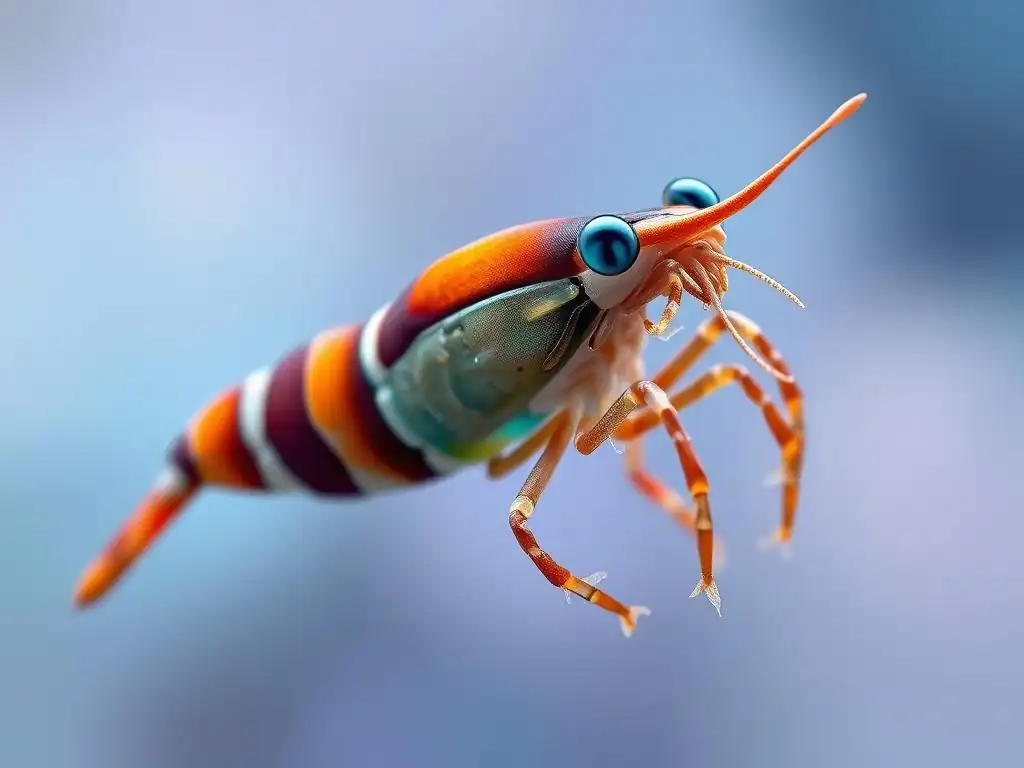
Black Tiger shrimp are another captivating variety within the Caridina cantonensis lineage, closely related to the OEBT shrimp. As their name suggests, their defining characteristic is a dark, often opaque black body, typically adorned with subtle or prominent vertical stripes that give them their "tiger" appearance. Unlike the OEBT, Black Tiger shrimp typically possess dark, almost black eyes, although some variations with golden or orange eyes (Golden Eye Black Tigers) exist.
These shrimp share similar care requirements with their OEBT counterparts, thriving in soft, slightly acidic water with stable parameters (pH 6.0-7.0, GH 4-6 dGH). Their striking dark coloration provides a dramatic contrast in a planted aquarium, particularly against green foliage or light-colored substrates. Black Tiger shrimp are generally peaceful and make excellent additions to dedicated shrimp tanks. Their robust nature, relative to some other high-end Caridina varieties, makes them a good choice for aquarists looking to expand their knowledge beyond the basic OEBT shrimp care guide.
Blue Bolt Shrimp
Blue Bolt shrimp are a stunning and highly sought-after Caridina variety, known for their vibrant, often opaque blue coloration that can range from sky blue to deep sapphire, often fading to white on the head or tail. While they share the Caridina genus with Tiger shrimp, Blue Bolts actually originated from Taiwan Bee shrimp lines ( Caridina cantonensis), not directly from the Tiger shrimp group, although they are often grouped together by enthusiasts who appreciate their similar preference for specific water parameters.
Unlike Tiger shrimp, Blue Bolts typically do not exhibit distinct stripe patterns; their beauty lies in their solid, intense blue hue. They require very specific and stable water conditions, even more so than OEBT shrimp. They thrive in very soft, acidic water with low TDS, often requiring specialized buffering substrates and remineralized RO/DI water (pH 5.5-6.5, GH 4-5 dGH, KH 0-1 dKH, TDS 80-150 ppm). Their care is considered more advanced than a standard OEBT shrimp care guide, making them a challenge for experienced aquarists.
Red Tiger Shrimp
Red Tiger shrimp are another attractive member of the Tiger shrimp family, characterized by their reddish-orange body coloration with distinct vertical stripes. The intensity of the red can vary from a translucent reddish hue to a more opaque, vibrant orange-red, often accentuated by darker bands. Similar to Black Tiger shrimp, Red Tiger shrimp typically have dark eyes, distinguishing them from the orange-eyed varieties.
These shrimp are prized for their lively colors, which can add a warm splash to any freshwater aquarium. Their care requirements are consistent with other Tiger shrimp varieties, preferring soft, acidic water and stable conditions. They are active grazers and peaceful inhabitants, making them suitable for community tanks with very small, non-aggressive fish or as part of a species-only setup. Red Tiger shrimp are a good option for aquarists who have mastered basic OEBT shrimp care and are looking to explore other aesthetically pleasing members of the Caridina genus.
Golden Eye Tiger Shrimp
Golden Eye Tiger shrimp are a unique and visually striking variant within the Tiger shrimp lineage, sharing a common ancestor with the OEBT. Their most defining feature, as their name implies, is their distinctive golden or yellowish-gold eyes, which contrast beautifully with their body color. While OEBTs are known for their blue bodies, Golden Eye Tiger shrimp can exhibit a range of body colors, often a clear, reddish, or even black base, with the characteristic vertical tiger stripes.
The presence of the golden eyes is a highly sought-after genetic trait, similar to the orange eyes in OEBTs. Care for Golden Eye Tiger shrimp mirrors that of other Caridina cantonensis varieties: they require soft, acidic water (pH 6.0-7.0, GH 4-6 dGH), stable temperatures, and excellent water quality. They are peaceful and thrive in well-maintained, planted aquariums. For enthusiasts who appreciate unique eye coloration, exploring Golden Eye Tiger shrimp offers a fascinating extension to the principles learned from a comprehensive OEBT shrimp care guide.
Common OEBT Shrimp Problems and Solutions
Diagnosing Common OEBT Shrimp Diseases
Diagnosing diseases in Orange Eye Blue Tiger (OEBT) shrimp can be challenging due to their small size and the subtle nature of their symptoms. However, recognizing common signs of distress or illness is crucial for prompt intervention. One frequent issue is bacterial infection, often indicated by a milky or cloudy appearance in the shrimp's muscle tissue, lethargy, and loss of appetite. This can be caused by poor water quality or stress. Solutions involve immediate water changes, improving filtration, and in severe cases, mild antibacterial treatments (used with extreme caution as shrimp are sensitive to medications).
Another common problem is fungal infections, which may manifest as fuzzy white or black growths on the shrimp's body or gills. These are often secondary infections in stressed or injured shrimp. Maintaining pristine water conditions and ensuring a balanced diet are key preventative measures. Molting issues are also prevalent, signaled by a shrimp struggling to shed its old exoskeleton, often dying "mid-molt."
This is usually due to insufficient calcium, incorrect GH/TDS levels, or sudden parameter changes. Ensuring stable water parameters and adequate calcium in their diet, as outlined in any good OEBT shrimp care guide, is the primary solution. Regularly observing your shrimp for unusual behavior or physical changes is the first step in effective problem-solving.
Dealing with Algae Issues in OEBT Shrimp Tanks
While Orange Eye Blue Tiger (OEBT) shrimp are excellent grazers of soft algae and biofilm, excessive algae growth in their tank indicates an underlying imbalance and can become a problem. Common algae types include green spot algae, hair algae, and brown diatom algae. Overfeeding is a primary culprit, as it introduces excess nutrients (phosphates and nitrates) into the water. Too much light, especially prolonged periods or intense lighting, also fuels algae growth.
To deal with algae issues, the first step is to identify and correct the root cause. Reduce feeding frequency and quantity, ensuring all food is consumed within a few hours. Adjust lighting schedules to 8-10 hours per day, and consider reducing light intensity if possible. Performing more frequent, small water changes (e.g., 10-15% every few days) can help remove excess nutrients.
Manual removal of visible algae, scrubbing it off tank surfaces and decor, is also effective. Introducing other algae-eating invertebrates like Nerite snails can provide additional clean-up crew support, complementing the OEBT shrimp's grazing. A holistic approach to water quality, as emphasized in any comprehensive OEBT shrimp care guide, is key to controlling algae.
Preventing and Treating Parasites in OEBT Shrimp
Preventing and treating parasites in Orange Eye Blue Tiger (OEBT) shrimp tanks requires vigilance and careful management, as shrimp are highly sensitive to many medications. Common parasites include Planaria (flatworms) and Hydras. Planaria are small, flat, worm-like creatures with a triangular head and two eye spots, often seen gliding on tank surfaces. They are opportunistic predators that can consume shrimp eggs and even shrimplets. Hydras are tiny, stalked polyps with tentacles, resembling miniature anemones, which can sting and kill shrimp fry.
Prevention is the best approach:
- Quarantine new additions: Always quarantine new shrimp, plants, or decor in a separate tank for at least 2-4 weeks to avoid introducing parasites.
- Avoid overfeeding: Excess food provides a nutrient source for parasites to multiply.
- Maintain cleanliness: Regular substrate vacuuming and water changes remove detritus where parasites can thrive.
For treatment, certain medications can be effective but must be used with extreme caution. Products containing Fenbendazole (e.g., No Planaria, Panacur C) can eliminate Planaria and Hydra, but dosage is critical, as overdosing can harm shrimp. Always follow product instructions meticulously and consider starting with a lower dose. Manual removal of visible parasites is also an option for smaller infestations. A proactive approach to tank hygiene and careful introduction of new elements, as detailed in an advanced OEBT shrimp care guide, will minimize parasite risks.
Buying OEBT Shrimp: What to Look For
Finding Reputable OEBT Shrimp Breeders and Sellers
Finding reputable Orange Eye Blue Tiger (OEBT) shrimp breeders and sellers is crucial for acquiring healthy, genetically strong specimens and ensuring a positive experience with OEBT shrimp care. Avoid impulse purchases from unknown sources. Instead, seek out sellers with a proven track record and transparent practices. Online shrimp forums and dedicated aquarist communities are excellent places to start, as members often recommend trusted breeders or have classified sections where shrimp are sold directly.
When evaluating a seller, look for those who:
- Specialize in Caridina shrimp: Breeders focusing on specific shrimp types often have more expertise and better breeding practices.
- Provide clear photos and descriptions: High-quality images of their actual stock, not stock photos, are a good sign.
- Are knowledgeable and willing to answer questions: A reputable seller can provide details about their water parameters, feeding regimen, and breeding history.
- Offer a live arrival guarantee: This demonstrates confidence in their shipping methods and the health of their shrimp.
- Have positive reviews or testimonials: Check online feedback from other buyers.
Local fish stores can also be reputable, but ensure their shrimp tanks are clean, well-maintained, and the shrimp appear active and healthy. Asking about their water parameters and source of shrimp is always a good practice. Investing time in finding a good source is a key step in successful OEBT shrimp care.
Assessing the Health of OEBT Shrimp Before Purchase
Before purchasing Orange Eye Blue Tiger (OEBT) shrimp, whether online or in person, it's vital to assess their health to avoid introducing disease into your established aquarium. A careful visual inspection can reveal much about a shrimp's condition. Look for shrimp that are:
- Active and foraging: Healthy shrimp are constantly moving, grazing on surfaces, and exploring their environment. Lethargic or motionless shrimp are a red flag.
- Brightly colored: The blue body and orange eyes should be vibrant and clear. Dull coloration can indicate stress or illness.
- Clear carapace: The shell should be translucent and free of any opaque spots, white patches, or fungal growths.
- Intact limbs: All legs, antennae, and swimmerets should be present and undamaged. Missing limbs can indicate recent molting issues or aggression.
- Free from parasites: Visually inspect the shrimp for any external parasites like Planaria or Vorticella, often appearing as tiny white specks or threads.
Avoid any shrimp that are lying on their side, twitching uncontrollably, have cloudy muscle tissue, or show signs of struggling to breathe. If purchasing online, ask the seller for a video of the shrimp to observe their behavior. A thorough assessment before purchase is a fundamental step in responsible OEBT shrimp care and preventing future problems.
Quarantine Procedures for New OEBT Shrimp
Implementing a strict quarantine procedure for new Orange Eye Blue Tiger (OEBT) shrimp is arguably one of the most critical steps in preventing the introduction of diseases, parasites, and unwanted pests into your main display tank. Even shrimp from reputable breeders can carry dormant pathogens or external hitchhikers. A quarantine tank should be a separate, fully cycled aquarium, ideally 2-5 gallons (7.5-19 liters), with a sponge filter, heater (if needed), and some hiding spots like moss or cholla wood.
The quarantine period should last a minimum of 2-4 weeks. During this time:
- Monitor closely: Observe the new shrimp daily for any signs of illness, unusual behavior, or the appearance of parasites (e.g., Planaria, Hydra, Vorticella).
- Maintain pristine water quality: Perform regular, small water changes using water matched to the main tank's parameters.
- Feed sparingly: Provide minimal food to prevent water fouling.
- Avoid adding anything else: Do not introduce new plants, decor, or other animals to the quarantine tank during this period.
If any issues arise, they can be treated in the quarantine tank without risking the entire main colony. Only after the quarantine period is complete and the shrimp show no signs of illness should they be slowly acclimated and introduced to the main OEBT shrimp tank. This cautious approach is a hallmark of advanced OEBT shrimp care and significantly reduces long-term risks.
OEBT Shrimp vs. Other Shrimp Species: A Comparison
OEBT Shrimp vs. Crystal Shrimp
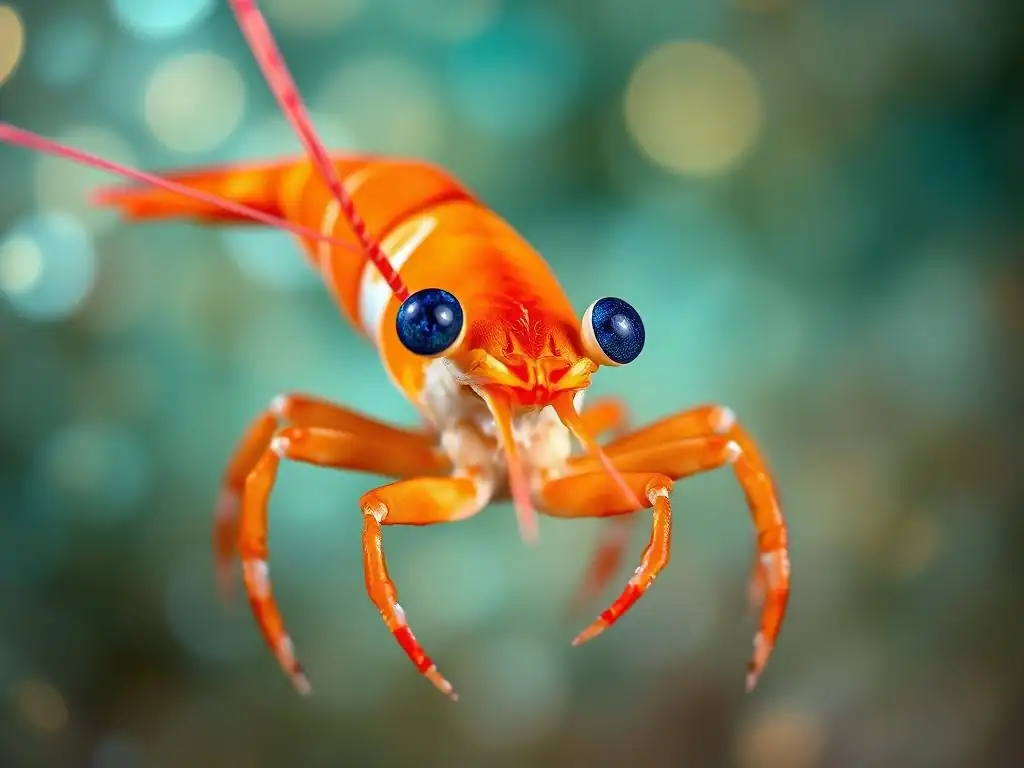
Orange Eye Blue Tiger (OEBT) shrimp and Crystal shrimp (Crystal Red Shrimp - CRS and Crystal Black Shrimp - CBS) are both highly popular varieties within the Caridina cantonensis species, sharing a common genetic lineage. However, they exhibit distinct visual differences and often have subtle variations in their optimal water parameter preferences, making their respective OEBT shrimp care guides unique.
Visual Differences:
- OEBT Shrimp: Characterized by a blue body (ranging from light to opaque) and striking orange eyes, often with faint vertical "tiger" stripes.
- Crystal Shrimp: Known for their opaque white and red (CRS) or white and black (CBS) banding patterns, lacking the distinctive orange eyes.
Water Parameter Preferences:
Both prefer soft, acidic water, but Crystal shrimp often thrive in slightly cooler temperatures (65-72°F or 18-22°C) and sometimes prefer slightly lower pH (5.8-6.8) and TDS (80-180 ppm) compared to OEBTs. While their needs are similar enough that they can often be kept in the same tank if parameters are carefully maintained, subtle differences exist. Crystal shrimp are also generally considered more sensitive to unstable conditions than OEBTs.
OEBT Shrimp vs. Neocaridina Shrimp
The distinction between Orange Eye Blue Tiger (OEBT) shrimp ( Caridina cantonensis) and Neocaridina shrimp (e.g., Cherry shrimp, Blue Dream shrimp, Amano shrimp) is fundamental in the freshwater shrimp hobby, primarily due to their vastly different water parameter requirements. While both are popular freshwater invertebrates, their care guides diverge significantly.
Water Parameter Preferences:
- OEBT Shrimp (Caridina): Require very soft, acidic water with low KH and TDS (pH 6.0-7.0, GH 4-6 dGH, KH 0-2 dKH, TDS 100-200 ppm). They are sensitive to nitrates and fluctuations.
- Neocaridina Shrimp: Much hardier and adaptable, thriving in a wider range of water parameters, generally preferring harder, more alkaline water (pH 6.5-8.0, GH 6-10 dGH, KH 3-8 dKH, TDS 150-300 ppm). They are more tolerant of varying conditions and higher nitrates.
Crossbreeding:
- OEBT Shrimp: Can crossbreed with other Caridina cantonensis varieties (e.g., Crystal, Taiwan Bee) potentially producing mixed offspring, but not with Neocaridina species.
- Neocaridina Shrimp: Different Neocaridina color morphs can interbreed, leading to wild-type brown offspring. They cannot interbreed with Caridina species.
Due to their differing water chemistry needs, it is generally not recommended to keep OEBT shrimp and Neocaridina shrimp in the same tank, as optimizing conditions for one will likely stress the other. This makes understanding their specific needs a crucial part of any OEBT shrimp care guide.
OEBT Shrimp vs. Amano Shrimp: Tank Compatibility
Comparing Orange Eye Blue Tiger (OEBT) shrimp with Amano shrimp ( Caridina multidentata) primarily focuses on their tank compatibility and roles within the aquarium. While both are Caridina species, they have distinct characteristics and life cycles that make them complementary rather than competitive in a well-planned setup.
Visual and Size Differences:
- OEBT Shrimp: Small (1-1.5 inches), often vibrantly colored with specific patterns and orange eyes. Breeds readily in freshwater.
- Amano Shrimp: Larger (up to 2 inches), typically a translucent gray or brownish body with faint dots or dashes. Their larval stage requires saltwater, making home breeding extremely challenging.
Primary Role in Tank:
- OEBT Shrimp: Prized for their aesthetic beauty and breeding potential. Also consume biofilm and soft algae.
- Amano Shrimp: Renowned as exceptional algae eaters, particularly effective against hair algae and brush algae, making them highly functional members of the clean-up crew.
Tank Compatibility:
Amano shrimp are generally considered excellent tank mates for OEBT shrimp. They are peaceful, non-aggressive, and do not interbreed with OEBTs. Their larger size means they are less likely to be preyed upon by very small fish that might opportunistically target OEBT fry. Since Amanos also prefer clean, stable water, their needs align well with the parameters optimized for OEBT shrimp care. This makes them a popular choice for aquarists looking for an effective algae solution that coexists harmoniously with their prized OEBT colony.
Advanced OEBT Shrimp Keeping: Tips and Tricks
Selective Breeding for Enhanced OEBT Shrimp Colors
Selective breeding is a cornerstone of advanced OEBT shrimp care, allowing dedicated aquarists to enhance specific traits like color intensity, pattern clarity, and eye vibrancy. This process involves carefully choosing parent shrimp with the most desirable characteristics and isolating them for breeding, then meticulously culling (removing) offspring that do not meet the desired standards or exhibit undesirable traits. For OEBT shrimp, breeders often aim for a deeper, more opaque blue body and a brighter, more defined orange eye.
The process often starts with a large initial group of OEBT shrimp. As they mature, individuals displaying the best blue coloration and most vibrant orange eyes are selected for the next breeding generation. Those with dull colors, weak patterns, or dark eyes are removed from the breeding pool to prevent them from passing on undesirable genes.
This iterative process, spanning multiple generations, gradually refines the genetic line. Understanding basic genetics, maintaining detailed records of breeding pairs and their offspring, and having multiple tanks for culling and line isolation are crucial for success in selective breeding, moving beyond a basic OEBT shrimp care guide to true mastery.
Using Specialized Substrates for OEBT Shrimp
For advanced OEBT shrimp care, the choice of substrate plays a pivotal role in maintaining the precise water parameters these Caridina shrimp require. While inert substrates can be used, specialized buffering or "active" substrates are highly recommended and widely used by experienced breeders. These substrates are typically made from baked soil or clay and have the unique ability to actively lower and stabilize pH and KH, creating the soft, acidic environment that OEBT shrimp thrive in.
Popular examples include ADA Aqua Soil Amazonia, Fluval Stratum, and Brightwell Aquatics FlorinVolcanit. These substrates absorb minerals from the water, reducing KH to near zero and buffering the pH to a range of 6.0-6.8, which is ideal for Caridina cantonensis. They also release humic acids and other beneficial compounds that mimic natural blackwater environments.
While initially expensive, active substrates significantly reduce the need for constant chemical adjustments and provide a more stable environment, minimizing stress and promoting health and breeding for OEBT shrimp. They also offer a large surface area for beneficial bacteria and biofilm growth, crucial food sources for shrimp.
Advanced Filtration Techniques for OEBT Shrimp Tanks
While sponge filters are the go-to for basic OEBT shrimp care, advanced keepers often employ additional filtration techniques to achieve ultimate water purity and stability. The primary goal is to maintain near-zero levels of ammonia and nitrite, and very low nitrates, while also controlling total dissolved solids (TDS) and maintaining precise mineral content.
One common advanced technique involves the use of Reverse Osmosis (RO) or de-ionized (DI) water combined with specialized remineralizers. RO/DI water removes virtually all impurities and minerals, providing a "blank slate." Aquarists then add Caridina-specific remineralizers (e.g., SaltyShrimp GH+) to achieve the exact desired GH and TDS levels, ensuring consistent and ideal water parameters with every water change. This eliminates the variability of tap water.
Another technique involves drip systems, where small, continuous amounts of fresh, remineralized RO/DI water are slowly dripped into the tank, with an overflow removing old water. This maintains incredibly stable parameters and dilutes pollutants over time. Regular water testing with high-quality liquid test kits and a TDS meter remains paramount to monitor these advanced systems and ensure optimal conditions for OEBT shrimp.
Conclusion: Mastering OEBT Shrimp Care
The Rewards of Keeping OEBT Shrimp
Mastering Orange Eye Blue Tiger (OEBT) shrimp care is a rewarding endeavor that offers both aesthetic pleasure and the deep satisfaction of successfully maintaining a thriving, specialized aquatic ecosystem. These captivating invertebrates, with their striking blue bodies and vibrant orange eyes, add unparalleled beauty and unique character to any freshwater aquarium. Witnessing their intricate behaviors, from their constant foraging to the delicate molting process, provides endless fascination for the dedicated aquarist.
Beyond their visual appeal, the successful breeding of OEBT shrimp is a significant achievement, showcasing an aquarist's commitment to precise water parameter management and meticulous husbandry. Seeing tiny shrimplets emerge and grow into healthy adults is a testament to the effort invested in their care. The challenge of providing optimal conditions for these sensitive Caridina shrimp fosters a deeper understanding of aquatic biology and water chemistry, enhancing one's overall aquarium keeping skills. The vibrant colors and peaceful presence of a healthy OEBT colony make all the effort worthwhile, creating a living masterpiece in your home.
Resources for Further Learning About OEBT Shrimp and Tiger Shrimp
For those looking to deepen their knowledge and truly master OEBT shrimp care and the keeping of other Tiger shrimp varieties, a wealth of resources is available within the passionate aquarist community. While this OEBT shrimp care guide provides a comprehensive foundation, continuous learning is key to addressing specific challenges and advancing your skills.
- Online Forums and Communities: Active online forums dedicated to freshwater shrimp and Caridina species are invaluable. They offer platforms for asking questions, sharing experiences, and learning from seasoned breeders and hobbyists worldwide. Many experienced shrimp keepers share their detailed setups, water parameters, and breeding tips.
- Specialized Websites and Blogs: Numerous websites and blogs focus exclusively on shrimp keeping, providing in-depth articles, species profiles, and troubleshooting guides. Look for sites known for their scientific accuracy and practical advice.
- YouTube Channels: Visual learners can benefit from YouTube channels run by experienced shrimp keepers, offering practical demonstrations on tank setup, water testing, feeding techniques, and breeding processes.
- Books on Freshwater Shrimp: While less common than online resources, specialized books on Caridina shrimp or freshwater invertebrate keeping can offer a structured and comprehensive understanding of their biology, genetics, and advanced care techniques.
By actively engaging with these resources, aquarists can continually refine their OEBT shrimp care strategies, troubleshoot issues effectively, and contribute to the collective knowledge of the freshwater shrimp hobby, ensuring the continued success and enjoyment of these exquisite invertebrates.
Frequently Asked Questions
What are Orange Eye Blue Tiger (OEBT) shrimp and why are they so popular?
OEBT shrimp are a highly sought-after variety of Caridina cantonensis known for their vibrant orange eyes and distinct blue coloration. Their popularity stems from their beauty and the challenge associated with their breeding.
What are the key water parameters needed for successful OEBT shrimp care?
OEBT shrimp require stable and pristine water conditions. This includes a pH between 6.0-7.0, a TDS (Total Dissolved Solids) of 100-200 ppm, and a KH (Carbonate Hardness) of 0-2. Consistent monitoring and adjustment are crucial.
What do OEBT shrimp eat, and how often should I feed them?
OEBT shrimp are detritivores and biofilm grazers, so they will naturally graze on algae and microorganisms in the tank. Supplement their diet with high-quality shrimp food 2-3 times a week, being careful not to overfeed.
How do I breed OEBT shrimp, and what are the challenges involved?
Breeding OEBT shrimp requires stable water parameters, a mature tank, and a balanced diet. The main challenge is maintaining these conditions consistently and achieving a high survival rate for the shrimplets.
What are some common issues that OEBT shrimp keepers face, and how can they be resolved?
Common issues include molting problems, bacterial infections, and sensitivity to water changes. Regular water changes with remineralized RO/DI water and maintaining a healthy and stable environment can help prevent these problems.
Final Reflection: The Enduring Allure of Aquatic Art
The intricate world of ornamental shrimp, particularly the captivating Orange Eye Blue Tiger (OEBT) shrimp, is more than just a niche hobby; it's a testament to our enduring fascination with the beauty and complexity of the natural world, even within the confines of our own homes. As we've explored the nuances of OEBT shrimp care, we've uncovered not only the practicalities of maintaining these delicate creatures but also the profound satisfaction that comes from nurturing life and creating miniature ecosystems.
The dedication required to successfully keep OEBT shrimp reflects a deeper appreciation for biodiversity and responsible pet ownership. My own journey into shrimp keeping has instilled a profound respect for the delicate balance of aquatic life, a balance that mirrors the interconnectedness of our own world. In the end, we will conserve only what we love; we will love only what we understand; and we will understand only what we are taught.
- Baba Dioum. This quote encapsulates the importance of understanding and appreciating the intricacies of OEBT shrimp, and indeed all living things, to ensure their continued survival and our own enrichment.
Now, as you embark on your own OEBT shrimp keeping adventure, or simply reflect on the beauty of these aquatic gems, consider the broader implications of your actions. Let the meticulous care you provide these tiny creatures serve as a reminder of the responsibility we all share to protect and preserve the delicate ecosystems that surround us. Embrace the challenge, celebrate the successes, and remember that even the smallest of creatures can inspire the greatest of passions.
Unleash Your Shrimp-Keeping Potential!
Thanks for diving into the world of tiger shrimp! We hope you've found some inspiration and knowledge to enhance your aquarium hobby. Now, let's put that knowledge to work!
Here are a few things you can do next:
- Dive deeper and start planning your own OEBT shrimp tank. Research ideal tank parameters, compatible tank mates, and food options.
- Share this article with fellow shrimp enthusiasts and spark a conversation about your favorite tiger shrimp varieties.
- Consider joining an online aquarium forum or local fish club to connect with experienced shrimp keepers and learn from their successes (and failures! ).
Ready to take the plunge and create a thriving shrimp paradise?