
Troubleshooting Common Saltwater Shrimp Health Issues

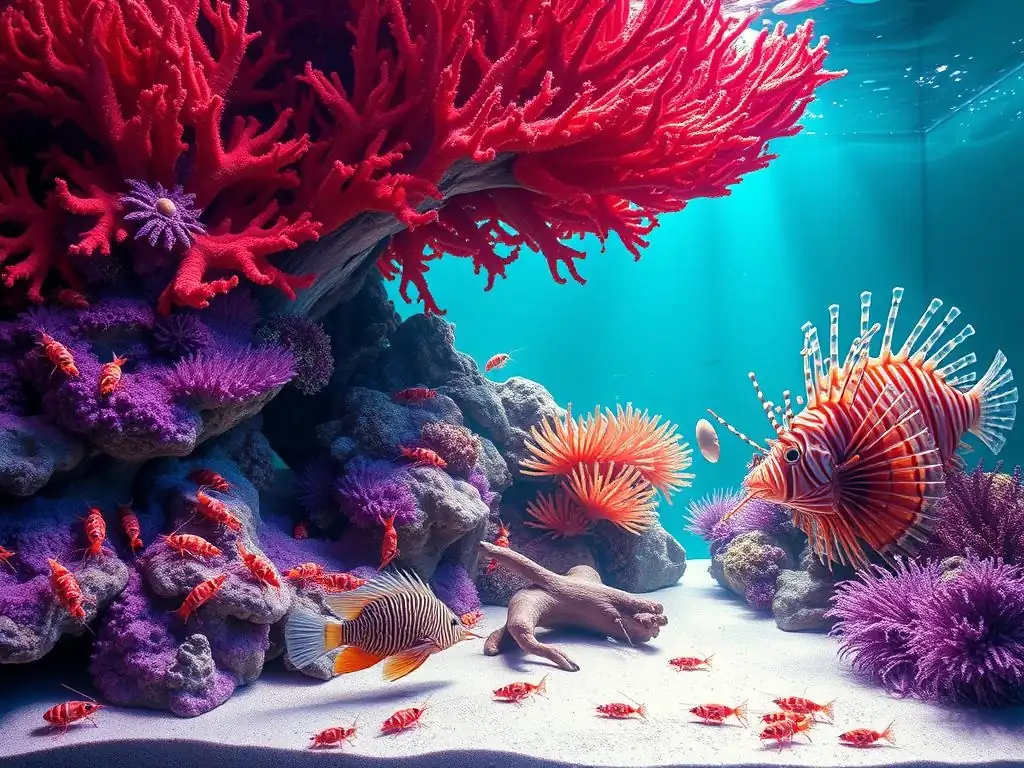
Welcome to Aquarium Mastery!
Ever wondered if your vibrant saltwater shrimp is truly thriving? We're diving deep into the fascinating, and sometimes challenging, world of saltwater shrimp health. This article tackles common issues head-on, offering practical solutions to keep your crustaceans happy and healthy. Ready to uncover the secrets to preventing and troubleshooting those pesky saltwater shrimp health problems? Let's get started!
- Understanding Saltwater Shrimp Health Problems
- Diagnosing Saltwater Shrimp Diseases and Ailments
- Addressing Environmental Factors Impacting Shrimp Health
- Nutritional Deficiencies and Diet-Related Shrimp Problems
- Molting Issues in Saltwater Shrimp: Causes and Solutions
- Preventing Saltwater Shrimp Health Problems
- Specific Saltwater Shrimp Species and Their Common Health Problems
- When to Seek Expert Help for Sick Saltwater Shrimp
-
Frequently Asked Questions
- What are some common signs that my saltwater shrimp is unhealthy?
- What are the most frequent causes of saltwater shrimp health problems?
- How can I improve the water quality to prevent shrimp health issues?
- What are some essential nutrients for saltwater shrimp to maintain good health?
- How can I prevent aggression from other fish affecting my saltwater shrimp's health?
- Final Reflection: Navigating the Delicate Balance of Saltwater Life
- Unleash Vibrant Shrimp Health Today!
Understanding Saltwater Shrimp Health Problems
Importance of Identifying Early Signs of Shrimp Illness
Identifying early signs of illness in saltwater shrimp is paramount for the health of your entire aquarium. Shrimp, like many aquatic invertebrates, have rapid metabolisms and can succumb to diseases very quickly, often within 24 to 48 hours of symptoms appearing. Their delicate nature means that a small change in water quality or the introduction of a pathogen can rapidly escalate into a serious saltwater shrimp health problem, potentially affecting other invertebrates and even fish in a shared environment. Early detection allows for immediate intervention, which can be the difference between recovery and widespread mortality.
Observing subtle changes in shrimp behavior or appearance is crucial for proactive care. Signs such as lethargy, reduced or absent feeding, unusual swimming patterns (e.g., erratic movements or constant hiding), and discoloration (e.g., dullness, reddish tint, or opaque patches) are often the first indicators. A shrimp struggling to molt, or one that has an incomplete molt, also points to underlying saltwater shrimp health problems. Promptly addressing these subtle cues can prevent the spread of disease and minimize stress on the affected shrimp, significantly improving their chances of survival.
Common Causes of Saltwater Shrimp Health Issues in Aquariums
Saltwater shrimp health problems in aquariums typically stem from a combination of environmental stressors, nutritional deficiencies, and the introduction of pathogens. Poor water quality is arguably the most common culprit, encompassing issues like fluctuating salinity, unstable pH, and elevated levels of ammonia, nitrite, or nitrate. These unfavorable conditions weaken the shrimp's immune system, making them highly susceptible to secondary infections and reducing their ability to recover from stress.
Beyond water quality, other significant factors contribute to saltwater shrimp health problems. Inadequate nutrition, characterized by a lack of essential vitamins and minerals, can lead to molting difficulties and overall weakness. Stress, induced by aggressive tank mates, insufficient hiding spots, or improper acclimation to a new environment, also compromises their health.
Furthermore, the introduction of new, unquarantined livestock can bring in harmful bacteria, fungi, or parasites, which can quickly devastate a shrimp population. For instance, a sudden temperature swing of more than 2-3°F within a few hours can be enough to trigger severe stress responses in sensitive species like Cleaner Shrimp.
Diagnosing Saltwater Shrimp Diseases and Ailments
Identifying Bacterial Infections in Saltwater Shrimp
Bacterial infections are a common and often rapidly progressing saltwater shrimp health problem. General signs include cloudy eyes, visible lesions or erosions on the shell, and a reddish discoloration, particularly on the legs, joints, or underside of the shrimp, often referred to as "red leg syndrome." Affected shrimp may also exhibit lethargy, reduced feeding, and an overall dull or opaque appearance. These infections frequently arise as secondary issues when shrimp are stressed or injured, or when water quality is compromised.
Common bacterial culprits in marine aquariums include species from the Vibrio, Aeromonas, and Pseudomonas genera. While these bacteria are naturally present in marine environments, they become pathogenic when shrimp are weakened by poor conditions, leading to opportunistic infections. For example, Vibrio species are notorious for causing shell necrosis, appearing as black spots or eroded areas on the exoskeleton, which can quickly spread and cause significant losses if not addressed.
Recognizing Signs of Vibriosis in Shrimp
Vibriosis is a particularly devastating bacterial saltwater shrimp health problem caused by Vibrio bacteria. The most recognizable symptom is "red leg" syndrome, where the shrimp's legs and pleopods turn distinctly red due to internal hemorrhaging. Other signs include severe shell necrosis, presenting as black lesions or deep erosions on the carapace or abdomen, often leading to secondary fungal growth. Affected shrimp will typically become lethargic, refuse to eat, and may exhibit erratic swimming before succumbing to the infection, sometimes within just a few days of symptom onset.
The rapid progression of Vibriosis makes it a serious threat. Vibrio bacteria are ubiquitous in marine environments, but their proliferation is often triggered by stressful conditions such as overcrowding, poor water quality, or sudden temperature changes. A single infected shrimp can quickly introduce the bacteria to the entire tank, leading to widespread infection. For instance, a study on penaeid shrimp found that Vibrio harveyi could cause up to 90% mortality in stressed populations within 72 hours.
Treatment Options for Bacterial Shrimp Infections
Treating bacterial saltwater shrimp health problems requires a multi-pronged approach, often starting with improving environmental conditions. The first step is to conduct a significant water change (e.g., 25-30%) using properly mixed saltwater, followed by diligent maintenance to ensure optimal water parameters (zero ammonia/nitrite, low nitrates, stable salinity, and pH). Increasing aeration can also help by improving oxygen saturation, which aids the shrimp's respiratory function. Reducing stressors like aggressive tank mates or insufficient hiding spots is also crucial.
For more severe or persistent bacterial infections, broad-spectrum antibiotics may be considered, but with extreme caution as many are harmful to invertebrates. If possible, the affected shrimp should be moved to a hospital tank to avoid treating the main display. Medications like Maracyn 2 (minocycline) or Furan-2 (nitrofurazone) are sometimes used, but their efficacy and safety for all shrimp species can vary, and they will negatively impact beneficial bacterial colonies. It's important to note that direct antibiotic treatment of shrimp can be challenging due to their sensitivity and small size, making prevention through excellent husbandry the preferred method.
Recognizing Fungal Infections in Saltwater Shrimp
Fungal infections in saltwater shrimp are less common than bacterial ones but can be equally detrimental, especially in compromised individuals. They typically manifest as fuzzy, cotton-like growths on the shrimp's body, gills, or appendages. These growths can appear as discolored patches, often whitish or grayish, and may spread if not addressed. Fungal infections frequently develop in areas where the shrimp has sustained an injury or where its exoskeleton has been compromised.
These infections are often opportunistic, taking hold when a shrimp's immune system is weakened due to poor water quality, stress, or other underlying saltwater shrimp health problems. While not as rapidly spreading as some bacterial infections, fungal issues can lead to lethargy, reduced feeding, and ultimately death if left untreated. They are particularly problematic for newly molted shrimp, whose soft shells are more vulnerable to colonization.
Identifying Lagenidium Infections
Lagenidium is a notorious genus of water molds (oomycetes) that can cause severe fungal infections in marine invertebrates, including saltwater shrimp. An infection with Lagenidium typically presents as opaque, whitish areas on the shrimp's body, often starting on the gills, legs, or other appendages. These areas may appear fuzzy or cotton-like and can quickly spread, making the shrimp lethargic and causing a loss of appetite. In severe cases, the entire shrimp may become covered in a visible fungal growth.
Lagenidium thrives in suboptimal water conditions, particularly those with high organic loads or poor circulation. While it can affect adult shrimp, it is particularly devastating to larval and juvenile shrimp, leading to mass mortalities in aquaculture settings. Its spores are highly motile and can rapidly spread throughout the water column, making it a significant saltwater shrimp health problem that requires prompt action to prevent widespread infection.
Managing Fungal Infections in Saltwater Shrimp Tanks
Managing fungal saltwater shrimp health problems primarily involves improving water quality and, in some cases, using appropriate anti-fungal treatments. The first step is to ensure pristine water parameters, including zero ammonia and nitrite, low nitrates, and stable salinity and pH. Performing a substantial water change (e.g., 20-30%) and increasing aeration can help reduce the fungal load and improve the shrimp's overall health. Removing any uneaten food or decaying matter is also crucial to reduce organic nutrients that fuel fungal growth.
For direct treatment, affected shrimp should ideally be isolated in a hospital tank. Anti-fungal medications formulated for marine invertebrates can be used, although options are limited and caution is advised. Methylene blue, while staining the tank, is sometimes employed in very dilute solutions as a bath, but its efficacy varies, and it can be stressful for the shrimp. The most effective long-term strategy is prevention through rigorous quarantine of new arrivals and consistent, high-quality husbandry to maintain a strong immune system in your shrimp.
Parasitic Infestations Affecting Saltwater Shrimp
Parasitic infestations, while less common than bacterial or fungal issues in established home aquariums, can still pose significant saltwater shrimp health problems. These parasites can be external, visible on the shrimp's body, or internal, causing more subtle signs of illness. Common indicators of a parasitic infestation include unusual scratching or rubbing against tank decor, emaciation despite regular feeding, lethargy, or visible foreign organisms attached to the shrimp.
Parasites are most frequently introduced into the aquarium with new livestock, live rock, or unquarantined corals. Once established, some parasites can reproduce rapidly, leading to widespread infestation if not addressed promptly. While internal parasites are rare in ornamental shrimp, external parasites like certain copepods or water molds can attach to the shrimp's gills or shell, feeding on their tissues and weakening them over time, making them more susceptible to secondary infections.
Spotting Ellobiopsidae Parasites
Ellobiopsidae are a group of crustacean parasites (specifically, epicaridean isopods or similar copepod-like organisms) that can attach to marine shrimp, causing significant saltwater shrimp health problems. They typically appear as small, dark, sac-like growths, often found attached to the shrimp's gills, under the carapace, or near the base of the legs. These parasites feed on the shrimp's hemolymph (blood), gradually weakening their host.
Shrimp infected with Ellobiopsidae may exhibit lethargy, reduced feeding, and a general decline in health. Over time, the parasitic burden can lead to emaciation and eventually death. These parasites are difficult to treat directly in the main display tank without harming other invertebrates, as most anti-parasitic medications are toxic to shrimp. Prevention through strict quarantine of all new shrimp and live rock is the most effective method to avoid introducing these problematic organisms.
Dealing with Scutariella Japonica
Scutariella Japonica is a type of external ciliate parasite, often mistaken for a fungus or small worm, that can affect various aquatic invertebrates, including saltwater shrimp. It typically appears as small, white, fuzzy, or thread-like growths, most commonly observed on the shrimp's rostrum (nose), antennae, or other head appendages. While generally not immediately fatal, a heavy infestation can cause irritation, stress, and interfere with the shrimp's feeding and sensory functions, contributing to overall saltwater shrimp health problems.
Dealing with Scutariella Japonica can be challenging. For mild infestations, improving water quality and ensuring a pristine environment can sometimes help the shrimp shed the parasites during molting. In more severe cases, a very brief freshwater dip (e.g., 30-60 seconds in dechlorinated freshwater matched for temperature and pH to the tank water) can sometimes dislodge the parasites, but this is a highly stressful procedure for saltwater shrimp and carries significant risk.
Physical removal with fine tweezers may be possible for larger, easily accessible growths, but this too is stressful. The best approach remains prevention through diligent quarantine procedures for all new shrimp introductions.
Addressing Environmental Factors Impacting Shrimp Health
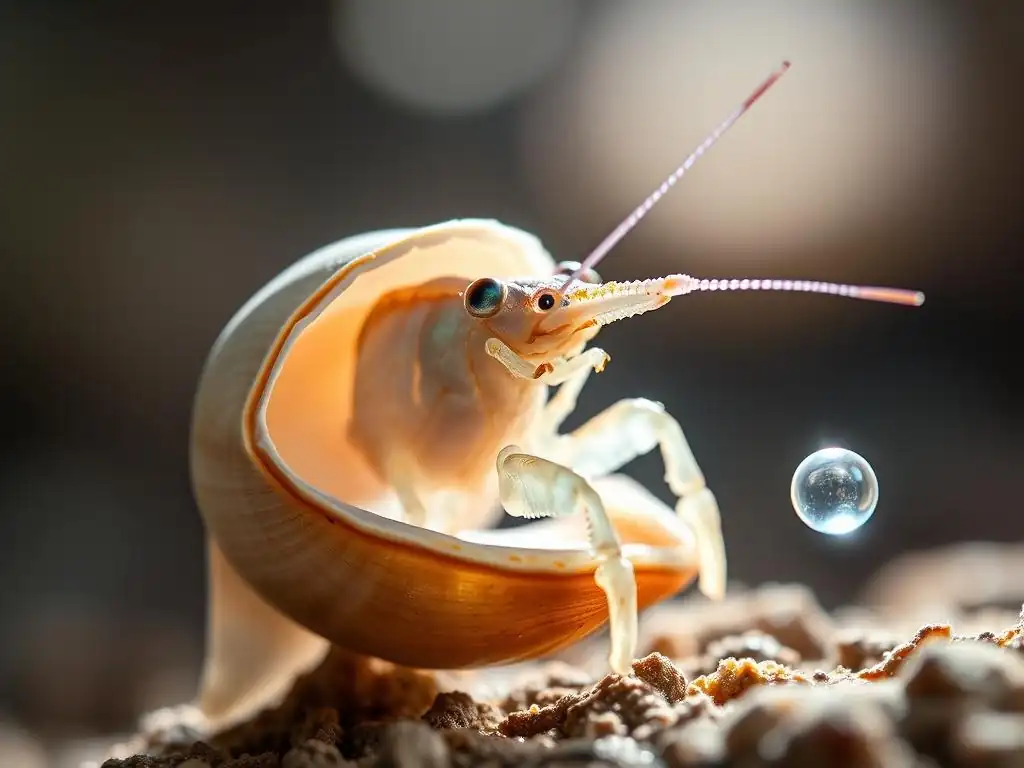
The Impact of Water Quality on Saltwater Shrimp Health
Water quality is the single most critical factor influencing saltwater shrimp health. Shrimp are extremely sensitive to fluctuations in their environment, and stable parameters are often more important than hitting absolute "perfect" numbers, as sudden shifts cause immense stress. Any deviation from optimal conditions can severely weaken their immune system, making them highly susceptible to disease and molting issues. Maintaining consistent water parameters is foundational to preventing saltwater shrimp health problems.
Key parameters that directly impact shrimp health include salinity, temperature, pH, alkalinity, calcium, and magnesium. Salinity should be stable between 1.023 and 1.026 specific gravity. Temperatures should remain between 72-78°F (22-26°C), avoiding drastic swings. A stable pH of 8.1-8.4 is ideal. Alkalinity levels of 8-12 dKH, calcium at 400-450 ppm, and magnesium at 1200-1350 ppm are crucial for proper molting and overall physiological function. Consistently monitoring and maintaining these ranges is essential to prevent widespread saltwater shrimp health problems.
Ammonia and Nitrite Poisoning in Shrimp
Ammonia (NH3) and nitrite (NO2-) are highly toxic compounds for all aquatic life, but particularly so for sensitive invertebrates like saltwater shrimp. Even at very low concentrations, such as 0.1 ppm of ammonia, these compounds can be lethal. Ammonia directly interferes with the shrimp's ability to excrete waste and absorb oxygen, leading to internal poisoning. Nitrite, on the other hand, impairs the oxygen-carrying capacity of their hemocyanin (the shrimp equivalent of hemoglobin), effectively suffocating them.
Symptoms of ammonia and nitrite poisoning in shrimp include rapid gill movement, lethargy, loss of appetite, erratic swimming, and a general dull or opaque appearance. Affected shrimp may also try to escape the water or hide excessively. Any detectable levels of ammonia or nitrite in a saltwater aquarium indicate a serious problem with the biological filtration or an overstocked tank, representing an immediate and severe saltwater shrimp health problem that requires urgent intervention, such as large water changes and the addition of beneficial bacteria.
Maintaining Optimal Water Parameters for Shrimp
Maintaining optimal water parameters for saltwater shrimp requires consistent monitoring and proactive measures. Regular water testing is non-negotiable; weekly checks for ammonia, nitrite, nitrate, pH, salinity, and temperature are essential. Monthly tests for calcium, alkalinity, and magnesium are also highly recommended, as these play a critical role in molting success. Utilizing reliable test kits is crucial for accurate readings.
To ensure stability and ideal conditions, consistent water changes are vital. Performing 10-20% water changes bi-weekly helps dilute nitrates, replenish essential trace elements, and remove accumulated organic waste. Always use high-quality RO/DI (Reverse Osmosis/Deionized) water for mixing salt and for top-offs to prevent the introduction of impurities or unwanted minerals. Avoiding overfeeding, ensuring adequate biological and mechanical filtration, and maintaining proper water circulation are also key strategies to prevent the accumulation of toxins and ensure a healthy environment, thus mitigating many potential saltwater shrimp health problems.
Importance of Proper Acclimation for New Shrimp
Proper acclimation is a critical step in introducing new saltwater shrimp to an aquarium and is paramount in preventing immediate and delayed saltwater shrimp health problems. Shrimp are highly sensitive to sudden changes in water parameters such as temperature, pH, and especially salinity. A rapid shift can cause severe osmotic shock, where the shrimp's cells swell or shrink uncontrollably due to an imbalance in water concentration, leading to irreversible damage or immediate death. Even if a shrimp survives the initial shock, improper acclimation can cause severe stress, weakening its immune system and making it highly susceptible to diseases.
The drip acclimation method is highly recommended for saltwater shrimp. This process involves slowly introducing water from the display tank into the container holding the new shrimp, typically over a period of 1 to 2 hours. A drip rate of 1-2 drops per second is usually sufficient to allow the shrimp to gradually adjust to the new water parameters. It is crucial to avoid simply floating the bag and then dumping the shrimp directly into the tank, as this sudden change can lead to immediate and severe saltwater shrimp health problems, often resulting in mortality within hours or days.
Avoiding Copper Toxicity in Saltwater Shrimp Tanks
Copper is highly toxic to all invertebrates, including saltwater shrimp, even at very low concentrations. It is a common ingredient in many fish medications used to treat parasitic infections like Ich (White Spot Disease) or Velvet. Concentrations as low as 0.15-0.2 ppm of copper can be lethal to sensitive shrimp species. Copper interferes with their respiratory systems and other vital physiological processes, leading to rapid decline and death.
It is absolutely crucial to never use copper-based medications in a display tank that houses shrimp or any other invertebrates. Always check the ingredients list of any new fish medication before adding it to your aquarium.
Even trace amounts of copper from tap water (if not using RO/DI water), old plumbing, or previously used equipment (e.g., a net or bucket that was used with copper treatments) can leach into the water and cause severe saltwater shrimp health problems. If a fish in a shrimp tank requires copper treatment, it must be moved to a dedicated hospital tank, and the main tank should be thoroughly tested for copper residue before adding any new invertebrates.
Recognizing Signs of Malnutrition in Saltwater Shrimp
Malnutrition is a significant contributor to saltwater shrimp health problems, often manifesting in several observable ways. One of the most common signs is faded or dull coloration, where the vibrant hues of the shrimp appear washed out due to a lack of essential pigments derived from their diet. Affected shrimp may also exhibit lethargy, reduced activity levels, and a general lack of vigor, often remaining hidden or showing less interest in foraging. Poor growth, stunted development, and notably, unsuccessful molting attempts are also strong indicators of nutritional deficiencies.
Beyond physical appearance, behavioral changes like a refusal to eat or picking at food without consuming it can point to a diet that lacks necessary nutrients or palatability. A shrimp suffering from chronic malnutrition will have a weakened immune system, making it far more susceptible to bacterial, fungal, and parasitic infections. For instance, a lack of iodine or calcium can directly lead to molting difficulties, where the shrimp struggles to shed its exoskeleton, a critical saltwater shrimp health problem.
Ensuring a Balanced Diet for Healthy Shrimp
Ensuring a balanced and varied diet is fundamental to preventing saltwater shrimp health problems and promoting their long-term well-being. Shrimp are primarily omnivores or detritivores, meaning they require a diverse intake of both plant and animal matter. Relying solely on leftover fish food is often insufficient, as it may lack the specific vitamins, minerals, and proteins crucial for shrimp health, particularly those involved in exoskeleton formation and immune function.
A high-quality diet for shrimp should include a mix of specialized invertebrate foods. This variety ensures they receive a broad spectrum of nutrients necessary for vibrant coloration, robust growth, and successful molting. Overfeeding should be avoided, as uneaten food can degrade water quality, but consistent access to appropriate nutrition is key. For example, a diet rich in astaxanthin (a carotenoid found in krill or spirulina) helps maintain the red and orange pigments in Fire Shrimp and Peppermint Shrimp.
Recommended Shrimp Food and Supplements
A comprehensive diet for saltwater shrimp should include a variety of high-quality foods specifically formulated for marine invertebrates. Excellent staple foods include marine pellets or flakes rich in spirulina, kelp, and other plant-based ingredients, supplemented with protein sources. Frozen foods are highly beneficial; options like mysis shrimp, brine shrimp, and cyclop-eeze provide essential proteins, fats, and carotenoids. Small pieces of blanched vegetables, such as zucchini or nori (seaweed), can also be offered periodically to provide plant matter and fiber.
In addition to diverse foods, certain supplements are crucial for preventing saltwater shrimp health problems, particularly those related to molting. Calcium and iodine are indispensable for the formation and hardening of the shrimp's exoskeleton. While these are often present in trace amounts in quality marine salts and foods, supplemental dosing (e.g., liquid iodine or calcium solutions) can be beneficial, especially if water tests indicate deficiencies or if shrimp are frequently struggling with molts. Always follow manufacturer's instructions and test water parameters regularly when using supplements to avoid overdosing.
Molting Issues in Saltwater Shrimp: Causes and Solutions
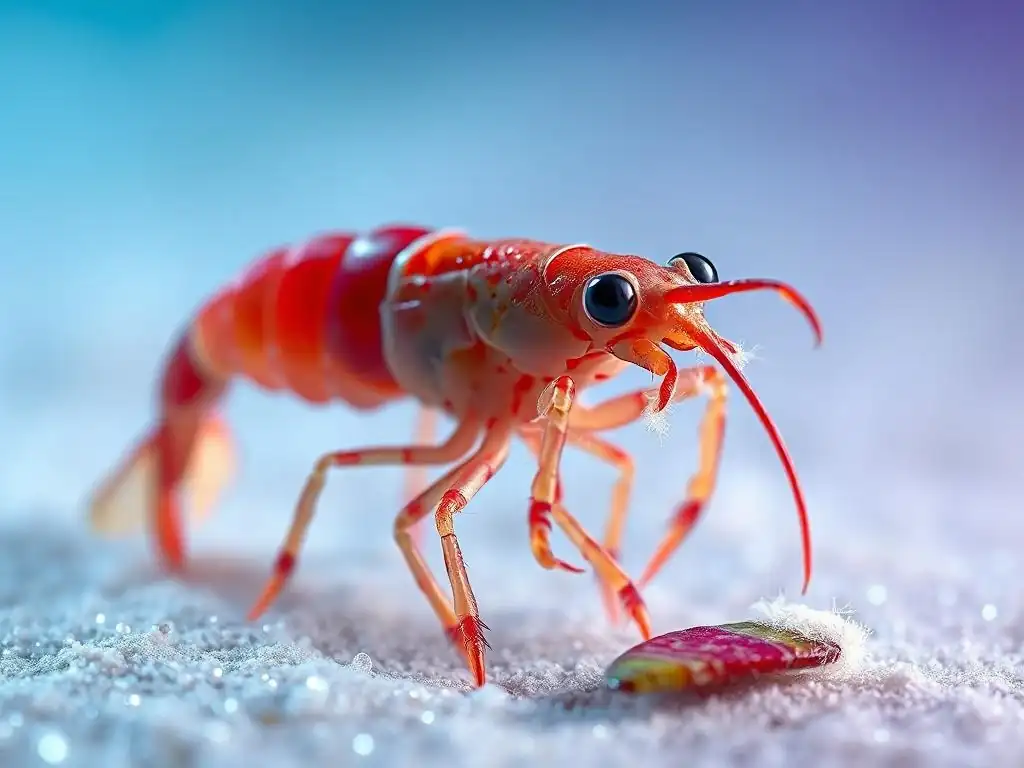
Understanding the Molting Process in Saltwater Shrimp
Molting, or ecdysis, is a fundamental biological process for saltwater shrimp, essential for their growth and development. As shrimp grow, their rigid exoskeleton cannot expand, so they must periodically shed their old shell to allow for an increase in size. This process is energy-intensive and makes the shrimp highly vulnerable. Before molting, the shrimp absorbs calcium from its old shell and forms a new, soft exoskeleton underneath.
The actual shedding process, known as ecdysis, can take anywhere from a few minutes to several hours, depending on the shrimp species and its health. Once the old shell is shed, the shrimp's new shell is soft and pliable.
During this post-molt phase, the shrimp rapidly absorbs water to expand its body size and then calcifies its new shell by absorbing calcium and other minerals from the surrounding water. This hardening process can take several hours to a few days, during which the shrimp is particularly susceptible to predation and stress, making molting a critical period for saltwater shrimp health problems.
Identifying and Addressing Molting Problems
Molting problems are among the most common saltwater shrimp health problems encountered by aquarists. Signs of molting issues include a shrimp struggling to shed its old exoskeleton, appearing lethargic and unable to move freely, or remaining partially stuck in its old shell. Another clear indicator is finding a dead shrimp still encased within its old, intact exoskeleton. After molting, if the new shell remains soft and pliable for an extended period (more than a day or two), this also signifies a problem.
The primary causes of molting difficulties are often linked to water quality and nutritional deficiencies. Insufficient levels of essential minerals like iodine, calcium, and magnesium are critical factors. Stress from unstable water parameters, aggressive tank mates, or even rapid changes in lighting can also trigger incomplete or failed molts. Addressing these underlying issues is crucial for preventing fatal molting-related saltwater shrimp health problems.
Difficulty Shedding Exoskeleton
Difficulty shedding the exoskeleton is a severe saltwater shrimp health problem that can quickly lead to mortality. A shrimp struggling to molt will appear distressed, often bending its body unusually, twitching, or trying to pull itself free from its old shell. The old shell may remain stubbornly attached to parts of its body, particularly the tail or legs, preventing the shrimp from fully emerging. This struggle expends a tremendous amount of energy and can leave the shrimp exhausted and vulnerable.
The most common causes for this issue are insufficient levels of iodine or calcium in the water, which are vital for the formation of the new shell and the proper separation from the old one. Poor overall water quality, characterized by high nitrates or fluctuating parameters, also contributes to stress, further hindering the molting process. Ensuring stable, optimal water parameters, particularly calcium (400-450 ppm) and alkalinity (8-12 dKH), and considering a high-quality iodine supplement can significantly reduce the incidence of this critical saltwater shrimp health problem.
Soft Shell Issues in Shrimp
Soft shell issues occur when a saltwater shrimp successfully sheds its old exoskeleton, but its new shell fails to harden properly within a reasonable timeframe (typically 24-48 hours). A shrimp with a soft shell will feel pliable and delicate to the touch, lacking the usual rigidity. This condition leaves the shrimp extremely vulnerable to injury, predation by tank mates, and environmental stressors, making it a significant saltwater shrimp health problem.
The primary cause of soft shell syndrome is a deficiency in essential minerals, most notably calcium, but also magnesium and alkalinity, which are crucial for the calcification process of the new exoskeleton. If these minerals are not present in sufficient concentrations in the aquarium water, the shrimp cannot properly harden its new shell. Ensuring that calcium levels are consistently maintained between 400-450 ppm, alkalinity at 8-12 dKH, and magnesium at 1200-1350 ppm is vital. Regular water changes with a high-quality marine salt mix and targeted supplementation, if necessary, are key to preventing this debilitating saltwater shrimp health problem.
Providing a Safe Molting Environment
Providing a safe and conducive molting environment is crucial for the long-term health and survival of saltwater shrimp, minimizing the risk of molting-related saltwater shrimp health problems. The most important factor is maintaining stable and optimal water parameters, especially calcium (400-450 ppm), alkalinity (8-12 dKH), and magnesium (1200-1350 ppm). Consistent water changes with a high-quality salt mix help replenish these vital minerals. If water tests indicate deficiencies, careful supplementation of iodine, calcium, or magnesium can be considered, always following recommended dosages.
Beyond water chemistry, providing ample hiding spots is paramount. Newly molted shrimp are soft, defenseless, and highly vulnerable to predation by fish or other invertebrates. Live rock with crevices, caves, PVC pipes, or dense patches of macroalgae offer essential retreats where shrimp can hide and recover while their new shell hardens. Minimizing sudden environmental changes, such as large temperature swings or bright, direct lighting immediately after a molt, also reduces stress and aids in a successful recovery from this critical phase.
Preventing Saltwater Shrimp Health Problems
Quarantine Procedures for New Shrimp Arrivals
Implementing strict quarantine procedures for all new saltwater shrimp arrivals is the single most effective measure to prevent the introduction and spread of saltwater shrimp health problems in your main display tank. A dedicated quarantine tank (e.g., 5-10 gallons) equipped with basic filtration, a heater, and hiding spots should be set up. This separate environment allows for observation and treatment without risking the established ecosystem of your main aquarium.
New shrimp should be quarantined for a minimum of 2 to 4 weeks. During this period, observe them closely for any signs of disease, parasites, or unusual behavior. If any issues arise, they can be treated in the quarantine tank, preventing pathogens from contaminating your primary system. This proactive approach significantly reduces the likelihood of devastating outbreaks of bacterial, fungal, or parasitic saltwater shrimp health problems in your established aquarium.
Regular Aquarium Maintenance to Prevent Disease
Regular and diligent aquarium maintenance is foundational to preventing a wide array of saltwater shrimp health problems. Consistent partial water changes (e.g., 10-20% bi-weekly) are crucial for diluting accumulated nitrates and phosphates, which can stress shrimp and promote undesirable algae growth. These water changes also help replenish essential trace elements that shrimp consume for molting and overall health.
Beyond water changes, routine tasks include siphoning the gravel or sand bed to remove detritus and uneaten food, which can decompose and elevate nutrient levels. Cleaning filter media regularly (rinsing in old tank water to preserve beneficial bacteria) ensures efficient filtration. Avoiding overfeeding is also vital, as excess food quickly degrades water quality. By adhering to a consistent maintenance schedule, aquarists can provide a stable and clean environment that supports a strong immune system in their shrimp, significantly reducing the risk of saltwater shrimp health problems.
Monitoring Shrimp Behavior for Early Warning Signs
Daily monitoring of shrimp behavior is a simple yet powerful tool for early detection of saltwater shrimp health problems. Healthy shrimp are typically active, constantly foraging, and displaying their characteristic vibrant coloration. Any deviation from this normal behavior should raise a red flag. Look for changes in activity level; a shrimp that is suddenly lethargic, constantly hiding, or exhibiting unusual swimming patterns (e.g., erratic darting or spiraling) may be ill.
Pay close attention to their feeding habits; a lack of appetite or refusal to eat indicates a problem. Observe their physical appearance for any visible spots, lesions, discoloration, or signs of molting difficulties. For instance, a Cleaner Shrimp that typically approaches your hand but suddenly retreats or ignores food cues might be experiencing stress or illness. Recognizing these subtle early warning signs allows for prompt intervention, which is often critical in successfully treating saltwater shrimp health problems before they become severe or spread throughout the tank.
Specific Saltwater Shrimp Species and Their Common Health Problems
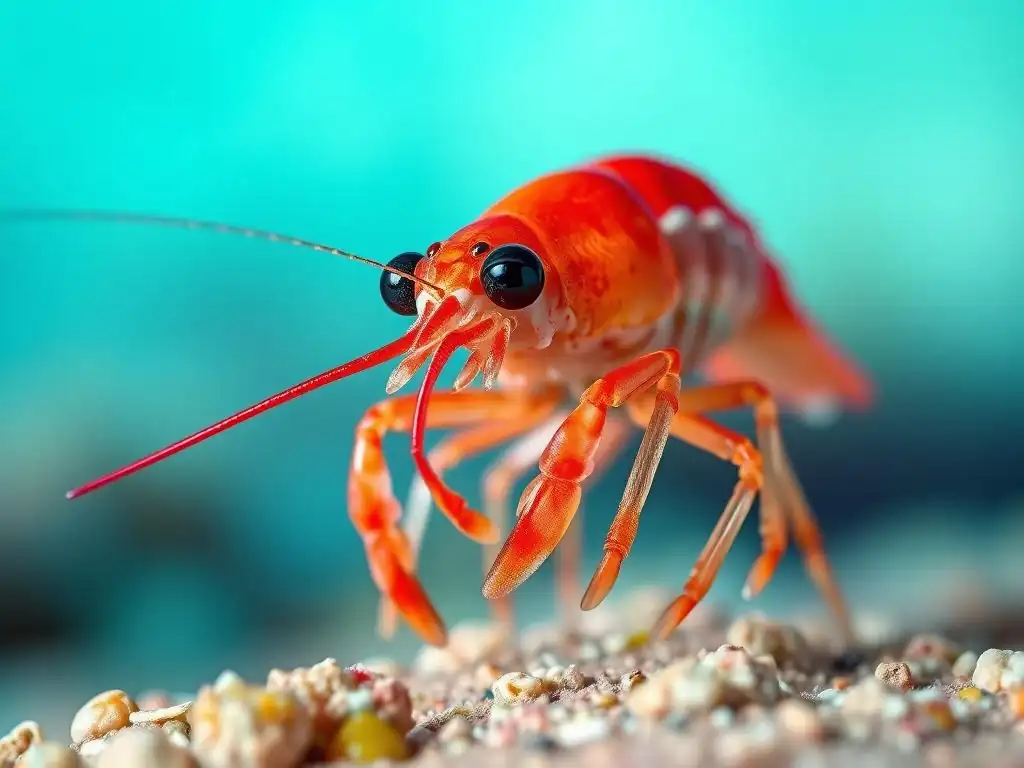
Peppermint Shrimp (Lysmata wurdemanni) Health Concerns
Peppermint Shrimp ( Lysmata wurdemanni) are generally hardy and popular clean-up crew members, but they are not immune to saltwater shrimp health problems. Their resilience makes them more tolerant of minor water quality fluctuations compared to some other shrimp species, but prolonged exposure to high nitrates or ammonia will still cause significant stress and lead to illness. They are particularly susceptible to molting issues if calcium and iodine levels are consistently low, which can result in incomplete sheds or soft shells.
Stress, often induced by aggressive tank mates or insufficient hiding spots, can also compromise their immune system, making them prone to secondary bacterial infections, which may appear as opaque spots or general dullness. Occasionally, Peppermint Shrimp can develop "black spot disease," a form of shell erosion, typically linked to poor water quality or physical injury. While robust, consistent water parameters and a varied diet are essential to prevent these common saltwater shrimp health problems in Peppermint Shrimp.
Fire Shrimp (Lysmata debelius) Health Concerns
Fire Shrimp ( Lysmata debelius), known for their striking red and white coloration, are generally more sensitive than their Peppermint Shrimp cousins and require very stable water parameters to thrive. They are particularly susceptible to stress from fluctuating salinity, pH, or temperature, which can quickly lead to lethargy, loss of appetite, and compromised immune function. These environmental stressors are primary contributors to saltwater shrimp health problems in this species.
Molting issues are also a significant concern for Fire Shrimp if calcium, alkalinity, and iodine levels are not consistently maintained within optimal ranges. A failed or incomplete molt can be fatal. Like other shrimp, they can also fall victim to bacterial infections, especially if injured or stressed. Providing a pristine environment with plenty of hiding spots and avoiding aggressive tank mates is crucial to prevent common saltwater shrimp health problems in Fire Shrimp.
Cleaner Shrimp (Lysmata amboinensis) Health Concerns
Cleaner Shrimp ( Lysmata amboinensis) are highly popular due to their fascinating symbiotic cleaning behavior, but they are quite sensitive to water quality and certain medications, making them prone to specific saltwater shrimp health problems. They are particularly intolerant of high levels of ammonia, nitrite, and even elevated nitrates, which can quickly lead to stress, disease, and death. Copper, even in trace amounts, is highly toxic to Cleaner Shrimp and should be strictly avoided in their environment.
Molting problems are frequently observed in Cleaner Shrimp if the essential minerals for shell formation, such as calcium and alkalinity, are not consistently maintained at optimal levels. They may struggle to shed their old shell or develop soft shell syndrome after molting. Additionally, Cleaner Shrimp can be susceptible to "black spot" disease, a form of shell erosion that typically indicates poor water quality or a previous injury. Maintaining impeccable water parameters and a stable environment is paramount to preventing these common saltwater shrimp health problems in Cleaner Shrimp.
When to Seek Expert Help for Sick Saltwater Shrimp
Knowing when to seek expert help for sick saltwater shrimp is crucial, especially when your own attempts to diagnose and treat saltwater shrimp health problems prove unsuccessful. If symptoms persist despite your best efforts to improve water quality, provide a balanced diet, and address environmental stressors, it's time to reach out for additional guidance. This is particularly true if multiple shrimp are affected, indicating a potentially widespread issue, or if you cannot identify the specific cause of their distress.
Experienced local fish stores, reputable online aquarium forums with knowledgeable aquarists, or even an aquatic veterinarian (though these are rare and specialized) can provide invaluable insights. When seeking help, be prepared to provide detailed information about your aquarium, including its size, inhabitants, filtration type, maintenance schedule, and most importantly, precise water parameter readings (ammonia, nitrite, nitrate, pH, salinity, temperature, calcium, alkalinity, magnesium). Clear descriptions of the shrimp's symptoms, when they started, and any changes in behavior will also greatly assist in diagnosing and addressing the saltwater shrimp health problems effectively.
Frequently Asked Questions
What are some common signs that my saltwater shrimp is unhealthy?
Common signs include a loss of vibrant color, lethargy or inactivity, and a refusal to eat. You might also observe unusual behavior like twitching or hiding excessively.
What are the most frequent causes of saltwater shrimp health problems?
The most frequent causes are related to poor water quality, including high levels of ammonia, nitrite, or nitrate. Other factors include inadequate diet and stress from tank mates.
How can I improve the water quality to prevent shrimp health issues?
Regular water changes are crucial, typically 10-25% weekly. Maintaining a properly cycled aquarium with a healthy biological filter is also essential for removing harmful substances.
What are some essential nutrients for saltwater shrimp to maintain good health?
Saltwater shrimp require a balanced diet including algae, small invertebrates, and commercially available shrimp food. Supplementation with iodine can also be beneficial for proper molting.
How can I prevent aggression from other fish affecting my saltwater shrimp's health?
Choose peaceful tank mates that won't harass or prey on your shrimp. Provide plenty of hiding places such as rocks and plants, allowing the shrimp to escape potential aggressors.
The insights shared in this article highlight the critical importance of proactive care when maintaining a thriving saltwater shrimp population. Understanding and addressing common health problems, from parasitic infestations to environmental imbalances, is not merely about keeping shrimp alive; it's about fostering a healthy and sustainable ecosystem within our aquariums, mirroring the delicate balance found in the ocean itself.
This journey into the world of saltwater shrimp health has underscored the profound impact our choices have on these miniature ecosystems. It's a constant reminder that responsible aquarists are not just hobbyists, but stewards of life, entrusted with the well-being of these fascinating creatures. The sea, once it casts its spell, holds one in its net of wonder forever.
- Jacques Cousteau. This quote encapsulates the awe and responsibility we feel when engaging with the marine world, urging us to approach shrimp keeping with respect and dedication.
Now, armed with this knowledge, consider how you can further refine your approach to saltwater shrimp care. Reflect on the specific challenges you've faced and the solutions you've implemented. Let this article serve as a springboard for continuous learning and improvement, ensuring that your saltwater shrimp thrive and bring joy to your aquatic world for years to come.
Unleash Vibrant Shrimp Health Today!
Thank you for diving into the world of saltwater shrimp! We hope this guide has equipped you with the knowledge to diagnose and address common shrimp health issues. Now, it's time to take action and cultivate a thriving shrimp tank.
- Proactively monitor your shrimp's behavior and appearance daily to catch early signs of distress – it's the single most important thing you can do!
- Document your observations and tank parameters in a dedicated shrimp-keeping journal to spot emerging patterns.
- Share your success stories and lingering concerns with other shrimp enthusiasts on aquarium forums – contribute your own insights!
What specific change will you implement this week to ensure the continued health and happiness of your saltwater shrimp?