
Thai Micro Crabs (Limnopilos naiyanetri): Tiny Wonders for Peaceful Nano Aquariums

Welcome to Aquarium Mastery!
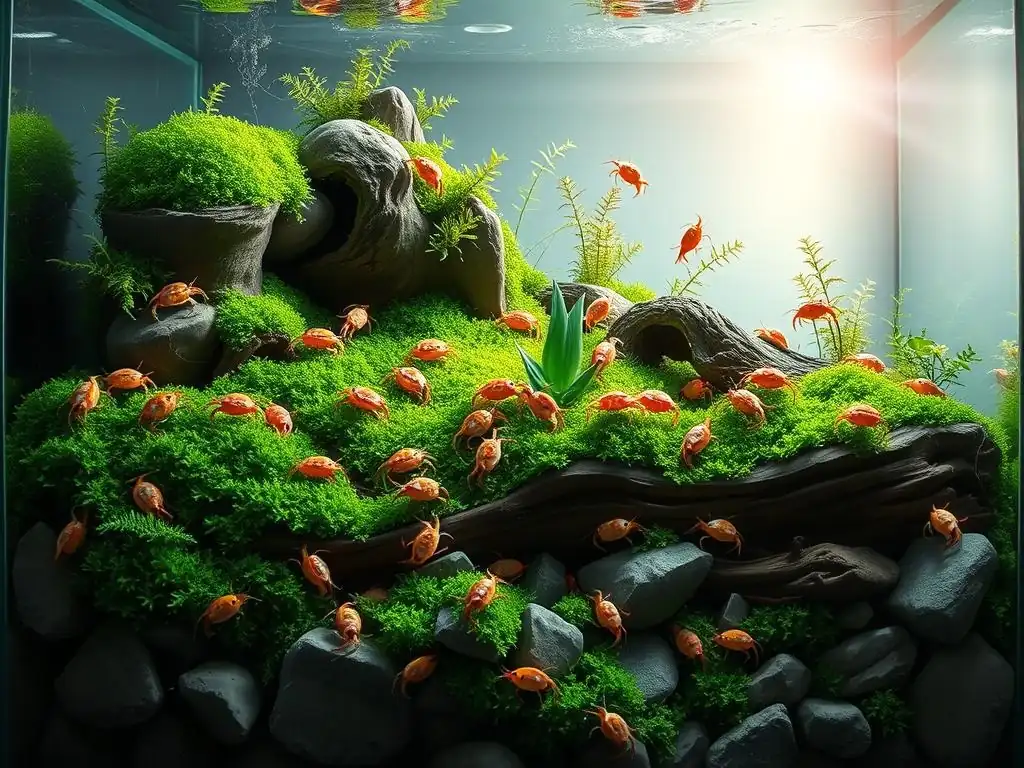
Intrigued by the miniature wonders of the aquatic world? You've come to the right place. Ever considered adding a touch of whimsical charm to your nano aquarium? Our comprehensive guide dives deep into the fascinating world of Thai Micro Crab Care, revealing everything you need to know to successfully keep these peaceful crustaceans thriving. Prepare to unlock the secrets of Limnopilos naiyanetri and transform your aquarium into a captivating ecosystem! Ready to learn more?
- Introduction to Thai Micro Crabs: Perfect Inhabitants for Nano Tanks
- Thai Micro Crab Care: Essential Guidelines for a Thriving Colony
- Breeding Thai Micro Crabs: Understanding Their Life Cycle
- Identifying and Treating Common Thai Micro Crab Diseases
- Tank Mates for Thai Micro Crabs: Creating a Peaceful Community
- Setting Up a Dedicated Thai Micro Crab Tank: A Step-by-Step Guide
- The Benefits of Keeping Thai Micro Crabs in Your Aquarium
- Where to Buy Thai Micro Crabs: Ensuring Healthy Specimens
- Troubleshooting Common Thai Micro Crab Issues
- Conclusion: Enjoying the Wonders of Thai Micro Crabs in Your Home Aquarium
-
Frequently Asked Questions
- What exactly are Thai micro crabs, and why are they becoming popular in aquariums?
- What are the key considerations for setting up a suitable aquarium environment for Thai micro crabs?
- What do Thai micro crabs eat, and how often should they be fed?
- How do I breed Thai micro crabs in my aquarium?
- What are some common problems or health issues that can affect Thai micro crabs, and how can I prevent them?
- Final Reflection: The Miniature Majesty of Limnopilos
- Dive Deeper: Unearth Your Nano Aquarium's Potential!
Introduction to Thai Micro Crabs: Perfect Inhabitants for Nano Tanks
Discovering the Charm of Limnopilos naiyanetri
The Thai Micro Crab, scientifically known as Limnopilos naiyanetri, is a truly unique and fascinating invertebrate that has captivated aquarists worldwide. Originating from specific freshwater habitats in Thailand, these diminutive crustaceans are among the smallest crabs kept in the aquarium hobby, typically reaching a maximum size of just 0.4 to 0.6 inches (1 to 1.5 cm) in carapace width. Their translucent bodies, often adorned with subtle patterns, and their delicate, filter-feeding claws make them a captivating addition to any peaceful aquarium setup.
These crabs are primarily detritivores and filter feeders, using specialized setae on their claws to strain microscopic particles from the water column. Their peaceful demeanor and incredibly small bioload make them ideal candidates for nano aquariums, allowing enthusiasts to observe their intricate behaviors without the need for large tanks. Unlike many other crab species, Limnopilos naiyanetri is entirely aquatic, never needing to leave the water, which simplifies their care requirements considerably for the dedicated aquarist.
Why Choose Thai Micro Crabs for Your Aquarium?
Choosing Thai Micro Crabs for your aquarium offers a unique blend of aesthetic appeal and functional benefits, especially for those interested in nano tank setups. Their minute size means they exert an extremely low bioload on the system, contributing minimally to nitrate accumulation, which is a significant advantage for maintaining stable water parameters in smaller volumes. This characteristic makes them much easier to integrate into established ecosystems compared to larger, messier invertebrates.
Beyond their minimal impact on water quality, Thai Micro Crabs provide a captivating display of natural behavior. Observing them filter-feeding or meticulously navigating dense plant thickets adds a dynamic and interesting element to the aquarium. Their peaceful nature ensures they pose no threat to even the smallest fish or shrimp, making them excellent community tank inhabitants. For aquarists seeking a truly unique and low-maintenance invertebrate, Thai micro crab care offers a rewarding experience without demanding extensive resources.
Thai Micro Crab Care: Essential Guidelines for a Thriving Colony
Creating the Ideal Habitat for Your Tiny Crabs
Tank Size Recommendations for Thai Micro Crabs
Despite their minuscule size, providing an appropriately sized habitat is crucial for optimal Thai micro crab care and the well-being of these delicate creatures. While a single crab could technically survive in a 1-gallon tank, a minimum of a 2-gallon aquarium is recommended for a small group of 3-5 crabs to ensure adequate space for exploration and to maintain water stability. For a thriving colony, a 5-gallon or 10-gallon tank is ideal, as larger volumes offer more consistent water parameters, reducing stress on the crabs.
The increased water volume in larger tanks also dilutes waste products more effectively and provides a greater surface area for the growth of beneficial biofilm and microorganisms, which are essential components of their diet. Furthermore, a larger footprint allows for more intricate aquascaping, offering numerous hiding spots and climbing opportunities that mimic their natural environment and encourage their active foraging behaviors. Consider the "Thai micro crab care" aspect of stability when choosing tank size.
Substrate and Decoration: Replicating Their Natural Environment
The selection of substrate and decorations plays a pivotal role in creating a comfortable and secure environment for Thai Micro Crabs. A fine, soft substrate like sand or very fine gravel is preferred, as it allows them to scuttle across the bottom without damaging their delicate appendages. Avoid sharp or abrasive substrates that could cause injury. The inclusion of natural leaf litter, such as Indian almond leaves or catappa leaves, is highly beneficial; these leaves release tannins, which slightly acidify the water and provide a natural food source as they decompose, fostering essential biofilm growth.
Dense planting is paramount for successful Thai micro crab care. Species like Java moss, Christmas moss, Anubias, and Bucephalandra provide ample hiding spots, climbing surfaces, and a rich environment for microorganisms to flourish. Driftwood and small, smooth rocks can also be incorporated to add structural complexity and additional surfaces for biofilm accumulation. These elements not only enhance the aesthetic appeal of the tank but also replicate the intricate, sheltered environments where Limnopilos naiyanetri thrive in the wild.
Water Parameters for Optimal Thai Micro Crab Health
Temperature, pH, and Water Hardness: Key Considerations
Maintaining stable and appropriate water parameters is fundamental to successful Thai micro crab care. These crabs thrive in tropical freshwater conditions, with a preferred temperature range of 72°F to 78°F (22°C to 26°C). Fluctuations outside this range can cause significant stress, leading to decreased activity, molting issues, and susceptibility to illness. A reliable aquarium heater with a thermostat is essential to maintain this consistency.
Regarding chemical parameters, Thai Micro Crabs prefer slightly acidic to neutral water with a pH range of 6.5 to 7.5. Water hardness should be soft to moderately hard, specifically a General Hardness (GH) of 4-8 dGH (70-140 ppm) and Carbonate Hardness (KH) of 3-6 dKH (50-100 ppm). Consistent water chemistry is more important than hitting exact numbers, so avoid sudden changes. Regular testing with a reliable liquid test kit is crucial to monitor these parameters and ensure the well-being of your crabs.
Importance of Water Quality and Regular Water Changes
Exceptional water quality is perhaps the most critical aspect of Thai micro crab care. Despite their low bioload, these invertebrates are highly sensitive to pollutants, particularly ammonia, nitrite, and nitrates. A fully cycled aquarium is non-negotiable before introducing Thai Micro Crabs; ammonia and nitrite levels must be undetectable (0 ppm), and nitrates should be kept below 20 ppm. Higher nitrate levels, even if considered acceptable for some fish, can stress crabs and lead to molting problems or other health issues.
Regular partial water changes are vital to dilute accumulating nitrates and replenish essential minerals. For a well-established nano tank with Thai Micro Crabs, a weekly water change of 10-20% is generally sufficient. Always use dechlorinated water that matches the tank's temperature as closely as possible to prevent shock. Utilizing a gentle filtration method, such as a sponge filter, is also recommended, as strong currents can be stressful for these tiny creatures and can also suck up their primary food sources.
Feeding Thai Micro Crabs: A Balanced Diet
What Do Thai Micro Crabs Eat?
Thai Micro Crabs are primarily detritivores and filter feeders, making their dietary needs quite unique. In their natural habitat, they subsist mainly on microscopic organisms, biofilm, algae, and decaying organic matter found in the water column and on surfaces. They possess specialized, feathery claws that they meticulously use to filter out these tiny particles from the water, displaying a fascinating feeding behavior. This natural diet contributes significantly to their low-maintenance reputation in terms of active feeding.
Their diet consists of tiny particles, so they are not scavengers that will consume large pieces of food. They are constantly sifting through the water and grazing on surfaces. This inherent feeding strategy means they contribute to the cleanliness of the tank by consuming detritus and biofilm that might otherwise accumulate, aligning perfectly with the principles of natural Thai micro crab care within a balanced aquarium ecosystem.
Supplementing Their Diet: Ensuring Proper Nutrition
While Thai Micro Crabs are excellent at finding their own food in a mature, established aquarium, supplementing their diet is often necessary to ensure they receive adequate nutrition, especially in newer setups or tanks with a high density of inhabitants. Finely crushed flake food, spirulina powder, or specialized invertebrate pellets that sink slowly are excellent choices. Offer very small amounts, as overfeeding can quickly foul the water in a nano tank.
Other suitable supplements include finely ground blanched vegetables like spinach or zucchini, or even a tiny amount of high-quality shrimp food. The key is to provide food that is small enough for their filter-feeding appendages to manage. Placing food near their preferred hiding spots or areas with gentle current can help ensure they access it. Observing their activity levels and coloration is a good indicator of whether their dietary needs are being met, forming a crucial part of effective Thai micro crab care.
Breeding Thai Micro Crabs: Understanding Their Life Cycle
The Breeding Process of Limnopilos naiyanetri
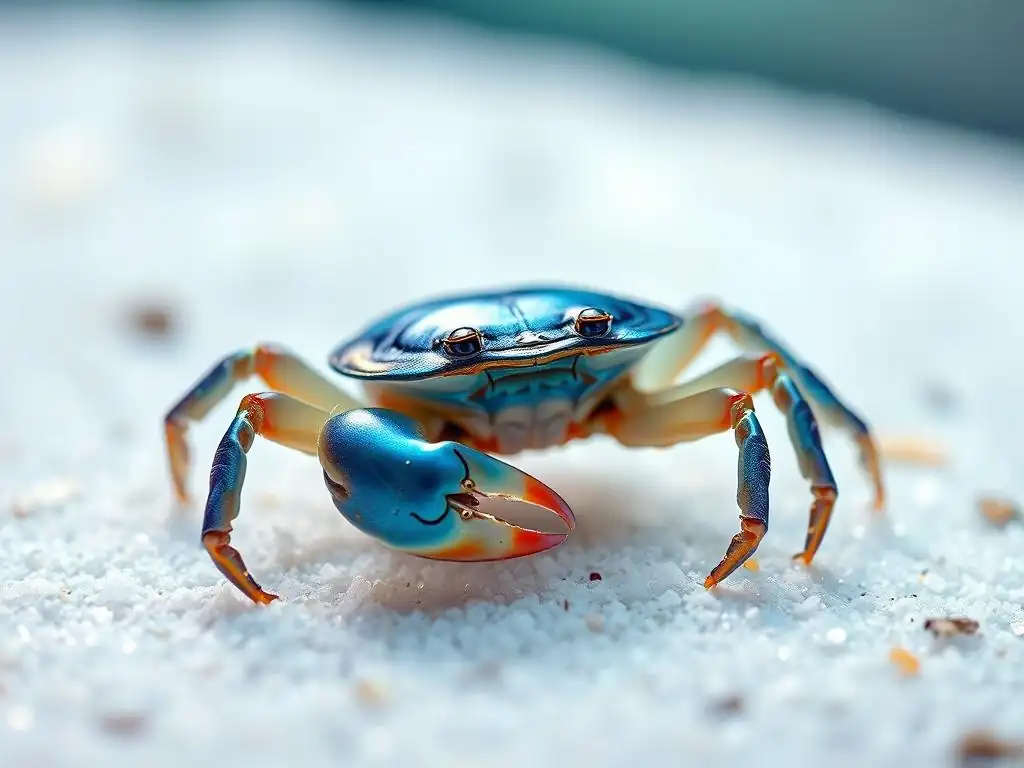
The breeding process of Limnopilos naiyanetri is quite intriguing, primarily because they exhibit direct development, meaning their offspring hatch as miniature versions of the adults rather than going through a complex larval stage like many marine crabs. This characteristic significantly simplifies the breeding process for aquarists, as there is no need for specialized brackish or saltwater setups to rear delicate larvae. Adult females will carry a clutch of eggs, typically ranging from 20 to 50, tucked underneath their abdomen, meticulously fanning them to ensure proper oxygenation and cleanliness.
The incubation period for the eggs usually lasts several weeks, depending on water temperature. During this time, the female will often be more reclusive, seeking out secluded spots within the tank. Once the eggs hatch, tiny, fully formed baby crabs emerge. These juveniles are incredibly small, often less than 1mm in size, and are highly vulnerable. Distinguishing between male and female Thai Micro Crabs is notoriously difficult for the average aquarist, as there are no obvious external sexual dimorphisms visible to the naked eye.
Creating Breeding Conditions in Your Aquarium
To encourage breeding in your Thai Micro Crabs, the primary focus should be on providing pristine water quality and an abundance of food sources. Consistent water parameters within their preferred ranges (temperature 72-78°F, pH 6.5-7.5, soft to moderately hard water) are paramount, as stress can inhibit reproduction. A mature, well-established tank with plenty of biofilm and micro-organisms is ideal, as this forms the staple diet for both adults and newly hatched juveniles.
Dense planting, particularly fine-leaved mosses like Java moss or Christmas moss, is crucial. These plants offer numerous hiding spots for gravid females and provide safe havens for the tiny, newly hatched crabs to forage and escape potential predation from larger tank mates. A gentle filter, such as a sponge filter, is also highly recommended to prevent the delicate juveniles from being sucked into the intake. A dedicated breeding tank, free from potential predators, significantly increases the survival rate of the offspring, making it easier to observe and manage their development.
Raising Thai Micro Crab Larvae: Challenges and Solutions
While Thai Micro Crabs do not have a true larval stage that requires different water parameters, raising their incredibly tiny juveniles still presents unique challenges. The primary hurdle is their minute size, which makes them highly susceptible to being preyed upon by even the smallest fish or shrimp, or being sucked into conventional aquarium filters. Ensuring a safe environment is therefore critical for their survival.
One effective solution is to set up a dedicated species-only tank for breeding and rearing, or to use a breeding box within a larger, peaceful community tank. This provides a secure space where the juveniles can grow without threat. Providing an abundance of microscopic food sources is also vital; this includes mature biofilm on all surfaces, microalgae, and extremely fine powdered foods like spirulina powder or specialized invertebrate fry food.
A gentle air stone can provide circulation without creating a strong current, ensuring food particles remain suspended for the filter-feeding juveniles. Patience and keen observation are key, as their small size makes them incredibly difficult to spot until they've grown a bit.
Identifying and Treating Common Thai Micro Crab Diseases
Recognizing Signs of Illness in Your Micro Crabs
Recognizing signs of illness in Thai Micro Crabs can be challenging due to their small size and reclusive nature, but careful observation is key to their proper Thai micro crab care. Healthy crabs are typically active, constantly sifting through the substrate or water column, and will display their characteristic translucent to light brown coloration. A primary indicator of stress or illness is lethargy; if a crab remains motionless for extended periods, hides excessively, or shows a noticeable decrease in feeding activity, it may be unwell.
Other warning signs include discoloration, such as an opaque or unusually dark appearance, which can sometimes indicate a bacterial or fungal infection. Difficulty molting, where the crab struggles to shed its old exoskeleton or gets stuck, is another critical red flag that often points to underlying water quality issues or nutritional deficiencies. Any missing limbs that are not a result of a recent, successful molt, or visible growths on their bodies, should also prompt immediate investigation into tank conditions.
Common Diseases and Treatments for Thai Micro Crabs
Fortunately, Thai Micro Crabs are generally quite hardy and rarely contract specific "diseases" in the same way fish might, provided their environmental needs are consistently met. Most health issues stem directly from poor water quality, unsuitable tank conditions, or inadequate nutrition. The most common "ailment" observed is molting problems, often indicated by a crab struggling to shed its old shell or appearing listless after an attempted molt. This is usually caused by insufficient calcium or iodine in the water, or by elevated nitrates and unstable parameters.
Treatment for molting issues involves ensuring proper water parameters, including appropriate GH and KH levels, and considering the addition of a calcium supplement like a small piece of cuttlebone or specialized invertebrate supplements. Bacterial or fungal infections, though rare, can occur in severely neglected tanks; these might manifest as white patches or fuzzy growths.
In such cases, the first and most crucial step is to perform a significant water change (50-70%) and thoroughly clean the substrate to improve water quality. Mild, invertebrate-safe antifungal or antibacterial treatments might be considered as a last resort, but prevention through consistent, high-quality Thai micro crab care is always the best approach.
Tank Mates for Thai Micro Crabs: Creating a Peaceful Community
Suitable Tank Mates for Nano Aquariums
Selecting appropriate tank mates is a critical aspect of Thai micro crab care, ensuring their safety and comfort in a community setting. Given their extremely small size and delicate nature, only the most peaceful and diminutive fish and invertebrates should be considered.
Ideal fish tank mates include species that are too small to perceive the crabs as food and are not prone to nipping or aggression. Excellent choices for a nano aquarium include Celestial Pearl Danios ( Danio margaritatus), Chili Rasboras ( Boraras brigittae), Ember Tetras ( Hyphessobrycon amandae), and Dwarf Gouramis ( Trichogaster lalius), provided they are kept in appropriate numbers for the tank size.
Other invertebrates can also make suitable companions. Various types of dwarf shrimp, such as Neocaridina species (e.g., Cherry Shrimp, Blue Dream Shrimp), are often kept successfully with Thai Micro Crabs, as they share similar water parameter requirements and peaceful temperaments. Small, peaceful snail species like Nerite Snails, Mystery Snails, and Ramshorn Snails are also excellent choices, as they pose no threat and contribute to tank cleaning. The key is to choose tank mates that will not outcompete the crabs for food, stress them with excessive activity, or view them as a potential meal.
Fish and Invertebrates to Avoid with Thai Micro Crabs
When planning a community tank with Thai Micro Crabs, it is equally important to know which species to avoid, as even seemingly small or peaceful fish can pose a threat. Any fish with a mouth large enough to consume a crab, or those known for nipping at fins or small invertebrates, should be strictly excluded.
This includes common aquarium inhabitants such as Bettas ( Betta splendens), even if they appear docile, as their predatory instincts can kick in. Larger Tetras (e.g., Black Skirt Tetras, Serpae Tetras), most Cichlids (even dwarf varieties), and Barbs are also unsuitable due to their potential for aggression or predation.
Similarly, certain invertebrates can be problematic. Larger crayfish, even dwarf species, are generally too aggressive and opportunistic, posing a significant threat to tiny Thai Micro Crabs. Larger crab species, even if they appear peaceful, can accidentally or intentionally harm the micro crabs. Even some larger snail species, if particularly active or if they fall on a crab, could potentially cause stress or injury. The golden rule for Thai micro crab care in a community setting is: if there's any doubt about compatibility, it's best to err on the side of caution and avoid the pairing.
Setting Up a Dedicated Thai Micro Crab Tank: A Step-by-Step Guide
Planning Your Nano Aquarium for Thai Micro Crabs
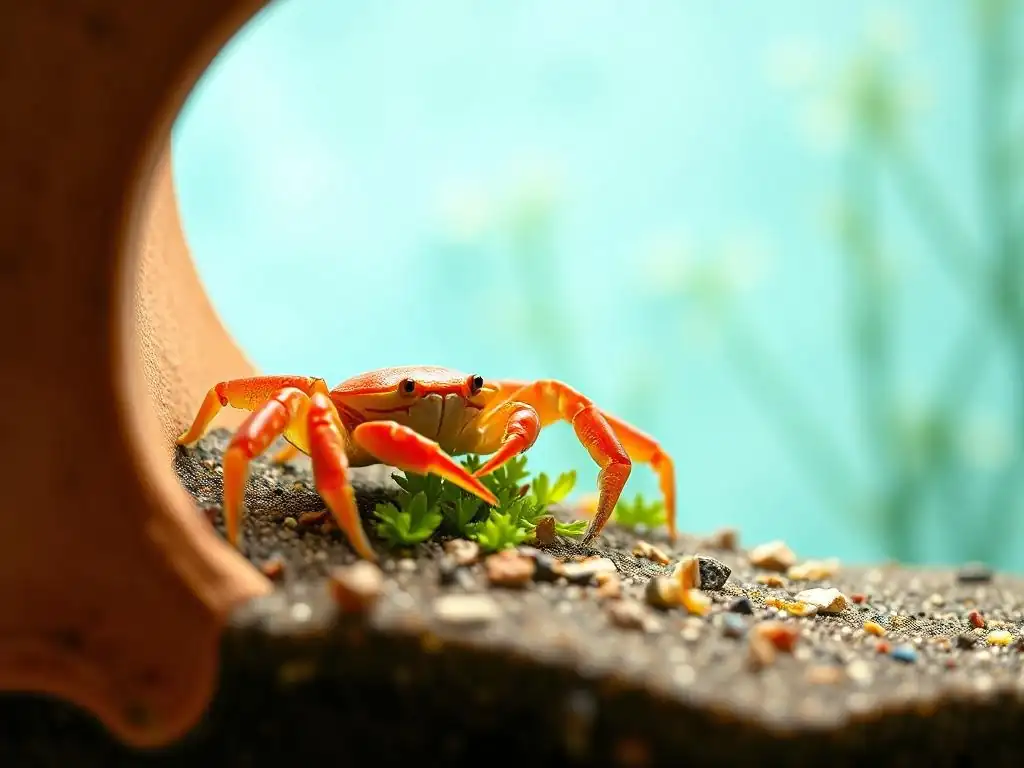
Setting up a dedicated nano aquarium specifically for Thai Micro Crabs is the best way to ensure their long-term health and observe their unique behaviors. The planning phase is crucial and begins with selecting the right tank size; a 2 to 5-gallon aquarium is ideal for a small colony. Next, consider the essential equipment: a gentle filter (a sponge filter is highly recommended to prevent tiny crabs from being sucked in), a reliable heater to maintain stable temperatures between 72-78°F (22-26°C), and appropriate lighting for plant growth.
The aquascape should prioritize functionality for the crabs. Plan for a soft, fine substrate like sand or very fine gravel. Crucially, incorporate an abundance of live plants, especially dense, fine-leaved varieties such as Java moss, Christmas moss, or Guppy grass. These provide essential hiding spots, climbing surfaces, and a rich environment for biofilm and microorganisms, which are primary food sources. Adding small pieces of driftwood or smooth rocks will further enhance the habitat, offering additional grazing areas and shelter.
Cycling the Tank and Preparing the Environment
Before introducing any Thai Micro Crabs, the aquarium must be fully cycled. This critical process establishes a colony of beneficial bacteria that convert toxic ammonia and nitrite into less harmful nitrates, ensuring a stable and safe environment. A typical nitrogen cycle takes 4-6 weeks, during which you will monitor ammonia, nitrite, and nitrate levels using a liquid test kit. Ammonia and nitrite must consistently read 0 ppm before proceeding.
Once the tank is cycled, perform a partial water change (around 25%) to reduce any accumulated nitrates. Ensure the water parameters are within the optimal range for Thai Micro Crabs: pH 6.5-7.5, GH 4-8 dGH, and KH 3-6 dKH. The temperature should be stable within 72-78°F. At this stage, ensure all equipment is functioning correctly, and the plants are established and thriving, creating a mature ecosystem rich in biofilm, which is vital for initial Thai micro crab care.
Introducing Your Thai Micro Crabs to Their New Home
Introducing Thai Micro Crabs to their new aquarium requires a slow and careful acclimation process to minimize stress and prevent shock from changes in water parameters. The drip acclimation method is highly recommended for these delicate invertebrates. Begin by floating the sealed bag containing the crabs in your aquarium for 15-20 minutes to equalize the water temperature.
After temperature equalization, open the bag and secure it in a container, ensuring the crabs remain submerged. Using airline tubing and an air valve, start a slow drip of aquarium water into the container, aiming for about one drip per second. Allow this process to continue for at least 60-90 minutes, or until the volume of water in the container has at least tripled.
This gradual mixing allows the crabs to slowly adjust to the tank's pH, temperature, and hardness. Once acclimated, gently net the crabs and release them into the tank, discarding the water from the bag. Avoid pouring the original bag water into your aquarium.
The Benefits of Keeping Thai Micro Crabs in Your Aquarium
Algae Control and Detritus Removal
While not as aggressive as some other invertebrates in terms of algae consumption, Thai Micro Crabs contribute positively to tank cleanliness through their natural feeding habits. As detritivores and filter feeders, they constantly graze on biofilm, microalgae, and decaying organic matter that accumulates on plants, substrate, and decorations. This continuous, albeit subtle, activity helps to keep surfaces clean and reduces the buildup of fine detritus, preventing it from breaking down and impacting water quality.
They are particularly adept at reaching tiny crevices and sifting through fine substrate where larger cleaners might not venture. Their constant sifting and grazing action disrupts the formation of nuisance algae and consumes uneaten food particles that are too small for fish, acting as a valuable part of the tank's cleanup crew. This makes Thai micro crab care not just about their well-being, but also about their beneficial role in maintaining a balanced and healthy nano aquarium ecosystem.
Adding Biodiversity and Visual Interest
Beyond their practical benefits, Thai Micro Crabs significantly enhance the biodiversity and visual interest of a nano aquarium. Their incredibly small size and unique appearance, with translucent bodies and delicate filter-feeding appendages, make them a captivating focal point. Unlike more common aquarium inhabitants, their subtle movements and constant sifting behaviors offer a novel observation experience for aquarists.
They add a dynamic, living element to dense plant setups, as they can be seen meticulously navigating mosses and leaves. For those who enjoy observing natural behaviors, the sight of a Thai Micro Crab rhythmically filtering the water or gracefully scuttling across the substrate is truly rewarding. Their peaceful nature also allows for a harmonious community, enriching the overall ecosystem without adding aggression or competition, thereby elevating the aesthetic and biological complexity of the tank.
Where to Buy Thai Micro Crabs: Ensuring Healthy Specimens
Selecting Reputable Breeders and Suppliers
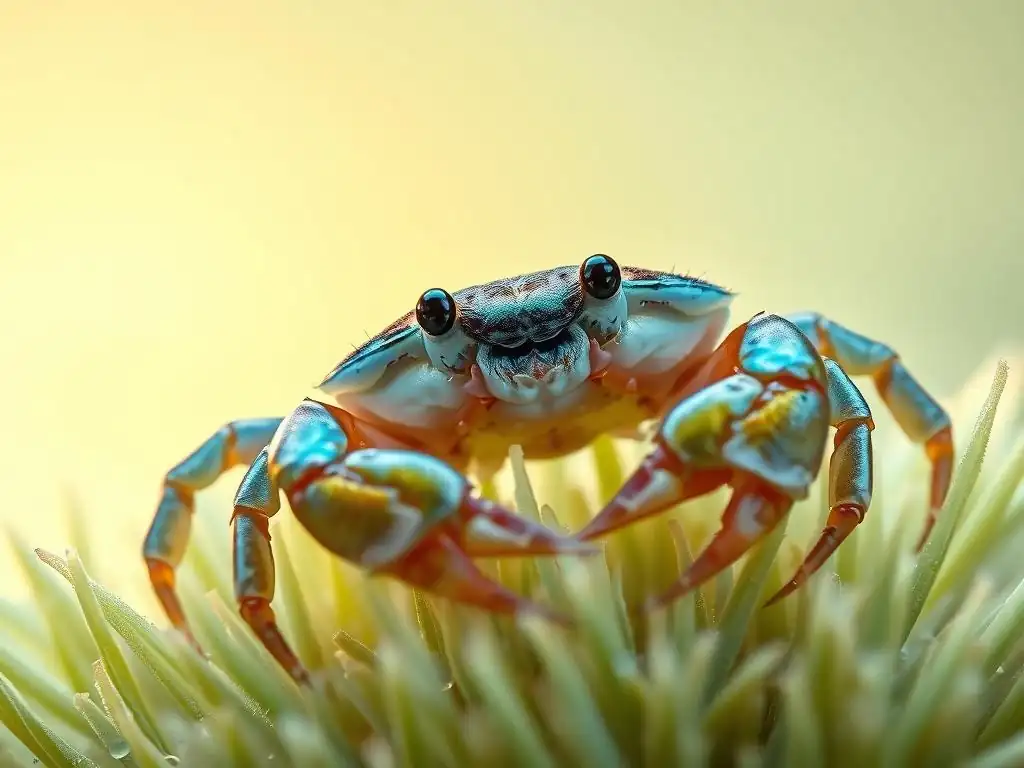
When sourcing Thai Micro Crabs, the health and ethical origin of the specimens should be your top priority for successful Thai micro crab care. It is crucial to select reputable breeders or suppliers who prioritize the well-being of their animals. Look for vendors with transparent information about their source (preferably captive-bred to reduce impact on wild populations), clear photos of their stock, and positive customer reviews regarding animal health and shipping practices. Avoid impulse purchases from unknown sources.
A good supplier will typically house their crabs in clean, well-maintained tanks with appropriate parameters, indicating their commitment to proper Thai micro crab care. Inquire about their acclimation procedures and any guarantees they offer on live arrival. Online forums and local aquarium clubs can be excellent resources for recommendations on trustworthy suppliers, helping you avoid common issues like stressed or unhealthy crabs that may not adapt well to a new environment.
Acclimating New Thai Micro Crabs to Your Aquarium
Proper acclimation is a critical step in ensuring the survival and well-being of new Thai Micro Crabs. These invertebrates are highly sensitive to sudden changes in water parameters, including temperature, pH, and hardness. The drip acclimation method is by far the safest and most recommended approach. Begin by floating the sealed bag containing the crabs in your aquarium for 15-20 minutes to allow the water temperature to equalize.
After temperature matching, carefully open the bag and place the crabs and their original water into a clean bucket or container. Using airline tubing, start a slow drip of water from your aquarium into the container, aiming for about one drip per second. Allow this process to continue for at least 60-90 minutes, or until the volume of water in the container has at least tripled.
This gradual introduction minimizes shock. Once acclimated, gently net the crabs and release them into their new home, discarding the old water. This careful process is a cornerstone of successful Thai micro crab care.
Troubleshooting Common Thai Micro Crab Issues
Addressing Molting Problems
Molting, the process of shedding their old exoskeleton to grow, is a critical and vulnerable stage for Thai Micro Crabs. Problems during molting are often the most common health issue encountered in Thai micro crab care. If a crab is struggling to shed its old shell, appears stuck, or dies shortly after attempting to molt, it usually points to underlying environmental deficiencies. The primary culprits are typically insufficient calcium or iodine in the water, or poor water quality, specifically high nitrates or fluctuating parameters.
To address molting problems, first, test your water parameters. Ensure your GH (General Hardness) is within the recommended range of 4-8 dGH, as this indicates adequate mineral content, particularly calcium and magnesium, which are essential for shell formation. Consider adding a small piece of cuttlebone to the tank, or using a liquid calcium/mineral supplement designed for invertebrates. Perform a partial water change to reduce nitrates and stabilize parameters. Ensure consistent temperature and pH. Avoid disturbing a molting crab, as they are extremely fragile during this period.
Managing Aggression (Although Rare)
Aggression among Thai Micro Crabs is exceedingly rare, almost to the point of non-existence, given their inherently peaceful and timid nature. They are not territorial in the typical sense, and their small size means they pose no threat to other tank inhabitants. If what appears to be aggression is observed, it is almost always a misinterpretation of their natural behavior or a symptom of severe environmental stress. For instance, a crab might appear to "push" another away from a food source, but this is usually a very gentle, non-harmful interaction related to competition for a highly localized resource.
True aggressive behavior, such as fighting or harming another crab, is virtually unheard of with Limnopilos naiyanetri. If such behavior is genuinely suspected, it's critical to re-evaluate the tank setup and tank mates. Insufficient hiding spots, extreme overcrowding, or the presence of perceived threats (even peaceful fish) might cause stress that manifests as unusual behavior. Ensure there is ample space, plenty of hiding spots, and enough widely distributed food to alleviate any potential competition, which is a key part of diligent Thai micro crab care.
Conclusion: Enjoying the Wonders of Thai Micro Crabs in Your Home Aquarium
The Rewarding Experience of Keeping Limnopilos naiyanetri
Keeping Thai Micro Crabs ( Limnopilos naiyanetri) is a profoundly rewarding experience that offers a unique perspective on the intricate world of aquatic invertebrates. These tiny wonders, with their translucent bodies and delicate filter-feeding claws, bring a sense of natural tranquility and endless fascination to any peaceful nano aquarium. Their minimal impact on water quality, coupled with their captivating behaviors, makes them an ideal choice for aquarists seeking a low-maintenance yet highly engaging species.
The dedication to proper Thai micro crab care, encompassing stable water parameters, a meticulously aquascaped environment rich in hiding spots and biofilm, and a balanced diet, culminates in a thriving colony that contributes to the tank's ecosystem. Observing these diminutive crustaceans meticulously sifting through the water or gracefully navigating a moss forest provides a constant source of quiet enjoyment, proving that even the smallest inhabitants can bring immense joy and a deeper appreciation for aquatic life.
Frequently Asked Questions
What exactly are Thai micro crabs, and why are they becoming popular in aquariums?
Thai micro crabs (Limnopilos naiyanetri) are tiny freshwater crabs from Thailand. They're popular because they are peaceful, nano-aquarium friendly, and add unique biodiversity to a tank.
What are the key considerations for setting up a suitable aquarium environment for Thai micro crabs?
Essential considerations include a well-established tank, with plenty of hiding places like plants and rocks. Maintain stable water parameters, especially regarding water quality and temperature.
What do Thai micro crabs eat, and how often should they be fed?
They are primarily detritivores, feeding on biofilm and decaying matter. Supplement their diet with crushed fish flakes or algae wafers a few times a week.
How do I breed Thai micro crabs in my aquarium?
Breeding can be challenging. A stable, mature aquarium with plenty of hiding spots is crucial. Females carry eggs, but successful rearing of larvae can be difficult.
What are some common problems or health issues that can affect Thai micro crabs, and how can I prevent them?
Common issues include molting problems due to poor water quality and predation by larger tankmates. Maintain pristine water and avoid housing them with aggressive fish.
Okay, here's a final reflection designed to close your article on Thai Micro Crabs, optimized for emotional connection and a lasting impression, while keeping in mind your SEO goal of ranking for "Thai micro crab care":
Final Reflection: The Miniature Majesty of Limnopilos
The journey into the world of Thai Micro Crabs, as we've explored, reveals more than just the intricacies of nano aquarium keeping; it unveils a profound appreciation for the delicate balance within miniature ecosystems. These tiny crustaceans, with their peaceful nature and captivating behaviors, offer a unique opportunity to connect with the natural world on a scale that fits perfectly into our modern lives, reminding us that even the smallest creatures deserve our careful attention and respect.
The allure of these crabs extends beyond their aesthetic appeal; they represent a commitment to responsible aquascaping and a deeper understanding of biodiversity. My own fascination with these creatures stems from the sheer joy of observing their complex interactions within a confined space, a microcosm reflecting the larger world. In every walk with nature, one receives far more than he seeks.
- John Muir. This quote perfectly encapsulates the rewarding experience of keeping and caring for Thai Micro Crabs, a journey of continuous learning and appreciation.
Now, as you consider adding these miniature marvels to your own nano aquarium, remember that Thai micro crab care is more than just following a set of instructions. It's about fostering a thriving environment where these tiny wonders can flourish. Take the knowledge you've gained here and transform it into a sanctuary, a testament to the beauty and resilience of life, no matter how small. Let your aquarium become a window into a world of peaceful coexistence, a reminder that even the smallest actions can have a significant impact on the delicate balance of our planet.
Dive Deeper: Unearth Your Nano Aquarium's Potential!
Thanks for exploring the fascinating world of Thai Micro Crabs! We hope you found inspiration to create an even more captivating and balanced nano aquarium. Now, let's put that knowledge into action and unlock the full potential of your underwater ecosystem.
Here are a few ways to continue your journey:
- Start planning your own Micro Crab haven! Research compatible tank mates and ideal aquarium setups to create a thriving environment for these tiny wonders.
- Share this article with fellow aquarium enthusiasts and spark a conversation about the benefits and challenges of keeping Thai Micro Crabs.
- Document your nano aquarium journey! Begin a journal, blog, or social media page to share your experiences, tips, and the captivating stories of your tiny aquatic companions.
What unique feature will you add to your nano aquarium to make it a perfect haven for Thai Micro Crabs?