
Understanding "Fire Red Cherry Crayfish": Fact, Fiction, and Proper Identification

Welcome to Aquarium Mastery!
Ever been captivated by the vibrant red of a Fire Red Cherry Crayfish? Prepare to dive deep! In this guide, we'll explore everything you need to know about Fire Red Cherry Crayfish care, separating fact from fiction and ensuring you can properly identify these fascinating invertebrates. Are you ready to unlock the secrets to keeping these little crimson crustaceans thriving in your aquarium? Let's get started!
- What are Fire Red Cherry Crayfish? An Introduction to Procambarus clarkii 'Fire Red'
- Identifying True Fire Red Cherry Crayfish: Avoiding Look-alikes
- Fire Red Cherry Crayfish Care: Creating the Ideal Habitat
- Fire Red Cherry Crayfish Diet and Feeding
- Fire Red Cherry Crayfish Tank Mates: Compatibility Guide
- Breeding Fire Red Cherry Crayfish: A Guide to Successful Reproduction
- Common Health Problems in Fire Red Cherry Crayfish
- Maintaining a Healthy Fire Red Cherry Crayfish Aquarium: Best Practices
- The Benefits of Keeping Fire Red Cherry Crayfish
- Where to Buy Fire Red Cherry Crayfish: Selecting Healthy Specimens
-
Frequently Asked Questions
- How can I properly identify a Fire Red Cherry Crayfish?
- What are the key elements of Fire Red Cherry Crayfish care in a freshwater aquarium?
- What are the ideal water parameters for Fire Red Cherry Crayfish?
- What type of food should I feed my Fire Red Cherry Crayfish?
- What are some common health issues that affect Fire Red Cherry Crayfish and how can I prevent them?
- Final Reflection: Appreciating the Nuances of Aquatic Life
- Unleash Your Inner Crayfish Expert!
What are Fire Red Cherry Crayfish? An Introduction to Procambarus clarkii 'Fire Red'
The Appeal of Red Crayfish in Freshwater Aquariums
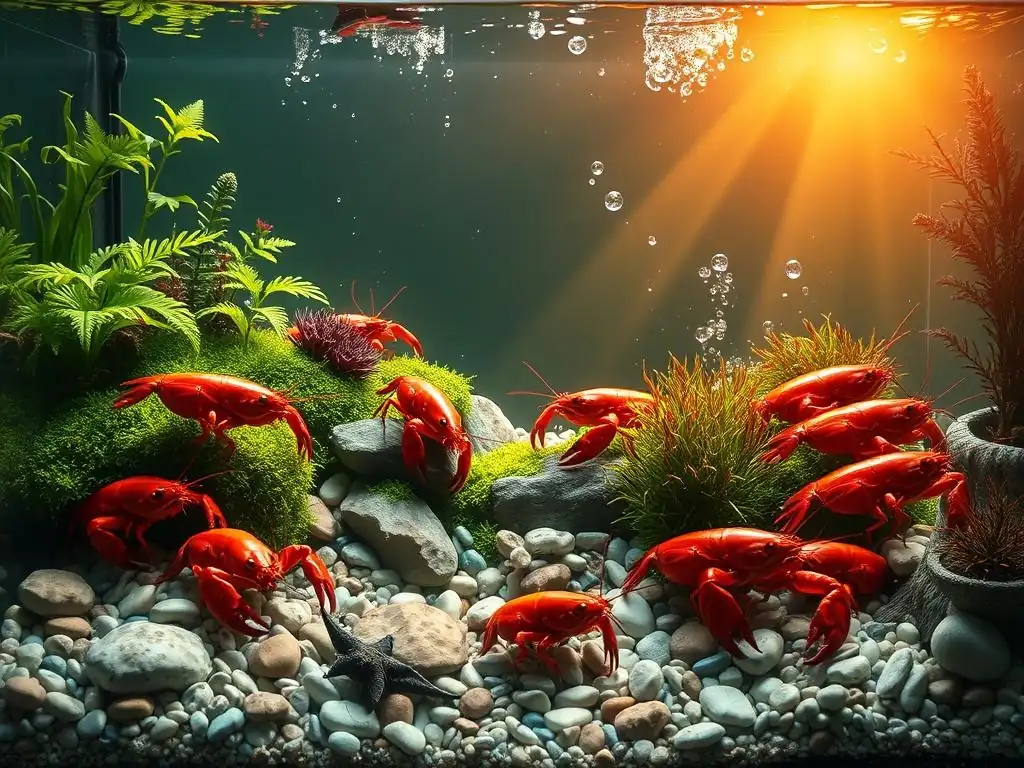
Fire Red Cherry Crayfish, primarily a vibrant color morph of the Procambarus clarkii species, have surged in popularity among freshwater aquarium enthusiasts. Their striking, intense red coloration provides a captivating focal point, adding dynamic visual appeal to planted tanks or dedicated invert setups. Unlike their wild counterparts, which can vary in hue, the 'Fire Red' morph is selectively bred to maintain its brilliant scarlet appearance, making it a highly sought-after specimen for those seeking to introduce a bold splash of color and unique behavior into their aquatic environments.
Beyond their aesthetic charm, these crayfish exhibit fascinating behaviors that captivate observers. They are active scavengers, constantly exploring their surroundings, digging, and interacting with their environment. Their distinct personality, characterized by curious movements and occasional territorial displays, offers a different dimension to the typical fish-centric aquarium, providing hours of engaging observation for aquarists. This combination of vivid coloration and engaging activity contributes significantly to the growing appeal of Fire Red Cherry Crayfish care.
Common Misconceptions About Fire Red Cherry Crayfish
One pervasive misconception about Fire Red Cherry Crayfish is their suitability for all community tanks, particularly those with small fish or other invertebrates. While they are often sold as attractive additions, Procambarus clarkii can grow up to 6 inches (approximately 15 cm) and are opportunistic predators. They will readily attempt to catch and consume slow-moving fish, shrimp (including actual cherry shrimp, Neocaridina davidi), and even snails, especially when hungry or during molting periods of tank mates. Their powerful claws, though small in juveniles, become formidable tools as they mature, posing a significant risk to smaller inhabitants.
Another common misunderstanding pertains to their "cherry" designation. Many aquarists confuse "Fire Red Cherry Crayfish" with "Cherry Shrimp" ( Neocaridina davidi), which are entirely different species. While both are red invertebrates, the former is a much larger, more aggressive crayfish, whereas the latter is a small, peaceful shrimp. This confusion often leads to inappropriate tank setups and unfortunate outcomes for other tank residents, highlighting the importance of proper identification and understanding the specific Fire Red Cherry Crayfish care requirements to ensure a harmonious aquarium environment.
Identifying True Fire Red Cherry Crayfish: Avoiding Look-alikes
Key Characteristics of Procambarus clarkii 'Fire Red'
The Fire Red Cherry Crayfish, a color morph of the Red Swamp Crayfish ( Procambarus clarkii), is characterized by its robust body and prominent claws (chelae). Adults typically reach a size of 4 to 6 inches (10-15 cm) from head to tail, with males generally having larger claws than females. Their most distinguishing feature is their intense, uniform red coloration, which covers their entire exoskeleton, including their claws and legs. This deep red hue is often consistent across the entire body, unlike some other red crayfish species that might have mottled or varying patterns.
Beyond color and size, Procambarus clarkii also exhibits specific anatomical traits. They possess a distinct rostrum (the pointed projection between their eyes) and a well-defined carapace. Their walking legs are sturdy, adapted for burrowing and navigating various substrates. Observing these physical attributes, particularly the large size potential and the characteristic body shape of Procambarus clarkii, is crucial for accurate identification, ensuring you are indeed acquiring a true Fire Red Cherry Crayfish for your aquatic setup and can provide appropriate Fire Red Cherry Crayfish care.
Distinguishing Fire Red Cherry Crayfish from Other Red Crayfish Species (e.g., Mexican Dwarf Crayfish)
Distinguishing Fire Red Cherry Crayfish from other red crayfish species, especially dwarf varieties, is essential for proper tank planning and compatibility. The most significant difference lies in size: while Procambarus clarkii 'Fire Red' can grow up to 6 inches, the Mexican Dwarf Crayfish ( Cambarellus patzcuarensis 'Orange'), another popular red crayfish, typically reaches only 1 to 1.5 inches (2.5-4 cm). This size disparity drastically impacts their tank requirements and potential tank mates.
Beyond size, behavioral patterns also differ. Fire Red Cherry Crayfish are known for their more assertive and often predatory nature, capable of catching and eating small fish or shrimp. Mexican Dwarf Crayfish, on the other hand, are significantly more peaceful and pose little threat to most community fish or even adult dwarf shrimp. Observing their maximum size, the robustness of their claws, and their general temperament are key factors in distinguishing these species and providing appropriate Fire Red Cherry Crayfish care versus dwarf crayfish care.
Color Variations and Grading in Fire Red Cherry Crayfish: What to Look For
While the 'Fire Red' designation implies a consistent, vibrant red, there can be subtle variations in the intensity and uniformity of their coloration. High-grade Fire Red Cherry Crayfish will exhibit a solid, deep, opaque red across their entire body, with minimal to no blotches, spots, or faded areas. The color should be consistent even on their underside and legs. Lower-grade specimens might display more orange tones, or have patches of white or brown, particularly on their underside or joints.
Environmental factors and diet can also influence the vibrancy of their color. A well-maintained tank with optimal water parameters and a diet rich in carotenoids (like astaxanthin, found in many quality invertebrate foods) can enhance and maintain their vivid red. When selecting Fire Red Cherry Crayfish, look for individuals with uniform, intense coloration and active movement. Healthy specimens will be alert and responsive, which are indicators of good overall health and proper Fire Red Cherry Crayfish care from the supplier.
Fire Red Cherry Crayfish Care: Creating the Ideal Habitat
Optimal Tank Parameters for Fire Red Cherry Crayfish
Water Chemistry: pH, GH, and KH Requirements
Maintaining stable and appropriate water chemistry is paramount for successful Fire Red Cherry Crayfish care. These crayfish are relatively hardy but thrive best in slightly alkaline to neutral water conditions. An ideal pH range for Procambarus clarkii 'Fire Red' is between 6.5 and 8.0, with a preference for the upper end of this spectrum (around 7.0-7.5). Stable pH helps prevent stress and supports healthy bodily functions.
General Hardness (GH) and Carbonate Hardness (KH) are also crucial, particularly for molting success. A GH of 8-15 dGH provides sufficient mineral content, especially calcium and magnesium, which are vital for developing a strong exoskeleton. A KH of 3-10 dKH helps buffer the water, preventing drastic pH swings. Regular testing with a reliable kit is recommended to monitor these parameters and make necessary, gradual adjustments to ensure optimal Fire Red Cherry Crayfish care conditions.
Temperature and Lighting Considerations
Fire Red Cherry Crayfish thrive in a temperature range of 65-78°F (18-26°C). While they can tolerate slightly cooler or warmer temperatures for short periods, maintaining stability within this range is essential for their metabolism, activity levels, and overall health. Temperatures consistently outside this range can lead to stress, reduced lifespan, and susceptibility to disease. During warmer months, ensure adequate cooling if your tank tends to overheat.
Lighting for a Fire Red Cherry Crayfish aquarium does not need to be intense. Standard aquarium lighting sufficient for plants (if you choose to have them, though crayfish may uproot them) is usually adequate. Crayfish are primarily nocturnal or crepuscular, meaning they are most active during dawn and dusk. Providing a regular day/night cycle is beneficial, but excessive bright light throughout the day can cause them stress and encourage them to hide more. Dimmer lighting or areas of shade within the tank are appreciated as part of comprehensive Fire Red Cherry Crayfish care.
Tank Size and Stocking Density for Healthy Crayfish
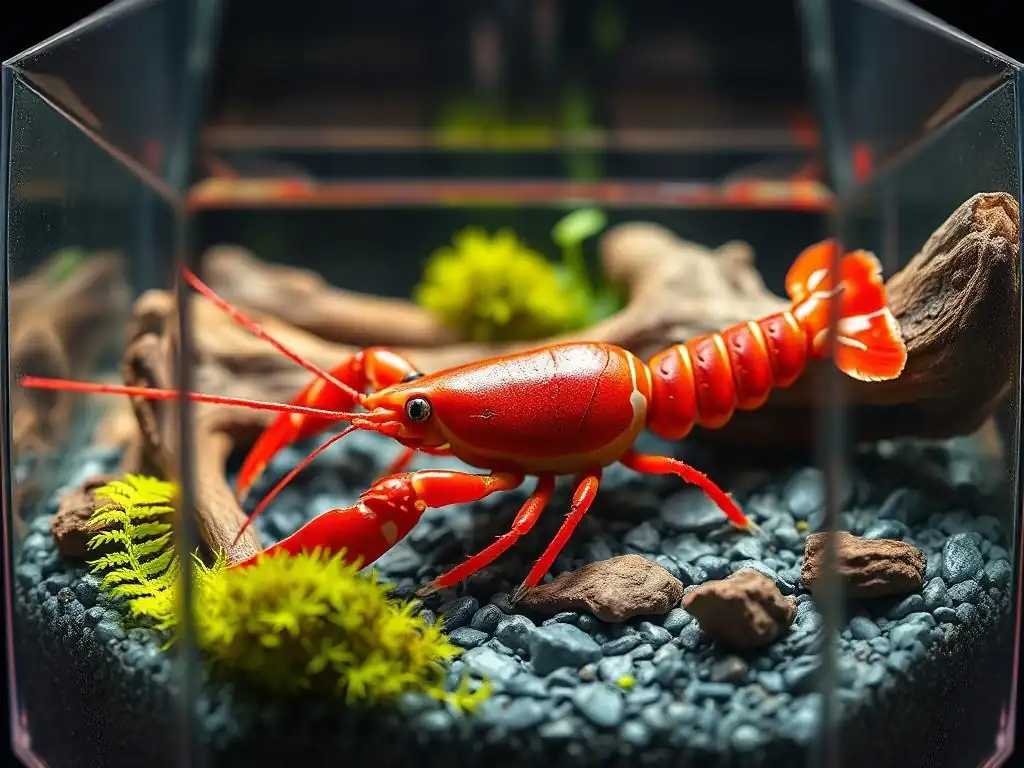
Due to their potential size and territorial nature, Fire Red Cherry Crayfish require a suitably sized aquarium to thrive. A single adult Procambarus clarkii 'Fire Red' needs a minimum of a 20-gallon (75-liter) long tank to provide adequate space for exploration, molting, and establishing a territory. The "long" dimension is important as it offers more floor space than a tall tank, which is beneficial for these bottom-dwelling creatures.
If you plan to keep multiple Fire Red Cherry Crayfish, a significantly larger tank is necessary to minimize aggression and provide individual territories. For two individuals, a 40-gallon breeder tank (approx. 150 liters) is a more appropriate minimum. Overstocking can lead to increased stress, aggression, cannibalism (especially during molting), and poor water quality, all of which compromise effective Fire Red Cherry Crayfish care. Providing ample space is key to their well-being.
Substrate and Decor: Providing Shelter and Enrichment
The choice of substrate and decor plays a critical role in creating a suitable habitat for Fire Red Cherry Crayfish. A fine to medium-grade gravel or sand substrate is ideal, as these crayfish are natural burrowers and enjoy digging. A substrate depth of at least 2-3 inches (5-7.5 cm) allows them to engage in this natural behavior, which can reduce stress and provide a sense of security. Avoid sharp-edged substrates that could injure their soft undersides or legs.
Providing ample hiding spots and enrichment is crucial for Fire Red Cherry Crayfish care. Decor such as PVC pipes, ceramic caves, driftwood, and rock formations offer essential shelters, especially during vulnerable molting periods. These hiding spots also help delineate territories if keeping multiple crayfish. While plants can be included, be aware that Procambarus clarkii are notorious for uprooting and consuming live plants, so sturdy, fast-growing species or artificial plants are often preferred.
Fire Red Cherry Crayfish Diet and Feeding
What Do Fire Red Cherry Crayfish Eat? A Balanced Diet
Fire Red Cherry Crayfish are omnivorous scavengers by nature, meaning their diet in the wild consists of a wide variety of organic matter, including decaying plant material, detritus, small invertebrates, and even dead fish. In an aquarium setting, providing a balanced diet that mimics their natural foraging habits is crucial for their health, coloration, and longevity. Their diet should include a mix of plant-based and protein-rich foods to ensure they receive all necessary nutrients, especially calcium for their exoskeleton.
A deficiency in their diet can lead to molting problems, weakened shells, and dull coloration. Therefore, understanding their dietary needs is a fundamental aspect of Fire Red Cherry Crayfish care. They are not particularly picky eaters, but offering variety will contribute to their overall vitality and prevent nutritional deficiencies. Avoid overfeeding, as uneaten food can quickly foul the water quality.
Recommended Foods: Pellets, Wafers, and Natural Supplements
For a staple diet, high-quality sinking pellets or wafers specifically formulated for crustaceans or omnivorous bottom-dwellers are excellent choices. These often contain essential minerals like calcium and a good balance of proteins and plant matter. Brands like Hikari Crab Cuisine or other shrimp/crayfish pellets are generally well-regarded. Supplementing their diet with blanched vegetables such as zucchini, spinach, or peas provides valuable plant-based nutrients and fiber. Approximately 1-2 small pieces of blanched vegetable per week can be offered.
Protein sources are also important. Small pieces of frozen bloodworms, brine shrimp, or even high-quality fish flakes can be offered sparingly, perhaps once or twice a week. Ensure any protein source is defrosted before feeding. Additionally, calcium supplements, such as cuttlebone pieces (boiled and cooled) or specialized calcium blocks, can be added to the tank to ensure adequate calcium intake, which is vital for successful molting and preventing shell issues in Fire Red Cherry Crayfish care.
Feeding Frequency and Avoiding Overfeeding
Fire Red Cherry Crayfish should generally be fed once a day, or every other day, depending on their size and the presence of other tank inhabitants that might compete for food. The key is to provide only as much food as they can consume within a few hours. For instance, a small sinking pellet or a few flakes for a single adult crayfish is usually sufficient. Overfeeding is a common mistake that can lead to significant water quality issues.
Excess uneaten food decomposes rapidly, leading to spikes in ammonia and nitrites, which are highly toxic to crayfish and other aquatic life. This can also contribute to unwanted algae growth. If you notice uneaten food after a few hours, remove it promptly with a net or siphon. Adjust the feeding amount accordingly for subsequent feedings. Consistent monitoring of food consumption and water parameters is a vital part of effective Fire Red Cherry Crayfish care, ensuring a healthy and stable environment.
Fire Red Cherry Crayfish Tank Mates: Compatibility Guide
Suitable Tank Mates: Fish and Snails
Choosing suitable tank mates for Fire Red Cherry Crayfish requires careful consideration due to their predatory and territorial nature. While generally not recommended for community tanks with small or slow-moving fish, some larger, fast-moving, and robust fish species can potentially co-exist. Examples include larger tetras (like Buenos Aires Tetras), Rainbowfish, certain types of Danios (e.g., Giant Danios), or fully grown Barbs (e.g., Rosy Barbs). These fish are typically too fast for the crayfish to catch and large enough not to be easily overpowered.
Snails, particularly larger, hard-shelled species like Nerite Snails or Mystery Snails, can sometimes be kept with Fire Red Cherry Crayfish. However, caution is advised as the crayfish may still attempt to grab and consume them, especially during the snail's vulnerable moments or if the crayfish is particularly aggressive. Providing ample hiding spots for both the crayfish and potential tank mates can help mitigate aggression and provide a safer environment for Fire Red Cherry Crayfish care.
Fish to Avoid: Predators and Aggressors
When planning for Fire Red Cherry Crayfish care, it's crucial to identify fish species that are incompatible, both as potential predators and as targets of the crayfish's aggression. Avoid housing them with any small, slow-moving, or bottom-dwelling fish such as Guppies, Neon Tetras, Endlers, small Plecos, or Corydoras catfish. These species are highly susceptible to being caught and eaten by the crayfish, especially at night or during molting periods when the crayfish are most active and vulnerable.
Conversely, aggressive or fin-nipping fish should also be avoided, as they can stress and injure the crayfish, particularly when it's molting and its exoskeleton is soft. Large, highly aggressive cichlids or predatory fish are generally unsuitable. The primary concern with Fire Red Cherry Crayfish is usually their predatory nature towards tank mates, so the focus should be on selecting fish that can evade their claws and are large enough not to be considered prey, ensuring responsible Fire Red Cherry Crayfish care.
Considering Invertebrate Compatibility: Shrimp and Snail Safety
The compatibility of Fire Red Cherry Crayfish with other invertebrates, especially shrimp and snails, is a critical aspect of tank planning. It's important to understand that Fire Red Cherry Crayfish (being Procambarus clarkii morphs) are not shrimp-safe. They will actively hunt and consume any size of freshwater shrimp, including popular species like Cherry Shrimp ( Neocaridina davidi), Amano Shrimp, or Ghost Shrimp. Therefore, keeping them in the same tank as shrimp is highly discouraged unless you intend the shrimp to be live food.
While larger, hard-shelled snails like Nerite Snails or Mystery Snails might survive, there's always a risk that the crayfish will attack them, especially if hungry or if the snail is resting in an exposed area. Smaller snails, such as bladder snails or ramshorn snails, will almost certainly become prey.
If you prioritize the safety of your snails or shrimp, it is best to keep Fire Red Cherry Crayfish in a species-only tank or with carefully selected, robust fish that are too large to be prey. This careful consideration of invertebrate compatibility is a key component of effective Fire Red Cherry Crayfish care.
Breeding Fire Red Cherry Crayfish: A Guide to Successful Reproduction
Creating Breeding Conditions: Triggers and Requirements
Breeding Fire Red Cherry Crayfish ( Procambarus clarkii 'Fire Red') in an aquarium is relatively straightforward, as they are prolific breeders. Optimal breeding conditions generally involve stable, clean water parameters within their preferred range (pH 6.5-8.0, temperature 68-75°F or 20-24°C). A slightly cooler temperature and increased protein in their diet can sometimes act as triggers, signaling to them that conditions are favorable for reproduction. Ensuring a well-established tank with plenty of hiding spots is also crucial, as it provides security for the breeding pair and protection for the eventual offspring.
A balanced male-to-female ratio, such as one male to two or three females, is often recommended to reduce stress on the females from over-mating. Providing a spacious tank (e.g., 20 gallons or larger) with ample cover for each individual is vital to prevent aggression, particularly during courtship and after mating. Maintaining excellent water quality through regular water changes and efficient filtration minimizes stress and supports overall reproductive health, making successful Fire Red Cherry Crayfish care for breeding more likely.
Identifying Pregnant Female Crayfish: Egg-Carrying ("Berries")
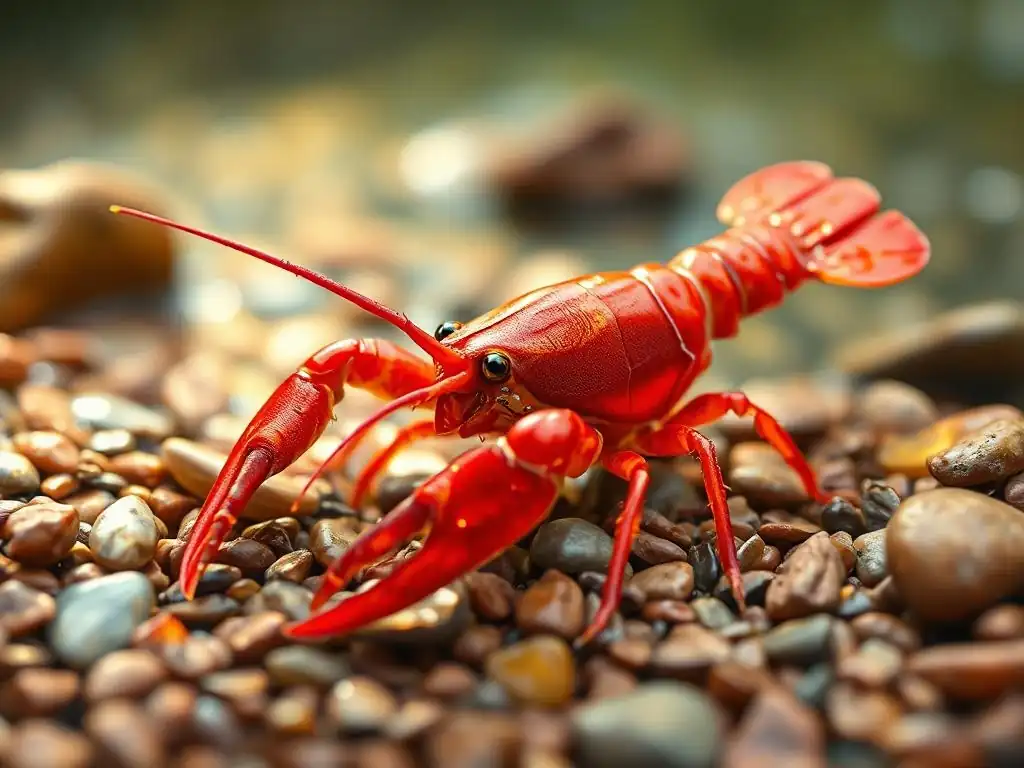
Identifying a pregnant female Fire Red Cherry Crayfish is relatively easy once she has successfully mated. After mating, the female will carry fertilized eggs attached to the swimmerets (small appendages) on the underside of her tail, tucked beneath her abdomen. These eggs are typically dark brown or black, resembling a cluster of small berries, hence the term "berried" female. The number of eggs can vary significantly, ranging from 100 to over 500, depending on the female's size and age.
The female will meticulously fan her eggs with her swimmerets to ensure proper oxygenation and to remove any debris or unfertilized eggs. This fanning behavior is a clear indicator that she is carrying eggs. The incubation period typically lasts 3 to 4 weeks, depending on the water temperature. During this time, the female will often become more reclusive and protective, seeking out a secure hiding spot. Observing this egg-carrying behavior is a rewarding aspect of Fire Red Cherry Crayfish care for breeders.
Protecting Baby Crayfish: Preventing Predation
Once the Fire Red Cherry Crayfish eggs hatch, tiny, fully formed miniature crayfish emerge. These juveniles are highly vulnerable to predation, not only from fish and other larger tank mates but also from their own parents, especially the male, and even other adult crayfish in the tank. To maximize the survival rate of the offspring, it is crucial to provide a safe environment. The most effective method is to move the berried female to a separate breeding or "grow-out" tank once the eggs are visible.
This dedicated tank should be well-established with plenty of hiding spots, such as dense moss, small PVC pipes, or ceramic decor, where the baby crayfish can seek refuge. Once the babies hatch, the female can be returned to the main tank to prevent her from consuming her offspring.
Alternatively, if a separate tank is not feasible, ensure the main tank has an abundance of very small crevices and dense plant cover (if plants can withstand crayfish) where the juveniles can hide effectively. Providing a consistent and fine-particulate food source for the babies, such as powdered fry food or crushed flakes, is also essential for their growth and survival in Fire Red Cherry Crayfish care.
Common Health Problems in Fire Red Cherry Crayfish
Recognizing Signs of Illness: Early Detection is Key
Early detection of illness is crucial for effective Fire Red Cherry Crayfish care and treatment. Healthy crayfish are typically active, constantly exploring, and exhibit a vibrant, consistent red coloration. Signs of illness can include lethargy, spending excessive time hiding, unusual swimming patterns (e.g., swimming erratically or upside down), or a significant loss of appetite. Their coloration might also appear dull or faded, and they may develop white or cloudy patches on their shell.
Physical signs to look for include damaged appendages (though minor damage can occur naturally during molting), fungal growths (appearing as cotton-like patches), or visible parasites. Any prolonged period of inactivity or unresponsiveness should raise concern. Regular observation of your Fire Red Cherry Crayfish's behavior and appearance is the first line of defense in identifying potential health issues before they become severe, allowing for prompt intervention.
Common Diseases and Parasites: Prevention and Treatment
Fire Red Cherry Crayfish are generally hardy, but like all aquatic creatures, they can be susceptible to certain diseases and parasites, often triggered by poor water quality, stress, or inadequate nutrition. Fungal infections, appearing as fuzzy white or gray patches on their shell or joints, are common and often result from dirty water or injuries. Bacterial infections can cause shell erosion or lethargy. Internal parasites are less visible but can lead to wasting and decreased activity.
Prevention is the best approach to Fire Red Cherry Crayfish care regarding health. This includes maintaining pristine water conditions through regular water changes, providing a balanced diet rich in calcium, and avoiding overstocking. If an infection is suspected, isolating the affected crayfish in a quarantine tank is advisable. Treatments for fungal infections often involve aquarium-safe antifungal medications, while bacterial infections may require antibiotics. Always follow medication instructions carefully and remove carbon filtration during treatment.
Addressing Shell Issues: Molting Problems and Mineral Deficiencies
Molting (ecdysis) is a critical and vulnerable process for Fire Red Cherry Crayfish, as they shed their old exoskeleton to grow. Problems during molting are a common health concern. A "bad molt" occurs when the crayfish struggles to fully exit its old shell, often resulting in death. This is frequently caused by insufficient calcium and other minerals in the water or diet, leading to a weak new shell or an inability to break free from the old one.
To prevent molting issues, ensuring adequate water hardness (GH) and providing calcium-rich foods (like cuttlebone, calcium supplements, or foods fortified with calcium) are paramount for Fire Red Cherry Crayfish care. After a successful molt, the crayfish will be soft and highly vulnerable to predation or injury for several days until its new shell hardens. During this period, it's crucial to ensure ample hiding spots and to avoid disturbing the crayfish. A healthy diet and stable water parameters are the best defense against shell-related problems.
Maintaining a Healthy Fire Red Cherry Crayfish Aquarium: Best Practices
Regular Water Changes and Filtration
Maintaining exceptional water quality is the cornerstone of healthy Fire Red Cherry Crayfish care. Regular water changes are essential to dilute nitrates, replenish essential minerals, and remove accumulated organic waste. For a well-established tank, a weekly water change of 20-30% of the tank volume is generally recommended. Always use dechlorinated water that is temperature-matched to the aquarium to prevent sudden shocks.
An efficient filtration system is also critical. A sturdy hang-on-back (HOB) filter or a canister filter provides mechanical filtration to remove particulate matter, chemical filtration to absorb toxins, and biological filtration to process ammonia and nitrites into less harmful nitrates. Ensure filter intakes are covered with a pre-filter sponge to prevent small crayfish or their offspring from being sucked in. Regular cleaning of filter media (in old tank water) is necessary to maintain efficiency without crashing the beneficial bacteria colony.
Monitoring Water Parameters and Adjustments
Consistent monitoring of water parameters is a non-negotiable aspect of Fire Red Cherry Crayfish care. Regular testing for ammonia, nitrite, nitrate, pH, GH, and KH using a reliable liquid test kit should be part of your routine. Ammonia and nitrite should always be at 0 ppm. Nitrates should be kept below 20 ppm through regular water changes.
If parameters drift outside the optimal range (e.g., pH falls too low, or GH is insufficient for molting), gradual adjustments are necessary. For instance, crushed coral or aragonite can be added to the substrate or filter to slowly raise pH, GH, and KH. Conversely, if hardness is too high, using reverse osmosis (RO) water mixed with tap water can help. Avoid sudden, drastic changes, as these can stress and harm your Fire Red Cherry Crayfish. Consistency and gradualism are key to maintaining a stable aquatic environment.
Preventing Algae and Maintaining a Clean Environment
While Fire Red Cherry Crayfish are scavengers and will consume some detritus, they are not primarily known for their algae-eating capabilities like many shrimp or snails. Therefore, preventing excessive algae growth and maintaining a clean environment is crucial for their well-being and the overall aesthetic of the tank. Overfeeding is a primary cause of algae, as it introduces excess nutrients into the water. Feed sparingly and remove any uneaten food promptly.
Controlling light exposure is another effective way to manage algae. Limit the aquarium lights to 8-10 hours per day and avoid direct sunlight on the tank. Regular manual removal of algae from tank surfaces and decor during water changes also helps. A clean substrate, achieved through regular gravel vacuuming, prevents the buildup of organic waste that fuels algae growth. A proactive approach to cleanliness is a vital component of Fire Red Cherry Crayfish care, contributing to both their health and the visual appeal of their habitat.
The Benefits of Keeping Fire Red Cherry Crayfish
Adding Color and Activity to Your Aquarium
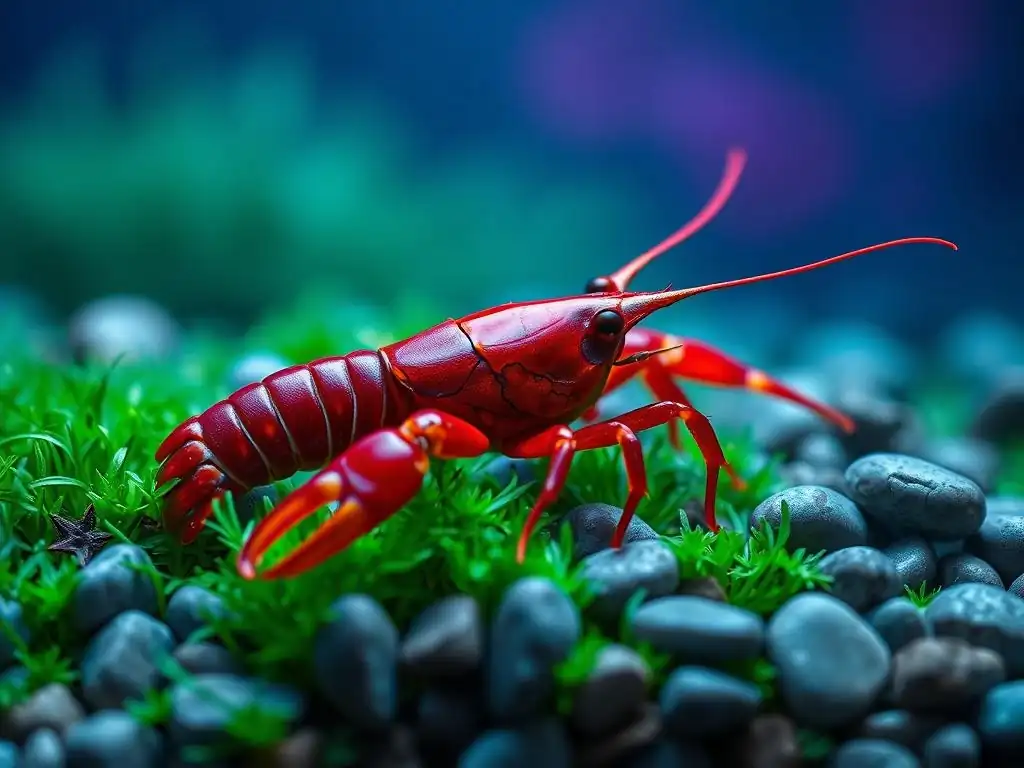
One of the most immediate and striking benefits of keeping Fire Red Cherry Crayfish is the vibrant splash of color they introduce to a freshwater aquarium. Their intense, uniform red hue creates a captivating focal point, especially against a backdrop of green plants or dark substrate. This vivid coloration can significantly enhance the visual appeal of a tank, making it more dynamic and engaging to observe.
Beyond their color, these crayfish bring a unique level of activity to the bottom of the tank. They are constantly exploring, digging, and interacting with their environment, offering a different behavioral dynamic compared to fish. Watching them navigate their territory, forage for food, or even engage in their characteristic defensive stances provides endless entertainment and adds a distinct personality to the aquatic display. This combination of color and engaging behavior makes Fire Red Cherry Crayfish care a rewarding experience.
Detritus Removal and Substrate Aeration
Fire Red Cherry Crayfish are excellent scavengers, playing a beneficial role in the aquarium ecosystem by consuming detritus, uneaten food, and decaying plant matter. While they won't clean a tank entirely, their constant foraging helps to break down organic waste, reducing the bioload and contributing to cleaner water. This natural "clean-up" service can be a valuable asset, especially in tanks where other scavengers might be less efficient or absent.
Furthermore, their natural digging behavior helps to aerate the substrate. As they burrow and sift through the gravel or sand, they prevent the buildup of anaerobic pockets, which can release harmful gases and create unhealthy conditions. This aeration is beneficial for the beneficial bacteria that reside in the substrate and can contribute to overall substrate health. This dual benefit of detritus removal and substrate aeration makes Fire Red Cherry Crayfish a functional, albeit predatory, addition to the tank, contributing to overall Fire Red Cherry Crayfish care.
Observing Unique Behaviors and Life Cycles
Keeping Fire Red Cherry Crayfish offers a unique opportunity to observe fascinating crustacean behaviors and their complete life cycle. Unlike many fish, crayfish exhibit distinct territorial displays, complex foraging strategies, and the remarkable process of molting. Witnessing a crayfish shed its entire exoskeleton and emerge larger is a truly impressive natural phenomenon that provides insight into their biology.
Their reproductive cycle, from the female carrying "berried" eggs to the hatching of miniature, fully-formed offspring, is also incredibly engaging to observe. Their interactions with each other and their environment provide a constant source of interest for the dedicated aquarist. This opportunity for close observation of their unique behaviors and the intricacies of their life cycle makes Fire Red Cherry Crayfish care a deeply enriching hobby, offering a different perspective on aquatic life beyond just fish.
Where to Buy Fire Red Cherry Crayfish: Selecting Healthy Specimens
Reputable Breeders and Online Retailers
When looking to acquire Fire Red Cherry Crayfish, sourcing from reputable breeders or established online retailers is paramount to ensure you receive healthy, high-quality specimens. Local fish stores can be a good option if they have a knowledgeable staff and a good reputation for invertebrate care. However, online retailers specializing in aquatic invertebrates often have a wider selection and may offer better grading and health guarantees.
Before purchasing, research the seller's reviews and policies regarding live arrival and health. A reputable breeder will provide information on the crayfish's lineage, size, and general care. Online retailers should offer secure shipping methods that account for temperature fluctuations and transit time. Avoiding impulse buys from unknown sources minimizes the risk of introducing diseases or acquiring misidentified species, which is a critical part of responsible Fire Red Cherry Crayfish care.
Inspecting Crayfish Before Purchase: Ensuring Health and Vigor
Regardless of where you purchase your Fire Red Cherry Crayfish, a thorough inspection of the specimens before committing to a purchase is essential. Observe their activity levels: healthy crayfish should be active, constantly moving their antennae, and exploring their surroundings. Avoid crayfish that are lethargic, motionless, or appear to be struggling to move.
Examine their physical appearance closely. The exoskeleton should be intact and free of any visible damage, white spots, cotton-like growths (indicating fungus), or discolored patches. Their claws and legs should be present and appear proportional. While minor missing appendages can regenerate over molts, it's often a sign of recent stress or aggression. A healthy Fire Red Cherry Crayfish will exhibit a vibrant, uniform red coloration. Observing these signs of health and vigor is crucial for ensuring a successful start to your Fire Red Cherry Crayfish care journey.
Frequently Asked Questions
How can I properly identify a Fire Red Cherry Crayfish?
Proper identification involves examining the crayfish's color, which should be a vibrant fire red. Other distinguishing features include the size and shape of the claws and the overall body structure, as outlined in detailed guides.
What are the key elements of Fire Red Cherry Crayfish care in a freshwater aquarium?
Fire Red Cherry Crayfish require a well-maintained freshwater aquarium with appropriate water parameters. Providing hiding places and a balanced diet are also crucial for their health and well-being.
What are the ideal water parameters for Fire Red Cherry Crayfish?
Maintaining stable water parameters is essential. This includes monitoring the temperature, pH, and ammonia levels. Refer to AquariumMastery.com for specific recommended ranges for Fire Red Cherry Crayfish.
What type of food should I feed my Fire Red Cherry Crayfish?
Fire Red Cherry Crayfish are omnivores and benefit from a varied diet. Supplement their diet with algae wafers, vegetables, and occasional protein sources, ensuring a balanced nutritional intake.
What are some common health issues that affect Fire Red Cherry Crayfish and how can I prevent them?
Common issues include shell rot and parasitic infections. Prevention involves maintaining clean water conditions, providing a stress-free environment, and quarantining new additions to your tank.
Final Reflection: Appreciating the Nuances of Aquatic Life
The journey of understanding the Fire Red Cherry Crayfish, as we've explored, is more than just mastering Fire Red Cherry Crayfish care; it's about appreciating the delicate balance within our aquariums and the responsibility we undertake when introducing a new life form into our homes. The distinctions between fact and fiction, the importance of proper identification, all contribute to a deeper understanding of these fascinating creatures and, ultimately, to their well-being.
This exploration has highlighted how easily misinformation can spread, especially in the online world. It's a reminder that responsible pet ownership begins with diligent research and a commitment to providing the best possible environment for our aquatic companions. The greatness of a nation and its moral progress can be judged by the way its animals are treated.
- Mahatma Gandhi. This quote, though often applied to larger animals, resonates deeply when considering the care of even the smallest crayfish.
As you embark on, or continue, your journey with Fire Red Cherry Crayfish, remember that knowledge is power. Let the insights shared here inspire you to delve deeper, to question assumptions, and to continuously learn. By doing so, you not only enhance the lives of these vibrant creatures but also enrich your own understanding of the intricate and beautiful world that exists beneath the surface of the water.
Unleash Your Inner Crayfish Expert!
Thanks for diving into the fascinating world of Fire Red Cherry Crayfish! We hope you’ve gained valuable insights into identifying these vibrant creatures and separating fact from fiction. Ready to take your crayfish knowledge to the next level?
Here's how you can continue your journey:
- Become a Crayfish Spotter: Visit your local aquarium store and confidently identify Fire Red Cherry Crayfish, applying the knowledge you've gained about their distinct characteristics.
- Share the knowledge: Spread the word! Share this article with fellow aquarium enthusiasts to help them navigate the world of crayfish identification.
- Get Creative: Try documenting your finds by starting a photo collection of different crayfish variations to document the unique phenotypes.
What other tips would you give someone trying to identify a true Fire Red Cherry Crayfish for the first time?