
Unveiling the Silent Killers: A Comprehensive Guide to Identifying & Fixing Aquatic Plant Nutrient Deficiencies

Welcome to Aquarium Mastery!
Ever wondered why your vibrant aquarium plants are suddenly looking a little… lackluster? Dive into our comprehensive guide, "Unveiling the Silent Killers," where we explore the hidden world of aquarium plant nutrient deficiencies. Discover the telltale signs, learn how to diagnose the problem, and find practical solutions to restore your underwater garden to its flourishing glory. Ready to unlock the secrets to healthy, thriving aquatic plants? Let's get started!
- Understanding & Correcting Aquarium Plant Nutrient Deficiencies
- Understanding Aquarium Plant Nutrient Deficiencies
- Identifying Aquarium Plant Nutrient Deficiencies
- Key Nutrients for Aquarium Plants
- Testing Aquarium Water for Nutrient Levels
- Correcting Aquarium Plant Nutrient Deficiencies
- Troubleshooting Persistent Nutrient Issues
- Conclusion: Achieving a Flourishing Planted Aquarium
-
Frequently Asked Questions
- What are the most common signs of nutrient deficiencies in aquarium plants?
- How can I determine which specific nutrient is lacking in my aquarium?
- What are some readily available sources of aquarium plant nutrients?
- How often should I dose my aquarium with plant nutrients?
- Can too many nutrients also harm my aquarium plants?
- Final Reflection: Cultivating Thriving Aquatic Ecosystems
- Unlock the Secrets to a Thriving Aquarium!
Understanding & Correcting Aquarium Plant Nutrient Deficiencies
Understanding Aquarium Plant Nutrient Deficiencies
Why Nutrients are Essential for Aquatic Plant Health
Aquatic plants, much like their terrestrial counterparts, rely fundamentally on a consistent supply of essential nutrients for their survival and robust growth. These vital elements are the building blocks for critical biological processes, most notably photosynthesis. Through photosynthesis, plants convert light energy into chemical energy, synthesizing sugars and starches crucial for their cellular structure, energy reserves, and overall development. Without adequate nutrients, plants cannot perform these basic functions, leading to impaired growth and compromised health.
The absence or scarcity of even a single essential nutrient can severely impede a plant's ability to thrive, affecting everything from root development to leaf coloration. Nutrients are absorbed both from the water column and, for many species, directly from the substrate through their root systems. A well-nourished plant contributes significantly to a balanced aquarium ecosystem by absorbing excess nitrates, competing effectively with algae, and producing oxygen, thereby creating a healthier environment for fish and other inhabitants.
Recognizing the Impact of Nutrient Deficiencies
The impact of aquarium plant nutrient deficiencies extends far beyond merely aesthetic imperfections; it signifies a fundamental breakdown in the plant's physiological processes. Initial signs often manifest as subtle changes in leaf color, such as yellowing (chlorosis) or darkening, or alterations in growth patterns like stunting or misshapen leaves. These visual cues are critical indicators for aquarists, signaling that specific elements required for healthy growth are either scarce or completely absent from the aquatic environment.
On a broader ecological scale, nutrient-deficient plants become weak and vulnerable, losing their competitive edge against opportunistic algae. This often leads to unsightly algae blooms, which not only detract from the aquarium's appearance but also consume available nutrients, further starving the higher plants. Furthermore, struggling plants produce less oxygen, which can stress fish, and are less effective at filtering harmful compounds from the water, potentially destabilizing the entire aquarium ecosystem. Addressing aquarium plant nutrient deficiencies is thus crucial for both plant health and overall tank stability.
Common Misconceptions About Aquatic Plant Nutrition
One widespread misconception among aquarists is that fish waste alone provides all the necessary nutrients for a thriving planted tank. While fish waste does supply nitrogen (in the form of nitrates) and some phosphorus, it rarely provides a complete spectrum of macro and micronutrients essential for vigorous plant growth. Many vital elements like potassium, iron, calcium, and magnesium are often in short supply from fish waste alone, leading to chronic aquarium plant nutrient deficiencies even in heavily stocked tanks. Relying solely on fish waste often results in stunted, pale plants and an increased susceptibility to algae.
Another common belief is that "less is more" when it comes to dosing nutrients, under the assumption that high nutrient levels invariably lead to algae. However, the truth lies in nutrient balance and availability, not just quantity. Overdosing can indeed create imbalances that trigger algae, but underdosing or a severe deficiency in one key nutrient can be equally problematic, making plants weak and unable to outcompete algae for the available resources. A healthy, robust plant population, properly fed and supplied with all necessary elements in appropriate ratios, is actually the best defense against algae, making balanced nutrient management paramount.
Identifying Aquarium Plant Nutrient Deficiencies
Visual Symptoms of Nutrient Deficiencies
Chlorosis: Identifying Nitrogen, Iron, and Magnesium Deficiencies
Chlorosis, the yellowing or paling of plant tissue due to a lack of chlorophyll, is a primary indicator of several aquarium plant nutrient deficiencies. Nitrogen (N) deficiency typically presents as a general yellowing of older leaves, which may eventually turn white, as the plant reallocates its limited nitrogen to newer, actively growing tissues. This is particularly common in fast-growing stem plants like Rotala rotundifolia or Ludwigia repens.
In contrast, Iron (Fe) deficiency usually manifests as interveinal chlorosis, where the tissue between the veins of new leaves yellows while the veins themselves remain green. This is because iron is largely immobile within the plant, so new growth suffers first. Red-leaved plants, such as Alternanthera reineckii or Ludwigia super red, will often lose their vibrant coloration and appear pale or greenish. Magnesium (Mg) deficiency also causes interveinal chlorosis, but it typically affects older leaves first, sometimes accompanied by reddish or brown spots, as magnesium is a mobile nutrient and is transported to new growth.
Stunted Growth: Spotting Potassium and Phosphorus Deficiencies
Stunted growth is a general symptom of various aquarium plant nutrient deficiencies, indicating that the plant lacks the necessary building blocks for normal development. When Potassium (K) is deficient, plants often exhibit an overall reduction in size, with leaves that are smaller than normal and internodes (the spaces between leaf nodes on a stem) that are unusually short, leading to a compact, bushy appearance. Older leaves may also show yellowing, pinholes, or necrotic (dead) spots.
Phosphorus (P) deficiency also leads to severely stunted growth, but often with a distinct symptom: the leaves may turn an abnormally dark green or even purplish hue, especially on the undersides. This coloration is due to the accumulation of anthocyanin pigments. Older leaves may also die back prematurely. Plants like Anubias, Bucephalandra, and Cryptocorynes, while slow-growing, can clearly show these signs when phosphorus is lacking, impacting their ability to store and transfer energy for growth.
Leaf Damage: Recognizing Potassium and Calcium Deficiencies
Physical damage to leaves, beyond simple yellowing, is a strong indicator of specific aquarium plant nutrient deficiencies. Potassium (K) deficiency is frequently characterized by the appearance of small pinholes in older leaves, which can later enlarge into necrotic spots. The edges of older leaves may also yellow or brown, giving a "burnt" appearance, and stems might become weak and brittle. This damage is often seen in sword plants ( Echinodorus species) and many fast-growing stem plants.
Calcium (Ca) deficiency, on the other hand, primarily affects new growth because calcium is an immobile nutrient within the plant. Symptoms include distorted, curled, or misshapen new leaves, often with crinkled edges or a general inability to properly unfurl. Growing tips (apical meristems) may die back, resulting in a "witches' broom" appearance. Plants like Cryptocoryne species can show significant deformation in their developing leaves, hindering their ability to photosynthesize effectively.
Deformed Leaves: Calcium and Boron Deficiency Indicators
Beyond stunted growth and general damage, certain aquarium plant nutrient deficiencies can cause profound deformations in leaf structure, particularly in new growth. As previously mentioned, Calcium (Ca) deficiency is a prime culprit for deformed leaves. Since calcium is crucial for cell wall formation and stability, its absence leads to new leaves that are visibly twisted, curled, or crinkled, unable to develop into their normal shape. The growing tips may also turn brown and die, preventing further vertical growth.
Boron (B) deficiency, though less common, also results in significant leaf deformation and stunted new growth. Boron is vital for cell division, sugar transport, and hormone regulation. When deficient, new leaves can appear thick, brittle, and abnormally small. Growing points may die, leading to a bushy, distorted appearance at the plant's apex. Plants with rapid growth or those requiring high metabolic activity are more susceptible to these deformities when boron levels are insufficient.
Algae Blooms as a Symptom of Nutrient Imbalance
While not a direct visual symptom on the plant itself, persistent algae blooms are a critical indicator of aquarium plant nutrient deficiencies or, more broadly, nutrient imbalance. Algae are opportunistic organisms that thrive when higher plants are struggling to outcompete them for available resources. This often occurs when there's an excess of certain nutrients (like nitrates or phosphates) combined with a deficiency in others (e.g., potassium, iron, or CO2), creating a perfect breeding ground for algae.
For instance, green spot algae often points to low phosphate levels or insufficient CO2, as plants cannot efficiently utilize other nutrients without these. Hair algae can proliferate with fluctuating CO2 or a general lack of nitrates. Black beard algae (BBA) is frequently linked to unstable CO2 levels or an overall nutrient instability. A healthy, thriving planted tank with balanced nutrient levels is the best defense against algae; if algae is rampant, it's a strong signal that the plants are not getting what they need to flourish and outcompete.
Deficiency Chart: Symptoms, Affected Plants, and Possible Causes
Nutrient Common Symptoms Affected Plants (Examples) Possible Causes Nitrogen (N) General yellowing (chlorosis) of older leaves, stunted growth. Fast-growing stem plants (e.g., Rotala), Anubias, Cryptocorynes. Insufficient fish waste, low nitrates in water, heavy plant load. Phosphorus (P) Dark green/purplish leaves, severely stunted growth, dying older leaves. Anubias, Bucephalandra, slow-growing plants. Low phosphate levels, infrequent feeding, poor substrate. Potassium (K) Yellowing/holes/necrosis on older leaves, stunted growth, weakened stems. Sword plants (Echinodorus), Cryptocorynes, many stem plants. Infrequent water changes, low potassium in tap water, high plant demand. Iron (Fe) Interveinal chlorosis (yellowing between veins) on new leaves, pale growth. Red plants (e.g., Ludwigia, Rotala 'Colorata'), fine-leaved plants. High pH, excess phosphate, lack of iron supplementation. Magnesium (Mg) Interveinal chlorosis on older leaves, sometimes reddish spots or necrosis. Anubias, Bucephalandra, Cryptocorynes, broad-leaved plants. Soft water, low magnesium in tap water, competition from high calcium. Calcium (Ca) Deformed/stunted new growth, twisted leaves, dying growing tips. Cryptocorynes, Java Fern, Anubias, plants in very soft water. Very soft water, reverse osmosis (RO) water without remineralization. Boron (B) Stunted new growth, thick/brittle leaves, death of growing points. Stem plants, particularly those with rapid growth. Low boron in tap water, infrequent supplementation. Sulfur (S) General yellowing of new leaves, similar to nitrogen but on new growth. Most plants, though a less common deficiency in aquariums. Very soft water, lack of sulfur in comprehensive supplements.
This chart serves as a quick reference guide to help aquarists diagnose potential aquarium plant nutrient deficiencies. When observing symptoms, it's crucial to cross-reference them with this chart and consider the specific type of plant affected, as different species can exhibit varied responses to the same deficiency. For instance, a fast-growing stem plant will show nitrogen deficiency much more rapidly than a slow-growing Anubias.
Furthermore, remember that symptoms can sometimes overlap, making precise identification challenging. For example, both iron and manganese deficiencies can cause interveinal chlorosis on new leaves. The key differentiator often lies in the overall growth pattern and whether older or newer leaves are predominantly affected. Consistent observation of your entire plant population, combined with water testing, provides the most accurate path to diagnosing and correcting aquarium plant nutrient deficiencies.
Key Nutrients for Aquarium Plants

Macronutrients
Nitrogen (N): Role, Deficiency Symptoms, and Sources
Nitrogen is a cornerstone macronutrient, absolutely essential for the growth and health of all aquatic plants. It is a fundamental component of proteins, nucleic acids (DNA and RNA), and, critically, chlorophyll – the green pigment responsible for photosynthesis. Adequate nitrogen levels are paramount for vigorous stem growth, leaf development, and overall plant mass. Without sufficient nitrogen, plants cannot synthesize the proteins and chlorophyll needed for rapid cell division and energy conversion, directly impeding their ability to grow and photosynthesize efficiently.
The most common symptom of nitrogen deficiency is a general yellowing or paling (chlorosis) of older leaves, which may eventually turn white or translucent before decaying. This occurs because nitrogen is a mobile nutrient; the plant will break down nitrogen compounds in older tissues and transport them to new, actively growing areas. Affected plants will exhibit severely stunted growth, especially fast-growing stem plants that have high nitrogen demands.
Primary sources of nitrogen in an aquarium include fish waste, decaying organic matter, and commercial fertilizers such as potassium nitrate (KNO3) or urea. A target nitrate level of 5-20 ppm is often recommended for planted tanks to prevent aquarium plant nutrient deficiencies related to nitrogen.
Phosphorus (P): Importance, Deficiency Indicators, and Supplementation
Phosphorus is another vital macronutrient, playing a crucial role in the energy transfer processes within aquatic plants. It is a key component of Adenosine Triphosphate (ATP) and Adenosine Diphosphate (ADP), which are the primary energy currencies of plant cells. Phosphorus is also integral to the structure of DNA, RNA, and cell membranes. Its importance extends to robust root development, flower and seed formation (though less relevant for submerged propagation), and overall metabolic function. Without sufficient phosphorus, plants cannot efficiently convert and utilize the energy produced during photosynthesis.
Deficiency indicators for phosphorus include severely stunted growth, often accompanied by an unusually dark green or purplish coloration of the leaves, particularly on the undersides. This purplish hue is due to the accumulation of anthocyanin pigments. Older leaves may also show signs of necrosis (dead spots) or premature die-back, as the plant sacrifices older tissues to supply phosphorus to new growth. Common sources of phosphorus supplementation include potassium phosphate (KH2PO4) or monosodium phosphate. Maintaining a phosphate level of 0.1-1.0 ppm is typically recommended to prevent aquarium plant nutrient deficiencies without promoting excessive algae.
Potassium (K): Function, Deficiency Signs, and Solutions
Potassium is a highly mobile and indispensable macronutrient for aquatic plants, vital for numerous physiological processes. It acts as an activator for over 60 different enzymes involved in various metabolic functions, including photosynthesis, protein synthesis, and carbohydrate metabolism. Potassium also plays a critical role in regulating water balance within the plant (osmoregulation) and in the opening and closing of stomata, which control gas exchange. Its abundance is especially important for strong stem growth and overall plant vigor.
Signs of potassium deficiency are often quite noticeable and typically appear on older leaves first due to its high mobility within the plant. Symptoms include the development of small pinholes or necrotic (dead) spots, yellowing along the leaf margins, and sometimes a general yellowing or browning of the entire leaf. Stunted growth, weakened stems, and an overall lack of plant vigor are also common. Solutions for potassium deficiency include dosing potassium sulfate (K2SO4) or potassium chloride. Maintaining potassium levels between 10-30 ppm is generally recommended to prevent aquarium plant nutrient deficiencies and support healthy growth.
Calcium (Ca): Importance, Deficiency Identification, and Remedies
Calcium is an essential macronutrient that plays a critical structural and signaling role in aquatic plants. It is a fundamental component of cell walls, providing rigidity and strength to plant tissues. Calcium is also vital for cell division, cell elongation, and the proper functioning of cell membranes. Furthermore, it acts as a secondary messenger in various plant responses, including stress adaptation. Unlike many other nutrients, calcium is largely immobile within the plant, meaning it cannot be easily translocated from older to newer tissues.
Due to its immobility, symptoms of calcium deficiency invariably appear on new growth first. These include severely distorted, curled, or misshapen new leaves, which may also be crinkled or have irregular edges. Growing tips (apical meristems) may die back, leading to a "witches' broom" appearance where new growth is stunted and bushy.
Plants in very soft water or those using reverse osmosis (RO) water without remineralization are particularly susceptible to aquarium plant nutrient deficiencies in calcium. Remedies include adding calcium carbonate (e.g., crushed coral, aragonite) to the substrate or filter, or dosing calcium sulfate (gypsum). A general hardness (GH) of 3-8 dGH (approximately 50-140 ppm CaCO3 equivalent) typically provides sufficient calcium.
Magnesium (Mg): Role, Deficiency Recognition, and Solutions
Magnesium is a crucial macronutrient, most famously recognized as the central atom in the chlorophyll molecule, making it absolutely indispensable for photosynthesis. Beyond its role in chlorophyll, magnesium also acts as an activator for numerous enzymes involved in energy transfer, protein synthesis, and carbohydrate metabolism. It is a mobile nutrient, meaning plants can transport it from older leaves to support new growth, which influences how its deficiency symptoms manifest.
The primary symptom of magnesium deficiency is interveinal chlorosis, where the tissue between the veins of leaves turns yellow or pale green, while the veins themselves remain distinctly green. This pattern typically appears on older leaves first, as the plant reallocates its limited magnesium to the newer, actively growing parts. In some cases, reddish or brown spots may also develop on the affected leaves.
Plants in very soft water or those with high calcium levels (which can compete with magnesium uptake) are more prone to aquarium plant nutrient deficiencies in magnesium. Solutions involve dosing magnesium sulfate (Epsom salt) directly into the water column. Aiming for magnesium levels between 5-10 ppm is generally effective for healthy plant growth.
Sulfur (S): Role, Deficiency Symptoms, and Treatment
Sulfur is an often-overlooked but essential macronutrient for aquatic plants, playing a critical role in the synthesis of amino acids, proteins, and vitamins. It is also a component of certain enzymes and is necessary for the formation of chlorophyll, contributing to the plant's overall green coloration and photosynthetic capacity. While required in smaller quantities than nitrogen, phosphorus, or potassium, sulfur's absence can severely impact plant metabolism and growth.
Deficiency symptoms for sulfur can often be confused with nitrogen deficiency, as both can cause a general yellowing of plant tissues. However, a key differentiator for sulfur deficiency is that the yellowing typically appears on new leaves first, unlike nitrogen deficiency which usually affects older leaves. The new growth may also appear stunted or pale.
Sulfur deficiency is relatively uncommon in most aquariums, as it is often present in tap water or introduced through other fertilizers like potassium sulfate or magnesium sulfate (Epsom salt), both of which contain sulfur. If a specific sulfur deficiency is suspected, a comprehensive micronutrient mix or careful addition of sulfur-containing salts can provide treatment.
Iron (Fe): Role, Deficiency Symptoms, and Supplementation
Iron is a vital micronutrient for aquatic plants, despite being required in very small quantities. Its most critical role is in the synthesis of chlorophyll, the pigment essential for photosynthesis. Iron is also involved in various enzyme systems and electron transport processes within the plant. As an immobile nutrient, iron cannot be easily translocated from older to newer plant tissues, which dictates how its deficiency symptoms manifest.
The most characteristic symptom of iron deficiency is interveinal chlorosis (yellowing between the veins) on new leaves, while the veins themselves remain green. Overall, new growth may appear pale, bleached, or even white in severe cases. Red-leaved plants, which rely on iron for their vibrant coloration, will often lose their red hues and revert to a dull green or yellowish appearance.
High pH water or an excess of phosphates can make iron less available to plants. Supplementation is typically done using chelated iron products (e.g., iron EDTA, DTPA, or EDDHA), which keep the iron soluble and available. Maintaining dissolved iron levels between 0.05-0.2 ppm is generally recommended to prevent aquarium plant nutrient deficiencies.
Manganese (Mn): Role, Deficiency Identification, and Correction
Manganese is another crucial micronutrient involved in several key plant processes. It plays a vital role in photosynthesis, particularly in the water-splitting complex that releases oxygen. Manganese is also an activator for various enzymes, is involved in chlorophyll formation, and contributes to overall plant metabolism. Like iron, manganese is relatively immobile within the plant, meaning its deficiency symptoms tend to appear on newer growth.
Symptoms of manganese deficiency can often be confused with iron deficiency, as both can cause interveinal chlorosis on new leaves. However, manganese deficiency sometimes presents with a more mottled or speckled appearance on the yellowing new leaves, and in severe cases, necrotic spots may develop. Overall growth will be stunted. Plants in high pH water or those with excessive iron or calcium levels can sometimes experience aquarium plant nutrient deficiencies in manganese due to competitive uptake. Correction typically involves using a comprehensive micronutrient mix that includes manganese sulfate, ensuring a balanced supply of trace elements.
Boron (B): Role, Deficiency Symptoms, and Sources
Boron is an essential micronutrient with a critical role in several fundamental plant processes. It is indispensable for cell wall formation, providing structural integrity to plant tissues, and is involved in cell division and elongation. Boron also facilitates the transport of sugars and carbohydrates throughout the plant and plays a role in hormone regulation. Due to its involvement in cell division, boron is particularly important for the growth of new tissues, and it is largely immobile within the plant.
Deficiency symptoms for boron primarily affect new growth. These include severely stunted new leaves that may appear thick, brittle, or distorted. Growing points (apical meristems) can die back, leading to a bushy, malformed appearance at the plant's apex.
Flowers and fruits (if applicable) may also be affected. While boron deficiency is relatively rare in aquariums, it can occur in very soft water or with inadequate supplementation. Sources of boron include borax (used in extremely dilute amounts) or, more safely, comprehensive micronutrient mixes designed for planted aquariums, which provide a balanced array of trace elements to prevent aquarium plant nutrient deficiencies.
Zinc (Zn): Role, Deficiency Recognition, and Solutions
Zinc is an important micronutrient that serves as an activator for numerous enzymes within aquatic plants. It plays a significant role in protein synthesis, carbohydrate metabolism, and the production of auxins, which are crucial plant growth hormones. Adequate zinc levels are essential for healthy leaf development and overall plant vigor. Like several other micronutrients, zinc is relatively immobile in the plant, meaning its deficiency symptoms will typically manifest in newly formed tissues.
Symptoms of zinc deficiency often include severely stunted growth, with new leaves appearing abnormally small, narrow, or distorted. Interveinal chlorosis can also occur, particularly on new leaves, and in some cases, a rosetting effect may be observed where leaves fail to elongate properly. Overall, the plant may appear sickly and lack vigor.
While aquarium plant nutrient deficiencies in zinc are not as common as those of iron or potassium, they can hinder optimal plant performance. Solutions involve using a comprehensive micronutrient mix that contains zinc sulfate or other chelated zinc forms, ensuring that all essential trace elements are available to the plants.
Copper (Cu): Role, Deficiency Symptoms, and Treatment
Copper is an essential micronutrient for aquatic plants, involved in various enzymatic activities, particularly those related to photosynthesis and respiration. It plays a role in lignin synthesis, which provides structural support to plant cell walls, and is also important for nitrogen metabolism. However, it is crucial to note that while copper is necessary in trace amounts, it becomes highly toxic to fish and especially to invertebrates (like shrimp and snails) at slightly elevated concentrations. This makes copper supplementation a delicate balance.
Deficiency symptoms for copper are relatively rare in aquariums and can be subtle, often overlapping with other micronutrient deficiencies. They may include a general darkening or bluish-green tint of new leaves, distorted or stunted new growth, and a reduction in overall plant vigor.
Due to the high toxicity threshold for aquarium inhabitants, direct copper supplementation should be approached with extreme caution. It is best to rely on comprehensive plant-specific micronutrient fertilizers that contain only very minute, safe amounts of copper, ensuring levels remain well below 0.03 ppm to prevent harm to sensitive livestock while addressing potential aquarium plant nutrient deficiencies.
Molybdenum (Mo): Role, Deficiency Identification, and Correction
Molybdenum is a vital micronutrient for aquatic plants, primarily recognized for its critical role in nitrogen metabolism. It is a key component of the enzyme nitrate reductase, which is responsible for converting nitrates into ammonium, a form that plants can readily utilize for protein synthesis. Molybdenum is also involved in nitrogen fixation, a process carried out by certain symbiotic bacteria that convert atmospheric nitrogen into usable forms. Its importance is amplified in tanks where nitrates are the primary nitrogen source.
Deficiency symptoms for molybdenum are quite rare in the typical aquarium setting but can include general chlorosis (yellowing) of older leaves, stunted growth, and a reduction in overall plant vigor, particularly if nitrate levels are high but plants still struggle to grow. This indicates an inability to process the available nitrogen. Because the requirement for molybdenum is extremely low, aquarium plant nutrient deficiencies of this element are seldom encountered. Correction, if necessary, involves using a comprehensive micronutrient mix that includes molybdenum, or a specific molybdenum supplement, always ensuring minimal dosing due to its trace requirement.
Testing Aquarium Water for Nutrient Levels
Choosing Test Kits: Liquid vs. Strips
When it comes to assessing aquarium plant nutrient deficiencies, selecting the right water test kit is a crucial first step. Aquarists typically choose between two main types: liquid reagent test kits and test strips. Liquid test kits, such as those from brands like API, Salifert, or Seachem, are generally considered superior for their accuracy and precision.
They involve adding drops of chemical reagents to a water sample and observing a color change, which is then compared to a color chart to determine the nutrient concentration. While more time-consuming and requiring multiple steps, liquid kits provide specific numerical readings, allowing for precise monitoring and adjustment of nutrient levels.
Conversely, test strips offer convenience and speed. These small strips are dipped directly into the aquarium water, and a color change on the pads indicates approximate levels of several parameters simultaneously (e.g., nitrates, nitrites, pH, general hardness). They are excellent for quick, general checks or for beginners.
However, their accuracy is often lower, providing broader ranges rather than precise figures, and their shelf life can be shorter once opened. For serious planted tank enthusiasts aiming to meticulously manage aquarium plant nutrient deficiencies and maintain optimal plant health, liquid test kits are strongly recommended due to their reliability and detailed results.
Interpreting Test Results: Understanding PPM and Target Ranges
Understanding your water test results is paramount to effectively addressing aquarium plant nutrient deficiencies. The most common unit of measurement for dissolved nutrients in aquariums is parts per million (ppm), which is equivalent to milligrams per liter (mg/L). Each essential nutrient has a general target range that supports healthy plant growth, though these can vary based on plant density, lighting intensity, and CO2 injection levels. For instance, recommended nitrate levels typically range from 5-20 ppm, phosphates from 0.1-1.0 ppm, potassium from 10-30 ppm, and iron from 0.05-0.2 ppm.
Interpreting these results involves comparing your tank's current levels to these target ranges. Consistently low readings for a specific nutrient, especially when coupled with corresponding visual deficiency symptoms on your plants, strongly indicate an aquarium plant nutrient deficiency. Conversely, consistently high readings might suggest an excess, which can sometimes lead to algae blooms or nutrient imbalances that inhibit the uptake of other essential elements. It's important to remember that these are guidelines; the ultimate goal is to find the balance that allows your specific plant population to thrive without fostering unwanted algae growth.
Regular Water Testing: Monitoring Nutrient Levels
Regular water testing is not merely a reactive measure for troubleshooting aquarium plant nutrient deficiencies; it is a proactive and indispensable practice for maintaining a thriving planted aquarium. Nutrient levels in a dynamic ecosystem like an aquarium are constantly fluctuating due to plant uptake, fish feeding, biological processes, and water changes. Establishing a consistent testing schedule, such as weekly or bi-weekly, allows aquarists to monitor these fluctuations and understand their tank's specific nutrient consumption rates.
Keeping a detailed log of your test results over time is invaluable. This historical data helps identify trends, predict when certain nutrient levels might drop, and allows for timely adjustments to your fertilization regimen before severe aquarium plant nutrient deficiencies manifest visually on your plants. For example, if you notice your nitrate levels consistently drop from 10 ppm to 2 ppm within a week, it indicates a high demand, prompting you to increase your nitrogen dosing. This continuous monitoring and proactive adjustment are key to preventing problems and fostering robust, healthy aquatic plant growth.
Correcting Aquarium Plant Nutrient Deficiencies
Water Changes for Minor Imbalances
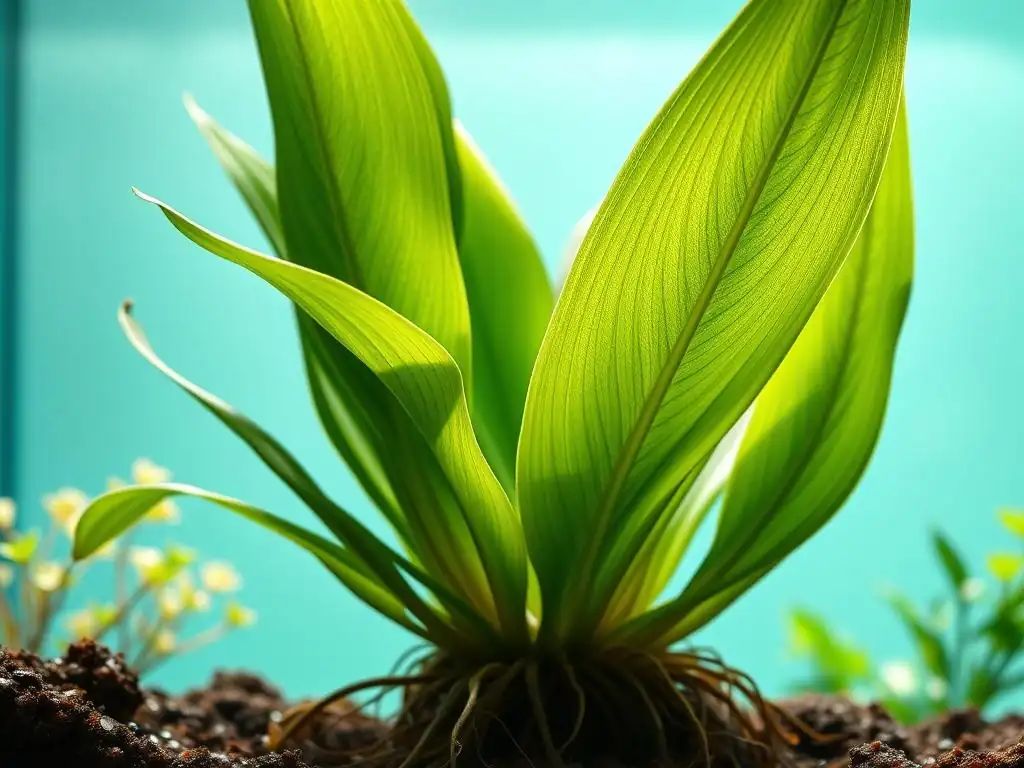
Water changes are a foundational practice in aquarium maintenance and can play a role in addressing minor aquarium plant nutrient deficiencies or imbalances. Performing a regular 25-50% water change introduces fresh tap water, which often contains trace amounts of essential minerals like calcium, magnesium, and sometimes potassium, thereby replenishing some of these elements.
Additionally, water changes dilute accumulated waste products and organic compounds that might inhibit nutrient uptake or contribute to algae growth. For slight nutrient excesses or very mild deficiencies, a consistent water change schedule can help reset the water parameters and provide a baseline for healthy plant growth.
However, it's crucial to understand that water changes alone are rarely a comprehensive solution for significant aquarium plant nutrient deficiencies. If your tap water is inherently soft or deficient in specific key nutrients, frequent water changes might even perpetuate or exacerbate certain deficiencies rather than resolve them. They are best utilized as a supportive measure within a broader nutrient management strategy, serving to maintain overall water quality and provide a fresh starting point, rather than as the sole remedy for pronounced nutrient shortcomings.
Dosing Fertilizers
Liquid Fertilizers: Pros and Cons
Liquid fertilizers are a popular and effective method for delivering essential nutrients directly into the water column, making them immediately available to plants. Many aquarists find them convenient for daily or every-other-day dosing, which allows for precise control over nutrient levels and quick adjustments based on plant demand and test results. All-in-one liquid solutions simplify the process for many, providing a balanced blend of macro and micronutrients in a single bottle, while individual liquid supplements allow for targeted dosing of specific elements like iron or potassium.
Despite their ease of use, liquid fertilizers do have some drawbacks. Nutrient levels in the water column can fluctuate rapidly due to plant uptake, leading to potential imbalances if dosing is not consistent or if tank conditions change. There's also a higher risk of overdosing if not careful, which can lead to algae blooms or other issues. Furthermore, while beneficial for water column feeders, liquid fertilizers may not optimally deliver nutrients to heavy root feeders, which primarily absorb elements from the substrate.
Root Tabs: Targeted Nutrient Delivery
Root tabs are an excellent method for providing targeted nutrient delivery directly to the root zone of heavy root-feeding plants. These small, often clay-based or encapsulated tablets are buried beneath the substrate, slowly releasing essential nutrients like iron, potassium, phosphorus, and trace elements over several weeks or even months. This method is particularly effective for plants such as Echinodorus (sword plants), Cryptocoryne species, Anubias, and Bucephalandra, which primarily absorb nutrients through their extensive root systems.
The main advantages of root tabs include their long-lasting effect, reducing the frequency of dosing, and their efficiency in delivering nutrients precisely where root feeders need them, minimizing nutrient leakage into the water column. However, root tabs are not suitable for plants that primarily absorb nutrients from the water column (like many stem plants or mosses). They can also cloud the water if disturbed after placement, and adjusting nutrient levels quickly with root tabs is difficult, as their release rate is slow and fixed.
Dry Fertilizers: Customization and Cost
Dry fertilizers represent the most cost-effective and customizable approach to nutrient supplementation for planted aquariums. These are typically purchased as individual salts (e.g., potassium nitrate, monopotassium phosphate, magnesium sulfate, chelated iron) and then either dosed directly in precise amounts or dissolved in water to create custom liquid solutions. This method is favored by experienced aquarists who wish to implement specific dosing regimens like the Estimative Index (EI) or PPS-Pro, allowing for complete control over the ratios and concentrations of each nutrient.
The primary benefits of dry fertilizers are their significantly lower cost compared to pre-mixed liquid solutions and the unparalleled ability to tailor nutrient levels precisely to the demands of a specific planted tank. This customization can be crucial for addressing complex aquarium plant nutrient deficiencies. However, this method requires a higher level of knowledge, including understanding chemical formulas, precise weighing, and safe handling of chemicals. The potential for significant errors if not measured accurately makes it less suitable for beginners.
CO2 Injection: Enhancing Nutrient Uptake
CO2 injection is a critical component in many high-tech planted aquariums, fundamentally enhancing the plant's ability to utilize other available nutrients. Carbon dioxide is the primary carbon source for photosynthesis, and its adequate supply (typically 20-30 ppm) dramatically boosts a plant's metabolic rate and growth potential. When plants have sufficient CO2, they can more efficiently absorb and process macro and micronutrients from both the water column and the substrate, leading to more robust, healthier growth.
The benefits of CO2 injection are profound: it can transform a struggling planted tank into a vibrant, lush aquascape. Increased growth rates mean plants become stronger competitors against algae, and their improved health makes them more resilient to minor fluctuations. However, CO2 systems require careful monitoring with a drop checker or pH controller to ensure stable levels and prevent harm to fish. Without proper CO2, plants may exhibit aquarium plant nutrient deficiencies even if all other nutrients are present in abundance, as their ability to photosynthesize and thus absorb is limited.
Substrate: Choosing a Nutrient-Rich Substrate
The choice of substrate plays a pivotal role in preventing and correcting aquarium plant nutrient deficiencies, especially for heavy root-feeding plants. Active substrates, often referred to as "aquasoils" (e.g., ADA Amazonia, Fluval Stratum), are specifically designed to release nutrients slowly into the root zone over an extended period. These substrates are typically rich in organic matter, essential minerals, and trace elements, providing a stable, long-term source of nutrition directly where it's needed most for plants like swords, crypts, and stem plants with robust root systems.
Using a nutrient-rich substrate offers several benefits. It acts as a buffer against aquarium plant nutrient deficiencies, particularly for immobile nutrients like iron and calcium, which are less readily available in the water column. It also provides an ideal environment for beneficial bacteria, contributing to overall water quality and nutrient cycling. While inert substrates like sand or gravel offer little to no nutritional value and require greater reliance on root tabs or water column dosing, a good active substrate can significantly reduce the need for frequent supplementation and help maintain a healthier, more balanced planted aquarium.
Lighting: Optimizing Light for Nutrient Absorption
Lighting is a primary energy source for aquatic plants and plays a crucial, often underestimated, role in their ability to absorb and utilize nutrients. Photosynthesis, the process by which plants convert light energy into chemical energy, directly drives nutrient uptake. Insufficient or inappropriate lighting can severely limit a plant's photosynthetic capacity, causing it to struggle with nutrient absorption even if all necessary elements are present in the water. Conversely, too much light without adequate CO2 and other nutrients can lead to algae blooms, as plants cannot efficiently process the excess energy.
Optimizing lighting involves considering intensity, spectrum, and duration. Most planted tanks benefit from 8-10 hours of consistent light per day. The intensity and spectrum should be matched to the demands of your specific plant species; high-light plants require more powerful illumination, while low-light plants can thrive with less. Balancing lighting with CO2 levels and comprehensive nutrient dosing is critical. An imbalance in this trio—light, CO2, and nutrients—is a common root cause of aquarium plant nutrient deficiencies and subsequent algae issues, underscoring the need for a holistic approach to plant care.
Regular Water Changes
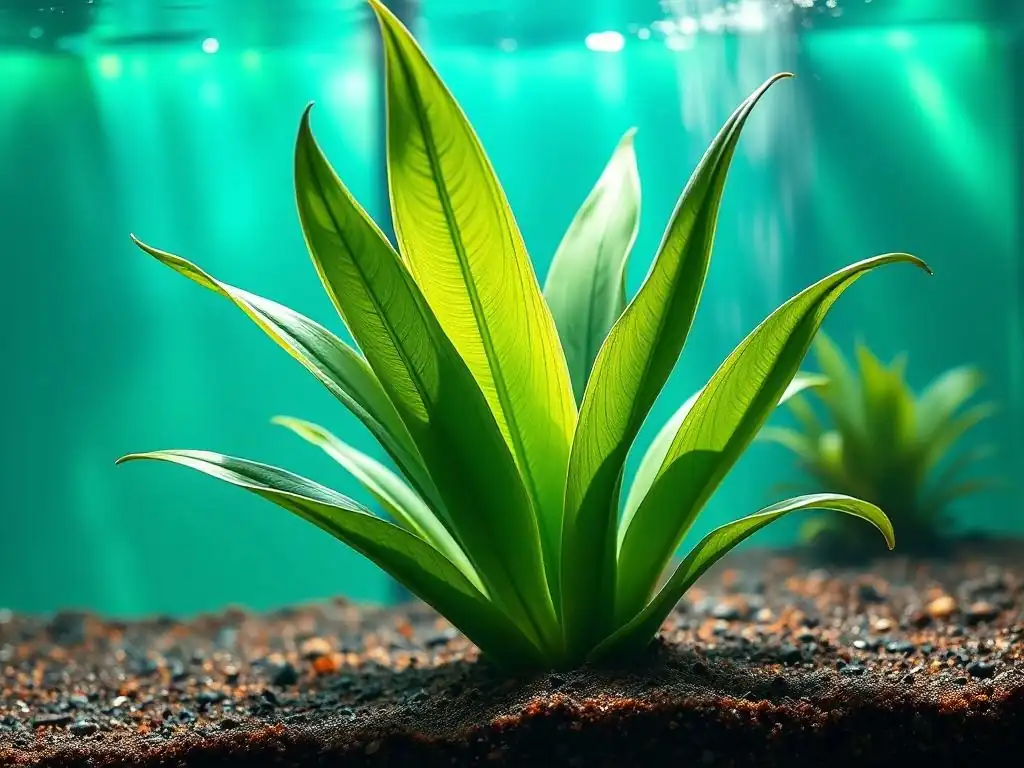
While not a complete solution for established aquarium plant nutrient deficiencies, regular water changes are a fundamental preventative measure. Performing consistent 25-50% weekly or bi-weekly water changes helps to replenish trace elements that may be depleted by plant uptake, especially if your tap water contains beneficial minerals. More importantly, water changes remove accumulated organic waste products, pollutants, and excess nitrates or phosphates that can lead to imbalances or inhibit nutrient uptake by plants.
This routine maintenance provides a "fresh start" for the aquarium's chemistry, diluting any potential buildup of undesirable compounds and maintaining overall water quality. By keeping the water clean and parameters stable, regular water changes contribute significantly to a healthier environment where plants are better able to absorb and utilize available nutrients, thereby proactively mitigating the onset of aquarium plant nutrient deficiencies. It's a simple yet highly effective preventative habit for any planted tank.
Avoiding Overfeeding
Overfeeding fish is a common practice that can indirectly lead to aquarium plant nutrient deficiencies and, more directly, to algae problems. Excess uneaten fish food rapidly decays, releasing a surge of nitrates and phosphates into the water column. While these are essential plant nutrients, an overabundance of them, particularly if other key nutrients like potassium or iron are lacking, creates an imbalance that often favors fast-growing algae over higher plants. Algae can then outcompete the plants for the available nutrients, exacerbating the problem.
To prevent this, adopt a mindful feeding regimen: feed small amounts multiple times a day, ensuring all food is consumed within a few minutes. Observe your fish closely to gauge their appetite and adjust feeding quantities accordingly. Minimizing uneaten food not only reduces waste and maintains cleaner water but also helps to keep nutrient levels balanced, reducing the likelihood of imbalances that trigger aquarium plant nutrient deficiencies and unsightly algae blooms.
Choosing Suitable Plants
One of the most effective preventative strategies against aquarium plant nutrient deficiencies is to select plant species that are well-suited to your aquarium's specific conditions and your level of commitment. High-tech plants, such as many red stem plants or delicate foreground carpets, have very high demands for intense lighting, consistent CO2 injection, and precise nutrient dosing. If these specific requirements are not met, these plants will quickly exhibit severe deficiencies and ultimately fail to thrive.
Conversely, beginners or those with lower-tech setups can choose robust, less demanding species like Anubias, Java Fern, Cryptocorynes, or various mosses. These plants tolerate a wider range of conditions and have lower nutrient requirements, making them less susceptible to aquarium plant nutrient deficiencies. Matching your plant selection to your tank's lighting, CO2 availability, substrate type, and your willingness to commit to a detailed fertilization regimen is crucial for ensuring long-term plant health and preventing frustrating nutrient-related issues.
Monitoring Plant Health
Proactive and diligent monitoring of your plants' health is the cornerstone of preventing severe aquarium plant nutrient deficiencies. Instead of waiting for widespread yellowing or melting, make it a routine to closely inspect your plants for subtle changes. Look for slight discolorations, unusual growth patterns (e.g., smaller leaves, shorter internodes), the appearance of pinholes, or any signs of algae starting to colonize specific plant leaves.
Dedicate a few minutes each day or every other day to observe your entire plant population. Pay attention to both new and old growth, as the location of symptoms often provides vital clues about the specific nutrient lacking. By catching these early warning signs, you can make minor adjustments to your dosing regimen, lighting, or CO2 levels before the aquarium plant nutrient deficiencies become severe and impact the overall health and aesthetics of your planted aquarium. Consistent observation is your most powerful diagnostic tool.
Troubleshooting Persistent Nutrient Issues
Addressing Algae Overgrowth
Persistent algae overgrowth, even after attempts to correct aquarium plant nutrient deficiencies, signals a deeper imbalance within the aquarium ecosystem. Algae are often symptoms, not the root problem, thriving when higher plants are stressed or unable to outcompete them. This usually points to issues beyond just nutrient levels, such as inconsistent CO2 supply (if injecting), incorrect lighting intensity or duration, or a continuing imbalance in nutrient ratios despite adequate overall levels. For instance, too much light with insufficient CO2 can lead to algae even if macronutrients are present.
To troubleshoot, reassess all major parameters: re-test your water for nitrates, phosphates, potassium, and iron. Critically, verify your CO2 levels are stable and within the target range (20-30 ppm) if you are injecting. Review your lighting schedule and intensity, ensuring it's appropriate for your plant mass. For severe outbreaks, a blackout period (2-3 days of complete darkness) can help reset the tank, followed by a large water change and a careful restart of your balanced fertilization and CO2 regimen. Manual removal of algae is also essential throughout this process to reduce its biomass.
Resolving Plant Die-Off
Widespread plant die-off, beyond the normal melting of new additions or old leaves, is a severe symptom indicating prolonged and significant aquarium plant nutrient deficiencies or other critical environmental stresses. This often suggests that multiple essential nutrients are severely lacking, or that a major environmental factor like CO2, pH, or temperature is unstable and detrimental to plant life. Rapid melting of entire plants, particularly after initial growth, points to a fundamental problem with the tank's ability to support aquatic flora.
To resolve systemic plant die-off, a comprehensive diagnostic approach is necessary. Begin with a full suite of water tests, including GH, KH, pH, nitrates, phosphates, potassium, and iron. If you are injecting CO2, verify the system's functionality and ensure stable CO2 levels. Evaluate your lighting intensity and duration. A significant water change (50% or more) can help stabilize the water chemistry. Then, systematically re-introduce nutrients based on your test results and observed symptoms, starting with conservative dosing and closely monitoring plant response. Addressing any underlying CO2 or lighting imbalances is equally critical to prevent further aquarium plant nutrient deficiencies.
Addressing Nutrient Competition
In heavily planted aquariums, especially those with a mix of fast-growing and slow-growing species, nutrient competition can become a significant factor contributing to aquarium plant nutrient deficiencies. Fast-growing stem plants (e.g., Rotala, Ludwigia) have a very high uptake rate for mobile nutrients like nitrogen and potassium. They can effectively "hog" these elements from the water column, leaving slower-growing plants (e.g., Anubias, Bucephalandra, Cryptocoryne) deficient, even if overall nutrient levels appear adequate. Slower growers, often root feeders, may still suffer from water column deficiencies if fast growers outcompete them.
To address nutrient competition, ensure that overall nutrient levels are sufficiently high to support the entire plant biomass, potentially increasing your dosing frequency or concentration. Consider targeted fertilization: use root tabs for heavy root feeders to provide nutrients directly to their root zone, while continuing liquid dosing for water column feeders and general plant needs. Regular pruning of fast-growing plants can also help reduce their overall nutrient demand, allowing slower-growing species a better chance to absorb available nutrients and thrive. This proactive management helps mitigate aquarium plant nutrient deficiencies arising from inter-plant competition.
Conclusion: Achieving a Flourishing Planted Aquarium
Importance of a Balanced Ecosystem
Achieving a flourishing planted aquarium transcends simply adding plants and fish; it is about cultivating a delicate and balanced ecosystem where every component—plants, fish, beneficial bacteria, and water chemistry—works in harmony. Understanding and proactively managing aquarium plant nutrient deficiencies is a cornerstone of this balance. Healthy, thriving plants are not just aesthetically pleasing; they are vital contributors to the tank's overall health, providing natural filtration, oxygenation, and effective competition against unsightly algae.
When nutrients are balanced, plants can grow robustly, absorbing excess nitrates and phosphates, which in turn reduces the burden on biological filtration and maintains cleaner, clearer water. This symbiotic relationship creates a stable, resilient environment where fish are less stressed, diseases are less prevalent, and the aquarist can enjoy a vibrant, dynamic underwater landscape. A well-nourished plant population is the hallmark of a successful and sustainable planted aquarium, a testament to the aquarist's understanding of complex biological interactions.
Continuous Learning and Observation
The journey of maintaining a flourishing planted aquarium is one of continuous learning and diligent observation. There is no single "set and forget" formula, as tank conditions evolve, plants grow and change their demands, and external factors influence the delicate balance. Mastering the art of aquascaping requires a willingness to constantly observe your plants for subtle cues, interpret water test results, and adapt your nutrient dosing and maintenance routines accordingly.
By consistently monitoring plant health, understanding the visual symptoms of aquarium plant nutrient deficiencies, and systematically adjusting your approach, you empower yourself to proactively address issues before they escalate. Embrace the process of experimentation, always making small, controlled changes. This ongoing engagement with your aquarium, coupled with a commitment to learning and adapting, is the most powerful tool an aquarist possesses for cultivating a truly thriving and aesthetically captivating planted environment.
Frequently Asked Questions
What are the most common signs of nutrient deficiencies in aquarium plants?
The most common signs include yellowing leaves (chlorosis), stunted growth, and holes appearing in the leaves. Identifying these early is crucial for plant health.
How can I determine which specific nutrient is lacking in my aquarium?
Observing the specific patterns of deficiencies is key. For example, older leaves yellowing often indicates a mobile nutrient deficiency like nitrogen or potassium, while new leaves being affected can suggest immobile nutrient issues like iron or calcium.
What are some readily available sources of aquarium plant nutrients?
You can purchase liquid fertilizers specifically designed for aquarium plants. Also, root tabs are effective for plants that primarily absorb nutrients through their roots.
How often should I dose my aquarium with plant nutrients?
The frequency depends on your tank setup and plant needs. Start with the manufacturer's recommended dosage and adjust based on your plants' response. Regularly monitor your water parameters to avoid over-fertilization.
Can too many nutrients also harm my aquarium plants?
Yes, absolutely. Excess nutrients can lead to algae blooms, which compete with plants for resources and can even suffocate them. Maintaining a balanced environment is crucial.
Final Reflection: Cultivating Thriving Aquatic Ecosystems
The preceding exploration of aquatic plant nutrient deficiencies underscores a critical truth: a healthy aquarium is a balanced ecosystem, not just a decorative display. Understanding the subtle signs of nutrient imbalances is paramount, not only for the aesthetic appeal of our underwater gardens but also for the well-being of the entire aquatic community they support. The insights shared are not merely theoretical; they are practical tools for fostering vibrant and sustainable aquatic environments in our own homes.
This journey into the world of aquatic plant nutrition has profoundly highlighted the interconnectedness of life, even within the confines of a glass tank. It's a constant reminder that attentive observation and proactive care are essential for nurturing any living system. The best time to plant a tree was 20 years ago. The second best time is now.
This ancient proverb resonates deeply with the challenges of maintaining a healthy aquarium. Addressing nutrient deficiencies early is far easier than rescuing a tank on the brink of collapse.
Now, armed with this knowledge, I urge you to look anew at your own aquatic landscapes. Are your plants truly thriving, or are they silently struggling? Take the time to observe, test, and adjust. By actively engaging with the needs of your aquatic plants, you're not just cultivating a beautiful aquarium; you're fostering a deeper understanding of the delicate balance of nature and contributing to a more sustainable and enriching hobby for all. Let's transform our aquariums into thriving ecosystems, one nutrient at a time.
Unlock the Secrets to a Thriving Aquarium!
Thank you for exploring the world of aquatic plant nutrients with us! We hope this guide has empowered you with the knowledge to diagnose and correct those tricky deficiencies. Now, it's time to put that knowledge into action!
- Immediately assess your own aquarium plants for the symptoms discussed. Early detection is key!
- Delve deeper into the specific needs of your plant species by consulting specialized online resources or local aquarium experts. Discover the nuances of their individual nutrient requirements.
- Share this guide with fellow aquarium enthusiasts to help them overcome their own plant nutrient challenges and foster a healthier community.
What unexpected deficiency symptom have you encountered in your aquarium plants, and how did you solve it?