
Keeping Anthias Thriving: Feeding, Group Dynamics, and Reef Safety

Welcome to Aquarium Mastery, where your aquatic ambitions come to life!
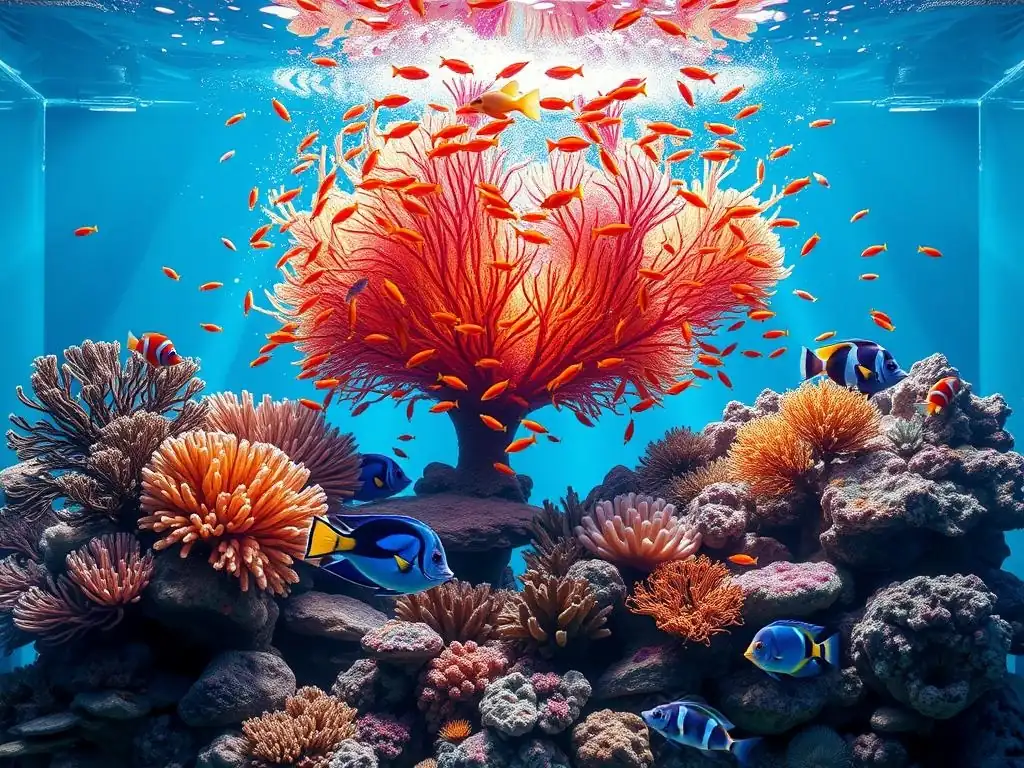
Ever wondered if you can keep the dazzling beauty of Anthias in your reef tank without the headaches? Dive in! This article unravels the secrets to successful Anthias feeding, explores their captivating group dynamics, and clarifies their compatibility with your precious reef environment. Discover the key to keeping these vibrant fish thriving, and learn how to avoid common pitfalls. Ready to unlock the mysteries of Anthias care? Let's get started!
- Understanding Anthias for Reef Aquariums
-
Anthias Feeding Strategies for Optimal Health
- The Importance of Frequent Feedings for Anthias
- Best Foods for Anthias: Meeting Their Nutritional Needs
- Live Food Options for Anthias: Culturing and Benefits
- Frozen Food Recommendations for Anthias: Ensuring Quality and Variety
- Addressing Feeding Challenges: Picky Eaters and Competition
- Setting Up an Auto Feeder for Consistent Anthias Care
-
Anthias Group Dynamics: Creating a Harmonious School
- Establishing a Successful Anthias School: Size and Species Considerations
- Understanding the Anthias Social Hierarchy: Dominance and Submissiveness
- Introducing New Anthias to an Existing School: Minimizing Aggression
- Recognizing and Addressing Aggression Within the Anthias School
- Maintaining Stability in the Anthias School: Preventing Losses
- Anthias and Reef Safety: Protecting Your Coral and Invertebrates
- Maintaining Optimal Water Parameters for Anthias Reef Tanks
- Common Anthias Diseases and Prevention in Reef Aquariums
- Selecting the Right Anthias Species for Your Reef Aquarium
- Troubleshooting Common Issues with Anthias in Reef Tanks
- Advanced Anthias Keeping: Breeding Potential and Considerations
- Frequently Asked Questions
- Final Reflection: Sustaining Reef Harmony
- Ignite Your Anthias Success: Feed, Observe, and Flourish!
Understanding Anthias for Reef Aquariums
What are Anthias? A Brief Overview for Reef Keepers
Anthias, belonging to the subfamily Anthiinae within the Serranidae family (which also includes groupers), are a diverse group of small to medium-sized, vibrantly colored fish. Characterized by their often elongated bodies and flowing fins, many species exhibit striking sexual dimorphism, with males displaying more intense colors and elaborate finnage. A fascinating biological trait common among many Anthias species is protogynous hermaphroditism, where all individuals are born female, and the dominant female in a group will transition into a male to lead the school.
These captivating fish are highly prized in the aquarium hobby for their dazzling hues of orange, pink, yellow, and purple, which add a dynamic splash of color to any reef tank. Their active swimming patterns and schooling behavior create a mesmerizing display, making them a popular choice for aquarists. However, despite their beauty, Anthias are known to be delicate and require specific care, particularly concerning Anthias feeding and maintaining stable group dynamics, which are crucial for their long-term health in a reef environment.
Anthias Natural Habitat and Reef Compatibility
In their natural environment, Anthias are predominantly found in the Indo-Pacific and Atlantic oceans, inhabiting deep reef slopes, rocky outcrops, and outer reef edges. They typically form large, active schools, often numbering in the hundreds, hovering above coral formations and rocky structures. Their primary diet consists of zooplankton, which they constantly sift from the water column, a behavior that directly influences their specific Anthias feeding requirements in captivity.
Their planktivorous nature makes them generally excellent candidates for reef aquariums. Unlike many other fish species, Anthias rarely bother corals, anemones, or most invertebrates, as their diet does not include sessile organisms. This inherent "reef safety" is a major reason for their popularity among coral enthusiasts. While direct predation on corals is almost non-existent, understanding their high metabolic rate and subsequent need for frequent Anthias feeding is vital to prevent indirect issues related to nutrient loading in a sensitive reef system.
Why Anthias are Popular (and Challenging) Reef Tank Inhabitants
Anthias are immensely popular among reef aquarists for several compelling reasons. Their breathtaking array of colors, from the fiery orange of the Dispar Anthias ( Pseudanthias dispar) to the vibrant pinks and purples of the Lyretail Anthias ( Pseudanthias squamipinnis), instantly brightens a reef tank. Their constant, graceful swimming and schooling behavior add a sense of natural movement and life, transforming a static display into a vibrant, active ecosystem. The visual impact of a well-established school of Anthias is truly unparalleled.
However, the allure of Anthias comes with significant challenges. Their high metabolism demands frequent Anthias feeding, often multiple times a day, which can be a commitment for aquarists. They are also highly susceptible to stress from poor water quality, inadequate tank size, or aggressive tank mates. Establishing and maintaining a harmonious social hierarchy within their school requires careful observation, as bullying can lead to severe stress and loss. These factors highlight why a comprehensive understanding of Anthias feeding reef safety, and their specific environmental needs, is essential for their successful keeping.
Anthias Feeding Strategies for Optimal Health
The Importance of Frequent Feedings for Anthias
Anthias possess an exceptionally high metabolic rate, a direct reflection of their natural behavior of constantly feeding on zooplankton in the wild. In a captive environment, this translates into a critical need for frequent, small meals throughout the day. Unlike many other fish that can thrive on one or two feedings daily, Anthias often require feeding 3 to 6 times a day, and sometimes even more for newly acquired or particularly active species. This consistent intake ensures they receive sufficient energy to maintain their high activity levels and vibrant coloration.
Insufficient or infrequent Anthias feeding can lead to severe consequences, including rapid weight loss, emaciation, and a compromised immune system. An underfed Anthias becomes highly susceptible to common diseases like marine Ich and bacterial infections. Furthermore, hunger-induced stress can exacerbate aggression within the school, disrupting their delicate social hierarchy. Therefore, prioritizing a diligent and frequent Anthias feeding regimen is paramount to their survival and overall well-being in a reef aquarium.
Best Foods for Anthias: Meeting Their Nutritional Needs
To meet the specific nutritional demands of Anthias, a diverse diet composed primarily of finely chopped meaty foods is essential. While high-quality marine flakes and pellets can serve as a supplementary base, they should not constitute the sole diet. Anthias are planktivores, meaning their natural prey are small, free-floating organisms. Therefore, the particle size of the food offered must be small enough for their relatively diminutive mouths.
Ideal food choices include finely chopped mysis shrimp, enriched brine shrimp, cyclop-eeze, and various marine blends designed for planktivores. It is crucial to offer a variety of these foods to ensure a complete nutritional profile and prevent deficiencies. Look for frozen foods that are fortified with spirulina, essential fatty acids (like DHA and EPA), and vitamins, as these enhance the Anthias' color, boost their immune system, and contribute to their overall vitality, directly supporting their long-term health and Anthias feeding reef safety.
Live Food Options for Anthias: Culturing and Benefits
Live food options offer significant benefits for Anthias, particularly for newly introduced or finicky eaters, as they stimulate natural feeding instincts and provide highly palatable nutrients. Enriched live brine shrimp, copepods (such as Tisbe and Tigriopus species), and rotifers are excellent choices. Copepods, in particular, are rich in essential fatty acids and are a natural part of the Anthias' diet, making them exceptionally beneficial for conditioning and overall health.
Aquarists can significantly improve the success rate of keeping Anthias by culturing live copepods or rotifers at home. A consistent supply of these microscopic crustaceans ensures that even the most reluctant feeders receive vital nutrition. Regular additions of live copepods to the display tank not only provide a natural food source but also contribute to the overall biodiversity of the reef ecosystem, further enhancing the well-being of the Anthias and their tank mates.
Frozen Food Recommendations for Anthias: Ensuring Quality and Variety
Frozen foods form the cornerstone of a successful Anthias feeding program in most home aquariums. High-quality frozen mysis shrimp, such as those from Piscine Energetics, are highly recommended due to their excellent nutritional profile and appropriate size. Other valuable frozen options include finely chopped krill, various marine blends, and cyclop-eeze. It is critical to thaw frozen foods thoroughly and rinse them briefly in RO/DI water before feeding to remove any residual phosphates or nitrates that could otherwise impact water quality.
Variety is paramount when utilizing frozen foods. Rotating different types and brands prevents nutritional deficiencies and keeps the fish interested in feeding. For instance, alternate between mysis shrimp, finely chopped silversides, and enriched marine mixes throughout the week. Many frozen foods are now fortified with vitamins and beneficial algae, further enhancing their nutritional value. A diverse frozen food regimen is a key component of effective Anthias feeding and contributes significantly to their vibrant coloration and robust health.
Addressing Feeding Challenges: Picky Eaters and Competition
Despite their generally voracious appetites, Anthias can sometimes present feeding challenges. New arrivals, in particular, may be shy or refuse prepared foods initially due to stress from shipping or acclimation. Competition from more aggressive or faster-eating tank mates can also prevent shyer Anthias from getting enough food. One effective strategy is target feeding using a pipette or turkey baster, allowing you to direct food directly to the Anthias, ensuring they receive their share.
For persistent picky eaters, soaking frozen foods in palatability enhancers like garlic extract or vitamin supplements (e.g., Selcon) can often entice them to eat. Offering food in multiple locations simultaneously can also help diffuse competition, allowing all fish access to the meal. Patience and consistency are vital; continue offering a variety of small, frequent meals. Over time, even the most timid Anthias will often acclimate and begin to feed readily, which is crucial for their long-term Anthias feeding reef safety.
Setting Up an Auto Feeder for Consistent Anthias Care
Given the critical need for frequent Anthias feeding, an automatic fish feeder can be an invaluable tool for dedicated aquarists. These devices ensure consistent, small meals are dispensed throughout the day, even when you are away from home or busy. Automatic feeders are particularly beneficial for maintaining the high metabolic demands of Anthias, preventing prolonged periods of hunger that can lead to stress and health issues.
When setting up an auto feeder, it's essential to test it with the specific food type (flakes or small pellets are most common) to ensure proper dispensing. Adjust the portion size carefully to avoid overfeeding, which can quickly degrade water quality. Regular cleaning of the feeder mechanism is also necessary to prevent clogs and ensure reliable operation. While auto feeders are excellent for consistency, they should not entirely replace manual observation during feeding times, as this allows you to monitor the health and behavior of your Anthias closely.
Anthias Group Dynamics: Creating a Harmonious School
Establishing a Successful Anthias School: Size and Species Considerations
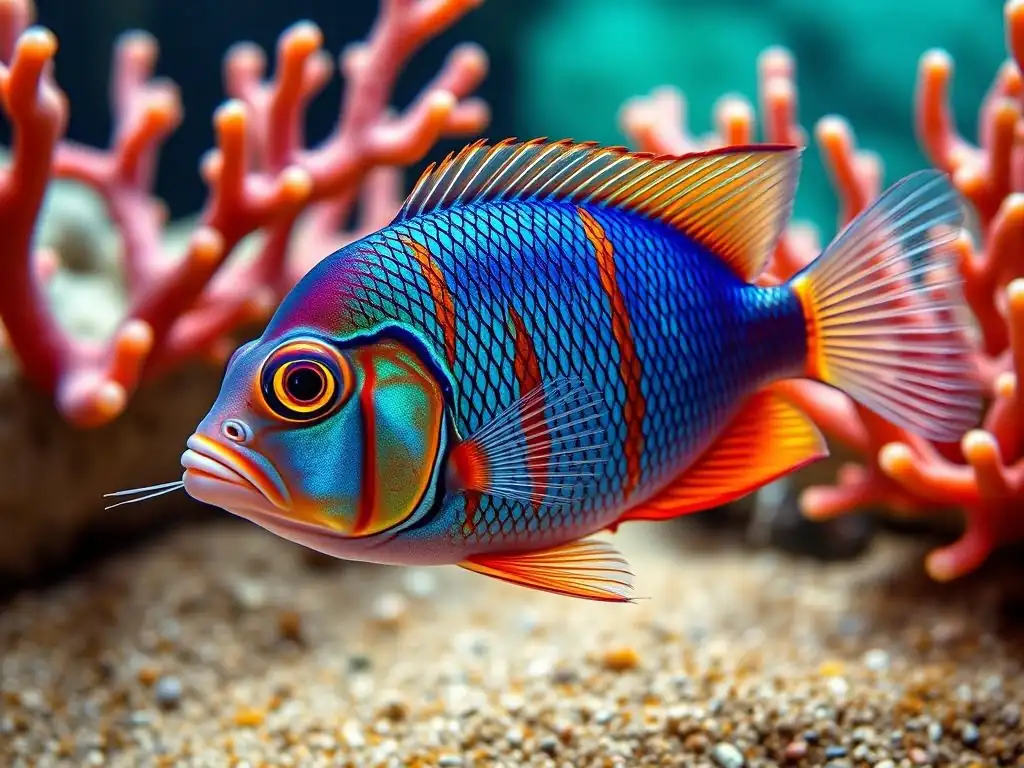
Anthias are schooling fish by nature, and to truly thrive, they require the companionship of their own kind. Keeping them in isolation often leads to stress, shyness, and a failure to thrive. For most species, a minimum group of 3 to 5 individuals is recommended, though larger tanks can comfortably house schools of 7-10 or more. It is generally advisable to introduce a single species of Anthias to avoid potential inter-species aggression, which can be more pronounced than intra-species squabbles.
Tank size is a critical factor when establishing an Anthias school. While smaller species like Dispar Anthias might do well in a 75-gallon aquarium in a small group, larger species such as Lyretail Anthias or a more substantial school of any species will require a tank of 120 gallons or more. Adequate space is essential not only for swimming but also to allow submissive individuals to escape the attention of dominant members, fostering a more harmonious environment.
Anthias exhibit a fascinating social structure, primarily due to their protogynous hermaphroditism. In a typical school, all individuals are initially female. The largest and most dominant female will undergo a sex change to become the male, leading the group. This male will display the most vibrant colors and often show subtle displays of dominance, such as chasing or nipping at the females to assert his position.
Below the dominant male, a hierarchy exists among the females, with some being more dominant than others. While a certain degree of chasing and fin nipping is normal within this hierarchy, it should not be constant or result in physical injury or extreme stress to any individual. Observing these social dynamics is crucial for the aquarist, as excessive aggression, particularly towards a single individual, signals a problem that needs intervention to maintain the health and stability of the Anthias school.
Introducing New Anthias to an Existing School: Minimizing Aggression
Introducing new Anthias to an established school requires careful planning to minimize stress and aggression. A slow, drip acclimation process over several hours is highly recommended to gently adjust the new fish to the tank's water parameters. For existing schools, it is often best to introduce multiple new Anthias simultaneously, rather than just one. This strategy helps to diffuse aggression, as the existing fish's attention is spread across several newcomers, reducing the focus on a single individual.
Using a clear acclimation box or a temporary tank divider for a few days can also be beneficial. This allows the existing school to see the new fish without direct interaction, gradually getting accustomed to their presence. Dimming the tank lights during the initial introduction can also help reduce stress and aggression, providing a calmer environment for the new Anthias to integrate. Patience and observation during this period are key to successful integration and maintaining a peaceful Anthias school.
Recognizing and Addressing Aggression Within the Anthias School
While some chasing and mild nipping are normal within an Anthias hierarchy, excessive or persistent aggression is a serious concern. Signs of problematic aggression include constant pursuit of one individual, torn fins, refusal to eat due to stress, or a specific fish consistently hiding and showing signs of emaciation. Unlike normal hierarchical displays, this level of aggression can lead to severe stress, disease, and ultimately, the loss of the bullied fish.
Addressing such aggression requires intervention. First, re-evaluate the tank size and school size; overcrowding can exacerbate territorial disputes. Providing ample hiding spots and breaking up line-of-sight with rockwork can offer refuge for submissive individuals. If a specific aggressor is identified, temporarily removing it to a separate tank for a few days can sometimes reset the hierarchy. In severe cases, permanent removal of the bully or the bullied fish may be necessary to ensure the well-being of the rest of the Anthias school.
Maintaining Stability in the Anthias School: Preventing Losses
Maintaining long-term stability within an Anthias school hinges on several factors beyond just initial introduction. Consistent water parameters are paramount; fluctuations in temperature, salinity, or pH can stress fish and trigger aggressive behaviors. A robust and frequent Anthias feeding regimen also plays a crucial role, as well-fed fish are generally less stressed and less likely to engage in aggressive competition for resources.
Regular observation of all individuals is essential to detect early signs of stress, illness, or escalating aggression. Prompt intervention, whether it's adjusting tank parameters, modifying the Anthias feeding schedule, or re-evaluating tank mates, can prevent cascading problems. A healthy, stable environment, coupled with vigilant monitoring, ensures that the Anthias school remains harmonious, active, and vibrant, contributing to the overall Anthias reef safety.
Anthias and Reef Safety: Protecting Your Coral and Invertebrates
Are Anthias Reef Safe? A Comprehensive Examination
For the vast majority of aquarists, Anthias are considered highly reef-safe. Their natural diet consists almost exclusively of zooplankton, which they actively filter from the water column. This planktivorous feeding habit means they have no natural inclination to pick at or consume corals, anemones, or other sessile invertebrates. Unlike certain angelfish or butterflyfish, Anthias typically pose no direct threat to the coral inhabitants of a reef tank, making them an ideal choice for a mixed reef display. This inherent compatibility is a key aspect of their "Anthias feeding reef safety" profile.
However, it's important to note that "reef-safe" is rarely an absolute guarantee for any fish species. In extremely rare cases, a severely underfed Anthias might opportunistically nip at very soft, fleshy corals out of desperation. This behavior is highly unusual and almost always a symptom of insufficient Anthias feeding or severe stress. Therefore, while Anthias themselves are not a threat to corals, the consequences of improper Anthias feeding can indirectly impact the reef ecosystem.
Potential Risks to Corals: Anthias and Nutrient Levels
While Anthias pose minimal direct threat to corals, their high metabolic rate and the necessity for frequent Anthias feeding introduce an indirect risk: increased nutrient loading. Feeding a school of Anthias multiple times a day means introducing a significant amount of organic material into the water column. This uneaten food and fish waste can rapidly break down, leading to elevated levels of nitrates and phosphates.
High nutrient levels are detrimental to sensitive corals, particularly SPS (Small Polyp Stony) corals, as they can inhibit calcification, cause tissue necrosis, and encourage the growth of nuisance algae that can smother corals. To mitigate this risk, a robust filtration system is essential. This includes an efficient protein skimmer, regular water changes (e.g., 10-20% weekly), and the use of chemical filtration media like GFO (Granular Ferric Oxide) for phosphate removal and activated carbon for organic waste. Effective nutrient export is paramount for maintaining Anthias feeding reef safety.
Invertebrate Compatibility: Ensuring a Peaceful Reef Ecosystem
Anthias are generally excellent tank mates for most reef invertebrates, including a wide array of snails, hermit crabs, shrimp (such as cleaner shrimp, peppermint shrimp, and sexy shrimp), sea stars, and various crustaceans. Their diet of zooplankton ensures they typically ignore these benthic and mobile invertebrates. Aquarists can confidently add Anthias to tanks with a thriving clean-up crew and ornamental shrimp without fear of predation.
The active swimming of a large Anthias school might theoretically cause some stress to very small or extremely timid invertebrates, but direct harm or consumption is highly unlikely. It's more about ensuring adequate space and hiding spots for all inhabitants. Overall, the compatibility of Anthias with the diverse array of invertebrates commonly found in reef tanks further solidifies their reputation for Anthias feeding reef safety, allowing for a diverse and peaceful reef ecosystem.
Choosing Compatible Tank Mates for Anthias in Reef Tanks
Selecting appropriate tank mates is crucial for the long-term well-being of Anthias and the overall harmony of a reef tank. Anthias are generally peaceful but can be timid, especially when newly introduced. Therefore, avoid overly aggressive or boisterous fish that might outcompete them for food or stress them with constant harassment. Examples of unsuitable tank mates include certain triggerfish, large aggressive angelfish, and very territorial dottybacks.
Good compatible tank mates for Anthias include other peaceful to semi-aggressive species that share similar water parameter requirements and won't directly compete for space or food. Excellent choices often include various species of gobies, blennies, fairy wrasses ( Cirrhilabrus spp. ), flasher wrasses ( Paracheilinus spp. ), and certain tangs (if the tank is sufficiently large). These fish typically coexist well with Anthias, contributing to a diverse and peaceful Anthias feeding reef safety environment.
Monitoring Water Quality: A Key Factor in Anthias and Reef Health
Consistent and diligent monitoring of water quality is perhaps the most critical factor in ensuring both Anthias health and overall reef stability. Given the heavy Anthias feeding regimen required, the potential for nutrient accumulation (nitrates and phosphates) is significant. Regular testing of these parameters, along with alkalinity, calcium, magnesium, and pH, is non-negotiable for a thriving reef system.
High nutrient levels can not only harm corals but also stress Anthias, making them more susceptible to disease. Aim to keep nitrates below 10-20 ppm and phosphates as close to undetectable as possible. Weekly or bi-weekly testing allows for early detection of any deviations, enabling prompt corrective action such as increased water changes, adjustment of filtration media, or refining the Anthias feeding schedule. Maintaining stable, pristine water quality is the cornerstone of Anthias feeding reef safety.
Maintaining Optimal Water Parameters for Anthias Reef Tanks
Temperature, Salinity, and pH: Key Considerations
Maintaining stable water parameters is foundational for the health of Anthias and the entire reef ecosystem. For temperature, a consistent range of 74-78°F (23-26°C) is ideal. Sudden or significant temperature fluctuations can cause immense stress to Anthias, weakening their immune system. Salinity should be maintained within the natural seawater range of 1.023-1.026 specific gravity, typically measured with a high-quality refractometer for accuracy.
pH levels are also critical and should be kept stable between 8.1 and 8.4. Dips below 7.8 can be detrimental to both Anthias and corals. Proper aeration, consistent alkalinity, and regular water changes are key to preventing pH swings. These parameters, when kept stable and within optimal ranges, significantly reduce stress on Anthias, promoting their vibrant colors and active behavior, and are crucial for the overall Anthias feeding reef safety.
Essential Water Chemistry Parameters: Ammonia, Nitrite, and Nitrate
For any marine aquarium, and especially one housing delicate Anthias, ammonia and nitrite levels must be undetectable (0 ppm). These compounds are highly toxic to fish, even in minute concentrations, and their presence indicates an incomplete nitrogen cycle or an overwhelmed biological filter. A fully cycled and mature aquarium is an absolute prerequisite before introducing Anthias.
Nitrate, the end product of the nitrogen cycle, should be kept as low as possible, ideally below 10-20 ppm for a thriving reef tank with sensitive corals. The frequent Anthias feeding necessary for their health will invariably contribute to nitrate accumulation. Therefore, robust nutrient export strategies, such as efficient protein skimming, macroalgae cultivation in a refugium, and regular water changes, are vital to keep nitrates in check and maintain a healthy environment for both fish and corals.
The Role of Water Changes in Anthias Health and Reef Stability
Regular water changes are an indispensable part of maintaining an Anthias reef tank. They serve multiple crucial functions: replenishing essential trace elements and alkalinity buffers that are consumed by corals and fish, diluting accumulated nitrates and phosphates from heavy Anthias feeding, and removing other dissolved organic pollutants. A consistent schedule of 10-20% weekly or bi-weekly water changes is often recommended for tanks with Anthias.
When performing water changes, always use high-quality RO/DI (Reverse Osmosis/Deionized) water mixed with a reputable marine salt mix. Ensure the new saltwater is temperature and salinity matched to the tank water to prevent shocking the fish. Consistent water changes contribute significantly to overall water quality, reducing stress on Anthias and supporting robust coral growth, which is a core component of Anthias feeding reef safety.
Choosing the Right Filtration System for an Anthias Reef Tank
An effective filtration system is paramount for an Anthias reef tank, given the increased bioload from frequent Anthias feeding. A robust protein skimmer is the most critical component, as it efficiently removes organic waste before it can break down into nitrates and phosphates. For tanks with Anthias, it's often advisable to use a skimmer rated for a larger volume than your actual tank size to handle the additional nutrient input.
Beyond skimming, a multi-pronged filtration approach is best. Live rock provides extensive biological filtration, converting ammonia and nitrite. A refugium housing macroalgae like Chaetomorpha can effectively export nitrates and phosphates naturally. Mechanical filtration, such as filter socks or pads, should be cleaned or replaced frequently (e.g., every few days) to prevent trapped detritus from dissolving. Chemical filtration media, including activated carbon for water clarity and GFO for phosphate removal, are also highly recommended to maintain pristine water conditions vital for Anthias and coral health.
Common Anthias Diseases and Prevention in Reef Aquariums
Identifying Early Signs of Illness in Anthias
Vigilant observation is key to early detection and successful treatment of diseases in Anthias. Watch for changes in their normal behavior, such as hiding excessively, rapid or labored breathing, scratching or "flashing" against rocks, and a noticeable loss of appetite, especially during their usual frequent Anthias feeding times. Any reluctance to join the school or unusual swimming patterns should also raise a red flag.
Physical signs of illness include clamped fins (held close to the body), white spots resembling salt grains (indicative of marine Ich, Cryptocaryon irritans), a cloudy or velvety coating on the skin (suggesting Velvet, Amyloodinium ocellatum), cloudy eyes, frayed fins, or any visible lesions or sores on the body. Prompt identification of these symptoms significantly increases the chances of successful treatment and prevents the spread of disease within the reef tank.
Quarantine Procedures for New Anthias Arrivals
Implementing a strict quarantine procedure for all new Anthias arrivals is the single most effective measure to prevent disease outbreaks in your main display tank. New fish should be housed in a separate quarantine tank (QT) for a minimum of 4-6 weeks. During this period, observe them closely for any signs of illness, and treat if necessary, before introducing them to your established reef.
A typical quarantine tank setup is simple: a bare bottom tank (for easy cleaning and observation), PVC pipes for hiding spots, a heater, a small powerhead for circulation, and an air stone for oxygenation. Daily small water changes are often recommended in the QT to maintain pristine conditions and reduce stress. Consistent and varied Anthias feeding in quarantine helps to strengthen the fish, making them more resilient to any potential treatments and the eventual move to the display tank.
Effective Treatments for Common Anthias Ailments
Should Anthias develop common marine ailments, effective treatments are available, though they must always be administered in a separate quarantine tank, as most medications are harmful to corals and invertebrates. For marine Ich ( Cryptocaryon irritans), treatments like hyposalinity (gradually lowering salinity to 1.009-1.010) or copper-based medications can be effective. Velvet ( Amyloodinium ocellatum), a more aggressive parasite, often requires copper treatment.
Bacterial infections, which can manifest as fin rot, cloudy eyes, or body lesions, are typically treated with broad-spectrum antibiotics. Always research the specific medication thoroughly, follow dosage instructions precisely, and be aware that Anthias can be sensitive to certain treatments. Treating in a dedicated quarantine tank protects your main reef system and allows for focused care of the affected fish.
Preventing Disease Outbreaks: Maintaining a Healthy Reef Environment
The best strategy for managing diseases in Anthias is prevention. A healthy, stable reef environment significantly reduces stress and boosts the fish's natural immunity. This includes maintaining pristine and consistent water parameters (temperature, salinity, pH, ammonia, nitrite, nitrate), providing a varied and frequent Anthias feeding regimen, and ensuring adequate tank size to prevent overcrowding and reduce social stress.
Regular tank maintenance, such as consistent water changes, cleaning of mechanical filtration, and siphoning detritus, helps to minimize pathogen load in the water column. A well-fed, unstressed Anthias with a robust immune system is far more resilient to potential pathogens. By focusing on these preventative measures, aquarists can create a thriving environment where disease outbreaks are rare, ensuring the long-term Anthias feeding reef safety.
Selecting the Right Anthias Species for Your Reef Aquarium
Popular Anthias Species for Reef Tanks: A Comparative Guide
Several Anthias species are popular choices for reef aquariums, each with unique characteristics. The Dispar Anthias ( Pseudanthias dispar) is a favorite for its vibrant orange coloration and relatively smaller size (up to 3 inches), making it suitable for smaller groups in tanks around 75 gallons. The Lyretail Anthias ( Pseudanthias squamipinnis) is perhaps the most common, growing larger (up to 5-6 inches) and displaying beautiful pinks and purples, requiring tanks of 120 gallons or more for a school.
Bartlett's Anthias ( Pseudanthias bartlettorum) offers a lovely blend of purple and yellow, growing to a medium size and being relatively peaceful, often suitable for 90+ gallon tanks. The Ignitus Anthias ( Pseudanthias ignitus) is smaller, very active, and boasts intense red and orange hues, though it can be more delicate. Other beautiful but less common species include the Carberryi Anthias, Sunburst Anthias, and Stocky Anthias. Researching the specific adult size, temperament, and Anthias feeding requirements for each species is crucial for successful integration.
Anthias Species Size and Temperament Considerations
The adult size of an Anthias species is a primary consideration when selecting fish for your reef tank. Smaller species like the Dispar Anthias, which typically reach about 3 inches, are more forgiving in terms of tank size and group dynamics. In contrast, larger species such as the Lyretail Anthias, which can exceed 5 inches, require significantly more swimming space and a larger overall volume to accommodate a healthy school. Overcrowding can lead to increased stress and aggression.
Temperament also varies slightly among Anthias species, though most are generally peaceful to semi-aggressive, with aggression primarily directed at establishing a hierarchy within their own school. Some species may be more robust and assertive, while others are more timid. Understanding the typical social behavior of your chosen species, and how it might interact with other tank mates, is vital for maintaining a harmonious Anthias feeding reef safety environment.
Matching Anthias Species to Your Tank Size and Experience Level
Matching the chosen Anthias species to your tank size and personal experience level is paramount for success. For beginners or those with moderately sized reef tanks (e.g., 75-90 gallons), starting with a small group of Dispar Anthias is often recommended. They are relatively hardy, stay smaller, and are more forgiving of minor fluctuations compared to some of their more delicate cousins.
More advanced aquarists with larger, well-established systems (150+ gallons) and a commitment to frequent Anthias feeding may consider larger schools of Lyretail Anthias or even more challenging species like the Sunburst or Ignitus Anthias. These species often require more stable parameters, higher flow, and a more diverse diet. Always ensure your tank can comfortably accommodate the adult size and schooling needs of your chosen Anthias, as well as the increased bioload that comes with their required Anthias feeding regimen.
Troubleshooting Common Issues with Anthias in Reef Tanks
Sudden Deaths: Investigating Potential Causes
Sudden deaths in Anthias are distressing and often point to acute environmental problems or severe stress. Immediately test all critical water parameters, including ammonia, nitrite, nitrate, pH, temperature, and salinity. Rapid and significant swings in any of these parameters can be lethal. Another common cause is severe bullying from aggressive tank mates or an unstable social hierarchy, leading to fatal stress or injury.
Internal parasites or bacterial infections can also cause rapid decline, especially in newly acquired fish weakened by shipping stress. Examine the deceased fish for any physical signs of illness or injury. Review any recent changes to your tank, such as new additions, equipment failures, or changes in your Anthias feeding routine, as these can provide crucial clues to the underlying cause.
Loss of Color: Identifying Nutritional Deficiencies or Stress
A noticeable loss of vibrant coloration in Anthias is a common indicator of underlying issues, typically stress or nutritional deficiencies. Stress can stem from various sources: bullying by tank mates, poor water quality, inadequate hiding spots, or insufficient Anthias feeding. When stressed, Anthias may appear paler or duller than usual, and their characteristic markings may fade.
Nutritional deficiencies occur when the Anthias feeding regimen is not varied or frequent enough. Ensure you are offering a diverse diet of high-quality frozen foods, enriched with vitamins and essential fatty acids. Observe whether the fish is eating well and gaining weight. Addressing the root cause—whether it's improving water quality, resolving social conflicts, or enhancing the Anthias feeding program—will often restore their brilliant colors and overall vitality.
An Anthias that appears to be "failing to thrive" is one that, despite seemingly eating, remains emaciated, listless, or fails to grow. This chronic condition often indicates persistent stress from environmental or social factors. Environmental issues could include consistently suboptimal water parameters, insufficient water flow, or an overall lack of a mature, stable system.
Social factors are frequently overlooked. Is the fish being constantly harassed by a dominant individual within its school or by other tank mates, preventing it from feeding adequately or finding refuge? Is the Anthias feeding regimen sufficient not just in quantity but also in distribution, ensuring the timid fish get enough food? Addressing these factors, such as enhancing Anthias feeding frequency, providing more hiding spots, or even removing an overly aggressive tank mate, can often turn the tide and allow the fish to recover and thrive.
Advanced Anthias Keeping: Breeding Potential and Considerations
Creating a Breeding Environment for Anthias
Breeding Anthias in captivity is an exceptionally rare and challenging endeavor, primarily due to their pelagic spawning habits. Successfully replicating their natural breeding environment requires a very large, mature aquarium system, typically hundreds of gallons, with extremely stable water parameters and specific environmental cues. Strong water flow, mimicking natural ocean currents, and a precise lighting cycle that simulates dusk and dawn are often considered crucial for triggering spawning behavior.
Adult Anthias must be in peak condition, which necessitates a continuous supply of abundant, high-quality live foods for conditioning. A dedicated breeding tank, isolated from other fish, allows for observation of spawning behavior and increases the chances of collecting the tiny, pelagic eggs after they are released into the water column. The sheer scale and complexity make this a pursuit for only the most advanced and dedicated aquarists.
Understanding the Anthias Life Cycle
The Anthias life cycle, particularly their reproductive strategy, is fascinating. Most species are protogynous hermaphrodites, meaning all individuals are born female. As they mature, the dominant female in a social group will undergo a sex change to become the male. Spawning typically occurs at dusk, with the male and one or more females engaging in a "spawning rush" where eggs and sperm are released simultaneously into the water column.
The eggs are pelagic, meaning they are buoyant and drift with ocean currents. Once fertilized, these tiny eggs hatch into microscopic larvae. This larval stage is extremely delicate and has highly specific requirements for survival, including microscopic live food sources and pristine water conditions. The complexity of this larval development phase is a primary reason why captive breeding efforts are so challenging.
Raising Anthias Fry: A Challenging but Rewarding Endeavor
Raising Anthias fry is arguably one of the most difficult challenges in marine aquaculture. The newly hatched larvae are incredibly small, often less than a millimeter, and have very specific dietary needs that change rapidly as they grow. They require a continuous supply of live, microscopic foods, such as specific strains of rotifers and copepod nauplii, in precise concentrations. Maintaining the water quality in a larval rearing tank is also exceptionally difficult, as the fry are highly sensitive to any ammonia or nitrite.
High mortality rates are common during the larval phase, with only a tiny fraction typically surviving to metamorphosis. Specialized equipment, including "green water" culture (using phytoplankton to feed rotifers/copepods) and dedicated larval rearing tanks with gentle water circulation, is essential. While incredibly challenging, successful breeding and raising of Anthias fry represent significant achievements in marine fish aquaculture, contributing invaluable knowledge to the hobby and potentially reducing reliance on wild-caught specimens.
Frequently Asked Questions
How often should I feed Anthias in my reef tank?
Anthias need frequent feedings, typically three to four times a day, due to their high metabolism. Providing smaller meals ensures they get enough food without overloading the aquarium. This also helps to maintain good water quality.
What types of food are best for Anthias in a reef environment?
A varied diet is crucial. Offer a mix of frozen mysis shrimp, high-quality flake food, and small live foods like copepods. This ensures they receive all the necessary nutrients for optimal health and coloration.
Are Anthias truly reef safe fish?
Generally, yes, Anthias are considered reef safe. They won't typically bother corals or invertebrates. However, it's essential to ensure they are well-fed to prevent them from potentially nipping at anything else in the tank due to hunger.
What are the key considerations for group dynamics when keeping Anthias?
Anthias are social fish and thrive in groups. A harem setup (one male with several females) is often recommended. It's crucial to introduce them simultaneously and provide ample swimming space to minimize aggression.
What are some common challenges in keeping Anthias, and how can I overcome them?
Anthias can be sensitive to water quality and require stable conditions. Maintaining pristine water parameters is critical. Also, ensuring proper acclimation and providing a stress-free environment are essential for their long-term survival.
Final Reflection: Sustaining Reef Harmony
The delicate balance of a reef ecosystem, as explored in this article, hinges on understanding the specific needs of its inhabitants, and nowhere is this more evident than in the case of Anthias. The ongoing success of keeping these vibrant fish thriving in a reef aquarium is directly tied to our commitment to providing appropriate feeding strategies, carefully managing group dynamics, and ensuring a safe environment. Neglecting any of these aspects can quickly lead to a decline in their health and, ultimately, the overall health of the reef.
The journey of understanding Anthias care is not merely about replicating their natural habitat; it's about fostering a deeper appreciation for the interconnectedness of life within a reef. This pursuit has profoundly impacted my own perspective, highlighting the responsibility we bear as stewards of these miniature ecosystems. In the end, we will conserve only what we love; we will love only what we understand; and we will understand only what we are taught.
- Baba Dioum. This quote resonates deeply, reminding us that education and understanding are the cornerstones of effective conservation, even within the confines of our own aquariums.
As you consider the information presented here, I encourage you to reflect on your own role in the reef-keeping community. Are you actively seeking knowledge, adapting your practices, and prioritizing the well-being of your aquatic inhabitants? Let this article serve as a catalyst for continued learning and a renewed commitment to creating thriving, harmonious reef environments where Anthias, and all creatures, can flourish.
Ignite Your Anthias Success: Feed, Observe, and Flourish!
Thank you for diving deep into the captivating world of Anthias! We hope this guide has empowered you with valuable insights to nurture these vibrant reef inhabitants. Now, let's put that knowledge into action and create a thriving Anthias community in your aquarium.
Here are a few next steps you can take:
- Implement a twice-daily feeding schedule, incorporating a diverse range of high-quality frozen and prepared foods. Remember, consistency is key!
- Carefully observe your Anthias' social interactions for the first few weeks, noting any signs of aggression or stress. This is crucial for preventing future problems!
- Share your Anthias journey! Post photos and videos of your Anthias school on social media using #AquariumMasteryAnthias – let's learn from each other!
What specific feeding strategy will you experiment with first to ensure your Anthias receive optimal nutrition?