
Top 5 Easiest ReefSafe Fish for Saltwater Aquarium Beginners

Welcome to Aquarium Mastery!
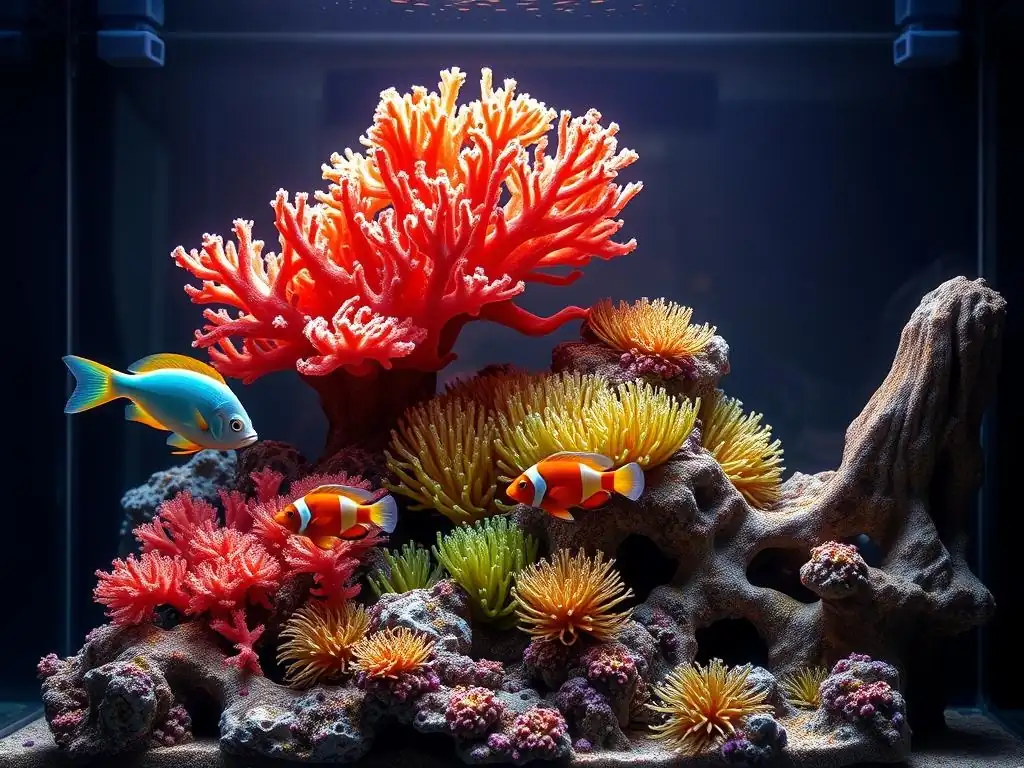
Are you dreaming of a vibrant, thriving reef aquarium but unsure where to start? Choosing the right fish is crucial for success, especially for beginners. Dive in and discover our guide to the Top 5 Easiest Reef Safe Saltwater Fish – your ticket to a stunning underwater world! Ready to find out which colorful characters will happily coexist with your corals and make your reef tank journey a breeze? Let's explore!
- Introduction to Reef-Safe Fish for New Saltwater Aquarists
- Our Picks: Top 5 Easy Reef-Safe Saltwater Fish for Beginners
- Considerations Before Adding Reef-Safe Fish
- Avoiding Common Mistakes with Reef-Safe Fish
- Conclusion: Building a Thriving Reef Aquarium with Easy Fish
-
Frequently Asked Questions
- What makes a fish "reef safe"?
- Which types of fish are generally not considered reef safe?
- Besides being reef safe, what else should I consider when choosing fish for my saltwater aquarium?
- What are some signs that a fish is not adjusting well* to my saltwater aquarium?
- Where can I find more detailed information on caring for specific reef safe fish?
- Final Reflection: Embracing the Reef's Simplicity
- Dive Deeper: Start Building Your Reef Today!
Introduction to Reef-Safe Fish for New Saltwater Aquarists
Why Choose Reef-Safe Fish for Your First Saltwater Aquarium?
For many aspiring aquarists, the allure of a vibrant reef tank, brimming with colorful corals and intricate invertebrates, is irresistible. However, the delicate ecosystem of a reef aquarium demands careful consideration, especially when selecting its finned inhabitants.
Choosing easy reef safe saltwater fish from the outset is paramount, as these species are known for their peaceful demeanor and lack of interest in consuming or nipping at your valuable corals and beneficial invertebrates like snails and shrimp. This proactive approach minimizes stress for both the aquarist and the tank's inhabitants, paving the way for a more successful and enjoyable journey into marine aquaculture.
Neglecting the "reef-safe" aspect can lead to significant frustration and financial loss. Non-reef-safe fish might view your prized LPS (Large Polyp Stony) corals as snacks or soft corals as a source of irritation, leading to damage, stress, and even the death of these sensitive organisms. By focusing on species proven to coexist harmoniously with corals and invertebrates, beginners can avoid common pitfalls, ensure the long-term health and beauty of their reef setup, and build confidence in managing a thriving marine environment. The goal is to create a balanced, beautiful underwater world where every inhabitant contributes positively to the ecosystem.
Understanding Reef Compatibility in Saltwater Fish
"Reef-safe" is a critical term in saltwater aquaria, signifying that a fish will not harm corals (hard or soft) or desirable invertebrates such as crabs, shrimp, and snails. This compatibility isn't solely about aggression; it also encompasses dietary preferences and natural behaviors. A truly reef-safe fish will not consume coral polyps, nip at clam mantles, or disturb the substrate in a way that damages sessile invertebrates. For beginners, understanding this concept is vital to prevent costly mistakes and maintain the integrity of their evolving reef system.
While many fish are marketed as "reef-safe," some come with caveats, often described as "reef-safe with caution." This typically means they might nip at certain types of corals (e.g., some angelfish or butterflyfish may develop a taste for SPS or LPS corals) or become problematic as they mature.
The easy reef safe saltwater fish highlighted in this guide are generally considered unequivocally safe for a wide range of reef inhabitants, making them excellent choices for novice aquarists. Their predictable behavior and diet preferences ensure they will be complementary additions to a burgeoning coral collection, fostering a peaceful and stable display.
Our Picks: Top 5 Easy Reef-Safe Saltwater Fish for Beginners
1. Clownfish: The Classic Reef-Safe Choice
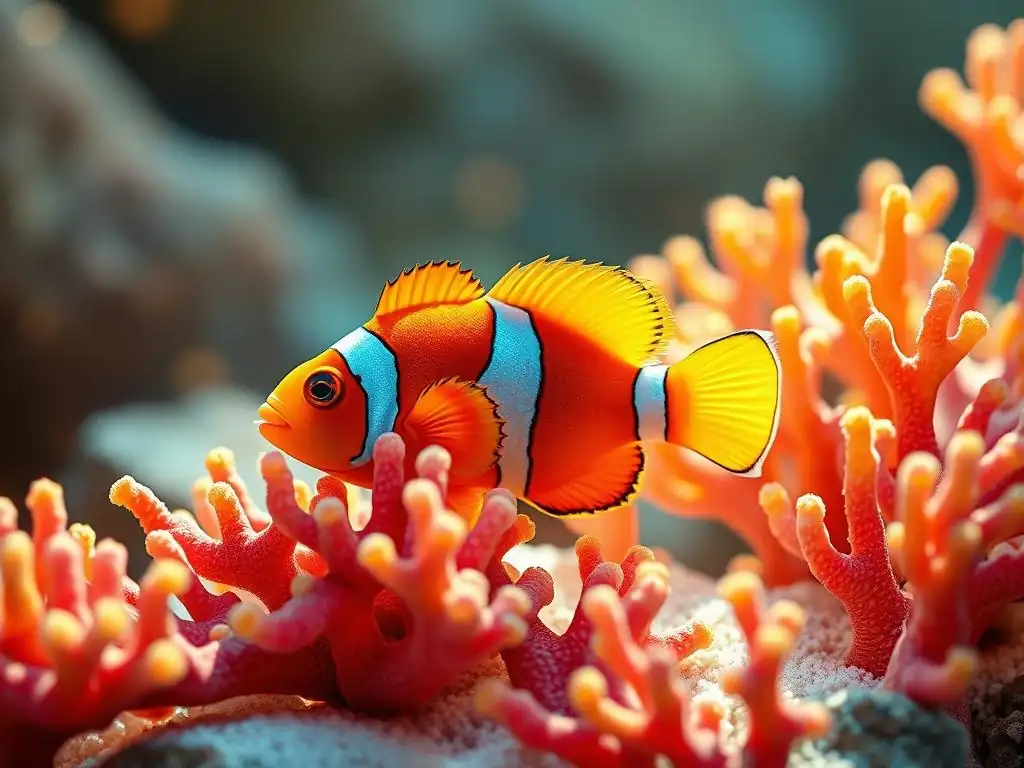
Clownfish, particularly the Ocellaris (Amphiprion ocellaris) and Percula (Amphiprion percula) species, are arguably the most iconic and easy reef safe saltwater fish available to beginners. Renowned for their vibrant orange, black, and white patterns and their endearing wobbly swim, these fish are incredibly hardy and adaptable, making them a cornerstone for many first-time saltwater tanks. While famous for their symbiotic relationship with anemones, they do not require an anemone to thrive in a home aquarium, often hosting in soft corals like frogspawn or even powerheads, showcasing their playful personalities.
These popular damselfish typically grow to about 3 to 4 inches in length and can live for an impressive 10 to 15 years with proper care. They are known for their peaceful nature towards corals and most invertebrates, making them an ideal choice for a mixed reef tank.
A single clownfish or a bonded pair can comfortably inhabit a tank as small as 20-30 gallons, providing ample space for their modest swimming needs and allowing them to establish a small territory without bothering other reef inhabitants. Their resilience to varying water conditions, provided they are stable, further solidifies their status as an easy reef safe saltwater fish.
Clownfish Care Requirements: Simplicity for Beginners
Clownfish are omnivores and are remarkably unfussy eaters, readily accepting a variety of high-quality marine flake, pellet, and frozen foods. Their diet should be varied to ensure optimal health, incorporating items such as mysis shrimp, brine shrimp (enriched), and finely chopped marine-based foods. Feeding them once or twice a day is usually sufficient. In terms of water parameters, they thrive in typical reef conditions: temperatures between 75-80°F (24-27°C), salinity of 1.023-1.026 specific gravity, and a pH range of 8.1-8.4. Their adaptability to minor fluctuations within these ranges contributes significantly to their beginner-friendly appeal.
For a successful clownfish habitat, provide plenty of live rockwork with crevices and caves, which serve as natural hiding spots and territories. While they do not strictly require an anemone, offering suitable hosting alternatives or simply adequate rock structure will make them feel secure. Their robust immune system and general hardiness mean they are less susceptible to common marine diseases compared to more delicate species, making them a forgiving and easy reef safe saltwater fish that allows new aquarists to build confidence in their reef-keeping skills.
Benefits of Keeping Clownfish in a Reef Tank
The primary benefit of keeping clownfish in a reef tank is their impeccable reef compatibility. Unlike some other fish, clownfish will not nip at or damage corals, clams, or other sessile invertebrates. This makes them a worry-free addition to a delicate ecosystem, allowing corals to flourish undisturbed. Their relatively small adult size and moderate bioload also mean they do not place excessive strain on the tank's filtration system, contributing to overall water quality stability in a beginner's setup.
Beyond their practical benefits, clownfish bring an undeniable charm and personality to any reef tank. Their characteristic "dance" and territorial displays are highly entertaining to observe. When kept as a pair, their unique social dynamics, including sex change from male to female as they mature, add an intriguing dimension to the aquarium. Their hardiness and non-destructive nature solidify their position as the quintessential easy reef safe saltwater fish for anyone embarking on their reef aquarium journey, providing both beauty and peace of mind.
2. Royal Gramma: A Vibrant and Peaceful Reef Resident
The Royal Gramma Basslet (Gramma loreto) is another excellent candidate for a beginner's reef tank, celebrated for its striking bicolor appearance: a vibrant purple front half transitioning sharply to a brilliant yellow rear. This visually stunning fish adds an immediate splash of color and elegance to any marine display. Originating from the Caribbean, Royal Grammas are known for their peaceful disposition and their preference for hiding amongst rockwork and caves, often swimming upside down under ledges.
Growing to a modest size of about 3 inches, Royal Grammas typically live for 5 to 6 years in a well-maintained aquarium. They are generally shy and reserved, making them an ideal easy reef safe saltwater fish that won't harass corals or other peaceful tank mates. A minimum tank size of 30 gallons is recommended for a single Royal Gramma, providing enough space for its territorial needs and allowing it to establish a safe retreat within the rockscape. Their calm nature ensures they integrate seamlessly into a diverse reef community.
Royal Gramma Temperament and Reef Tank Compatibility
Royal Grammas exhibit a generally peaceful temperament, making them highly compatible with most reef invertebrates and corals. They are not known to nip at polyps or disturb clams. However, they can be territorial towards other Royal Grammas or fish with similar body shapes and colorations, especially in smaller tanks. It's generally best to keep a single individual or a confirmed mated pair in a home aquarium to avoid aggression. If attempting a pair, ensure a larger tank with ample hiding spots.
Their natural behavior involves darting into crevices when startled, which is why a well-furnished tank with plenty of live rock is crucial for their well-being. This reclusive nature means they spend much of their time exploring the rockwork, adding a sense of natural exploration to the tank. Their non-aggressive stance towards the reef itself makes them an incredibly reliable and easy reef safe saltwater fish that enhances the aesthetic appeal without posing a threat to the delicate ecosystem.
Essential Care Tips for Royal Grammas
Royal Grammas are carnivores and thrive on a varied diet of small, meaty frozen foods such as mysis shrimp, enriched brine shrimp, and finely chopped seafood. They will also readily accept high-quality marine pellets and flakes. Feeding once or twice daily is appropriate. Consistent water parameters are key for their health: maintain temperatures between 75-80°F (24-27°C), salinity at 1.023-1.026 specific gravity, and a pH of 8.1-8.4. Stable conditions help prevent stress and disease, allowing them to flourish.
The tank environment for a Royal Gramma should prioritize ample rockwork with numerous caves, overhangs, and crevices. These provide essential hiding spots and a sense of security for this somewhat shy species. While they appreciate good water flow, avoid overly turbulent areas. Their relatively small bioload and simple dietary requirements contribute to their status as an easy reef safe saltwater fish, making them a rewarding addition for new aquarists seeking a vibrant yet peaceful inhabitant.
3. Firefish Goby: A Hardy and Striking Reef Fish
The Firefish Goby (Nemateleotris magnifica), also known as the Fire Goby or Magnificent Firefish, is a captivating and easy reef safe saltwater fish renowned for its elongated body and vibrant coloration, featuring a white head that transitions to yellow, then orange, and finally a brilliant red or magenta tail. Their distinctive dorsal fin, often held erect, adds to their striking appearance. These peaceful gobies are known for their darting movements and their tendency to hover gracefully in the water column, often near a bolt hole in the rockwork.
Firefish Gobies typically reach an adult size of about 3 inches and have a lifespan of 3 to 5 years in a well-maintained aquarium. Their small size and gentle nature make them perfectly suited for nano reef tanks or larger community reef setups. A minimum tank size of 20 gallons is recommended for a single Firefish, with larger tanks needed for pairs or small groups. They are non-aggressive towards corals and invertebrates, making them an exceptional easy reef safe saltwater fish that adds dynamic movement and vivid color to the display.
Firefish Goby: Tank Size and Environment Considerations
A crucial consideration for keeping Firefish Gobies is the need for a tightly fitting lid on the aquarium. These fish are notorious jumpers, especially when startled or during initial acclimation, and can easily leap out of an uncovered tank. The tank setup should include plenty of live rock with small caves and crevices, which serve as essential hiding spots. While they don't actively burrow, they appreciate a sand bed, hovering just above it, and will quickly retreat into a rock crevice if they feel threatened.
Firefish Gobies thrive in tanks with moderate water flow, allowing them to hover and dart, mimicking their natural planktivorous feeding behavior. Their preference for secure hiding places makes them feel safe and reduces stress, which is vital for their long-term health. Given their small size and specific environmental needs, providing these elements makes them a resilient and easy reef safe saltwater fish that can adapt well to various reef tank configurations.
Feeding and Maintaining Firefish Gobies
Firefish Gobies are planktivores and should be fed small, meaty frozen foods multiple times a day. Their diet should include items like mysis shrimp, enriched brine shrimp, cyclops, and finely chopped marine seafood. They will also accept high-quality small marine pellets or flakes. Due to their active metabolism and small size, feeding 2-3 times daily in small amounts is recommended to ensure they receive adequate nutrition. They are generally not shy about feeding once acclimated.
Maintaining stable reef water parameters is essential for Firefish Gobies: temperatures between 75-80°F (24-27°C), salinity of 1.023-1.026 specific gravity, and a pH of 8.1-8.4. They are relatively hardy once established, but sudden fluctuations in water quality can stress them. Their small bioload means they don't significantly impact water quality, further solidifying their status as an easy reef safe saltwater fish for beginners. Regular water changes and consistent monitoring will ensure their continued health and vibrancy.
4. Pajama Cardinalfish: A Schooling Fish for a Peaceful Reef
The Pajama Cardinalfish (Sphaeramia nematoptera) is a uniquely patterned and easy reef safe saltwater fish that adds a distinct visual appeal to a reef aquarium. Characterized by its large eyes, a prominent dark band across its body, and a tail covered in distinctive red polka dots, this fish is instantly recognizable. They are known for their calm demeanor and their tendency to hover in groups, creating a peaceful, schooling effect in the mid-water column, particularly during the day.
Pajama Cardinalfish grow to an adult size of approximately 3 inches and typically live for 3 to 5 years. They are best kept in groups of three or more to encourage their natural schooling behavior and reduce individual stress. A minimum tank size of 30 gallons is suitable for a small group, providing enough space for them to establish a comfortable presence. Their non-aggressive nature towards corals, clams, and other invertebrates makes them an ideal and easy reef safe saltwater fish for a mixed reef environment, contributing to a tranquil display.
Pajama Cardinalfish: Social Behavior and Tank Mates
Pajama Cardinalfish are exemplary community fish, displaying peaceful social behavior. They prefer to congregate in small schools, which not only looks appealing but also provides a sense of security for the fish. While generally docile, they can be somewhat timid, so it's important to pair them with other peaceful tank mates. Avoid housing them with large, aggressive, or overly boisterous fish that might outcompete them for food or cause undue stress. Their calm disposition ensures they will not bother corals or other sessile invertebrates.
They primarily occupy the mid-water column, often hovering near rockwork or under ledges during the day. In the wild, they are nocturnal feeders, but they readily adapt to daytime feeding in an aquarium environment. Their placid nature and schooling tendency make them a perfect choice for aquarists looking to add a group of easy reef safe saltwater fish that will complement a vibrant coral display without any risk of damage.
Creating the Ideal Habitat for Pajama Cardinalfish
To create an ideal habitat for Pajama Cardinalfish, provide ample live rock with plenty of caves, crevices, and overhangs. These areas offer essential hiding spots where they can retreat if they feel threatened or when they are resting. While they spend much of their time hovering, access to secure cover is crucial for their well-being. Moderate lighting is generally preferred, as very intense lighting can make them feel exposed and stressed.
Maintaining stable reef water parameters is vital for their health: temperatures should be kept between 75-80°F (24-27°C), salinity at 1.023-1.026 specific gravity, and a pH range of 8.1-8.4. They are unfussy eaters, accepting a variety of small meaty frozen foods like mysis shrimp, brine shrimp, and cyclops, as well as high-quality marine pellets. Their hardiness and adaptable nature, coupled with their peaceful disposition, make them an excellent and easy reef safe saltwater fish for beginners.
5. Green Chromis: A Hardy and Active Reef Option
The Green Chromis (Chromis viridis) is a ubiquitous and highly recommended easy reef safe saltwater fish for beginner reef aquarists. Its iridescent, shimmering green-blue coloration and constant activity bring a lively sparkle to any marine tank. These active damselfish are known for their schooling behavior, creating a dynamic and visually appealing display as they gracefully swim together in the open water column. They are remarkably hardy and forgiving, making them a staple in many successful reef setups.
Green Chromis typically grow to an adult size of 3 to 4 inches and can live for 5 to 8 years in a well-maintained aquarium. While generally peaceful, they are best kept in groups of three or more to facilitate their natural schooling dynamics. In smaller groups or tanks, a dominant individual may emerge and harass weaker ones, leading to stress.
A minimum tank size of 30 gallons is suitable for a small school, but 50 gallons or more is ideal for a larger, thriving group, ensuring ample swimming space and reducing potential aggression. Their non-destructive nature towards corals and invertebrates makes them a reliable easy reef safe saltwater fish.
Green Chromis: Schooling Dynamics and Tank Size
Green Chromis are prized for their tight schooling behavior, which adds a mesmerizing element of synchronized movement to a reef aquarium. To truly see this behavior flourish, it is recommended to start with a group of at least 5-7 individuals. While generally peaceful, in very small groups (e.g., 2-3), a "pecking order" can sometimes lead to one fish bullying the others. Providing a larger tank, ideally 50 gallons or more, helps mitigate this by offering ample space for individuals to escape aggression and establish their own mini-territories within the school.
Their active swimming nature means they appreciate open water space in addition to rockwork. While they will utilize rock structures for resting or hiding when startled, they spend the majority of their time in the mid to upper water column. Their constant motion and attractive coloration make them an excellent choice for adding life and vibrancy to a reef tank without posing any threat to the coral inhabitants, solidifying their position as an easy reef safe saltwater fish.
Green Chromis Care: Diet and Water Parameters
Green Chromis are omnivores with a preference for planktonic foods. They are not picky eaters and will readily accept a wide variety of high-quality marine flake foods, pellets, and small frozen foods such as mysis shrimp, enriched brine shrimp, and cyclops. Feeding them 2-3 times daily in small amounts is recommended to support their active metabolism. Their robust appetite and willingness to eat prepared foods contribute to their ease of care for beginners.
These fish are highly tolerant of typical reef water parameters, making them one of the most forgiving species for new aquarists. Maintain temperatures between 75-80°F (24-27°C), salinity at 1.023-1.026 specific gravity, and a pH range of 8.1-8.4. Their hardiness and resistance to common marine diseases, once properly acclimated, make them an excellent choice for stabilizing a new reef aquarium. Regular water changes and stable parameters will ensure these easy reef safe saltwater fish thrive and bring continuous activity to your tank.
Considerations Before Adding Reef-Safe Fish
Ensuring Proper Acclimation for New Fish
Proper acclimation is a critical step that often determines the success or failure of introducing new fish to a saltwater aquarium. The process minimizes stress and prevents osmotic shock, which occurs when a fish rapidly moves between water environments with different temperatures, pH levels, and salinity. For marine fish, the drip acclimation method is highly recommended as it allows for a very slow and gradual equalization of water parameters. This involves slowly dripping tank water into the bag containing the new fish over a period of 30 to 60 minutes, or even longer for more sensitive species.
Before beginning the drip, float the sealed bag in your sump or tank for 15-20 minutes to equalize temperature. After temperature equalization, open the bag, discard about half the water, and begin dripping tank water into the bag at a slow rate, perhaps 1-2 drops per second. Monitor the fish closely for any signs of extreme stress.
Once the water volume in the bag has quadrupled, the fish can be gently netted and introduced to the display tank, discarding the bag water to prevent introducing unwanted pathogens. This careful process greatly improves the chances of your easy reef safe saltwater fish thriving in their new home.
Monitoring Water Quality in Your Reef Tank
Consistent and accurate monitoring of water quality is paramount for the health and stability of any reef aquarium, especially when housing delicate corals alongside your easy reef safe saltwater fish. Key parameters to regularly test include ammonia, nitrite, nitrate, salinity, temperature, pH, alkalinity, calcium, and magnesium. Ammonia and nitrite should always read 0 ppm, indicating a fully cycled and healthy biological filtration system. Nitrates should ideally be kept below 10-20 ppm for most reef tanks. Salinity should be maintained between 1.023-1.026 specific gravity, and temperature between 75-80°F (24-27°C).
Regular testing, ideally weekly for basic parameters and bi-weekly for coral-specific parameters once stable, allows aquarists to identify and address issues before they become critical. Fluctuations in pH, salinity, or nutrient levels can stress fish and corals, making them susceptible to disease and inhibiting growth. Maintaining stable water parameters through diligent testing and appropriate interventions, such as water changes or dosing, is the cornerstone of a successful and thriving reef environment for all its inhabitants.
Choosing the Right Tank Mates for Your Reef-Safe Fish
While the easy reef safe saltwater fish listed are compatible with corals and invertebrates, their compatibility with other fish is another crucial consideration. "Reef-safe" does not automatically mean "fish-safe" with all species. When selecting tank mates, always research their adult size, temperament, and dietary needs. The goal is to create a harmonious community where all fish can coexist without excessive competition for food, territory, or undue stress from aggression.
For the peaceful easy reef safe saltwater fish highlighted, avoid introducing large, aggressive, or overly boisterous species that might intimidate them or outcompete them for food. Examples of fish to be cautious with include certain large angelfish, triggers, or aggressive damselfish (other than the generally peaceful chromis and clownfish). Instead, opt for other docile species like small gobies, blennies, or other peaceful cardinals. Introducing fish in a thoughtful sequence, often starting with the most peaceful species, can also help establish a calm social hierarchy and prevent unnecessary conflicts.
Avoiding Common Mistakes with Reef-Safe Fish
Overstocking: A Threat to Reef Tank Stability
One of the most common and detrimental mistakes made by beginner aquarists is overstocking their reef tank. While the appeal of a tank bustling with diverse marine life is strong, exceeding the tank's capacity for biological filtration and territorial space can have severe consequences. Overstocking leads to a rapid buildup of waste products, such as ammonia and nitrates, even in a well-cycled tank. This elevated bioload places immense stress on the filtration system, often resulting in poor water quality, increased algae growth, and an unhealthy environment for your easy reef safe saltwater fish and corals.
The general guideline of "one inch of adult fish per five gallons of water" is a rough starting point, but it's more nuanced for marine systems, especially active species or those with large bioloads. Overstocked tanks also lead to increased aggression, as fish compete for limited space and resources, causing chronic stress, suppressed immune systems, and heightened susceptibility to diseases like Ich or Marine Velvet. Maintaining appropriate stocking levels is fundamental to achieving a stable, healthy, and long-lasting reef aquarium.
Incompatible Tank Mates: Preventing Aggression and Stress
Beyond simply being "reef-safe," ensuring compatibility among fish species is paramount to preventing aggression and chronic stress within the aquarium. Introducing fish that are naturally aggressive towards each other, or species that are too large or boisterous for the tank's peaceful inhabitants, can lead to constant bullying, fin nipping, and even fatalities. For instance, pairing a very timid Firefish Goby with a highly territorial Yellow Tang in a smaller tank might result in the Goby being constantly harassed and unable to feed properly.
Even among generally easy reef safe saltwater fish, certain combinations can be problematic. Attempting to keep multiple male clownfish in a tank that is too small, or introducing aggressive damselfish with very docile species, can disrupt the peace. Thorough research on the temperament, adult size, and specific needs of each potential tank mate is crucial before introduction. A stressed fish is a weakened fish, more prone to disease and less likely to thrive, ultimately detracting from the beauty and harmony of your reef display.
Neglecting Water Changes: Maintaining a Healthy Reef Environment
Neglecting regular water changes is a critical oversight that can quickly undermine the health and stability of a reef aquarium. While biological filtration removes ammonia and nitrite, and protein skimmers remove some organic waste, water changes are essential for replenishing vital trace elements that corals and invertebrates consume (like calcium, alkalinity, and magnesium) and for diluting accumulated nitrates, phosphates, and other pollutants that filtration alone cannot fully remove. Without regular water changes, these undesirable compounds can build up to toxic levels, leading to algae blooms, coral recession, and fish stress.
For most reef tanks, a weekly or bi-weekly water change of 10-20% of the total tank volume is a common recommendation, though specific needs may vary based on stocking levels and filtration. Consistent water changes help maintain stable pH, salinity, and nutrient levels, which are crucial for the delicate balance of a reef ecosystem. Failing to perform this basic maintenance task will inevitably lead to declining water quality, increased disease susceptibility for your easy reef safe saltwater fish, and a less vibrant, less healthy reef.
Conclusion: Building a Thriving Reef Aquarium with Easy Fish
The Joy of Keeping Reef-Safe Fish as a Beginner
Embarking on the journey of reef keeping can seem daunting, but by carefully selecting easy reef safe saltwater fish, beginners can significantly increase their chances of success and enjoyment. The species highlighted – Clownfish, Royal Grammas, Firefish Gobies, Pajama Cardinalfish, and Green Chromis – offer a perfect blend of hardiness, vibrant coloration, and peaceful temperaments, ensuring they will thrive in a well-maintained reef environment without posing a threat to delicate corals or invertebrates. This strategic approach minimizes common pitfalls, allowing new aquarists to focus on the joys of observing a thriving, miniature ocean ecosystem.
The satisfaction of watching your easy reef safe saltwater fish explore a vibrant coral landscape, knowing that each inhabitant contributes positively to the tank's harmony, is incredibly rewarding. These resilient species provide a solid foundation for learning the intricacies of marine aquarium husbandry, building confidence in managing water chemistry, filtration, and animal care. With thoughtful planning and consistent effort, even novice aquarists can cultivate a stunning and stable reef aquarium, a living testament to their dedication and passion.
Further Resources for Saltwater Aquarium Success
The world of saltwater aquariums is vast and continuously evolving, offering endless opportunities for learning and discovery. While starting with easy reef safe saltwater fish provides an excellent entry point, continuous education is key to long-term success and to expanding your reef-keeping horizons. Aquarium Mastery provides a wealth of detailed guidance on various aspects of marine aquaculture, from advanced water chemistry and coral propagation to in-depth species profiles and troubleshooting guides for common tank issues.
We encourage you to delve deeper into topics like optimizing your filtration system, understanding coral nutritional needs, identifying and treating marine diseases, and exploring the fascinating world of reef invertebrates. Each piece of knowledge gained contributes to a more resilient and beautiful aquarium. The journey of reef keeping is an ongoing adventure, filled with new challenges and immense rewards, and with the right resources and a commitment to learning, you can create a truly captivating underwater paradise.
Frequently Asked Questions
What makes a fish "reef safe"?
A reef safe fish is one that is unlikely to eat or damage corals and other invertebrates typically found in reef aquariums. They generally won't nip at coral polyps or disturb the reef's delicate ecosystem.
Which types of fish are generally not considered reef safe?
Generally, larger fish like triggerfish, pufferfish, and some angelfish are not considered reef safe. They often have diets that include invertebrates or may simply be too destructive.
Besides being reef safe, what else should I consider when choosing fish for my saltwater aquarium?
Consider the fish's adult size, temperament, and dietary needs. Ensure they are compatible with your tank size and existing inhabitants.
What are some signs that a fish is not adjusting well* to my saltwater aquarium?
Signs include loss of appetite, erratic swimming, hiding excessively, or visible signs of disease. Monitor your fish closely after introduction.
Where can I find more detailed information on caring for specific reef safe fish?
AquariumMastery.com provides detailed species profiles, care guides, and troubleshooting advice to help you succeed with your saltwater aquarium. You can also search specifically for "Easy reef safe saltwater fish" on the site.
Final Reflection: Embracing the Reef's Simplicity
The journey into saltwater aquariums, particularly reef tanks, can seem daunting, but as we've explored, it doesn't have to be. The selection of easy reef safe saltwater fish is a crucial first step, allowing beginners to experience the beauty and wonder of a thriving reef ecosystem without being overwhelmed. This initial success is paramount, fostering a deeper appreciation and commitment to responsible aquarium keeping.
The allure of a vibrant reef tank extends beyond mere aesthetics; it's about creating and maintaining a miniature ecosystem. My own journey into reef keeping was significantly smoother thanks to starting with hardy, reef-safe species, and I believe this is the key to long-term success for many. The best way to learn is by doing. And the best way to do is to start small and build from there.
This sentiment perfectly encapsulates the approach we've discussed, emphasizing the importance of manageable beginnings.
Now, armed with the knowledge of these top 5 easiest reef-safe fish, I encourage you to take the plunge. Don't be afraid to start small, to learn from your mistakes, and to embrace the challenges that come with creating a thriving reef environment. Your journey into the captivating world of saltwater aquariums awaits, promising a rewarding experience filled with beauty, discovery, and a profound connection to the ocean's wonders.
Dive Deeper: Start Building Your Reef Today!
Thank you for exploring the fascinating world of reef-safe fish with us! We hope you've gained valuable insights into creating a thriving underwater ecosystem. Now, let's put that knowledge into action!
Here's how you can take the next step:
- Immediately start planning your aquarium setup by researching the specific tank size and equipment needed for your chosen fish. A proactive approach is key to a successful reef!
- Share this article with fellow aquarium enthusiasts and spark a conversation about their experiences with beginner-friendly reef fish. Learning together strengthens our community!
- Challenge yourself to identify one more potential reef-safe fish species that wasn't on our list. Expand your knowledge and broaden your options!
What's the first thing you'll do to bring your reef aquarium dream to life?