
Achilles Tang Challenges: Advanced Care for Diet, Disease Susceptibility & Longevity

Welcome to Aquarium Mastery!
Curious about successfully keeping the notoriously challenging Achilles Tang? You've come to the right place. Dive into our in-depth Achilles Tang care guide and uncover the secrets to thriving diet, disease prevention, and ensuring a long, vibrant life for this reef aquarium jewel. Ready to master the art of Achilles Tang care? Let's begin!
- Introduction to Achilles Tang Care: A Comprehensive Guide
- Understanding the Achilles Tang: Natural Habitat and Behavior
- Achilles Tang Aquarium Setup: Creating the Ideal Environment
- Achilles Tang Diet: Meeting Nutritional Needs for Vibrant Health
-
Achilles Tang Disease Susceptibility: Prevention and Treatment
- Common Diseases Affecting Achilles Tangs: Ich, Marine Velvet, Head and Lateral Line Erosion (HLLE)
- Quarantine Procedures: Protecting Your Achilles Tang from Illness
- Recognizing Early Signs of Disease in Achilles Tangs
- Treatment Options for Achilles Tang Diseases: Copper Sulfate, Chloroquine Phosphate, Metronidazole
- Maintaining Water Quality to Reduce Disease Risk
- Achilles Tang Compatibility: Choosing the Right Tank Mates
- Acclimation Process: Safely Introducing Your Achilles Tang to Its New Home
- Achilles Tang Longevity: Maximizing Lifespan in Captivity
- Advanced Achilles Tang Care Tips: Beyond the Basics
- Troubleshooting Common Achilles Tang Problems
- Conclusion: Mastering Achilles Tang Care for a Thriving Aquarium
-
Frequently Asked Questions
- What makes Achilles Tangs challenging to keep in a home aquarium?
- What specific dietary requirements do Achilles Tangs have?
- What diseases are Achilles Tangs particularly susceptible to, and how can they be prevented?
- What are the ideal water parameters for keeping Achilles Tangs healthy?
- What size aquarium is recommended for keeping an Achilles Tang?
- Final Reflection: Navigating the Achilles Tang's Complex Needs
- Ignite Your Achilles Tang's Potential!
Introduction to Achilles Tang Care: A Comprehensive Guide
The Achilles Tang (Acanthurus achilles) is a highly sought-after marine fish, revered for its striking coloration and active demeanor. However, its beauty comes with the significant challenge of providing specialized care, making it unsuitable for novice aquarists. Successfully keeping an Achilles Tang in a home aquarium requires a deep understanding of its specific environmental needs, dietary requirements, and high susceptibility to common marine diseases.
This comprehensive article delves into the advanced aspects of Achilles Tang care, offering detailed insights into creating an optimal habitat, formulating a nutritional diet, and implementing robust disease prevention strategies. By mastering these critical elements, aquarists can significantly improve the chances of long-term health and vitality for this magnificent species. Adhering to a meticulous Achilles Tang care guide is paramount for success.
Understanding the Achilles Tang: Natural Habitat and Behavior
Achilles Tang Origins: Hawaiian Islands and Indo-Pacific Region
The Achilles Tang originates primarily from the clear, turbulent waters surrounding the Hawaiian Islands, extending its natural range across various parts of the Indo-Pacific region, including Samoa, Tonga, and the Mariana Islands. These environments are characterized by shallow, oxygen-rich surf zones and rocky reefs, typically at depths ranging from 3 to 30 feet (approximately 1 to 9 meters). The constant surge and strong currents in these areas dictate much of their natural behavior and physiological adaptations.
In their native habitat, Achilles Tangs are accustomed to pristine water quality, high dissolved oxygen levels, and abundant growth of benthic algae on rocks and coral rubble. This specific environmental blueprint highlights why replicating these conditions in captivity is crucial for their well-being. Failure to provide adequate water movement and oxygenation, for instance, can lead to chronic stress and a compromised immune system, making comprehensive Achilles Tang care even more vital.
Typical Achilles Tang Behavior in the Wild
In the wild, Achilles Tangs exhibit distinct behavioral patterns that evolve with their life stage. Juvenile Achilles Tangs often form small schools, providing a measure of safety against predators. As they mature into adults, they tend to become more solitary or live in small, loose aggregations, actively grazing on turf algae and other microalgae found on hard surfaces. Their continuous grazing is essential for their digestive health and nutritional intake.
These fish are highly active swimmers, constantly navigating the strong currents of their natural reef environments. They are known for their territorial nature, particularly towards other tangs or fish with similar body shapes and grazing habits, especially during feeding. This innate territoriality underscores the importance of ample space and appropriate tank mates when considering an Achilles Tang care guide for a home aquarium.
Achilles Tang Aquarium Setup: Creating the Ideal Environment
Tank Size Requirements for Achilles Tangs
Providing an adequately sized aquarium is arguably the most critical factor for the long-term success and health of an Achilles Tang. Due to their active swimming nature and potential for aggression, a minimum tank size of 180 gallons (approximately 680 liters) is recommended for a single adult specimen. However, a tank of 250 gallons (around 946 liters) or larger is significantly more beneficial, offering ample swimming space and helping to dilute waste products more effectively.
Insufficient tank volume can lead to chronic stress, stunted growth, and heightened aggression, particularly towards tank mates. A larger water volume also provides greater stability for crucial water parameters, reducing rapid fluctuations that can severely impact the Achilles Tang's delicate health. This fundamental aspect of an Achilles Tang care guide cannot be overstated.
Water Parameters: Maintaining Optimal Conditions for Achilles Tang Health
Maintaining pristine and stable water parameters is paramount for Achilles Tang health, directly influencing their immune system and overall vitality. The ideal temperature range for these fish is between 76-82°F (24-28°C). Salinity should be kept stable at a specific gravity of 1.020-1.025, mimicking natural ocean conditions. The pH level should consistently remain within 8.1-8.4.
Crucially, ammonia and nitrite levels must always be undetectable (0 ppm), and nitrates should be kept as low as possible, ideally below 10-20 ppm. Regular and accurate testing of these parameters, ideally daily or weekly, is essential to detect any deviations promptly. Sudden shifts in water chemistry can cause significant stress, making the Achilles Tang highly susceptible to diseases.
Essential Equipment: Filtration, Lighting, and Water Flow
A robust and multi-faceted filtration system is non-negotiable for an Achilles Tang setup. This includes substantial biological filtration (e.g., live rock, bio-media in a sump), efficient mechanical filtration (filter socks, sponges), and effective chemical filtration (activated carbon, GFO) to maintain crystal-clear, pollutant-free water. A high-quality protein skimmer capable of processing 2-3 times the tank's volume per hour is also indispensable for removing organic waste before it breaks down into harmful compounds.
While lighting requirements for the fish itself are moderate, if you aim to encourage natural algal growth as a food source, moderate to high-spectrum lighting will be beneficial. Most critically, Achilles Tangs require exceptionally strong water flow, mimicking their turbulent natural habitat. Powerheads providing 20-30 times the tank volume per hour (e.g., 3600-5400 GPH for a 180-gallon tank) are recommended. This high flow rate not only aids in oxygenation but also provides essential exercise for this active species, contributing significantly to a successful Achilles Tang care guide.
Achilles Tang Diet: Meeting Nutritional Needs for Vibrant Health
Natural Diet of Achilles Tangs: Algae and More
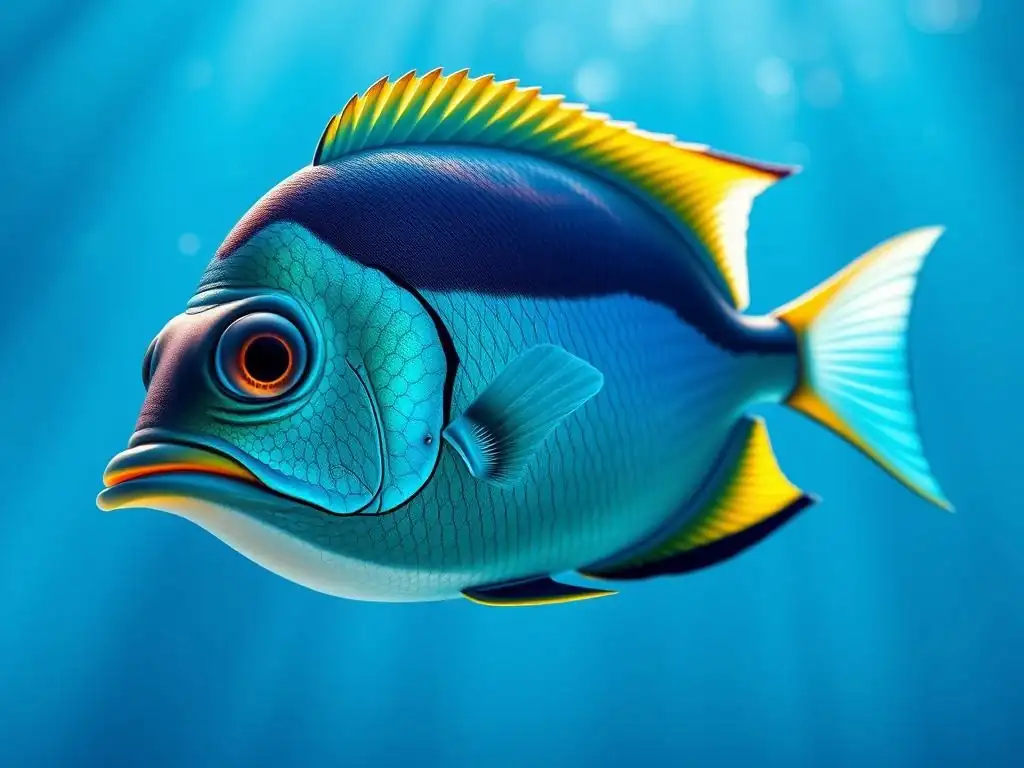
In their natural Hawaiian and Indo-Pacific habitats, Achilles Tangs are primarily herbivorous, with their diet consisting almost entirely of various types of macroalgae and microalgae that they graze continuously from rocky surfaces. This constant foraging provides them with the necessary fiber and nutrients. While their diet is predominantly plant-based, they may occasionally ingest small invertebrates or detritus found within the algal mats.
Understanding this natural feeding behavior is crucial for replicating an appropriate diet in captivity. They are not adapted to consume large quantities of meaty foods, and a diet lacking in sufficient vegetable matter can quickly lead to nutritional deficiencies and health problems, such as Head and Lateral Line Erosion (HLLE).
Formulating a Balanced Aquarium Diet for Achilles Tangs
To ensure vibrant health and longevity, an Achilles Tang's aquarium diet must be diverse and predominantly plant-based. Daily feedings should include high-quality marine-based flake or pellet foods rich in spirulina, kelp, and other plant matter. Supplementing with fresh or dried seaweed (nori), offered multiple times throughout the day via a veggie clip, is essential. Approximately 70-80% of their diet should consist of various forms of algae.
Beyond prepared foods and nori, occasional offerings of blanched vegetables like zucchini, broccoli florets, or spinach can provide additional roughage and vitamins. While they are herbivores, a small amount of high-quality frozen mysis shrimp or brine shrimp, enriched with vitamins, can be offered sparingly, perhaps once or twice a week, to provide essential fatty acids and protein.
Supplementation: Vitamins and Minerals for Achilles Tang Longevity
Specific vitamin and mineral supplementation is critical for the long-term health of Achilles Tangs, particularly to prevent common deficiency-related ailments. Vitamin C is especially important, playing a vital role in immune function and collagen synthesis, which helps prevent conditions like Head and Lateral Line Erosion (HLLE). Foods should be enriched with a high-quality liquid vitamin supplement containing Vitamin C, B vitamins, and essential fatty acids. Soaking frozen or dry foods in such supplements before feeding can significantly boost their nutritional value.
Trace elements, which are vital for numerous biological processes, are often depleted in closed aquarium systems. Regular partial water changes (e.g., 10-20% weekly or bi-weekly) with high-quality saltwater are the primary method to replenish these essential minerals. Additionally, specialized marine trace element solutions can be dosed according to manufacturer instructions, but careful monitoring is advised to avoid overdosing.
Preventing Nutritional Deficiencies in Achilles Tangs: Vitamin C Deficiency, Lipid Deficiency
Two prevalent nutritional deficiencies in Achilles Tangs are Vitamin C deficiency and lipid deficiency, both of which can lead to serious health complications. Vitamin C deficiency is strongly linked to the onset of Head and Lateral Line Erosion (HLLE), a condition characterized by pitting and lesions around the head and along the lateral line of the fish. Ensuring a consistent supply of Vitamin C through enriched foods or direct supplementation is crucial for prevention.
Lipid deficiency can manifest as general lethargy, dull coloration, and a weakened immune system, making the fish more susceptible to parasitic and bacterial infections. This often results from a diet that is either too restrictive or lacks sufficient healthy fats derived from marine sources. A varied diet that includes high-quality marine algae, supplemented with small amounts of enriched frozen foods, helps ensure an adequate intake of essential lipids. A well-rounded Achilles Tang care guide will always prioritize comprehensive nutrition.
Achilles Tang Disease Susceptibility: Prevention and Treatment
Common Diseases Affecting Achilles Tangs: Ich, Marine Velvet, Head and Lateral Line Erosion (HLLE)
Achilles Tangs are notoriously susceptible to common marine fish diseases, making proactive prevention and swift treatment essential. Marine Ich (Cryptocaryon irritans) is a highly prevalent parasitic infection, characterized by small white spots resembling salt grains on the fish's body and fins, accompanied by scratching and rapid breathing. While treatable, it can be devastating if not addressed quickly.
Even more virulent is Marine Velvet (Amyloodinium ocellatum), a dinoflagellate parasite that manifests as a fine, dusty, velvety coating. Symptoms include rapid gilling, lethargy, and often rapid death if left untreated. Head and Lateral Line Erosion (HLLE), as mentioned earlier, is a chronic condition primarily linked to nutritional deficiencies (especially Vitamin C), poor water quality, and stress. It presents as erosions and pitting on the head and along the lateral line.
Quarantine Procedures: Protecting Your Achilles Tang from Illness
Implementing a strict quarantine procedure is the single most effective measure to protect an Achilles Tang from disease. All new fish, especially tangs, should be placed in a dedicated quarantine tank (QT) for a minimum of 4 to 6 weeks. This bare-bottom tank, equipped with essential filtration, a heater, and PVC pipes for hiding, allows for observation and prophylactic treatment without risking the main display tank.
During quarantine, the fish can be monitored for any signs of illness, stress, or parasites. Prophylactic treatments for common parasites like Ich or Velvet can be administered safely in the QT, preventing their introduction into the established ecosystem of the main aquarium. This crucial step in any advanced Achilles Tang care guide cannot be overlooked.
Recognizing Early Signs of Disease in Achilles Tangs
Early detection of disease is critical for successful treatment and survival of Achilles Tangs. Aquarists should observe their fish daily for any subtle changes in behavior or physical appearance. Common early signs of distress or illness include: prolonged hiding, lethargy, rapid or labored breathing (gilling), scratching or "flashing" against rocks, and a noticeable loss of appetite.
Physical indicators of disease can include the appearance of white spots (Ich), a dusty or velvety coating (Velvet), cloudy eyes, clamped fins held tight against the body, frayed fins, or any unusual lesions, discoloration, or excessive mucus production on the skin. Recognizing these subtle cues quickly allows for immediate intervention, significantly improving the prognosis.
Treatment Options for Achilles Tang Diseases: Copper Sulfate, Chloroquine Phosphate, Metronidazole
When disease strikes, several effective treatments are available, though they should only be administered in a dedicated quarantine tank. Copper Sulfate is widely used for treating external parasites like Ich and Marine Velvet. It requires precise dosing and careful monitoring of copper levels (e.g., 0.2-0.25 ppm for Ich, 0.35-0.5 ppm for Velvet) using a reliable copper test kit, as overdose can be fatal.
Chloroquine Phosphate is another potent antiparasitic agent effective against Ich, Velvet, and some flukes. It is often preferred for its broader spectrum and reported lower toxicity to fish compared to copper, though it should still be used in a fish-only QT. For internal parasites or bacterial infections, Metronidazole can be effective, often administered by soaking food in the medication or, in some cases, directly to the water. Always research and follow specific product instructions and consult with experienced aquarists or veterinarians.
Maintaining Water Quality to Reduce Disease Risk
Pristine and stable water quality is the cornerstone of disease prevention for Achilles Tangs. Poor water conditions are a primary stressor, weakening the fish's immune system and making it highly vulnerable to infections. Regular partial water changes, typically 10-20% weekly or bi-weekly, are essential to remove accumulated nitrates and replenish vital trace elements.
Consistent monitoring of key water parameters—ammonia, nitrite, nitrate, pH, and salinity—is non-negotiable. Any deviation from optimal levels should be corrected promptly and carefully. Adequate filtration, robust protein skimming, and proper aquarium husbandry practices collectively contribute to a low-stress environment, significantly bolstering the Achilles Tang's natural defenses against pathogens. This proactive approach is a fundamental component of any effective Achilles Tang care guide.
Achilles Tang Compatibility: Choosing the Right Tank Mates
Aggression in Achilles Tangs: Understanding Their Temperament
Achilles Tangs, while beautiful, possess a strong territorial instinct, which can translate into significant aggression in the confines of an aquarium. This aggression is particularly pronounced towards other tangs, especially those with similar body shapes, coloration, or grazing habits, such as other Surgeonfish or Zebrasoma species. They may also display aggression towards their own kind if not introduced correctly or kept in a very large system.
Their aggression often escalates with age and can be exacerbated in tanks that are too small or lack sufficient hiding places and visual barriers. While they can be peaceful with very dissimilar fish, careful consideration of temperament and introduction order is crucial for maintaining a harmonious community, an important aspect of any Achilles Tang care guide.
Suitable Tank Mates for Achilles Tangs: Clownfish, Wrasses, Gobies
Choosing appropriate tank mates is critical to preventing stress and aggression in an Achilles Tang setup. Generally, fish that occupy different niches within the aquarium, have different dietary requirements, or are significantly different in body shape and color tend to be the most compatible.
Clownfish are often excellent tank mates, as they are typically peaceful and inhabit anemones or host corals, rarely competing for space or food with the tang. Many species of Wrasses, particularly the smaller, more peaceful varieties like Fairy Wrasses (Cirrhilabrus spp.) or Flasher Wrasses (Paracheilinus spp. ), can coexist well.
They are active swimmers but generally do not compete directly with tangs. Gobies are also good choices, as they are often bottom-dwellers or symbiotic species that pose no threat and occupy a different part of the water column. Other suitable options might include certain non-aggressive Blennies or smaller, peaceful Angelfish species, provided the tank is sufficiently large.
Avoiding Aggression: Tank Size and Aquascaping Strategies
To mitigate the inherent aggression of Achilles Tangs, two key strategies are paramount: providing a sufficiently large tank and employing smart aquascaping. As previously noted, a tank of 180 gallons or more significantly reduces aggression by offering ample swimming space and allowing the Achilles Tang to establish a territory without feeling cramped. In smaller volumes, the tang is more likely to view other fish as direct competitors for limited resources and space.
Intelligent aquascaping involves creating numerous hiding spots, caves, and visual barriers using live rock. This breaks up lines of sight, preventing the Achilles Tang from constantly seeing and harassing other tank mates. It also allows less dominant fish to retreat and feel secure. Introducing less aggressive fish first, allowing them to establish their territories before the Achilles Tang, can also help minimize initial conflicts.
Acclimation Process: Safely Introducing Your Achilles Tang to Its New Home
Step-by-Step Acclimation Guide for Achilles Tangs
The acclimation process is a critical, high-stress period for any new fish, especially sensitive species like the Achilles Tang. A slow and controlled acclimation is vital to minimize shock from changes in water parameters (temperature, pH, salinity). The recommended method is drip acclimation, which slowly equalizes the water chemistry over an extended period.
Begin by floating the sealed bag in the quarantine tank (or display tank, if no QT is used) for 15-20 minutes to equalize temperature. Then, transfer the fish and its original water into a separate clean container. Using airline tubing, start a slow drip from the tank water into the container, aiming for 1-2 drops per second.
Allow this process to continue for 1 to 2 hours, or until the water volume in the container has quadrupled. Crucially, never introduce the water from the transport bag into your main aquarium, as it may contain ammonia, parasites, or pathogens. Carefully net the fish and introduce it to the tank, discarding the old water.
Monitoring Your Achilles Tang Post-Acclimation
Following the acclimation process, close monitoring of your new Achilles Tang is essential for the first few days and weeks. Observe for any signs of stress, such as rapid breathing (gilling), hiding excessively, clamped fins held tight against the body, or a loss of vibrant coloration. It is normal for a newly introduced fish to be shy initially, but it should begin to explore its new surroundings and, most importantly, start eating within 24-48 hours.
During this post-acclimation period, minimize disturbances to the tank and avoid sudden changes in lighting or activity around the aquarium. Consistent observation helps ensure that the fish is adapting well and allows for early detection of any health issues that may arise from the stress of transit. This watchful period is a key component of a successful Achilles Tang care guide.
Achilles Tang Longevity: Maximizing Lifespan in Captivity
Factors Affecting Achilles Tang Lifespan
The lifespan of an Achilles Tang in captivity is highly variable and directly influenced by several critical factors. In their natural habitat, these fish can live for over 15 years. However, in home aquariums, achieving a lifespan of 5-10 years is considered excellent, with many unfortunately succumbing within the first year due to inadequate conditions. The primary determinants of longevity include tank size, water quality, diet, stress levels, and proactive disease prevention.
A larger tank provides ample space, reducing stress and allowing for more stable water parameters. Pristine water quality, achieved through robust filtration and regular maintenance, prevents chronic exposure to pollutants. A varied, nutrient-rich diet supports their immune system and prevents deficiencies. Minimizing stress from aggression or environmental instability is paramount, as chronic stress significantly compromises their health and shortens their life.
Regular Health Checks: Identifying Potential Problems Early
Regular and meticulous health checks are indispensable for maximizing the lifespan of an Achilles Tang. Daily observation of your fish's behavior, swimming patterns, and appetite is the first line of defense. Any deviation from its normal routine, such as prolonged hiding, lethargy, or refusal to eat, should immediately raise a red flag.
Beyond daily observation, a weekly physical examination should be conducted. Look for any subtle changes in coloration, the appearance of white spots, dusty coatings, lesions, frayed fins, or cloudy eyes. Keeping a detailed log of observations, feeding habits, and water parameters can help identify trends and potential problems before they escalate. Proactive identification of issues allows for timely intervention, greatly improving the chances of recovery.
Maintaining a Stress-Free Environment for Long-Term Health
A stress-free environment is paramount for the long-term health and longevity of an Achilles Tang. Chronic stress is a leading cause of immune suppression, making the fish highly susceptible to common marine diseases. Providing ample swimming space and numerous hiding spots within the aquascape helps the tang feel secure and reduces territorial disputes.
Avoiding overstocking the aquarium and carefully selecting compatible tank mates are crucial steps in minimizing inter-species aggression. Maintaining stable water parameters through consistent monitoring and regular maintenance prevents environmental stress. Minimizing sudden changes in lighting, noise, or routine also contributes to a calm and predictable environment, fostering a robust immune system and contributing to a successful Achilles Tang care guide.
Advanced Achilles Tang Care Tips: Beyond the Basics
Promoting Algae Growth in the Aquarium: Natural Food Source
Beyond offering prepared foods and nori, promoting natural algae growth within the aquarium can provide a continuous and beneficial food source for the Achilles Tang, closely mimicking their natural grazing behavior. While not always practical for every aquarist, allowing some areas of the live rock to develop a healthy, non-nuisance algal film can offer constant foraging opportunities.
This can be achieved by using moderate lighting that encourages beneficial algal types, without necessarily aiming for full coral growth intensity. Some aquarists even rotate "algae rocks" from a separate cultivation tank into the display tank. This natural grazing not only provides essential roughage but also offers mental stimulation, reducing boredom and stress, and ensuring a more natural diet for your Achilles Tang.
Targeted Feeding Techniques for Picky Achilles Tangs
Achilles Tangs, especially new arrivals or those under stress, can sometimes be particular about accepting prepared foods. Employing targeted feeding techniques can help ensure they receive adequate nutrition. If a tang is hesitant to eat flake or pellet food, try attaching a sheet of dried nori to a veggie clip and placing it in an area with moderate water flow, which often encourages grazing.
Offering a variety of high-quality, vitamin-enriched foods can also entice a picky eater. Instead of one large meal, feed small amounts multiple times throughout the day (e.g., 3-5 times). This constant availability of food mimics their natural continuous grazing and ensures that even a hesitant eater gets sufficient intake. Ensure that the food doesn't immediately get swept away by strong currents before the tang has a chance to consume it.
Recognizing and Addressing Stress in Achilles Tangs: Hiding, Rapid Breathing, Loss of Appetite
Recognizing subtle signs of stress in Achilles Tangs is crucial for preventing illness and ensuring their well-being. While new fish may hide initially, prolonged or excessive hiding, especially for a normally active species, can indicate significant stress or underlying illness. Similarly, rapid breathing (gilling) is a critical red flag, often signaling poor water quality (e.g., high ammonia/nitrite), low oxygen levels, or the presence of gill parasites like Ich or Velvet.
A sudden or persistent loss of appetite is perhaps the most serious indicator of distress or disease. A healthy Achilles Tang is a voracious eater. If your fish stops eating, it's imperative to immediately check all water parameters, observe for any physical symptoms of disease, and assess the tank environment for potential stressors like aggression from tank mates. Addressing these issues promptly is vital for recovery, making this an essential part of any Achilles Tang care guide.
Troubleshooting Common Achilles Tang Problems
Fin Nipping and Aggression: Dealing with Tank Mate Issues
Fin nipping and aggression are common challenges when keeping Achilles Tangs, often stemming from territorial disputes or inappropriate tank mates. If you observe your Achilles Tang nipping at the fins of other fish, or if it is constantly harassing specific tank mates, immediate action is required. First, identify the aggressor and the victim. Often, aggression is directed towards fish of similar body shape or color.
Strategies to mitigate aggression include rearranging the aquascaping to break up established territories and create new visual barriers and hiding spots. Adding more live rock or decorations can provide additional retreats for less dominant fish. If aggression persists and causes severe stress or injury, the most effective solution is often to remove either the aggressor or the targeted victim to a separate tank. Re-evaluating tank size and stocking levels is also key.
Loss of Color and Appetite: Identifying Underlying Causes
A loss of vibrant coloration, where the Achilles Tang's striking black and orange hues fade to a dull grey or pale shade, is a strong indicator of stress, poor water quality, or illness. Coupled with a loss of appetite, these symptoms collectively point to a significant underlying problem that requires immediate attention. A healthy Achilles Tang should exhibit vivid, intense coloration and a strong feeding response.
When these symptoms appear, the first step is to perform comprehensive water tests for ammonia, nitrite, nitrate, pH, and salinity. Any parameter outside the optimal range must be corrected promptly and carefully. Simultaneously, observe the fish closely for any physical signs of disease, such as spots, lesions, or unusual growths. Review the fish's diet to ensure it is receiving adequate nutrition, particularly Vitamin C and essential fatty acids. Addressing these potential causes quickly is crucial for the fish's recovery.
Rapid Breathing and Clamped Fins: Recognizing Signs of Distress
Rapid breathing, often characterized by rapid gill movements, and clamped fins, where the fins are held tightly against the body instead of being fanned out, are clear and urgent signs of distress in an Achilles Tang. Rapid breathing usually indicates respiratory distress, which can be caused by low dissolved oxygen levels, the presence of gill parasites (like Ich or Marine Velvet), or exposure to chemical irritants such as high ammonia or nitrite.
Clamped fins are a general symptom of discomfort, stress, or illness. When both symptoms are present, it suggests a significant problem. Immediate action is required: first, test all water parameters to rule out water quality issues. Ensure adequate aeration in the tank. Then, observe the fish closely for any other physical signs of disease. Prepare for potential quarantine and treatment if parasitic infections are suspected. Swift intervention is key to preventing further deterioration of the fish's health, a vital aspect of any Achilles Tang care guide.
Conclusion: Mastering Achilles Tang Care for a Thriving Aquarium
Mastering Achilles Tang care is undoubtedly one of the more challenging endeavors in marine aquarism, demanding dedication, knowledge, and meticulous attention to detail. However, the reward of witnessing this magnificent fish thrive in a home aquarium is immensely satisfying. Success hinges on a foundational understanding of its specific needs, from its natural habitat to its dietary intricacies and high susceptibility to disease.
By providing an adequately sized aquarium, maintaining pristine and stable water parameters, offering a diverse and nutrient-rich diet, and implementing rigorous quarantine and disease prevention protocols, aquarists can significantly increase the chances of long-term health and vibrancy for their Achilles Tang. This comprehensive Achilles Tang care guide emphasizes that consistent observation, proactive problem-solving, and a commitment to providing a stress-free environment are paramount. With careful planning and diligent husbandry, the Achilles Tang can indeed be a stunning and long-lived addition to an advanced reef aquarium.
Frequently Asked Questions
What makes Achilles Tangs challenging to keep in a home aquarium?
Achilles Tangs are notoriously challenging due to their strict dietary needs, high susceptibility to diseases like Ich, and requirement for pristine water quality. These factors contribute to a lower survival rate in captivity compared to other tang species.
What specific dietary requirements do Achilles Tangs have?
Achilles Tangs are primarily herbivores, requiring a diet rich in marine algae and seaweed. Supplementation with high-quality prepared foods containing spirulina and other plant-based ingredients is crucial. They need constant grazing.
What diseases are Achilles Tangs particularly susceptible to, and how can they be prevented?
They are highly prone to Ich (marine white spot disease) and other parasitic infections. Prevention involves strict quarantine protocols, maintaining excellent water quality, and minimizing stress.
What are the ideal water parameters for keeping Achilles Tangs healthy?
Achilles Tangs require stable and pristine water conditions. This includes a specific gravity of 1.024-1.026, a pH of 8.1-8.4, zero ammonia and nitrite, and low nitrate levels.
What size aquarium is recommended for keeping an Achilles Tang?
Due to their active nature and potential adult size, Achilles Tangs require a large aquarium, typically at least 180 gallons. A larger tank provides ample swimming space and helps maintain water quality.
The intricate dance of providing optimal care for Achilles Tangs, as explored in this guide, highlights the ever-evolving understanding of marine aquarium keeping. What was once considered a challenging species to maintain is now, with dedicated knowledge and meticulous attention, becoming increasingly accessible. The journey to successfully keeping these magnificent fish underscores the importance of continuous learning and adaptation within the reefing hobby.
This pursuit of excellence in Achilles Tang care reflects a broader trend of deepening our connection with the natural world and striving for responsible stewardship. The dedication required to meet their specific dietary needs, combat their disease susceptibility, and ultimately extend their lifespan speaks volumes about our commitment to ethical aquarium practices. The ultimate goal of farming fish is to produce them in a way that is sustainable and environmentally responsible.
- Dr. James Rakocy. This quote perfectly encapsulates the spirit of this guide, urging us to move beyond mere survival and towards thriving ecosystems within our own homes.
Now, take a moment to consider the lessons learned from this Achilles Tang care guide. How can you apply this same level of dedication and research to other aspects of your life, whether it be caring for other animals, pursuing a personal passion, or contributing to a more sustainable future? Let the commitment required for these demanding fish inspire you to embrace challenges, seek knowledge, and strive for excellence in all your endeavors.
Ignite Your Achilles Tang's Potential!
Thank you for diving into the world of Achilles Tang care! We hope you've gained valuable insights to help your fish thrive. Now, let's put that knowledge into action and take your Achilles Tang's health to the next level.
Here are some actionable steps you can take right now:
- Implement a varied diet with a strong focus on seaweed and algae, ensuring your Achilles Tang receives the nutritional foundation for optimal health.
- Share this article with fellow reef keepers who also cherish these magnificent fish. Let's build a community of informed aquarists!
- Consider adding a UV sterilizer to your aquarium to help reduce the risk of parasitic infections, particularly if your Achilles Tang is new or housed with susceptible tank mates.
What specific dietary change will you make this week to improve your Achilles Tang's health and longevity?